A grand front door can tell you a house is old, but it cannot tell you what life inside felt like.
At the Harper Fowlkes House, the tall Greek Revival exterior is only the beginning: a guided tour can bring you into furnished rooms, past antique chandeliers, and down toward the work spaces that helped keep the mansion running.
Built in 1842, this Savannah home holds stories about its owners, its design, and the people whose labor made daily life possible, so looking beyond the prettiest rooms matters.
Come along for a closer look at eight parts of the house and grounds, and you may find that the quiet basement or a question for your guide stays with you longer than the first view of the grand entrance.
A Grand Entrance With a Purpose
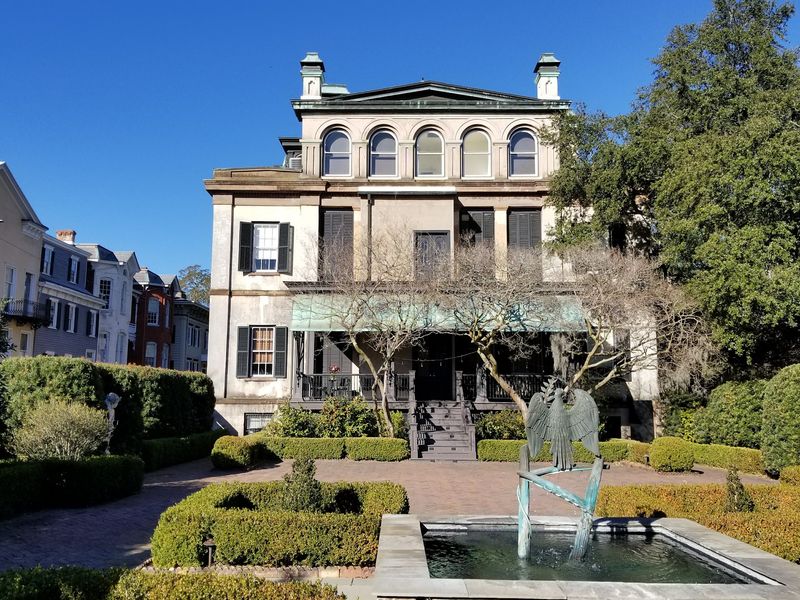
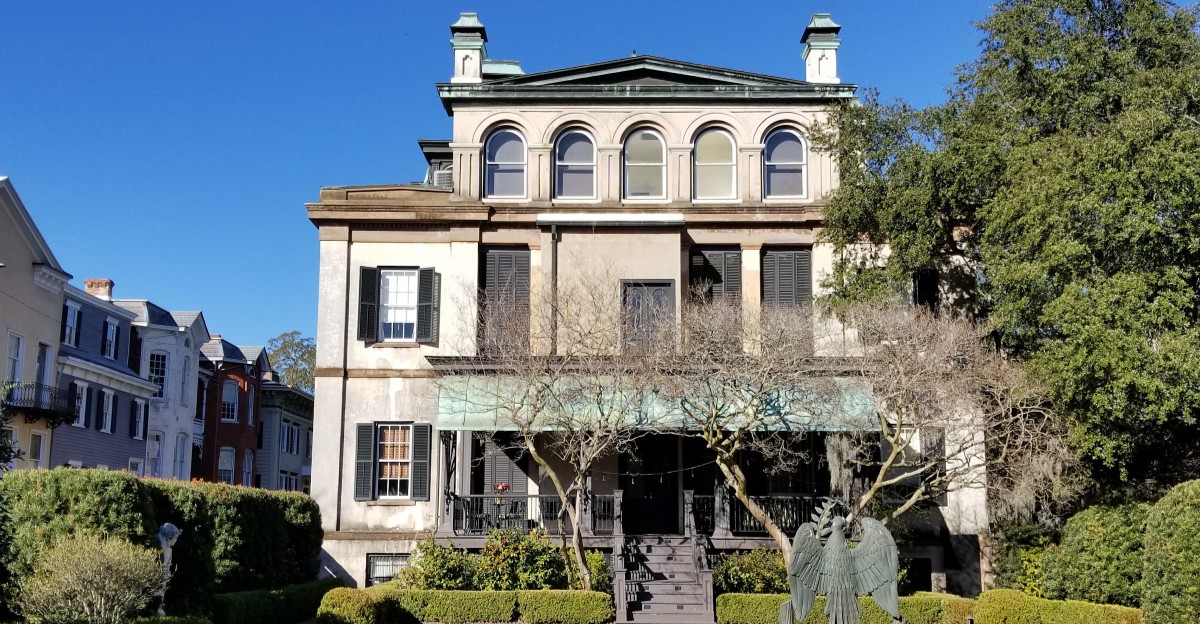
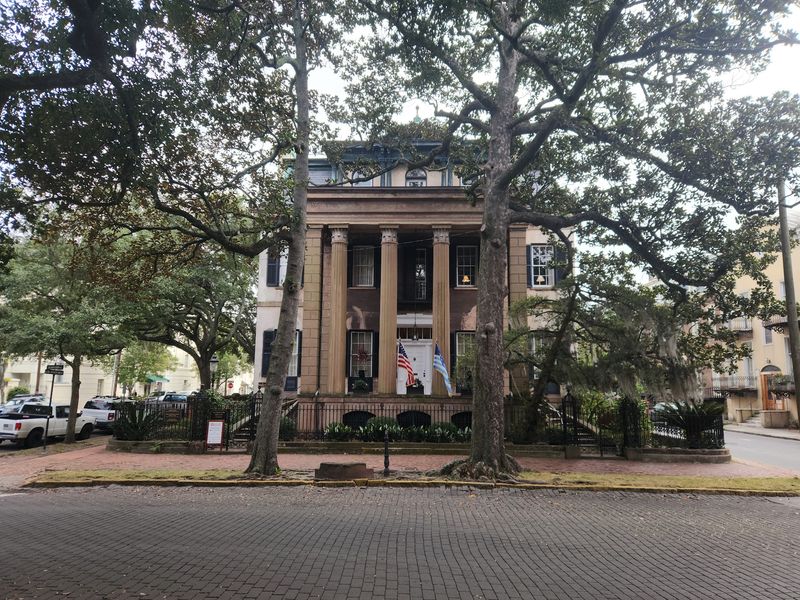
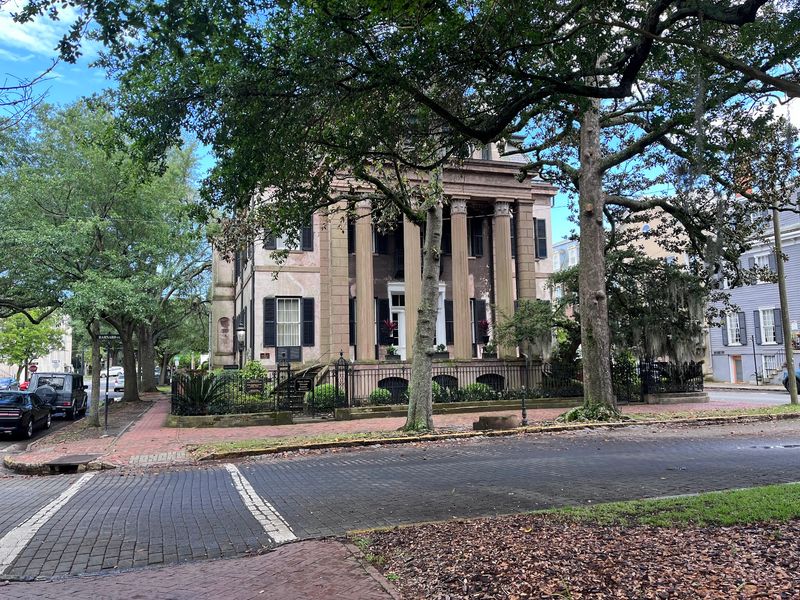
From the sidewalk, the house knows how to make an entrance. Its Greek Revival style borrows the look of ancient Greek buildings, giving the front a formal, balanced feel. That impressive face was part of the point: a grand home could tell neighbors something about a family’s position before anyone stepped inside.
Harper Fowlkes House stands at 230 Barnard St in Savannah, Georgia, beside Orleans Square. The home dates to 1842, and its setting helps explain why the building draws attention even on a street full of history. Pause outside before your tour and compare the mansion with the space around it.
Then look more closely at the entrance instead of rushing toward it. Notice how the design directs your eyes and makes arriving feel like an event. A house like this offered privacy to its residents while presenting a carefully planned public face. That difference between what the street could see and what happened indoors runs through the entire visit.
Bring a question about the architecture for your guide. Even without knowing every building term, you can ask what parts belong to the original design and what changed later. That simple question turns a beautiful first impression into a clearer picture of the home’s long life.
Rooms That Keep Their Stories
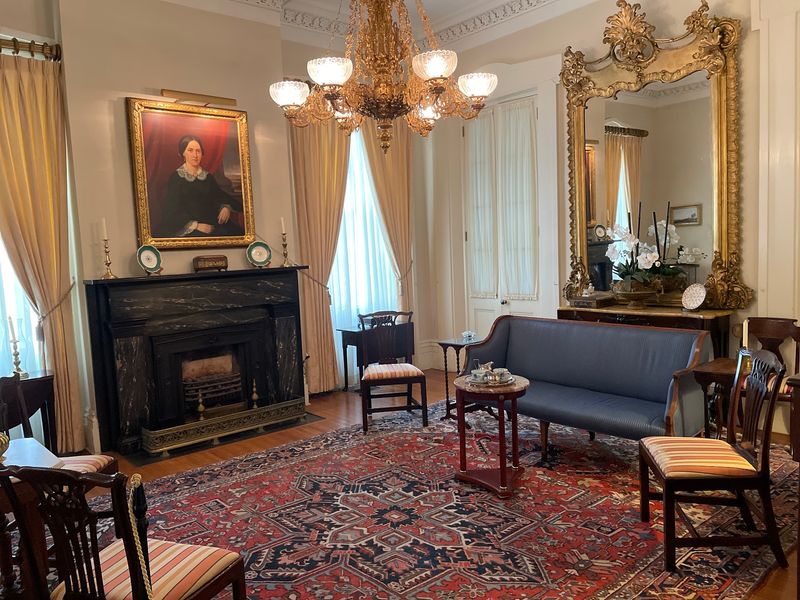
Step into a furnished room, and the mansion begins to feel less like a postcard. Furniture, room size, and the path from one space to another offer clues about how people used the home. A fine room could welcome guests, but it also shaped where visitors went and what they were allowed to see.
Not every object in a historic house has stood in the same spot since 1842. That is why a guide matters. Ask which features belong to the building itself, which furnishings came from later owners, and which displays help explain an earlier time. Keeping those groups separate makes the story more honest and more interesting.
Try watching the doorways during your visit. They show how rooms connect and can hint at the difference between spaces meant for company and spaces used for everyday tasks. You do not need an expert’s eye to spot a change in mood as you move through the house.
Give each room a moment before reaching for the next one. Imagine the many ordinary choices that filled it: where someone sat, who entered, and who worked out of sight. Those questions do not supply easy answers, but they make the rooms feel like places where real lives unfolded.
Chandeliers Above the Conversation
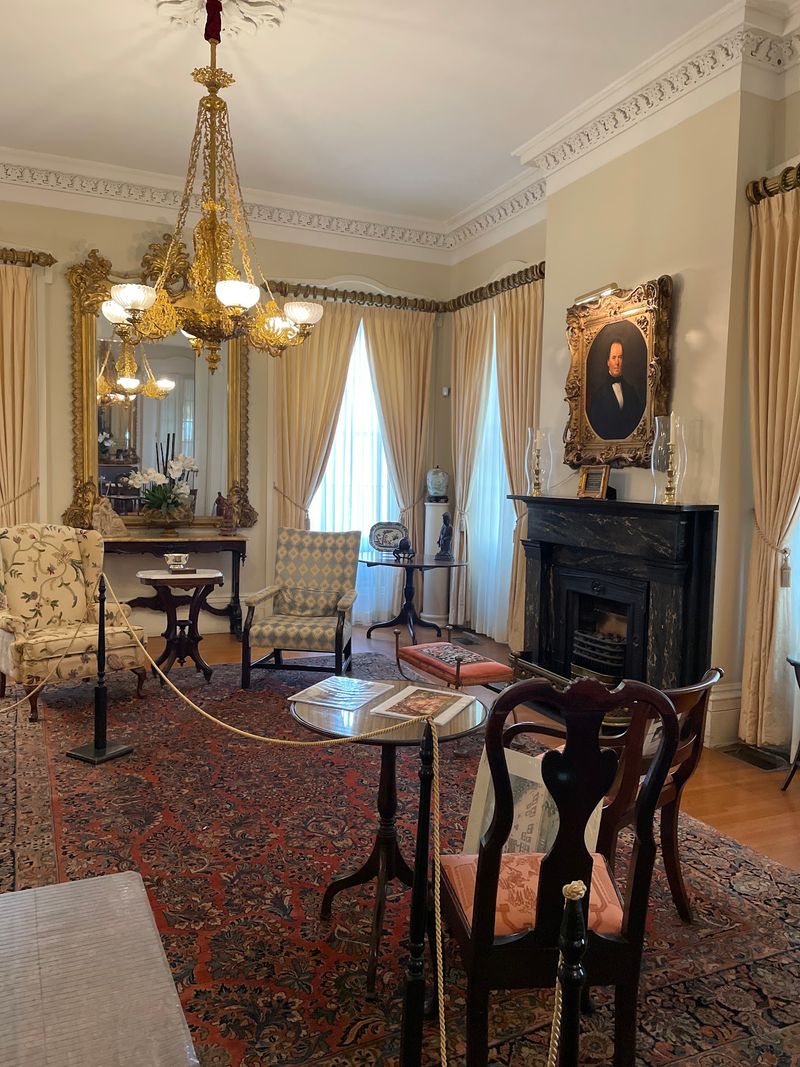
Look up, or you might miss one of the house’s brightest clues. Antique chandeliers add sparkle to the rooms, yet they also point to the effort that went into making a grand home look ready for company. A striking light fixture was meant to be noticed.
The question is not just whether a chandelier is beautiful. Think about who cared for it and how a room was prepared before guests arrived. Dusting, cleaning, and arranging took work, even when the finished space looked effortless. That hidden labor belongs in the story alongside the elegant objects on display.
Historic houses often contain pieces from different periods of their lives. Instead of assuming a fixture was hanging there when the house opened in 1842, ask your guide about its age and connection to the home. The answer may reveal something about a later owner as well as the building’s first years.
When you study a chandelier, glance down at the room it lights. Consider where people might have gathered and why an impressive setting mattered to them. A single object can open several conversations at once, about taste, money, maintenance, and the people who rarely appeared in formal portraits.
Alida Fowlkes and a House That Kept Changing
A mansion does not stop making history after its first family moves in. At Harper Fowlkes House, the story of Alida Fowlkes gives visitors a way to think about the home’s later years, not just its construction date. Guides often discuss her while explaining the people who shaped the place.
That matters because an old room can hold more than one time period at once. The building began in the nineteenth century, while later owners made choices about the home and what belonged inside it. If you treat every chair and decoration as a snapshot of 1842, you miss those later chapters.
Ask your guide what is known about Alida’s role in the house. Then ask how the museum tells her story through the rooms you can actually visit. Those two questions help separate a documented detail from an interesting guess.
There is a personal side to that approach, too. Most families change a home over time, even if their changes are as small as moving a favorite table. Looking for the marks of later lives makes this grand mansion feel more familiar. It also reminds us that preservation is a choice people make, not a pause button that freezes a building forever.
The Kitchen Below the Showrooms
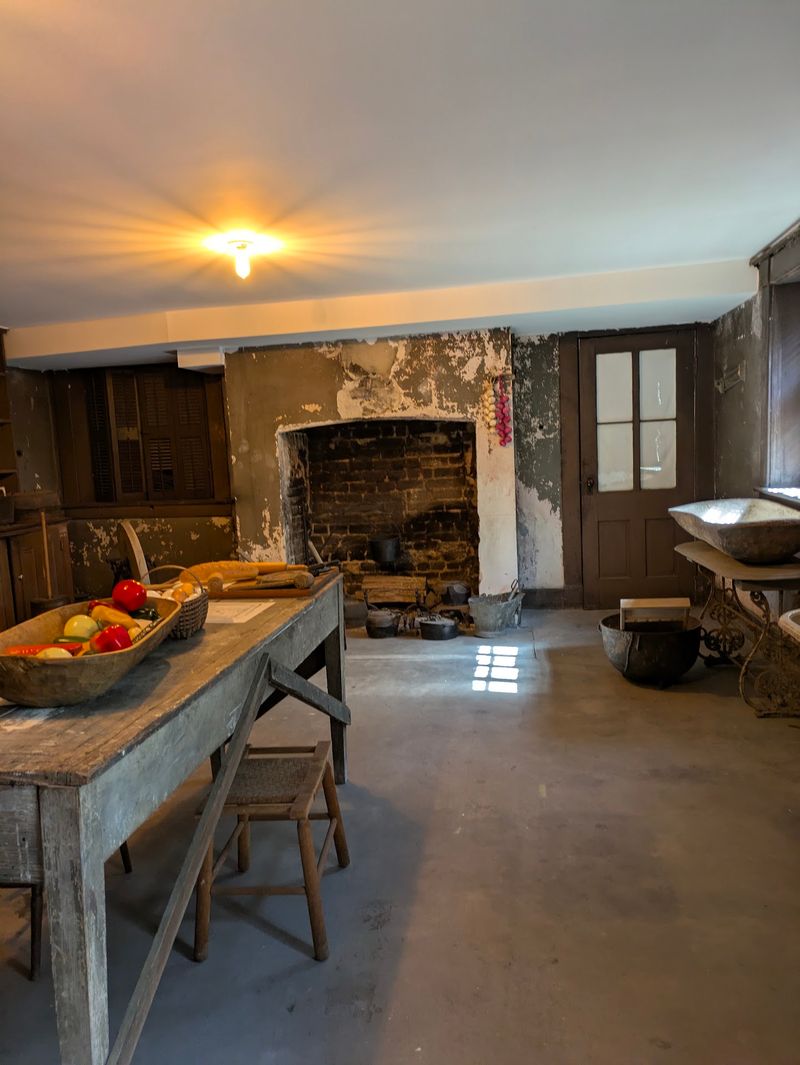
Downstairs, the story changes its shoes. The basement kitchen and storage areas turn attention away from formal rooms and toward the work needed to run a large household. Visitors who only picture parties upstairs miss a major part of the home’s history.
Cooking and storing supplies required planning, time, and physical effort. The basement helps you ask practical questions: How did food reach the rooms above? Where were supplies kept? Who did the work that made an elegant visit possible? A guide can explain what researchers know and what records still leave unclear.
It is also important to face the history of enslaved labor when learning about a Southern mansion. Do not treat work spaces as a quaint contrast to the fine furnishings. They belonged to real people whose lives cannot be reduced to a tour stop or a room label.
If the basement is included on your visit, allow time for it rather than rushing through. Notice how different it feels from the rooms made to impress guests. Ask about the people who worked here and how the museum shares their stories. The most useful question may be what the house can tell us, and what it cannot.
A Porch That Changes the View
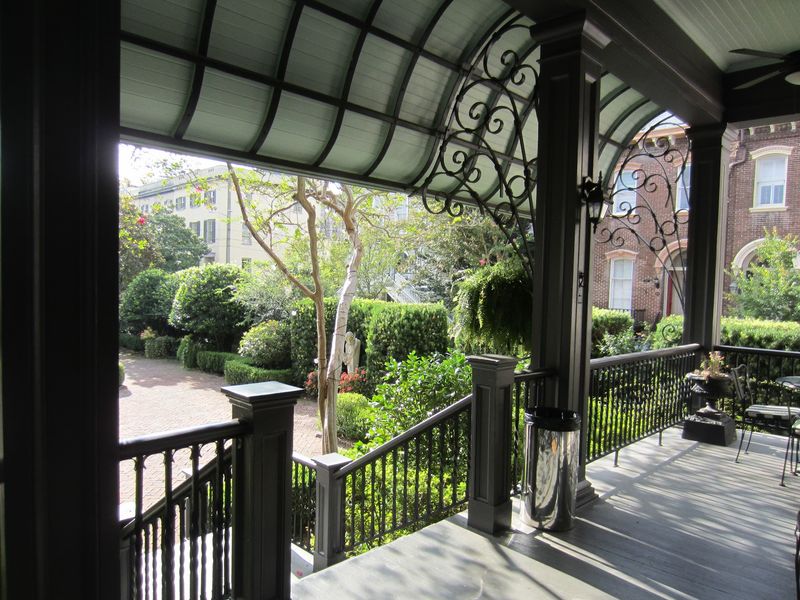
Fresh air can change the way you read a house. From the back porch, visitors have described a view over the garden area, a calmer scene than the formal entrance suggests. It is a good place to think about how indoor and outdoor spaces worked together.
The porch is not just a pretty pause between rooms. It points toward the daily movement of people through the property and the way residents could enjoy a more private side of the home. Ask your guide how the grounds have changed over the years before assuming the view has always looked the same.
Today, the garden also hosts events, including weddings. That modern use gives the grounds another chapter without erasing the past. A place can be preserved and still be part of people’s lives, as long as care for the historic setting stays central.
Take a moment to compare what each side of the house presents. The front makes a public statement, while the rear offers another view of how the home connects to its grounds. If your visit includes the porch, slow down there. You may notice that the quieter view leaves room for questions the grand rooms never raised.
Details a Guide Can Help Untangle
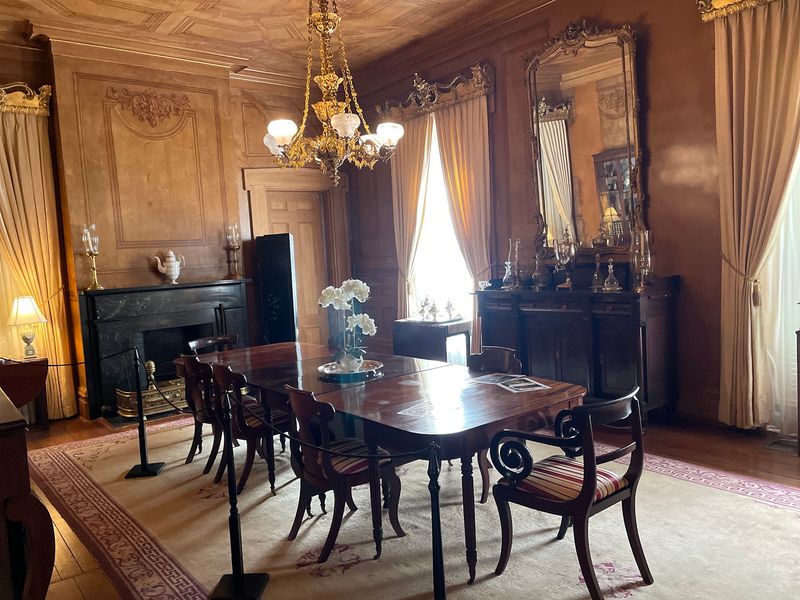
Sometimes the best thing in a room is a good explanation. Visitors often praise the house guides for answering questions and connecting its architecture with stories of the people who lived there. That kind of conversation can reveal far more than a quick glance at furniture.
Bring one question you truly care about. Maybe you want to know which features survived from the nineteenth century, how the rooms changed, or what researchers have learned about household workers. You do not have to know the right historical words to ask. Clear, curious questions usually lead to the most helpful answers.
A guide can also point out where the evidence has limits. That is useful, not disappointing. Old houses leave records, objects, and building clues, but they rarely explain every person’s experience. Listen for the difference between a documented fact and a story offered as a possibility.
Tour routes can vary, so ask which spaces are open on the day you visit. Reports from visitors describe seeing rooms upstairs and the basement on some tours, while others saw less. Knowing the route ahead of time helps you focus on the details you can see rather than worrying about a closed door.
Why Some Details Stay Off Camera
Your camera may have to sit out this part of the trip. Visitors report that indoor photography is not allowed, and the house has explained that flash can harm historic materials and antiques. It can feel frustrating to leave without a photo of a favorite room, but the rule serves a real purpose.
Try a different kind of souvenir: choose one detail to remember from each space. It might be the shape of a light fixture, the path into the basement, or the view from the porch. After the tour, jot those details down while they are fresh. You will have a record of what caught your eye, not just what fit in a frame.
Preservation also means accepting limits on access. Some areas may be closed, and stairs can make parts of a historic home difficult for visitors with mobility needs. Call ahead to ask about current tour routes, photography rules, and accessibility before planning your visit.
What you cannot photograph or enter still raises worthwhile questions. Ask a guide why a space is protected or how an object is cared for. The answers show that keeping a house open to visitors takes work behind the scenes, too.