Massachusetts draws millions of tourists to Boston’s Freedom Trail and Cape Cod’s beaches every year.
Yet beyond these famous spots, the state hides countless treasures that even locals sometimes overlook.
From flower-covered bridges to ancient gorges carved by glaciers, these special places offer authentic experiences without the crowds.
Get ready to discover a side of Massachusetts that most first-time visitors never see.
Shelburne Falls
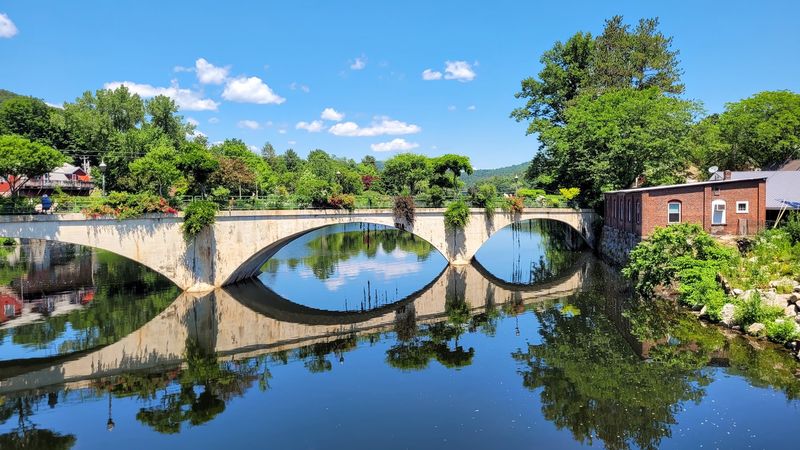
Picture a pedestrian bridge completely blanketed in flowers from spring through fall, creating a rainbow pathway above flowing water. Shelburne Falls offers exactly that with its famous Bridge of Flowers, a retired trolley bridge transformed into a stunning garden display.
Local volunteers plant and maintain thousands of blooms each season, creating a spectacle that feels almost magical.
Beyond the bridge, the village harbors another natural wonder that stops visitors in their tracks. Glacial potholes carved into the bedrock during the last ice age create smooth, circular formations in the Deerfield River.
You can walk right down to these ancient formations and touch geology that took thousands of years to form.
The village itself maintains a peaceful, artistic character with small galleries, craft shops, and cozy cafes tucked along quiet streets. Unlike crowded tourist destinations, you can actually enjoy conversations with locals and explore without bumping into tour groups.
Western Massachusetts scenery surrounds the area with rolling hills and forested landscapes. Most tourists racing between Boston and the Berkshires completely miss this gem, making it feel like discovering a secret the guidebooks forgot to mention.
New Bedford Working Waterfront
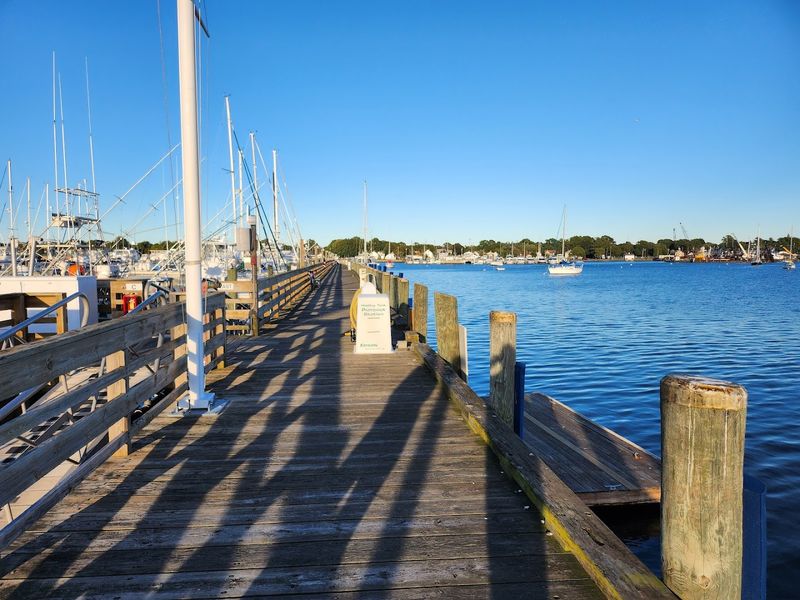
Forget the polished museum district for a moment and head toward the actual docks where New Bedford still thrives as a working fishing port. Real commercial vessels unload their catches here while fishermen mend nets and repair equipment.
The smell of salt water mixes with diesel fuel and fresh seafood, creating an atmosphere that feels genuinely alive rather than preserved for tourists.
Side streets near the waterfront reveal the city’s rich Portuguese heritage through family-owned bakeries serving malassadas and sweet bread. You might hear conversations in Portuguese while locals debate soccer matches or share fishing stories.
Small markets sell imported goods from the Azores, and restaurants serve authentic cuisine passed down through generations. This cultural richness rarely appears in travel guides focused on whaling history alone.
Early morning offers the best experience when boats return with their catches and dockside activity peaks. Walking these neighborhoods feels like stepping into a community rather than a tourist attraction.
The architecture tells stories of maritime prosperity with brick buildings and old warehouses lining narrow streets. Most visitors spend their entire New Bedford visit in the museum zone, never realizing authentic maritime culture continues just blocks away.
Halibut Point State Park
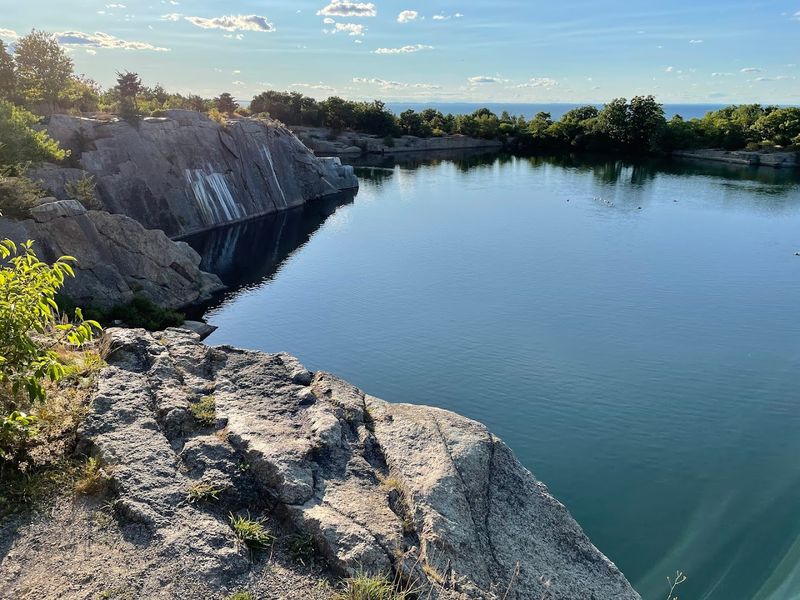
Just outside bustling Rockport sits a stretch of coastline that looks like it belongs in Maine rather than touristy Cape Ann. Halibut Point State Park features massive granite formations carved smooth by centuries of ocean waves.
Tidal pools trapped between rocks teem with small sea creatures waiting for discovery by curious explorers.
The name actually comes from a sailing term meaning to haul about or tack around this rocky point, not from any abundance of halibut fish. A former granite quarry adds industrial history to the natural beauty, with the flooded quarry pit creating an eerie, beautiful centerpiece.
Walking trails loop through low-growing coastal vegetation shaped by constant sea winds. On clear days, you can spot the Maine and New Hampshire coastlines from various viewpoints.
While downtown Rockport overflows with tourists browsing art galleries and eating fried clams, Halibut Point maintains a peaceful atmosphere even during summer weekends. Pack a picnic and find your own private granite outcrop to watch waves crash against ancient stone.
Sunset here transforms the landscape into something otherworldly as golden light plays across wet rocks. The dramatic scenery rivals any famous coastal park but without requiring reservations or arriving at dawn to find parking.
Historic Deerfield
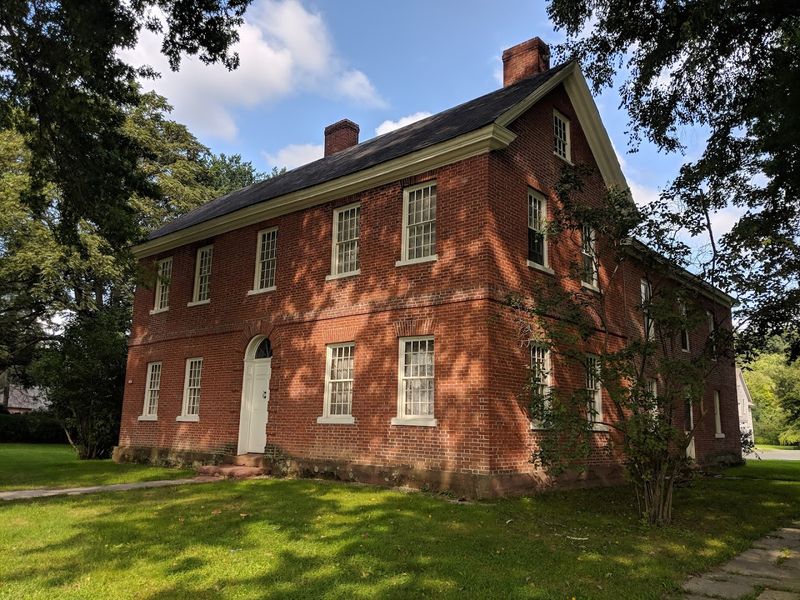
Step onto the mile-long main street and suddenly you’re surrounded by authentically preserved homes from the 1700s and 1800s. Historic Deerfield isn’t a recreation or theme park but actual buildings where colonial families once lived, worked, and shaped early American history.
Museum houses open their doors to reveal original furnishings, decorative arts, and everyday objects that bring the past into sharp focus.
Unlike larger historical sites that feel commercialized, Deerfield maintains an intimate atmosphere where guides share detailed stories about specific families and events. Period gardens bloom with heirloom vegetables and flowers that colonial residents would recognize.
The architecture showcases various styles spanning generations, from simple early structures to more elaborate Federal-period homes. You can spend hours exploring room by room, discovering how people actually lived rather than just reading about it.
The village sits in the beautiful Connecticut River Valley with mountain views framing the historic streetscape. Most Massachusetts tourists head straight to Plymouth or Salem for colonial history, completely bypassing this remarkably preserved community.
School groups visit occasionally, but weekdays often feel almost empty, letting you imagine walking through history without modern distractions. The depth of preservation and interpretation here rivals famous historical sites but without overwhelming crowds.
Turners Falls
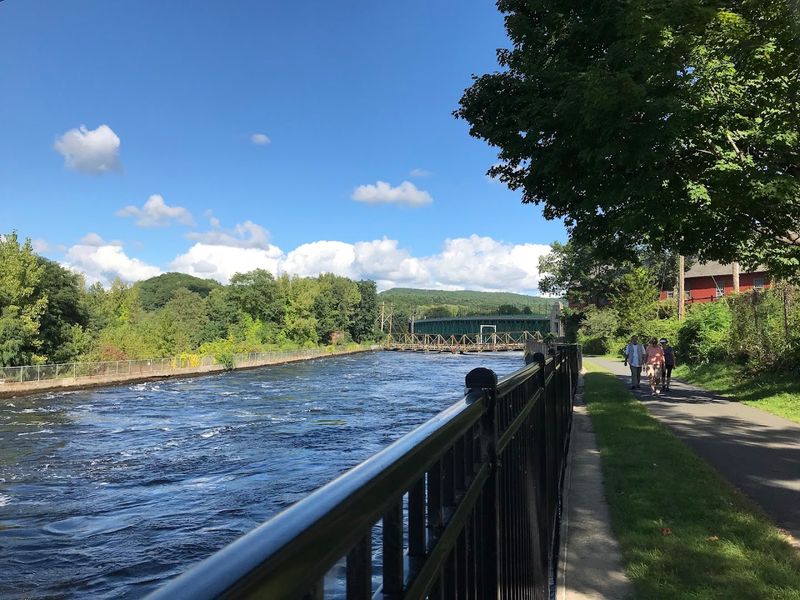
An unexpected creative energy pulses through this former mill town where waterfalls thunder beside century-old industrial architecture. Turners Falls transformed from struggling post-industrial community into an arts destination, though most tourists speeding along Route 2 never notice.
Murals brighten brick walls, independent cafes serve excellent coffee, and small galleries showcase local artists working in surprisingly diverse mediums.
The actual falls that give the town its name remain impressive, with the Connecticut River cascading over rocky shelves that once powered massive textile operations. Walking across the historic canal system reveals engineering ambition from another era.
Old mill buildings now house artist studios, small businesses, and community spaces that preserve architectural character while encouraging new uses.
A small but dedicated community has revitalized downtown with quirky shops, a vintage movie theater, and restaurants focusing on quality over pretension. First Fridays bring out locals to celebrate their creative scene without tourist crowds diluting the authentic neighborhood vibe.
The Shea Theater hosts surprisingly good music acts and performances in an intimate restored venue. Sunset views from the bridge span both natural beauty and industrial heritage.
Most visitors to western Massachusetts miss this entirely, assuming mill towns hold nothing interesting beyond faded glory and economic hardship.
Chesterfield Gorge
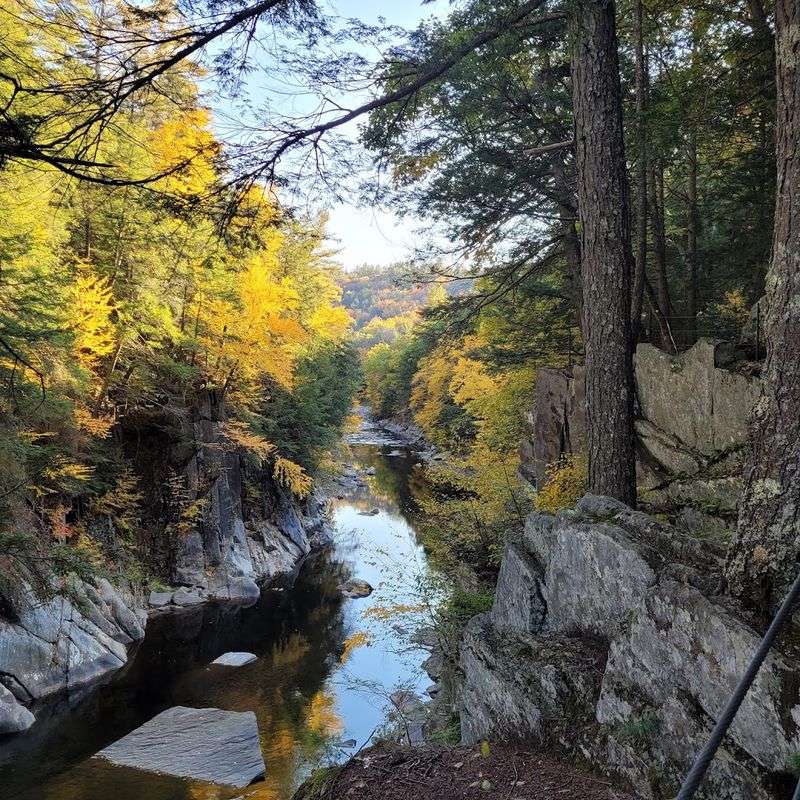
Wooden bridges cross a narrow chasm where water rushes through granite walls sculpted over millennia. Chesterfield Gorge feels like discovering a secret canyon hidden in ordinary Massachusetts woodland.
The compact size actually works in its favor, creating an intimate encounter with dramatic geology without requiring hours of hiking to reach the good parts.
Moss and ferns cling to damp rock faces while the stream carves deeper year by year through ancient stone. The sound of moving water echoes off close canyon walls, creating a surprisingly powerful sensory experience.
Short trails lead to different viewpoints where you can peer down into the narrow channel or walk alongside quieter stream sections. Even on humid summer days, the gorge remains noticeably cooler thanks to shade and moving water.
The Trustees of Reservations maintains this small property, keeping it pristine but accessible. Families with young children can easily explore the main areas in under an hour, making it perfect for a quick adventure between other activities.
Fall foliage frames the gorge beautifully when surrounding trees explode in color. Yet even Massachusetts residents often express surprise when hearing about this place, proving how thoroughly it flies under the tourism radar.
No entrance fee required, just park and discover why water always wins against stone given enough time.
Quabbin Reservoir Scenic Overlooks
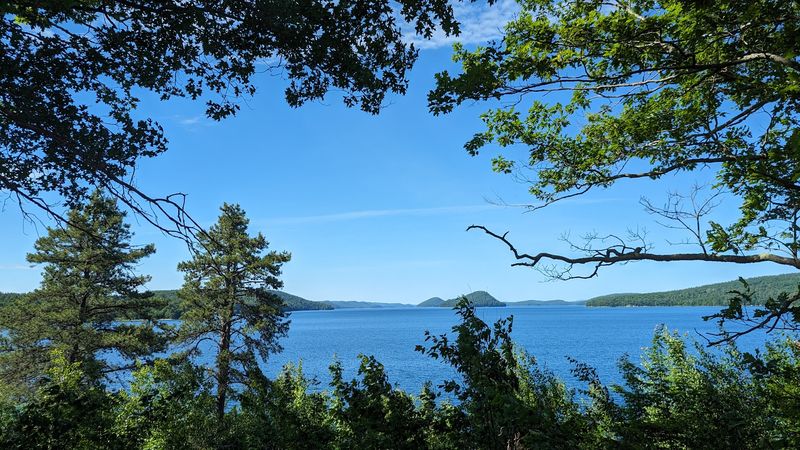
Four towns vanished underwater when Massachusetts created this massive reservoir in the 1930s to supply Boston with drinking water. Today, Quabbin Reservoir spreads across nearly forty square miles, creating what feels like wilderness in the middle of the state.
Protected watershed regulations maintain pristine conditions, resulting in scenery that looks untouched by modern development.
Several official overlooks offer breathtaking views across the water toward forested hills rolling into the distance. Eagles nest here, making it one of the best places in Massachusetts to spot these magnificent birds soaring over water.
The sheer scale surprises first-time visitors expecting just another modest New England lake. On quiet weekdays, you might find yourself completely alone at an overlook, surrounded by silence broken only by bird calls and wind through trees.
Limited public access preserves the reservoir’s wild character but also means fewer people discover its beauty. Walking trails circle portions of the shoreline through mature forests where wildlife thrives without human pressure.
Spring brings migrating birds while fall transforms the landscape into a spectacular color display. The remote feeling contrasts sharply with crowded state parks elsewhere in Massachusetts.
Most tourists never hear about Quabbin despite its massive size and remarkable conservation success story that drowned entire communities to create this protected haven.
Purgatory Chasm State Reservation
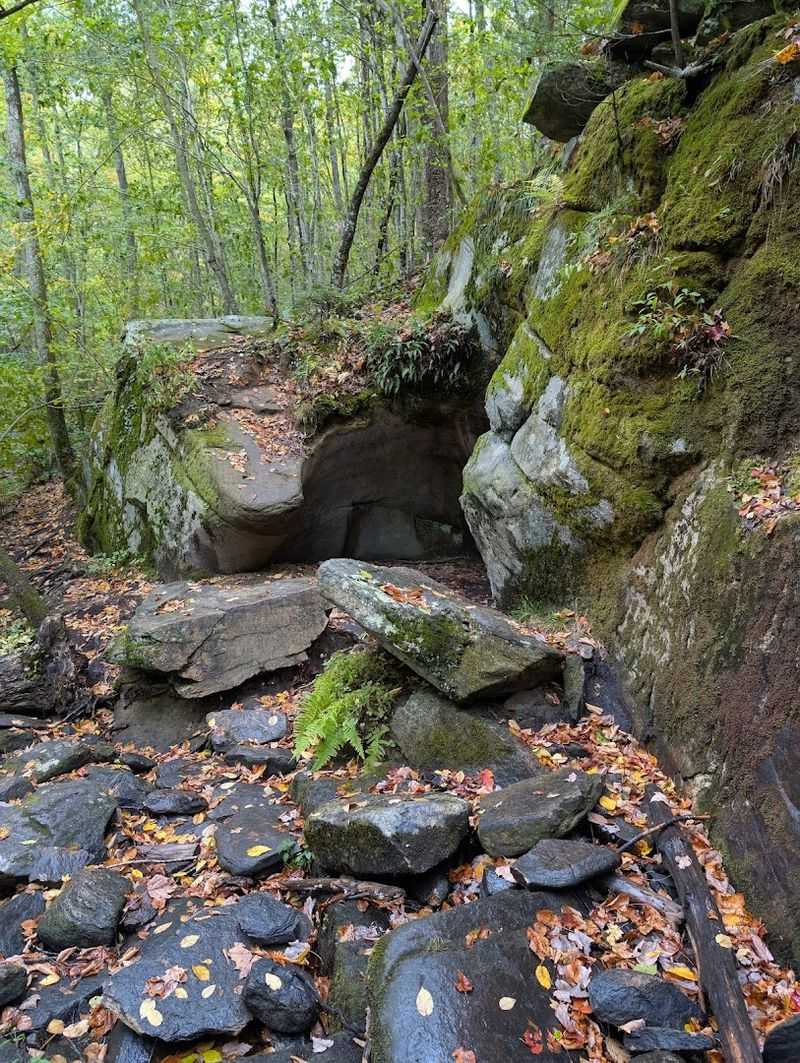
Nothing prepares you for finding a genuine rock scrambling adventure in central Massachusetts farming country. Purgatory Chasm splits the landscape with a quarter-mile fissure flanked by seventy-foot granite walls.
Boulders the size of houses create a maze where hikers scramble over, under, and between massive stones rather than simply walking a trail.
Geologists debate exactly how this dramatic feature formed, with theories ranging from glacial erosion to catastrophic flooding or ancient earthquakes. Whatever created it left behind a playground that challenges visitors to navigate through tight passages with names like Fat Man’s Misery and The Coffin.
Kids especially love the adventure of squeezing through narrow gaps and climbing over huge rocks. Families make entire afternoons of exploring different routes through the chasm floor.
The main gorge offers the most dramatic scenery, but surrounding trails wind through forest with additional smaller rock formations and overlooks. Spring runoff sends water rushing through the bottom, adding another dimension to the experience.
Despite being a state reservation, Purgatory Chasm remains relatively unknown outside central Massachusetts. The physical challenge involved naturally limits crowds compared to simple walking trails.
Wear sturdy shoes and expect to use your hands climbing through sections, creating an experience that feels remarkably wild and adventurous for such an accessible location.
Cuttyhunk Island
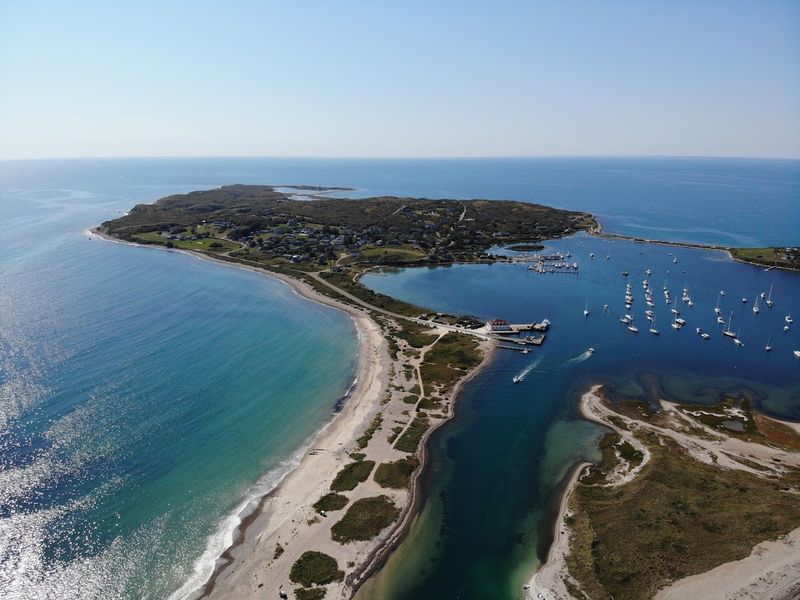
Catching the ferry to this tiny speck in the Elizabeth Islands chain feels like traveling back to a simpler era of New England coastal life. Cuttyhunk remains blissfully undeveloped with fewer than a dozen year-round residents, a single small store, and no commercial tourism infrastructure.
The pace slows immediately upon arrival as you realize cars barely exist here and nobody seems rushed about anything.
Rocky beaches, rolling hills, and expansive ocean views create scenery without the Cape Cod crowds visible just across the water. Fishing remains a primary activity, whether from shore, boats, or the town dock where locals gather to swap stories.
Simple walking trails connect different parts of the island, leading to World War II observation towers and secluded coves. Bartholomew Gosnold landed here in 1602, making it one of the first European contact points in New England, though you’d never know from the current low-key atmosphere.
Day visitors arrive on the ferry from New Bedford, enjoy a few hours exploring, then depart before evening. Overnight accommodations remain extremely limited, preserving the island’s uncommercialized character.
Bring your own food since dining options barely exist. The isolation and simplicity attract visitors tired of typical beach resort experiences.
Most people planning Cape Cod vacations never consider this remote alternative where authenticity trumps convenience every single time.
Mount Grace State Forest
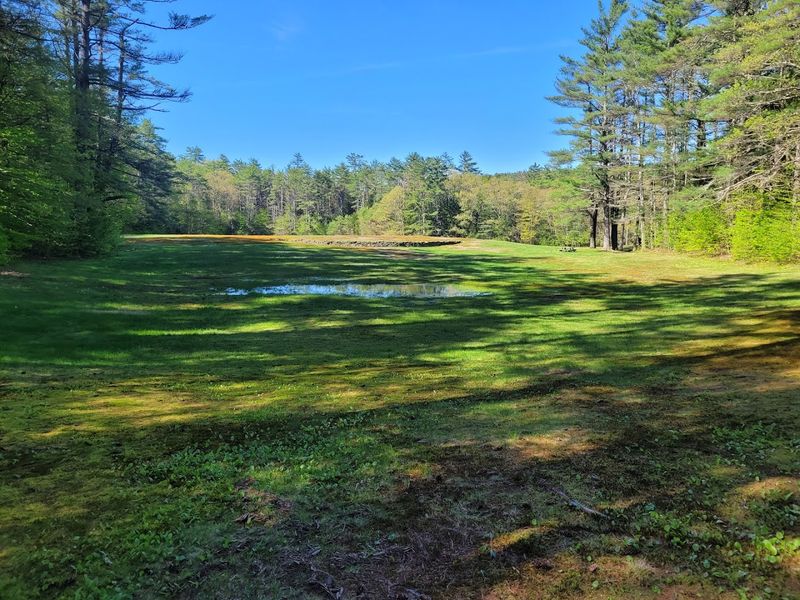
A steep trail climbs through quiet hardwood forest toward a summit crowned by a vintage stone fire tower. Mount Grace State Forest protects thousands of acres in rural north central Massachusetts where development never arrived and nature reclaimed old farmland.
The mountain itself rises modestly but provides satisfying hiking with legitimate elevation gain and worthwhile summit views.
The fire tower, built by the Civilian Conservation Corps in 1935, still stands strong and climbable for those comfortable with heights. From the top, forested hills stretch endlessly in all directions with barely a building visible.
Deep woods trails wind through the forest below, offering miles of peaceful walking beneath tall trees. Wildlife thrives here including bears, moose, and numerous bird species that prefer undisturbed habitat.
Unlike popular White Mountain trails or even Berkshire peaks, Mount Grace sees relatively few hikers even on beautiful weekends. The remote location in sparsely populated hill country keeps it off most radar screens.
No amenities exist beyond a small parking area and trail markers, which honestly adds to the appeal for people seeking genuine solitude. Spring wildflowers carpet the forest floor while fall foliage rivals any famous scenic drive.
Standard Massachusetts travel guides rarely mention this forest despite offering everything outdoor enthusiasts claim to want without the crowds they claim to avoid.
Mount Sugarloaf State Reservation
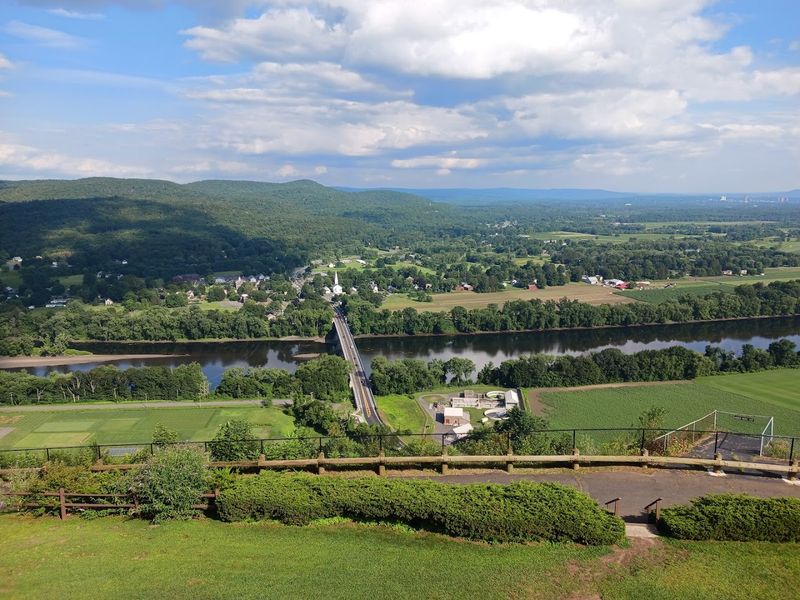
Don’t let the small size fool you because this modest peak delivers views completely out of proportion to the effort required to reach the top. Mount Sugarloaf rises abruptly from the Connecticut River Valley floor, creating a natural observation platform overlooking farmland, towns, and distant mountains.
You can drive most of the way up, making spectacular vistas accessible to anyone regardless of hiking ability.
The observation tower adds extra height, giving 360-degree panoramas that photographers dream about during fall foliage season. Below, the Connecticut River winds through agricultural flatlands that look almost Midwestern in their broad openness.
The contrast between this low-elevation valley and surrounding hills creates unique scenery different from typical New England mountain views. Spring brings fields of flowers while summer shows crops growing in neat patterns across farms that have operated for generations.
A short trail connects the north and south peaks for those wanting a bit more adventure than the road provides. Native Americans called this mountain Wequamps, meaning shining hill, appreciating its prominent position long before Europeans arrived.
Most hikers heading to Massachusetts mountains aim for the Berkshires or Mount Greylock, skipping this accessible gem that rewards minimal effort with maximum payoff. Local college students know about it, but tourism guides barely acknowledge its existence despite offering arguably the best views-per-mile ratio in the entire state.
Bellforge Arts Center Area
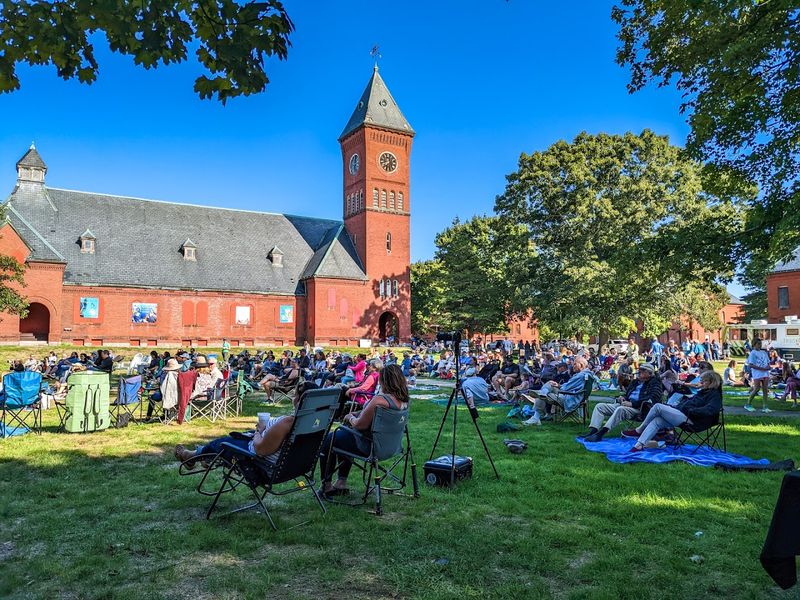
An old mill complex along the Charles River found new life as a cultural hub where art installations, community events, and creative spaces flourish. Bellforge Arts Center emerged gradually as artists, performers, and community organizers recognized potential in historic industrial buildings that once manufactured very different products.
The setting blends preserved architectural character with contemporary arts programming in ways that feel organic rather than forced.
Unlike major urban arts districts, this remains intimate and community-focused with events drawing locals who actually know each other. Gallery shows feature regional artists working across diverse mediums from traditional painting to experimental multimedia installations.
Performances range from jazz concerts to theater productions, all scaled to fit the venue’s character. The riverside location adds natural beauty that contrasts nicely with brick mill architecture and modern creative energy.
Medfield itself flies under the radar as a Boston suburb without tourist attractions, making the arts center feel like an insider secret. Programming changes regularly, encouraging repeat visits to see what’s new rather than checking off a static attraction.
Food trucks often appear during events, creating casual social atmospheres where conversation flows easily. The grassroots development means this place continues evolving rather than existing as a finished product.
Most people exploring Massachusetts arts scenes focus on Provincetown, Northampton, or Boston neighborhoods, never discovering this emerging spot that prioritizes community connection over tourist appeal.
Ashfield Lake & Village
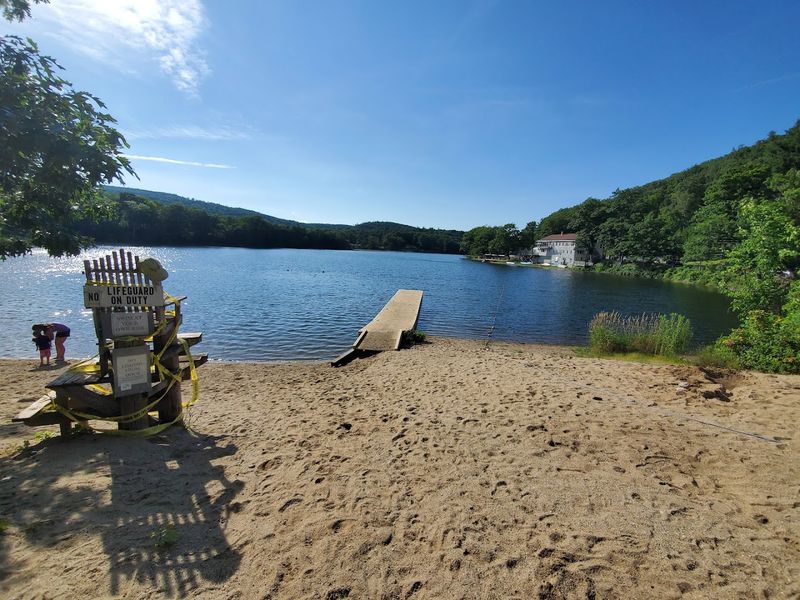
Tucked into western Massachusetts hill country sits a village that time forgot in the best possible way. Ashfield maintains classic rural New England character without cutesy tourist development or Instagram-worthy branding.
The town common features historic buildings including a general store that actually serves locals rather than performing for visitors. Life moves at a pace determined by seasons and community rhythms rather than tourist schedules.
Ashfield Lake provides a swimming and picnicking spot that residents treasure but outsiders rarely discover. No commercial development mars the shoreline, just simple beach access and forest surrounding clear water.
Summer days bring families for low-key recreation without the crowds and parking hassles plaguing famous swimming holes. The water stays refreshingly cool even during heat waves thanks to springs feeding the lake.
Antique shops along the village roads offer genuine finds rather than overpriced reproductions aimed at leaf-peeping tourists. Fall foliage here rivals any scenic drive but happens against a backdrop of working farms and authentic small-town life.
Local agriculture remains visible with farm stands selling seasonal produce and occasional livestock grazing in roadside pastures. Artists and writers have quietly settled here over decades, appreciating the peaceful isolation and natural beauty.
Most visitors speeding through western Massachusetts en route to more famous destinations never exit the highway, leaving Ashfield to locals and those few outsiders who appreciate unpolished authenticity.