Massachusetts outdoor markets offer more than just shopping – they’re social hubs where neighbors meet, families explore, and food lovers discover fresh local treasures.
From historic Boston street markets to cozy suburban gatherings, these outdoor spaces transform ordinary errands into memorable outings.
Whether you’re hunting for farm-fresh vegetables, handmade crafts, or just soaking up the community atmosphere, Massachusetts has a market perfect for your weekend plans.
Here are 12 outdoor markets across the state where shopping becomes an experience worth planning your day around.
SoWa Open Market – Boston
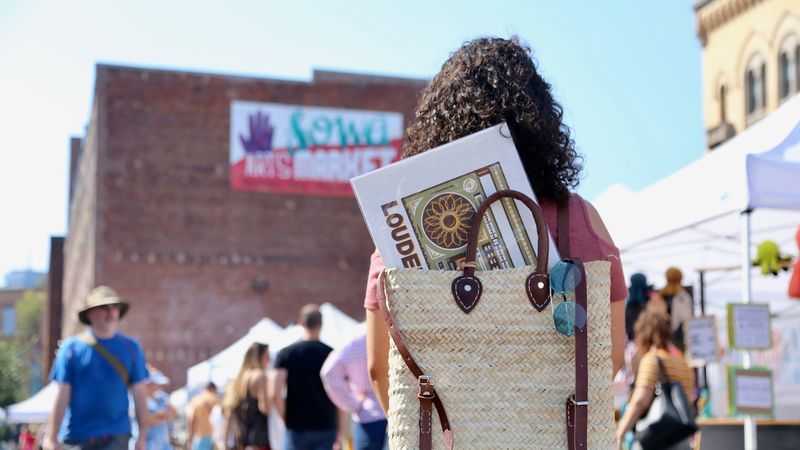
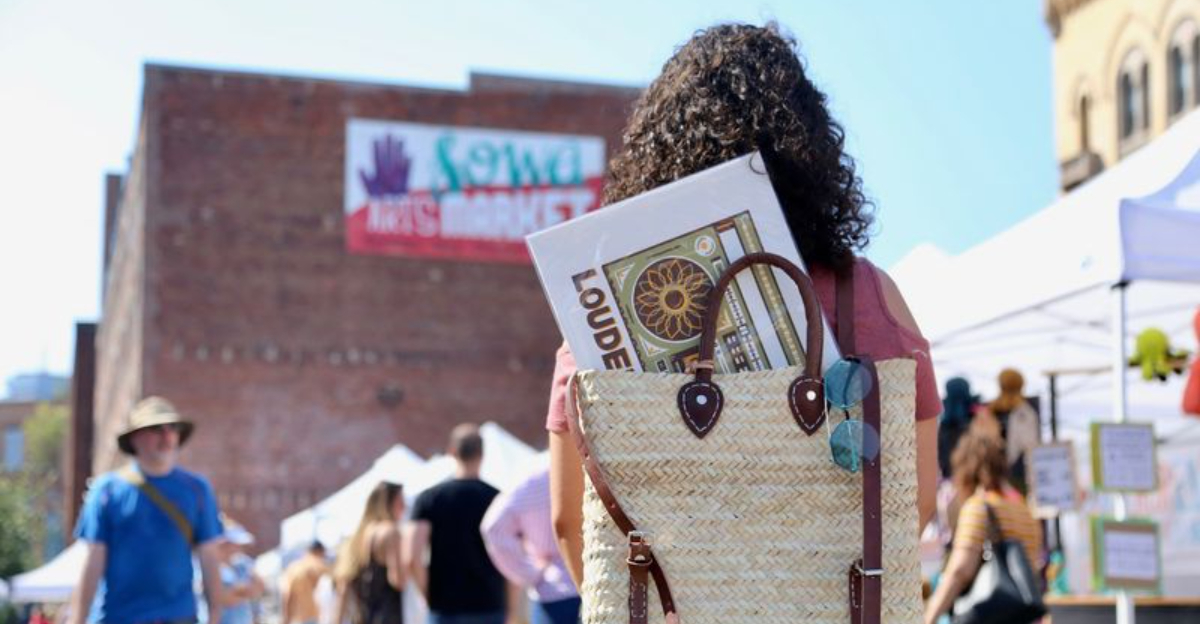
Sunday mornings in Boston’s South End come alive when SoWa opens its gates. This isn’t your typical farmers market – it’s a full-blown cultural experience where art meets agriculture in the most unexpected ways.
Rows of white tents shelter everything from organic heirloom tomatoes to handcrafted jewelry. Food trucks line the perimeter, filling the air with aromas of everything from Korean BBQ to artisan donuts.
Local artists display paintings and photography while musicians strum guitars near the entrance.
Families arrive early to snag the best produce before heading to the adjacent art galleries. Couples sip cold brew coffee while debating which food truck deserves their lunch money.
Dogs on leashes weave through the crowd, their owners stopping every few feet to chat with neighbors.
The market operates May through October, drawing crowds that sometimes number in the thousands. Pack patience along with your reusable bags – the energy here is contagious but the aisles get packed.
This South End gem proves shopping doesn’t have to feel like a chore when community and creativity collide.
Copley Square Farmers Market – Boston
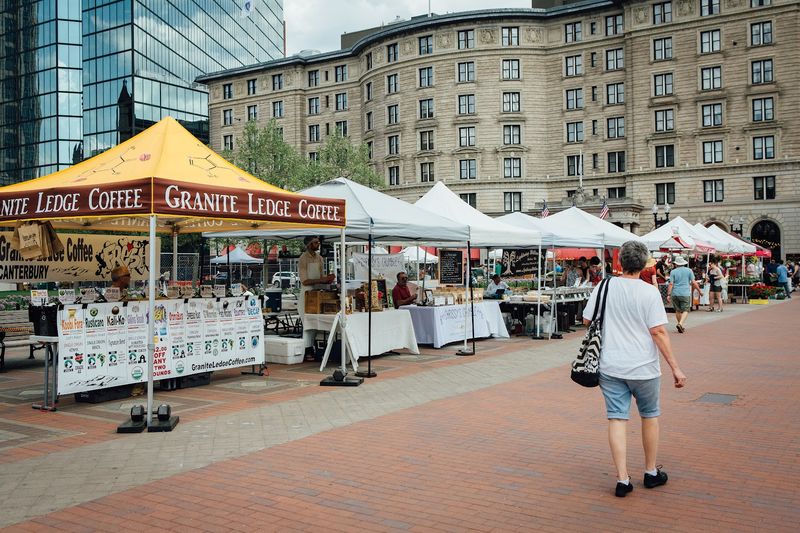
Right in the shadow of Trinity Church and the Boston Public Library sits one of the city’s most photogenic markets. Back Bay shoppers swap boutique bags for canvas totes every Tuesday and Friday between May and November.
Over 40 vendors spread across the historic square, their colorful displays creating a striking contrast against surrounding architecture. Fresh strawberries sit beside sourdough loaves while flower vendors arrange dahlias into bouquets.
Office workers grab lunch from prepared food stands, eating on nearby benches while watching the urban theater unfold.
The location makes this market incredibly convenient but also wonderfully scenic. You can pick up dinner ingredients while tourists snap photos of the church behind you.
Street performers occasionally set up nearby, adding unexpected entertainment to your shopping trip.
Early morning visits offer the best selection before the lunchtime rush. Bring cash – some vendors still prefer it, though many now accept cards.
The combination of convenience, quality, and location makes this a favorite among downtown residents and suburban visitors alike who time their city trips around market days.
Haymarket – Boston
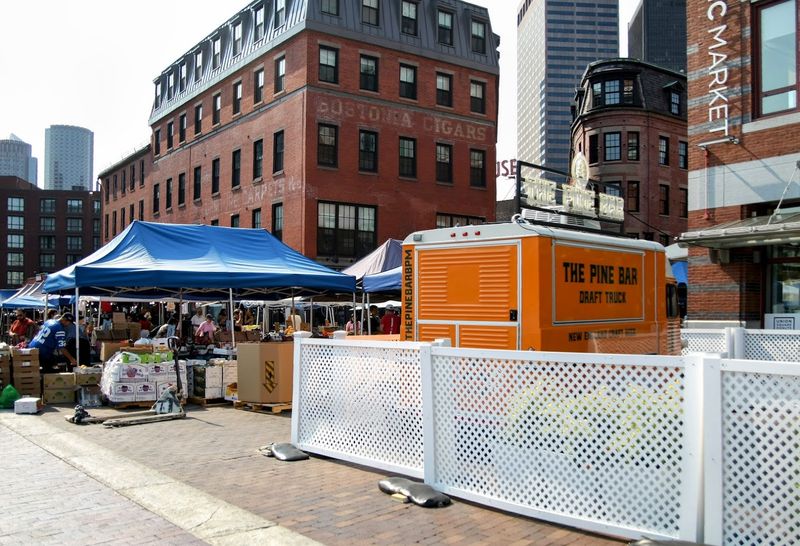
Since the 1630s, vendors have been hawking their wares on these same streets. Haymarket carries history in its bones – it’s one of America’s oldest continuously operating open-air markets, and it hasn’t lost its edge.
Friday and Saturday mornings transform Blackstone Street into organized chaos. Vendors shout prices while customers dig through bins of peppers, oranges, and greens.
Everything sells for bargain prices, sometimes a fraction of what you’d pay at supermarkets.
This isn’t a leisurely browsing experience – it’s fast-paced, crowded, and occasionally overwhelming. People push through narrow aisles between vendors, negotiating prices and inspecting produce quality.
The ground can get messy with discarded leaves and water from melting ice.
But that’s exactly what makes Haymarket authentic. Budget-conscious shoppers fill bags with affordable fruits and vegetables while absorbing the old-school market energy.
Seafood vendors add their own distinctive aroma to the mix. Come early for the best picks, bring cash only, and don’t wear your nicest shoes.
This market rewards those who appreciate tradition over polish and value over aesthetics.
Boston Public Market at Dewey Square – Boston
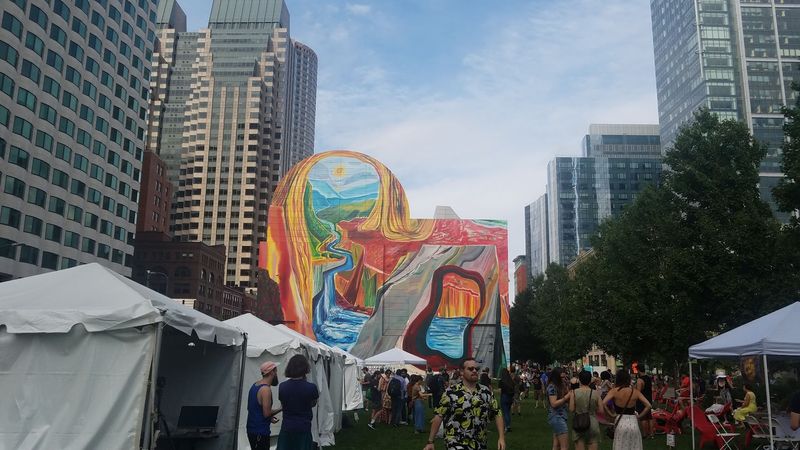
When the year-round indoor Boston Public Market expands outdoors, it claims prime real estate on the Rose Kennedy Greenway. This seasonal extension runs through warmer months, bringing farm-fresh options to downtown workers and residents.
The Dewey Square location means you’re shopping in one of Boston’s most accessible spots. Greenway visitors stumble upon the market during lunch breaks or afternoon strolls.
Vendors focus heavily on Massachusetts-grown produce and locally-made foods, creating a concentrated showcase of regional agriculture.
Unlike some larger markets, this one maintains an intimate feel despite its central location. You can actually have conversations with farmers about growing practices or ask bakers about their techniques.
The relaxed pace contrasts sharply with the surrounding urban hustle.
Expect quality over quantity here – fewer vendors means more curated selection. Fresh vegetables arrive from nearby farms, often picked that same morning.
Artisan cheese makers offer samples while explaining their craft. The market complements rather than competes with the indoor location, giving shoppers more reasons to make the Public Market part of their regular routine throughout spring, summer, and early fall.
Charles Square Farmers Market – Cambridge
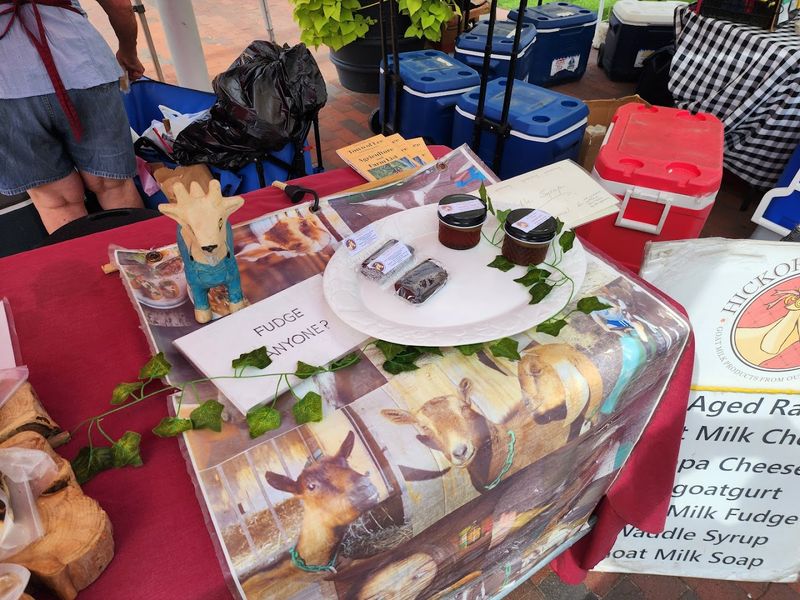
Harvard Square’s sophisticated vibe extends to its nearby farmers market, where organic standards meet academic appreciation for sustainable agriculture. This Cambridge favorite attracts both university intellectuals and neighborhood families seeking quality ingredients.
The market splits its time between seasonal outdoor gatherings and year-round indoor sessions. During warmer months, vendors set up near the Charles Hotel, transforming the plaza into a European-style market.
Artisan bread bakers display crusty loaves alongside locally-churned butter and preserves made from Massachusetts berries.
What sets this market apart is its commitment to organic and sustainable practices. Many vendors farm using methods they’re happy to discuss at length.
Cheese makers bring samples of their latest creations, often inspired by traditional European techniques but using New England milk.
Prepared food options cater to sophisticated palates – think Vietnamese spring rolls, gourmet tamales, and wood-fired flatbreads. The crowd tends toward the well-informed shopper who knows their heirloom tomato varieties and asks detailed questions about farming practices.
Sundays draw the biggest crowds, so arrive early if you want first pick of specialty items before they sell out.
Central Square Farmers Market – Cambridge
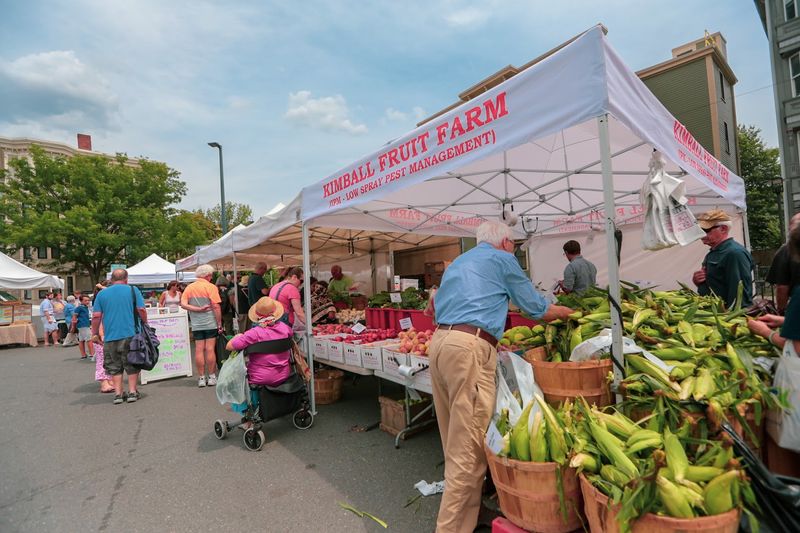
Central Square’s reputation as Cambridge’s most diverse neighborhood shines brightest on market days. Monday afternoons from June through October, this plaza becomes a gathering spot where the community’s multicultural character takes center stage.
You’ll find produce from regional farms alongside prepared foods reflecting the neighborhood’s international flavors. Indian samosas share table space with Mexican tamales and Middle Eastern mezze.
Local bakers bring sourdough and challah while Asian vendors offer kimchi and pickled vegetables.
The market deliberately focuses on accessibility and community connection. Prices remain reasonable, and vendors often speak multiple languages to serve their diverse customer base.
Musicians performing between the tents reflect the square’s artistic soul, adding soundtrack to your shopping.
Families treat market day as a weekly social event, kids running between stalls while parents catch up with neighbors. The relaxed atmosphere encourages lingering – grab something from a food vendor and eat at nearby tables while watching the Cambridge world go by.
This market proves that shopping local can simultaneously celebrate global flavors. It’s smaller than some Boston markets but makes up for size with character and heart.
Natick Center Farmers Market – Natick
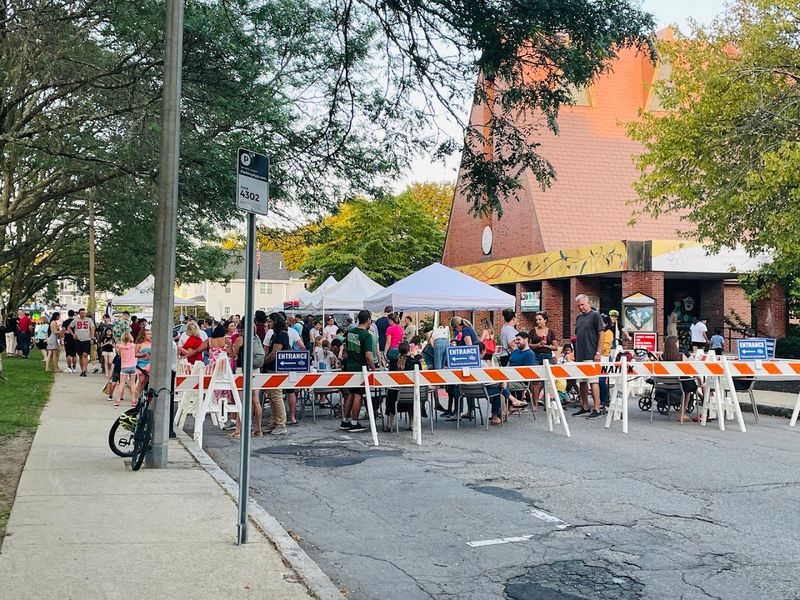
Suburban life at its finest unfolds every Saturday morning when Natick Center’s Common transforms into a bustling marketplace. This MetroWest favorite draws families from surrounding towns who appreciate the balance between small-town charm and impressive vendor variety.
Summer markets run outdoors with up to 30 vendors, while winter sessions move to a covered location but maintain the outdoor spirit. Fresh vegetables from nearby farms pile high in wooden crates.
Honey vendors explain their different varieties while customers sample lavender, wildflower, and buckwheat options.
International foods add unexpected variety to this suburban market. One vendor might sell authentic Indian curries while another offers freshly-made pierogis.
Local dairies bring milk, eggs, and yogurt, and meat vendors provide everything from grass-fed beef to pastured chicken.
Kids love the market’s family-friendly vibe – many vendors keep treats specifically for younger shoppers. The Common’s central location makes it easy to combine market shopping with other errands or a coffee shop visit.
Parking can get tight during peak hours, so arrive early or be prepared for a short walk. Year-round operation means you develop relationships with vendors who remember your usual order.
Union Square Farmers Market – Somerville
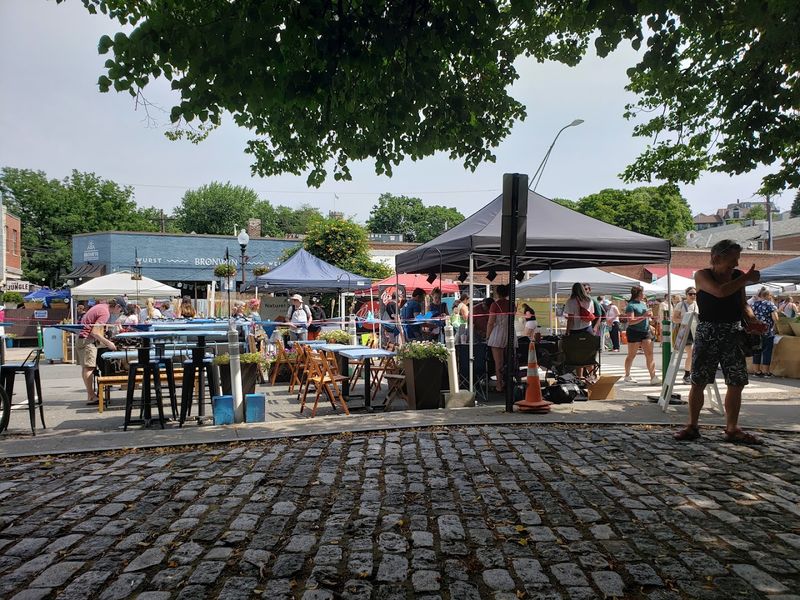
Saturday mornings in Union Square get loud in the best possible way. Live music drifts through vendor stalls while the crowd grows thick with locals who wouldn’t miss this weekly ritual for anything.
This Somerville institution embodies neighborhood market culture at its finest. Vendors know regular customers by name and remember their preferences.
The musician playing near the entrance might be your neighbor. That couple browsing lettuce varieties probably lives on your street.
Farm stands overflow with seasonal specialties – asparagus in spring, tomatoes in summer, squash in fall. Food pop-ups rotate weekly, bringing everything from Filipino breakfast to artisan doughnuts.
Coffee vendors do brisk business as shoppers fuel up for their browsing sessions.
The market’s diversity reflects Somerville’s character. You’ll hear multiple languages spoken while navigating the aisles.
Vendors range from established farms to recent immigrants launching food businesses. Young professionals mix with longtime residents, all united by appreciation for local food and community connection.
Come hungry – sampling is encouraged and hard to resist. The relaxed atmosphere means shopping takes longer than planned, but nobody seems to mind.
This is where Somerville’s famous community spirit becomes tangible, one market visit at a time.
Belmont Farmers Market – Belmont
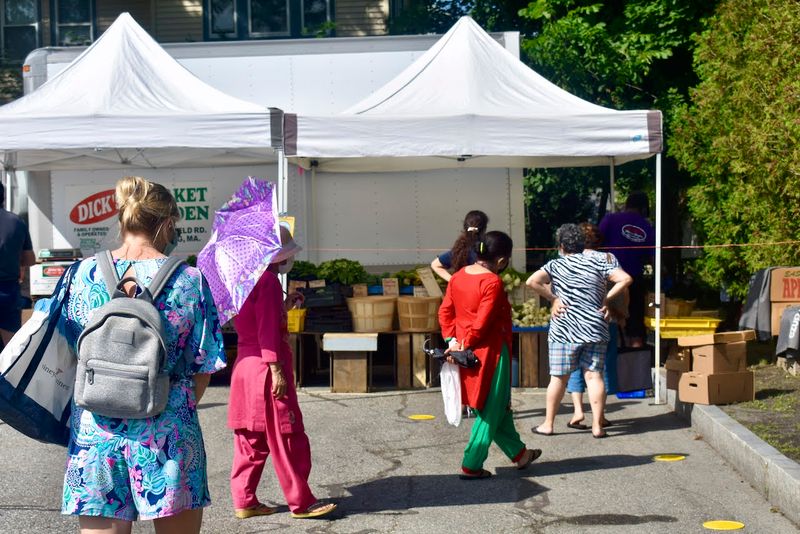
Quality trumps quantity at Belmont’s carefully curated market. Thursday afternoons from mid-June through October, this smaller gathering proves you don’t need dozens of vendors to create something special.
The town center location keeps things convenient and intimate. Regulars arrive with their reusable bags already labeled with vendor names – they know exactly where they’re heading.
Vegetables look almost too perfect to eat, arranged in artistic displays by farmers who take obvious pride in their work.
What this market lacks in size, it makes up in specialization. Vendors are carefully selected for quality and uniqueness.
One might specialize in heirloom varieties while another focuses on Asian vegetables hard to find elsewhere. Bakers bring naturally leavened breads and pastries made with local ingredients.
The crowd tends toward discerning shoppers who appreciate premium products and are willing to pay fair prices for exceptional quality. Conversations between customers and vendors often get surprisingly detailed – discussing growing conditions, harvest timing, and preparation suggestions.
The relaxed pace means vendors have time for these interactions.
Parking is easier than at larger markets, and the smaller footprint means you can browse everything in 20 minutes or linger for an hour. This is boutique market shopping at its New England finest.
Brookline Farmers Market – Brookline
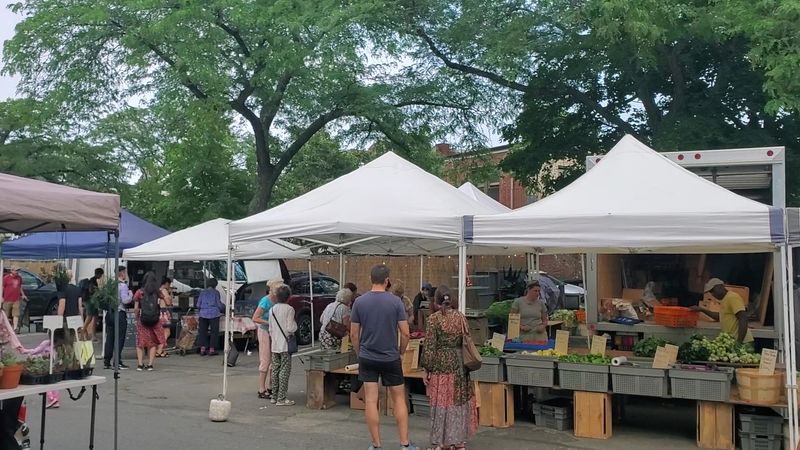
Thursday afternoons near Coolidge Corner have meant market day for decades. This long-running Brookline institution has built loyalty through consistency, quality, and genuine connection to the surrounding neighborhood.
The market occupies a pleasant spot along the Centre Street area, where mature trees provide natural shade over vendor tents. Seasonal flowers create colorful displays that tempt shoppers before they even reach the vegetable stands.
Local farms bring the region’s best produce, their offerings changing week by week as different crops reach peak harvest.
Artisan food vendors add variety to the agricultural basics. Fresh pasta makers sell sheets of handmade noodles alongside specialty sauces.
Small-batch jam producers offer flavors like strawberry-rhubarb and blueberry-lavender. Prepared food options mean you can grab lunch while shopping.
The crowd reflects Brookline’s character – engaged residents who value knowing where their food comes from. Many shoppers have been coming for years, watching vendors’ children grow up working family stands.
That continuity creates a market culture that feels more like community gathering than commercial transaction.
Mid-season visits offer the biggest selection when summer’s abundance meets fall’s harvest. The market runs May through November, adapting to seasonal changes while maintaining its essential character.
Wayland Farmers Market – Wayland
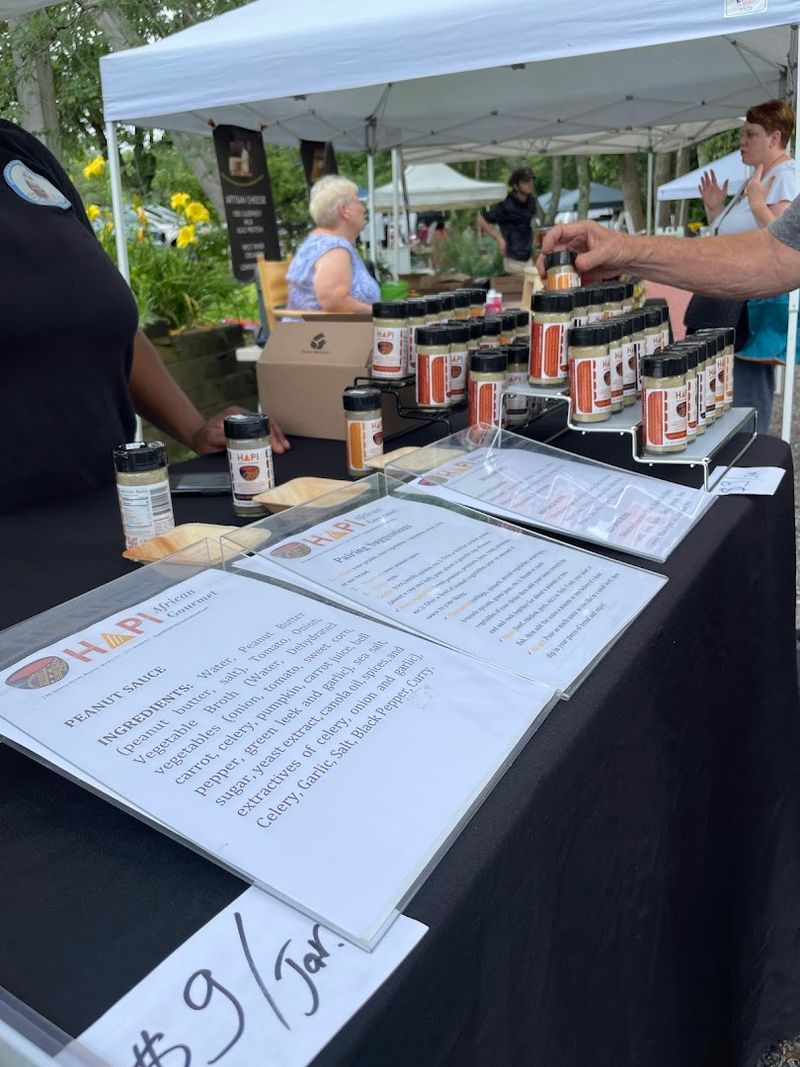
Tuesday afternoons and Saturday mornings give Wayland residents two chances weekly to support their local farming community. This market has built its reputation on strong relationships with nearby producers who bring their best to these regular gatherings.
Farm stands dominate the vendor lineup, exactly as it should be in a market emphasizing agricultural connections. Vegetables arrive fresh from fields sometimes just miles away.
Meat vendors offer beef, pork, and chicken raised on local pastures using traditional methods. Fresh eggs come in various sizes and shades, depending on the chicken breeds each farm keeps.
Baked goods from home kitchens bring comfort-food appeal – think classic apple pies, hearty whole-grain breads, and cookies made from old family recipes. Craft vendors add variety with handmade items, though food remains the primary focus.
The market expands into seasonal outdoor events that draw even bigger crowds. Fall brings harvest celebrations while summer features occasional live music.
These special gatherings transform the market from weekly errand into community celebration.
Wayland’s market feels authentically local rather than trying to compete with larger Boston operations. That smaller scale creates advantages – you can ask farmers detailed questions without feeling rushed, and vendors remember regular customers’ preferences from week to week.
Quincy Farmers Market – Quincy
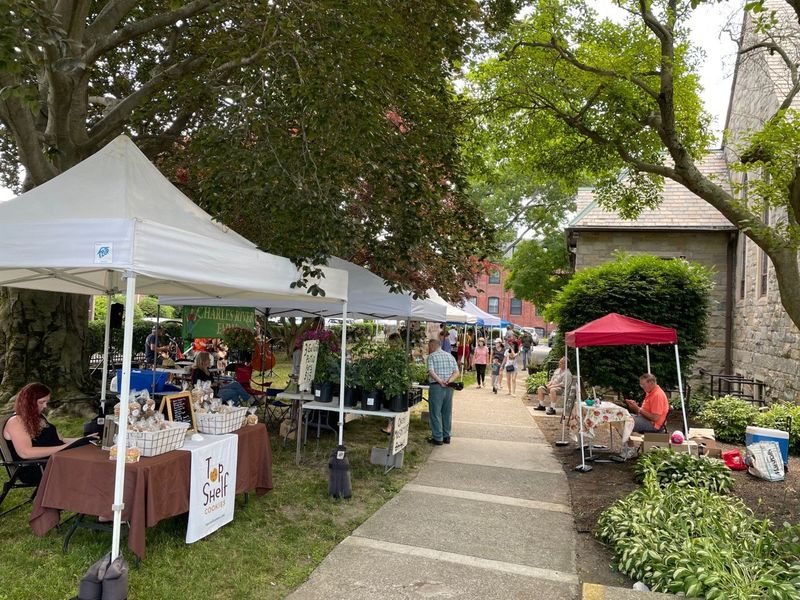
Wednesday mornings from June through October, Quincy’s market brings together local agriculture with community spirit. This South Shore gathering may not have Boston’s crowds, but it offers something equally valuable – a genuine neighborhood feel where shopping supports both local farms and community connections.
Fresh produce forms the market’s foundation, with farms bringing seasonal vegetables, fruits, and herbs. Egg vendors offer options from standard to specialty breeds.
Baked goods arrive still warm, their aromas drawing customers from across the market area.
Small artisan stands add character with handmade items and specialty foods. You might find locally-made hot sauces, small-batch granola, or handcrafted soap alongside the agricultural basics.
This mix keeps the market interesting beyond just produce shopping.
What makes Quincy’s market special is its connection to local events and seasonal celebrations. The market often coordinates with other community gatherings, creating occasions when shopping becomes part of larger festivities.
Summer brings additional activities while fall sees harvest-themed additions.
Regular shoppers develop routines, arriving at their preferred times and making rounds to favorite vendors. The manageable size means you can thoroughly browse everything without feeling overwhelmed.
For Quincy residents seeking fresh local food and community connection, this market delivers both reliably week after week.