Some towns hang a few paintings in the coffee shop and call it culture. This one turned old miners’ cottages into studios, packed galleries along a historic main drag, and built a reputation that artists across the Midwest talk about.
Tucked into the rolling hills of southwest Wisconsin, it has fewer than 3,000 residents, yet it punches far above its weight in creativity. Stone houses from the 1800s sit beside pottery studios, a working theater, and an art school that draws students from all over.
The story behind it involves lead mining, Cornish immigrants, and a couple of dreamers who saved a neighborhood.
Keep reading to learn how this small place became the state’s creative capital, what to see, and how to plan a visit that fits your pace.
Meet the Town Behind the Buzz
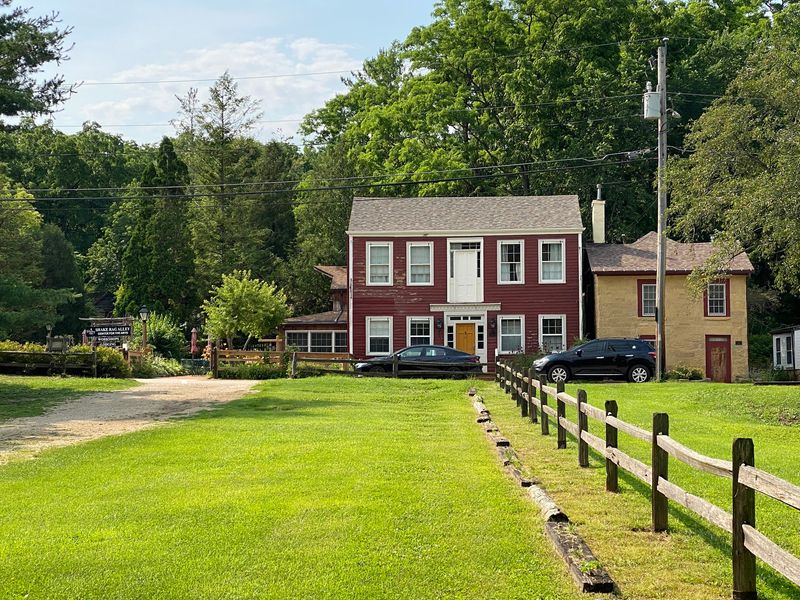
Small towns rarely earn a big artistic reputation, but this one has done it for decades. Mineral Point sits in Iowa County, Mineral Point, WI 53565, USA, about an hour southwest of Madison.
The city counted 2,581 residents in the 2020 census. That makes it tiny on paper, yet it holds a surprising number of galleries, studios, and creative spaces.
It is also one of the oldest communities in Wisconsin. The town was settled in the 1820s, before Wisconsin even became a state.
That long history shapes everything here. Many of the buildings downtown date back to the 1800s, and they now house shops run by painters, potters, jewelers, and woodworkers.
The official visitor website, mineralpoint.com, is a handy first stop for planning. It lists events, shops, and lodging in one place.
Getting here is simple by car, with state highways leading in from several directions. Once parked, most of the action is easy to explore on foot.
Comfortable shoes are a smart choice, since some streets climb gentle hills.
Where Lead Built a Legacy
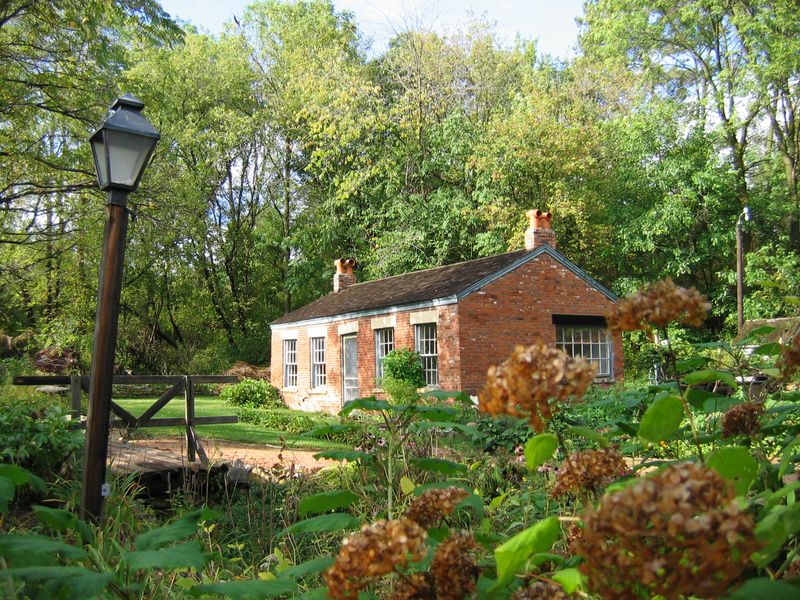
Long before canvases and kilns, this town was all about lead. In the 1820s and 1830s, miners rushed to the region to dig for the valuable metal.
Mineral Point became a busy hub during that boom. It even served as an important center when the Wisconsin Territory was organized in 1836.
Many of the early miners came from Cornwall, in southwest England. They brought skills in hard rock mining and stone building with them.
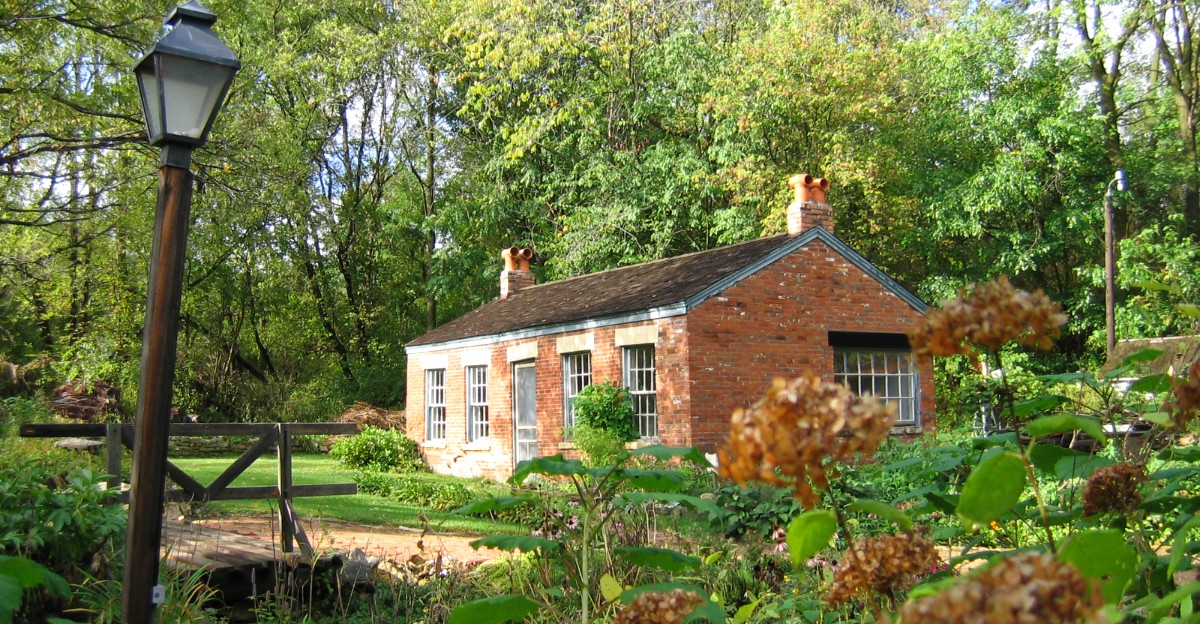
Those Cornish workers built sturdy homes from local limestone. Many of those houses still stand today, which is a big reason the town looks the way it does.
When the mining boom faded, the town grew quieter. Some miners even headed west during the California Gold Rush.
That slowdown turned out to be a blessing in disguise. Fewer new buildings went up, so the old ones survived.
Today, the leftover charm of that era is the backdrop for a thriving creative community. History and art share the same streets here, and neither seems ready to move out.
Galleries Around Every Corner
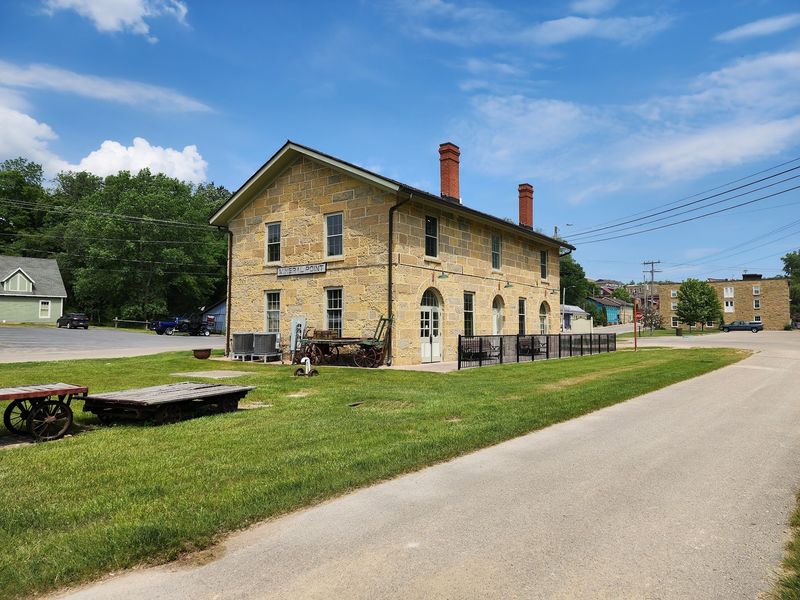
High Street is where the town shows off its creative side. Galleries, studios, and craft shops line the historic main road.
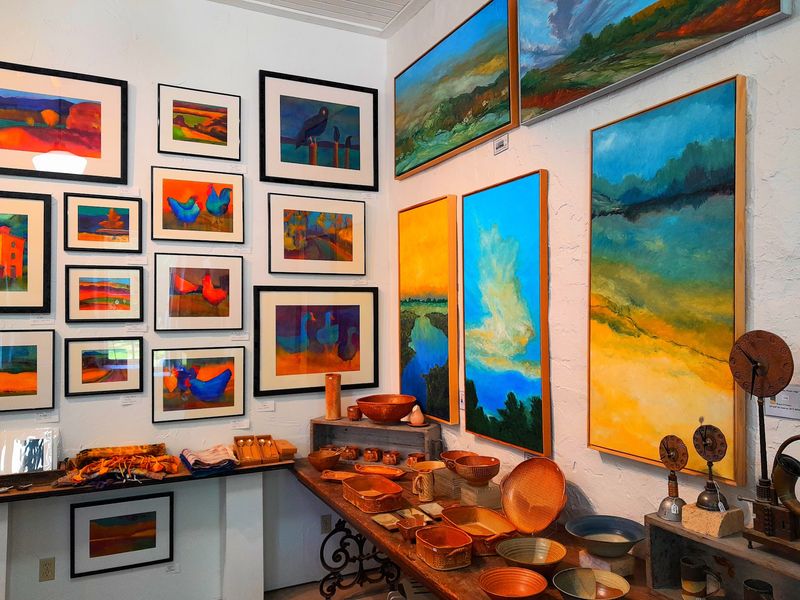
Many of the spaces are run by the artists themselves. That means the person at the counter may have made the piece on the shelf.
The mix of work is wide. Shoppers can find pottery, paintings, jewelry, fiber art, glass, and handmade furniture.
A good strategy is to walk the full length of the street first. After that, circle back to the shops that caught your interest.
Hours can vary, especially outside the busy summer and fall months. Some studios open by appointment or only on weekends.
Checking the town website before a trip can save a wasted stop. A quick call to a specific shop also helps.
Bringing home original art from a small town feels different than buying a print online. Each piece carries a little piece of this place with it, and that makes a fine souvenir.
A School Built for Makers
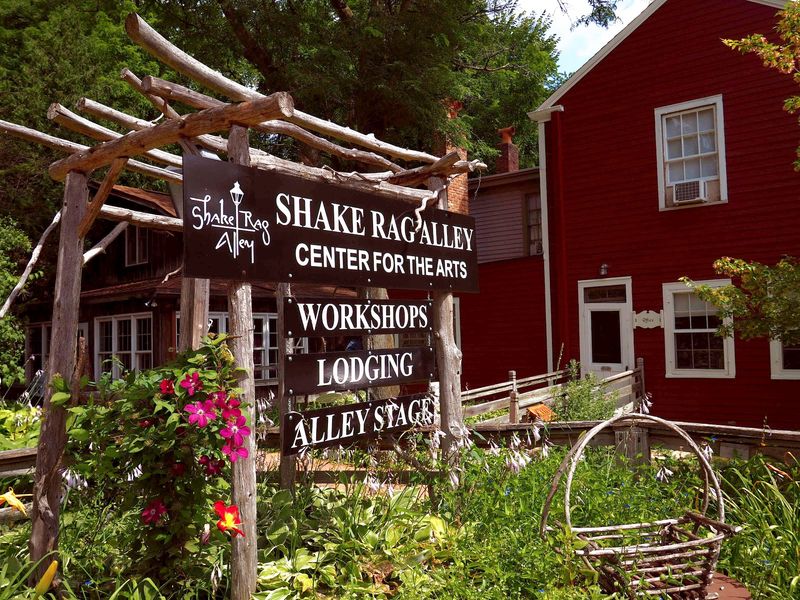
Learning a new craft is part of the fun here. Shake Rag Alley Center for the Arts offers classes and workshops for adults and young people.
The campus sits among historic buildings near the old Shake Rag area. Some of its structures date back to the town’s early years.
Workshops cover many subjects. Past offerings have included painting, jewelry making, woodworking, fiber arts, and mixed media projects.
Many classes last a day or a weekend, which works well for travelers. Others run longer for people who want a deeper experience.
Beginners are welcome in plenty of sessions. No one needs to be a pro to sign up.
Classes can fill up quickly during peak seasons. Signing up early is the safest move.
The center also hosts events and youth programs throughout the year. Its schedule is posted online and changes often.
Leaving town with a skill instead of just a photo is a rare treat. The best travel memories sometimes come with a little paint on your sleeves.
Fall Colors Meet Open Studios
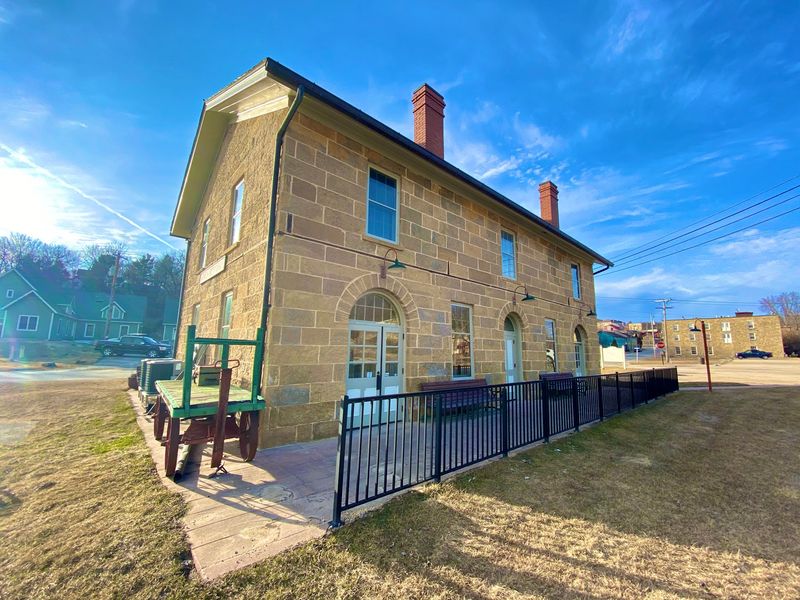
Autumn brings one of the best chances to see artists at work. The Fall Art Tour opens studios in Mineral Point and nearby towns each October.
Spring Green, Baraboo, and Dodgeville have also been part of the tour. That makes it a regional event with this town as a key stop.
Artists welcome guests right into their workspaces. People can watch demonstrations, ask questions, and buy work straight from the maker.
The timing pairs nicely with fall leaves in the rolling hills. Drives between studios become part of the experience.
Planning ahead pays off here. A printed or online map helps visitors choose which studios to see.
Trying to see every studio in one day usually backfires. Picking a handful and taking time at each feels more rewarding.
Lodging in town can book up fast during tour weekends. Reserving a room early keeps stress low.
For art lovers, this weekend might be the most exciting time of the year to show up.
Streets That Tell Stories
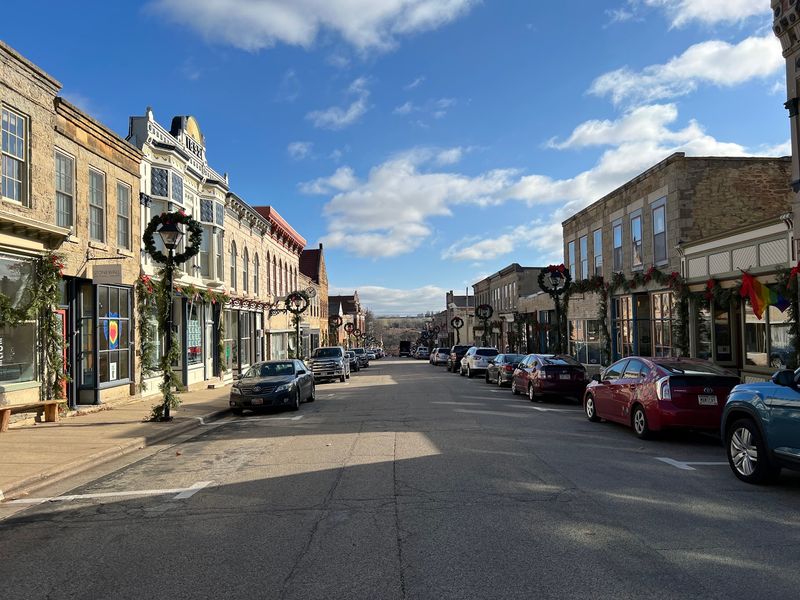
Architecture buffs, take note. Much of Mineral Point is listed on the National Register of Historic Places as a historic district.
That status reflects how much of the original town survives. Limestone and brick buildings from the 1800s fill the streets.
The town was also among the first in Wisconsin to be recognized this way. Locals take pride in that honor.
A self-guided walk is an easy way to explore. Look closely at doorways, rooflines, and stonework as you go.
Many buildings have small plaques or signs with details about their past. Those notes make the stroll feel like a history lesson without the homework.
Photographers find endless subjects here. Early morning and late afternoon often give the best light for pictures.
Respect matters, though. Many historic homes are private residences, so admire them from the sidewalk.
The streets themselves are a kind of artwork. Builders long ago left behind a gallery that never closes, and it costs nothing to enjoy.
Trails Beyond the Easel
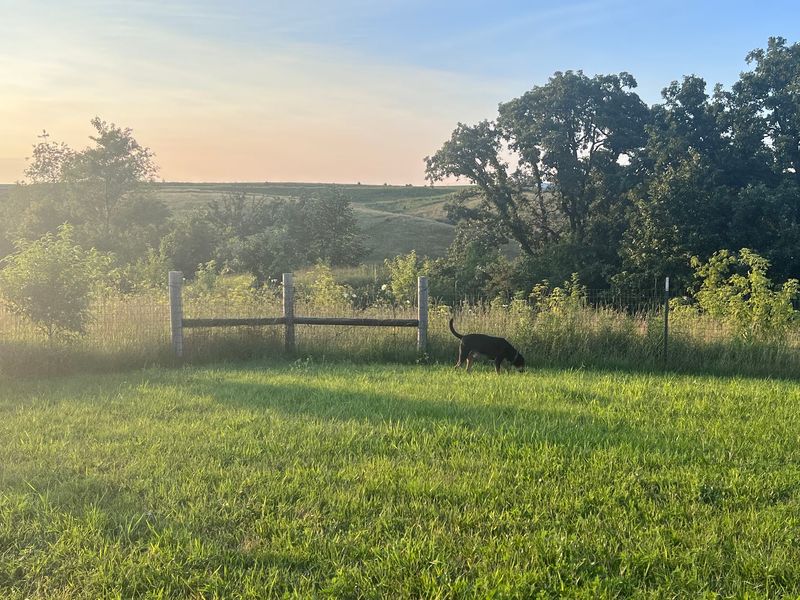
Sometimes the best break from art is a little fresh exercise. The Cheese Country Trail starts in Mineral Point and runs through the countryside.
The trail follows an old railroad route. It connects the town to other communities in the region.
It is a multi-use path. Hikers, bikers, horseback riders, and ATV users share it, depending on the season and rules.
Trail passes may be required for certain uses. Checking local guidelines before heading out avoids surprises.
The rolling hills around town are part of the Driftless Area. Glaciers skipped this region, leaving a landscape of ridges and valleys.
Many artists say that landscape inspires their work. A walk or ride here helps explain why.
Bring water and plan your distance carefully. Services can be limited between towns.
Mixing outdoor time with gallery visits makes for a balanced trip. Plenty of travelers head back to the studios with fresh energy and a new appreciation for the scenery the artists keep painting.
Smart Moves for a Creative Getaway
A little planning turns a good trip into a great one. Late spring through October is the busiest and most active season in town.
Many shops and museums keep shorter hours in winter. Some close for parts of the season.
Weekends bring the most open studios and events. Weekdays are quieter but may mean fewer open doors.
Staying overnight gives you time to slow down. The town has bed and breakfasts, inns, and other small lodging options.
Madison sits about an hour away for travelers flying in. From there, a rental car makes the drive easy.
Cash can be handy at small studios, though many accept cards. It never hurts to carry a little of both.
Talking with shop owners is one of the best parts of visiting. Many happily share tips about other places to see.
In the end, this creative little city rewards curiosity. Arrive with an open schedule, and Mineral Point will happily fill it with art, history, and stories worth sharing back home.