One of these towns calls itself the birthplace of the Republican Party, and the little schoolhouse tied to that story still stands. Another is home to a Lake Michigan car ferry that has carried travelers since 1953.
I love that kind of surprise.
Wisconsin keeps quietly winning over retirees who want more for their money. Housing costs in these spots sit well below national averages.
That leaves room in the budget for lake days, fish fries, and grandkid visits.
I can’t think of a better trade than skipping crowded, pricey hot spots for river towns and college towns with real main streets. Each place on this list brings its own flavor, from mining history to maritime museums.
So which one fits your next chapter? The answer might be closer to the water, or the campus, than you expect.
1. Wausau
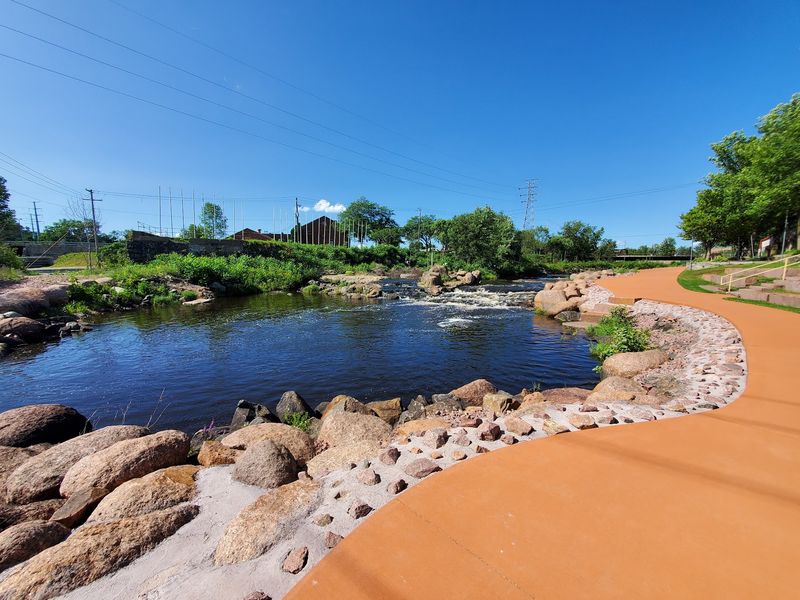
Rib Mountain rises right outside town, so your morning walk can come with a serious view. Rib Mountain State Park sits on one of the oldest geological formations in North America, and Granite Peak ski area shares the slopes.
Wausau keeps things manageable with roughly 39,000 residents. That size gives you real shops and health care without big-city traffic.
The downtown has historic main-street character, and the Wisconsin River flows right through. The Leigh Yawkey Woodson Art Museum is known for its yearly Birds in Art exhibition.
Free admission makes it an easy outing for curious minds on a budget.
Money matters too, of course. Median home values here run well below national and regional metro averages, so your savings can stretch further.
Winter is no joke in central Wisconsin. Still, snowy months bring cross-country skiing and snowshoe trails if you like staying active.
Summer swings the other way with river paddling and outdoor concerts downtown. Between seasons, you get fall color that makes the hillsides look painted.
Few places pack this much scenery into such a reasonable price tag.
2. Stevens Point
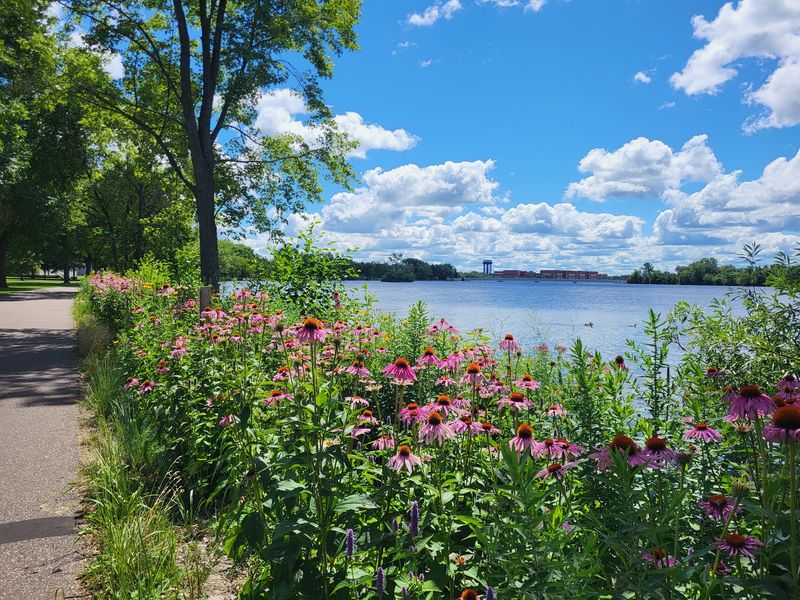
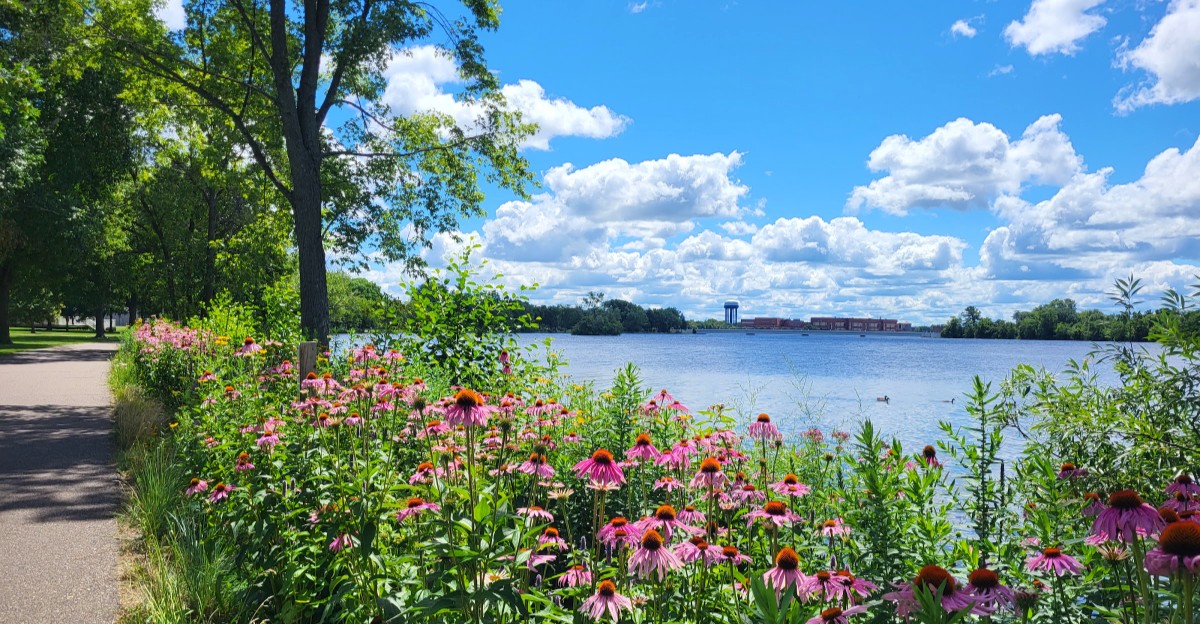
Want a town where the trail practically starts at your doorstep? The Green Circle Trail loops around Stevens Point for about 27 miles, winding through woods, prairies, and riverbanks.
That loop is a big reason active retirees take a second look. You can bike, stroll, or birdwatch without ever leaving town.
Stevens Point has around 25,000 residents and a walkable layout. Its historic downtown sits near the Wisconsin River, and the Mathias Mitchell Public Square hosts a seasonal farmers market.
The University of Wisconsin-Stevens Point adds a youthful spark. Campus events, lectures, and performances give you plenty to do for little cost.
Housing and everyday expenses stay well below the national median. In plain terms, groceries, rent, and property costs leave more breathing room in a fixed income.
Schmeeckle Reserve, run by the university, offers boardwalks and quiet trails through wetlands and forest. It feels miles away, yet it sits right on the edge of campus.
Put simply, this town mixes nature, learning, and budget sense. That combination is surprisingly hard to find.
3. Manitowoc
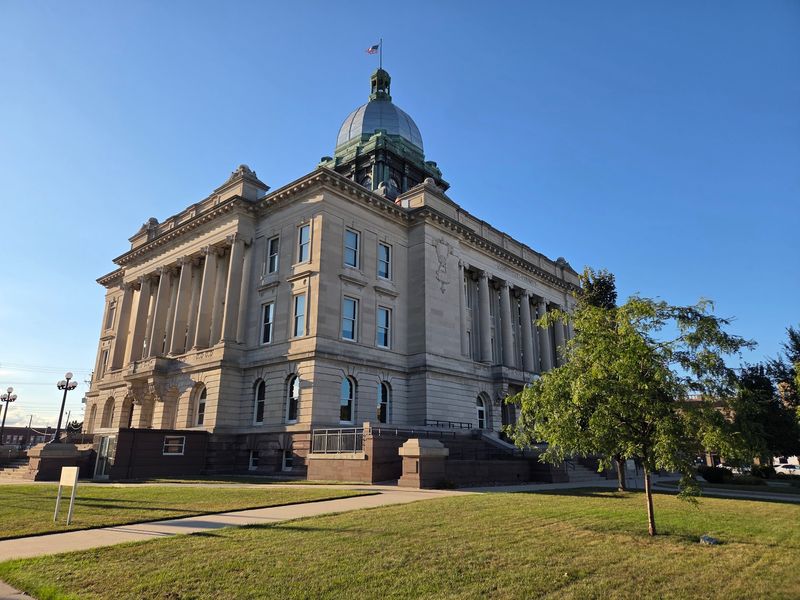
A World War II submarine sits right on the riverfront, and you can tour it. The USS Cobia is part of the Wisconsin Maritime Museum, which celebrates the town’s long shipbuilding story.
Manitowoc built 28 submarines during that war. That piece of history gives this Lake Michigan town a personality you won’t find in many places.
Around 34,000 people call it home. The historic main-street core and the waterfront keep daily life relaxed and scenic.
Coastal living usually costs a fortune. Here, Great Lakes housing and living expenses run well below United States averages, which is a rare bargain.
The SS Badger car ferry departs from Manitowoc in season, crossing Lake Michigan to Ludington, Michigan. Few retirees can say a lake cruise leaves from their own town.
Lakefront paths and the Mariners Trail connect Manitowoc and Two Rivers along the shoreline. It makes a lovely route for walking or biking with water views the entire way.
For anyone who dreams of waves without ocean prices, this harbor town deserves a long look. Pack a jacket, though, because lake breezes mean business.
4. Fond du Lac
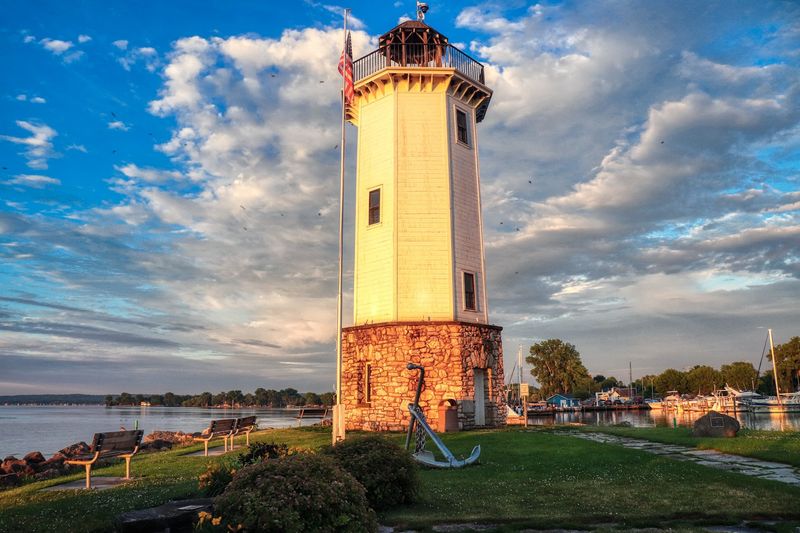
Lake Winnebago is the largest inland lake entirely in Wisconsin, and Fond du Lac sits right on its southern shore. The name even means foot of the lake in French.
That shoreline gives you Lakeside Park, a big green space with a small lighthouse you can climb. It is a great spot for picnics, sunsets, and slow afternoon strolls.
Fond du Lac has about 44,000 residents and keeps its historic main-street architecture. Downtown feels lived-in and easy to explore on foot.
Budget-wise, the numbers look friendly. Housing prices run substantially lower than many well-known national retirement destinations, and Midwestern living costs help even more.
The location is handy too. Milwaukee, Green Bay, and Madison are all reachable for a day trip, so family visits and city outings stay simple.
Lake Winnebago is famous for winter sturgeon spearing, a tradition that draws crowds to the ice each February. Even if you just watch, it is a wild slice of local culture.
Fishing, boating, and trail walks fill the warmer months. Life here moves at lake speed, which sounds pretty great.
5. Platteville
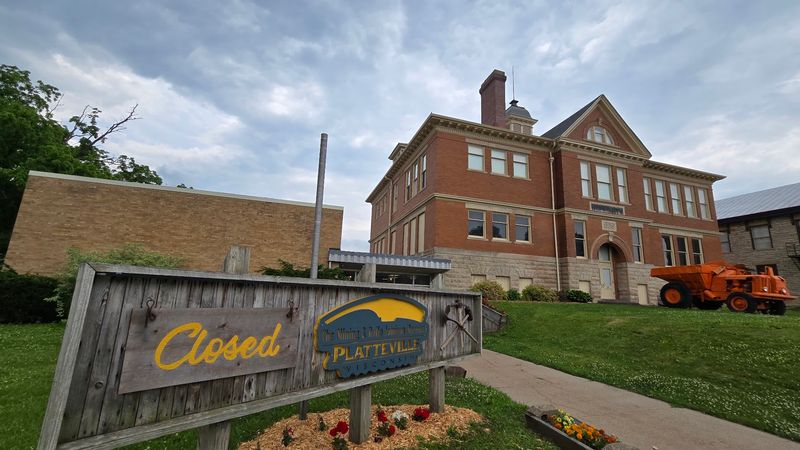
Look up at the hillside east of town and you’ll spot a giant letter M. Built in 1937 by mining students, it is often called the largest M in the world.
That fun landmark ties back to Platteville’s lead mining roots. The Mining and Rollo Jamison Museums let you head down into a real 1845 lead mine.
Around 11,800 people live here, in the rolling Driftless Area of southwest Wisconsin. The region skipped the glaciers, so you get hills, bluffs, and winding valleys.
The historic Main Street commercial district keeps shopping local and friendly. The University of Wisconsin-Platteville adds concerts, sports, and a steady buzz of activity.
Costs are a big draw. Housing and everyday living expenses in this corner of the state are very modest, even by Midwest standards.
Scenic drives fill the area, and the Mississippi River sits a short trip away. Dubuque, Iowa, is close enough for errands or a bigger-city dinner.
Quiet, scenic, and gentle on your wallet, Platteville makes small-town life feel like a smart plan.
6. Ripon
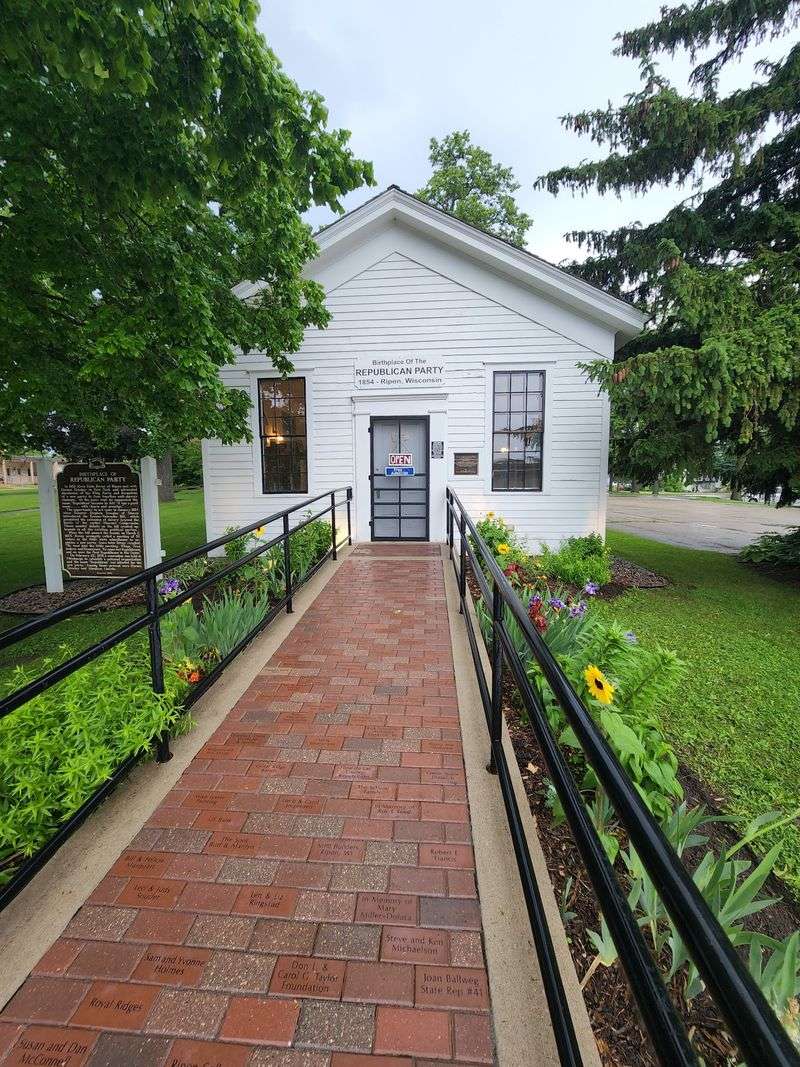
History buffs, this one’s for you. Ripon claims the title of birthplace of the Republican Party, with an 1854 meeting held at the Little White Schoolhouse.
The small building still stands and is a National Historic Landmark. It’s a neat piece of the past sitting right in a town of about 7,800 people.
Ripon’s historic downtown commercial district is compact and charming. Brick storefronts line Watson Street, giving errands a pleasant, old-fashioned feel.
Ripon College brings that college-town charm. Lectures, theater, and athletic events give retirees easy ways to stay engaged and entertained close to home.
Affordability seals the deal. The rural cost of living sits low, and the housing market stays accessible for buyers on a budget.
Fun fact for snack lovers: Ripon is home to a large cookie bakery, and the town’s nickname leans into that sweet reputation. Your nose may notice it before your eyes do.
Green Lake, one of the deepest natural lakes in Wisconsin, is a short drive away. So small-town life here comes with lake days on the side.