Some towns try hard to be different. This one just shrugs, hangs a fiddle on the wall, and keeps being itself.
Tucked into the Blue Ridge Mountains about 15 miles east of Asheville, it has a famous art college in its past, a swinging footbridge over a lake, and a street lined with shops that feel like nobody told them to act normal. Locals love to call it the front porch of Western North Carolina, and that nickname is not just for show.
Rocking chairs really do sit outside the stores. Old-time music really does fill the evenings.
In the sections below, you will learn where the town sits, why artists still talk about it, which trails to hike, and how to plan a day that feels as relaxed as the people who live there.
Where the Front Porch Begins
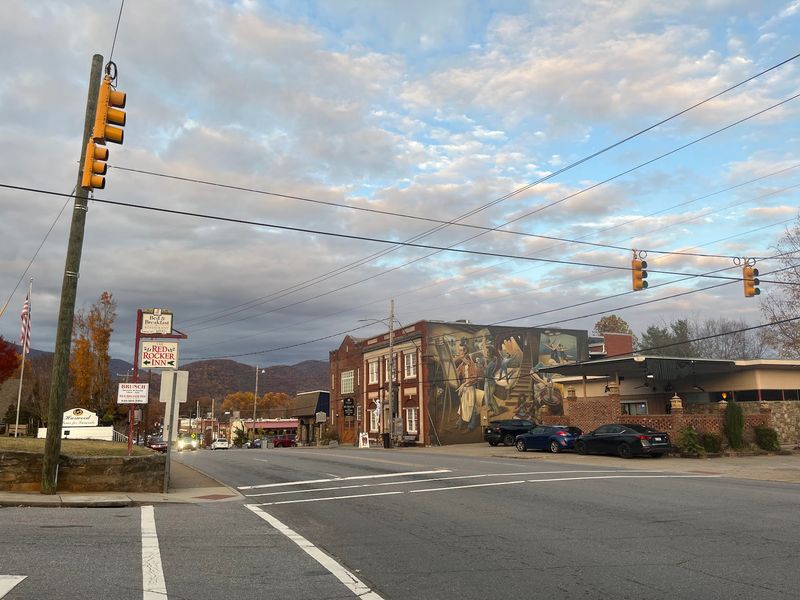
Every quirky story needs a starting point, and this one starts in Black Mountain, North Carolina 28711, USA. The town sits in Buncombe County, in the western part of the state.
It is part of the Asheville metropolitan area, yet it feels like its own little world. Asheville is only about 15 miles to the west, so many people visit both in one trip.
The 2020 census counted 8,426 residents. That is small enough for shop owners to remember faces, but big enough to keep the calendar busy.
Interstate 40 runs right past town, which makes it easy to reach by car. Exit at Black Mountain and you land close to the downtown area within minutes.
The town calls itself the Front Porch of Western North Carolina. The phrase fits, because the place works like a welcome mat for the mountains around it.
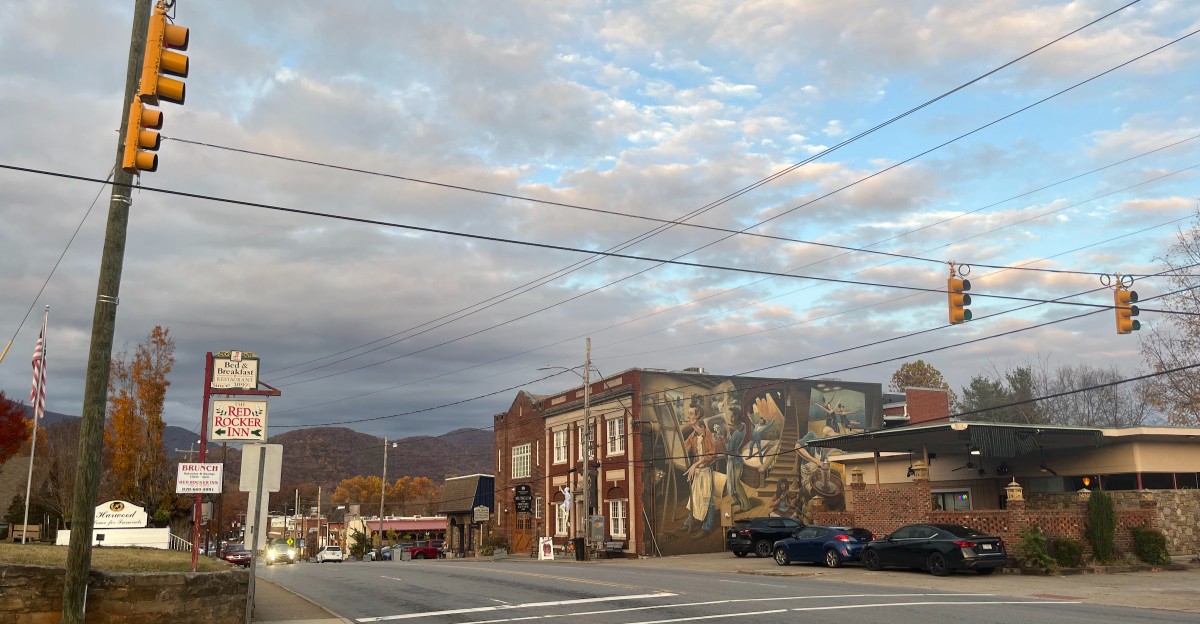
Plan to park once and explore on foot. Downtown is compact, and much of the fun happens in the few blocks around the main streets, where every stop seems to lead to the next.
A College That Changed Art Forever
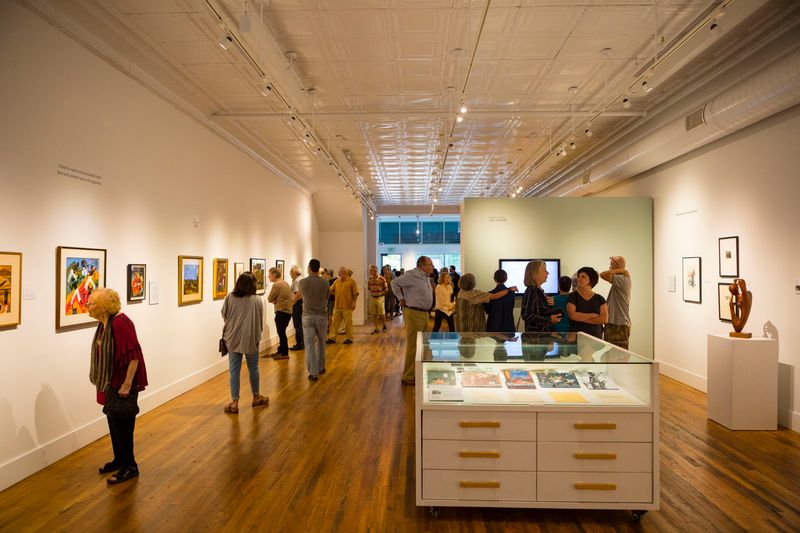
Long before the town became a weekend favorite, a tiny school put it on the world map. Black Mountain College opened in 1933 and ran until 1957.
It was an experimental school with no strict grades in the usual sense. Students and teachers shared chores, built buildings, and made art side by side.
The list of people tied to the college is surprising. Artist Josef Albers taught there, along with composer John Cage, dancer Merce Cunningham, and architect Buckminster Fuller.
Fuller worked on his famous geodesic dome ideas while connected to the school. Painter Robert Rauschenberg was a student there too.
Here is a fun fact. The college used the Lake Eden property outside town for much of its life, and that site still hosts events today.
Want to learn more? The Black Mountain College Museum and Arts Center in nearby Asheville shares its story through exhibits and programs.
Knowing this history makes the town’s creative streak make sense. The artsy spirit did not show up by accident; it has deep roots.
Shops With Big Personalities
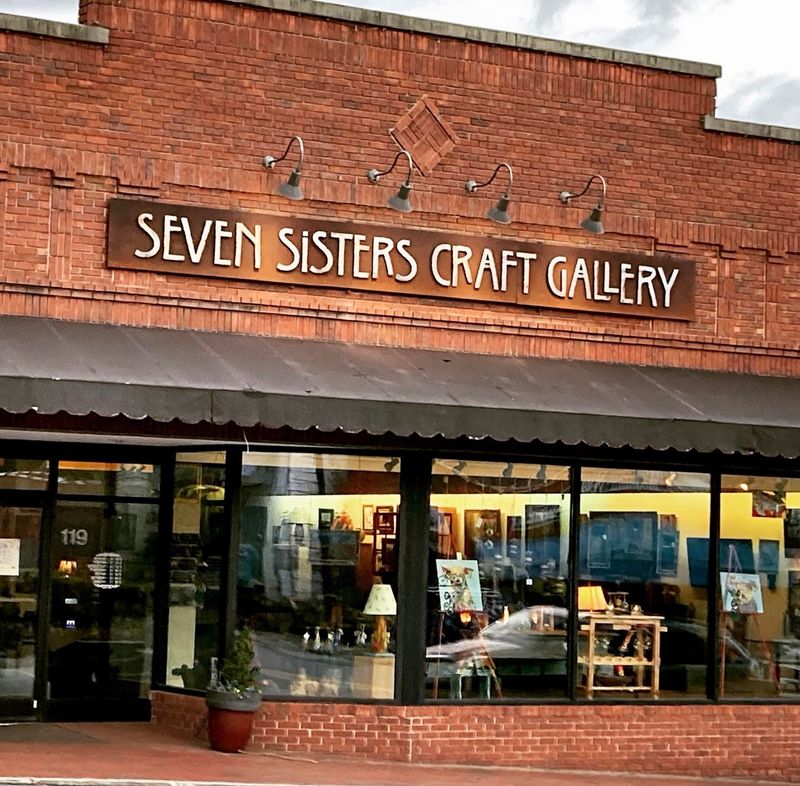
Chain stores are hard to find downtown, and that is exactly the point. The streets are filled with independent shops run by local owners.
Cherry Street is a favorite stretch for browsing. You will find art galleries, craft shops, bookstores, antique spots, and stores selling handmade goods.
Many shops lean into the town’s playful side. Window displays change often, and some stores mix gifts, toys, and local crafts in one spot.
Rocking chairs sit outside more than a few storefronts. They are not just decoration, so feel free to rest between stops.
Here is a practical tip. Some smaller shops close earlier on weekdays or take a day off midweek, so check hours before you go.
Bring a little extra room in your bag. Handmade pottery, prints, and mountain crafts make great souvenirs that actually mean something.
Shopping here feels less like a chore and more like a treasure hunt, where the best find is often the one you never planned to buy.
Lake Tomahawk and Its Easy Loop
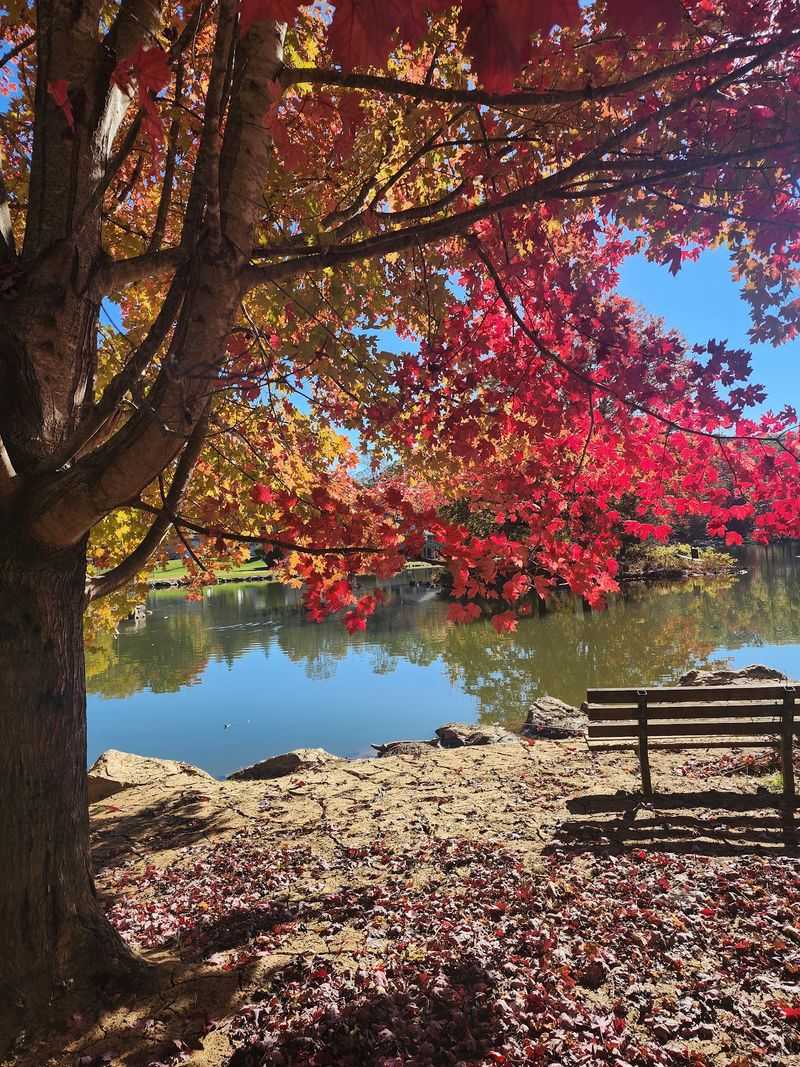
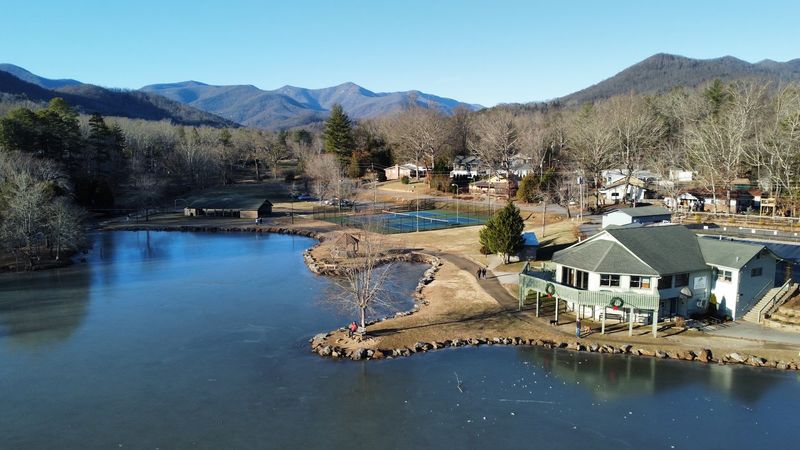
Locals have a favorite spot for a lazy afternoon, and it is not hard to find. Lake Tomahawk Park sits close to downtown.
A flat walking path circles the lake, and the loop is a little under a mile. It is great for strollers, slow walkers, and kids on scooters.
The views are what keep people coming back. On clear days, the surrounding mountains rise behind the water.
Ducks and geese are regular residents. Families often stop to watch them, so expect a few feathered neighbors along the way.
The park also has picnic areas, tennis courts, and open space for games. It is a spot where a quick walk can easily turn into a whole afternoon.
Some evenings in warmer months bring community events to the park. Check the town website for current schedules.
Go early on weekends if you want a quieter lap. By midday, the path fills up with neighbors who clearly know a good thing when they see one.
Old-Time Music on Repeat
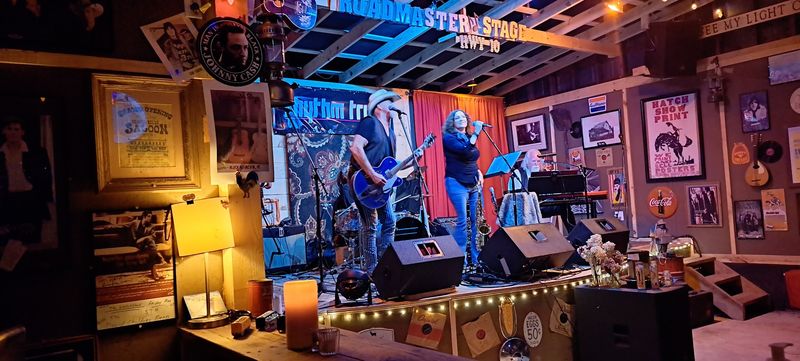
Bring a banjo, or just bring your ears. Music is a big part of daily life here, and the town takes its mountain traditions seriously.
Old-time and bluegrass music have long roots in this region. Jam sessions pop up in local venues, and players of all skill levels often join in.
The White Horse Black Mountain is a well-known local venue. It hosts concerts and community music nights in many styles.
Swannanoa Gathering, held nearby at Warren Wilson College, draws musicians each summer for workshops in traditional music. It shows how deep the region’s music culture runs.
Here is a helpful tip. Many jams are friendly to listeners who just want to sit and enjoy, so do not feel shy about stopping by.
Event calendars change through the year. Look up venue schedules before your trip so you can plan around a show.
Leave space in your evening plans. The best musical moment of your visit might be one you stumble into without a ticket.
Festivals That Fill the Calendar
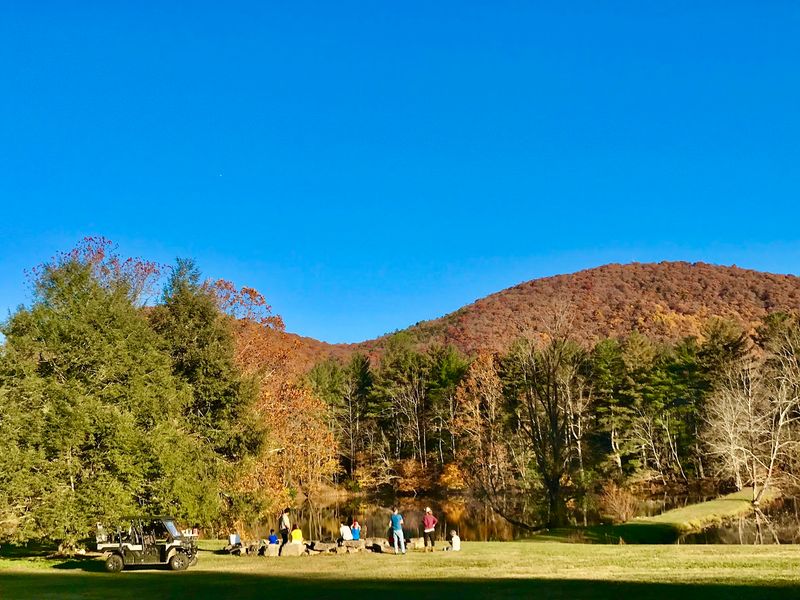
Few small towns can claim a festival with an international following. The LEAF Festival, short for Lake Eden Arts Festival, is one of them.
It takes place at Lake Eden, the same land once used by Black Mountain College. The event has a long history of mixing music, dance, art, and community.
LEAF has traditionally happened in spring and fall. Dates and formats can change, so check the official site before planning around it.
The town also hosts other seasonal events. Holiday gatherings, art walks, and street fairs give the calendar plenty of variety.
Sourwood Festival has long been a summer tradition downtown. It features crafts, music, and family activities named after a local tree.
Festivals can fill up lodging fast. Book your room early if your visit lines up with a big weekend.
Celebrations here feel personal rather than corporate. That homegrown style is a big reason locals point to the festivals when they explain why the town feels so wonderfully offbeat.
Trails That Climb High
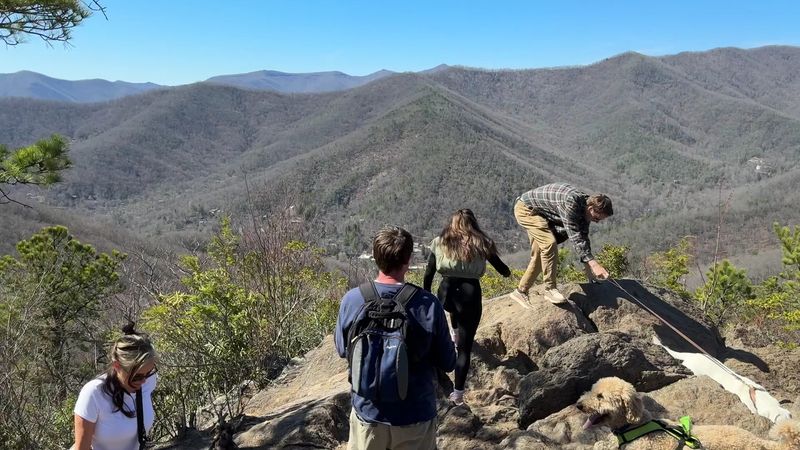
Hiking boots are basically part of the local dress code. The town is surrounded by trails that range from easy strolls to tough climbs.
Lookout Trail in nearby Montreat is short but steep. It leads to a rocky overlook with wide views of the valley.
Graybeard Trail offers a longer outing with streams and waterfalls along the way. It is popular, so start early.
For a serious challenge, some hikers tackle the Black Mountain Crest area farther north. That range includes Mount Mitchell, the highest peak east of the Mississippi River.
Here is a smart tip. Weather in the mountains can shift quickly, so pack layers, water, and a map even on sunny days.
Trail parking can be limited. Arrive early, follow posted rules, and respect private property near trailheads.
Every climb ends with a reward. The views from these ridges remind hikers why the Blue Ridge got its name in the first place.
Montreat Next Door
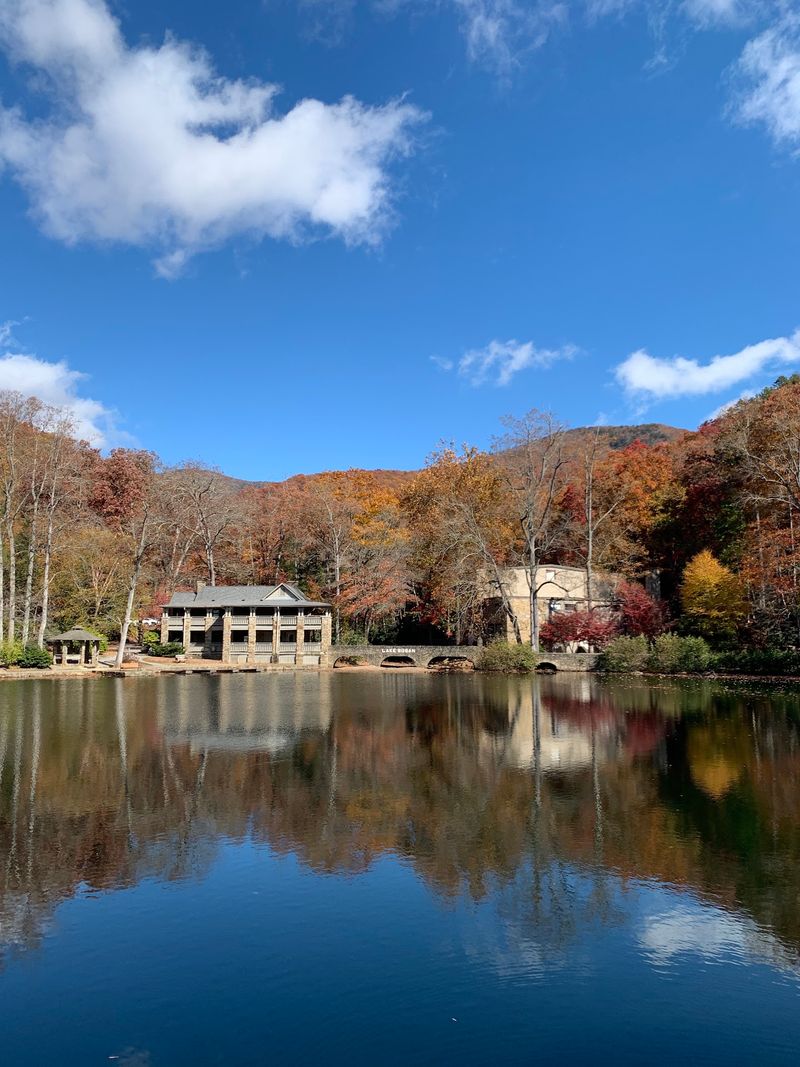
Just up the road sits a small neighbor with its own charm. Montreat is a tiny town that borders Black Mountain to the north.
It is known for its stone gate entrance and its wooded setting. Lake Susan sits near the center and makes a calm spot for a short walk.
Montreat is home to Montreat College and a long-running conference center. Many families have returned there for generations.
The area also has an extensive trail network. Hikers often combine a Montreat trail with a downtown Black Mountain visit in the same day.
The drive is short, only a few minutes from downtown. That makes it an easy side trip even for travelers with a tight schedule.
Parking near trailheads follows local rules. Read posted signs to avoid surprises.
Pairing the two towns gives a fuller picture of the valley. One brings the art and bustle, while the other offers quiet woods and stone cottages.
A Railroad Town at Heart
Trains helped build this town long before tourists arrived. The railroad reached the area in the late 1800s and changed everything.
The tracks made it easier for people and goods to cross the mountains. That brought new businesses, homes, and travelers.
The old Black Mountain depot still stands downtown. Today it houses the Old Depot Association, which sells local arts and crafts.
Freight trains still roll through town. Do not be surprised if a long train rumbles by while you are shopping.
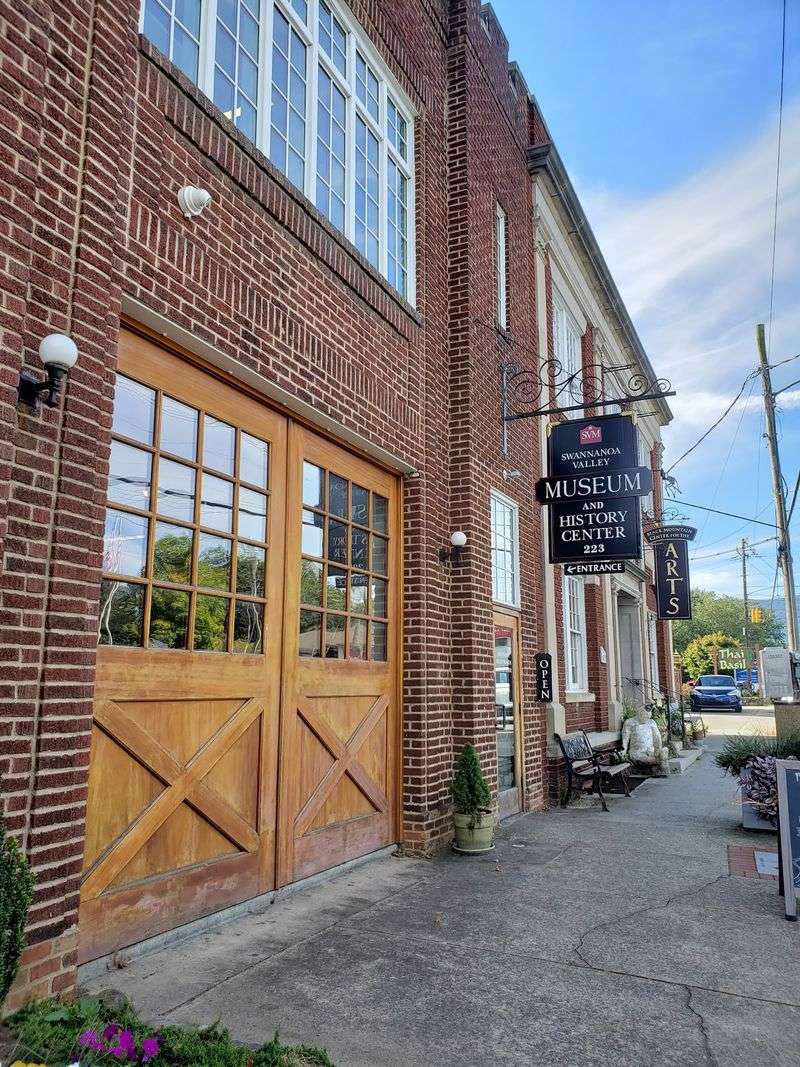
The Swannanoa Valley Museum and History Center shares more about the region’s past. It covers railroad history, local families, and the growth of the valley.
Here is a quick tip. Stop at the museum first to give the rest of your visit more context.
Learning the railroad story changes how the town looks. Those brick storefronts started as part of a busy rail stop, and the history is still there for anyone who pays attention.
Best Seasons to Visit
Timing can make a good trip a great one. Every season brings something different to the valley.
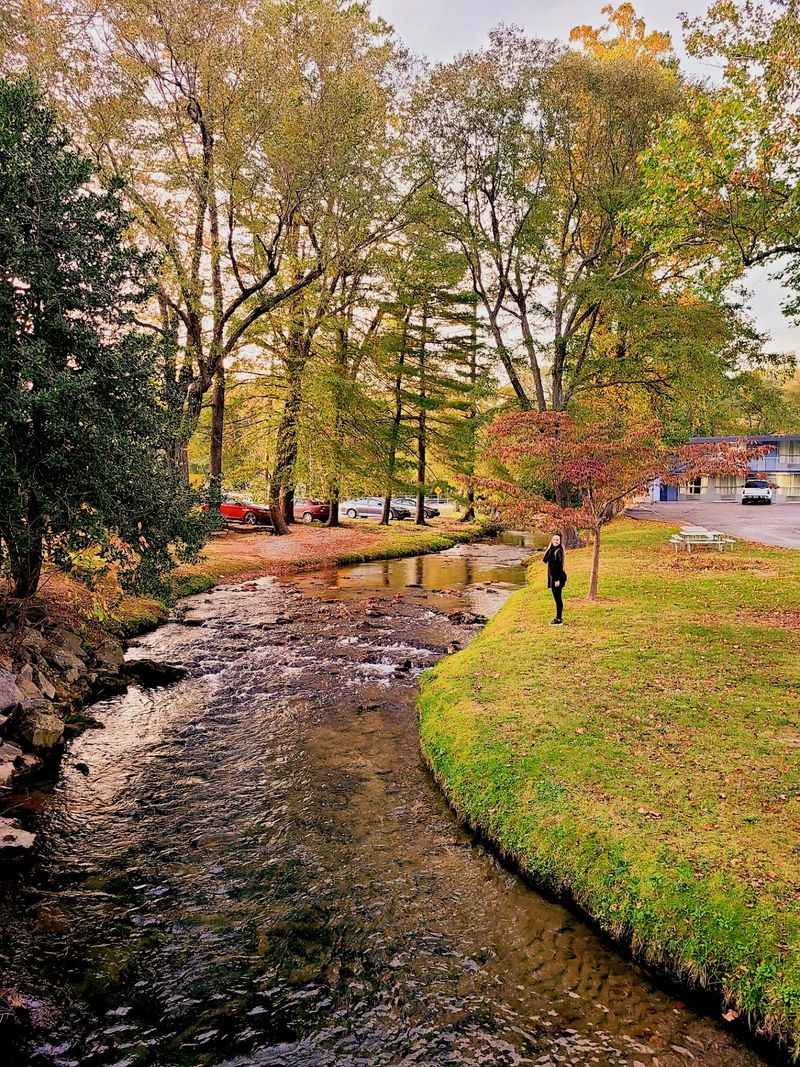
Fall is the most popular time to visit. The mountains turn red, orange, and gold, usually peaking around mid to late October.
Spring brings blooming trees and wildflowers along the trails. It is a lovely time for hikes and outdoor festivals.
Summer offers long days and plenty of events. The mountain elevation keeps temperatures milder than many lower parts of the state.
Winter is quieter and more relaxed. Shops stay open, and holiday events give downtown a cozy feel.
Here is a practical note. Fall weekends get busy, so book lodging early and plan for more traffic.
Midweek visits in any season are often calmer. Fewer crowds mean more time to chat with shop owners and enjoy the trails.
No matter the month, the town keeps its easygoing pace. The calendar changes, but the welcome stays the same.
Tips for a Perfect Day
A great day here does not require a packed schedule. In fact, the town rewards people who slow down.
Start with a morning hike or a lap around Lake Tomahawk. Early hours are usually quieter.
Head downtown by late morning to browse shops and galleries. Wear comfortable shoes, since walking is the best way to explore.
Spend the afternoon at the Swannanoa Valley Museum or the arts center. Both add depth to everything else you see.
Save the evening for live music if a show is scheduled. Check venue calendars ahead of time.
Downtown parking can fill up on busy weekends. Arrive early or be ready to walk a few blocks.
Visit the town website for event news and updates. It is a handy tool for planning.
Above all, grab a rocking chair at some point. Locals will tell you that sitting still for a minute is the quirkiest and most rewarding thing to do here, and they might just be right.