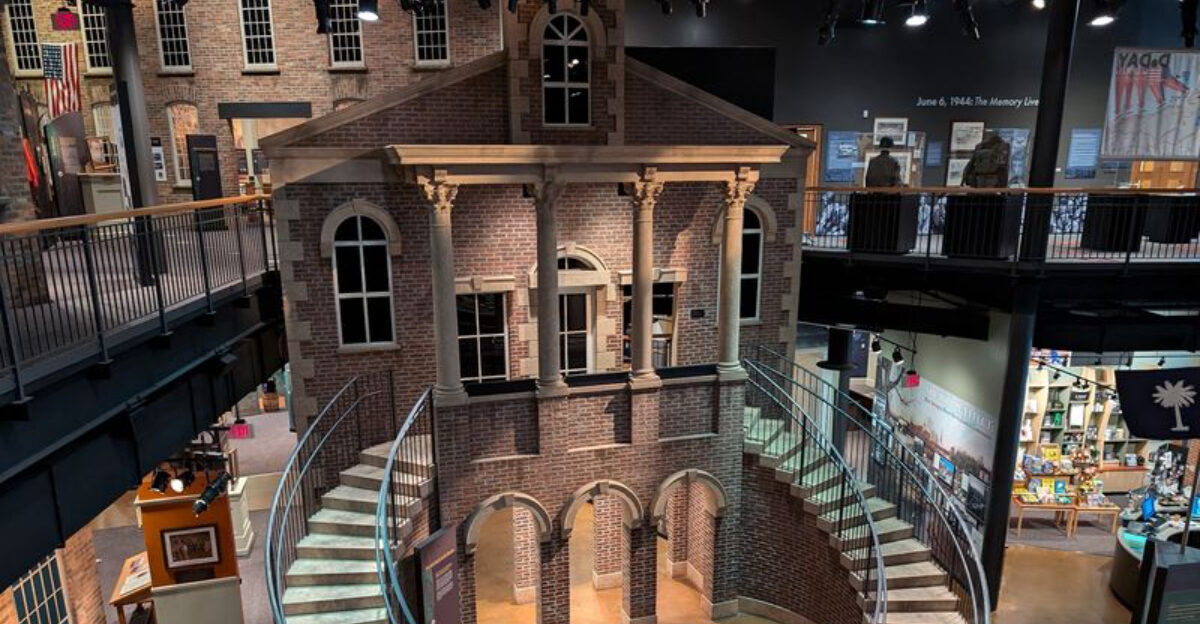
South Carolina may look small on a map, but its museums are packed with big stories.
You can stand near a giant shark model in Columbia, study art in Charleston, ride a historic train in Winnsboro, or meet fossils near Clemson.
These places help travelers understand the state beyond beaches, barbecue, and pretty streets.
They show how science, war, railroads, culture, and creativity shaped real people and real towns.
A good museum day also saves a rainy afternoon, gives kids something hands-on to do, and helps adults notice details they might miss on a quick road trip.
The best part is how different each stop feels.
Some are polished and quiet, while others buzz with experiments, engines, and excited families.
Pack comfortable shoes, charge your phone, and leave room in your schedule.
South Carolina has plenty of museum doors worth opening.
1. South Carolina State Museum – Columbia
A giant megalodon jaw can make even the chattiest traveler go quiet for a second.
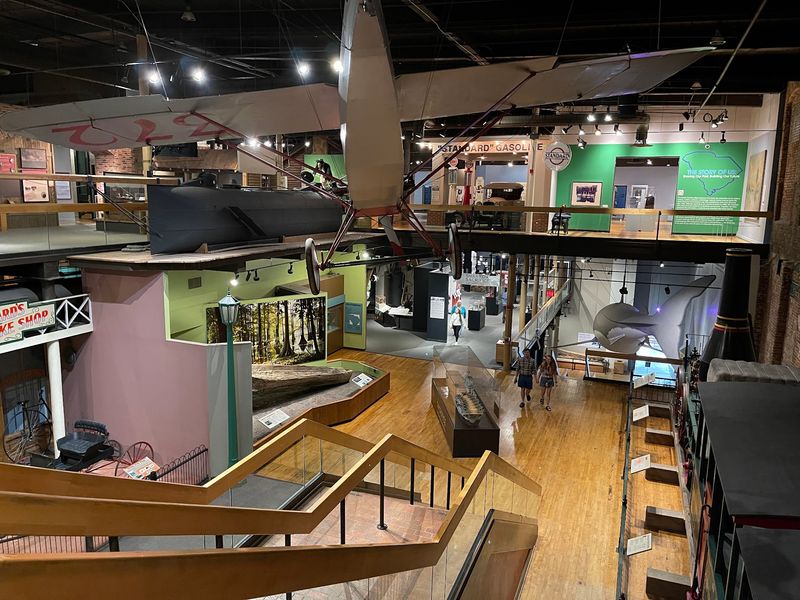
The South Carolina State Museum in Columbia fills four floors inside the former Columbia Mills building, right beside the Congaree River.
Plan extra time here, because the museum covers art, natural history, science, and state history under one huge roof.
You can move from fossils to Civil War objects, then wander into space displays without leaving the building.
Families love the planetarium and 4D theater, though showtimes can change, so check the schedule before buying tickets.
The building itself adds to the visit.
Opened as a museum in 1988, it keeps parts of its old textile mill character, including brick walls and roomy industrial spaces.
That makes the exhibits feel big, but not cold.
Columbia can get hot, so this is a smart midday stop after walking the State House grounds or Riverfront Park.
Bring curious kids, history fans, and anyone who enjoys variety.
Few places in South Carolina let you see a telescope, a locomotive, paintings, and prehistoric creatures in one afternoon.
2. The Charleston Museum – Charleston
America’s first museum still knows how to tell a good story.
The Charleston Museum, founded in 1773, sits on Meeting Street and gives visitors a clear look at the Lowcountry’s long, complicated past.
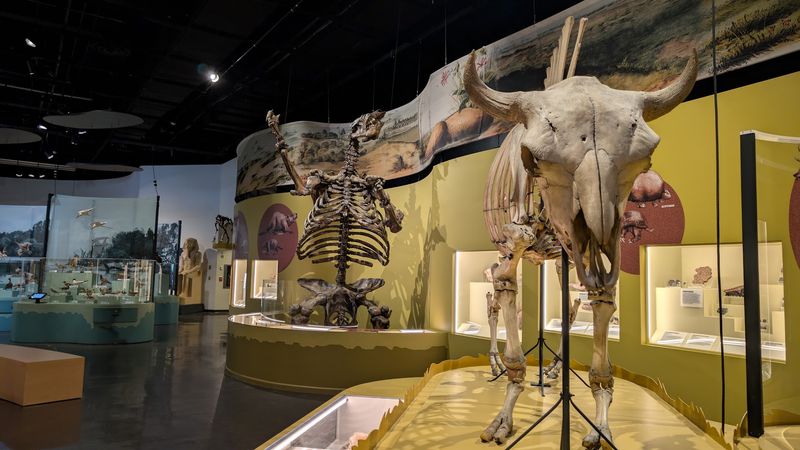
Inside, galleries cover Native American history, colonial life, the American Revolution, slavery, natural history, and decorative arts.
You might see antique weapons, elegant silver, old clothing, and animal specimens in the same visit.
The variety helps Charleston feel less like a postcard and more like a living place with many layers.
Travelers who enjoy house tours should ask about the museum’s historic properties, including the Heyward-Washington House and the Joseph Manigault House.
Pairing one of those homes with the main museum makes the day richer and easier to understand.
The location works well for a downtown walking route.
You can visit in the morning, grab lunch nearby, then explore Marion Square or King Street.
Give yourself at least two hours, especially if you like reading exhibit labels.
Charleston is famous for beauty, but this museum reminds you to look beneath the paint, porches, and cobblestones.
3. International African American Museum – Charleston
The quiet ground outside this museum may be the most powerful exhibit of all.
The International African American Museum stands near Gadsden’s Wharf in Charleston, where many enslaved Africans first entered North America.
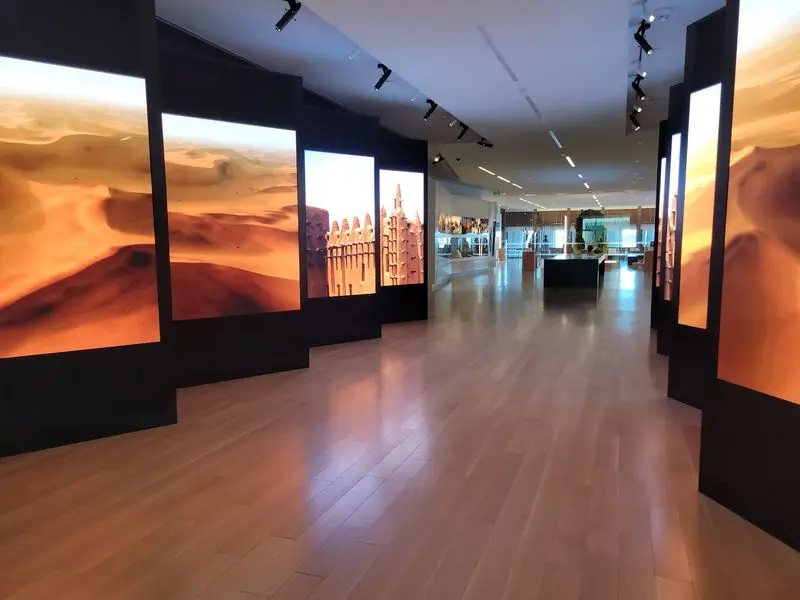
The museum opened in 2023 and blends technology, art, history, and personal stories with care.
Galleries explore African origins, the Middle Passage, resistance, faith, family, and the lasting influence of African American culture.
Interactive displays help visitors connect names, places, and choices to events that can otherwise feel too large to grasp.
Leave time for the African Ancestors Memorial Garden before or after your indoor visit.
Its paths, plants, and water features create space to think, not rush.
The museum can feel emotional, so it helps to plan a slower day around it.
Located on Concord Street near Charleston Harbor, it also fits well with a walk along the waterfront.
Buy timed tickets ahead when possible, since interest is high.
Curious travelers leave with more than facts.
They gain a deeper understanding of Charleston, America, and the strength carried through generations.
4. Gibbes Museum of Art – Charleston
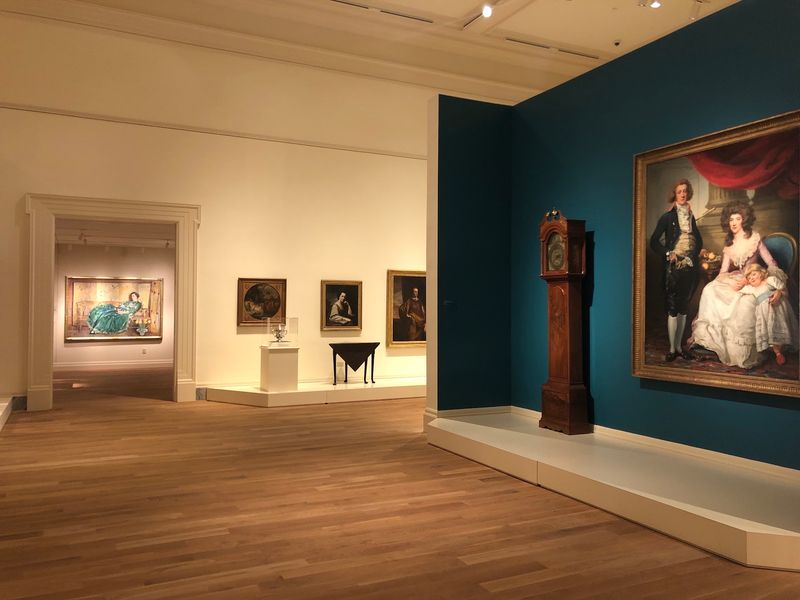
Soft light, polished floors, and bold Southern art make the Gibbes feel calm without feeling sleepy.
This Charleston museum sits on Meeting Street in a beautiful Beaux-Arts building that first opened in 1905.
The collection focuses on American art with strong ties to Charleston and the South.
Visitors can see portraits, landscapes, miniature paintings, sculpture, and changing exhibitions that connect older works with modern voices.
The museum does a nice job showing how artists have pictured the region, from grand homes and marshes to people often left out of older stories.
One of the best features is the museum’s manageable size.
You can enjoy it without feeling worn out, yet the galleries still feel rich and polished.
Art lovers should check for visiting artist programs, lectures, and special shows before choosing a date.
The Gibbes pairs easily with a downtown stroll, a churchyard visit, or lunch in the historic district.
It is especially pleasant on a rainy or very hot day.
Even travelers who think they are not museum people may enjoy the colors, faces, and quiet surprises tucked into each room.
5. Upcountry History Museum – Greenville
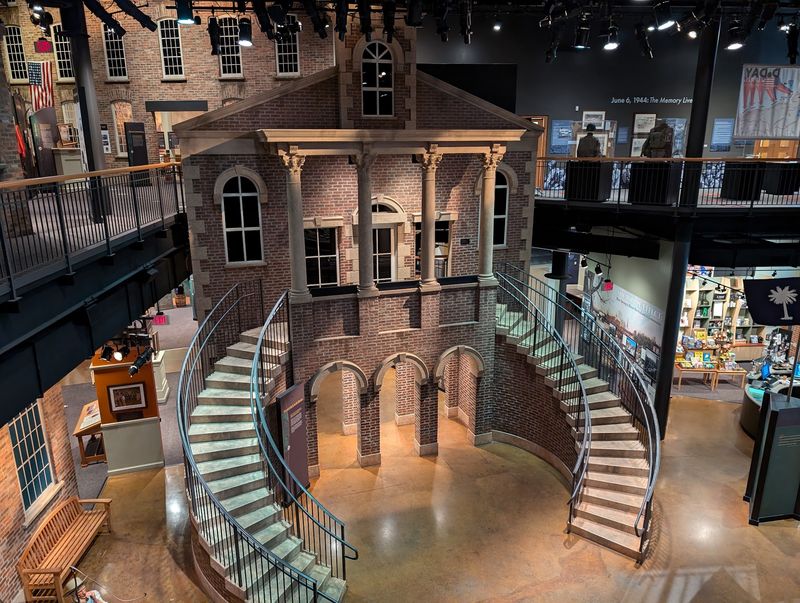
Greenville’s past has more twists than a mountain road.
The Upcountry History Museum, located on Heritage Green, helps explain the people, industries, and events that shaped northwestern South Carolina.
The permanent exhibits guide visitors from Native American communities through settlement, farming, textiles, transportation, and modern growth.
Clear displays make local history easy to follow, even if you are new to the region.
You will learn why rivers, rail lines, mills, and migration mattered so much here.
Rotating exhibits are a big reason to check the calendar.
The museum often hosts traveling shows on culture, science, literature, or popular history, which means repeat visits can feel fresh.
Families appreciate the mix of objects, stories, and hands-on sections.
Its location is another bonus.
Heritage Green also includes other cultural stops, and downtown Greenville’s restaurants, parks, and shops are nearby.
Visit before walking Falls Park, and the city will make more sense afterward.
This museum is not just for history buffs.
It is for anyone who has ever wondered how a place grows from small settlements and mill villages into a lively modern city.
6. Roper Mountain Science Center – Greenville
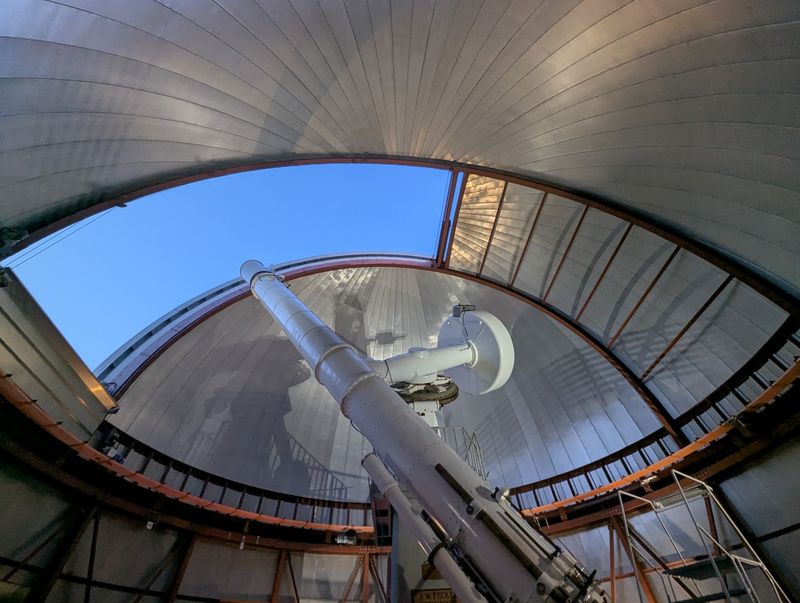
Listen closely, and you may hear kids gasp before they even reach the exhibits.
Roper Mountain Science Center in Greenville mixes classroom energy with the thrill of a field trip that never really ends.
The campus includes science labs, nature areas, a living history farm, and the Hooper Planetarium.
Public programs vary by season, so check the website before going, especially for Friday Starry Nights or special events.
Astronomy fans should not miss the chance to look upward in a place built for big questions.
Outdoor spaces make this center different from a regular indoor museum.
Trails, gardens, and animal or nature programs help visitors connect science to real life.
Younger travelers can burn off energy while still learning about weather, plants, animals, and the sky.
Because Roper Mountain often serves school groups, public hours are not the same every day.
A little planning prevents disappointment.
Pair it with other Greenville stops if you are building a family weekend.
The center works best for curious children, patient adults, and anyone who likes science explained through movement, touch, and wonder instead of just glass cases.
7. Spartanburg Science Center – Spartanburg
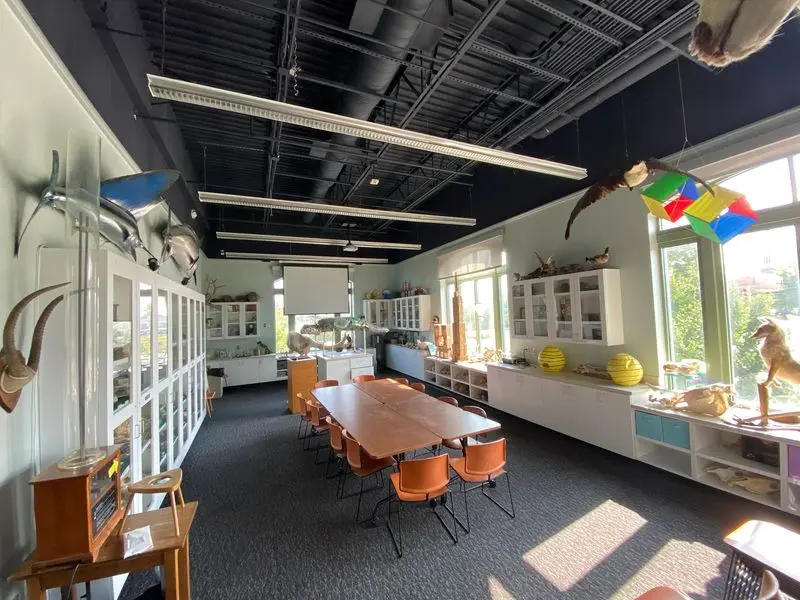
Tiny hands often find the biggest discoveries here.
The Spartanburg Science Center, located in Spartanburg, gives families a friendly place to explore animals, experiments, and STEM ideas without feeling overwhelmed.
Compared with huge museums, this center feels personal and approachable.
Exhibits and programs may include reptiles, small animals, fossils, microscopes, robotics, or hands-on science stations.
That close-up style helps children ask questions and actually wait for answers.
Teachers and local families have long used the center for camps, classes, and school programs.
Travelers can still enjoy it as a smart stop, especially with younger kids who need active learning instead of quiet hallways.
Check current hours and event listings, since programming can shift around school schedules.
Its Spartanburg location makes it easy to add to a day that includes downtown, local parks, or nearby colleges.
Do not expect a giant city museum with endless wings.
Expect a community science spot with heart, helpful staff, and plenty of chances to point, wonder, and say, look at that.
For families crossing the Upstate, it can turn a simple stop into a memorable learning break.
8. South Carolina Military Museum – Columbia
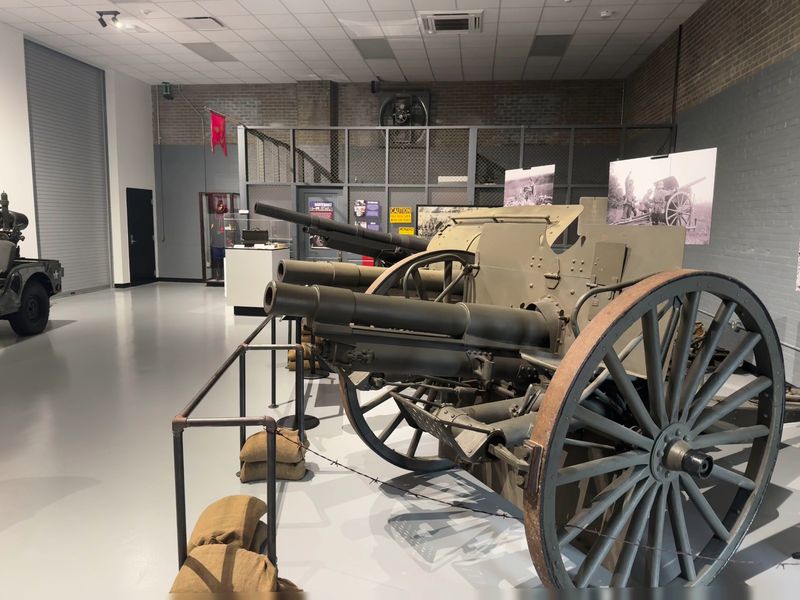
Tanks, uniforms, and battle flags give this Columbia museum a strong first impression.
The South Carolina Military Museum shares the state’s military history from early militia days to modern service.
Located near the South Carolina National Guard headquarters, the museum includes weapons, vehicles, medals, photographs, and personal items from different conflicts.
Exhibits cover the Revolutionary War, Civil War, World Wars, Korea, Vietnam, and more recent missions.
The best displays connect large events to South Carolinians who served.
Military museums can sometimes feel like rows of equipment, but this one offers human details too.
Look for letters, uniforms, and stories that show what service meant for families back home.
Those smaller pieces help younger visitors understand that history involved real choices and real people.
Admission has often been free, but travelers should confirm hours before visiting because schedules can change.
The museum works well with a Columbia history day, especially if you also visit the State House or South Carolina State Museum.
For veterans, students, and curious travelers, it offers a respectful look at courage, conflict, sacrifice, and the state’s long connection to national defense.
9. The South Carolina Railroad Museum – Winnsboro
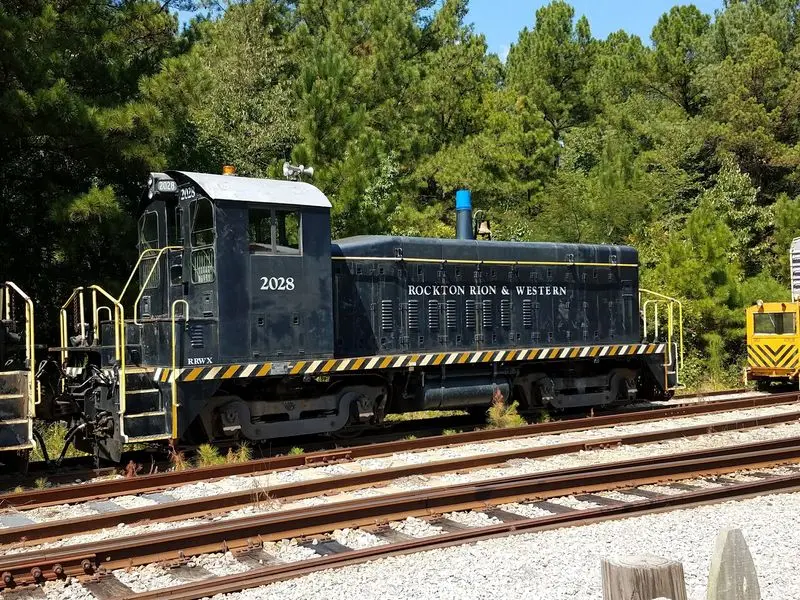
The best exhibit here might roll, whistle, and shake under your feet.
The South Carolina Railroad Museum in Winnsboro celebrates the trains that once tied towns, farms, and factories together.
Visitors can see historic rail cars, locomotives, railroad tools, signs, and equipment, but the real treat is the train ride when excursions are running.
Seasonal trips may include themed rides, holiday events, or family-friendly outings.
Since schedules vary, book ahead and arrive early enough to park, check in, and take photos.
Railroad history is easy to enjoy because it feels physical.
You hear metal sounds, feel the car move, and imagine passengers looking out across the same countryside decades ago.
Kids love the adventure, while adults often enjoy the slower pace.
Winnsboro sits north of Columbia, making the museum a fun detour between the Midlands and the Charlotte area.
Bring water, comfortable shoes, and a camera.
Train fans will study every detail, but even casual visitors can appreciate the charm.
It is a reminder that travel once came with conductors, timetables, and windows framing miles of South Carolina scenery.
10. Bob Campbell Geology Museum – Clemson
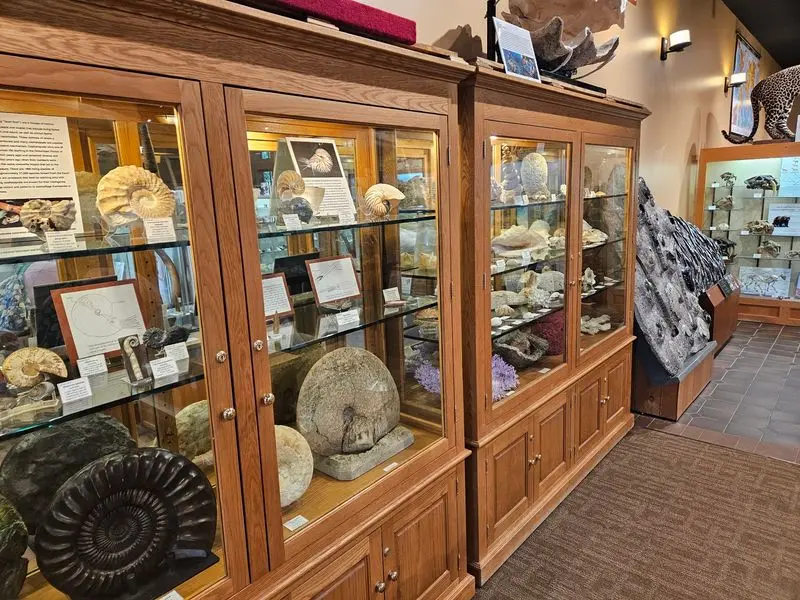
Sparkling minerals have a sneaky way of turning grown-ups into treasure hunters.
The Bob Campbell Geology Museum, near Clemson University, is a colorful stop filled with rocks, fossils, gems, and deep-time surprises.
The museum sits at the South Carolina Botanical Garden, which makes it easy to combine indoor discovery with a walk outside.
Inside, visitors can see mineral specimens, meteorites, fossils, and displays about Earth’s changing story.
The collection is especially fun for anyone who likes shiny crystals or ancient creatures.
One famous highlight is the museum’s impressive selection of gems and minerals, including specimens from South Carolina and beyond.
Children often enjoy comparing colors, shapes, and textures, while adults may appreciate the science behind how these formations grew.
Exhibits make geology feel less like a textbook and more like a treasure map.
Because the museum is close to Clemson, it fits nicely into a campus visit, garden trip, or Upstate road day.
Check hours before arriving, and leave time for the surrounding paths.
It proves that rocks are not boring.
They are clues, souvenirs from volcanoes, oceans, deserts, and worlds that came long before us.
11. EdVenture Myrtle Beach – Myrtle Beach
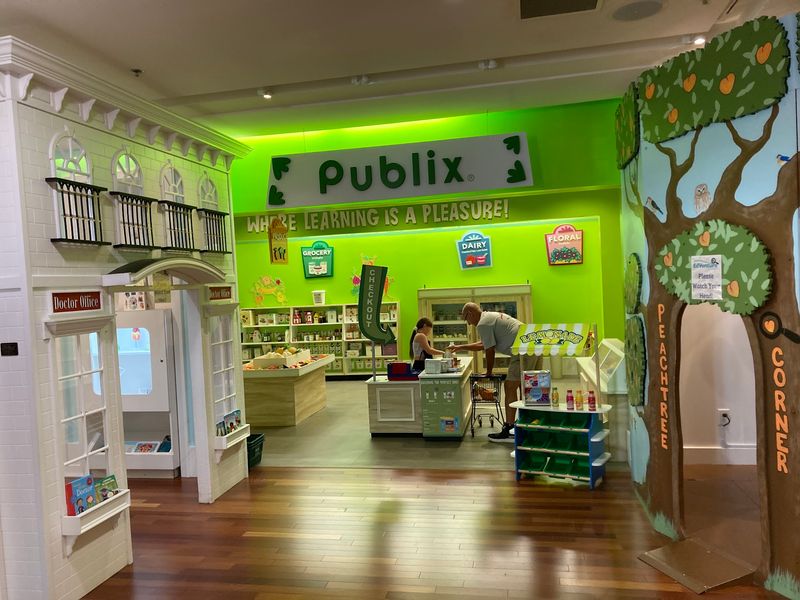
Beach trips need a backup plan, and this one comes with buttons, building, and busy little learners.
EdVenture Myrtle Beach brings the hands-on spirit of South Carolina’s well-known children’s museum brand to the Grand Strand.
The space is designed for younger visitors who learn best by touching, pretending, and moving.
Exhibits and programs may focus on health, science, careers, creativity, and problem-solving.
Instead of asking children to stand still and stare, the museum encourages them to try, test, build, and imagine.
Parents will appreciate the change of pace from sand and sun.
It is especially useful on rainy mornings, extra-hot afternoons, or days when children need something made just for them.
Check current hours, admission details, and age-focused programs before heading over.
Its Myrtle Beach location makes it easy to pair with family attractions, restaurants, or a slower day away from the water.
Do not expect a quiet gallery mood.
Expect cheerful noise, quick discoveries, and kids proudly explaining what they just made.
For families visiting the coast, EdVenture adds learning to the vacation without making it feel like homework.