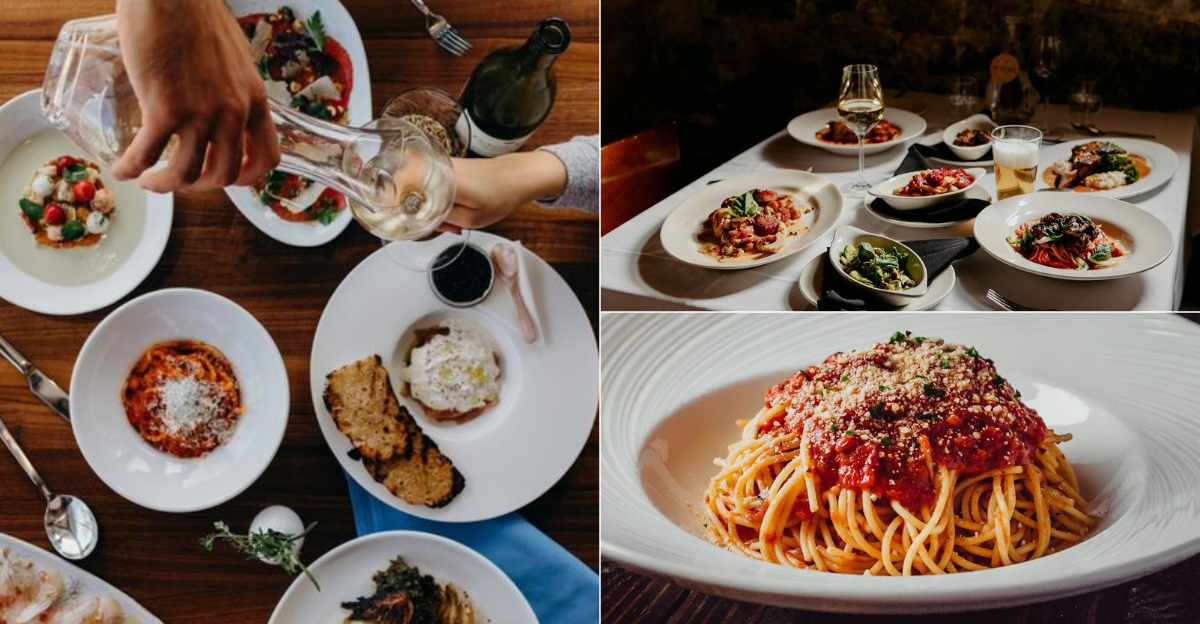
Michigan’s culinary heritage has been deeply shaped by waves of migration, and the state’s Italian dining scene offers a strong example of how tradition can be preserved over time.
Across Michigan, a number of notable restaurants continue to prepare food according to established culinary standards, drawing on regional recipes and techniques passed down through generations.
What distinguishes these establishments in a competitive dining landscape is their disciplined approach to cooking, from hand-crafted pasta to the patient preparation of complex sauces that require time and attention.
Authenticity and craftsmanship remain central priorities, creating a clear sense of place and continuity that modern trends often struggle to replicate.
The following eleven restaurants demonstrate how respect for culinary history and classic hospitality principles continues to define every plate that reaches the table.
Giovanni’s Ristorante – Detroit

Few dining rooms in the state hold onto formal Italian service with this much consistency.
The experience begins with polished hospitality, measured pacing, and a menu rooted in recipes that reflect an earlier generation of immigrant cooking.
That sense of continuity matters because the kitchen does not chase trends or revise classics simply to appear modern.
Many dishes lean on long-simmered sauces, careful saute work, and the kind of restrained seasoning that lets garlic, wine, herbs, and stock build depth naturally.
Rich veal preparations, seafood specialties, and house standards are presented with a seriousness that recalls traditional celebratory meals.
Portions are generous, yet the structure of each plate still reflects discipline rather than excess.
The room itself supports that identity through tablecloth service, attentive staff, and a pace that encourages conversation over rushing.
Authenticity here comes from preservation more than reinvention.
It feels tied to a period when Italian dining in the city meant ceremony, family occasions, and deep respect for recipes that had already earned their place.
Café Cortina – Farmington Hills
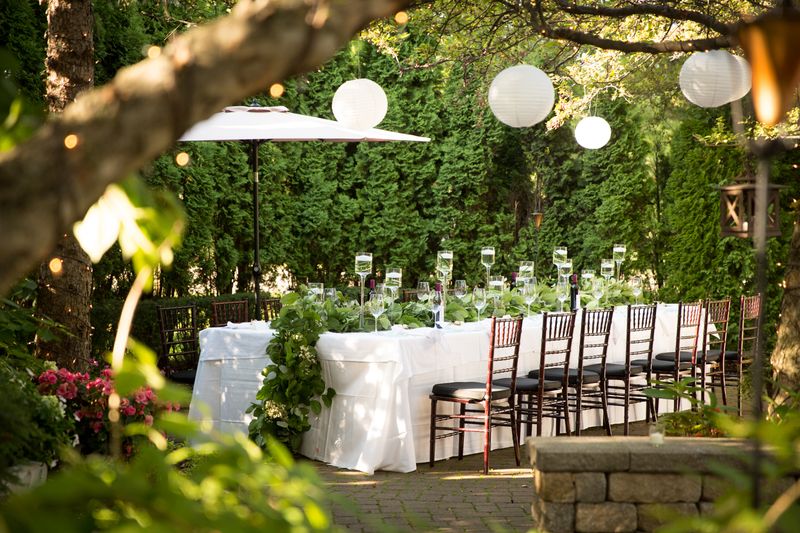
Set apart by its secluded setting, this restaurant builds authenticity through intimacy, restraint, and close attention to seasonal ingredients.
The atmosphere is quiet and personal, with a garden influence that softens the formality often associated with special occasion dining.
That setting supports a style of cooking where details matter and every component is expected to serve a purpose.
The kitchen relies on thoughtful preparation instead of heavy-handed richness.
Vegetables, herbs, seafood, and carefully chosen meats are treated with precision so textures remain clear and flavors stay distinct.
Sauces tend to complement rather than cover, which aligns with Italian cooking traditions that respect ingredient quality above spectacle.
Service also contributes to the restaurant’s credibility.
Courses arrive with a calm rhythm that encourages guests to notice balance, temperature, and presentation without feeling hurried.
Authentic Italian character comes through in that combination of hospitality and discipline.
Rather than imitating a generic trattoria, it reflects a more personal idea of Italian dining, where seasonality, setting, and deliberate cooking shape the entire meal.
Trattoria Stella – Traverse City
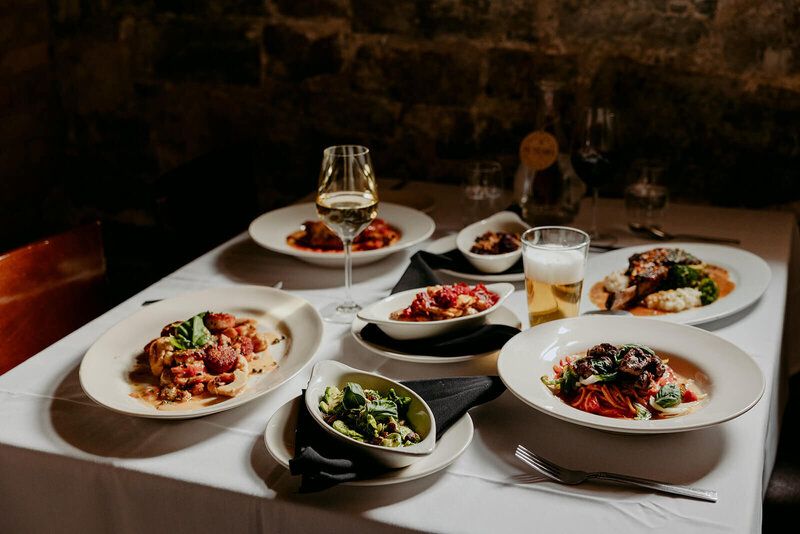
Housed in a historic space, this restaurant draws much of its identity from the meeting point between local agriculture and Italian technique.
The setting has texture and weight, which suits a menu built around regional sourcing and careful adaptation.
Instead of copying a single Italian region, the kitchen works more broadly within Italian principles of seasonality, thrift, and respect for raw materials.
Produce from nearby farms often shapes the direction of the plate, while meats, cheeses, and pantry staples are used with a practical sense of balance.
The result feels grounded rather than theatrical. Flavors are usually clean, with enough structure to show technique but not so much intervention that the ingredients lose their character.
That approach mirrors the strongest parts of Italian food culture, where local conditions guide cooking and meals reflect what the surrounding land provides.
The dining room reinforces the idea through a relaxed but serious tone.
Authenticity comes from method and sourcing working together, proving that Italian tradition can remain faithful to its roots while speaking clearly through northern Michigan ingredients.
PepeNero – Traverse City
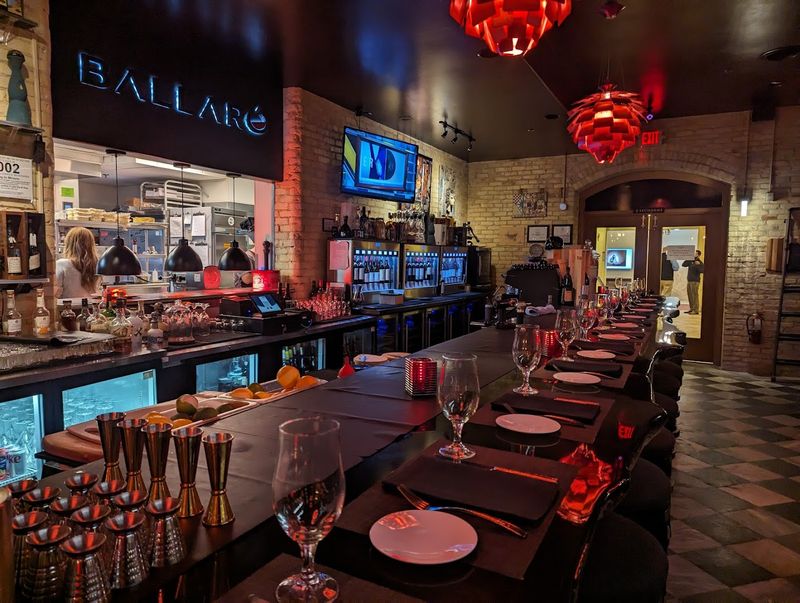
Sicilian influence gives this kitchen a distinct identity, but the food is not weighed down by nostalgia alone. The menu is driven by ingredients first, with Southern Italian ideas shaping how acidity, olive oil, herbs, seafood, and vegetables are handled.
That makes the cooking feel both rooted and current, especially when traditional flavors appear in a more streamlined presentation.
Bitterness, citrus, brine, and sweetness are often balanced with notable precision.
Dishes can look contemporary, yet the logic behind them remains tied to a region where simple ingredients are expected to carry flavor without unnecessary complication.
The kitchen seems interested in clarity, so each element on the plate has a reason to be there.
The room complements that philosophy with a polished but approachable atmosphere.
Nothing about the experience suggests a museum treatment of Italian food. Instead, authenticity comes through in the way regional habits survive modern refinement.
Southern Italian traditions are preserved not by copying the past exactly, but by keeping the priorities intact: ingredient quality, balance, restraint, and confidence in the essentials.
Paesano Restaurant & Wine Bar – Ann Arbor
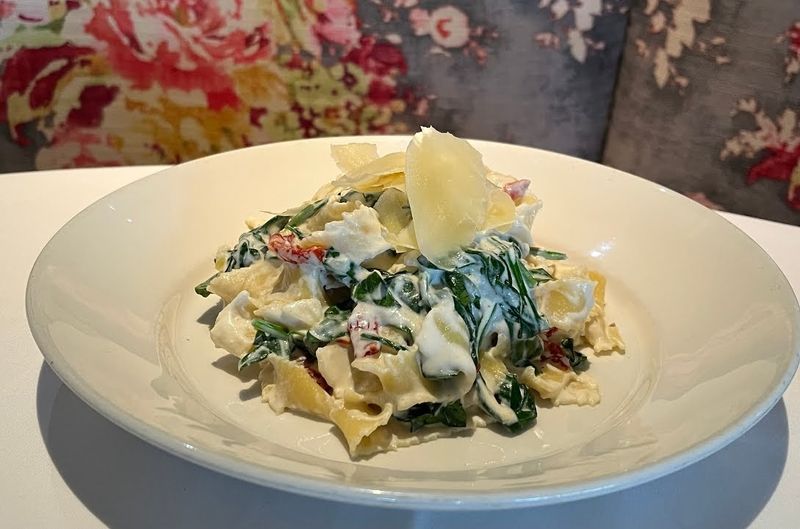
This restaurant feels shaped by neighborhood habits rather than by destination dining trends.
Its appeal comes from the way hospitality, wine, and regional cooking are woven into a familiar setting where regulars seem just as important as first-time visitors.
That atmosphere reflects an Italian dining culture built around comfort, recognition, and the idea that meals should invite lingering.
The food stays close to traditional foundations, with dishes that emphasize straightforward technique and balanced seasoning.
There is a practical honesty to the cooking.
Regional influences appear through sauces, braises, cured meats, and classic combinations that value coherence over novelty.
The wine program strengthens that sense of place by encouraging the kind of table conversation associated with long, relaxed dinners.
Service tends to be attentive without becoming performative, which fits the restaurant’s neighborhood character.
Authenticity here does not depend on elaborate presentation or strict formalism.
It comes from preserving the customs that surround Italian meals: generosity, rhythm, familiarity, and a clear respect for recipes that are meant to be shared in a warm, sociable room.
Palio – Ann Arbor
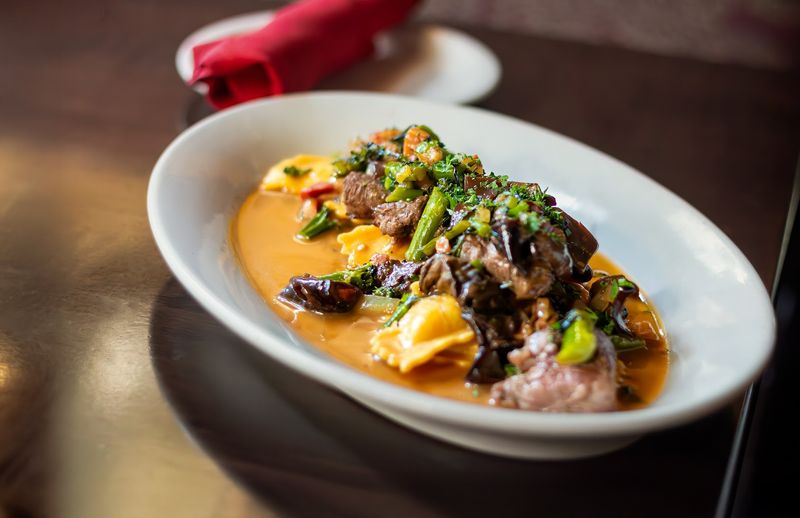
Tuscan inspiration gives this dining room a clear framework, from the rustic decor to the sturdy, comfort-focused style of the menu.
The cooking favors depth and simplicity over decoration, which fits a tradition shaped by farmhouse habits and practical technique.
That influence is visible in hearty sauces, roasted meats, beans, herbs, and preparations that depend on patience more than complexity.
What makes the food feel authentically Italian is its trust in old methods.
Braising, simmering, roasting, and careful pan work create flavor without relying on excess richness or dramatic presentation.
Even richer dishes tend to remain grounded because the kitchen understands proportion and keeps the plate connected to its regional model.
The room also matters.
Its rustic elegance suggests comfort without casual indifference, and that balance mirrors the meal itself. Guests are given an experience that feels warm and settled rather than hurried or stylized.
Authenticity is found in the consistency of that vision.
By staying committed to traditional Tuscan ideas of nourishment, hospitality, and straightforward cooking, the restaurant offers an Italian identity that feels coherent from the first course to the last.
Luciano’s Italian Restaurant – Clinton Township
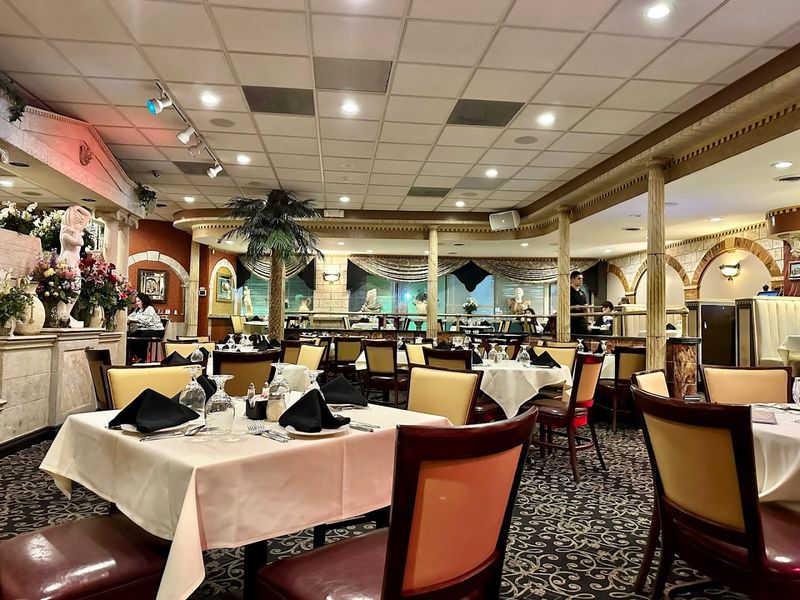
Family heritage defines the character of this restaurant more than any single signature dish.
The menu reflects Sicilian roots and the kind of recipes that tend to survive because they are cooked repeatedly across generations, not because they are rewritten for fashion.
That continuity gives the food a directness that feels personal and deeply practiced.
The kitchen works from traditions where sauce making, breading, baking, and slow cooking all carry memory as much as technique.
Seasoning is assertive but balanced, and the meals often suggest the structure of a large family table rather than a chef’s tasting menu.
There is an emphasis on abundance, yet the strongest impression is not quantity.
It is familiarity shaped by years of repetition and care.
Service reinforces that lineage through a welcoming style that feels lived in rather than scripted.
Guests are treated as though return visits are expected, which suits a restaurant built on long-standing culinary habits.
Authentic Italian flavor comes from preserving inherited methods and trusting them.
The result is not theatrical authenticity, but something steadier, grounded in family transmission and everyday Sicilian values.
Andiamo Italia – Warren
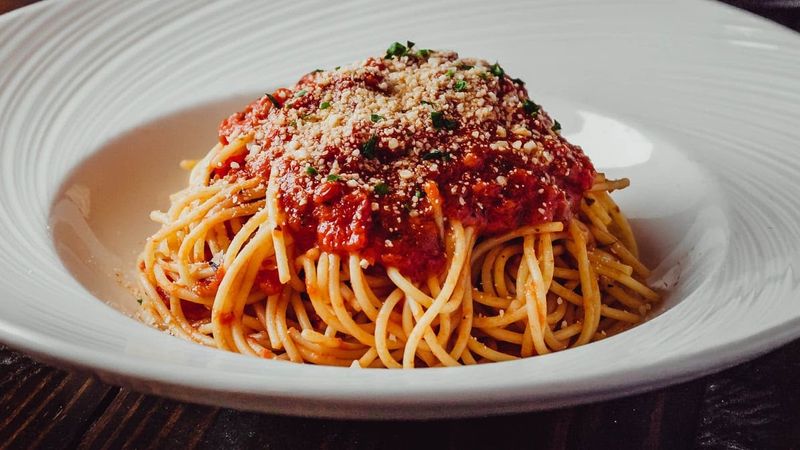
This restaurant represents a durable version of Italian-American dining that has long been central to family celebrations in Michigan.
Its reputation rests on consistency, scale, and an understanding that many guests arrive with expectations formed over decades.
Rather than distancing itself from that role, the kitchen embraces it and delivers a familiar style with dependable execution.
The food reflects the history of immigrant adaptation, where Italian methods met American dining habits and developed into a tradition of their own.
Sauces are robust, portions are accommodating, and the menu supports large gatherings as naturally as smaller dinners.
Authenticity here should be understood through cultural continuity, not narrow regional purity.
It preserves a recognized form of Italian-American hospitality that matters to the communities it serves.
The dining room contributes to that identity by feeling suitable for milestones, extended meals, and mixed-age groups at one table.
Staff members help maintain a smooth, practiced experience, which explains the restaurant’s long-standing appeal.
Its value lies in reliability and ritual.
The meal feels connected to generations who marked birthdays, anniversaries, and ordinary Sundays with the same dependable traditions.
Ottava Via – Detroit
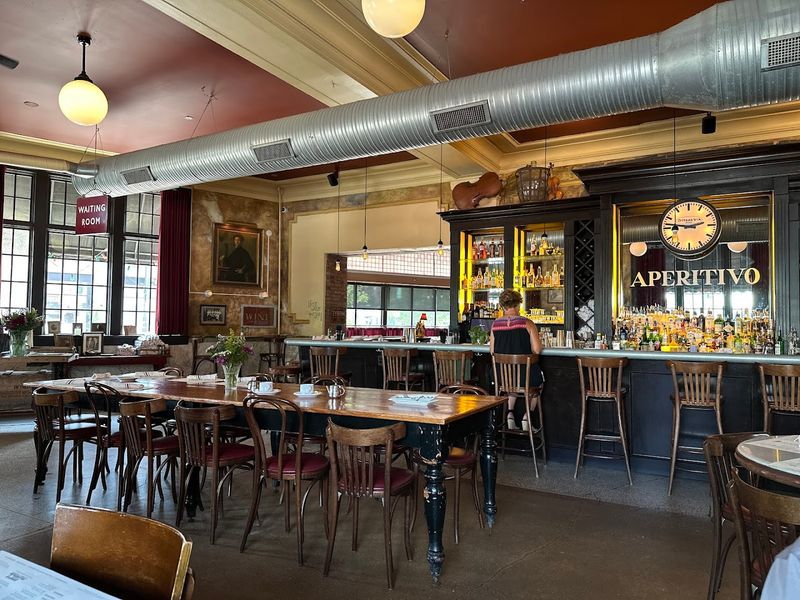
Authenticity here is expressed through handcraft, accessibility, and a strong neighborhood presence.
The restaurant does not rely on formality to communicate seriousness.
Instead, it builds trust through careful cooking, a comfortable room, and prices that make repeat visits possible.
That approach reflects a deeply Italian idea that good food should remain woven into everyday community life.
The menu favors dishes that show labor in subtle ways, from house-prepared components to sauces and doughs that benefit from time and attention.
Nothing needs to be extravagant for the food to feel honest.
The flavors are direct, the portions sensible, and the overall style suggests a kitchen more interested in feeding people well than in constructing spectacle.
Community ties are essential to the restaurant’s identity.
It feels like a place supported by locals and designed for regular use, not occasional display.
familiarity strengthens the sense of authenticity because Italian dining traditions have always depended on social connection as much as technique.
By combining handmade food with a lived-in atmosphere and approachable pricing, the restaurant delivers an experience that feels rooted, generous, and genuinely neighborhood driven.
SheWolf Pastificio & Bar – Detroit
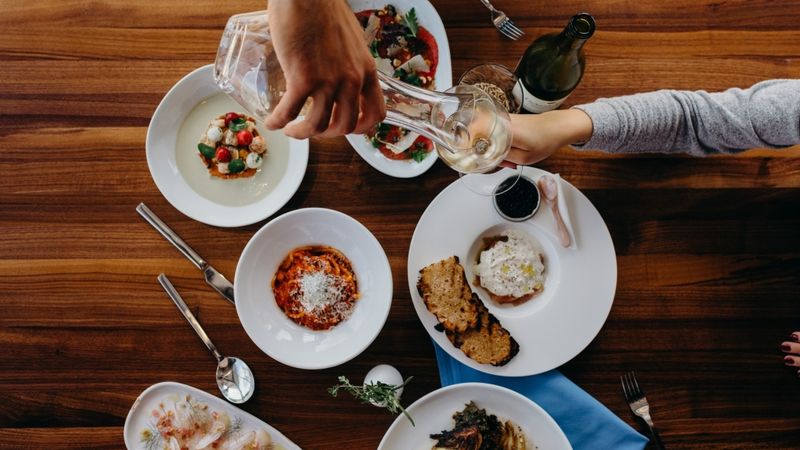
Roman influence gives this restaurant a focused identity, and that focus is reinforced by its dedication to pasta making as a craft.
The kitchen treats dough, texture, and sauce structure with unusual seriousness, which creates meals that feel studied without becoming stiff.
Traditional technique is central, especially in the way classic forms are handled with discipline and precision.
Much of the authenticity comes from process.
Fresh pasta is not presented as a decorative feature but as the backbone of the menu, and the cooking shows close attention to flour, hydration, shape, and final texture.
Roman culinary ideas also appear through assertive seasoning, efficient ingredient combinations, and a respect for dishes that depend on balance rather than excess complexity.
The room has a contemporary energy, yet the craftsmanship keeps the restaurant tied to older culinary values.
Guests can sense that labor and training matter here.
That is what separates it from places that use Italian references only as style.
Its strongest claim to authenticity lies in technical commitment.
By centering handmade pasta and regional discipline, the restaurant turns tradition into something tangible on every plate.
Amore Trattoria Italiana – Comstock Park
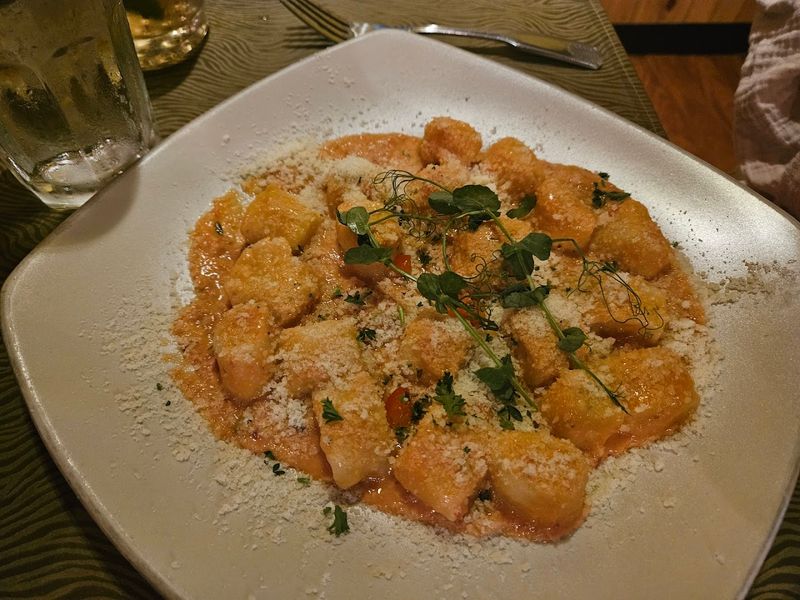
Family hospitality shapes the entire experience at this trattoria.
From the tone of service to the style of cooking, everything points toward an old world understanding of how a restaurant should receive people.
The atmosphere is comfortable and direct, with none of the distance that can make traditional food feel overly formal or staged.
Handmade pasta plays an important role, but authenticity here reaches beyond any one item.
The menu reflects a broader commitment to comfort food prepared with patience, practical technique, and respect for established recipes.
Sauces are built for warmth and depth, portions feel generous without becoming careless, and the kitchen favors familiarity over reinvention.
What stands out most is the way values shape the meal.
There is a clear emphasis on consistency, kindness, and the idea that tradition is something maintained through daily practice.
That perspective feels genuinely Italian because it treats cooking and hospitality as inseparable.
Guests are not simply served a menu of recognizable dishes.
They are given an experience organized around welcome, craft, and the enduring appeal of meals that are meant to comfort as much as they nourish.