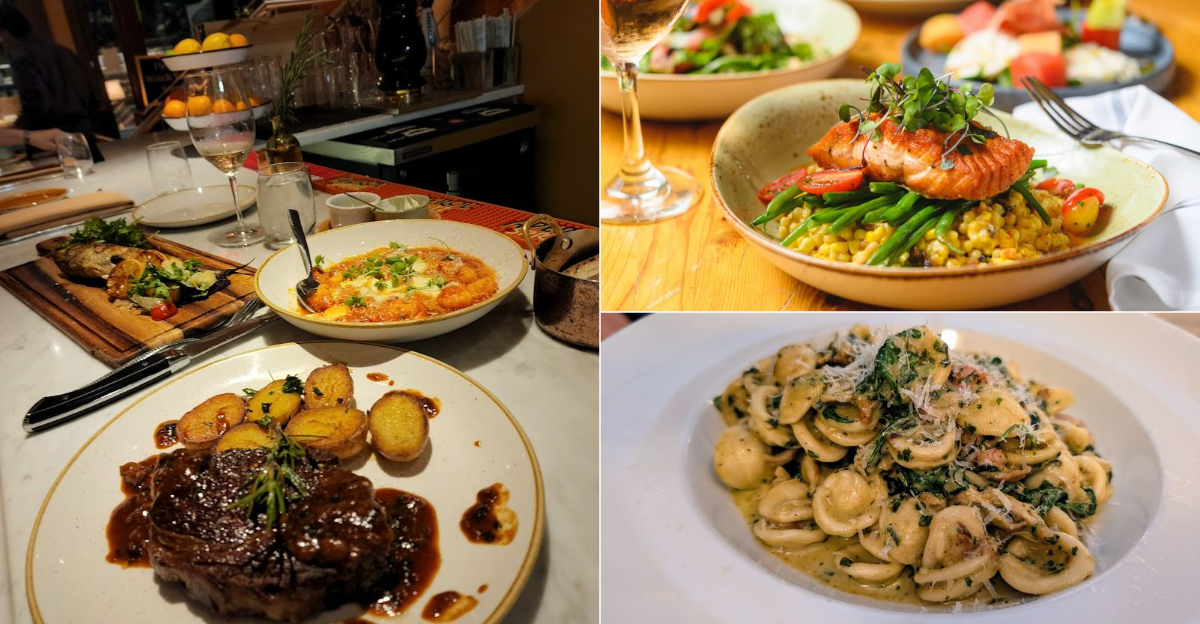
While culinary trends continue to change at a rapid pace and modern restaurants frequently reinvent themselves, Connecticut is home to establishments that have remained dedicated to tradition.
The state’s Italian dining culture has deep roots, shaped by generations of immigrant families who brought authentic recipes and old-world techniques with them.
In these distinctive and long-established dining rooms, success is not built on passing trends but on careful preparation and handmade dishes.
Consistency remains a core value, with practices such as fresh pasta making and slow-simmered sauces still treated with remarkable attention and care.
The following twelve restaurants demonstrate how historical continuity and classic hospitality principles continue to define every plate that leaves the kitchen.
Salute – Hartford
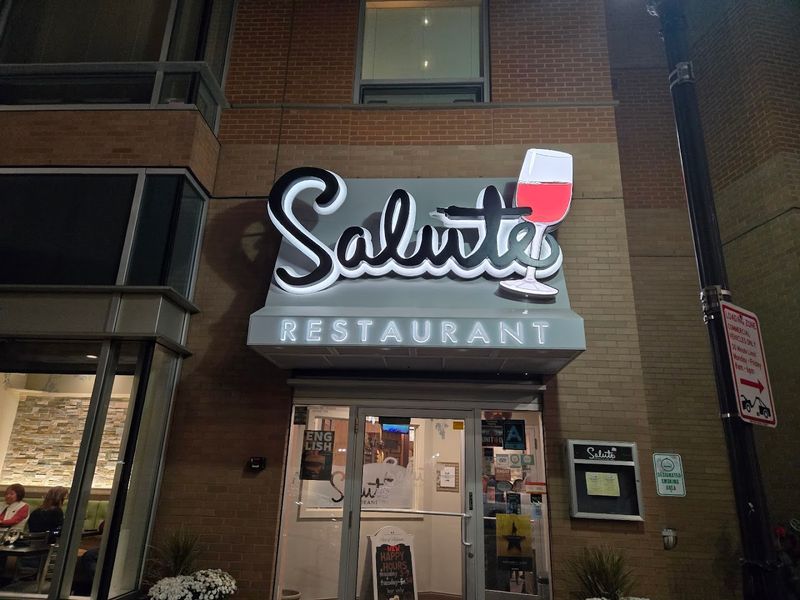
In this busy downtown dining room, the experience reflects a familiar Italian-American tradition built on warmth, routine, and abundance.
Meals arrive in substantial portions, and the menu stays grounded in the kind of classic dishes that have long defined celebratory dinners and dependable weeknight outings.
The cooking leans on established methods rather than reinvention, with sauces simmered for depth, cutlets prepared with care, and seafood, pasta, and meat dishes presented in a way that feels recognizably traditional.
That consistency matters because it gives regulars a sense of continuity, the same comfort that older neighborhood restaurants once provided to generations of local families.
Service also plays a central role in its old-world character.
Staff members tend to guests with an easy familiarity that encourages lingering over courses, sharing plates, and treating dinner as a social ritual rather than a rushed transaction.
Its long-standing popularity comes from more than nostalgia. It rests on hospitality, reliable execution, and a deep respect for the enduring habits of Italian-American dining culture.
Viron Rondo Osteria – Cheshire
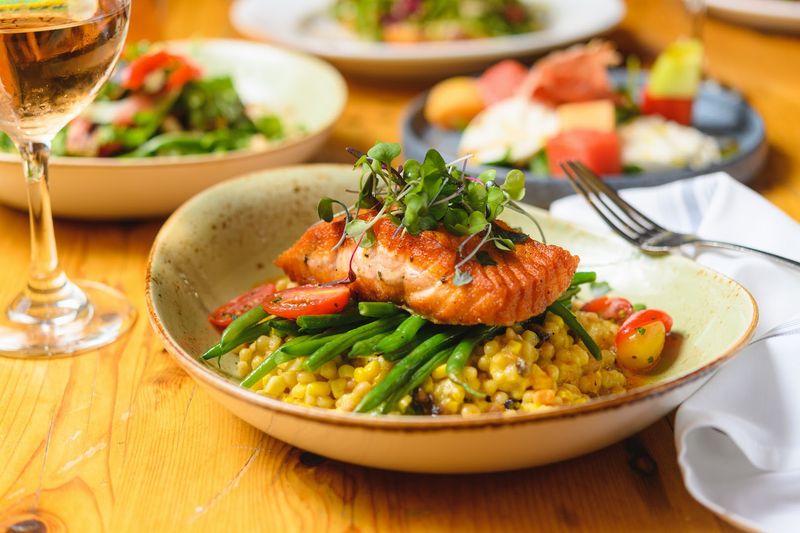
The setting immediately suggests a rustic Mediterranean sensibility, with an atmosphere that values texture, warmth, and a sense of age over sleek presentation.
That tone carries into the food, where traditional methods and regional references shape a menu that feels connected to older Italian and coastal cooking customs.
Instead of relying on heaviness, the kitchen often emphasizes balance through olive oil, fire, herbs, vegetables, and carefully handled proteins.
The result is a style of cooking rooted in regional traditions and everyday habits.
Careful restraint often matters as much as richness, while each dish reflects techniques refined through generations of practice.
Its old-world appeal comes from the way the room and the cuisine support each other.
Guests are given an experience that feels unhurried, with food designed for conversation, shared courses, and appreciation of detail rather than novelty.
That connection to tradition is not theatrical. It appears in the honest rusticity of the flavors, the measured pacing of service, and the clear respect for regional Italian character within a broader Mediterranean frame.
Materia Ristorante – Bantam
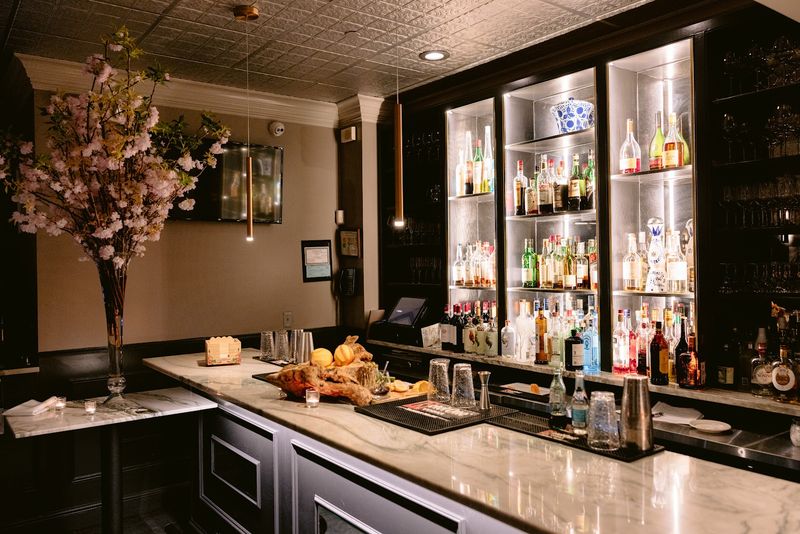
This restaurant approaches regional Italian cooking with precision, discipline, and a clear understanding that tradition depends on careful execution.
Each plate suggests close attention to timing, texture, and balance, showing how much culinary skill is required to make straightforward food feel complete without unnecessary complication.
Its old-world quality comes less from rustic excess than from respect for process.
Stocks, sauces, pastas, and composed dishes appear thoughtfully prepared, with ingredients handled in ways that preserve their individual character while still fitting into a coherent regional structure.
That kind of detail reflects a classical mindset, one shaped by apprenticeship, repetition, and the belief that excellent results come from patient work rather than improvisation.
The dining experience also feels measured and intentional.
Guests encounter a room where service, pacing, and presentation support the food without distracting from it. This balance between refinement and restraint gives the place its identity.
It honors Italian culinary tradition not by imitating a single stereotype, but by treating every element of the meal as something that deserves knowledge, care, and exacting attention from start to finish.
Portobello Restaurant – West Hartford
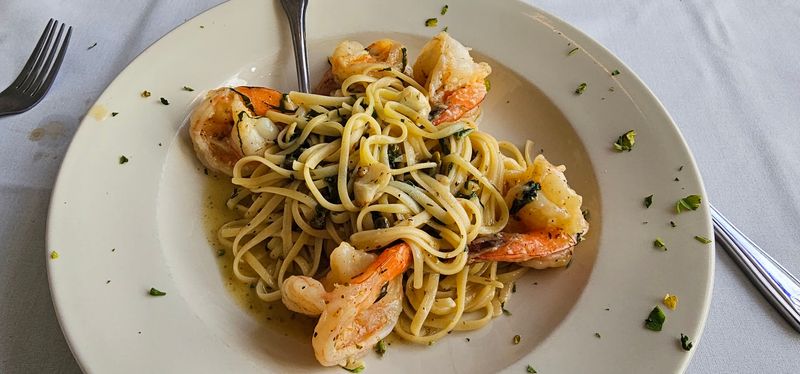
A traditional trattoria spirit defines this neighborhood fixture, where comfort and familiarity matter as much as the meal itself.
The atmosphere encourages group dinners, shared starters, and the kind of relaxed lingering that has long been central to family-oriented Italian dining.
The menu speaks in the language of established favorites, offering dishes associated with home kitchens, Sunday suppers, and local traditions that have stayed popular for decades.
What makes the food feel old-world is not novelty but reassurance.
Sauces are hearty, portions are satisfying, and the overall approach values warmth, steadiness, and the emotional role that comfort food plays in a community restaurant.
Its appeal also comes from a distinctly neighborhood sense of belonging.
Regulars return because the experience feels dependable and human, with service that supports conversation and a room that seems built for repeat visits rather than special occasion formality alone.
That combination gives the place enduring relevance.
It preserves Italian dining customs through shared meals, approachable hospitality, and recipes that remain close to the tastes many families have carried with them across generations.
Campagna Restaurant – Portland
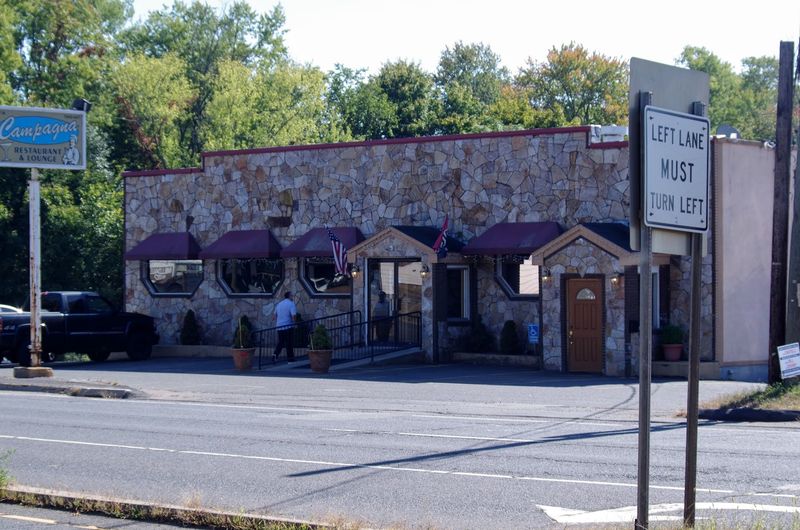
Country Italian cooking depends on simplicity, and this restaurant embraces that principle with unusual clarity.
The food tends to highlight rustic flavors, straightforward preparation, and the kind of hearty balance associated with rural tables where ingredients are treated with respect and unnecessary flourishes are avoided.
Its old-world character comes from that modest confidence.
Dishes often feel rooted in agricultural traditions, drawing attention to roasted meats, seasonal vegetables, beans, herbs, and sauces built for depth rather than spectacle.
There is a farmhouse logic to the menu, one that values frugality, patience, and the ability to turn ordinary materials into satisfying meals through long-practiced technique.
The dining room supports this identity by leaning into a country-style atmosphere that feels relaxed and grounded.
Guests are invited to settle in, eat slowly, and appreciate the connection between rustic cuisine and hospitality.
Nothing about the experience suggests trend-driven dining.
Instead, it recalls an older understanding of what a restaurant can offer: honest food, a welcoming setting, and a sense that tradition is preserved through simplicity, repetition, and respect for the rhythms of country cooking.
Treva Restaurant & Bar – West Hartford
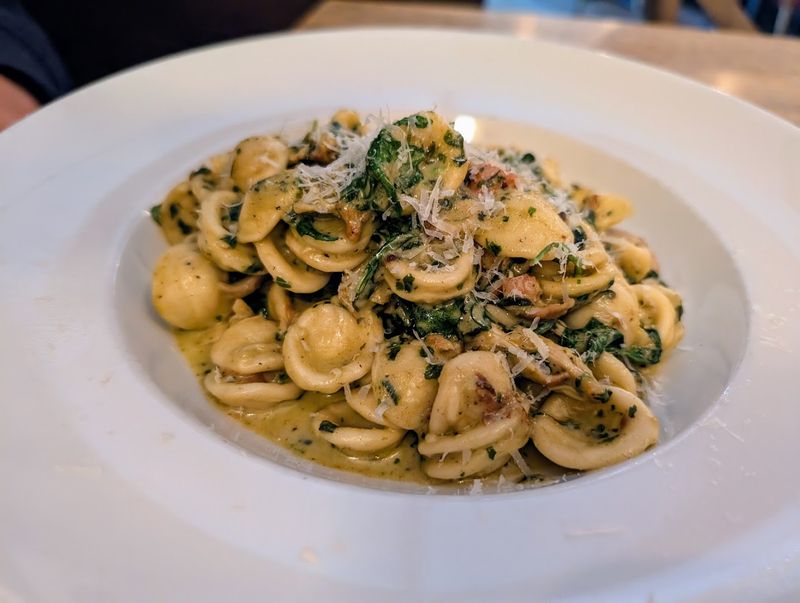
Northern Italian influences shape the identity here, giving the menu a sense of structure, restraint, and regional specificity.
Rather than relying on heaviness alone, the cooking often emphasizes butter, cream, braises, risotto, and carefully made pasta, all presented with an understanding of how elegance can remain traditional.
Handmade pasta is central to that approach because it reflects labor, texture, and timing in a very direct way.
When prepared properly, it carries the imprint of craft, and that craft connects the meal to older domestic and professional traditions from the northern regions.
Wine also matters in a serious way, not as decoration but as part of the cultural framework of the table, complementing food and shaping the rhythm of the evening.
Its old-world appeal comes through sophistication without stiffness.
Service tends to be polished, the room encourages conversation, and the overall experience suggests confidence in established culinary standards.
That balance makes the restaurant stand out. It preserves tradition by showing that refinement, handmade technique, and strong wine culture have always been part of Italian dining, not modern additions to it.
Cafe Fiore – Cromwell
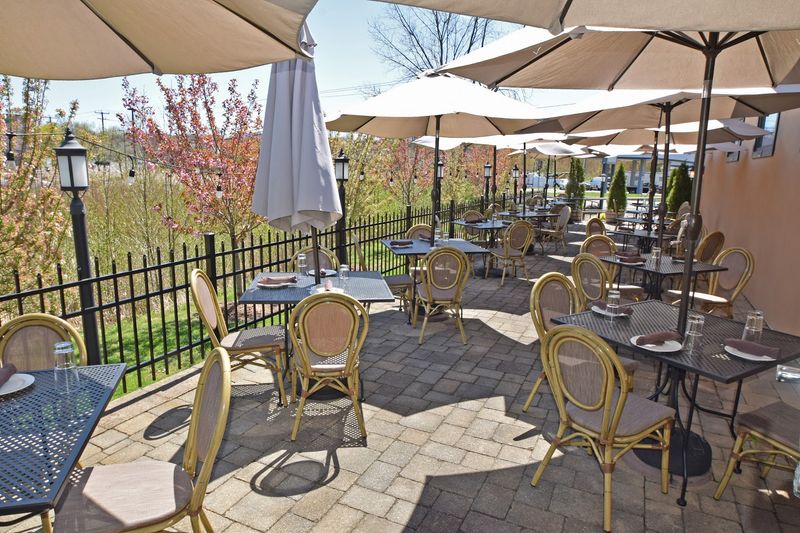
Longevity often says as much about a restaurant as any single dish, and this one has built its reputation through steadiness over time.
Guests return for traditional favorites prepared in a familiar style, trusting that the experience will remain close to what they remember from earlier visits.
That kind of consistency is a meaningful old-world trait. It reflects a restaurant culture where reliability is treated as a form of respect, both for the guest and for the recipes themselves.
Rather than focusing on constant reinvention, the kitchen remains committed to consistency across sauces, seafood preparations, meat dishes, and other classics.
Loyal customers return knowing they will find familiar flavors prepared to the standards they expect.
The dining experience reinforces that continuity.
Service tends to feel practiced and attentive without becoming overly formal, while the room carries the easy comfort of a place that has become part of local routine.
This is how older Italian restaurants often earn their place in a community.
They become trusted settings for birthdays, quiet dinners, and repeated family meals. Its enduring draw rests on tradition, dependability, and the sense that care is shown through repetition done well.
Via Emilia – Mystic
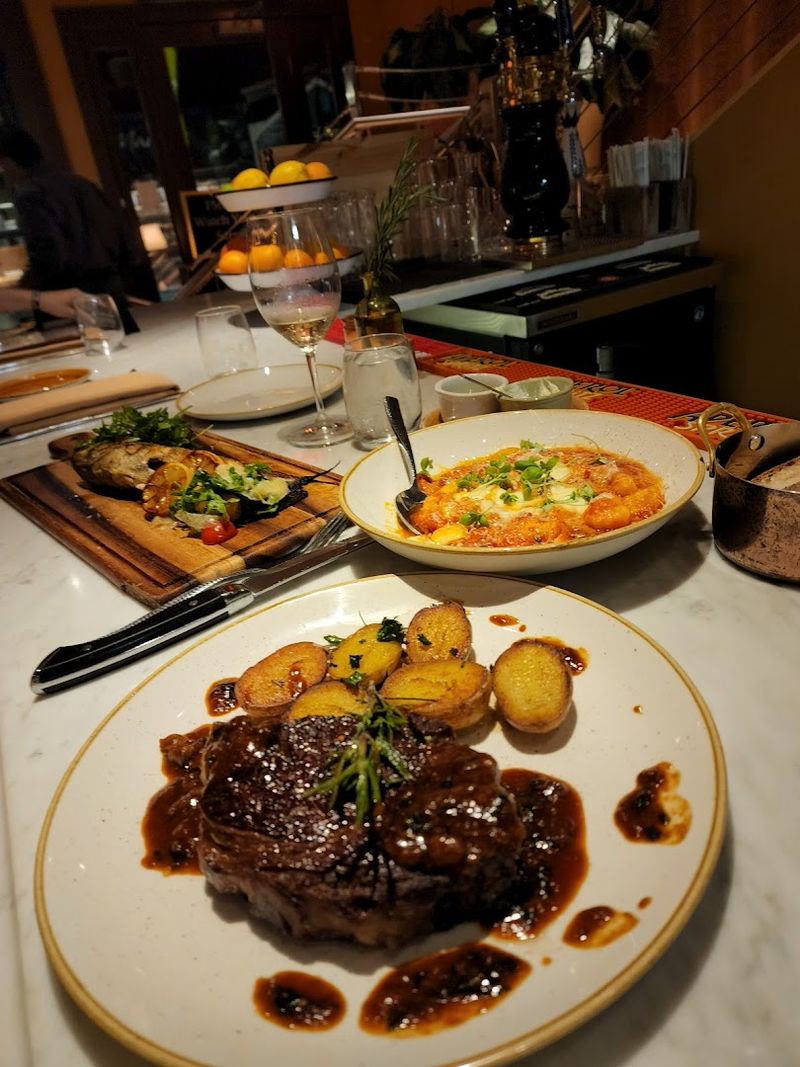
The food here is closely tied to the culinary traditions of Emilia-Romagna, a region known for its rigorous standards and deep influence on Italian cooking.
That focus gives the restaurant a clear identity, and it allows the menu to express old-world authenticity through specific techniques rather than broad Italian generalities.
Fresh pasta is especially important within that regional tradition because texture, dough composition, and shaping methods all carry cultural meaning.
When handled with care, these details show a direct connection to older kitchen practices, where craftsmanship was inseparable from daily cooking.
Beyond pasta, the broader approach suggests respect for the region’s disciplined use of sauces, cheeses, cured meats, and layered preparations that depend on training and repetition.
Its appeal lies in how seriously that heritage is taken.
The dining experience feels rooted in culinary knowledge, not just aesthetic borrowing, and guests encounter food that reflects a strong sense of place within Italy.
That commitment to authenticity is what gives it old-world strength.
Traditional methods remain firmly embedded in the kitchen’s approach, ensuring that regional identity is preserved through practice, repetition, and attention to detail.
Andiamo – Stonington
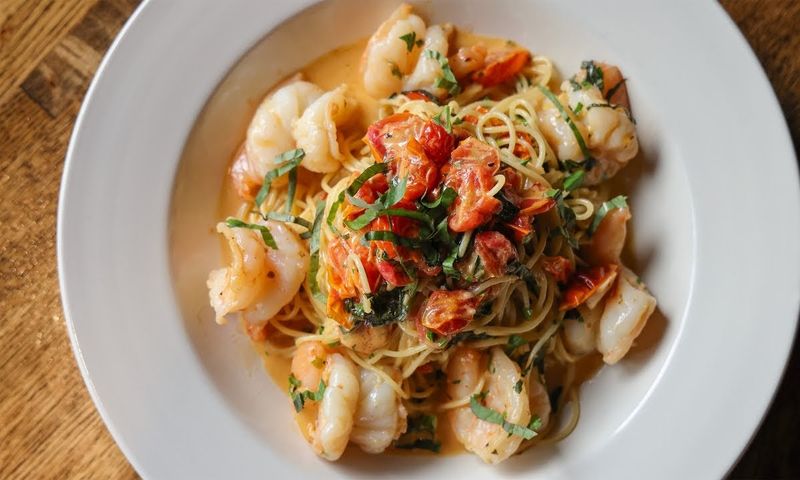
Family influence is evident in the way this restaurant balances hospitality with a menu rooted in traditional recipes.
The experience feels shaped by the idea that guests should be received with warmth, fed with care, and offered food that respects familiar forms while allowing room for measured contemporary refinement.
That balance between classic and modern works because the foundation remains traditional.
Rather than abandoning older methods, the kitchen appears to build on them, preserving the structure of established dishes while adjusting presentation or technique with restraint.
This approach can still feel old-world when it grows out of inherited habits, especially when service and pacing continue to reflect the values of generosity, attentiveness, and shared enjoyment at the table.
Its strongest connection to tradition may be the sense of continuity beneath the updates.
Guests encounter a restaurant that acknowledges current tastes without losing sight of the family-centered customs that define Italian dining.
That makes the experience feel genuine rather than nostalgic.
Old-world flavor here comes from recipes with memory behind them, hospitality that remains personal, and a dining culture that treats refinement as an extension of tradition instead of a break from it.
Lucia Ristorante – New Milford
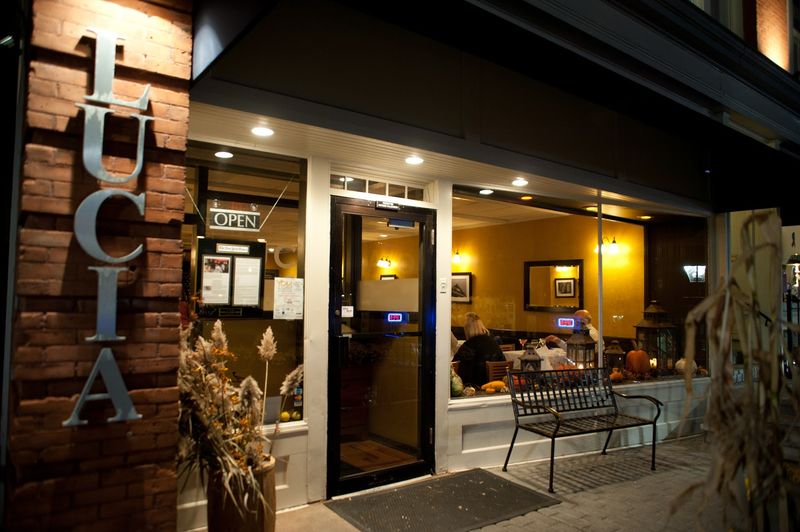
Italy’s cooking varies widely from region to region, and this restaurant reflects that diversity with an approach that resists flattening everything into one familiar style.
The menu suggests an understanding that old-world Italian food is not singular, but a collection of local traditions shaped by geography, history, and household practice.
That perspective gives the kitchen room to present carefully prepared dishes influenced by different parts of the country while still remaining anchored in authenticity.
Preparation matters because regional distinctions often depend on subtle choices involving fats, herbs, cheeses, sauces, and cooking methods.
When those details are respected, the meal feels more connected to actual Italian culinary culture and less to a generic restaurant idea of it.
The old-world quality here comes from seriousness of purpose.
Guests are invited to experience variety within tradition, not trend-driven fusion or casual mixing for its own sake.
Service and atmosphere support that sense of care, allowing each dish to stand on its own terms.
By acknowledging Italy’s internal diversity and preparing classic food with discipline, the restaurant preserves a fuller and more accurate picture of Italian dining heritage.
Il Pomod’Oro – East Lyme
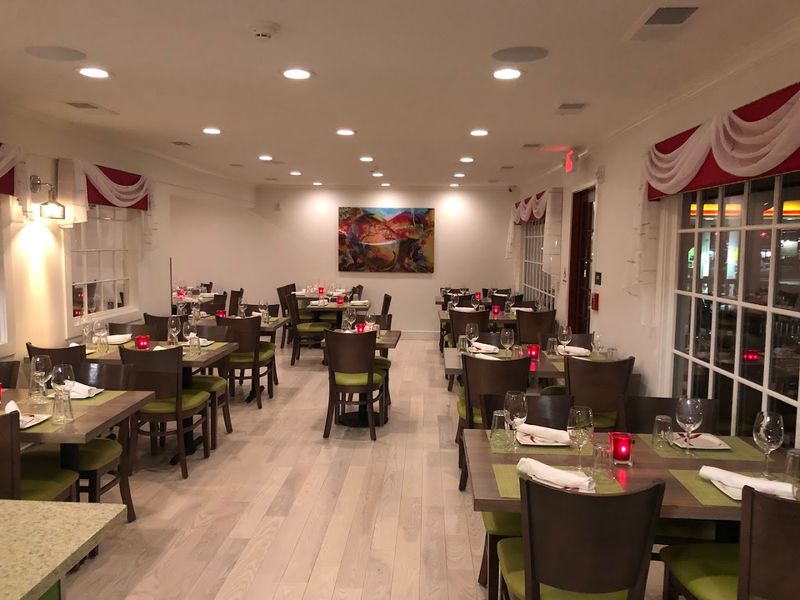
Fresh ingredients and disciplined daily preparation define the character of this restaurant.
Its old-world identity comes from the belief that consistency is earned through routine kitchen work, where each service depends on careful sourcing, steady knife skills, and the repeated practice of classical methods.
That emphasis on daily execution matters because traditional cooking is only as strong as the habits behind it.
Sauces, vegetables, seafood, meats, and starches all require attention long before they reach the table, and the quality of the meal reflects those unseen decisions.
Rather than leaning on novelty, the kitchen appears to value dependable craftsmanship, the kind that allows simple ingredients to speak clearly through proper handling and balanced seasoning.
The dining experience benefits from that discipline.
Guests are given food that feels composed and trustworthy, supported by a room and service style that prioritize comfort over theatrics.
This is one of the clearest ways old-world traditions continue in contemporary restaurants.
They survive through repetition, standards, and the willingness to treat each day as a fresh act of preparation.
Its appeal rests on ingredient quality, practiced technique, and sustained culinary consistency.
Strega – New Haven
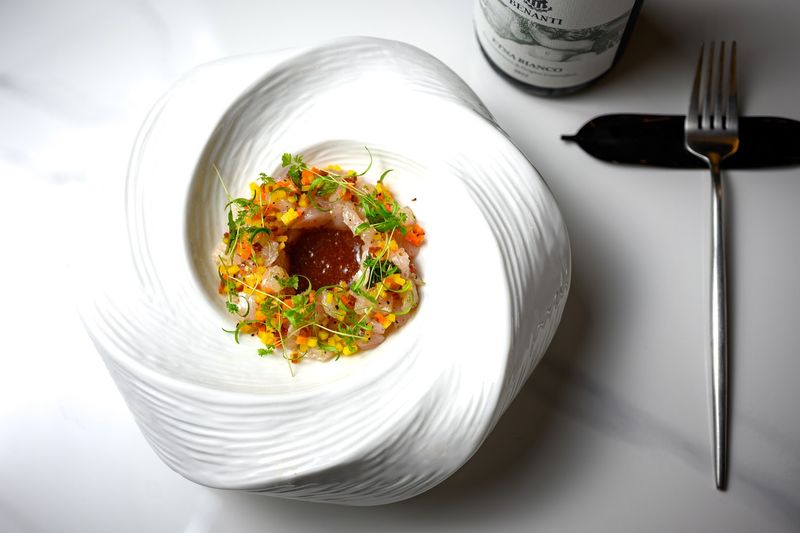
A serious commitment to authentic Italian ingredients gives this restaurant a distinctive sense of purpose. That choice influences the menu from the very beginning, emphasizing that tradition starts with the ingredients themselves.
Preserving familiar flavors, textures, and products helps maintain the culinary standards at the heart of classic Italian cooking.
Its old-world strength also comes from discipline.
Recipes appear guided by established principles rather than loose interpretation, and that respect for standards creates a feeling of confidence throughout the meal.
When ingredients are chosen carefully and treated according to traditional practice, dishes gain clarity and integrity.
This kind of cooking does not need embellishment to feel complete because its authority comes from knowledge, restraint, and fidelity to long-valued methods.
Recognition for Italian culinary excellence fits naturally within that framework.
The restaurant stands out not simply because it feels polished, but because the polish serves a deeper commitment to authenticity.
Service, atmosphere, and presentation all support the central idea that tradition deserves rigor.
In that sense, its old-world character is unmistakable.
Classical techniques, carefully selected ingredients, and respect for established culinary standards remain central to the experience, reinforcing a strong connection to Italian tradition.