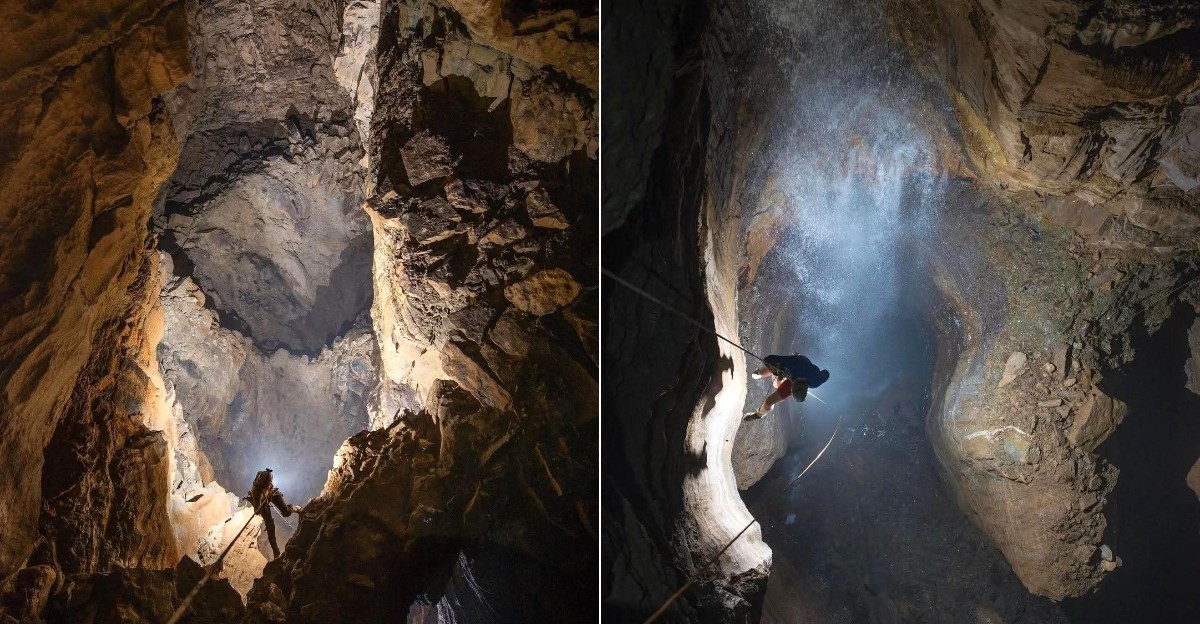
Beneath the forested slopes of Pigeon Mountain lies a hidden world that very few people ever see.
Ellison’s Cave, in Walker County in the northwest corner of Georgia, is legendary among cavers for its staggering vertical drops.
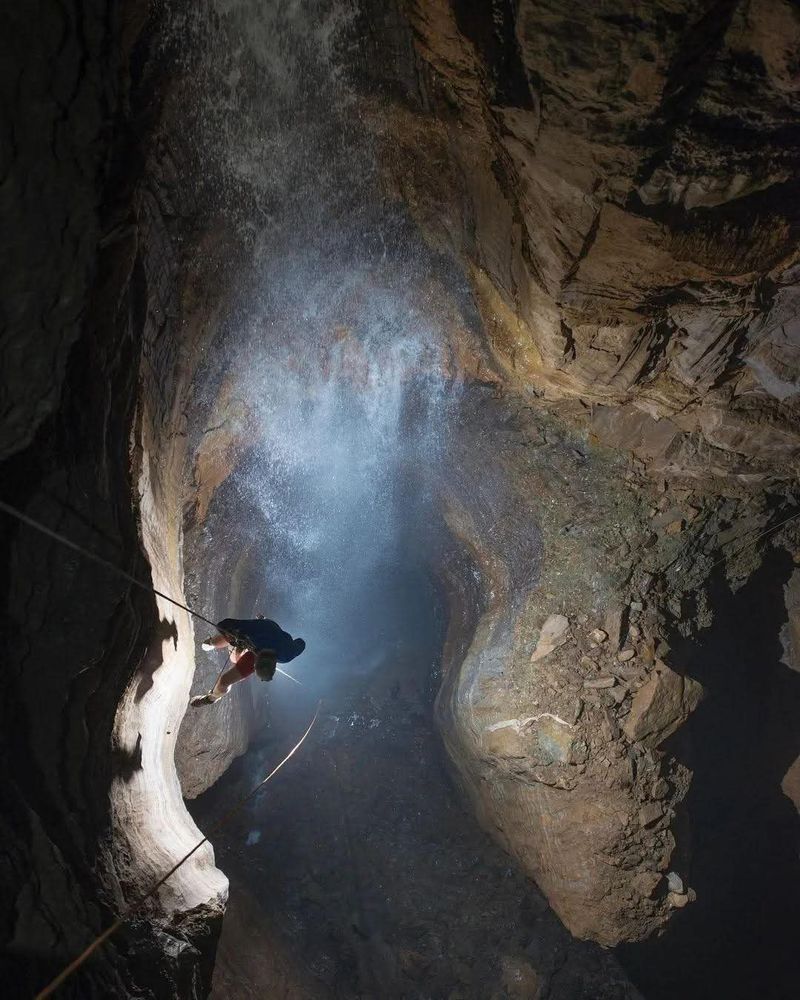
Its Fantastic Pit plunges roughly 586 feet, making it one of the deepest underground free-fall pits in the continental United States.
This is a wild, undeveloped cave rather than a guided attraction, and exploring it is strictly for trained, properly equipped vertical cavers.
For everyone else, the surrounding Crockford-Pigeon Mountain Wildlife Management Area offers scenic hikes, overlooks, and a taste of this rugged landscape.
If the underground bug bites, look into a local caving club, where experienced cavers can help you get started the right way.
A Hidden Cave With a Serious Reputation
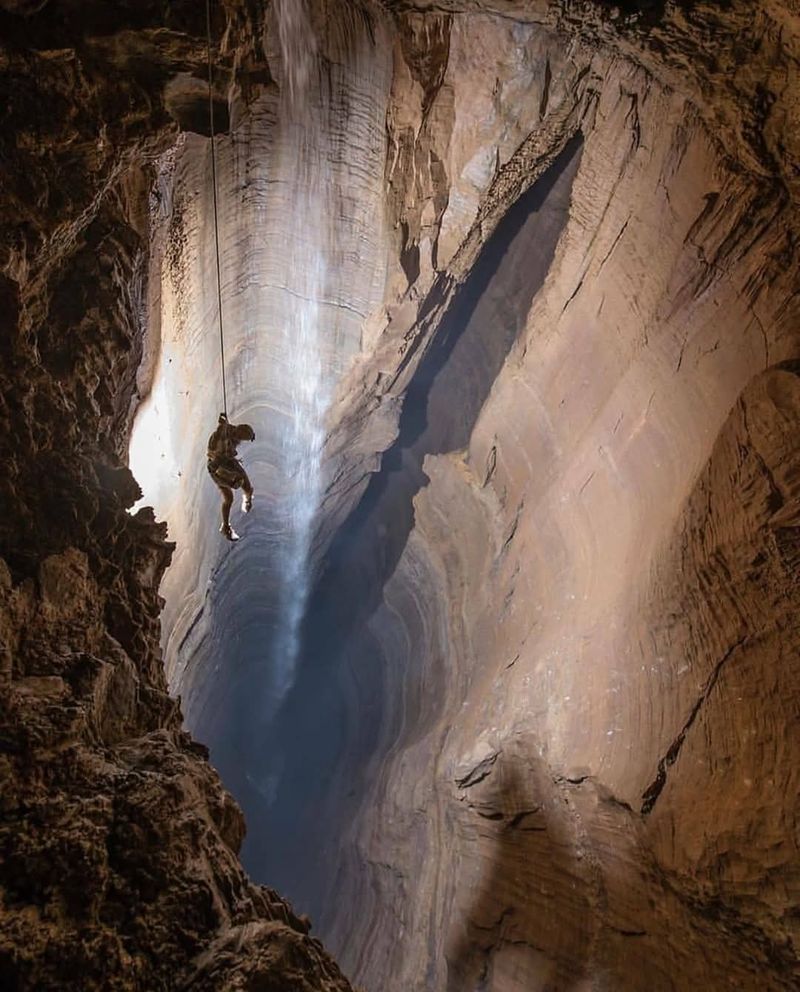
A quiet patch of woods can hide a place far more challenging than it first appears. Ellison’s Cave, Georgia 30707, has a reputation built on its deep pits, not on a grand entrance or easy sightseeing. That contrast is part of what makes the cave interesting.
Someone who finds it on a map might picture a short walk from a parking space to a wide, bright opening. Visitor reviews tell a different story: reaching the cave involves a mountain hike, and the entrance may not look like much in a photograph. Inside, slippery ground and steep drops can turn a casual visit into a dangerous one.
Before making the drive, decide what kind of outing you actually want. If you hope to explore underground, seek current access information and talk with an experienced caving group first. Do not assume a map listing means the cave is open or suitable for untrained visitors.
The best reason to learn about this place is not to rush inside. It is to understand how much adventure can be hidden behind an ordinary looking hillside. A little homework helps you respect both the cave and your own limits before you leave home.
The Depth That Makes It Famous
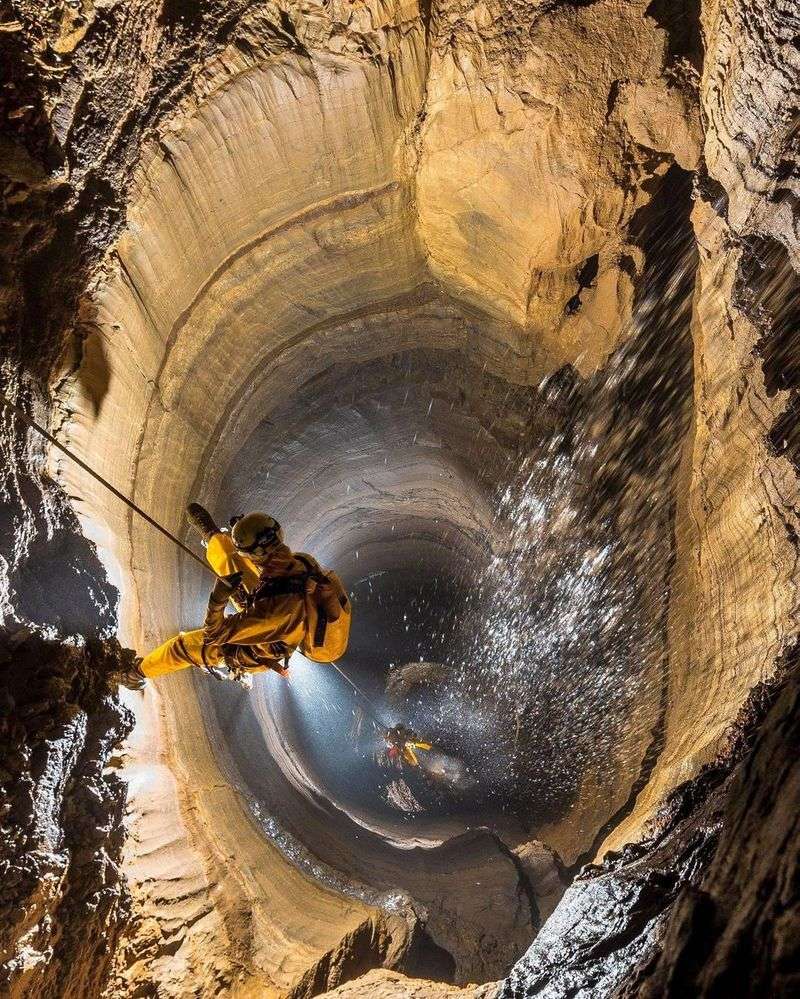
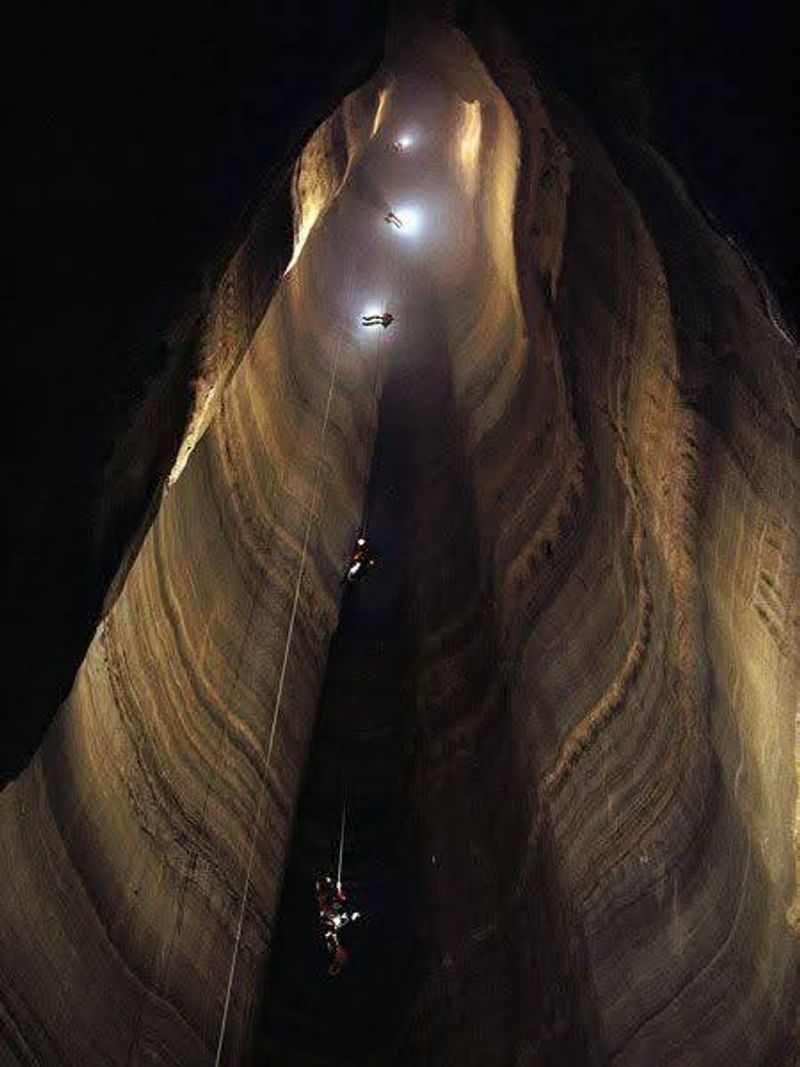
Imagine dropping a pebble into darkness and waiting for a sound that seems slow to arrive. That feeling helps explain why experienced cavers talk about the cave’s remarkable vertical drops. Its most famous shaft, Fantastic Pit, is commonly described as about 586 feet deep.
A number on a screen hardly captures that distance. A drop of that size is taller than many city buildings, and darkness makes it even harder to judge. Visitors cannot safely view it by simply wandering through a large, level passage.
Vertical caving takes special ropes, equipment, training, and partners who know how to use them. A regular climbing rope or a video watched the night before does not make someone ready. Even skilled teams plan carefully because getting down is only half the job; they must climb back out.
If the depth fascinates you, enjoy reading trip reports and studying photographs before planning anything more. Ask an established caving organization how beginners learn the skills needed for vertical caves. There is no shame in being impressed from a safe distance.
The pit’s scale is a reason to treat the cave with respect, not a challenge to try without help. Its deepest stories belong to people who prepared to return safely.
The Approach Is Part of the Challenge
The hard part may start well before anyone reaches the opening. One visitor review describes a long hike up a mountain, which is a useful warning for anyone expecting a roadside attraction. Uneven ground, leaves, and changing weather can make the walk more tiring than it looks on a map.
Plan for the approach as a real outdoor trip, not a quick stop between errands. Wear sturdy shoes with good grip, carry water, and allow enough daylight for a careful return. Check the forecast before leaving, since rain can make rock and soil slick.
A map pin alone may not tell you where travel is permitted or whether a route is clearly marked. Confirm current access rules before you go, and respect fences, signs, closures, and private property. Avoid trying to create a shortcut through the woods if a route is confusing.
Tell someone your plan and when you expect to return. Keep a charged phone, but do not count on service in a remote spot. If the hike proves harder than expected, turning around is a smart choice.
The journey can still be memorable without reaching the entrance. Paying attention to the terrain helps you decide whether this outing fits your experience and energy that day.
Why a Map Pin Can Mislead Visitors
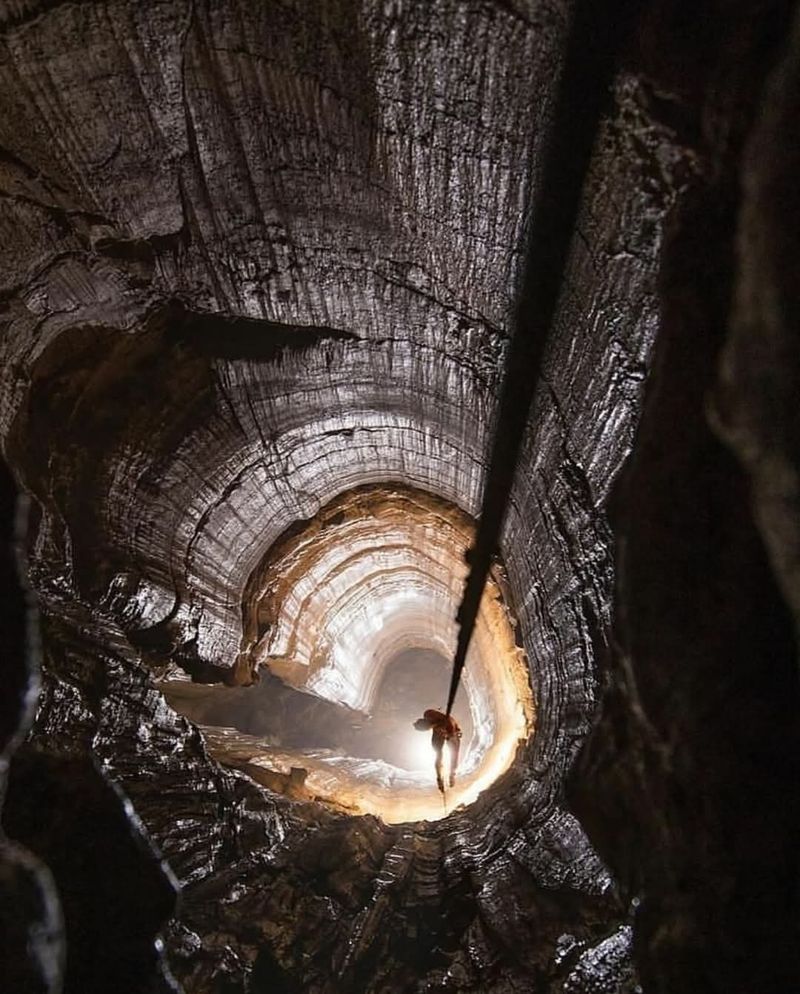
A bright marker on a phone can make any destination feel simple. Here, that little symbol leaves out the details that matter most: the difficult approach, uncertain access, and hazardous underground terrain. The cave is not set up like a show cave with a ticket booth and a guided path.
Online reviews show how easily expectations can clash. Some people praise the cave’s scale, while one reviewer warns that it is not a roadside stop and that untrained visitors may see very little. Another asks whether permission is needed, a question worth answering before anyone travels.
Treat reviews as clues rather than official rules. Access arrangements can change, and old posts may not reflect present conditions. Look for current information from the appropriate land manager or a knowledgeable local caving organization.
Also decide what you want from the day. If your goal is an easy cave photograph, this destination may disappoint you. Its value lies in its unusual underground features, which are not safely reached through casual sightseeing.
Good planning saves time, protects the land, and prevents a risky guess at the entrance. Before setting out, make sure you know both what is allowed and what your group can safely do.
Slippery Rock Changes Everything
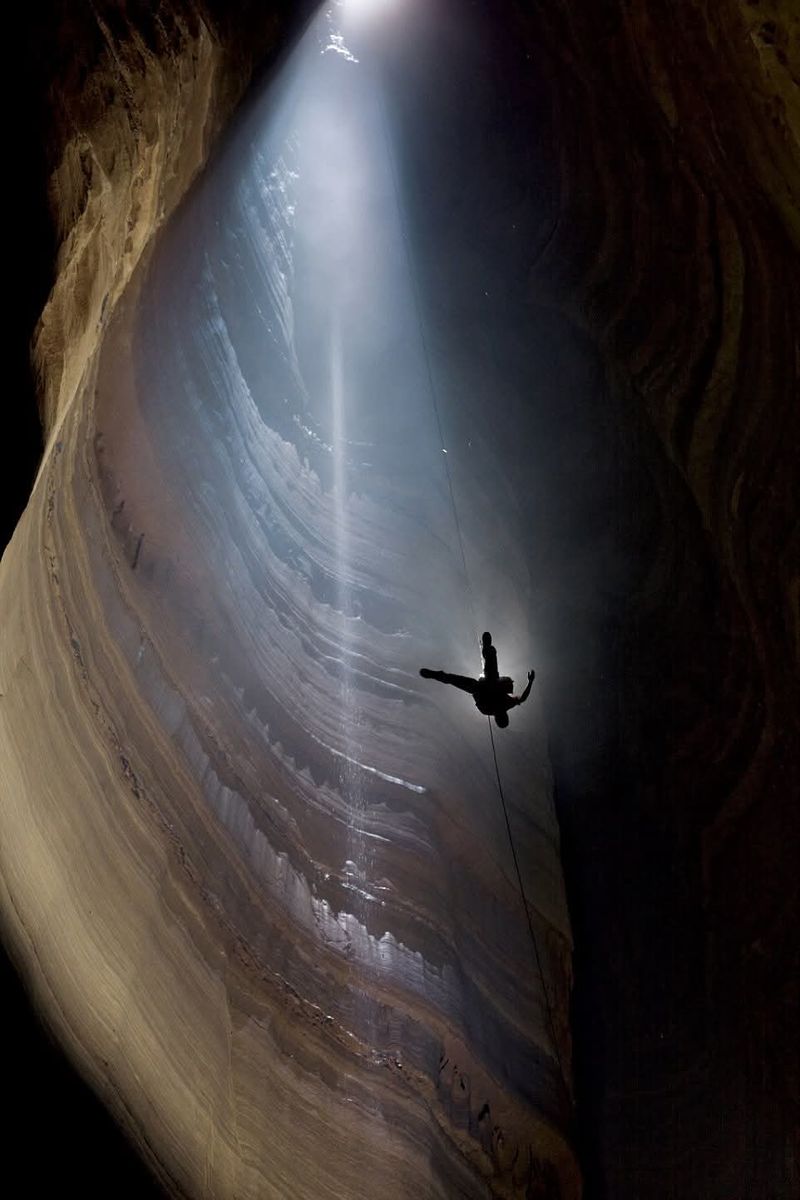
A single wet step can matter more than a dozen brave plans. Cave floors may be muddy, rocky, or slick even when the weather outside feels pleasant. One visitor specifically warns that walking inside can be slippery and that huge pits make the setting especially serious.
That warning is not meant to spoil the adventure. It helps explain why ordinary walking habits do not work underground. In a dark space, judging the edge of a rock or the depth of a hole becomes harder.
Proper caving practice includes dependable lights, suitable footwear, a helmet, and companions who understand the route. Still, equipment is not a substitute for training or permission to enter. A beginner should not assume that staying close to the entrance removes every hazard.
If you join an organized outing, listen carefully when leaders explain where to step and where to stop. Move at the pace of the slowest person, and speak up if you feel unsure. Taking a break is better than hurrying through a difficult spot.
For many readers, the safest choice is to appreciate the cave without going inside. The slippery ground is a practical reminder that a hidden natural wonder is not always a place built for visitors.
Experienced Partners Make the Difference
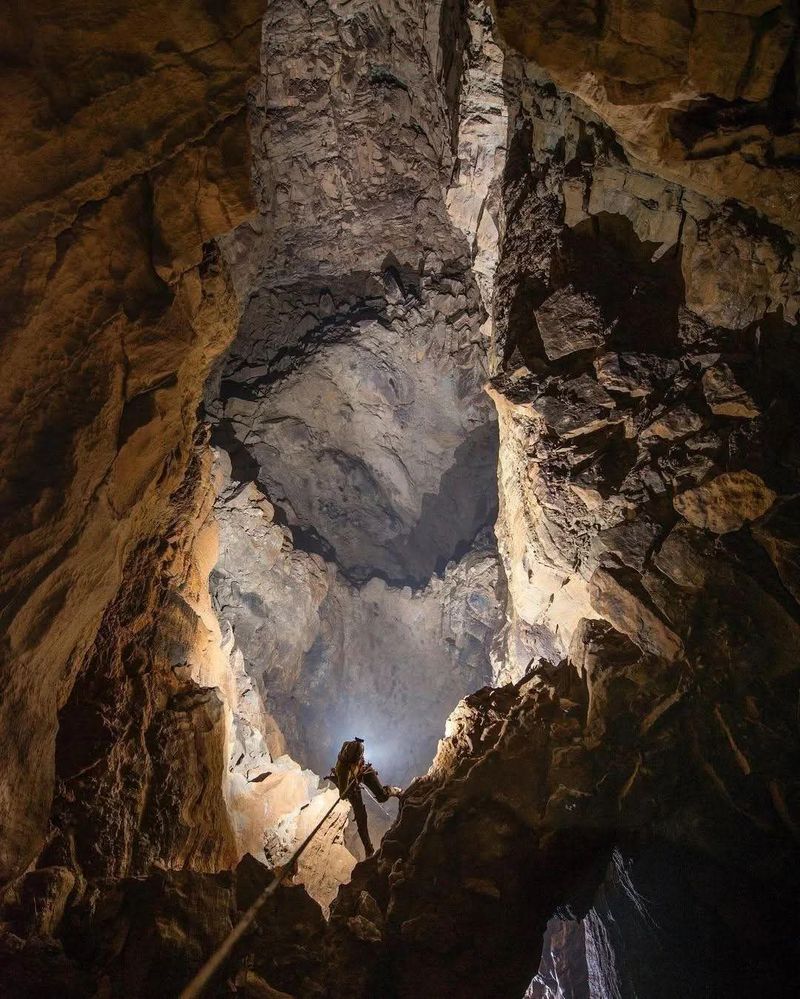
Good partners do more than share snacks and hold a flashlight. In a vertical cave, they help plan the route, check equipment, watch for trouble, and make sound decisions when conditions change. One reviewer puts the most basic rule plainly: do not go alone.
Anyone interested in exploring should begin by finding an established caving group. The National Speleological Society can help people learn about local groups, often called grottos, and basic cave safety. Ask about beginner activities before considering a demanding underground trip.
A responsible group will not treat a deep pit as a first lesson. Members can explain training steps, equipment needs, access questions, and whether a planned trip matches your ability. If someone promises an effortless walk to the famous drops, be cautious.
Teamwork also matters for experienced cavers. Everyone should know the plan, expected return time, and what to do if a problem occurs. A partner who asks careful questions is helping, not slowing the group down.
You can admire the cave without taking on its toughest passages. Learning alongside people who respect limits gives curiosity a safer path. The most satisfying adventure is one that ends with the whole team back above ground.
Access Deserves a Check Before the Drive
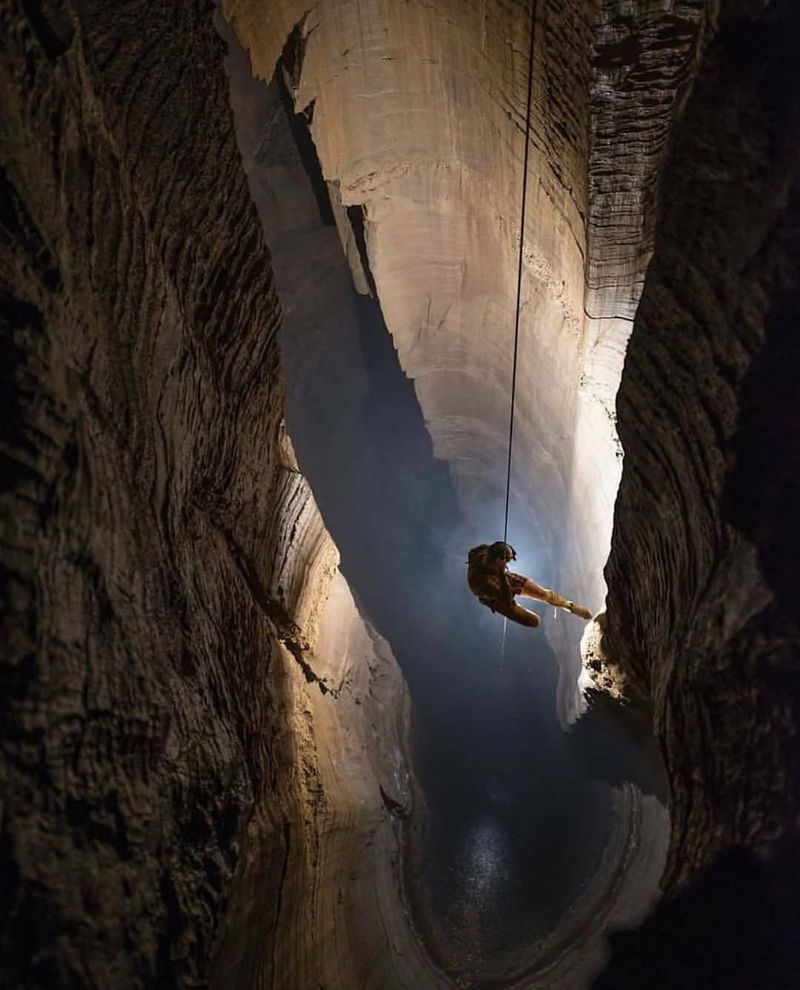
Nothing spoils a long drive faster than learning the plan was based on a guess. A visitor review asks whether the cave is open to the public and whether permission is required. That question should be settled before packing a helmet or setting a departure time.
Do not treat a place listing as proof that entry is allowed. Land ownership, access agreements, seasonal rules, and conservation needs can affect a cave visit. Because those details may change, seek current guidance from the relevant land manager or a well-informed caving organization.
If permission is required, get it through the proper channel rather than assuming silence means yes. Follow any limits on group size, timing, or route. A closed entrance is not an invitation to find another way in.
This planning step also helps protect the cave. Underground spaces can be easily damaged by broken rock, litter, or careless contact. Even a small group can leave marks that last much longer than its visit.
Write down the information you confirm, including whom you contacted and any rules you were given. Share those details with everyone in your party. A clear answer before the trip makes the day less stressful and shows respect for the place.
The Best Trip Starts With the Right Expectations
Not every worthwhile place needs to become a personal record. For some readers, learning about this cave will be enough; for others, it may spark a lasting interest in caving. Both responses make sense when the main attraction is difficult to reach and dangerous to explore without training.
Set a goal that matches your skills. A curious beginner might research the cave’s famous pits and contact a caving club about learning the basics. An experienced caver might focus on current access rules, team preparation, and the demands of a vertical route.
Be honest with everyone in your group about the outing. Friends expecting a simple walk should know that reviews describe a mountain hike and limited sights for casual visitors. Clear expectations can prevent pressure to continue when someone feels tired or uneasy.
Bring home photographs only where taking them is safe and permitted. Leave rock, wildlife, and any cave features undisturbed. Carry out every piece of trash you bring.
The cave’s appeal comes partly from its mystery, but mystery should invite care rather than guesses. If you plan patiently and respect your limits, the story of the trip can be rewarding even without a journey into the depths.