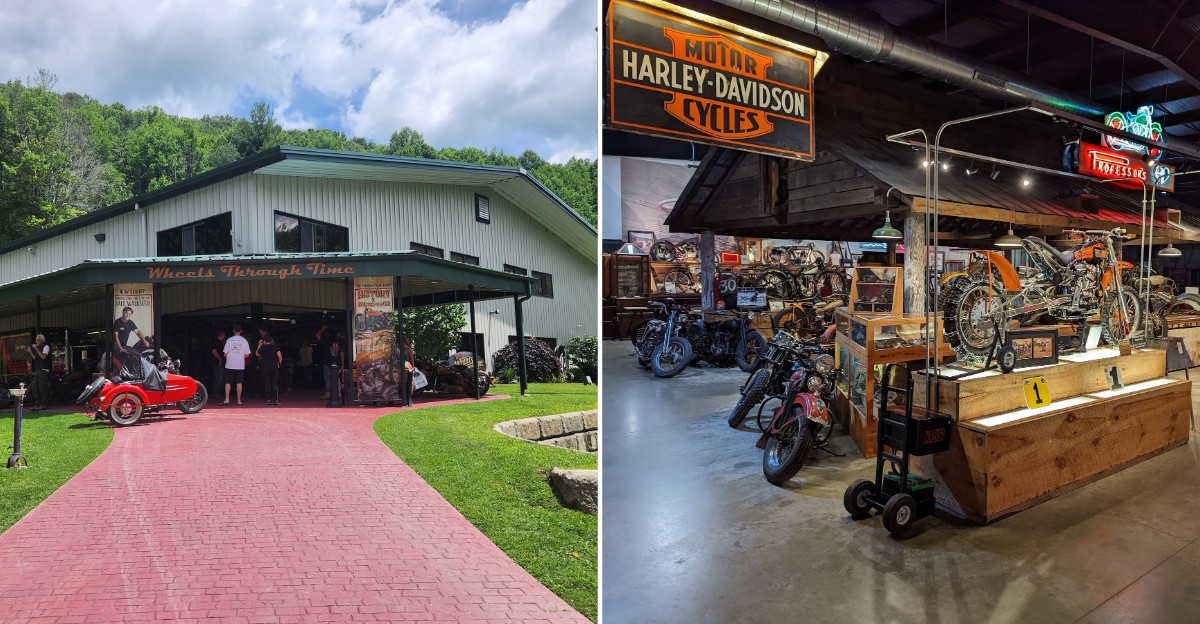
Tucked into the mountains of western North Carolina, Maggie Valley hides a building packed with more than 300 rare motorcycles. Some of them are the only known examples left anywhere on Earth.
Most of them still run, and the staff will sometimes start one right on the museum floor. That is a big deal, because many of these machines are over a hundred years old.
The collection leans hard into American history, with Harley-Davidson and Indian bikes front and center. There are also strange inventions, racing machines, and stories about riders who changed the sport.
Keep reading to find out what is inside, how much time to plan, and a few smart tips that make a visit smoother. Even people who have never sat on a motorcycle tend to leave this place with a new favorite hobby.
Where the Engines Live
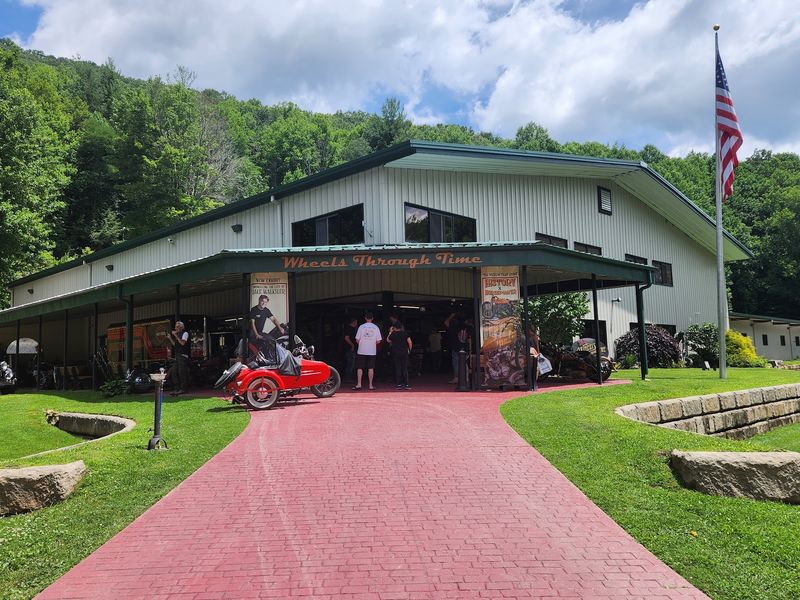
Wheels Through Time Motorcycle Museum sits at 62 Vintage Ln, Maggie Valley, NC 28751, in the mountains of western North Carolina, United States. The street name alone tells you this place takes old machines seriously.
Maggie Valley is a small mountain town, and the museum fits right into that relaxed setting. It is close enough to Pigeon Forge, Tennessee, that some people drive over for the day.
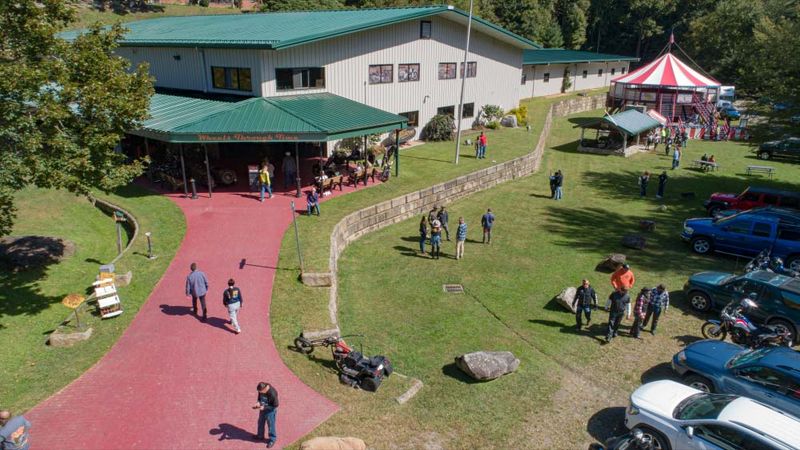
The building itself is huge. It covers about 38,000 square feet, which gives the collection plenty of room to spread out.
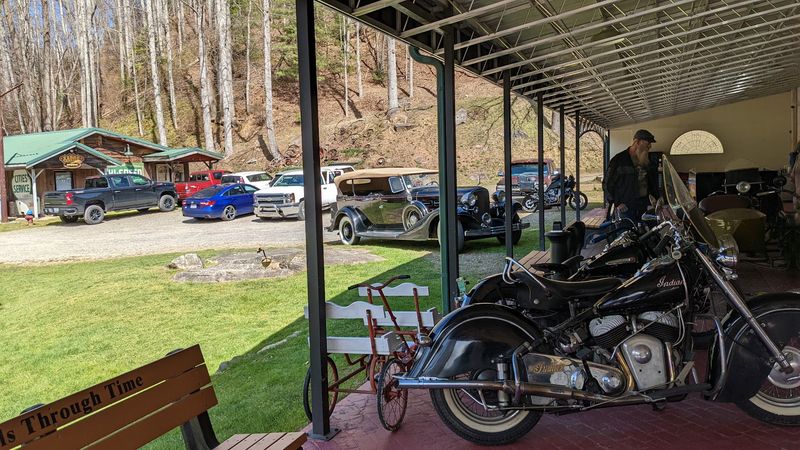
Getting there is simple once you turn off the highway. There is parking in front before a small bridge, and more parking after you cross it.
Many riders make the trip on two wheels, which feels fitting. Mountain roads around the valley are popular with motorcyclists, so a ride here can be part of the fun.
Set your map to the address, and the adventure starts before you even reach the front door.
Over 300 Rare Rides
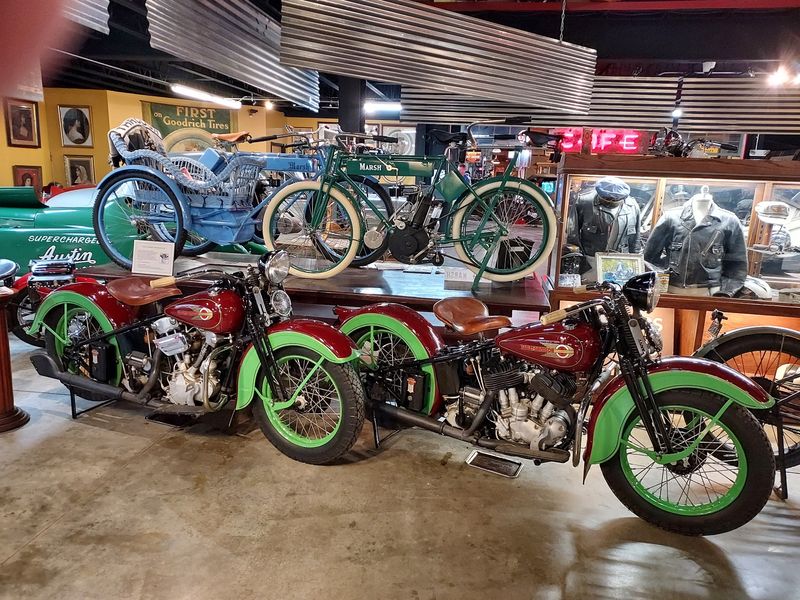
Three hundred is a lot of motorcycles. Wheels Through Time holds more than that, and many of them are rare finds you will not see in other places.
Some bikes in the collection are the only known versions still in existence. That makes each display feel a bit like meeting a celebrity.
The main focus is American-made machines. You will spot early bikes that look closer to bicycles with motors, and you will see later cruisers that look more familiar.
Along with the bikes, the museum shows photos, memorabilia, and related exhibits. Old riding equipment and gear help explain how people actually used these machines.
Here is a helpful tip. Do not try to rush through every row in a straight line.
People often find they need to double back, because new details keep popping up on a second look. The collection rewards slow walkers far more than speed racers, which is a funny twist for a motorcycle museum.
Yes, They Actually Run
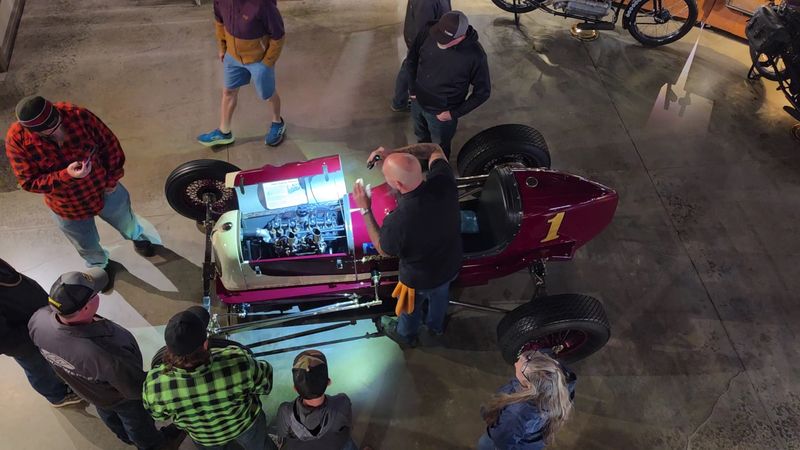
Most museums ask you not to touch anything. At this one, the staff might roll out a century-old bike and fire it up while you watch.
Nearly every machine in the collection is kept in running condition. That is the big idea that sets the museum apart from many others.
During informational talks, staff members often start bikes right on the floor. You get to hear how an old engine sounds when it comes to life, which is something a photo can never show.
If you are curious about a certain bike, ask about it. The team has been known to start machines for guests who show interest.
Keeping old engines working takes real skill. Parts are hard to find, and some pieces have to be repaired by hand.
So when a 1920s machine roars to life, you are seeing hours of careful work pay off. It turns a quiet history lesson into a live show.
A Family Legacy on Two Wheels
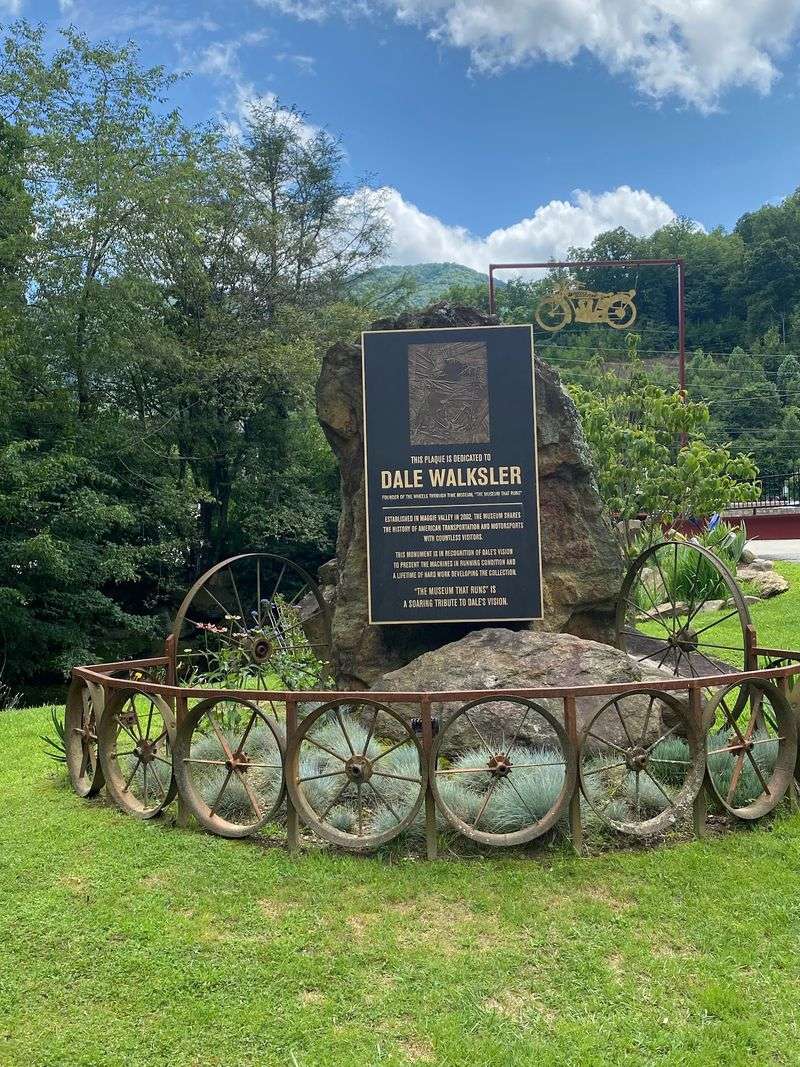
Every great collection starts with one person who could not stop collecting. For Wheels Through Time, that person was Dale Walksler.
Dale built the museum around his love for American motorcycles. He was known for his huge knowledge and his belief that old machines should still run.
Many motorcycle fans credit him with sparking their interest in American bikes. Some longtime riders even switched brands after learning about his work.
Today, his son Matt Walksler carries the legacy forward. Matt is known as a very skilled mechanic who works on these old Harleys and keeps them going.
He also travels to events like swap meets, so he is not always on site. Still, if you happen to catch him, you may get a great story.
Knowing the family story adds meaning to the visit. Every running engine reflects years of passion passed from father to son, and that kind of dedication is rare.
Harley and Indian Take Center Stage
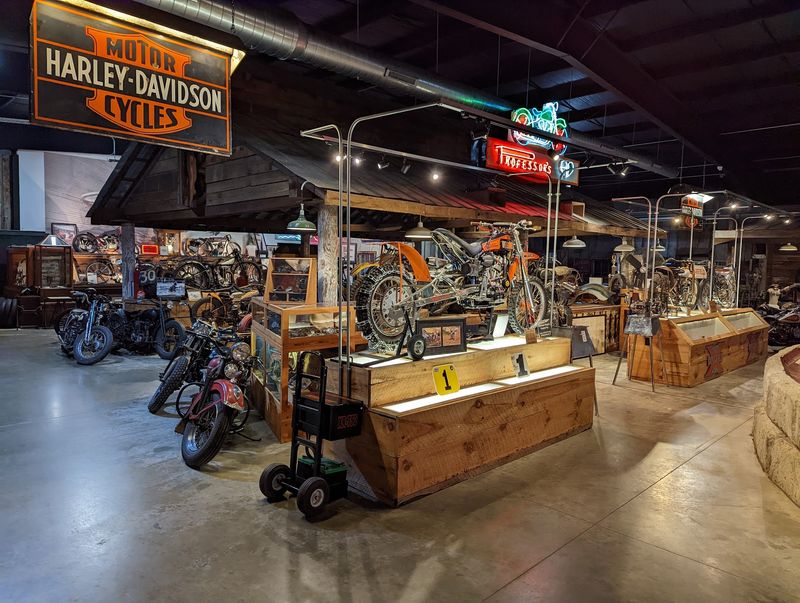
Two big names dominate American motorcycle history, and both get plenty of floor space here. Harley-Davidson and Indian bikes fill much of the museum.
For fans of either brand, this is a dream layout. You can follow the changes in design over many decades, one model at a time.
Early versions look simple and thin. Later models grow heavier, stronger, and more stylish, showing how riders wanted more power and comfort.
The museum does not stop at those two brands, though. You will find many other makes, including lesser-known American companies that faded away long ago.
A smart way to explore is to pick one brand and follow it through the building first. Then go back and look at everything else.
That approach makes the history easier to follow. It also helps you notice how competitors copied, challenged, and pushed each other to build better machines through the years.
Scenes Built Full Size
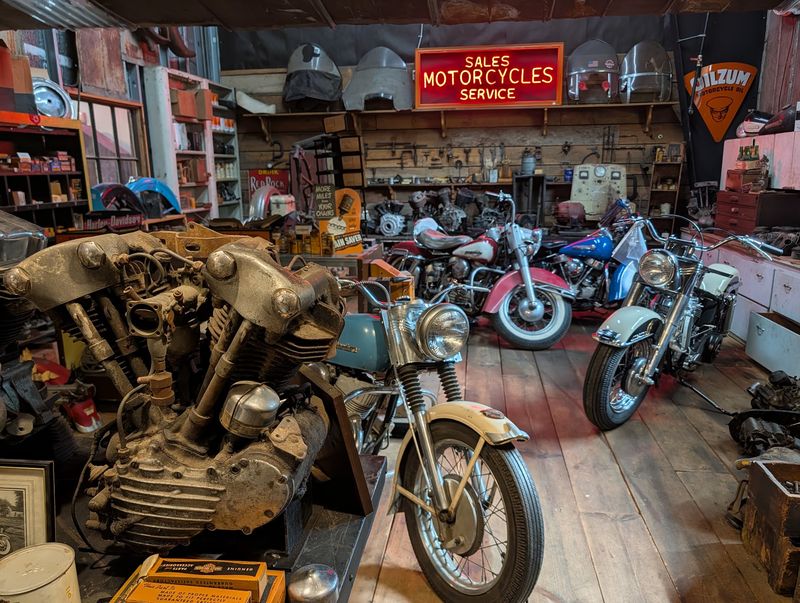
Some exhibits here are not just bikes on a stand. The museum features full-scale dioramas that recreate scenes from motorcycle history.
These displays place machines inside settings that show how people lived and worked with them. The attention to detail is a big reason people linger.
Instead of reading a sign about an old repair shop, you can look at a life-size version. It helps younger guests understand the past in a way that sticks.
Plan extra time for these scenes. There are lots of small objects tucked into each one, and they are easy to miss on a quick glance.
Photography fans will enjoy them too. A diorama gives your photo more context than a plain shot of a bike.
Many guests say the dioramas are worth the trip on their own. They turn the museum into something closer to a walk through time, which matches the name perfectly.
The Odd Side of Famous Brands
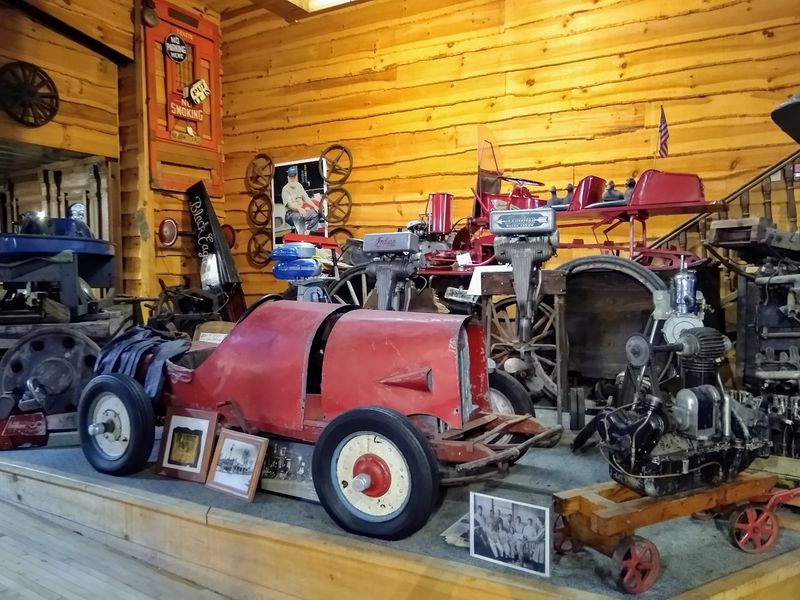
Did you know Harley-Davidson and Indian once made products that had nothing to do with motorcycles? The back of the museum proves it.
A display there shows some surprising side projects. You will find snowmobiles, logging saws, tractors, tillers, boat motors, and more.
It is a fun reminder that companies have always tried new ideas to stay in business. Some of these experiments worked better than others.
The collection also includes items like jet skis and cars, so it is not only for riders. Families with mixed interests usually find something for everyone.
Do not skip this corner because it sits toward the back. People who rush often miss it and wish they had not.
It also makes a great conversation starter on the drive home. Who would guess that a famous motorcycle badge once showed up on a garden tiller?
That kind of trivia is hard to forget.
Racing, Firsts, and the Wall of Death
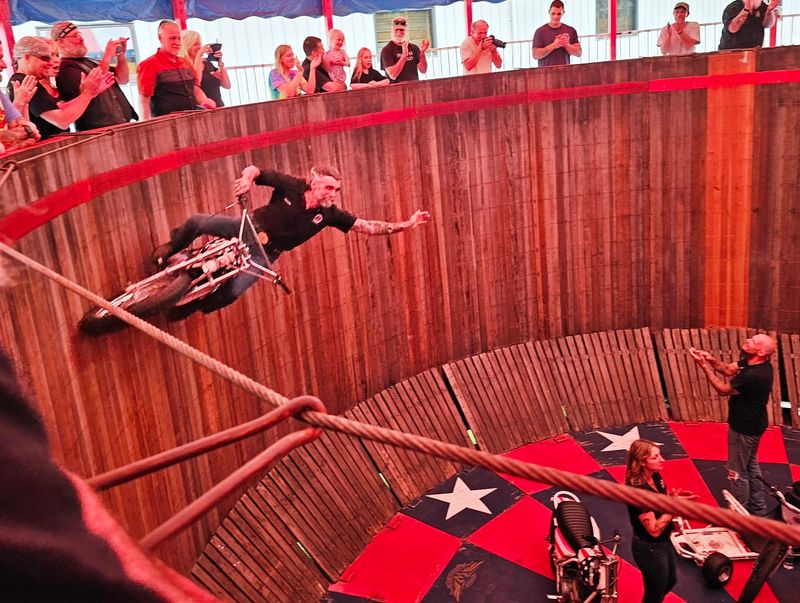
Speed has always been part of the motorcycle story. The museum gives racing history plenty of attention.
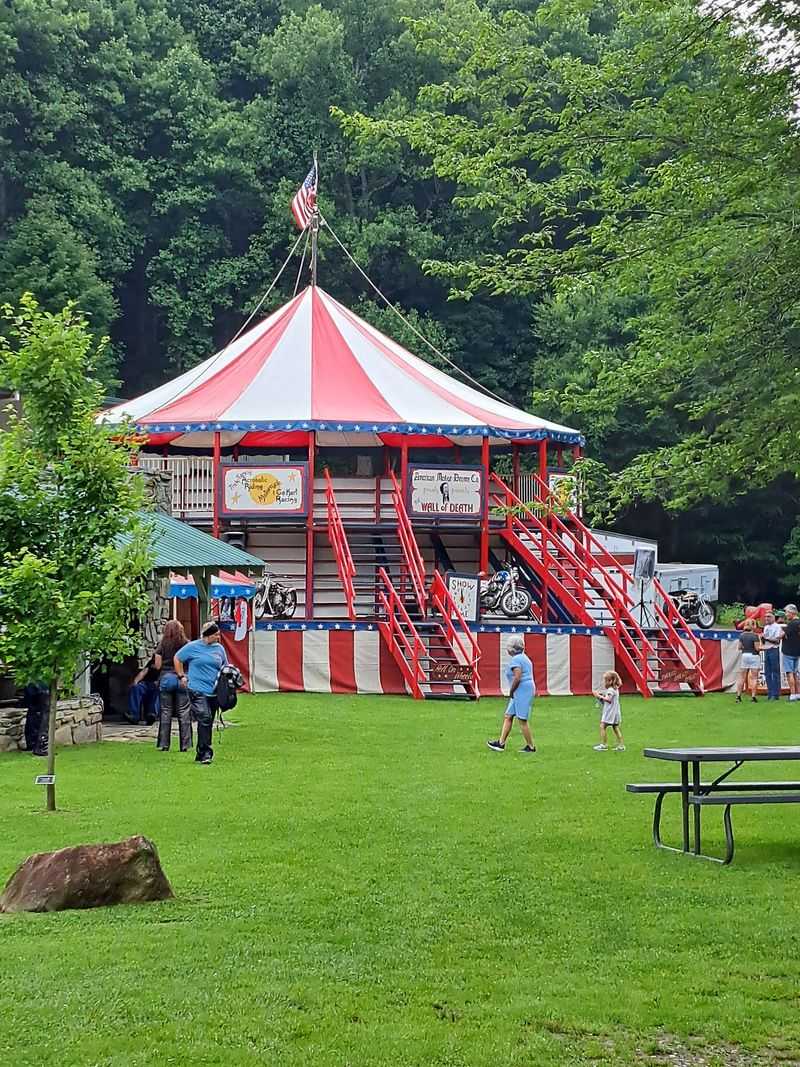
You will see images of drag races and early race bikes. There are also displays tied to the famous wall of death, a daring stunt where riders circled a steep wooden wall.
The collection celebrates lots of firsts. Look for an early lowrider, an early race bike, and an early scooter.
These machines show how riders kept pushing limits. Each one marks a moment when someone tried something new and it changed the sport.
Kids especially enjoy this section. Fast machines and wild stunts are easy to get excited about.
One more standout is the Road Dawg, a custom machine that is a serious feat of engineering. It shows that creative builders never stopped tinkering.
Bring your questions to the staff here. Racing stories tend to be the most fun ones they tell.
Staff Who Know Every Bolt
Ask one question here, and you might walk away with a twenty-minute story. The staff are a huge part of what makes the museum special.
Team members walk the floor and share history about the bikes. They know where machines came from, who rode them, and how they were saved.
One popular tale involves a bike found behind a brick wall. Stories like that turn a display into something you remember.
Families sometimes donate bikes owned by loved ones. Those machines can end up on display, which adds a personal touch to the collection.
A good tip is to stop and chat instead of only reading signs. The guides enjoy sharing, and their excitement is easy to catch.
Even people who know little about engines leave with new facts. Friendly, patient, and full of knowledge, the team turns a museum trip into a guided adventure without any extra fee.
Planning Your Hours Right
Timing matters more than you might think. The museum is open Thursday through Monday from 10 am to 5 pm, and it is closed on Tuesday and Wednesday.
That midweek break catches some travelers off guard. Check your calendar before you drive up the mountain.
Admission has been around $15, which many people consider a bargain for the size of the collection. Prices can change, so check the official website before you go.
How long should you stay? A fast walk takes about 45 minutes, but most guests want at least two hours.
Serious fans often come back for a second day. Some even book a local room so they can explore without rushing.
There is no food sold inside, so plan meals around your visit. You can leave for lunch and return later.
Arriving early in the day gives you the most time to enjoy talks and engine demonstrations.
Creekside Breaks and Souvenirs
After hours of looking at engines, a short break outside feels well earned. The museum grounds include a creek and several picnic tables.
It is a nice spot to sit, chat about favorite bikes, and plan the rest of your day. Since food is not sold inside, some people bring their own snacks to enjoy here.
Restrooms are on the first floor, and there are portable restrooms outside as well. That helps on busy days.
The gift shop sits right by the entrance, so you pass it coming and going. It carries shirts and other museum items.
Fans with motorcycles often ride in, so parking can include rows of bikes. There is plenty of space for cars too.
Before you leave, take one more look around the valley. The mountain backdrop makes a perfect final photo, and it wraps up a trip that celebrates American machines and the people who kept them rolling.