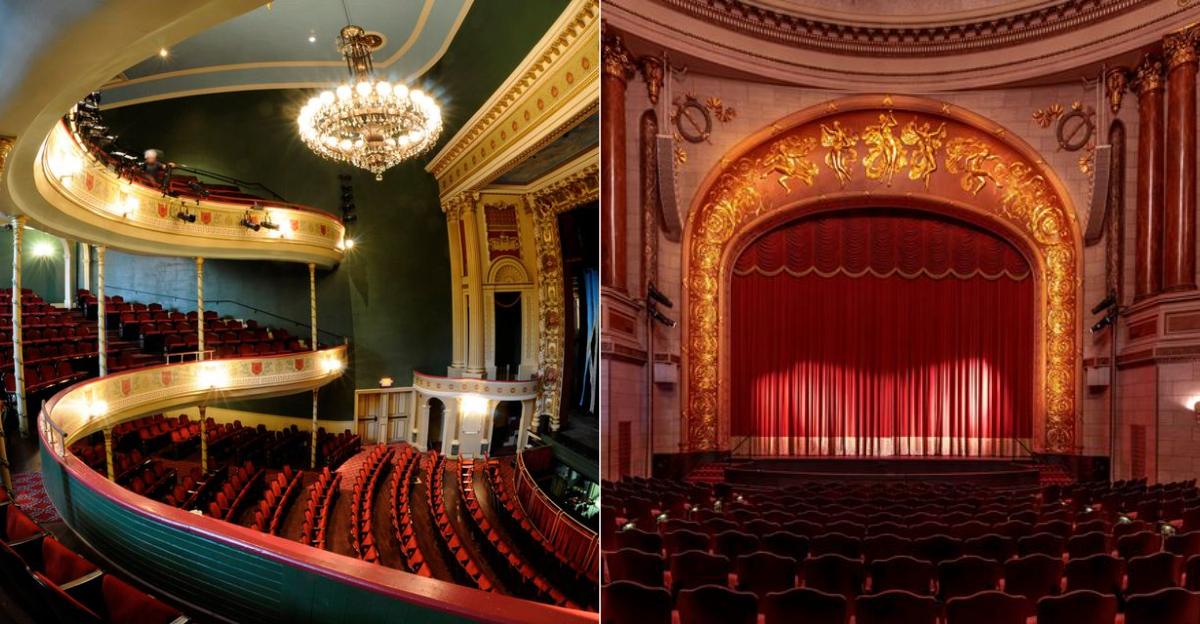
Step inside these North Carolina theaters and you can still feel the glamour of the movie palace age glowing overhead. Many began in the silent film or early talkie era, then survived decline, reinvention, and careful restoration to become beloved live venues again.
If you love ornate plaster, painted murals, balconies, and traces of original gold leaf, this list gives you a richly atmospheric road map. Each stop blends local history with the thrill of hearing music, laughter, or applause under ceilings built to impress audiences a century ago.
Carolina Theatre of Greensboro
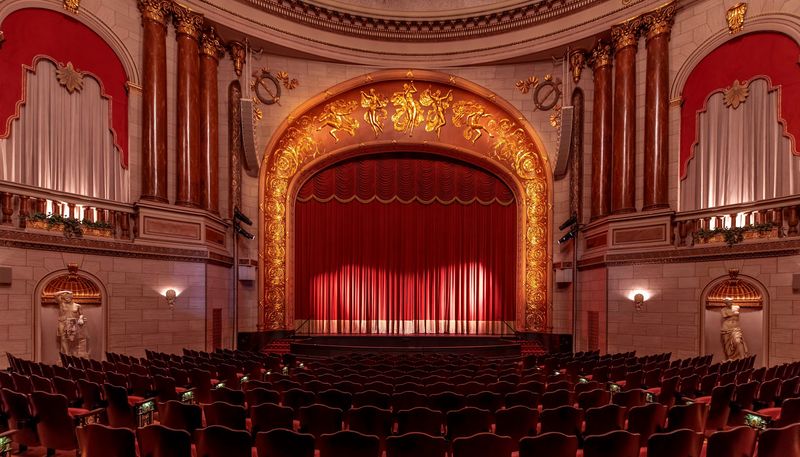
Opened in 1927, the Carolina Theatre of Greensboro was designed as a lavish downtown movie palace and quickly earned its nickname, The Showplace of the Carolinas. Today, you can still sense that ambition in the ornate auditorium, where decorative plasterwork, atmospheric lighting, and restored ceiling details keep the 1920s mood alive.
Its scale feels ceremonial in the best way.
The theater has been carefully preserved and adapted for modern use, allowing concerts, comedy, classic films, and community events to share the same glamorous setting. One of its signature features is the historic organ, which reinforces the building’s connection to silent era exhibition traditions.
That continuity gives every visit extra texture.
If you love architectural details, this is a rewarding stop because the room still reads like a true movie palace rather than a generic hall. Look up and you will notice the layered ornament that frames the ceiling and draws your eyes toward the stage.
The effect is intimate and grand at once.
For this list, Greensboro belongs near the top because it so clearly bridges preservation and active use. You are not just touring a relic here.
You are experiencing a living venue that still knows how to make an entrance.
Carolina Theatre of Durham
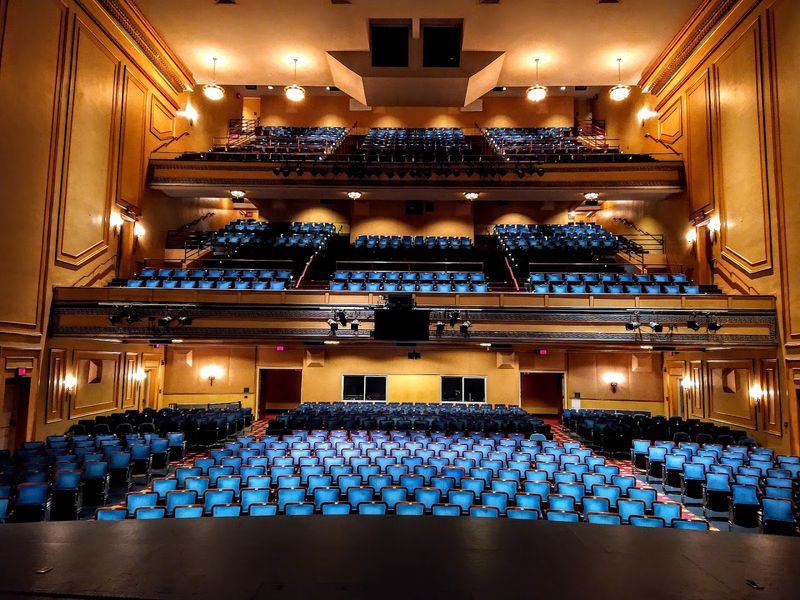
The Carolina Theatre of Durham opened in 1929 and remains one of the city’s most important surviving movie palaces from the transition into sound cinema. Its Beaux-Arts styling gives the building a formal elegance, but the real charm comes from how comfortably that old grandeur still works for a modern crowd.
You can feel both history and energy the moment you enter.
Restoration work helped recover the auditorium’s vintage atmosphere, preserving decorative surfaces, balcony drama, and the visual rhythm that made early theaters feel like special occasion destinations. Now the venue hosts concerts, film festivals, comedians, and touring acts without losing its historic identity.
That balance is harder to achieve than it looks.
For architecture lovers, this theater stands out because its ornament supports the whole cinematic fantasy rather than appearing as isolated decoration. The ceiling, moldings, and wall treatments work together to frame the room in warm, layered detail.
It still feels designed to stir anticipation before the show begins.
If you are tracing North Carolina’s restored movie palaces, Durham is essential. The theater anchors downtown culture while preserving a rare survivor from the city’s early entertainment boom.
It proves that restoration can keep both beauty and civic memory in active circulation.
Thalian Hall Center for the Performing Arts
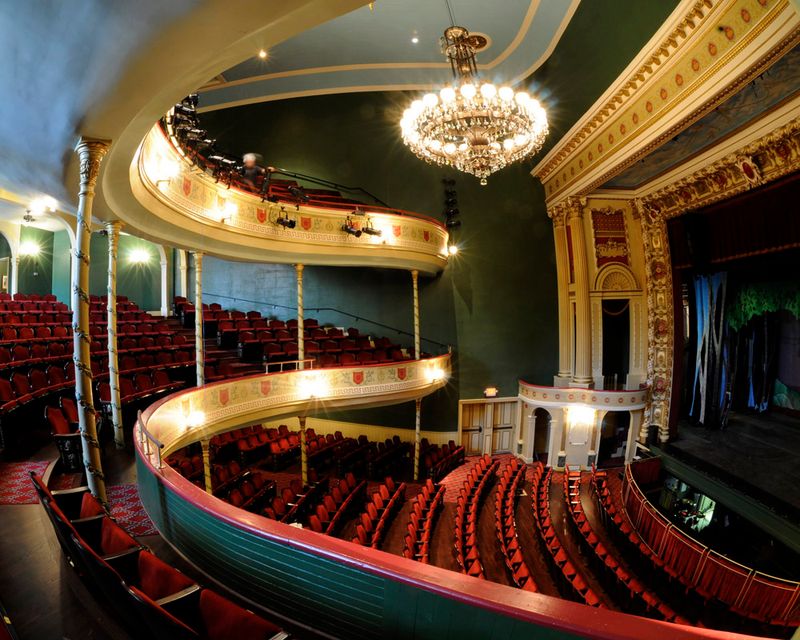
Thalian Hall is older than the classic movie palace era, opening in 1858, yet it belongs on this list because it later adapted to film exhibition and still functions as one of North Carolina’s most atmospheric performance spaces. Its longevity gives it a layered identity that few venues can match.
You are stepping into a building that has watched entertainment history evolve in real time.
Inside, preserved decorative details, balcony views, and a richly finished auditorium create the kind of historic environment that makes even a simple performance feel ceremonial. Film screenings still make sense here, but live theater, music, and civic events are equally at home.
The building’s flexibility is part of its staying power.
Unlike a pure 1920s movie palace, Thalian Hall reflects earlier architectural traditions blended with later entertainment uses, which makes the experience especially rewarding for history minded visitors. You notice craftsmanship in the moldings, stage setting, and overall proportion of the room.
Nothing feels disposable or generic.
Including Wilmington’s landmark broadens this roundup in the best way. It reminds you that North Carolina’s restored performance venues are not all identical.
Some, like this one, connect pre-cinema theatrical culture with the golden age of movies and today’s live arts scene.
Temple Theatre
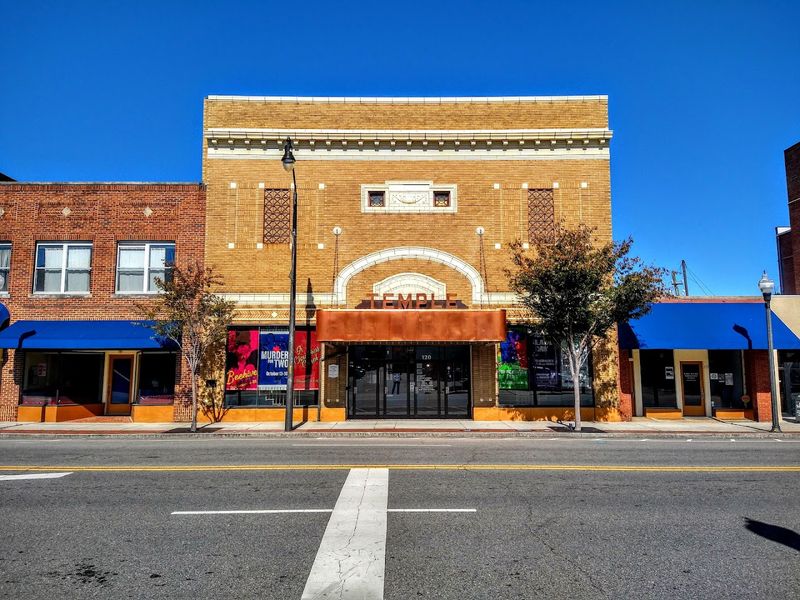
Sanford’s Temple Theatre opened in 1925, right in the years when ornate neighborhood and regional theaters were becoming anchors of downtown entertainment. Its historic interior still carries that sense of occasion, with period lighting, decorative finishes, and a stage setting that suits live performance beautifully.
You can imagine early filmgoers and today’s audiences sharing the same excitement.
The venue’s restoration preserved the building’s character while making it practical for current productions and touring shows. That matters, because a theater like this only stays meaningful when it remains active.
Temple Theatre has managed to feel cared for rather than overpolished.
Architecturally, it rewards close attention. The ornamental surfaces, auditorium proportions, and historic ambiance create a warm, human scale that bigger palaces sometimes lose.
Instead of overwhelming you, the room invites you in and lets the details reveal themselves gradually.
For this outline, Temple Theatre represents the smaller city success story that preservationists love to see. It proves that a 1920s theater does not need big city status to remain culturally vital.
With live productions onstage, the building continues doing exactly what it was built to do.
Carolina Civic Center Historic Theater
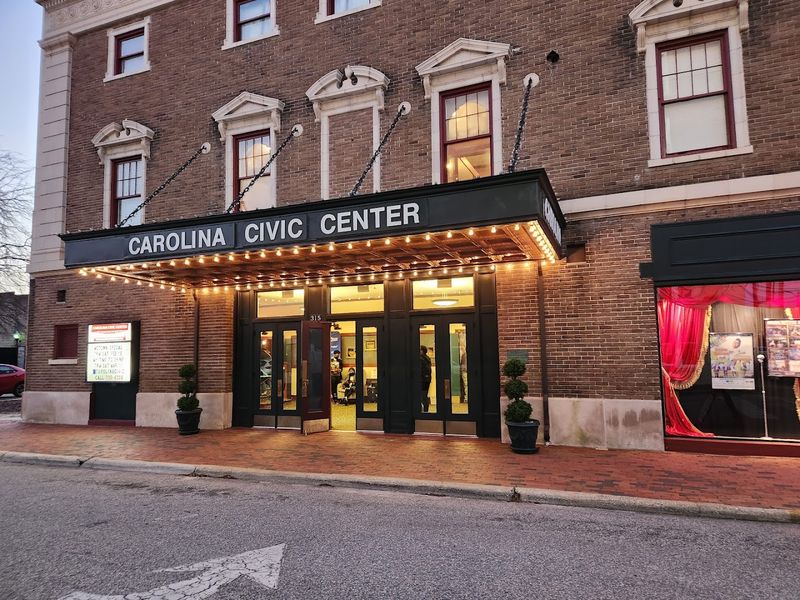
The Carolina Civic Center Historic Theater in Lumberton opened in 1928 and preserves the classic visual language of the late movie palace era. Its restored interior still conveys the romance that moviegoing once promised, with decorative detailing, a formal auditorium, and a stage that easily accommodates live events.
You feel the building’s civic pride as much as its theatrical flair.
Today the theater hosts concerts, plays, and community gatherings, making it an active part of downtown cultural life rather than a sealed historic artifact. That ongoing use is crucial, because it keeps the architecture connected to the people it serves.
Preservation here feels practical and heartfelt.
What makes this theater notable for your theme is how well its interior detailing supports the illusion of stepping backward in time. The plasterwork, spatial symmetry, and overall visual richness still signal a period when theaters were designed as escapist destinations.
Even before the curtain rises, the room performs.
Lumberton’s venue deserves inclusion because it shows how restoration can strengthen local identity. In a smaller city, a historic theater often becomes both landmark and gathering place.
This one continues to do both, with enough atmosphere to satisfy even detail obsessed visitors.
Stevens Center
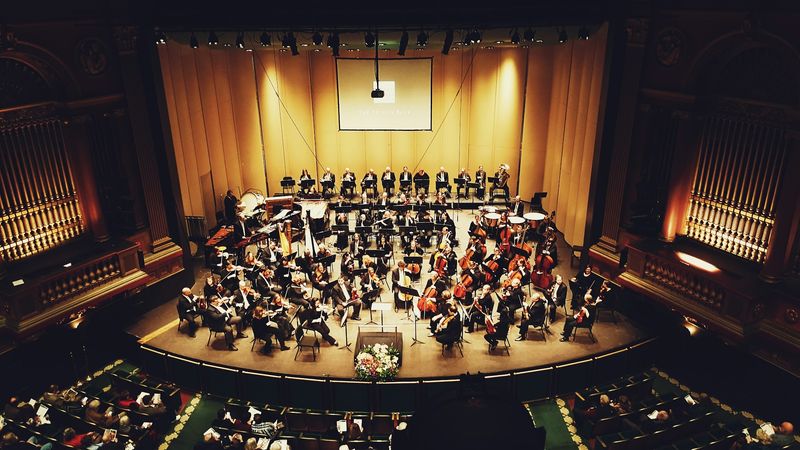
The Stevens Center in Winston-Salem began life in 1929 as a grand movie palace, and that origin still shapes its visual drama today. Now associated with the University of North Carolina School of the Arts, it hosts opera, ballet, symphony, and major stage performances in a room that retains its historic flourish.
You get the rare combination of academic prestige and vintage glamour.
Restoration preserved the auditorium’s decorative plasterwork and grand proportions, allowing the space to function as a serious performance venue without sacrificing its period personality. That is especially important in a hall built for spectacle.
The room still knows how to elevate an event before a single note is played.
For visitors interested in surviving decorative schemes, the Stevens Center offers a strong example of how 1920s embellishment can support rather than distract from performance. The ceiling, walls, and proscenium create a richly framed setting for live arts.
It feels polished, immersive, and unmistakably historic.
This theater earns its place because it demonstrates how movie palaces could be successfully repurposed at a high artistic level. Instead of becoming nostalgic shells, some became premier cultural institutions.
In Winston-Salem, that transformation has been especially convincing and enduring.
Sunset Theatre
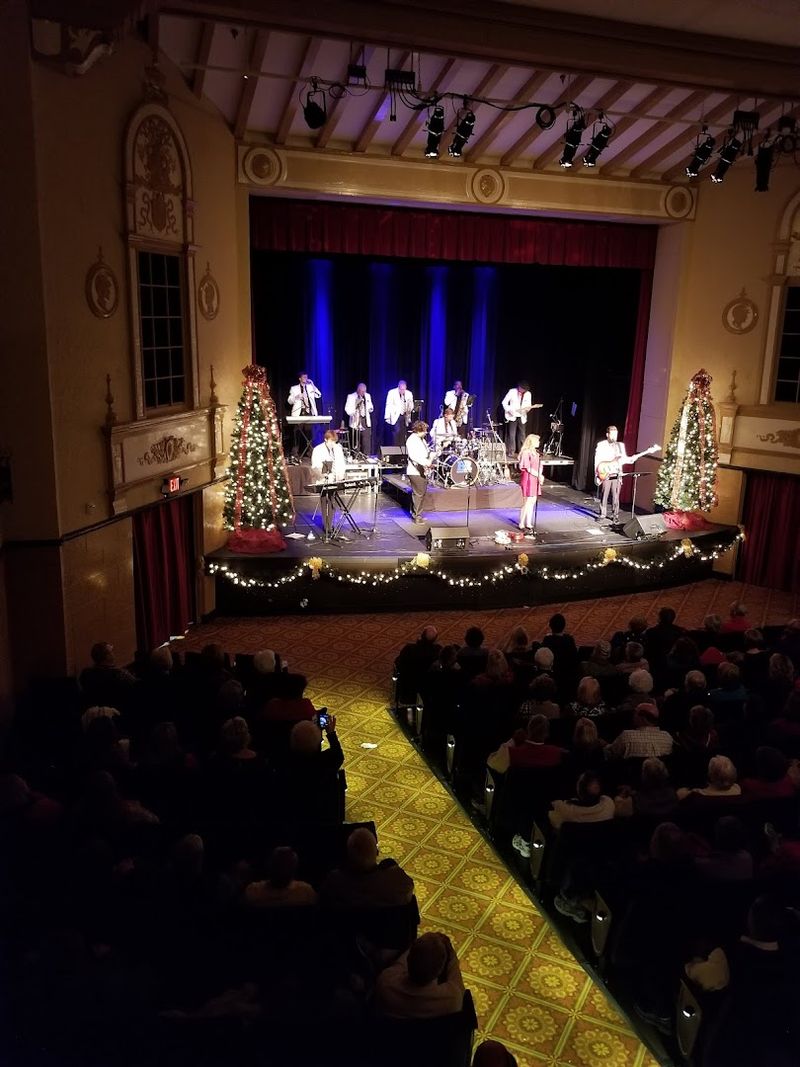
Asheboro’s Sunset Theatre opened in 1929 and stands out for its Spanish Colonial Revival styling, a look that gave many late silent era theaters their romantic flair. The building’s restored interior and stage now support live music, films, and community performances while preserving that period atmosphere.
You can still sense the original fantasy of escape in the decorative design.
Because it is listed on the National Register of Historic Places, the Sunset carries added interpretive value for travelers interested in architecture as much as entertainment. Its preservation helps protect not only a building, but a whole way of presenting public leisure in a downtown setting.
The theater remains approachable rather than museumlike.
Inside, the visual appeal comes from stylistic cohesion. The ornamental details, stage framing, and auditorium character work together to create a warm, historic environment that feels distinct from more classical movie palaces.
That difference makes it memorable on a statewide tour.
The Sunset deserves inclusion because it shows how regional theaters could adopt nationally popular revival styles without losing local identity. Its restoration keeps that design story visible.
When a live performance fills the room, the old architecture suddenly feels completely current again.
Gem Theatre
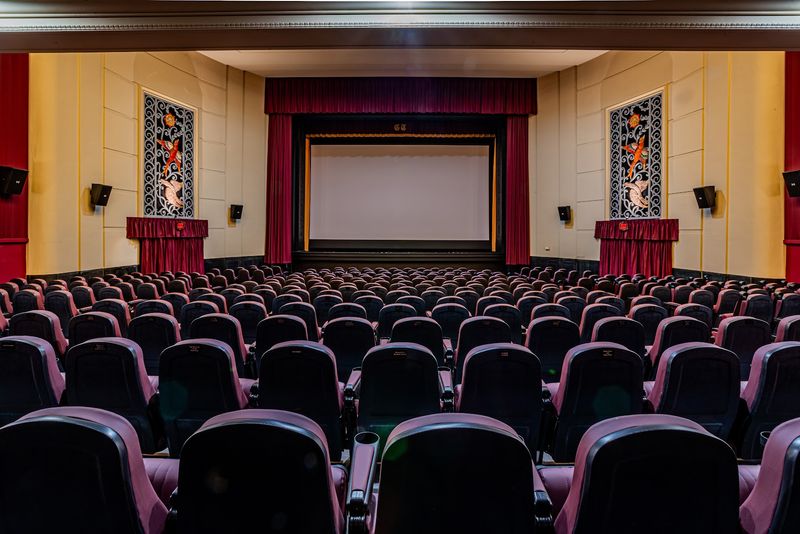
The Gem Theatre in Kannapolis opened in 1936, later than the peak years of silent film palaces, but it still preserves an important chapter in North Carolina’s theater history. Its Art Deco character reflects the streamlined style that followed the most ornate 1920s interiors.
You can feel the shift from fantasy palace to modern movie house without losing historic charm.
Unlike some venues on this list, the Gem is especially notable for continuity of use. It has long remained associated with film exhibition while also supporting live events, which gives it a living authenticity that visitors appreciate right away.
The theater does not feel reconstructed from scratch.
The architectural pleasures here are subtler than heavy plaster and painted ceilings, yet they are still meaningful. Deco lines, vintage details, and the intimacy of a single screen house create a strong sense of place.
That preserved atmosphere helps explain why it remains beloved.
I would include the Gem as a useful stylistic counterpoint in the article. It broadens the story from lavish 1920s fantasy to later historic cinema design.
In Kannapolis, restoration is less about spectacle and more about retaining a complete vintage experience.
Turnage Theatre
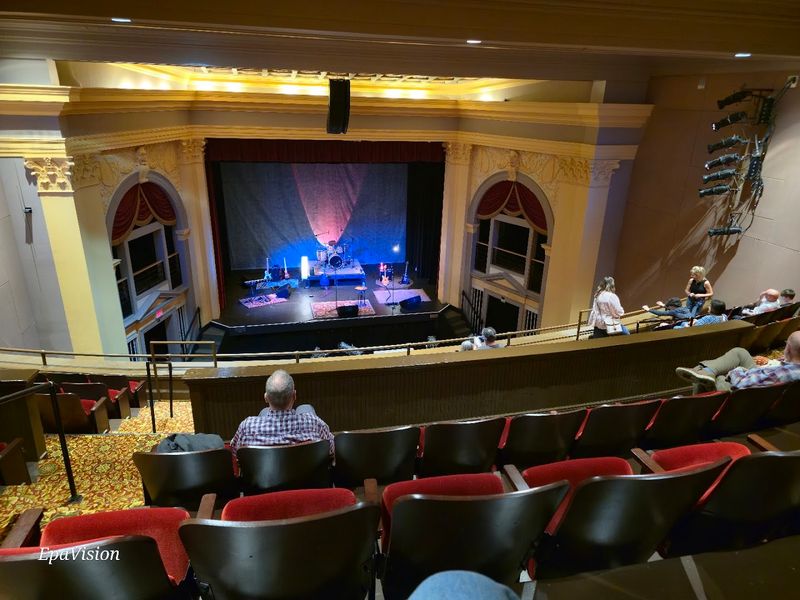
The Turnage Theatre in Washington has roots in 1913, with later expansion around 1930 that strengthened its identity as both vaudeville house and movie venue. That layered history makes it especially interesting for anyone tracing the evolution from live stage entertainment to cinema and back again.
You can read those transitions in the building itself.
Today, under the Arts of the Pamlico umbrella, the theater functions as an arts center with live performances and community programming. Its continued use keeps the downtown landmark animated rather than frozen in nostalgia.
That is often the difference between a saved building and a truly revived one.
Architecturally, the Turnage is appealing because it combines early stage traditions with later movie house features. The result is not a pure palace in the grand urban sense, but a richly local version of entertainment architecture that still frames performance beautifully.
The room feels storied and adaptable.
This theater deserves a place in the lineup because it tells a broader North Carolina story. Not every historic venue followed one neat pattern of construction and use.
In Washington, the Turnage shows how theaters evolved with audiences while preserving enough historic fabric to remain evocative today.
High Point Theatre
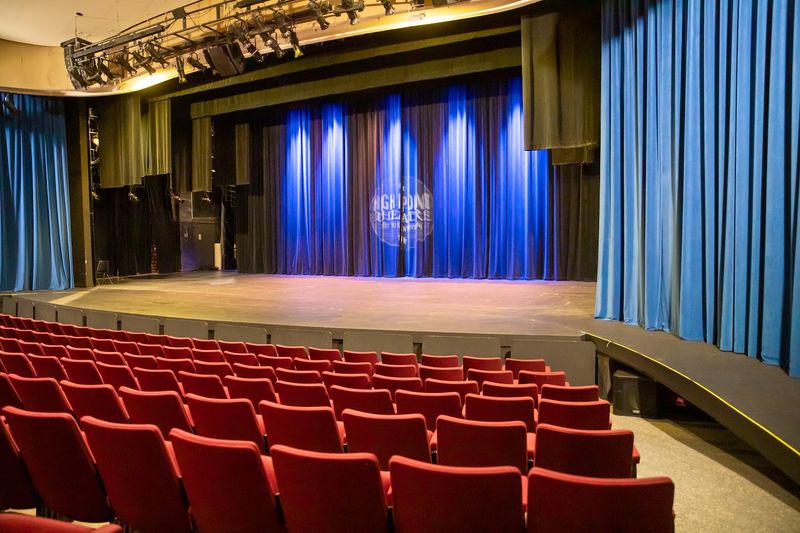
High Point Theatre is a slightly different case in this lineup because its present identity reflects a longer local performance lineage tied to the city’s earlier twentieth century theater culture. While it is not always discussed like a pure surviving movie palace, it belongs in an outline that tracks restored or renewed venues with historic roots.
You can use it to show continuity in downtown entertainment life.
As a current host for touring performances and community events, the theater serves the same broad public function that historic movie houses once did. That civic role is important, especially in cities where multiple earlier venues shaped local cultural memory.
Performance spaces often carry their past forward even through change.
Because the surviving architectural story is less singular than at Greensboro or Durham, I would present High Point Theatre carefully, emphasizing lineage, restoration, and active cultural use rather than heavy claims about palace level ornament. That approach keeps the article credible.
It also highlights how preservation can be conceptual as well as physical.
Included this way, High Point broadens your map of North Carolina’s theater heritage. It reminds readers that some cities preserve atmosphere through evolving venues, not only untouched interiors.
That nuance can make the overall post stronger.