Some Georgia bars have been pouring drinks for so long, they practically have history on the menu.
Long before trendy cocktail lounges and polished nightlife arrived, Georgia’s taverns gave travelers and locals a place to swap stories, raise a glass, and escape the day’s troubles.
These old bars have weathered wars, Prohibition, recessions, and countless changes in drinking habits.
Some hide in historic Savannah buildings, while others became beloved neighborhood hangouts in Atlanta.
Walking through their doors feels like stepping into another era, where worn floors, familiar faces, and decades-old stories are part of the experience.
Whether you’re chasing Georgia history, craving a cold drink, or simply looking for a bar with real personality, these 11 longtime favorites prove that some places only get better with age.
The Pirates’ House – Savannah
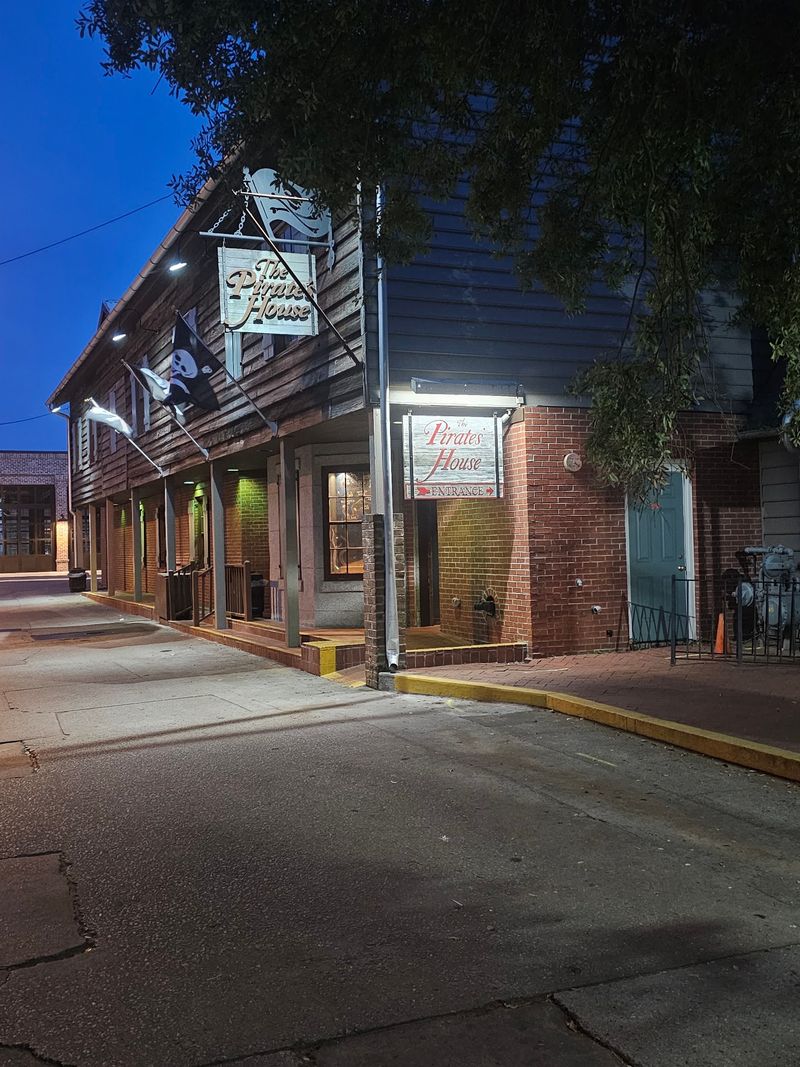
Walk into The Pirates’ House and you’re stepping onto ground that has witnessed Georgia’s entire history. The property includes the Herb House, dating back to 1734, making it one of Savannah’s oldest surviving structures.
The tavern tradition associated with this site stretches back to the colonial era, when sailors and dockworkers gathered here after long voyages.
The building’s proximity to the Savannah River made it a natural gathering spot for seafarers. Legend has it that unsuspecting patrons were sometimes kidnapped through underground tunnels and forced into service on departing ships.
While some of these stories may be embellished over time, the Pirates’ House genuinely served as a rough-and-tumble tavern during Georgia’s early days.
Today’s restaurant preserves much of the original architecture across its fifteen dining rooms. The atmosphere balances tourist appeal with historical authenticity, offering visitors a chance to dine and drink in rooms where colonial Georgia truly came to life.
Robert Louis Stevenson even referenced the location in Treasure Island.
Abe’s on Lincoln – Savannah
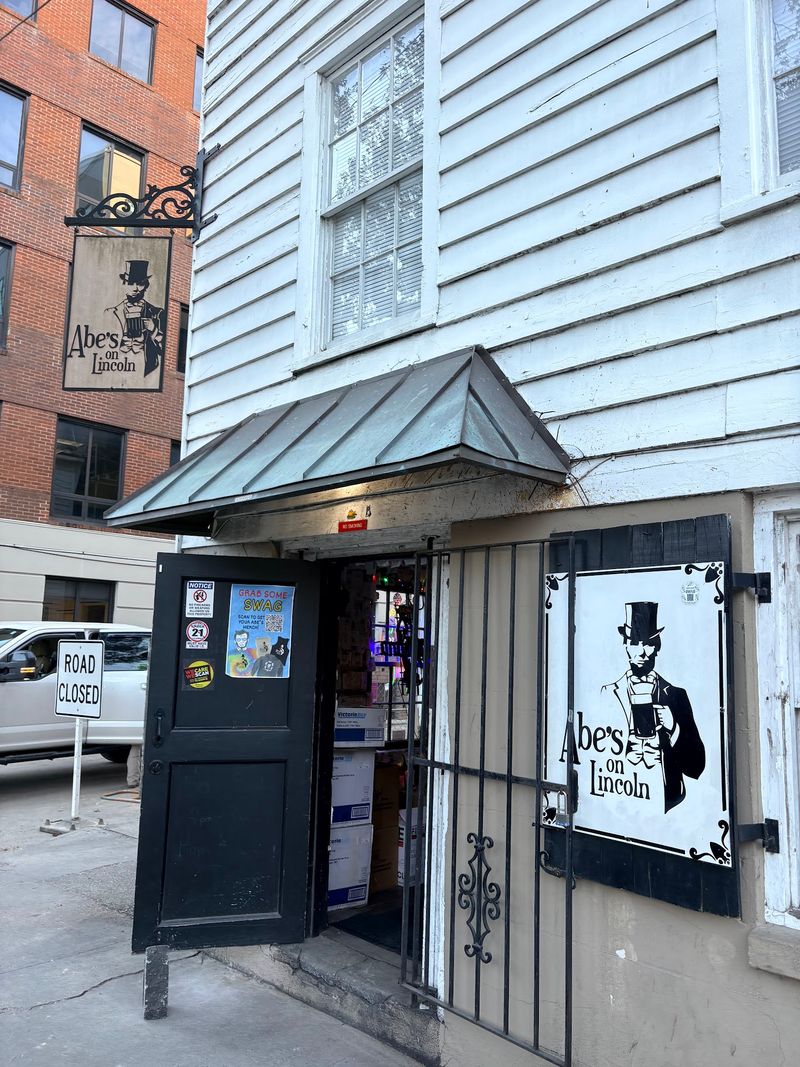
Here’s something remarkable: the building at 17 Lincoln Street has continuously served alcohol since 1852. That’s right – before the Civil War, before Prohibition, through everything Georgia has experienced for over 170 years, this spot has been pouring drinks.
Thom Hansen’s saloon first opened its doors here when Savannah was still a major shipping port.
What makes Abe’s particularly special is its unbroken bar tradition. Many “historic” bars occupy old buildings but started serving drinks much later.
Abe’s can legitimately claim one of the longest continuous bar operations in the entire Southeast. The brick walls have absorbed decades of conversations, celebrations, and the everyday rhythms of Savannah life.
Today’s incarnation maintains that neighborhood bar feeling despite downtown Savannah’s tourist traffic. Locals still gather at the wooden bar where their great-great-grandparents might have done the same.
The jukebox plays, the beer flows cold, and the atmosphere remains unpretentious. It’s living history without trying too hard.
Atkins Park Restaurant & Bar – Atlanta
Ask about Atlanta’s oldest continuously licensed tavern and you’ll hear one name: Atkins Park. Since 1922, this Virginia-Highland institution has held a tavern license, making its claim both specific and verifiable.
The establishment began as Atkins Park Delicatessen, serving the neighborhood’s residents when Virginia-Highland was still developing its character.
The transformation from delicatessen to full-service tavern happened gradually as Atlanta’s drinking culture evolved. What never changed was the commitment to being a genuine neighborhood gathering place.
Politicians, artists, families, and longtime residents have all claimed their favorite spots at Atkins Park over the decades.
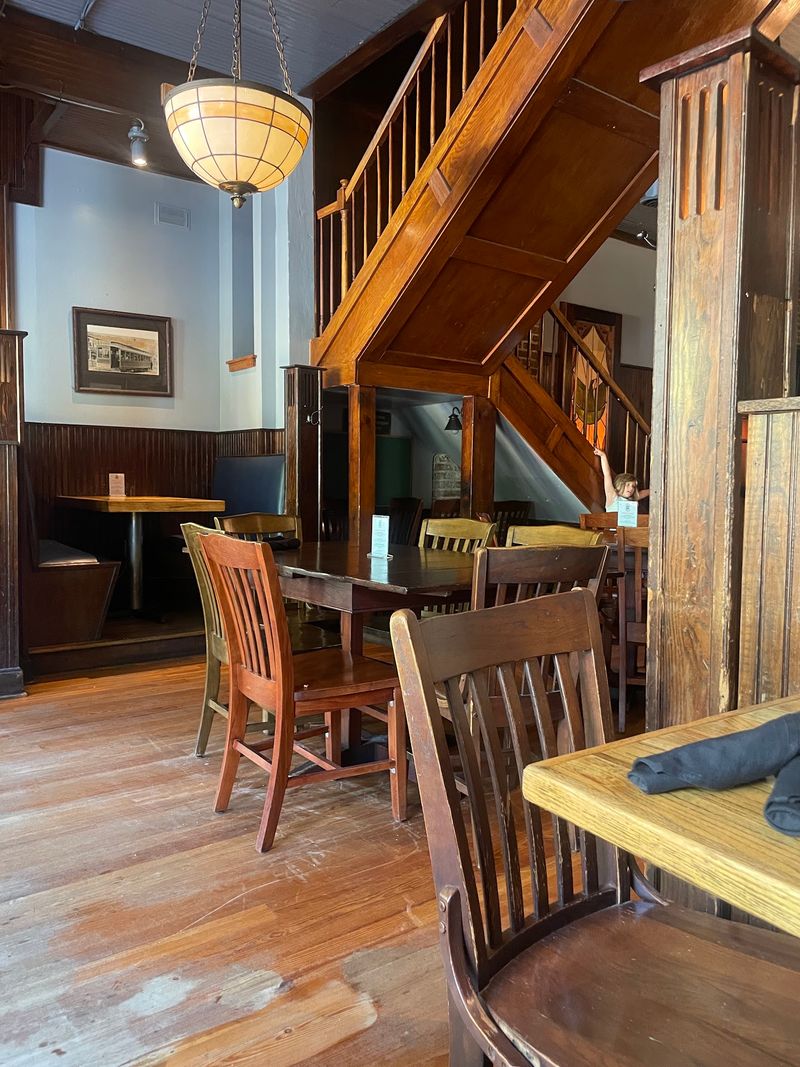
The restaurant expanded its footprint over time while maintaining the original building’s charm. Exposed brick, wooden booths, and vintage photographs create an atmosphere that feels authentically old without being staged.
The menu has evolved far beyond deli sandwiches, but the spirit remains the same. On any given evening, you’ll find multiple generations sharing tables, proof that Atkins Park has successfully adapted while preserving what made it special in the first place.
Crystal Beer Parlor – Savannah
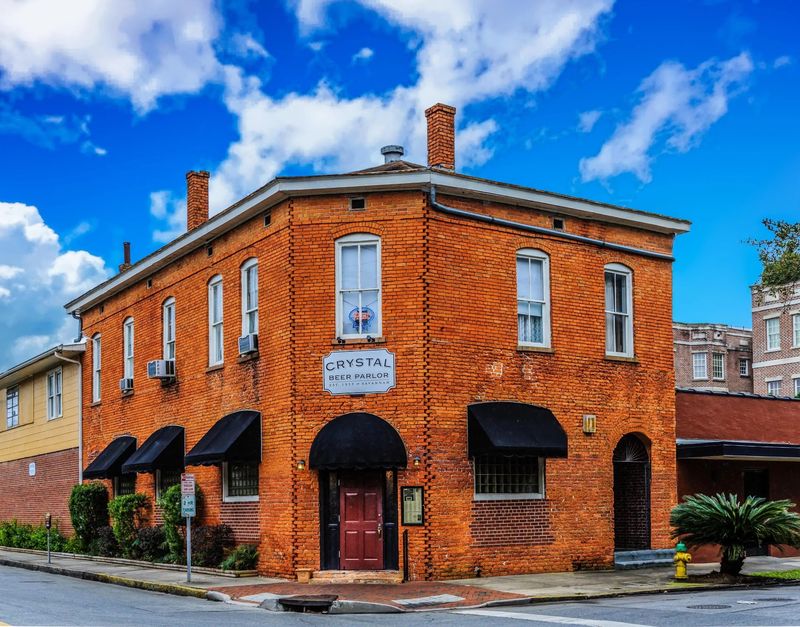
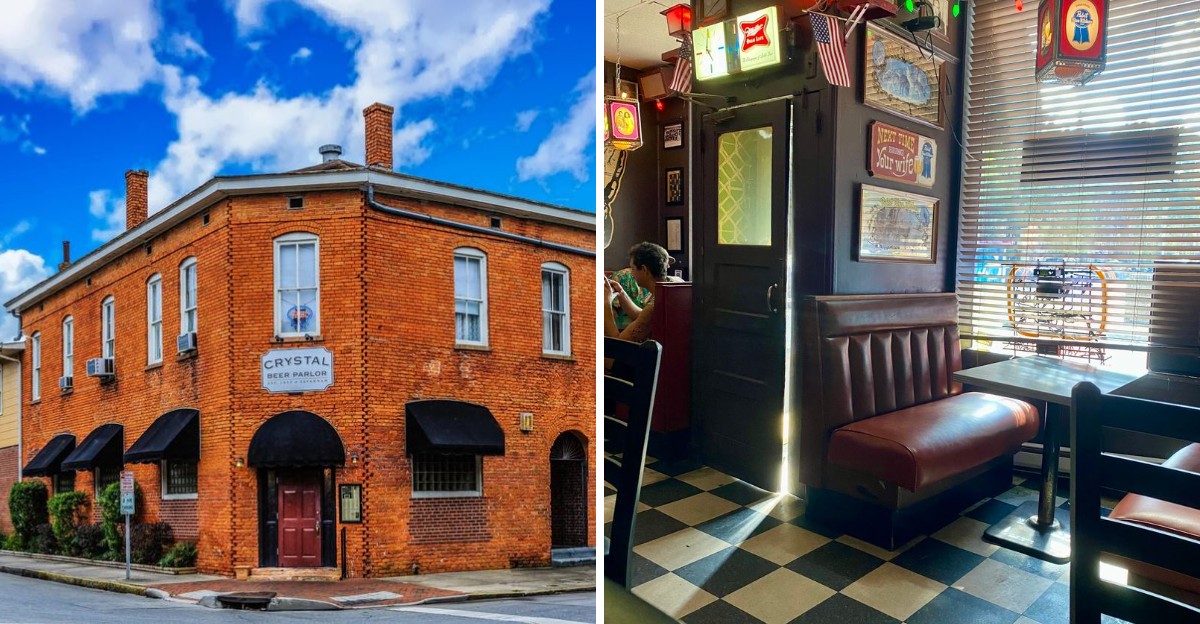
The year 1933 marked the end of Prohibition and the beginning of Crystal Beer Parlor’s story. While the building itself dates to around 1900, the establishment became a proper beer parlor the moment legal drinking returned to America.
That timing proved perfect, as thirsty Savannahians had waited thirteen long years for a cold, legal beer.
What started as a straightforward beer parlor evolved into a Savannah institution known for both drinks and classic Southern food. The Conrad family operated Crystal Beer Parlor for decades, building a loyal following among locals who appreciated the no-frills approach.
Crab stew, burgers, and ice-cold beer became the signature combination that kept people coming back.
The black-and-white tile floors, long wooden bar, and vintage fixtures transport visitors back to an earlier era. Unlike some historic bars that feel frozen in time, Crystal maintains a living, breathing atmosphere.
Families eat early dinners while regulars occupy their usual bar stools. It’s that rare combination of tourist destination and genuine neighborhood spot.
The Original Pinkie Masters – Savannah
Luis “Pinkie” Masterpolis opened his namesake bar in 1953 with a simple philosophy: keep it real, keep it cheap, and treat everyone the same. That approach created one of Savannah’s most beloved dive bars, a place where mayors and mechanics could share the bar without pretension.
Pinkie himself became a local legend, holding court behind the bar for decades.
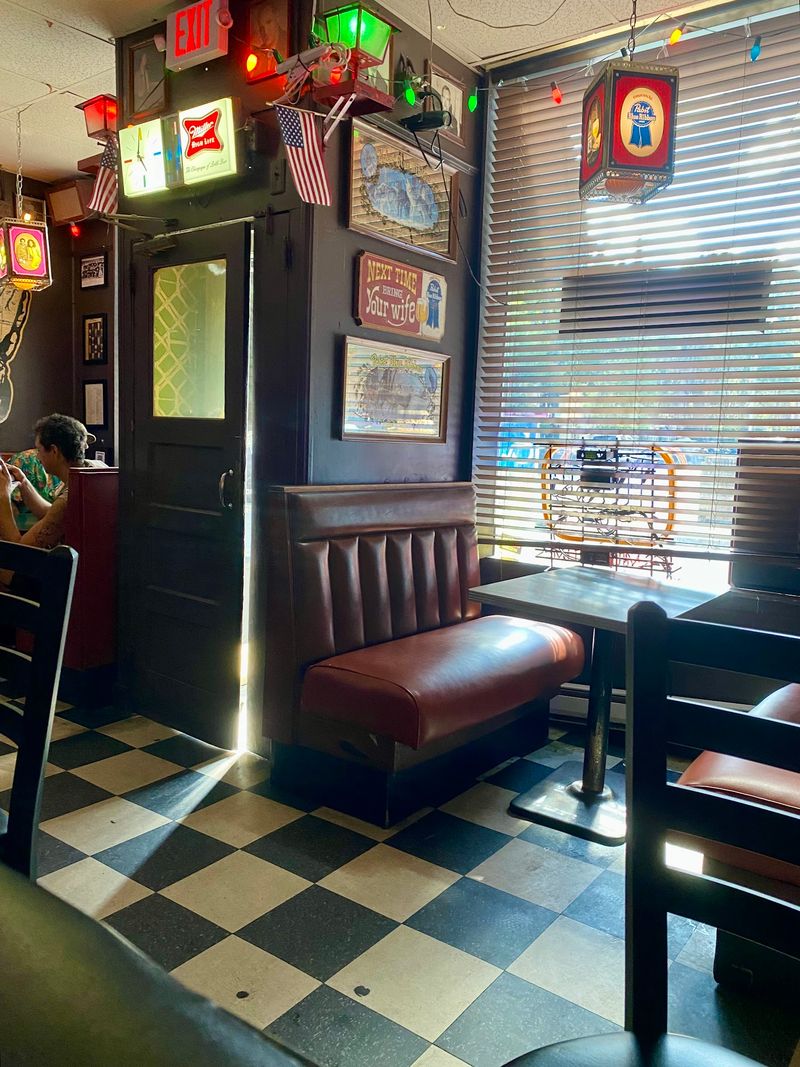
The bar’s interior looks like it hasn’t changed since Eisenhower was president, and that’s exactly the point. Dark wood paneling, worn bar stools, vintage beer signs, and a pool table create the perfect dive bar aesthetic.
This isn’t calculated vintage design; it’s genuine preservation of a mid-century drinking establishment. The jukebox still plays, and regulars still occupy the same stools their parents once claimed.
Musicians, politicians, artists, and writers have long considered Pinkie Masters their unofficial headquarters. The bar appears in Savannah folklore and literature, representing an authentic slice of the city’s culture.
New ownership has maintained the original spirit while keeping the doors open for future generations.
Moe’s & Joe’s Tavern – Atlanta
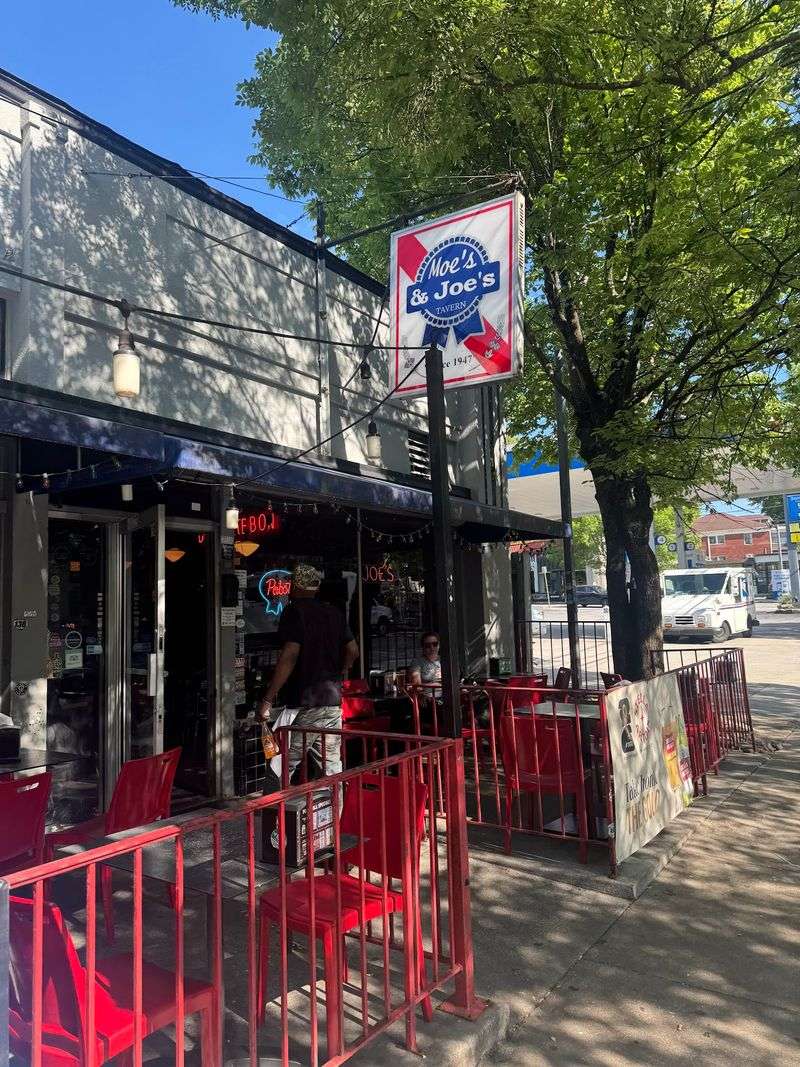
Brothers Moe and Joe Krinsky returned from World War II ready to create the kind of neighborhood bar they’d dreamed about overseas. In 1947, they opened their Virginia-Highland tavern with a straightforward mission: serve good drinks, decent food, and create a welcoming atmosphere.
Over seven decades later, that formula still works.
The tavern predates many of Atlanta’s “historic” bars, including the better-known Manuel’s Tavern. Yet Moe’s & Joe’s has always preferred flying under the radar, focusing on regulars rather than recognition.
The bar serves classic tavern fare – burgers, wings, sandwiches – alongside Pabst Blue Ribbon and other unpretentious beer choices. There’s no craft cocktail menu or farm-to-table concept, just honest bar food and cold drinks.
Walking into Moe’s & Joe’s feels like stepping back to when neighborhood taverns served as community living rooms. The dim lighting, worn booths, and lived-in atmosphere attract people seeking authenticity over Instagram-worthy moments.
Regulars know each other’s names, and newcomers quickly feel like part of the family.
Manuel’s Tavern – Atlanta
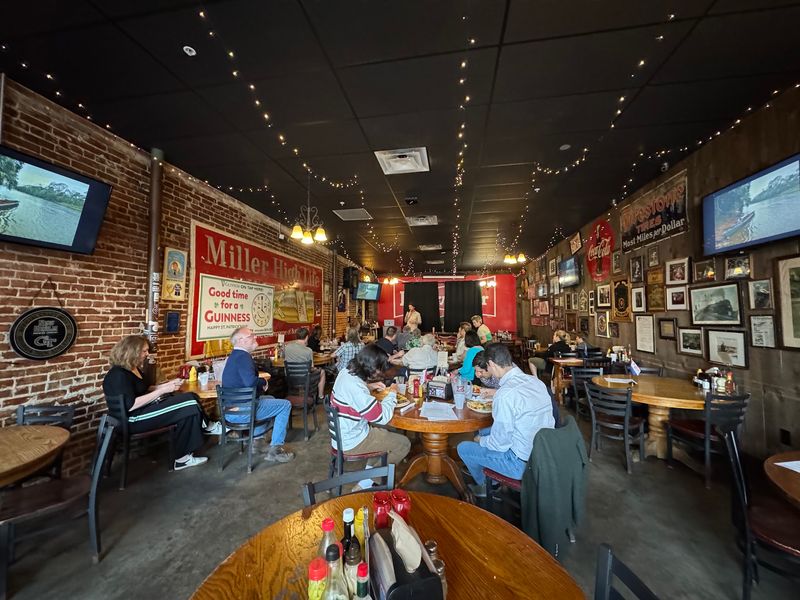
In 1956, Manuel Maloof transformed Harry’s Delicatessen into something Atlanta had never quite seen before. His tavern quickly became a gathering place for politicians, journalists, activists, and neighborhood residents who appreciated good conversation alongside their beer.
Maloof himself became a legendary figure in Atlanta politics, eventually serving as DeKalb County’s chief executive while maintaining his beloved tavern.
The walls tell Atlanta’s political and social history through photographs, newspaper clippings, and memorabilia spanning decades. Presidential candidates have stopped by, major news stories were discussed over drinks, and countless political careers were launched from the booths.
Yet Manuel’s never became exclusive or pretentious. Working-class regulars always shared space with the political elite.
Recognition came full circle in 2020 when Manuel’s Tavern was added to the National Register of Historic Places. The designation acknowledges what Atlantans already knew: this tavern represents something significant about their city’s character.
Today’s Manuel’s maintains the sawdust-on-the-floor authenticity that Manuel Maloof established, serving as both a working bar and a living museum of Atlanta.
George’s Bar & Restaurant – Atlanta
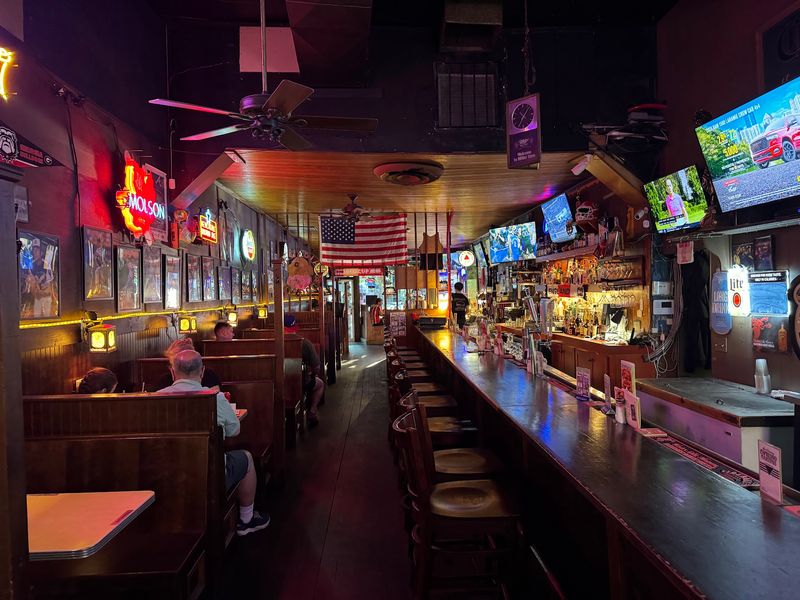
George Najour had a clever business model when he opened George’s Delicatessen in 1961. The front operated as a traditional grocery store serving the neighborhood’s daily needs, while the back room offered cold beer and sandwiches to customers who wanted to linger.
This dual setup reflected an era when neighborhood establishments served multiple functions for their communities.
As Virginia-Highland evolved, so did George’s. The grocery operation gradually gave way to the bar and restaurant side, transforming George’s into a full-fledged neighborhood drinking establishment.
The transition preserved the building’s character while adapting to changing customer preferences. Regular customers who once bought groceries up front now settle into the bar area for evening drinks and meals.
Today’s George’s maintains strong connections to its delicatessen roots while operating as a contemporary bar and restaurant. The space retains vintage touches that remind visitors of its earlier incarnations.
Longtime Virginia-Highland residents remember when George’s was their corner store, making it a living connection to the neighborhood’s past. That continuity matters in rapidly changing Atlanta.
Grant’s Lounge – Macon
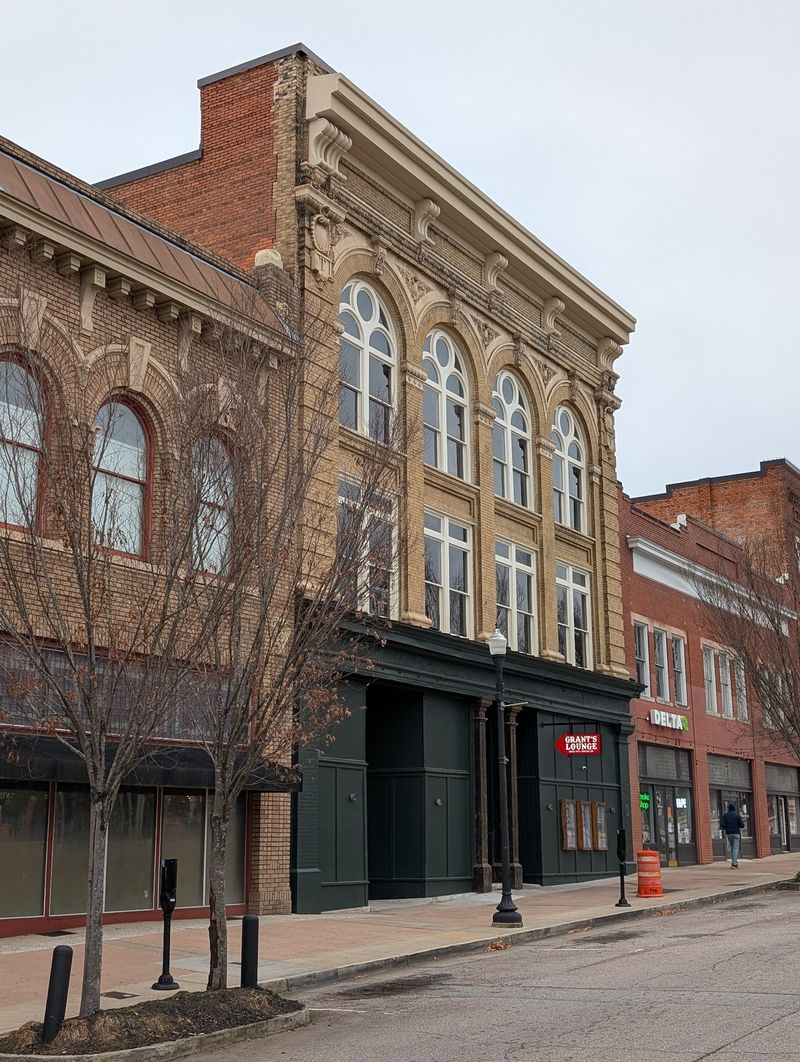
Ed Grant Sr. opened Grant’s Lounge on February 16, 1971, with no idea his bar would become legendary in rock and roll history. The timing proved perfect: Macon was becoming the epicenter of Southern rock, and Grant’s became the unofficial headquarters for the movement.
The Allman Brothers Band, Lynyrd Skynyrd, and countless other musicians treated Grant’s as their home away from home.
The bar’s connection to Southern rock wasn’t manufactured marketing; it emerged organically as musicians genuinely loved the atmosphere. Duane Allman, Gregg Allman, and other band members were regulars, often jamming informally or simply hanging out like any other customers.
Those spontaneous moments helped create Grant’s reputation as the Original Home of Southern Rock, a title that stuck for good reason.
Grant’s has survived changing musical tastes and Macon’s economic shifts while maintaining its roots. The walls display photographs and memorabilia documenting the bar’s role in music history.
For visitors interested in Southern rock’s origins, Grant’s offers an authentic experience beyond museum exhibits. You’re drinking in the same space where legends once gathered.
Northside Tavern – Atlanta
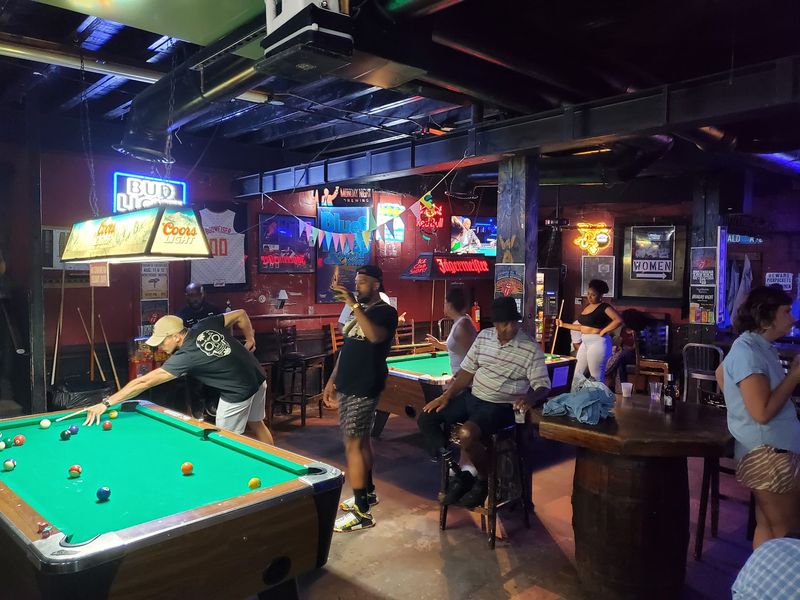
Some bars try to create an authentic atmosphere through careful design. Northside Tavern never tried at all; it just existed as a genuine dive bar on Howell Mill Road, and people loved it for exactly that reason.
Established in the 1970s, Northside became particularly famous for blues music, cheap drinks, and an unpretentious vibe that attracted everyone from blue-collar workers to music industry professionals.
The tavern’s reputation as a blues venue grew as word spread about the quality of live performances in such an unassuming space. Musicians appreciated playing for audiences who genuinely cared about the music rather than using it as background noise.
The cramped quarters, low ceilings, and minimal stage somehow enhanced rather than detracted from the experience.
Northside Tavern represents a generation of Atlanta bars that prioritized character over polish. While many similar establishments disappeared as neighborhoods gentrified, Northside maintained its identity.
The survival matters because it preserved a piece of Atlanta’s independent bar culture that newer establishments often try to recreate but rarely match. Walking in still feels like discovering a secret locals have kept.
Johnny’s Hideaway – Atlanta
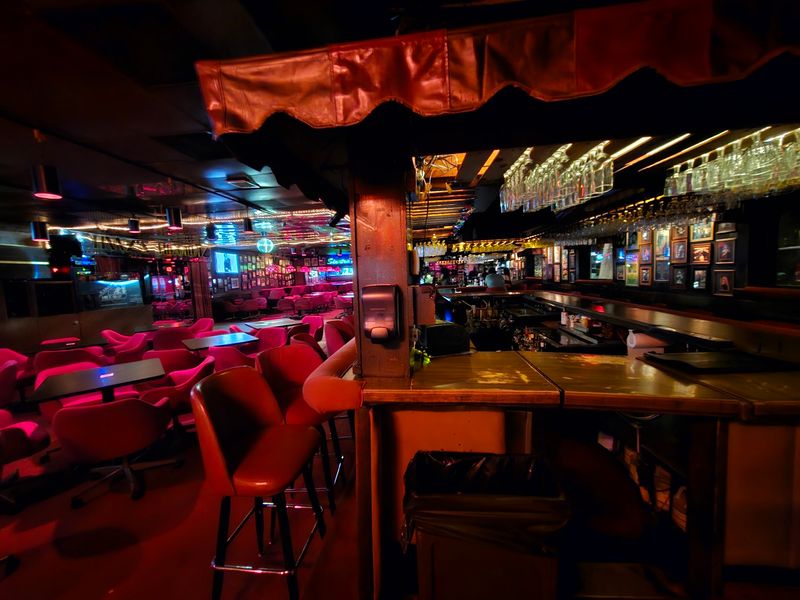
Not every historic bar needs to be a dimly lit tavern with sawdust floors. Johnny’s Hideaway proved that nightclubs could achieve longevity too, surviving decades in Atlanta’s notoriously fickle nightlife scene.
Opening in the 1970s, Johnny’s became famous as a late-night entertainment destination where people actually dressed up and hit the dance floor rather than just ordering craft cocktails.
The club attracted a slightly older, more established crowd than typical Atlanta nightspots. This demographic focus proved smart, as Johnny’s built a loyal customer base that returned year after year.
The music, atmosphere, and dress code maintained standards that appealed to people seeking a more refined night out without feeling stuffy or pretentious about it.
Johnny’s longevity demonstrates that different types of bars can achieve historic status. While it lacks the colonial-era credentials of Savannah taverns or the neighborhood authenticity of dive bars, Johnny’s carved its own niche.
Generations of Atlantans celebrated special occasions, met romantic partners, and danced away countless nights at Johnny’s. That consistency and cultural impact earn it a place among Georgia’s enduring drinking establishments.