Tucked just south of Naples, Florida, Keewaydin Island is one of the last truly wild barrier islands left in the state.
No bridges connect it to the mainland, no roads cut through its dunes, and no shops line its shores — just eight miles of untouched Gulf coastline teeming with wildlife.
Whether you spot a dolphin leaping in the surf or watch a sea turtle track disappear into the sand, this island feels like a secret Florida forgot to develop.
If you’re craving a real escape from crowded beaches and tourist traps, Keewaydin is calling your name.
A True Off-the-Grid Barrier Island
Picture a place where the only footprints in the sand belong to shorebirds, sea turtles, and the occasional adventurous visitor. That’s Keewaydin Island — a stretch of raw, undeveloped coastline that somehow survived Florida’s building boom completely intact.
No bridges cross to it. No roads slice through its interior.
No strip malls or condos crowd the shoreline.
This isn’t an accident. The island’s remote location and limited access have kept large-scale development at bay for decades.
Most of the land is privately owned or under conservation management, which has helped protect its natural character from the pressures that transformed so much of Florida’s coast into concrete and commerce.
Walking along Keewaydin feels like stepping back in time to what Florida once looked like before the highways and high-rises arrived. The dunes are wild and windswept.
The mangroves grow thick and tangled. The beaches are wide, quiet, and gloriously empty.
For anyone who’s ever looked at a crowded Florida beach and wished for something more real, more raw, and more alive — Keewaydin delivers exactly that, without compromise.
Accessible Only by Boat
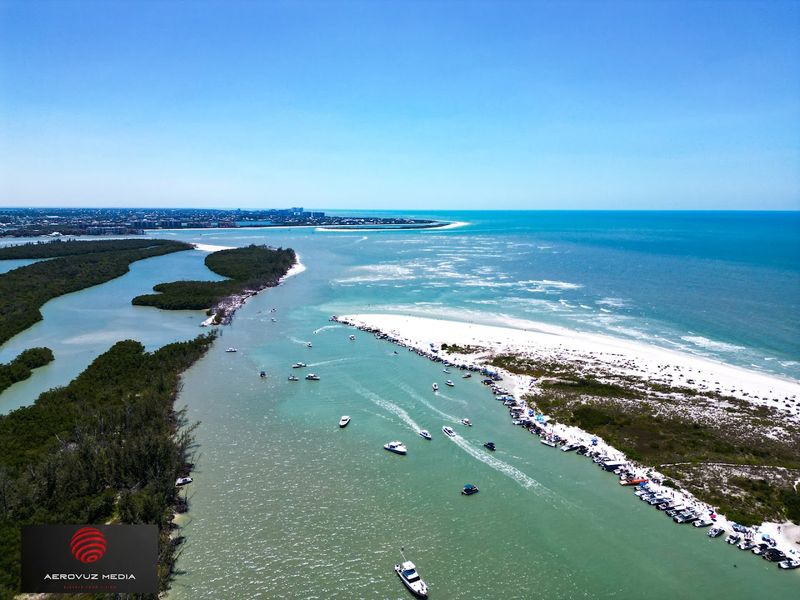
Getting to Keewaydin Island is half the fun. There are no bridges, no causeways, and no shuttle buses — the only way in is by water.
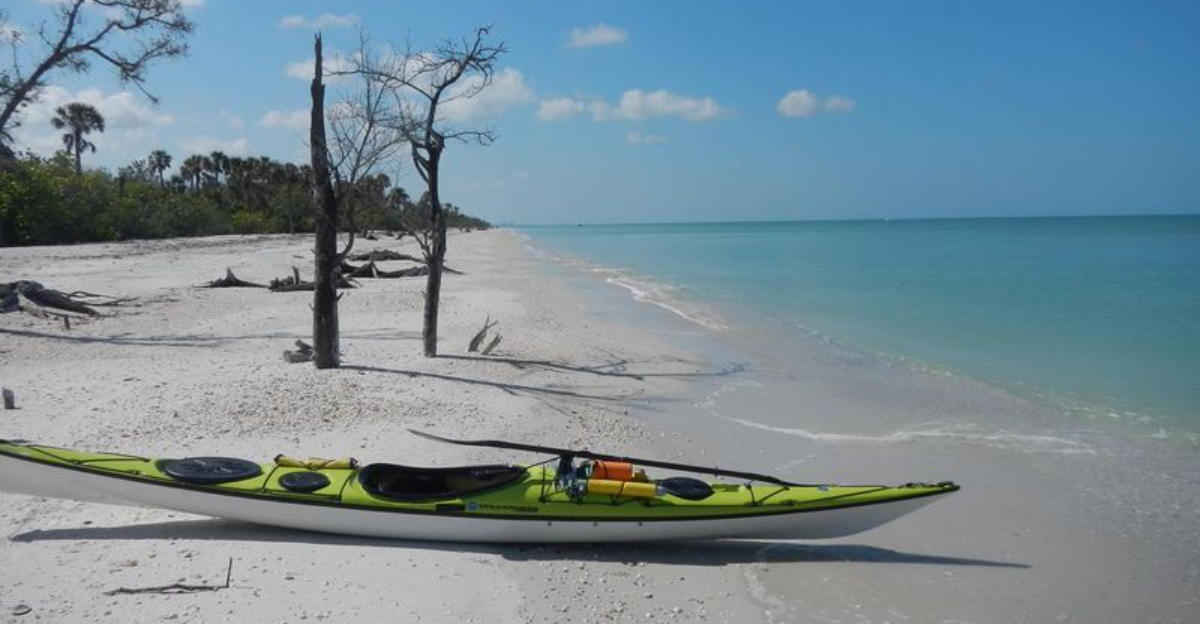
Most visitors arrive by private motorboat, kayak, or paddleboard, launching from nearby Naples or Marco Island. Some charter a water taxi or join a guided boat tour for a more relaxed ride out.
The journey itself sets the mood. As you leave the marina behind and head into open water, the noise of everyday life fades fast.
You might spot a pelican gliding overhead or a mullet jumping alongside your boat before you even reach the island. By the time the white sand comes into view, you’re already in vacation mode.
Kayakers especially love the approach through the backcountry mangrove channels, where the water turns glassy and the wildlife gets surprisingly close. It’s a completely different vibe from pulling into a parking lot and walking down a boardwalk.
Arriving by boat makes Keewaydin feel earned — like a reward for those willing to make the effort. And honestly, that sense of effort is exactly what keeps the crowds thin and the experience genuinely special.
Pristine Beaches Stretching for Miles
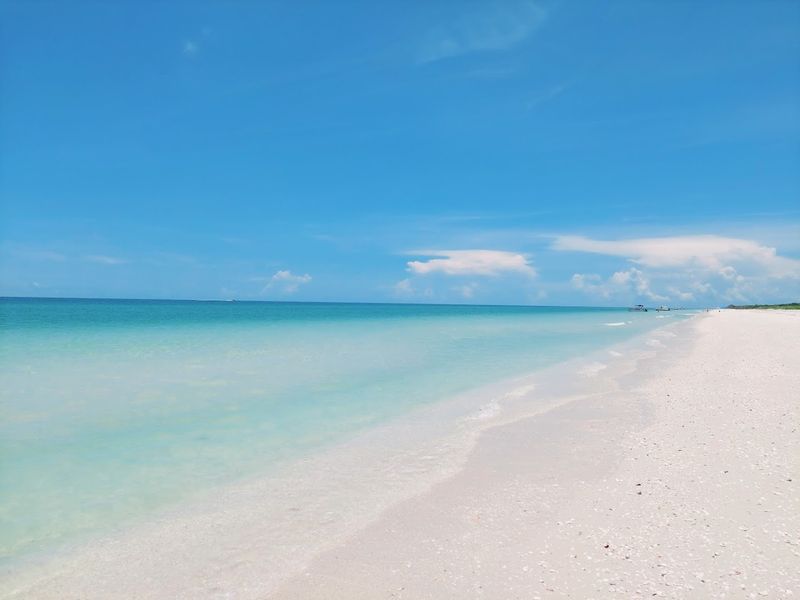
Eight miles of unspoiled shoreline — that’s what Keewaydin offers, and it doesn’t share that coastline with parking lots or beachside bars. The sand here is fine, white, and soft underfoot, the kind that squeaks when you walk on it.
The Gulf water is warm, shallow, and often calm, making it perfect for wading, swimming, or simply floating without a care in the world.
Shell collectors go absolutely wild for Keewaydin. Because the beach sees so few visitors compared to spots like Sanibel or Clearwater, the shells that wash ashore have a better chance of surviving intact.
Lightning whelks, olive shells, and sand dollars are common finds along the tide line, especially in the early morning hours after a good tide shift.
What makes the beach experience here feel so different is the silence. No jet skis roaring past, no beach vendors hawking sunscreen, no volleyball tournaments.
Just the sound of waves, wind, and birds. Families spread out with plenty of room, couples find private corners of shoreline, and solo visitors can walk for an hour without crossing another set of footprints.
It’s a rare thing in Florida these days, and worth every bit of the boat ride to get here.
Frequent Dolphin Sightings
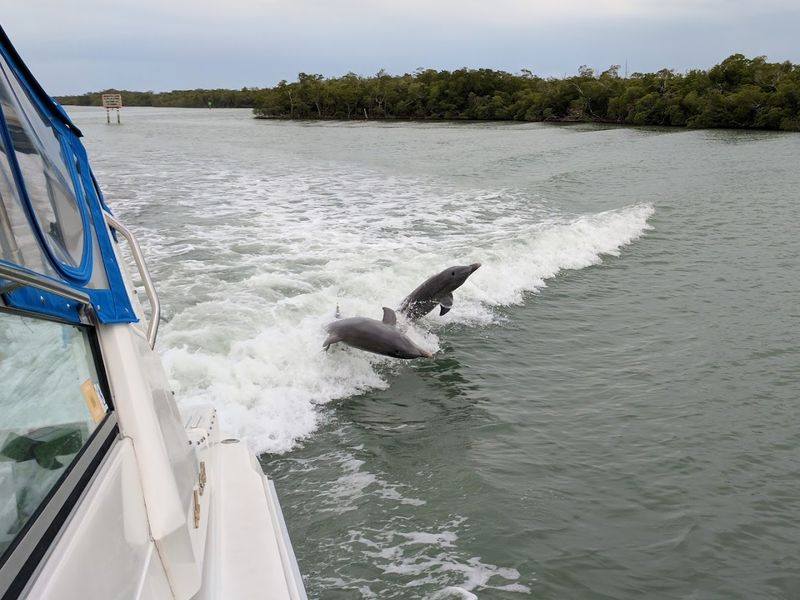
Few things make a beach day unforgettable like a dolphin surfacing just a few yards from your boat. Around Keewaydin Island, that kind of moment happens all the time.
The shallow coastal waters surrounding the island are prime feeding grounds for bottlenose dolphins, and pods of them cruise through regularly throughout the day.
Dolphins in this area are wild and completely unhabituated to being fed by humans, which means their behavior is natural and fascinating to watch. You might see them working together to herd fish against the shoreline, a hunting strategy called strand feeding that’s rarely seen outside of this region.
Other times, they simply ride the pressure waves in front of boats, seemingly just enjoying the ride.
Kayakers and paddleboarders often get the closest encounters because they move quietly and don’t disturb the water the way motorboats do. If you’re patient and stay still, a curious dolphin might circle back for a second look.
Wildlife guides recommend keeping a respectful distance and never attempting to touch or feed them — not just because it’s illegal, but because keeping dolphins wild is what makes seeing them here so extraordinary in the first place.
Important Sea Turtle Nesting Grounds
Every summer, something remarkable happens quietly along the dark shoreline of Keewaydin Island. Female loggerhead sea turtles, some weighing over 300 pounds, haul themselves up the beach under cover of night to lay their eggs in the sand.
They’ve been doing this for millions of years, and Keewaydin remains one of the places where they can still do it undisturbed.
Loggerheads are the most common nesting species here, though green sea turtles also use the beach occasionally. The lack of artificial lighting on the island is a huge advantage — light pollution from developed beaches can disorient hatchlings, leading them away from the ocean instead of toward it.
On Keewaydin, darkness means safety, and that matters enormously for survival rates.
Conservation volunteers and wildlife agencies monitor nests throughout the season, marking them with stakes and keeping a close eye on predator activity. Visitors who happen to spot turtle tracks in the morning are asked to keep their distance and report the location rather than investigate on their own.
Hatching season, which runs roughly from August through October, is when you might witness dozens of tiny turtles making their first scramble toward the Gulf — one of the most moving wildlife moments Florida can offer.
A Haven for Birdwatchers
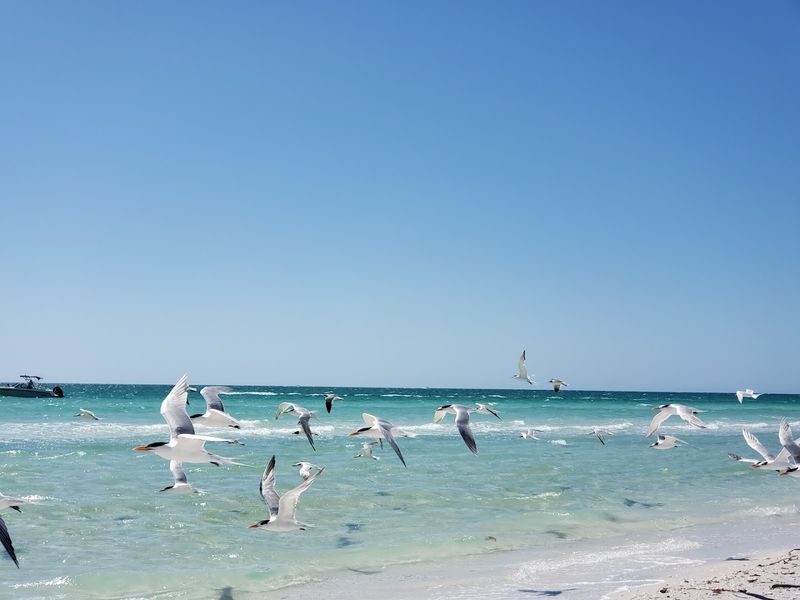
Birders who visit Keewaydin Island for the first time often leave with a life list packed with new checkmarks. The island’s mix of open beach, coastal dunes, tidal flats, and dense mangrove forest creates a layered habitat that draws an impressive variety of bird species throughout the year.
It’s the kind of place where you can scan the sky in one direction and spot an osprey, then turn around and find a roseate spoonbill wading in a tidal pool.
Year-round residents include brown pelicans, great blue herons, snowy egrets, and black skimmers. During migration season, the island becomes a stopover point for warblers, sandpipers, and other shorebirds traveling along the Gulf Coast flyway.
Serious birders plan visits around spring and fall migration windows to maximize what they might spot in a single outing.
Binoculars are a must, but even casual visitors without any birding background tend to get drawn in by the sheer variety and activity on display. Watching a pelican fold its wings and plunge-dive into the surf is genuinely thrilling no matter how many times you see it.
Keewaydin offers that kind of spontaneous wildlife theater constantly, and without the distractions of a busy beach, it’s easy to slow down and actually pay attention.
No Roads, Just Sandy Trails
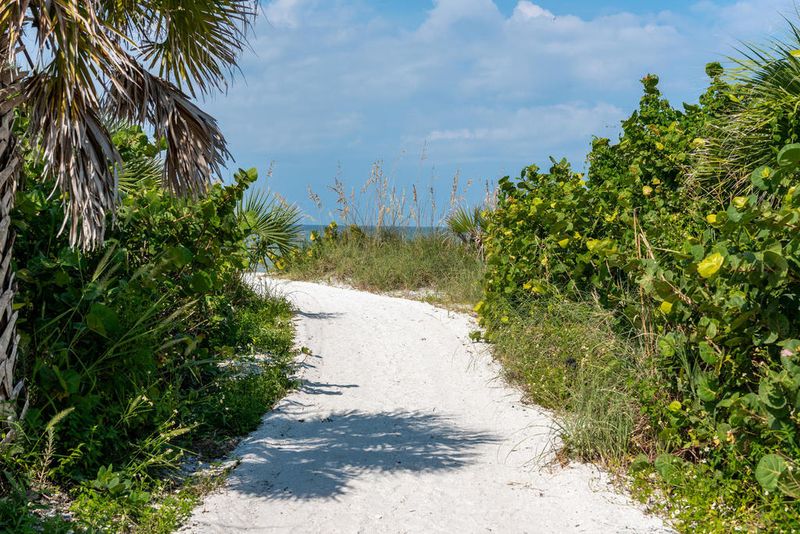
There is something genuinely freeing about arriving somewhere with no roads. On Keewaydin Island, the only way to get around is on foot along sandy trails or by boat hugging the shoreline.
That absence of pavement isn’t just a quirky detail — it fundamentally shapes the entire feel of the place. Without roads, there are no cars, no traffic noise, and no exhaust fumes drifting across the beach.
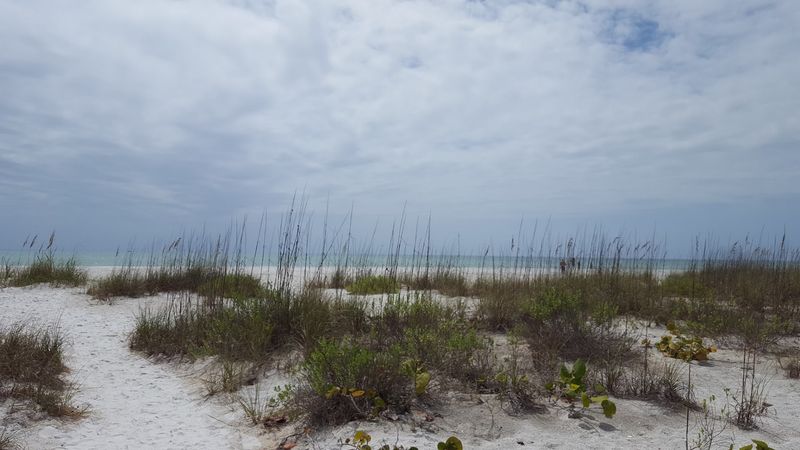
The sandy paths that do exist wind through sea oats, coastal scrub, and low dunes, connecting different stretches of beach in a casual, unhurried way. Some trails lead toward the bay side of the island, where the mangrove edge meets calm, shallow water full of marine life.
Others simply follow the beach itself, which is wide enough to serve as its own highway for walkers and explorers.
Footwear is worth thinking about before you visit. Flip-flops work fine on packed sand near the waterline, but looser trail sections can get hot and soft underfoot in the Florida sun.
Water shoes or light sneakers are a smarter call, especially if you plan to explore beyond the beach. The reward for a bit of wandering is stumbling onto quiet coves and wildlife spots that most visitors never find simply because they stayed near where the boat dropped them off.
A Popular Stop for Boaters and Picnickers
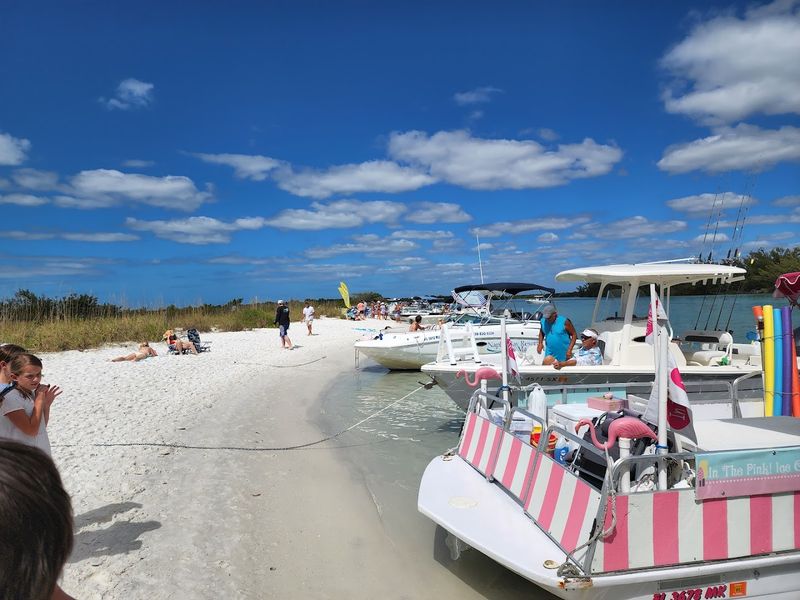
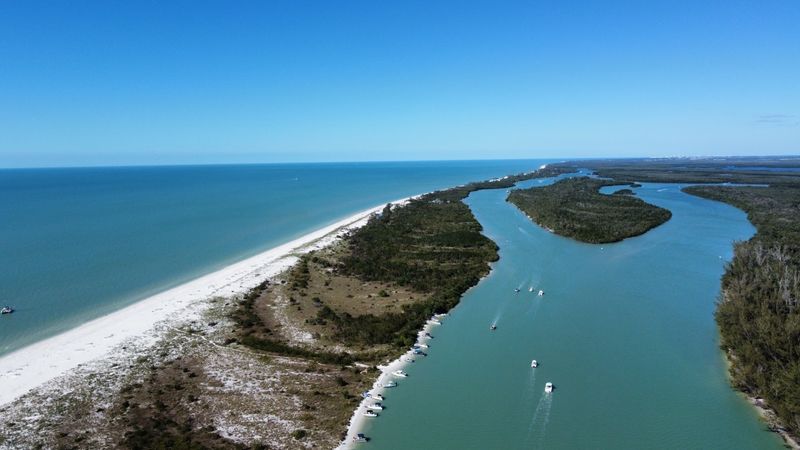
On a warm weekend afternoon, the waters just off Keewaydin’s Gulf side look like a floating neighborhood. Boats of every size anchor in the shallow turquoise water while their passengers wade ashore, coolers in hand, ready for a few hours of sun, sand, and serious relaxation.
It’s a beloved local tradition that’s been going on for generations among Naples and Marco Island boaters.
The vibe is wonderfully low-key. People set up folding chairs at the water’s edge, kids splash around in the gentle surf, and someone always seems to have a speaker playing something mellow in the background.
There are no lifeguards, no rules about where to sit, and no vendors trying to sell you overpriced frozen drinks. You bring what you want, you enjoy it, and you take it all back with you when you leave.
Picnics here take on a different quality when the setting is this beautiful. Even a simple sandwich tastes better with a dolphin surfacing thirty feet away.
Boaters who make Keewaydin a regular stop often say it’s the one place where they actually manage to unplug completely. With no cell signal to speak of and nothing to do but enjoy the scenery, that tends to happen naturally and quickly.
Protected by Conservation Efforts
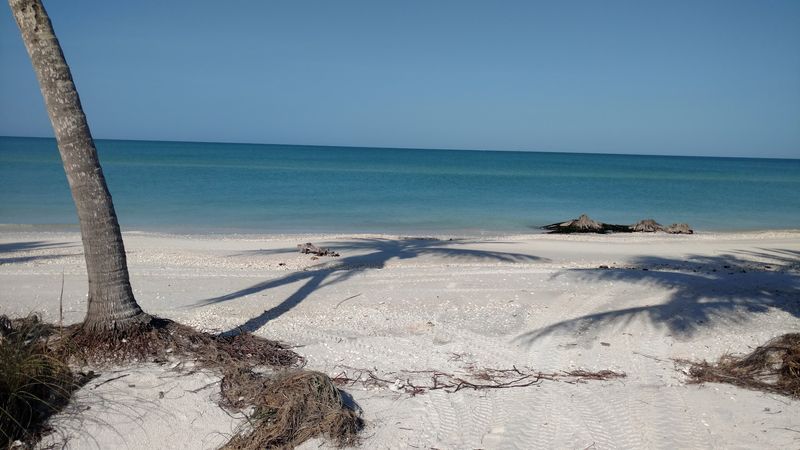
Keewaydin Island didn’t stay wild by accident. Active conservation work by multiple agencies and organizations plays a direct role in keeping the ecosystem healthy and the development pressures at bay.
The Florida Fish and Wildlife Conservation Commission monitors wildlife activity on the island year-round, with a particular focus on sea turtle nesting, shorebird colonies, and the condition of the dune system that protects the interior habitat.
Collier County also holds conservation easements on portions of the island, which legally limits what can be built or altered. These protections aren’t perfect — occasional erosion events and storm damage create ongoing challenges — but they represent a serious, sustained commitment to preserving what makes the island special.
Conservation funding has helped restore dune vegetation in areas where foot traffic or storms stripped the natural plant cover.
Visitors can support these efforts in small but meaningful ways. Staying out of marked nesting areas, packing out all trash, and avoiding the dune vegetation are simple habits that add up when thousands of people visit each year.
Some conservation groups also welcome volunteers during sea turtle nesting season, offering a hands-on way to connect with the island’s natural history. Protecting a place like Keewaydin is genuinely a community effort, and that shared responsibility is part of what makes it worth protecting.
Visitor Tips for a Remote Experience
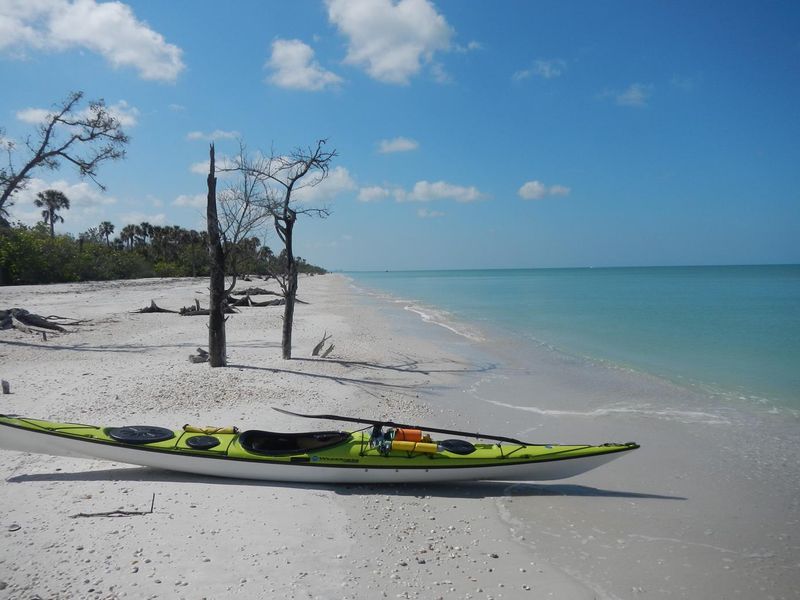
Heading to Keewaydin without a little planning can turn a dream day into a frustrating one. The island has absolutely zero amenities — no restrooms, no water fountains, no snack shacks, and no shade structures.
Everything you need for the day has to come with you on the boat, and everything you bring has to leave with you when you go. That means packing smart is non-negotiable.
Water is the top priority. Florida heat is no joke, especially on an open beach with no shade trees nearby.
A good rule of thumb is to bring more water than you think you need, then add another bottle. Sunscreen, a hat, and a light cover-up are equally important.
A small first aid kit is smart to tuck in the bag, and a dry bag or waterproof container keeps everything safe during the boat ride over.
Timing your visit around tides and weather is also worth the effort. Low tide reveals more beach and makes shelling easier, while incoming tides can quickly shrink the usable shoreline in some spots.
Check the marine forecast before you go, since afternoon thunderstorms are common in summer and can appear fast. Arriving early in the morning tends to reward visitors with calmer water, cooler temperatures, and a quieter beach before the weekend boat crowd arrives.