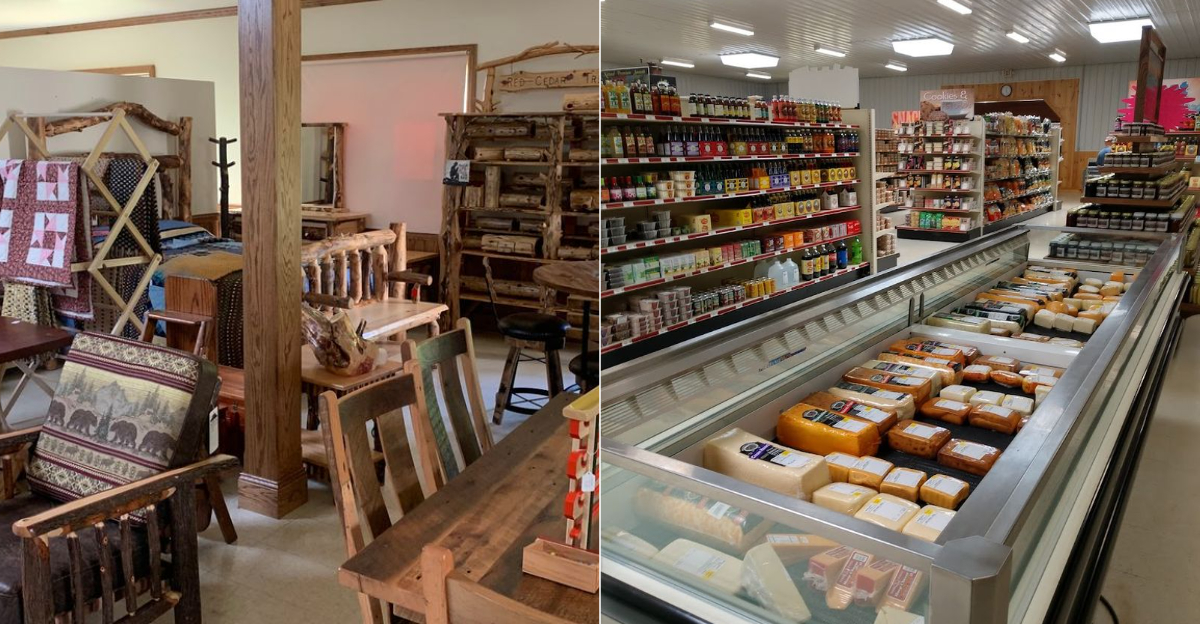
If the goal is to find a meal that combines freshness, tradition, and quality, the search often leads away from major fast-food chains and toward places with a stronger connection to handmade food.
Located at 527 Wenonah Ave, Pearisburg, VA 24134, Walker Valley Market is an authentic Amish market that has developed a strong reputation among food enthusiasts.
While its shelves are stocked with homemade cheeses, jams, baked goods, and other traditional products, the item that has earned the most attention is its selection of carefully prepared sandwiches.
The market reflects a combination of community trust and food craftsmanship, creating flavors that continue to attract both local customers and travelers passing through the region.
A market that feels different from the moment you walk in
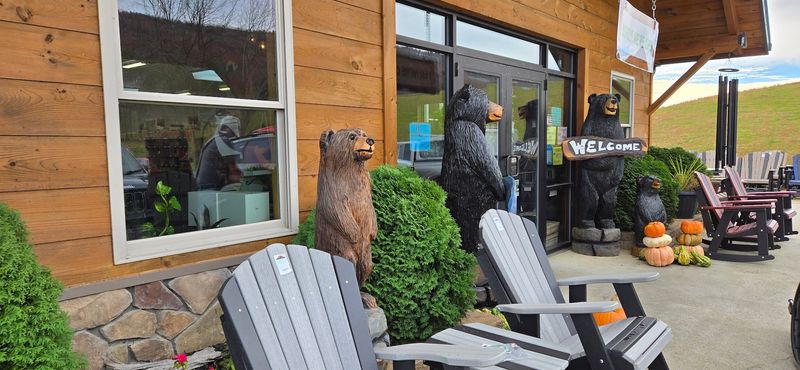
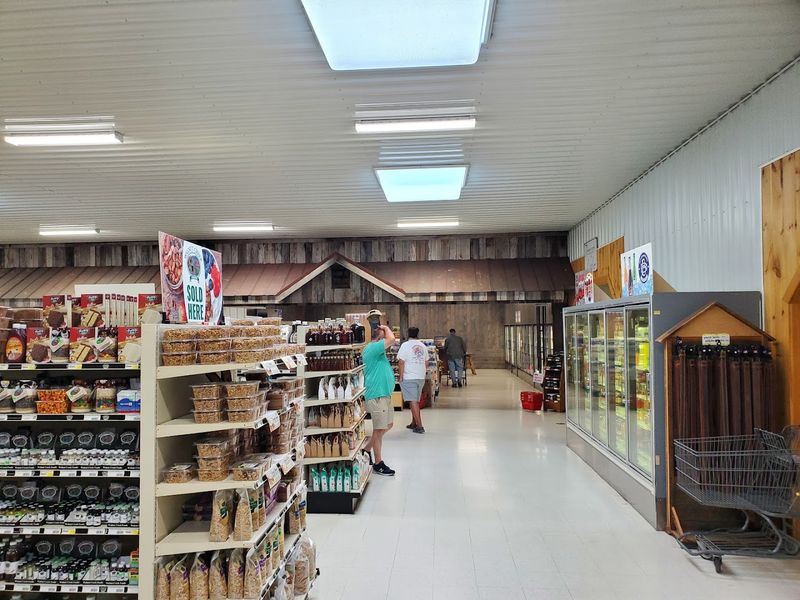
The first impression is one of order.
Shelves look carefully stocked, floors appear spotless, and the layout makes it easy to move from pantry staples to refrigerated cases without confusion.
That sense of tidiness shapes the visit before a single item is picked up.
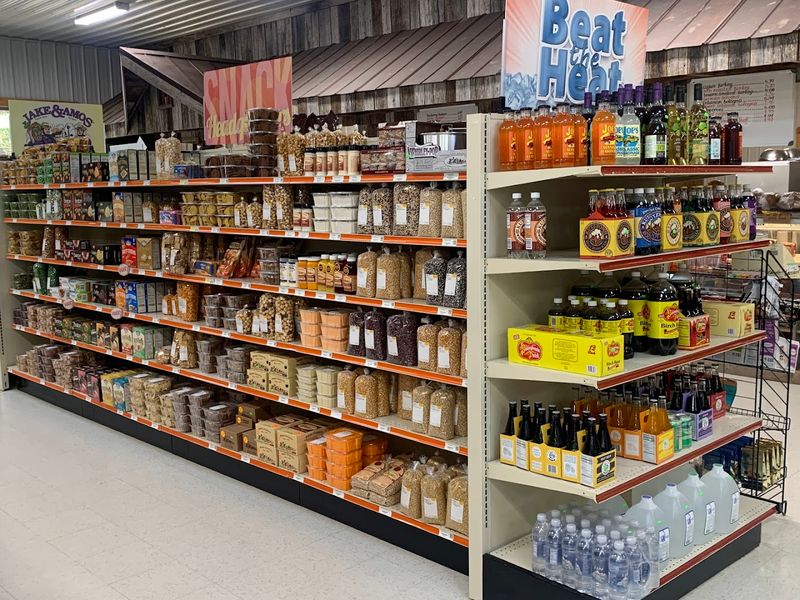
The shopping space also feels practical rather than decorative. Bulk foods, baking supplies, jars of preserves, cheeses, produce, and frozen goods sit beside handmade items and household staples.
Nothing seems arranged for spectacle alone, which gives the market a steady, working character.
Customers often notice how calm the room feels even when people are coming in for lunch.
Staff members keep things moving, answer questions, and point shoppers toward products without rushing them. The result is an atmosphere that feels useful, comfortable, and rooted in routine.
That difference matters in a region where many stops are quick and forgettable.
Here, the setting encourages browsing as much as buying. It feels like a place built around daily food habits, careful stocking, and the expectation that quality should show up in every aisle.
Why does the sandwich stand attract so much attention?
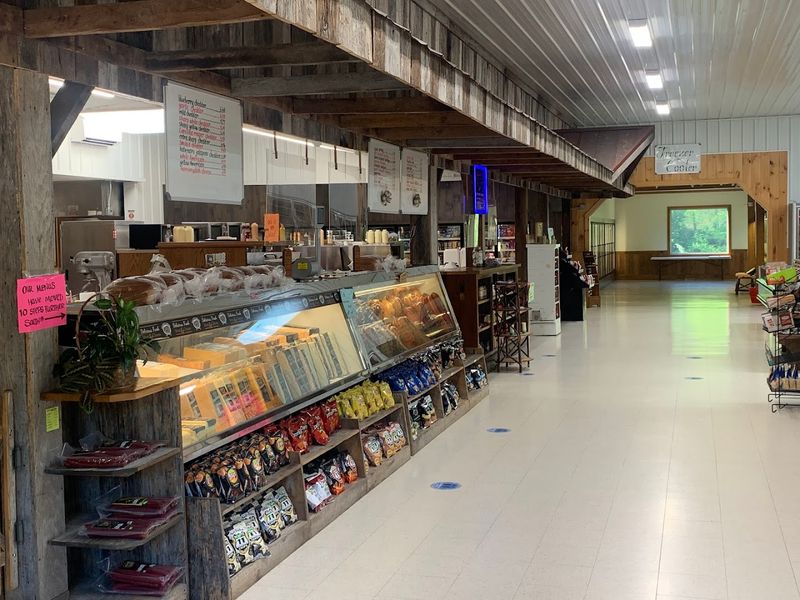
The sandwich counter draws attention because it combines simplicity with visible demand.
People come in for groceries and then stop at the lunch area after seeing others carry out large, made-to-order sandwiches.
The line itself becomes part of the recommendation.
Regulars seem to know what they want before they reach the counter.
New visitors often pause to study the menu, ask about popular choices, or watch trays of food come out to waiting tables.
That moment of observation usually makes the appeal clear.
Reviews frequently mention portion size, but size alone is not the full story.
Customers also talk about the way the sandwiches are assembled, the amount of meat inside, and the fact that they are prepared fresh rather than sitting under heat lamps.
That combination raises expectations quickly.
There is also something reassuring about a lunch service that feels organized without feeling impersonal. Orders are handled in a straightforward way, and food arrives with the appearance of being made for a specific person rather than for a crowd.
That helps explain the steady attention around the stand.
Fresh ingredients make the difference
A strong sandwich starts with ingredients that hold their texture and flavor, and that principle shows here. Bread, meats, cheeses, and vegetables taste selected rather than merely stocked.
Each part contributes something distinct instead of disappearing into a single salty bite.
The bread matters first because it gives the sandwich structure.
It appears sturdy enough to handle generous fillings, yet soft enough to stay pleasant through the last bite. That balance keeps the meal from feeling messy or overbuilt.
Meats and cheeses also carry more weight than usual in the final result.
Customers often mention hearty portions, but freshness is just as important as quantity.
A well sliced roast beef or corned beef sandwich feels satisfying because the ingredients remain recognizable and not overly processed.
Produce and condiments play a quieter role, though they still matter.
Crisp toppings bring contrast, and the overall assembly suggests attention rather than routine speed.
When every layer tastes deliberate, the sandwich feels complete in a way that many standard deli lunches do not manage.
Built the old-fashioned way
The preparation style appears guided by restraint.
Nothing about the food suggests unnecessary tricks, oversized branding, or ingredients chosen for novelty. Instead, the process seems built on reliable methods, careful assembly, and the idea that familiar foods should be made well.
That old-fashioned quality shows in how the sandwiches come together.
Layers are substantial but not chaotic, and fillings are arranged so each bite stays balanced.
The goal seems to be consistency, not dramatic presentation.
Traditional food preparation often depends on discipline more than secrecy.
A good sandwich does not need complicated sauces or a long list of toppings if the bread is good, the meat is sliced properly, and the components are handled with care.
This counter appears to work from that understanding.
There is also value in the pace such methods require.
Food made to order cannot be rushed beyond a certain point without losing quality.
That small delay becomes part of the appeal because it signals that lunch is being assembled with attention, not simply pulled from a prepared stack behind the counter.
More than just a quick lunch stop
Many food stops serve a single purpose, but this one encourages a longer visit.
Lunch may be the original plan, yet the market offers enough variety that people often browse before or after eating.
That changes the rhythm of the stop entirely.
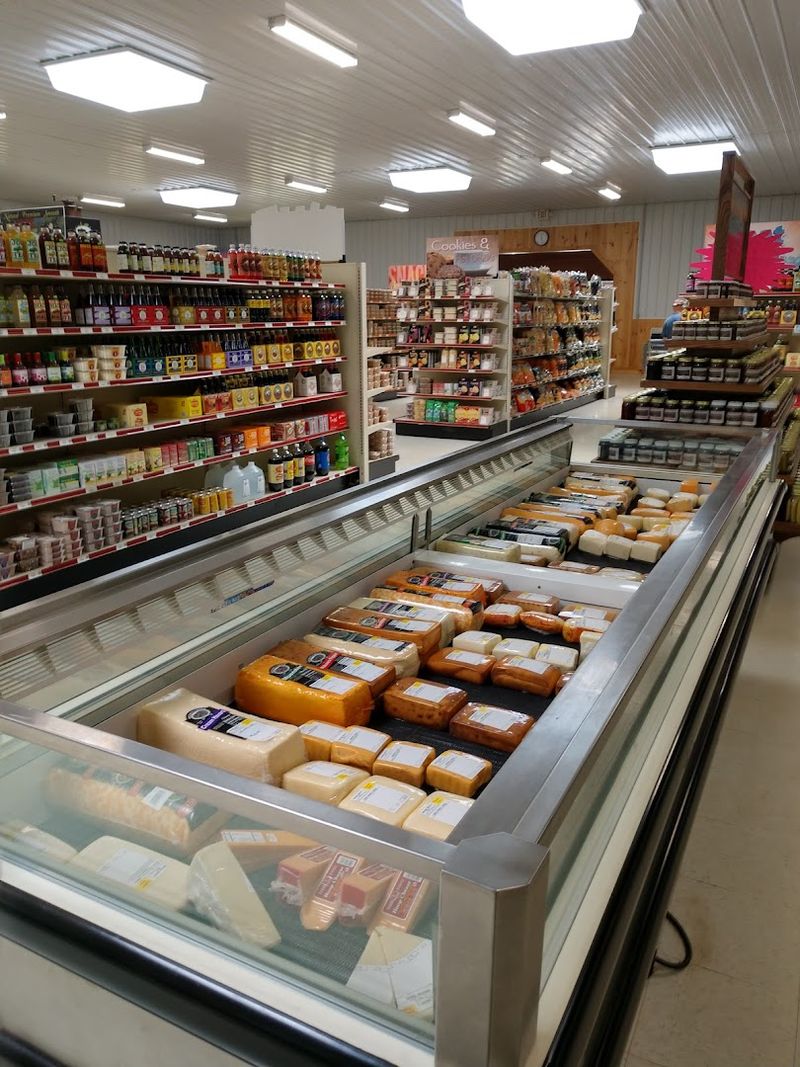
Shoppers can move from the deli to shelves of dry goods, baking ingredients, preserves, candy, produce, and refrigerated items without feeling they have entered separate businesses.
Seating inside and outside adds to that flexibility.
Some visitors treat the meal as a break during shopping, while others treat shopping as an extension of lunch.
The mix of goods also gives travelers a reason to pause.
Pantry staples that are harder to find elsewhere sit near practical household items and handcrafted products.
Even customers who arrive focused on sandwiches often leave with butter, flour, jam, spices, or frozen foods.
That broader experience helps explain why the place holds attention.
It does not function only as a deli and not only as a grocery.
Instead, it works as a destination where a meal, a supply run, and a quiet look around can all happen in the same visit.
A selection of Amish products worth exploring
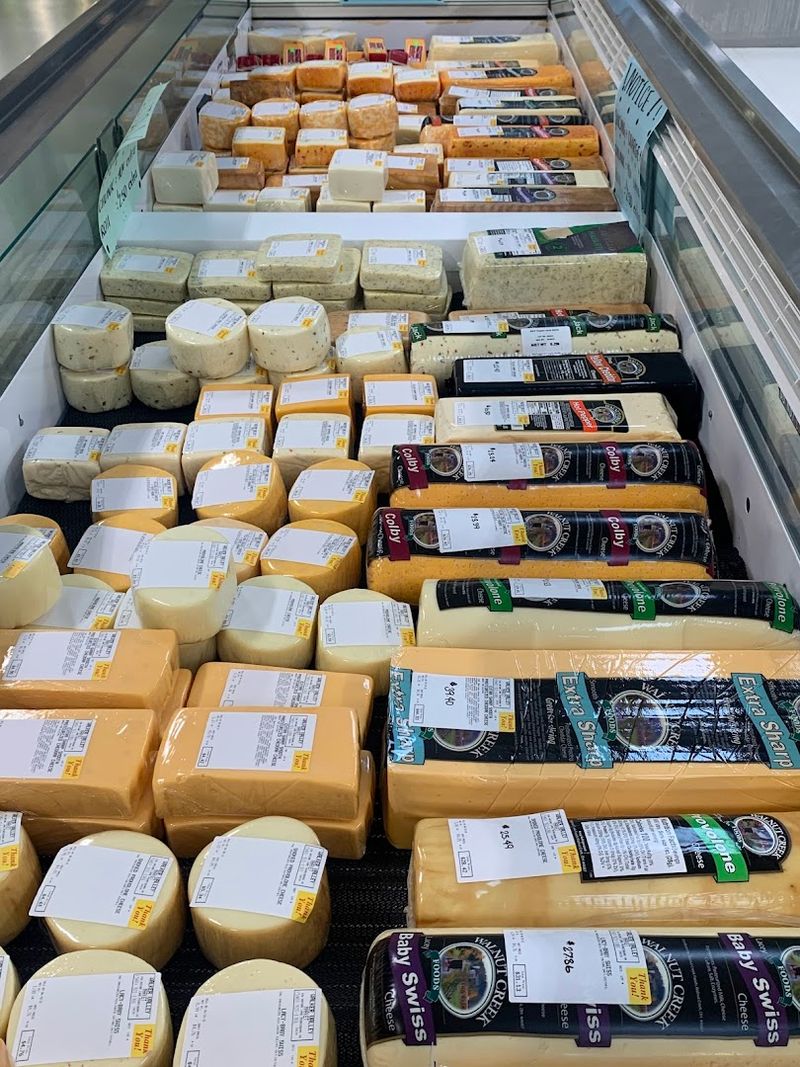
The shelves offer more than standard grocery basics.
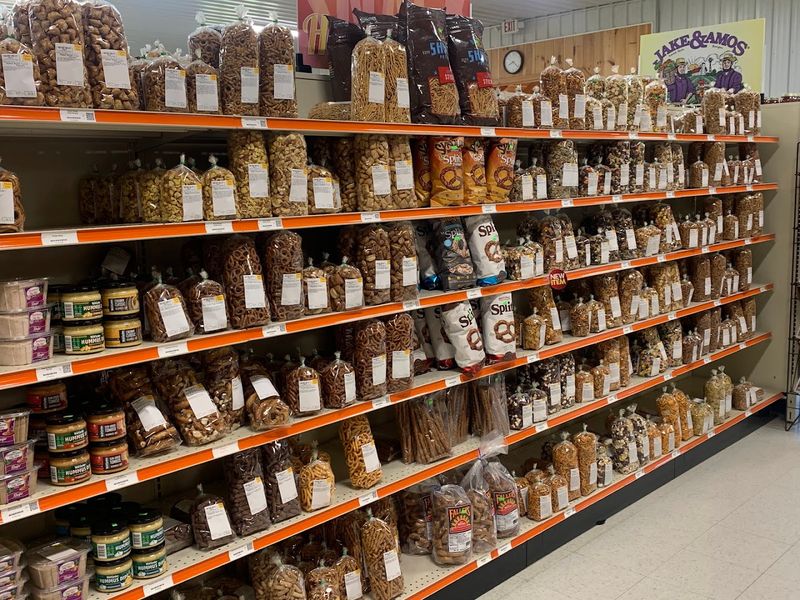
Jams, jellies, syrups, spices, baking goods, cheeses, butter, candies, and seasonal baked items give the market a strong identity beyond the deli counter.
These products invite browsing because many feel tied to everyday cooking rather than impulse buying.
For home bakers, the dry goods section is especially useful.
Customers mention flours, spices, and other ingredients that can be difficult to locate in ordinary supermarkets.
That makes the market practical for people who cook regularly and want dependable pantry stock.
Prepared foods and preserves also show the value of traditional storage methods.
Jarred goods, sweets, and specialty items suggest a food culture built around making, saving, and using ingredients carefully.
Even small purchases can feel connected to that larger habit.
The range of products helps round out the visit.
A person may come for a sandwich and leave with apple butter, cheese, peanut butter, or a bakery item for later.
That pattern says a lot about the market’s appeal. It rewards curiosity without feeling crowded or unfocused.
Why word of mouth keeps people coming back
The reputation here seems to have grown through repeated visits and direct recommendations.
Customers describe bringing friends, returning for certain items, or making a point to stop again when passing through the area.
That kind of praise usually reflects dependable experience more than novelty.
Several patterns appear in those recommendations.
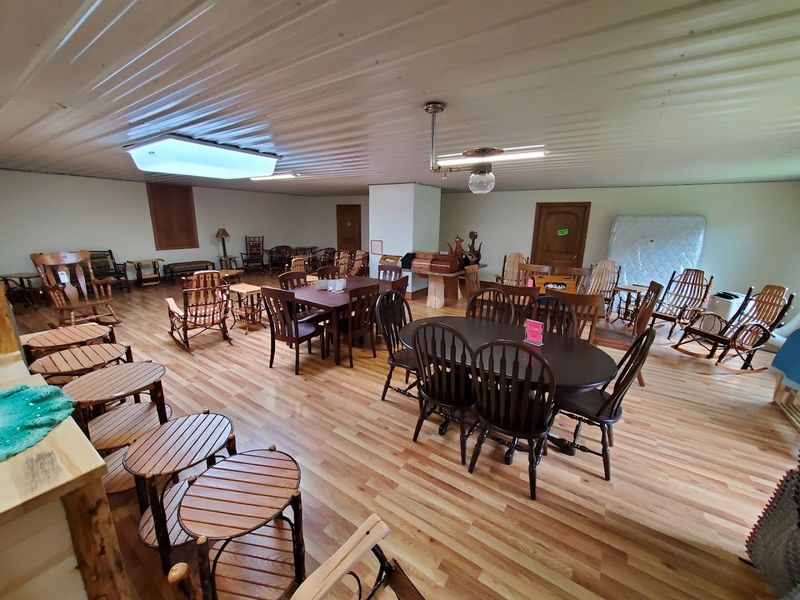
People mention friendly staff, unusual cleanliness, large sandwiches, hard-to-find grocery items, and the sense that the trip is worthwhile even when the market sits off the main path.
The details differ, but the conclusion is often the same.
Word of mouth matters most when expectations match reality.
A heavily discussed place can disappoint if the service feels careless or the food seems inconsistent.
Here, the positive reputation appears tied to steadiness, which is harder to build and easier to trust.
Repeat business also says something important about the lunch counter.
A large first sandwich may bring someone in once, but return visits usually depend on confidence in quality and service.
When people come back for groceries, baked goods, and another meal, the recommendation becomes stronger than any formal promotion.
The appeal of food made without shortcuts
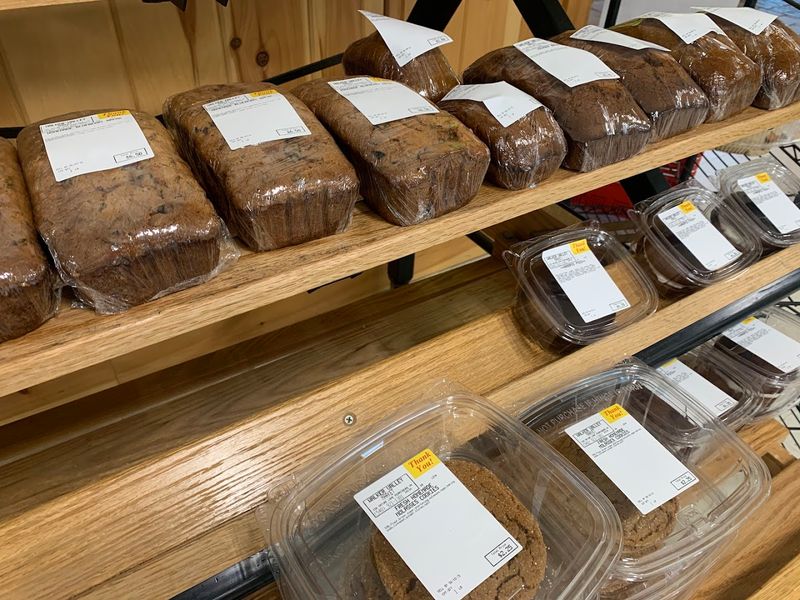
Food made without shortcuts often shows its value in small ways.
Portions feel intentional, textures stay distinct, and flavors are not flattened by overprocessing or excessive seasoning.
The sandwiches here fit that pattern, which helps them stand out in a crowded field of deli lunches.
Craftsmanship is not always dramatic.
Sometimes it means slicing meat properly, choosing bread that holds together, or assembling a sandwich so ingredients stay balanced from first bite to last.
Those decisions shape satisfaction more than flashy toppings ever could.
There is also a nutritional logic to simpler food.
Traditional ingredients, straightforward preparation, and less reliance on heavily engineered products can make a meal feel substantial without seeming artificial.
Customers often describe the sandwiches as hearty, which suggests food built to satisfy rather than merely impress.
That approach gives the lunch counter a clear identity.
The meal does not try to mimic chain restaurant trends or chase attention with gimmicks.
Instead, it offers the kind of sandwich people remember after the drive home because it tastes carefully made, filling, and grounded in habits that value patience over speed.
A sandwich worth driving through the region for
Some regional food stops become memorable because they offer a meal that feels tied to place.
The sandwiches here do that by combining rural market culture, careful preparation, and portions that feel substantial enough to justify a dedicated stop.
They are not simply convenient road food.
Travelers passing through the area often look for one meal that captures something local and dependable. A sandwich from this counter works because it reflects the larger market around it: practical ingredients, traditional habits, and a setting where food is treated as part of daily life rather than a performance.
That context gives the meal extra weight.
Sitting down with a made-to-order sandwich after browsing preserves, cheeses, spices, or baked goods creates a fuller experience than eating in a standard highway deli.
The lunch becomes part of the trip instead of a pause from it.
For that reason, the stop has earned a reputation beyond its immediate community.
People mention making the drive, planning a return, and telling others to go.
A sandwich becomes worth the miles when it offers both quality and a clear sense of where it came from.