The best-kept culinary secrets often rely less on aggressive publicity and more on word-of-mouth recommendations and the loyalty of returning guests.
That philosophy is central to the reputation of Cafe Toscano, located at 215 W Garfield Rd, Aurora, OH 44202, which has become a highly regarded yet understated destination for Italian cuisine.
Unlike large restaurant chains that emphasize scale and visibility, this establishment distinguishes itself through a smaller, more intimate setting and a strong commitment to consistency in the preparation of house-made pasta.
The atmosphere creates a clear departure from the pace of more crowded dining venues, turning an ordinary evening meal into a more personal experience.
What truly sets the restaurant apart, however, is the way its kitchen balances long-standing family techniques with subtle seasonal changes that keep the menu evolving throughout the year.
An environment that seems far removed from everyday life

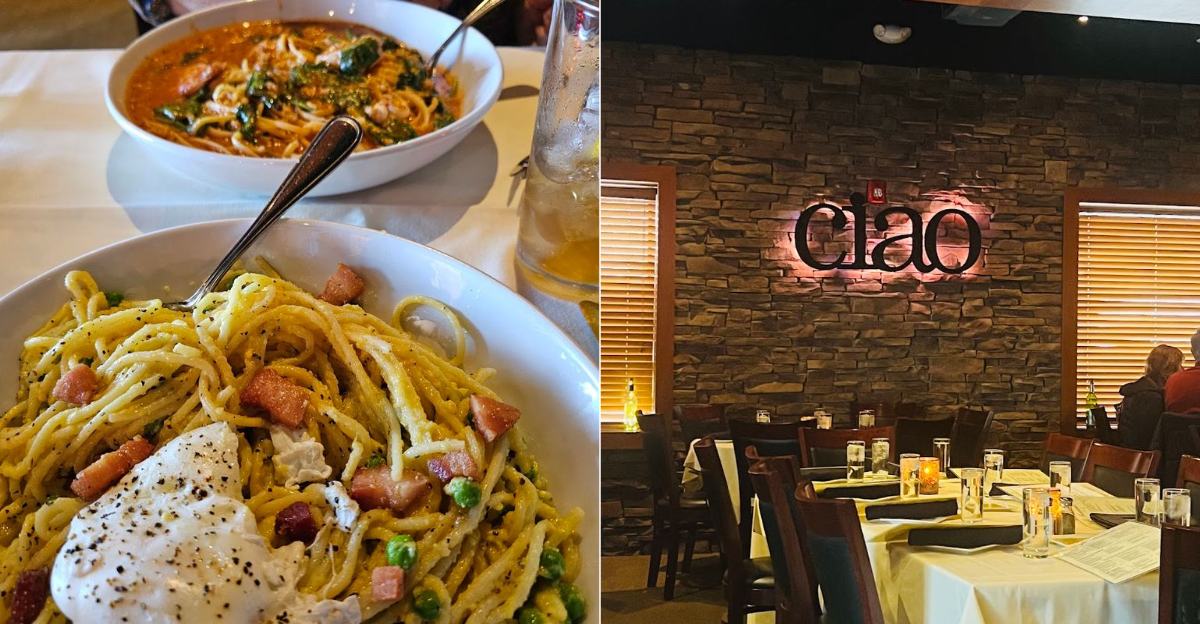
The dining room creates a different rhythm from the moment guests enter. It is compact, warmly lit, and arranged in a way that encourages conversation rather than distraction.
That smaller scale gives dinner a focused, settled feeling that many larger restaurants struggle to create.
Seating appears carefully managed, which helps the room feel orderly even on busy evenings.
Several reviews note that reservations are important, and that detail says a lot about how the space functions.
Instead of turning tables at a frantic pace, service seems built around a full evening meal.
The atmosphere is often described as cozy, though not in a casual diner sense.
It feels more like a neighborhood dining room with polished habits, where guests expect to stay a while and move through courses without being rushed.
The room can get lively, and at times a bit loud, but that energy comes from demand rather than disorder.
That balance makes the restaurant feel set apart from everyday routines.
Diners do not seem to come here for speed or spectacle.
They come for a contained, comfortable setting that makes dinner feel like a proper outing.
Italian influences with a personal touch
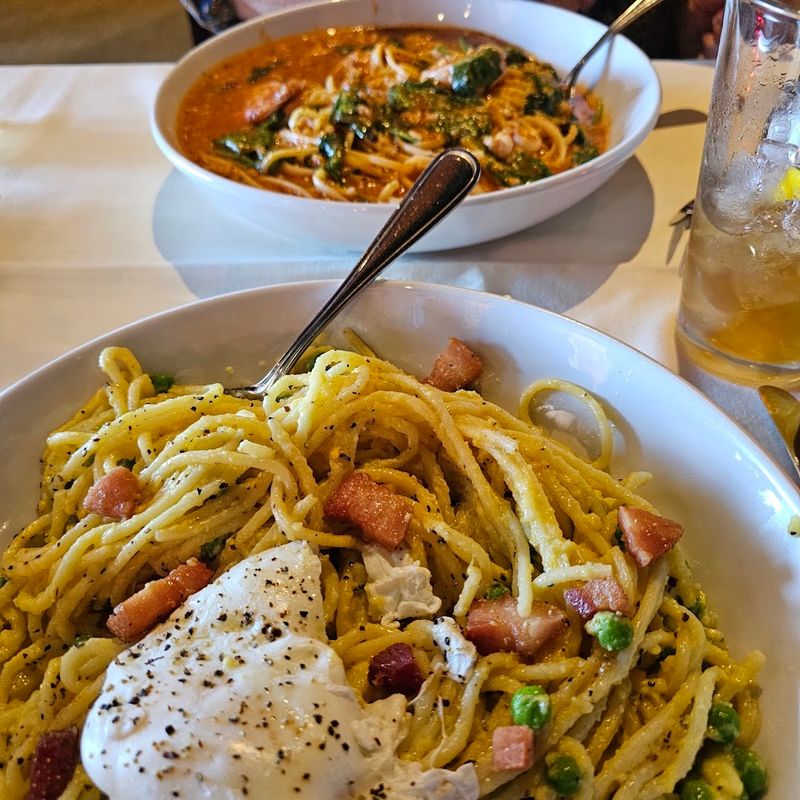
The cooking reflects Italian traditions, but it does not read like a generic checklist of familiar standards. Housemade pasta, traditional sauces, and old-school preparations suggest a kitchen that values foundation before flair.
That approach gives the menu a sense of identity without making it feel rigid.
Reviews repeatedly mention dishes that depend on technique rather than novelty.
Veal, osso buco, chicken parmesan, ravioli, and pasta with meat ragus all point to a kitchen comfortable with recognizable forms.
Guests seem to respond to the care in execution more than to any attempt at reinvention.
There is also a personal quality in how the food is framed.
The menu appears rooted in Italian dining habits, yet adapted to local expectations around portions, pacing, and comfort.
That makes the experience accessible to regular diners while still preserving a clear point of view.
Many restaurants borrow Italian language without committing to Italian structure or texture.
Here, the appeal seems tied to a steadier hand.
The food feels shaped by respect for tradition, but also by an understanding of what returning guests want from a dependable dinner out.
Why the menu rewards more attention
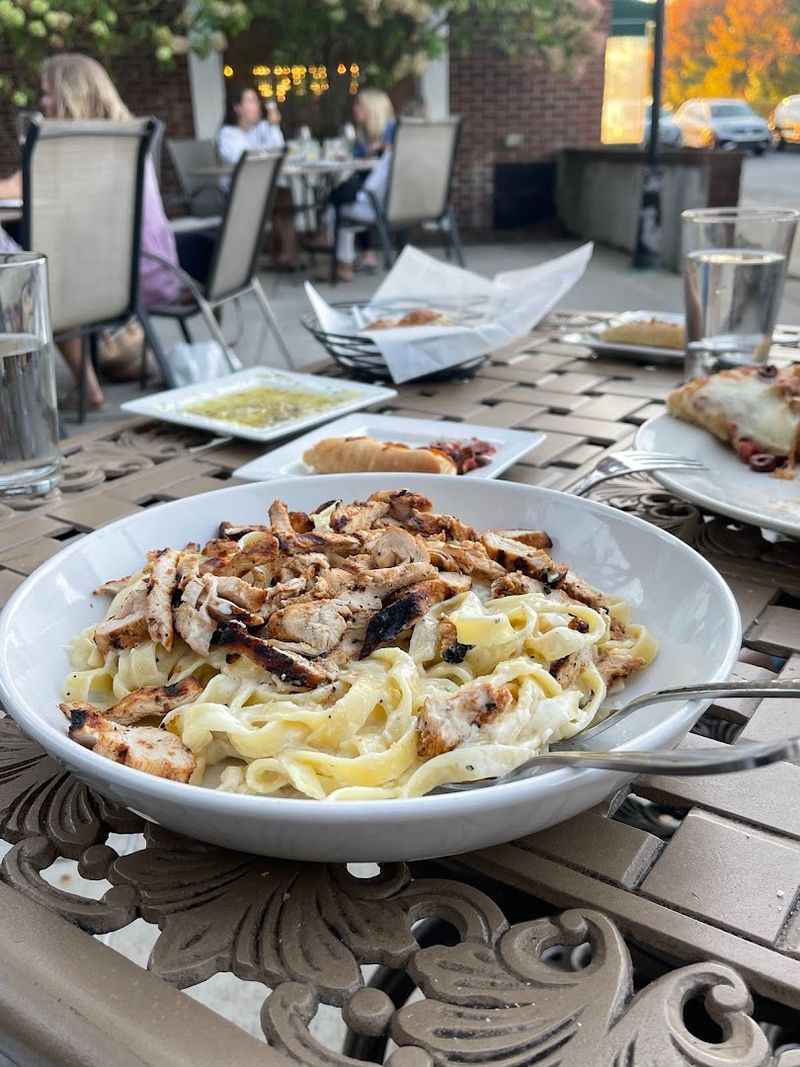
A quick glance at the menu might suggest a familiar Italian lineup, but closer attention shows more range. Guests mention seafood pasta, veal dishes, chicken preparations, ravioli, gnocchi, salmon, and appetizers that go beyond the usual starter list.
That variety gives diners reasons to return without repeating the same meal every visit.
The strongest sign of a thoughtful menu is how often different items earn specific praise.
One guest focuses on beef ragu, another on cavatelli and meatballs, another on lobster ravioli, and another on crab cakes or arancini.
When reviews spread approval across many sections of the menu, it usually reflects depth rather than one standout specialty.
Portion size also plays a role in the menu’s appeal.
Diners regularly mention leaving with leftovers, which suggests entrees are plated to satisfy rather than simply impress.
That matters in a restaurant where guests appear to settle in for a full dinner.
The menu seems designed for repeat exploration. It offers enough familiarity to feel comfortable and enough breadth to reward another visit.
That balance helps explain why returning customers keep working through different parts of it.
Ingredients that shape the experience
Ingredient quality appears to shape the restaurant’s reputation as much as atmosphere or service.
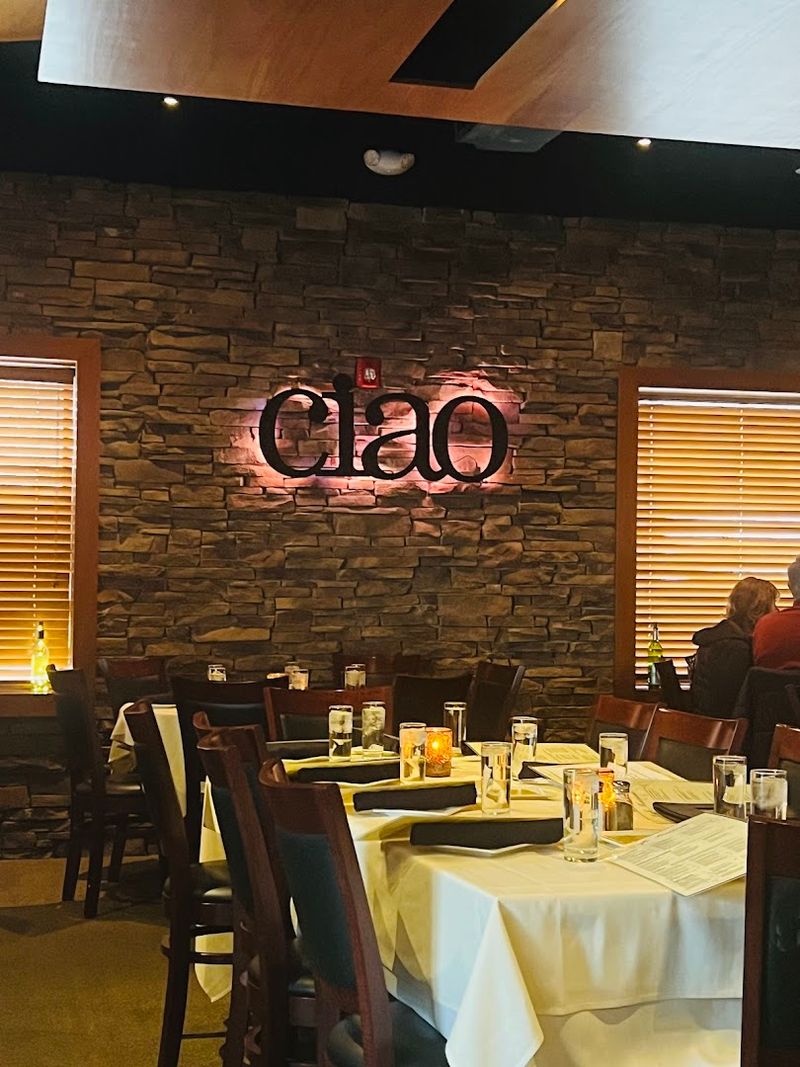
The restaurant is described as serving fresh pastas made on-site, and many reviews refer to food arriving hot, flavorful, and clearly prepared to order.
Those details matter because they point to process, not just presentation.
Several comments highlight sauces, bread service, and specific textures rather than broad praise alone. Guests notice tender meat, crisp elements where expected, and pasta dishes that hold attention beyond the first bite.
Even the opening bread and oil service is remembered often, which suggests care begins before the main course arrives.
Freshness also shows through menu choices that depend on balance.
Seafood ravioli, crab cakes, and artichoke-based pasta dishes can fall flat when ingredients are average. The fact that those items receive positive mention indicates a kitchen that pays attention to sourcing and timing.
The overall impression is one of deliberate detail. Ingredients are not treated as background support for heavy sauces or oversized portions.
They seem central to the experience, giving the food clarity and structure that diners remember when comparing it with other Italian restaurants nearby.
A restaurant built on consistency
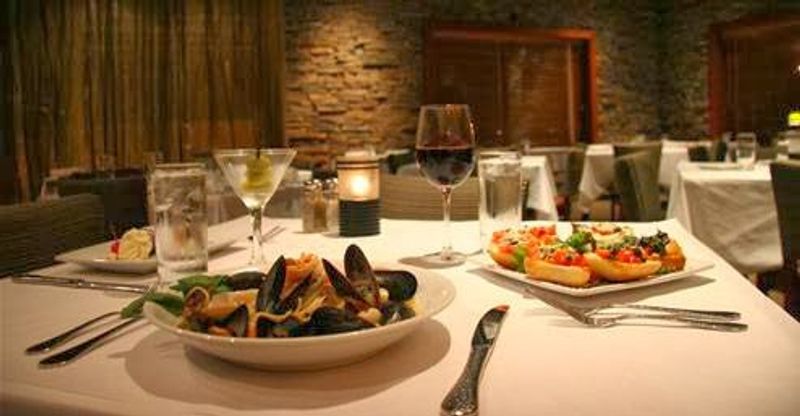
Consistency is one of the clearest themes in guest feedback.
Many diners mention multiple visits over months or even years, and they describe those visits in nearly identical terms.
That kind of repetition is usually the strongest evidence that a restaurant knows what it does well.
Customers talk about being pleased each time, never feeling disappointed, and adding the restaurant to a regular rotation.
Those comments are more meaningful than one-time enthusiasm because they reflect memory over comparison.
A place can impress once through novelty, but steady praise over time points to reliable standards.
The reservation pattern supports that idea as well.
A small dining room that continues to draw repeat business usually depends on predictable execution. Guests appear willing to plan ahead because they expect the same atmosphere, similar level of service, and dependable quality from the kitchen.
Not every review is perfect, and that is true for almost any restaurant with a long public record.
Still, the dominant story is one of repeat trust.
The restaurant seems to have built its standing through stable habits rather than trend-driven attention or short bursts of popularity.
Hospitality that feels genuine
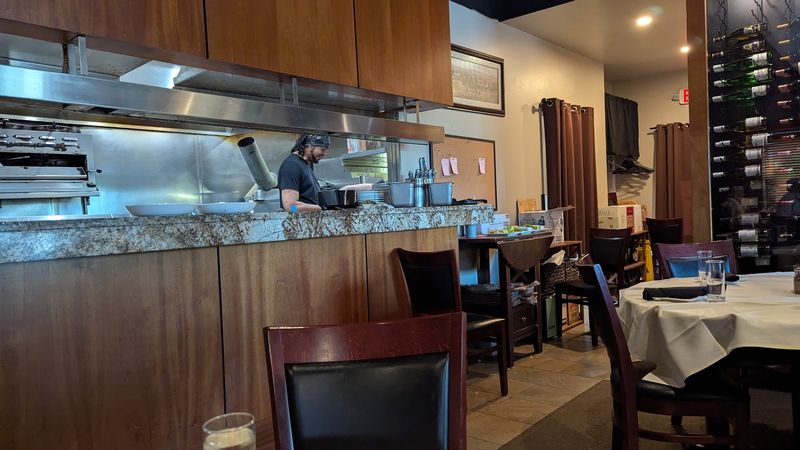
Service appears to be one of the restaurant’s defining strengths.
Many reviews describe servers as attentive, knowledgeable, and friendly without becoming intrusive.
That balance is important in a smaller dining room, where poor service would be harder to overlook.
Guests mention staff who offer wine guidance, bring samples for pairing, manage a busy room with composure, and keep the evening moving at a comfortable pace.
Others praise individual servers by name, which usually means the interaction felt memorable rather than routine.
Even when the room is lively, the service seems designed to preserve order.
There is also a practical side to the hospitality.
Staff members appear used to handling reservations, wait times, and seating in a limited space, all of which can shape a guest’s opinion before food arrives.
Most reviewers describe that process as smooth and professional.
One critical review shows that service experiences are not universally perfect.
Still, the larger pattern points toward hospitality that feels engaged and direct.
Guests often leave discussing not just what they ate, but how they were treated while they were there.
More than a destination for special occasions

The restaurant carries traits often associated with occasion dining, but it does not seem limited to anniversaries or formal evenings.
Reviews describe spur-of-the-moment dinners, routine visits every month or two, and repeat stops from people who live nearby or return when family is in town.
That pattern gives the place a broader role than a once-a-year destination.
Price also helps explain that neighborhood function.
With a moderate cost level and portions that many guests describe as generous, dinner appears substantial without feeling inaccessible.
Diners can justify returning for a regular night out, not only for a milestone meal.
The setting supports that flexibility.
It is polished enough to feel special, yet familiar enough that guests are comfortable sitting at the bar, booking a casual table, or making it part of their normal dining rotation.
That combination is not easy to achieve.
As a result, the restaurant serves two purposes at once.
It can anchor an evening that feels planned and elevated, while still remaining practical for frequent visits. That dual identity helps explain its durable place in the local dining landscape.
Why guests keep asking for it
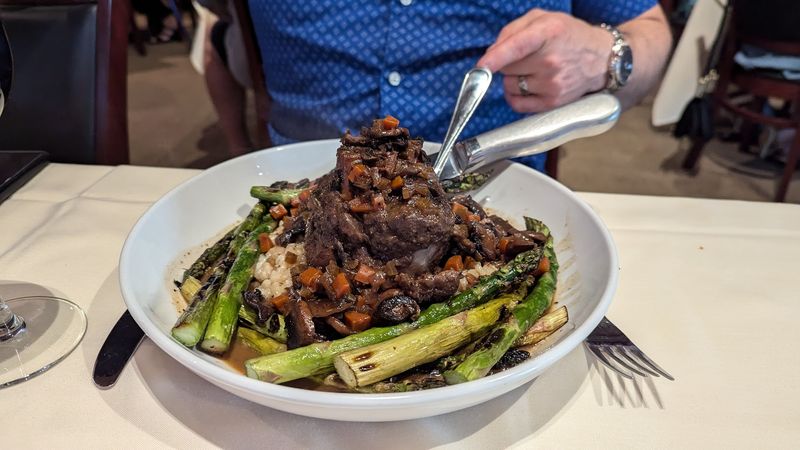
The strongest explanation for the restaurant’s enduring popularity is simple. It combines several qualities that diners usually have to piece together from different places.
Guests describe strong food, a comfortable room, attentive service, and a sense that the evening is handled with care from start to finish.
No single factor seems to carry the experience alone.
The bread service gets noticed, but so do the entrees.
The room feels warm, but it is the consistency of the kitchen and staff that turns a pleasant first visit into a pattern of return reservations.
There is also a practical confidence in how the restaurant operates.
It knows its size, its pace, and the expectations of its audience.
Instead of stretching toward trends or trying to be all things to all diners, it appears to focus on maintaining a clear standard.
That is why people keep recommending it to friends, revisiting favorite dishes, and planning future meals before the current one is finished.
The appeal comes from the full combination of details, each reinforcing the others.
Over time, that kind of reliability becomes difficult for diners to forget.