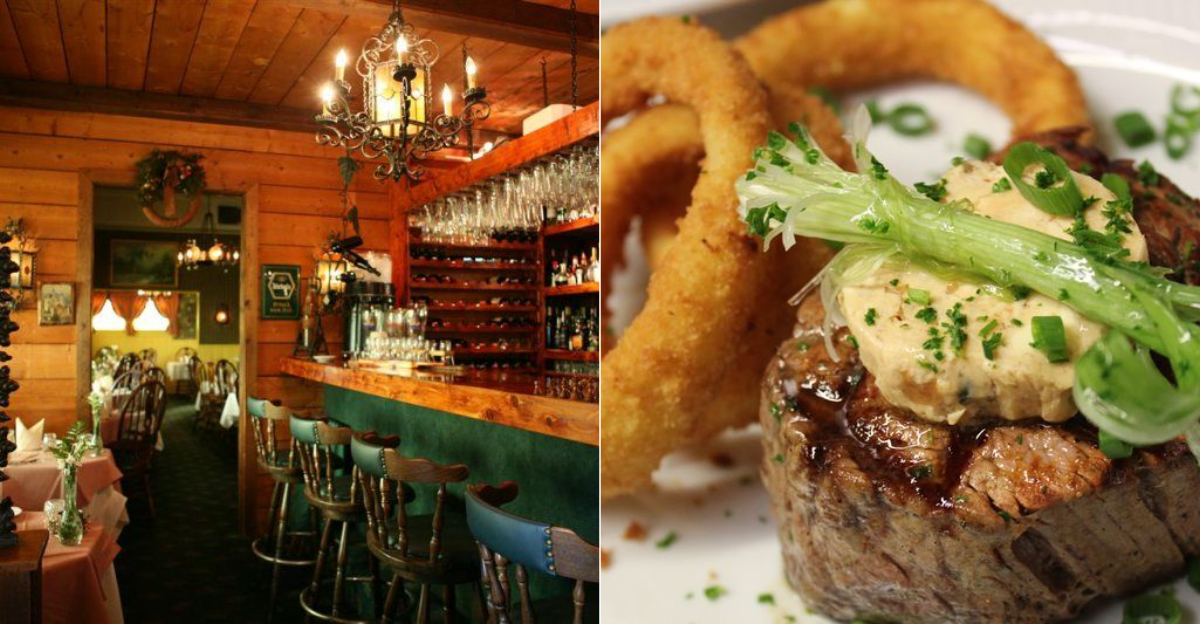
Sometimes the best part of a dining adventure is the journey itself and the unexpected feeling of stepping into a completely different world.
Tucked among the quiet rural landscapes of Virginia at 5102 S Seminole Trail, Madison, VA 22727, The Bavarian Chef has spent decades building a reputation that has outlasted changing trends and dining fashions.
While the surrounding countryside reflects a familiar Virginia setting, the experience inside centers on authentic Bavarian flavors, attentive hospitality, and a menu rooted in long-established family recipes. Dining here is more than a routine meal.
The destination has become known for offering a cultural and culinary experience that rewards the drive, making the journey part of the appeal.
Its enduring popularity reflects a commitment to tradition that continues to attract diners seeking a taste of Germany in the heart of rural Virginia.
A restaurant that seems to have been transported from Germany

From the outside, the building stands apart from the usual roadside restaurant.
Its chalet-like form, steep rooflines, and traditional styling create a visual break with the surrounding Virginia landscape.
That first impression matters because it prepares diners for a meal shaped by heritage rather than trend.
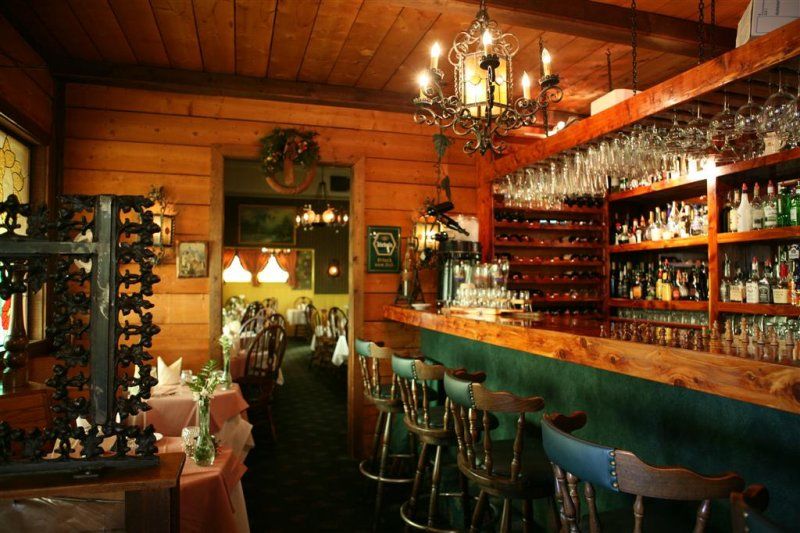
Inside, the rooms continue that theme with wood details, decorative accents, and a layout that feels more like a long-established guesthouse than a modern dining chain.
Reviewers often describe the setting as cozy, old fashioned, and distinctly European.
The dining areas are not sleek or minimal, and that is part of the appeal.
Tables, wall decor, and the overall arrangement suggest a place that values continuity.
Servers in traditional attire add another layer to the experience without turning it into a performance.
The result is an atmosphere that supports the food instead of distracting from it, giving guests a clear sense that the restaurant takes cultural setting seriously as part of the meal.
Traditional recipes that remain the centerpiece of the menu
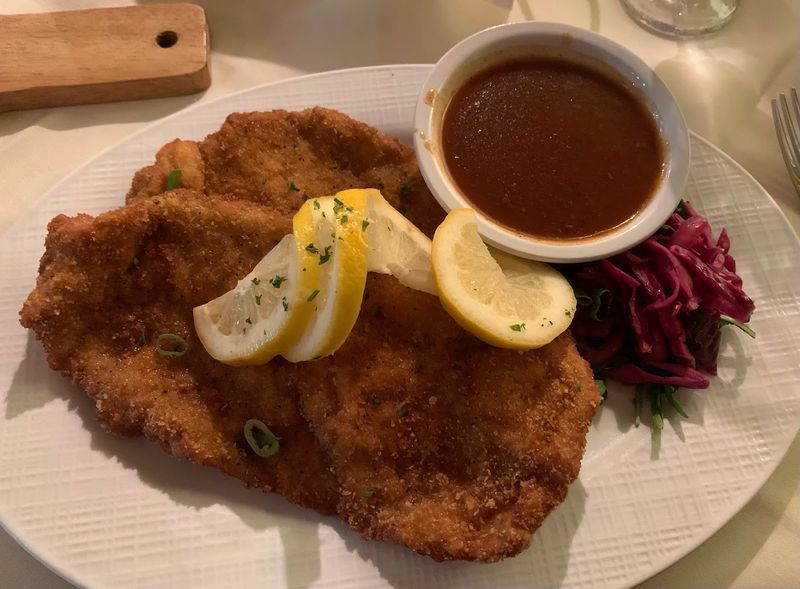
The menu centers on recognizable German standards rather than loosely inspired dishes.
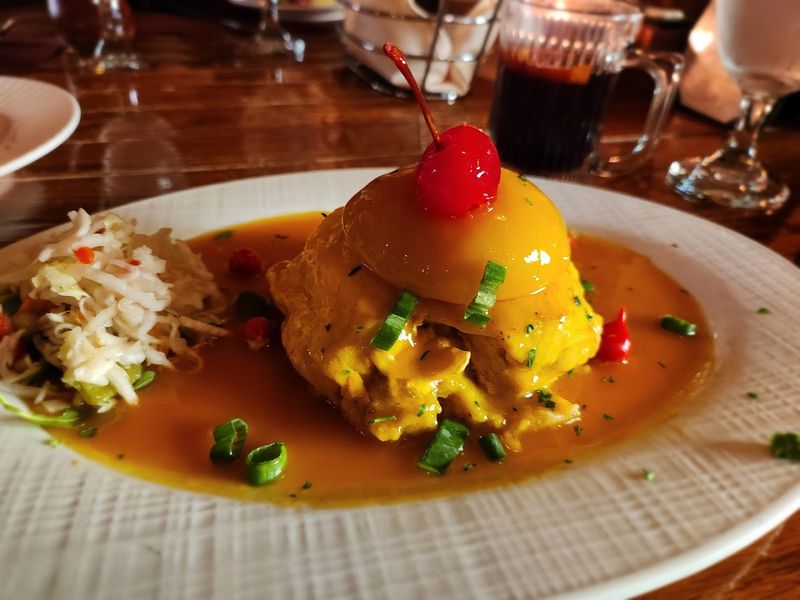
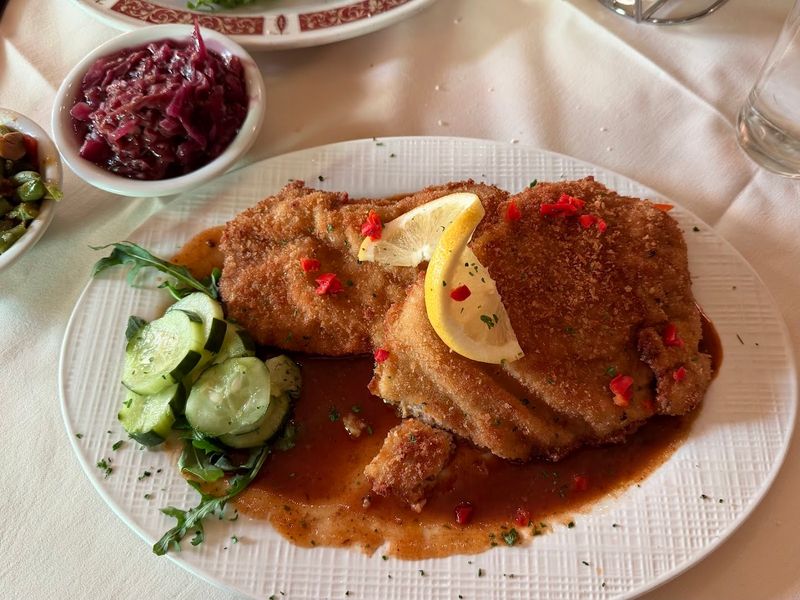
Schnitzels, sausages, dumplings, cabbage, spaetzle, and hearty soups appear as staples, and the preparation stays close to established forms.
Diners expecting a broad American menu with a few imported names usually notice quickly that tradition leads here.
That commitment shows in the structure of the meals as much as in the ingredients.
Entrees are paired with sides that reflect customary combinations instead of decorative add-ons.
Red cabbage, German potato salad, dumplings, and gravies are treated as essential parts of the plate.
Several reviews mention flavors and textures that recall meals found in German dining rooms, even when opinions differ on seasoning or value.
What remains consistent is the restaurant’s refusal to dilute its identity for convenience.
At a time when many restaurants borrow only lightly from European culinary traditions, this kitchen keeps older recipes at the center of the menu.
Guests get a direct introduction to a food culture built on technique, balance, and long-established expectations rather than passing trends.
Here’s why generous portions are important
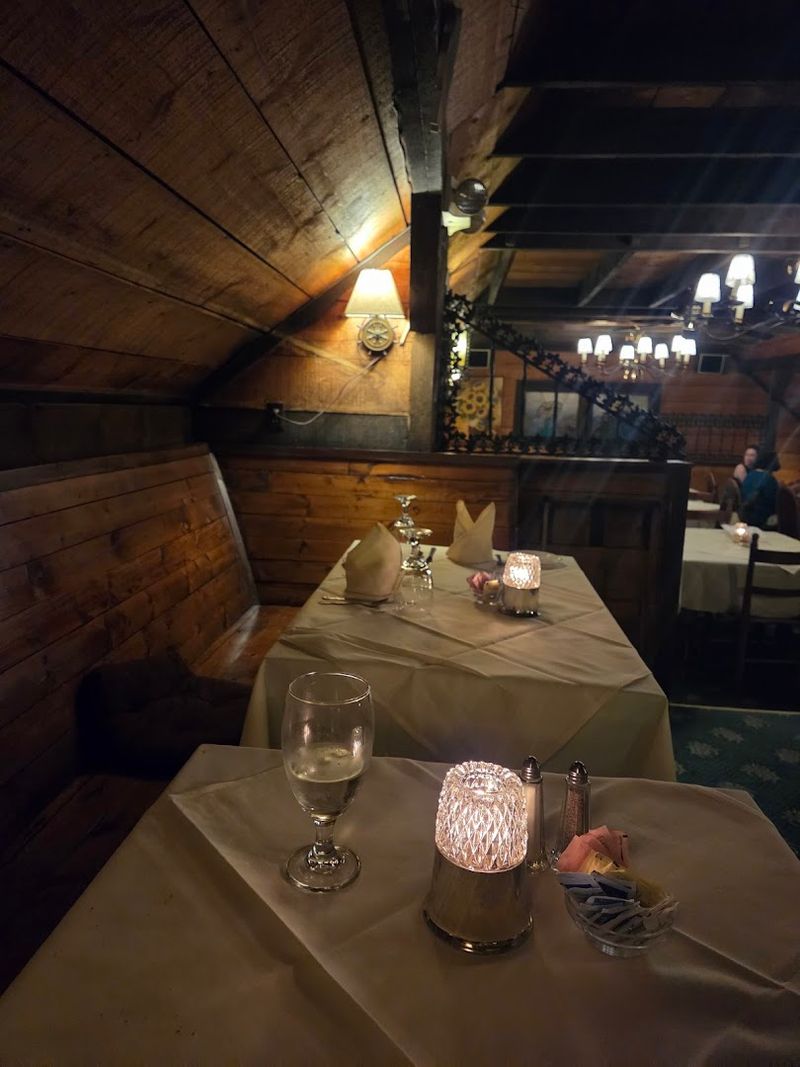
Portion size is one of the first details people mention after dining here.
Plates arrive with enough food to make an immediate impression, and many guests leave with containers for the next day.
That scale is not only about abundance. It reflects a dining tradition built around substantial meals meant to satisfy fully.
In German food culture, richness and quantity often work together.
Breaded cutlets, sausages, gravies, dumplings, and vegetable sides are designed to feel complete and sustaining.
A generous plate supports the idea that dinner should be leisurely and filling rather than quickly consumed.
Reviews regularly note that guests underestimate how much food they are ordering.
Some mention that soups are large enough to share, while others say a single entree can feed more than one person.
That pattern helps explain part of the restaurant’s reputation.
Diners do not leave with a sense of carefully limited portions or decorative restraint.
Instead, they experience a meal that honors the old expectation that hospitality includes making sure nobody leaves the table hungry.
The menu is built around regional specialties
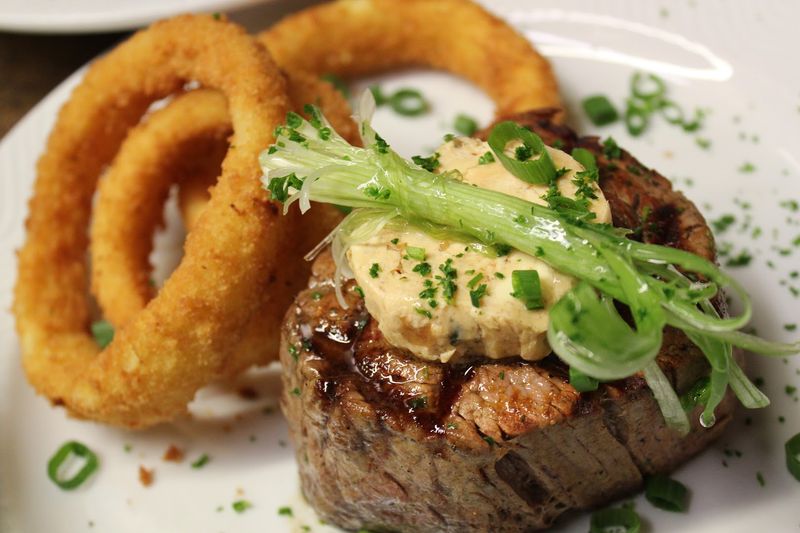
The menu does not present German cuisine as a single, flat category. Instead, it offers a range of dishes that point to different regional habits and preferences.
Sausage platters, jagerschnitzel, pretzels with cheese and mustard, goulash soup, and potato preparations each suggest distinct culinary lineages within the broader tradition.
This variety matters because it gives diners more than one entry point into the cuisine.
Some plates lean toward rich sauces and breaded meats, while others emphasize smoked flavors, baked items, or soup-based comfort.
Side dishes also expand the picture.
Dumplings, spaetzle, cabbage, and salads create a broader frame for the meal.
The approach keeps the experience from becoming repetitive, especially for returning guests.
Nightly or seasonal specials, mentioned by diners, add another layer and suggest that the kitchen is not limited to a fixed handful of familiar dishes.
Even guests who come for a classic favorite can see how the menu reflects a wider map of German foodways, showing that regional character remains important to the restaurant’s identity and to its appeal.
More than a place to eat
The experience extends beyond the plate because hospitality is treated as part of the restaurant’s identity. Reviews frequently mention attentive servers, helpful explanations, and a dining room that feels welcoming to couples, families, and larger groups.
That consistency in service shapes how guests remember the visit.
Traditional clothing worn by staff contributes to the setting, but the stronger impression comes from pace and manner.
Meals are presented as occasions rather than transactions.
Guests celebrating birthdays, anniversaries, or long-awaited visits often describe feeling comfortable instead of pressured or rushed.
Even practical details reinforce that sense of care.
Staff members are noted for answering questions about ingredients, handling allergy concerns, and maintaining smooth service during busy reservations.
Those actions matter in a restaurant where many diners travel a considerable distance and expect the evening to justify the drive.
The result is a place that offers a cultural experience grounded in ordinary professionalism.
It gives diners a combination of food, service, and setting that feels more complete than a simple stop for dinner, which helps explain the depth of its loyal following.
The importance of consistency
A restaurant does not earn decades of return visits by relying on novelty alone.
Its reputation depends on delivering a familiar standard often enough that people plan around it, recommend it, and reserve ahead.
That pattern is visible here in the number of diners who describe coming back over many years.
Many reviews mention long gaps between visits followed by a return that still feels recognizable.
Others note that reservations are often necessary, which suggests demand built on trust rather than impulse.
Even when individual opinions vary on specific dishes, the larger story remains steady. Guests know what kind of place they are entering and what sort of meal they are likely to receive.
Consistency also matters in the atmosphere.
The decor, service style, and menu identity appear to have remained coherent over time, giving the restaurant a sense of permanence.
In rural dining, that reliability carries special weight because the trip requires intention.
People do not arrive by accident.
They come because the restaurant has maintained a clear standard long enough to become part of family routines, regional memory, and shared recommendation lists.
Dinner in rural Virginia
The rural setting changes the rhythm of the meal before anyone reaches the table.
Getting there usually involves a deliberate drive through open stretches of countryside rather than a quick turn from a busy commercial district.
That approach creates a sense of arrival that suburban restaurants rarely offer.
Once dinner begins, the contrast between the Virginia landscape outside and the German interior inside becomes part of the appeal.
Guests are not choosing between location and cuisine.
They are experiencing how the two interact.
The quiet surroundings make the dining room feel more self-contained, almost insulated from the pace of larger towns.
This setting also helps explain why the restaurant is often described as worth the drive. A meal there can function as an outing, not just a reservation.
Visitors may come from nearby communities, pass through on regional trips, or plan a special stop around an afternoon in the area.
Because the building sits in countryside rather than a dense restaurant corridor, the evening feels distinct from ordinary dining routines.
Why travelers keep looking for it

Word of mouth appears to be one of the strongest forces behind the restaurant’s enduring draw.
Many guests describe years of driving past, hearing about it from others, or finally making the trip after repeated recommendations.
That kind of delayed visit usually happens only when a place develops regional recognition beyond its immediate community.
The restaurant also benefits from being memorable in several ways at once.
People recall the drive, the house-like setting, the oversized portions, and the highly specific menu.
details make it easy to describe to friends.
A traveler does not need a complicated explanation.
It is the German restaurant in the countryside that people keep mentioning.
Reviews show that visitors often come for birthdays, weekend outings, or stops during travel through central Virginia.
Some return after a first visit because the experience stands apart from more interchangeable dining options.
Others arrive with expectations created by local lore and online praise.
Not every review is uncritical, but the overall pattern is clear.
The restaurant remains visible because people continue to talk about it, seek it out, and treat it as a destination rather than an incidental meal.