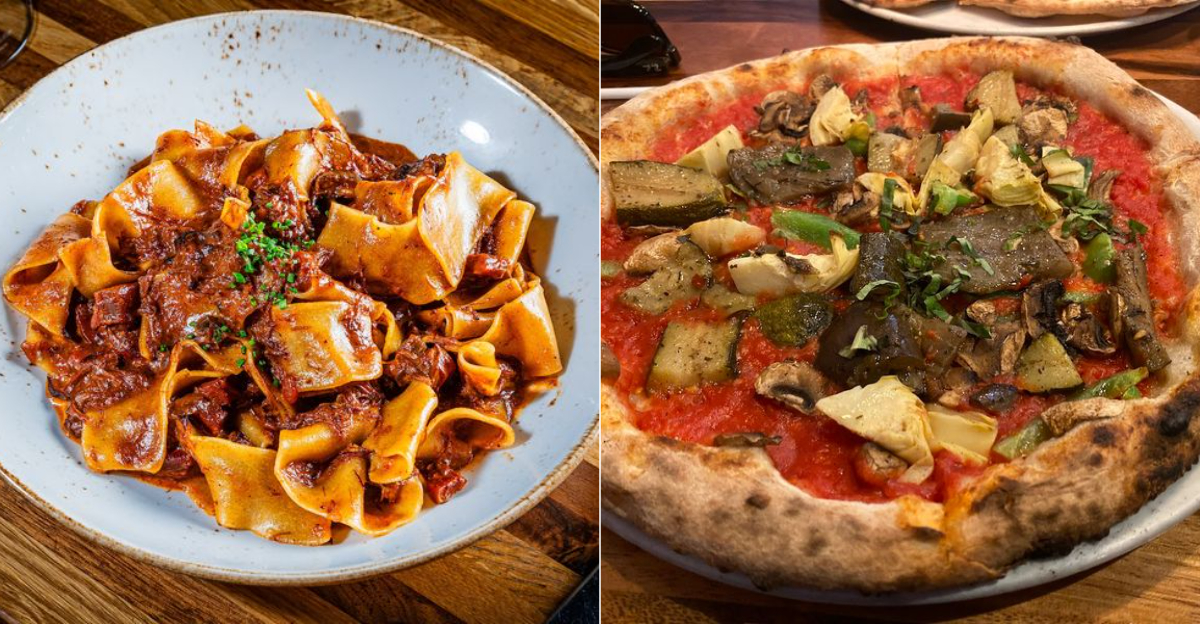
Some restaurants simply serve a meal, while others have the rare ability to transport diners thousands of miles away with a single bite, evoking the sunlit coasts of the Mediterranean or the hidden streets of Tuscany.
Although Virginia may not seem like an obvious starting point for a European culinary journey, its dining scene is home to remarkable establishments where Italian tradition remains at the center of the experience.
The focus extends far beyond serving pasta and familiar classics.
These restaurants reflect a deep respect for regional recipes, family heritage, and dining customs that treat a meal as something more meaningful than everyday routine.
The following selection highlights places where food and atmosphere work together to blur geographic boundaries and bring an authentic sense of Italy to the table.
Aldo’s Ristorante – Virginia Beach
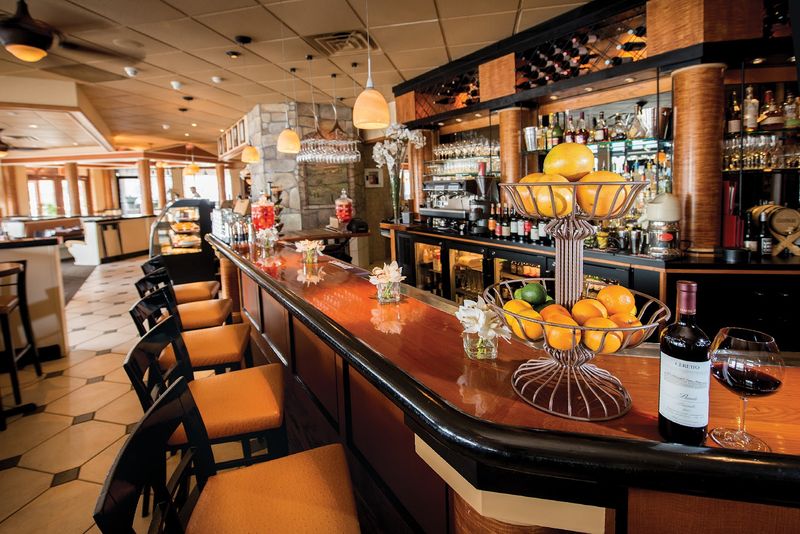
A polished dining room, careful service, and a menu shaped by the sea give this place a distinctly coastal Italian identity.
The experience feels rooted in the parts of Italy where seafood defines the rhythm of cooking, and where restraint matters as much as luxury.
Fish, shellfish, olive oil, herbs, and house made preparations are handled with a level of precision that keeps the meal grounded rather than theatrical.
That balance between elegance and tradition is what makes the setting convincing.
Formal touches appear in the table settings and pacing, yet the cooking avoids stiffness by relying on clear flavors and established methods.
Sauces stay measured, seafood remains the focus, and each course suggests familiarity with regional habits instead of generic fine dining.
The room also contributes to that sense of place.
It feels composed, but not distant, the way many long respected Italian restaurants do when hospitality is treated as a discipline.
Nothing seems rushed, and that steady confidence gives the meal its strongest connection to Italy.
Osteria Marzano – Alexandria
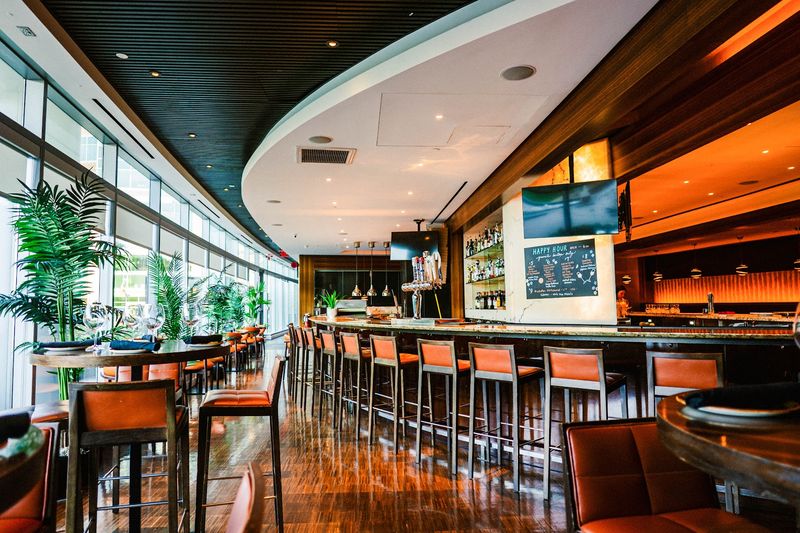
Modern presentation can sometimes distance a restaurant from tradition, but here it works in the opposite way.
Seasonal ingredients and contemporary plating are used to sharpen familiar ideas, not replace them, which creates a link to the Italian habit of cooking according to the market.
The result feels current without losing its cultural footing.
Much of that connection comes from discipline in the kitchen.
Dishes appear carefully composed, yet they remain readable, with vegetables, proteins, broths, and pasta treated as distinct elements rather than decorative abstractions.
That clarity reflects a modern Italian approach seen in many urban dining rooms across Italy, where innovation is welcome as long as ingredients still lead.
The atmosphere supports this interpretation well.
The room is polished and social, with a contemporary tone that suggests a city osteria rather than a nostalgic trattoria built from clichés.
Because the cooking respects seasonality, technique, and balance, the restaurant feels tied to present day Italy, where tradition continues to evolve instead of standing still for visitors.
Ciao Osteria – Centreville
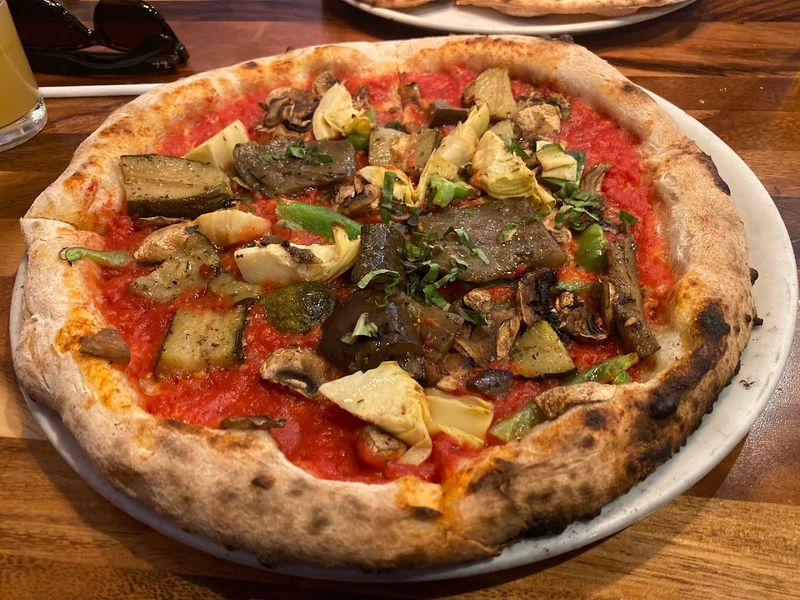
The strongest sense of Italy here begins with the oven.
Wood fired cooking gives the room a natural center, and it establishes a direct connection to Neapolitan dining culture, where heat, timing, and dough are treated with near ritual attention.
That foundation shapes the restaurant more than any decorative choice could.
What stands out is the confidence in Southern Italian traditions.
Dough is allowed to speak through texture and char, toppings remain balanced, and dishes from the south favor bold but familiar flavors instead of overloaded combinations.
The cooking suggests an understanding that simplicity only works when technique is consistent, especially in a busy, high energy setting.
The atmosphere also contributes to the impression of being transported.
It feels active, conversational, and informal in the way many popular neighborhood places in Naples or Campania often do, where meals unfold amid movement and noise rather than staged quiet.
Hospitality is warm without becoming polished to the point of distance, and that everyday liveliness makes the restaurant feel especially connected to Italy.
Trattoria Villagio – Clifton
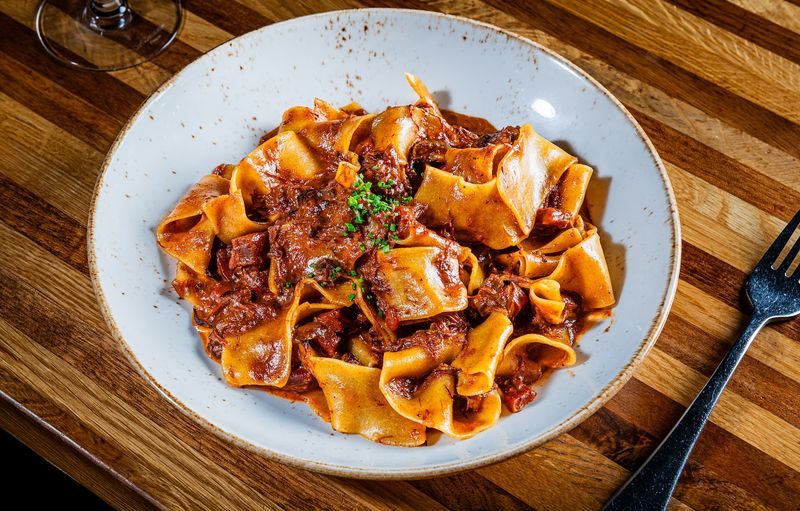
Rustic character is often overplayed in American Italian restaurants, but this dining room uses it in a more convincing way.
The setting feels closer to a country trattoria, where comfort comes from worn textures, steady service, and food meant to gather people around the table.
That old world atmosphere gives the meal a grounded, lived in quality.
The sense of Italy here depends less on novelty than on hospitality.
Country style cooking works because it is paired with pacing that encourages conversation and with dishes that seem designed for appetite rather than display.
Traditional methods, hearty portions, and familiar combinations suggest the practical generosity associated with rural and small town dining across much of Italy.
Nothing in the experience appears rushed or self conscious.
The room invites diners to settle in, and that unforced ease mirrors the social role of the trattoria as much as any single recipe does.
By focusing on warmth, rusticity, and direct flavors, the restaurant captures a side of Italy built on routine, welcome, and dependable cooking.
Isabella’s Italian Trattoria – Lynchburg
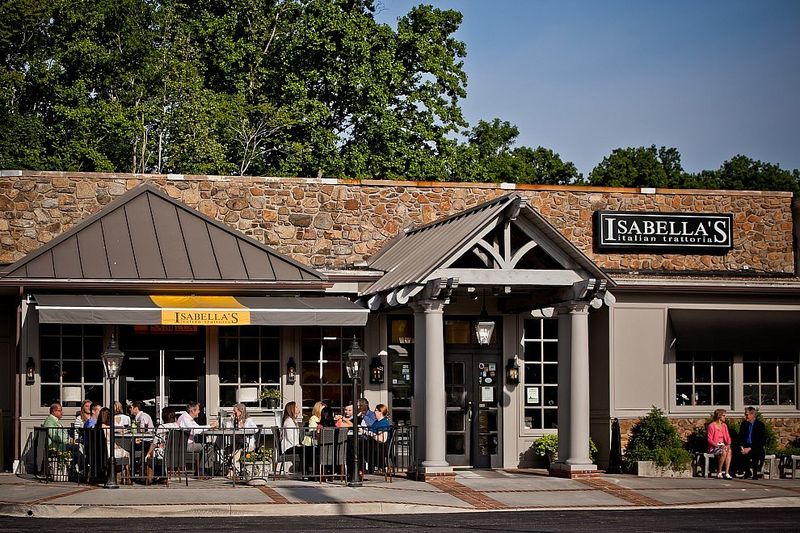
An intimate scale shapes the identity of this restaurant from the start.
Instead of trying to represent all of Italy at once, the menu draws attention to regional distinctions and to the quieter details that often matter most, such as sauce texture, ingredient balance, and the way a dish is finished.
That focus gives the meal a more specific and credible connection to Italian cooking.
Local sourcing also plays an important role, not as a trend, but as a reflection of how many Italian kitchens work within their own immediate landscape.
Seasonal produce and carefully chosen proteins help the cooking feel responsive rather than fixed, while attention to detail keeps each plate restrained and coherent.
The result suggests an understanding that authenticity can come through method and judgment, not only imported products.
The dining room reinforces that feeling.
Service is attentive without becoming intrusive, and the atmosphere remains calm enough for small changes in flavor and texture to register clearly.
This combination of regional awareness, local ingredients, and measured hospitality creates a restaurant that feels connected to Italy through thoughtful practice rather than broad imitation.
La Grotta Ristorante – Richmond
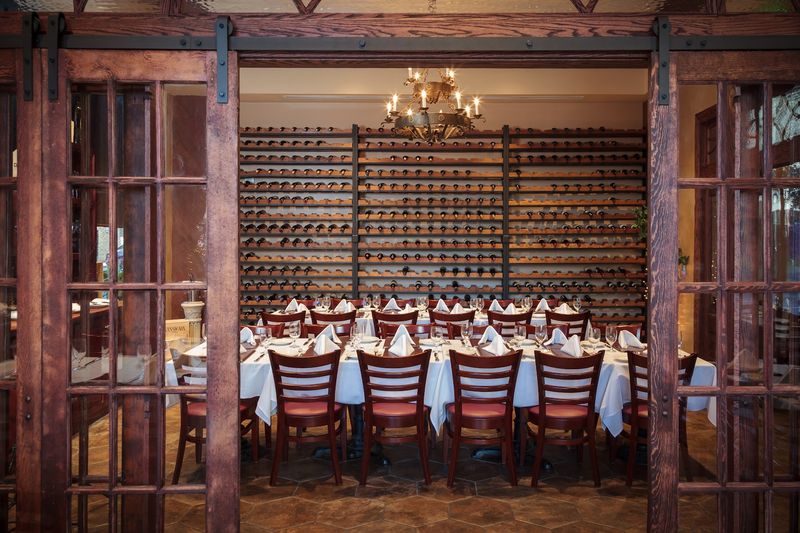
Few settings create a stronger sense of arrival than an underground dining room with long standing reputation.
Descending into this restaurant changes the pace immediately, and that physical separation from the street recalls the tucked away, old fashioned establishments that often become institutions in Italian cities.
The atmosphere carries history without needing to announce it constantly.
Classic elegance shapes the rest of the experience.
Table service, room design, and menu structure suggest continuity rather than reinvention, which suits a restaurant known as a destination over many years.
That consistency matters because Italian dining culture often values places that maintain standards across decades, allowing regulars and visitors to trust the experience before the first course appears.
The food completes the impression by favoring established forms over fleeting trends.
Instead of chasing novelty, the kitchen appears committed to the polished, composed style that once defined celebratory meals in many formal Italian restaurants.
Combined with the hidden below ground setting, that approach gives the restaurant an unusually strong sense of permanence, ritual, and classic Italian sophistication.
Tuscany Ristorante Italiano – Williamsburg
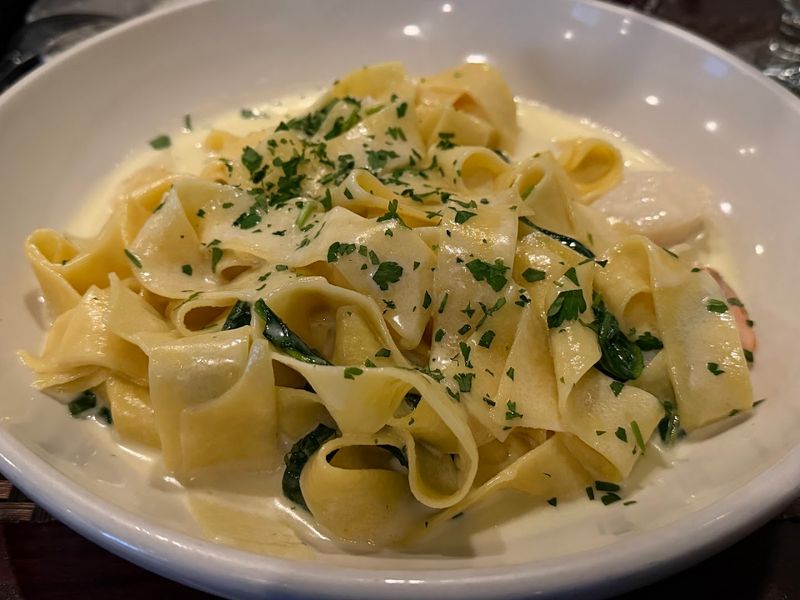
Family tradition is the central force here, and it gives the restaurant a type of authenticity that cannot be staged through decor alone.
Recipes feel preserved through repetition, the kind of repetition that turns food into family memory and keeps a kitchen steady over time.
That continuity is one of the clearest ways an Italian restaurant can evoke a real sense of place.
The menu leans into comfort, but the appeal is not simply familiarity.
Italian comfort food depends on consistency, on knowing that a favorite dish will arrive with the same balance and character each time, and this restaurant appears to understand that well.
Such reliability reflects the everyday role of many family restaurants in Italy, where guests return for reassurance as much as novelty.
Hospitality strengthens that impression.
The room feels welcoming in a direct, unpretentious way, and the meal seems organized around ease rather than performance.
By holding close to inherited recipes, generous warmth, and dependable execution, the restaurant creates a connection to Italy that comes through habit, family continuity, and the quiet confidence of long practiced cooking.
Giuseppe’s Italian Restaurant – Williamsburg
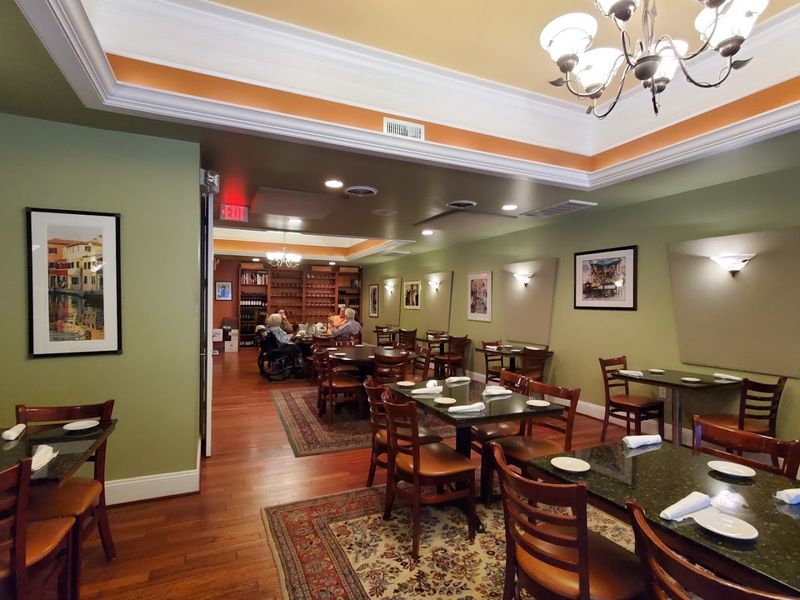
A neighborhood restaurant often reveals Italian dining culture more clearly than a formal destination room, and that is the case here.
The emphasis falls on family meals, familiar service, and generous portions meant for real appetite, all of which echo the social side of Italian eating.
It feels like a place built through regular use rather than through a concept.
Long standing local popularity also matters.
Restaurants that endure for years usually do so by becoming part of everyday life, and that kind of loyalty mirrors the role of many Italian neighborhood spots where birthdays, weeknight dinners, and group meals all happen under one roof.
The food supports that pattern by favoring abundance, consistency, and straightforward comfort over fashionable reinvention.
The atmosphere is similarly important.
Nothing seems overly formal, but the room carries the assurance of a place that knows exactly what it is and whom it serves.
That confidence, combined with hospitable service and shareable meals, creates a connection to Italy rooted in community traditions and regular gatherings.
The experience highlights the simple pleasure of eating well in a setting that values comfort over formality.
Sorellas: Italian Restaurant – Virginia Beach
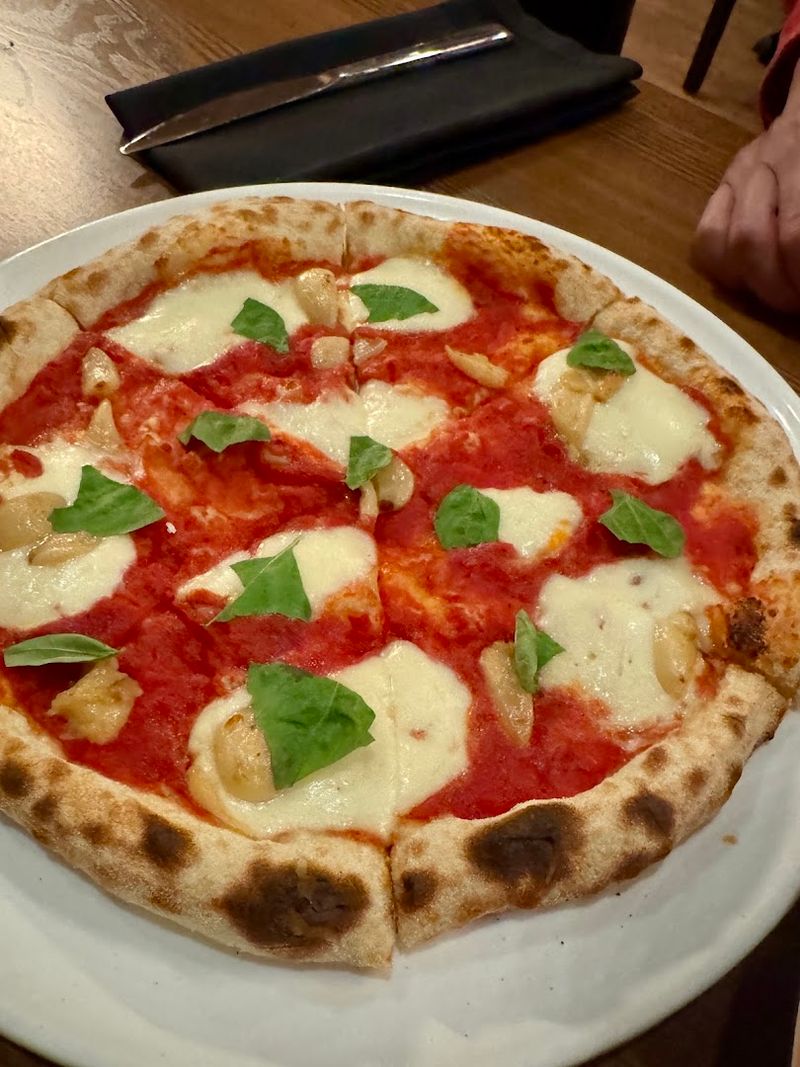
Contemporary restaurants can still feel deeply Italian when they treat tradition as something active rather than frozen.
That appears to be the guiding idea here, where fresh ingredients and modern hospitality shape the experience without severing ties to established culinary roots.
The effect is less nostalgic than many traditional dining rooms, but no less connected to Italy.
Freshness is central to that connection.
Italian cooking often depends on ingredients that need little correction, and a kitchen that prioritizes produce, herbs, oils, and carefully handled proteins can communicate authenticity through restraint alone. Here, evolving culinary traditions seem to be interpreted through seasonal choices, cleaner presentations, and a willingness to adapt while preserving recognizable flavor structures.
The service style also feels current in a specifically Italian way.
Hospitality is warm, efficient, and relaxed, more focused on ease and attentiveness than on ceremony.
That modern approach, paired with a menu that respects traditional recipes while embracing change, reflects the reality of contemporary Italy.
Restaurants continue to reinterpret regional and family traditions for diners whose tastes and expectations evolve over time.
Carbonara – Arlington
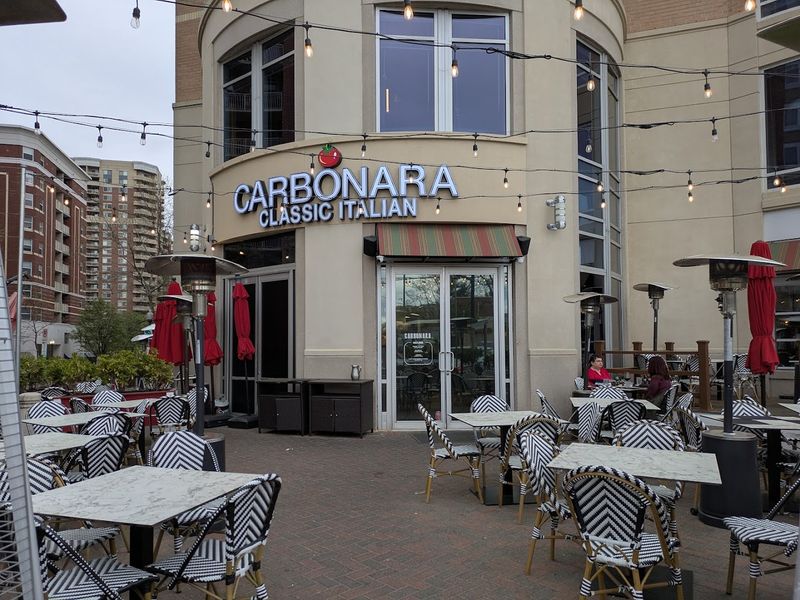
Roman cooking depends on confidence in simplicity, and that principle gives this restaurant its strongest identity.
Traditional flavors are presented without unnecessary excess, allowing technique to carry the meal in the way it often does in the capital’s trattorias and contemporary dining rooms alike.
That restraint makes the connection to Italy feel specific rather than broad.
Classic methods matter here more than menu length.
Roman influences suggest careful attention to texture, seasoning, and the disciplined handling of a few strong ingredients, whether the dish is rich, peppery, sharply savory, or built on a clear sauce.
When simplicity is taken seriously, each element becomes more visible, and the cooking reveals whether the kitchen respects tradition or merely references it.
The room appears to follow the same logic.
Instead of relying on heavy decoration, the atmosphere supports the food through understatement, creating a setting where details can register clearly.
That alignment between culinary technique, traditional flavor, and visual restraint reflects a distinctly Roman sensibility.
The result is a dining experience that feels connected to Italy through precision, clarity, and confidence in doing simple things exceptionally well.