Fry bread and salmon chowder share the menu with a story most history books skipped. That combo alone made me stop scrolling.
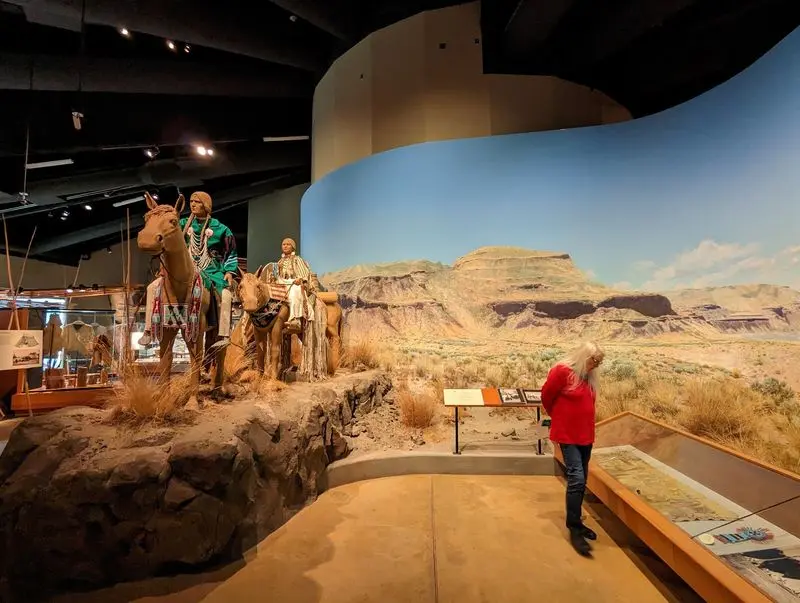
This museum is told by the Cayuse, Umatilla, and Walla Walla people themselves. The exhibits move from ancient times through settler contact and right up to today.
Videos and personal stories carry a lot of the weight.
I like how the place refuses to freeze Native life in the past. The present gets equal billing, and that changes how the whole visit lands.
Families leave talking about it in the car.
It sits in Eastern Oregon, close to a busy interstate, so it works as a road-trip stop. Plenty of drivers blow right past it.
I can’t imagine doing that once you know what’s inside, can you?
A Museum Run By The People Whose Story It Tells
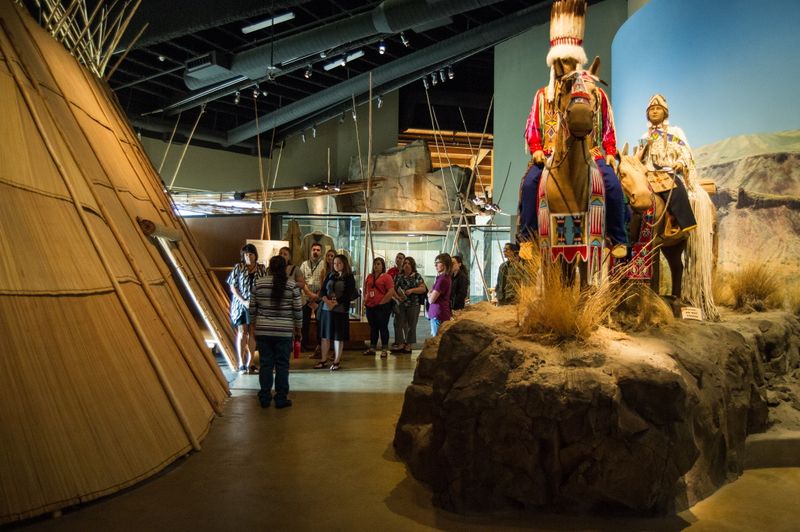
Most museums talk about Native people from the outside looking in. Tamastslikt Cultural Institute flips that around completely.
The museum sits on the Umatilla Indian Reservation just east of Pendleton, Oregon. It shares the stories of the Confederated Tribes of the Umatilla Indian Reservation, made up of the Cayuse, Umatilla, and Walla Walla tribes.
That perspective shapes everything you see inside. The history isn’t softened, and it isn’t stuck in a glass case labeled long ago.
Exhibits cover the impact of the Oregon Trail and pioneer settlement on the tribes. They also show how families today keep their culture strong and growing.
The result feels personal in a way textbooks rarely manage. You hear about treaties and boarding schools, but you also hear about horses, food, and family traditions.
Kids get something here too. The displays are built to be explored, not just read, and the story moves in a clear line that younger visitors can follow.
With a 4.8-star rating across hundreds of Google reviews, the place has clearly struck a chord. Plenty of people call it a must-see for anyone passing through the area.
Not bad for a stop many travelers have never heard of.
Three Tribes, One Shared Homeland
Cayuse, Umatilla, Walla Walla. Three names, three tribes, and one confederation that has called this corner of the Northwest home for a very long time.
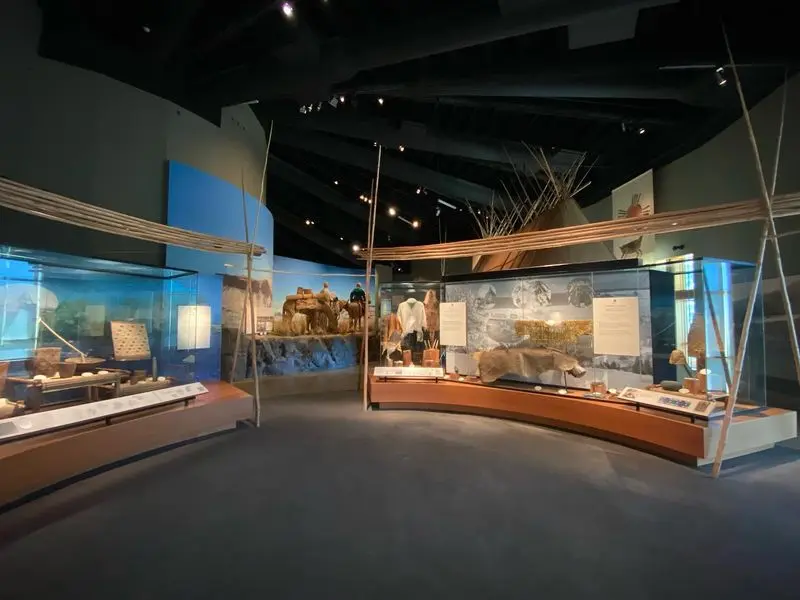
The museum treats each part of that heritage with care. You learn how these communities lived across the Columbia Plateau long before wagon ruts showed up.
Understanding the land helps everything else click. Rivers, hills, and seasonal food sources shaped daily life, travel, and trade for generations.
That geography becomes a character in the exhibits. The story of the place and the story of the people are tied together tightly.
Families who live nearby often use a visit as a starting point. One recent visitor whose relatives had moved to Walla Walla came here first for a solid historical grounding.
That’s a smart move, honestly. A couple of hours inside can make the drive through Eastern Oregon look totally different afterward.
Suddenly the rolling hills are not just scenery out the window. They’re homelands with names, stories, and people still connected to them today.
That shift in perspective is a big reason the institute stays with people long after the parking lot.
Exhibits That Walk You Through Time
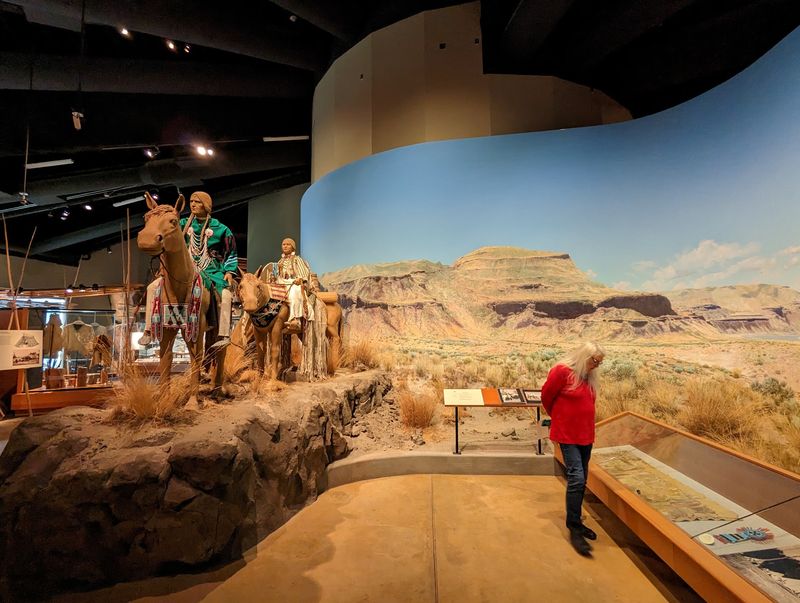
Here’s a museum layout that actually makes sense from start to finish. The exhibits follow a consistent storyline from ancient times through settler contact and up to today.
No wandering in circles wondering which room comes next. The path guides you, and each section builds on the one before it.
Visitors often describe the displays as beautifully designed and very immersive. Photos, artifacts, and staged scenes pull you into each era.
Interaction is part of the plan too. Several stations invite you to watch, listen, and engage rather than just read placards.
The pacing works well for mixed groups. Grandparents can linger over details while kids move ahead to the next eye-catching display.
One fair heads-up does circulate. A few visitors have mentioned that the building feels bigger than the exhibit area itself.
Still, the space you do explore is packed with meaning. Quality wins over square footage here.
Some exhibits may close seasonally, so check ahead if a specific gallery matters to your plans.
Either way, the main journey through time remains the heart of the experience, and it’s a journey worth taking slowly.
Life Inside The Traditional Longhouse
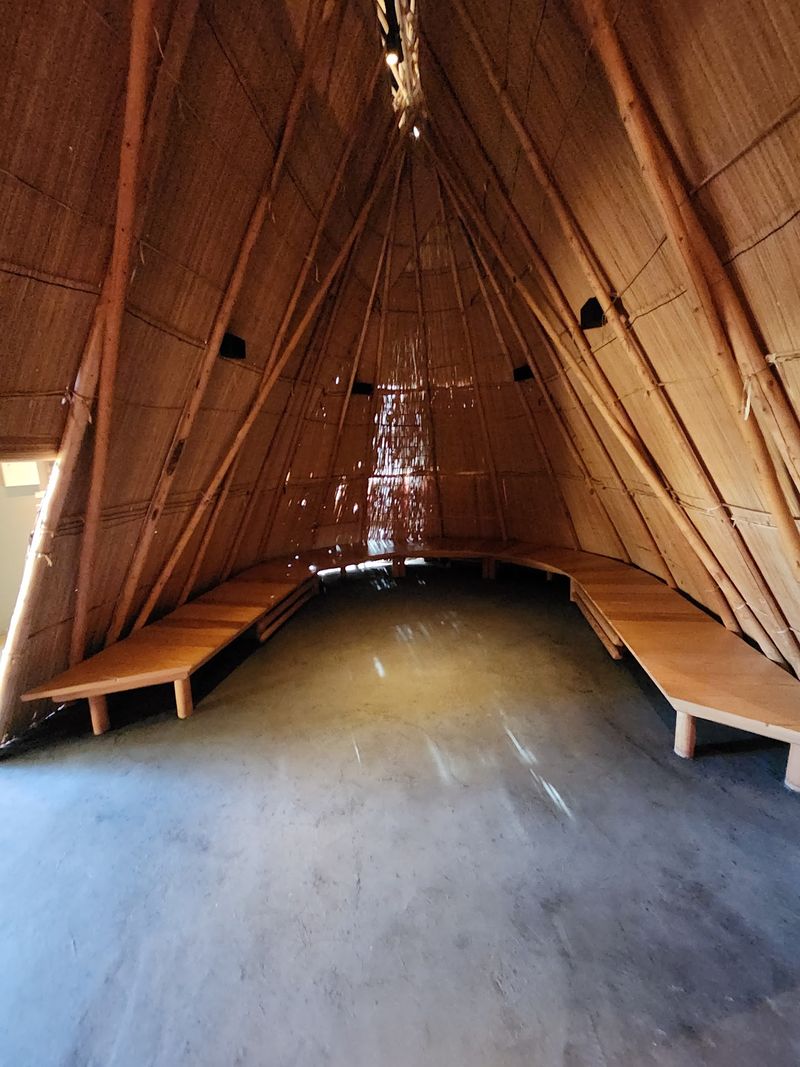
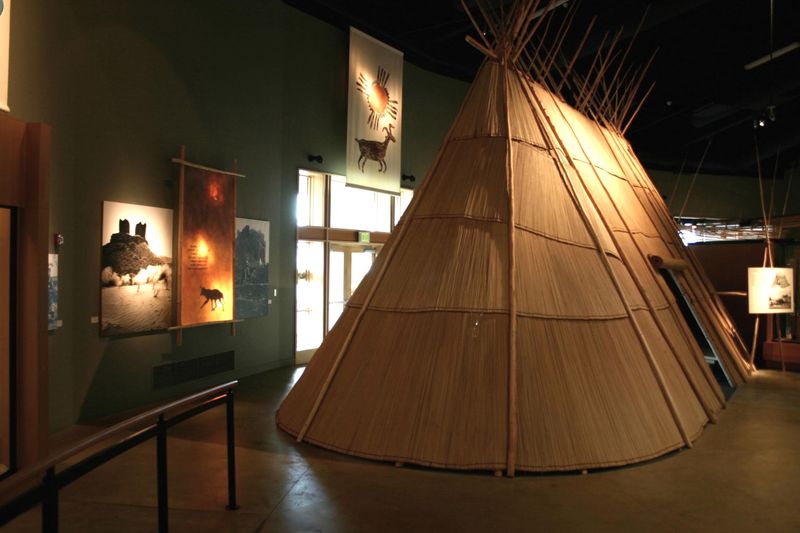
Long before modern houses lined these valleys, families gathered in longhouses. The exhibits bring that way of life into focus early in your visit.
Traditional longhouse life is one of the first big themes you’ll meet. It shows how community, family, and shelter fit together.
Seeing it laid out helps kids picture daily routines. Where did people sleep, gather, and share meals?
The displays help answer those questions.
The longhouse also holds deeper meaning beyond housing. It represents gathering, teaching, and keeping traditions alive across generations.
I love that this part grounds everything that follows. Before the hard history arrives, you understand what life looked like when it was whole.
That context matters. It makes later chapters about treaties and lost land hit with real weight instead of feeling abstract.
For families, it’s a good place to slow down and talk. Ask the kids how a longhouse compares to your own home.
Those small conversations can turn a museum stop into something the whole car remembers on the drive home across Oregon.
Salmon, Roots, And The Seasonal Food Cycle
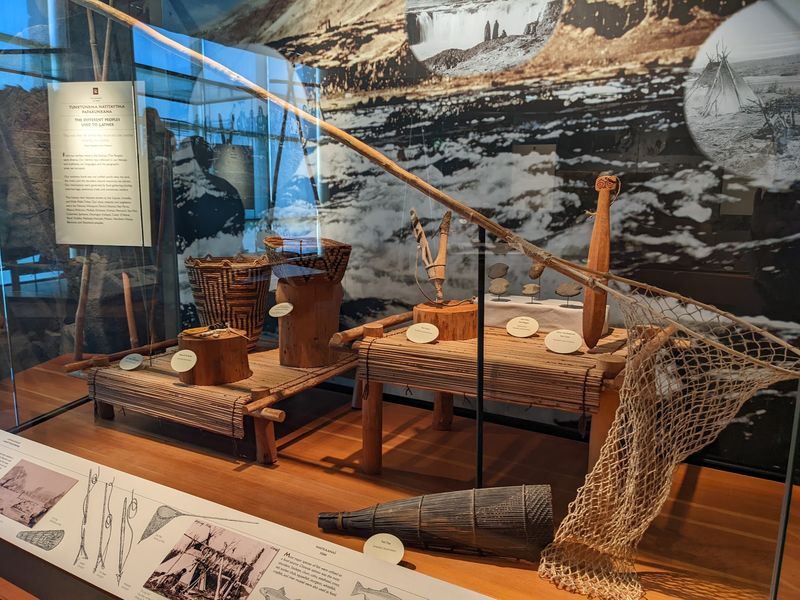
Ever wonder how a whole community planned meals without a grocery store? The answer here involves salmon, roots, berries, and serious timing.
The seasonal cycle of food gets its own focus inside the exhibits. It traces how families moved with the year to gather what each season offered.
Food becomes a doorway into everything else. Travel, celebration, and family roles all connect back to what was harvested and when.
Kids tend to grasp this section quickly. Food is universal, and it makes ancient routines feel surprisingly relatable.
The cycle also reveals deep knowledge of the land. Knowing exactly where and when to gather took generations of careful learning.
Later exhibits show how settlement disrupted these patterns. Seeing the original cycle first makes that disruption much easier to understand.
Fun bonus for hungry visitors: the onsite cafe has served dishes like salmon chowder. It’s a tasty way to connect the lesson to lunch.
Few museums let you learn about a food tradition and then actually taste a nod to it a few steps away.
When Horses Changed Everything
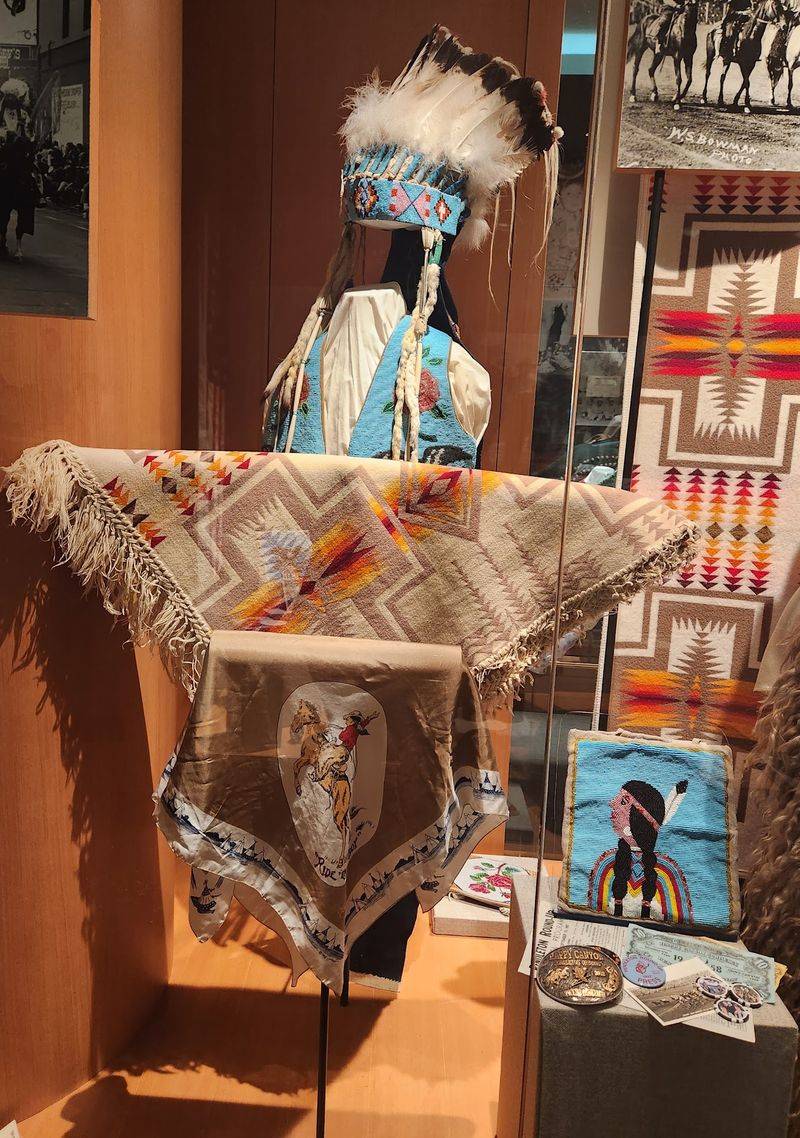
Horses arrived and life on the Plateau shifted fast. The introduction of the horse is one of the standout chapters in the exhibits.
The Cayuse name became so linked to horses that the word cayuse came to mean a horse in some parts of the West. That’s quite a legacy.
The exhibits explore how horses changed travel, trade, and hunting. Distances shrank, and connections between communities grew.
Horses also became part of identity and pride. That relationship still shows up in celebrations and regalia today.
For horse-loving kids, this section can be a highlight. It’s easy to see why the animals mattered so much.
Pendleton itself is famous for its rodeo, which adds a fun connection. One visitor even came here for a break from Round-Up activities.
That pairing works nicely for a family weekend. Rodeo thrills one day, deeper horse history the next.
The horse chapter shows Native people as skilled, adaptable, and confident. It’s an uplifting stretch before the story turns heavier.
The Oregon Trail From The Other Side
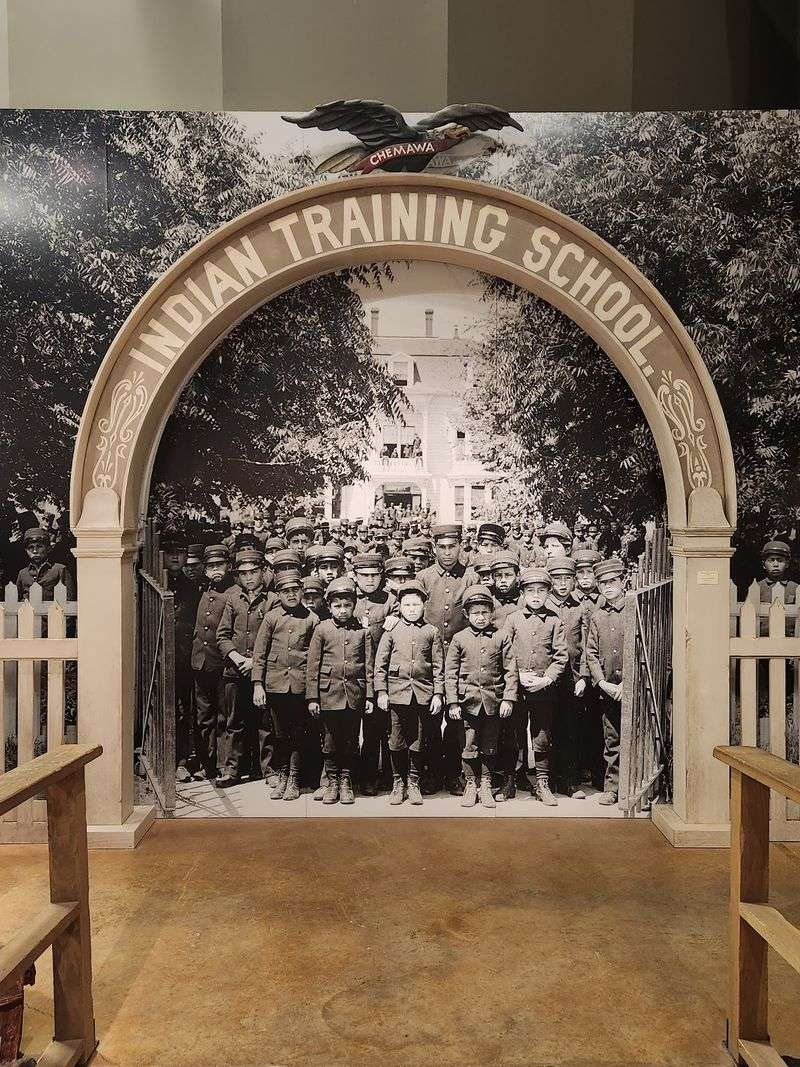
Schoolkids in Oregon learn about the Oregon Trail early. Few learn what those wagons meant to the people already living here.
The institute tackles that gap directly. Exhibits detail how the trail and pioneer settlement affected the tribes.
Treaties took ancestral lands. Church and boarding school efforts pushed families to give up their language and traditional ways.
It’s heavy material, and the museum doesn’t dodge it. Visitors often call this part powerful and, at times, sad.
Many people leave seeing familiar history in a new light. Several describe it as eye-opening compared to what they were taught.
Parents may want to prep younger kids a little. The content is presented thoughtfully and is considered appropriate for all ages.
Talking it through afterward helps. Kids often ask great questions once they see the trail from a different side.
One visitor summed up a common feeling: they wished the land had been shared instead of taken. That reaction says a lot about how well this section works.
Videos And Voices You Won’t Forget
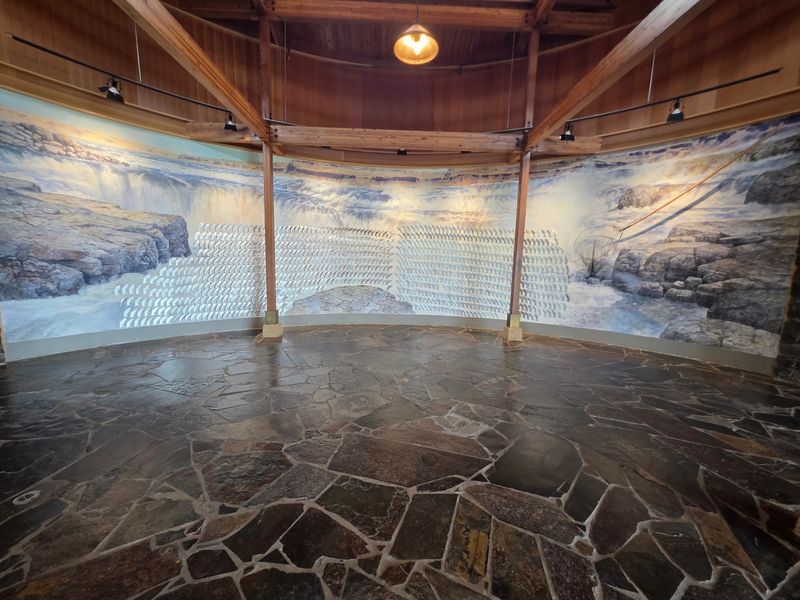
Hearing a story in someone’s own voice hits differently. The institute leans into that with videos and personal stories throughout.
Visitors describe it as an interactive experience. Short films pop up along the route and add real faces to the history.
Plenty of folks end up watching every single one. One family spent a good hour listening to all the different movies.
The voices make the exhibits feel alive. Facts become memories, and dates become people.
Several visitors say they felt genuinely moved. That emotional pull is a big part of why the museum stays with you.
For kids who struggle with long placards, videos are a win. They can sit, watch, and soak it in.
Plan time for this part. Rushing past screens means missing some of the most meaningful moments.
Sound and story make a strong team here, giving the whole visit a warmth that’s hard to get from displays alone.
The Present Gets Its Own Spotlight
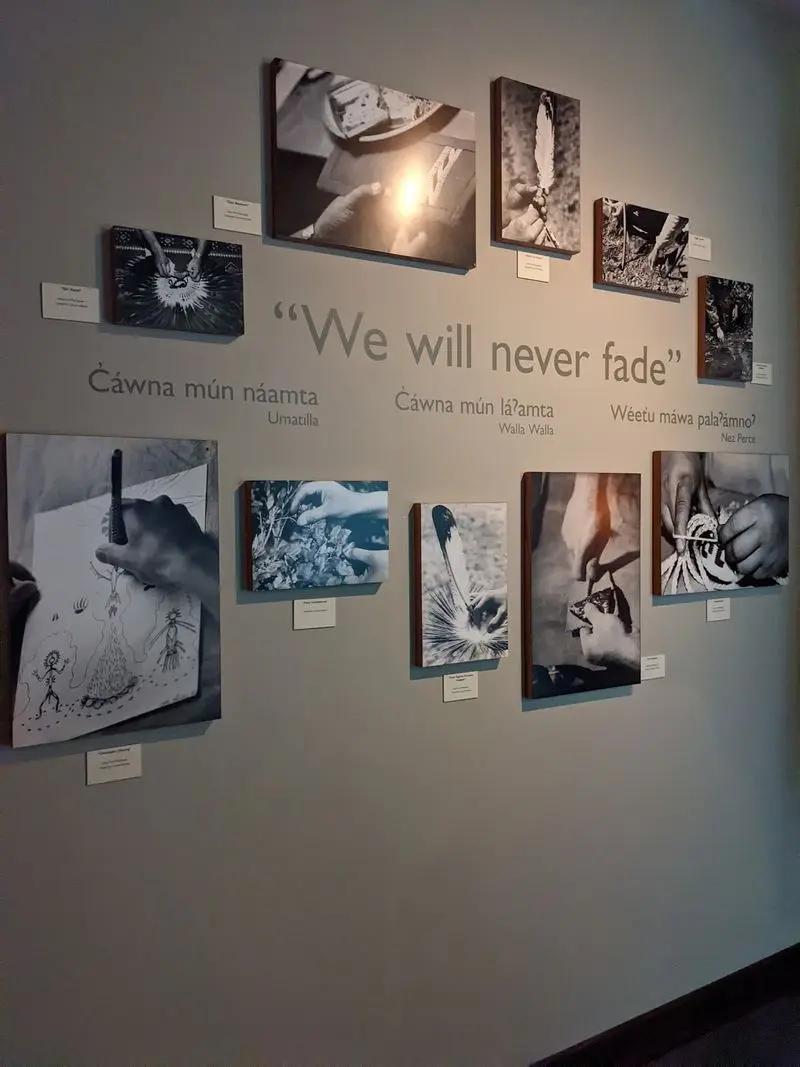
Plenty of museums stop the clock in the 1800s. Tamastslikt keeps going, right up to today.
The final chapters show how the tribes work to maintain and grow their culture now. Language, art, and tradition are treated as living things.
That choice changes the whole tone of the visit. You leave thinking about the future, not just the past.
The confederated tribes have built businesses and ventures to strengthen their community. The resort area surrounding the institute is part of that story.
Visitors frequently mention appreciating the focus on both history AND the present. It feels hopeful without ignoring hard truths.
Native families visit too. One parent shared how much they enjoyed learning about their own culture and heritage with their kids.
That detail says plenty. The museum serves its own community as much as curious travelers.
For kids, meeting the present matters. It shows that Native people aren’t characters in old stories but neighbors living in Oregon right now.
Fry Bread, Chowder, And A Famous Cinnamon Roll
Fry bread. Salmon and corn chowder.
A cinnamon roll one visitor called worth the stop all by itself.
The onsite cafe is a sneaky highlight. Visitors describe the food as delicious and a great value.
Families have paired fry bread with chowder for a satisfying snack. It’s the kind of lunch kids actually finish.
Timing is the catch. The cafe keeps shorter hours than the museum and has been reported to close around 2 PM.
It’s also occasionally closed, so plan a backup. Staff have pointed hungry guests to nearby spots down the road.
The smart move is arriving mid-morning. Tour the exhibits first, then grab lunch before the kitchen wraps up.
One visitor spent two hours in the galleries and followed it with a delicious lunch. That’s a nearly perfect plan.
Hours can change, so it’s worth calling ahead if food is part of your day. Nobody wants to miss that cinnamon roll.
Beadwork, Books, And Stuffed Animals In The Gift Shop
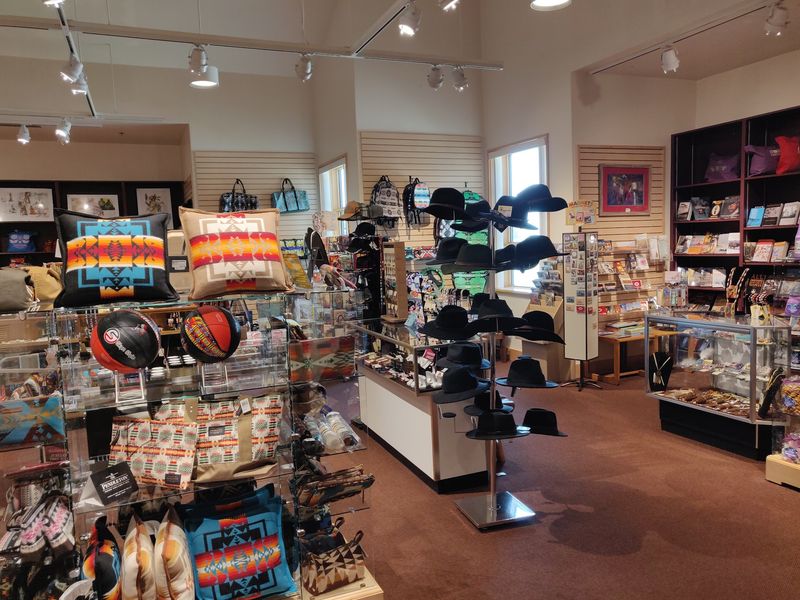
Gift shops usually get a quick glance on the way out. This one tends to slow people down.
The shop shows up in reviews more than almost any other feature. Jewelry from local artisans and beadwork earn special mentions.
Book lovers get plenty to browse. There are tons of titles about the tribes, perfect for continuing the lesson at home.
Kids aren’t left out either. One family noted lots of stuffed animals for little ones.
Buying artisan pieces can feel meaningful. You leave with something connected to the culture you just learned about.
The variety covers many budgets. You can grab a small souvenir or splurge on a special handmade piece.
It’s also a great spot for gifts. Grandparents back home might love a book or beaded item from the trip.
Give yourself a few extra minutes here. Rushing out would be a shame after such a thoughtful visit.
Friendly Staff, Easy Parking, And An Outdoor Trail
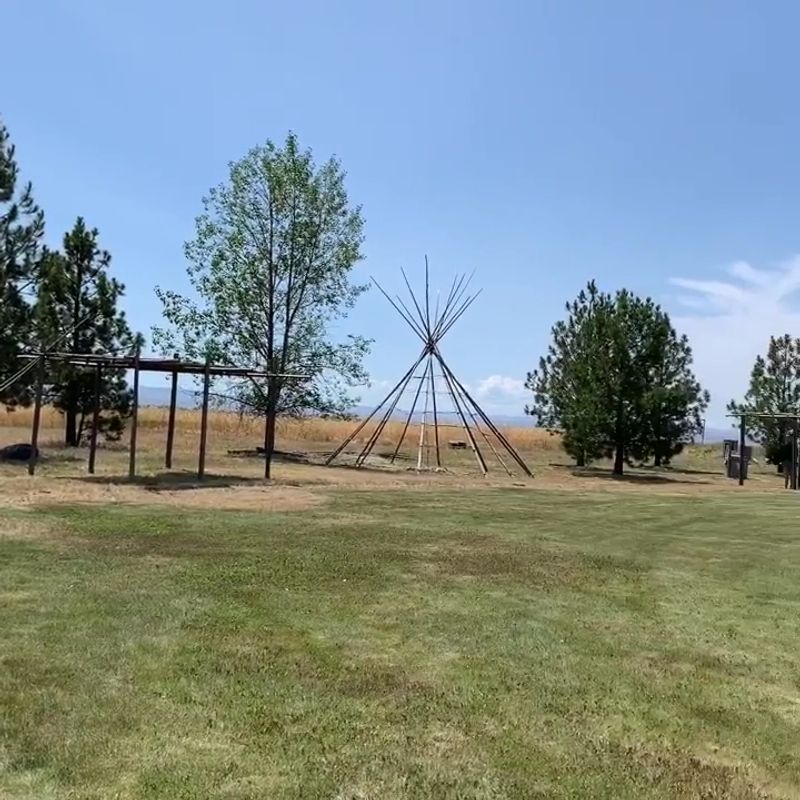
Friendly people. That phrase pops up again and again when visitors talk about this place.
Staff are often described as kind and knowledgeable. Questions get real answers, and that adds a lot to the visit.
Practical comforts help too. Visitors mention clean restrooms and air conditioning, a relief on hot summer days.
Parking is free, paved, and plentiful. Some spaces are shaded by solar panels, which keeps the car cooler.
There’s also reserved shaded parking for elders. One visitor loved that touch and wished it existed everywhere.
A walking trail outside gives everyone a chance to stretch. It’s handy after a long drive or before getting back on the road.
Kids with extra energy will appreciate it. A short walk can reset moods before the next leg of the trip.
Small details like these make the visit easy on families. Comfort means more attention left for the stories inside.
Hours, Admission Tips, And Getting There
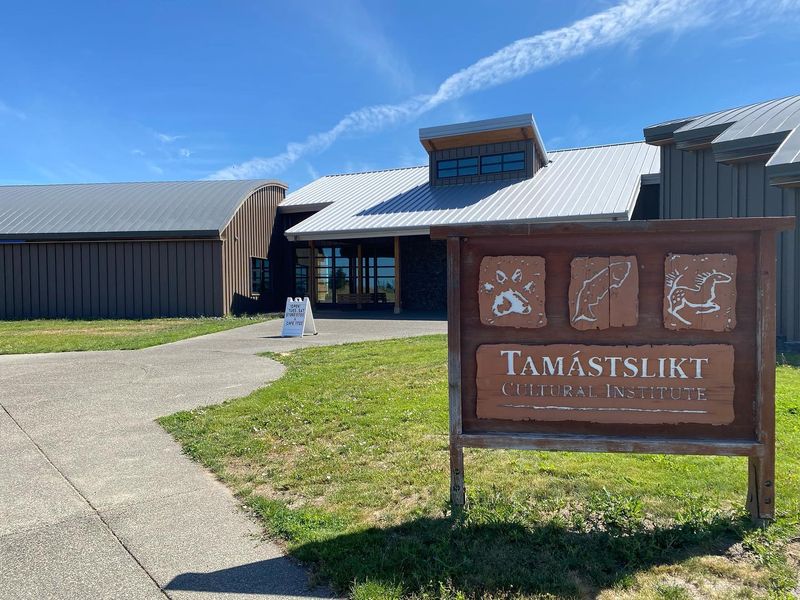
Planning helps a lot here. The museum is open Tuesday through Saturday, 10 AM to 5 PM, and closed Sunday and Monday.
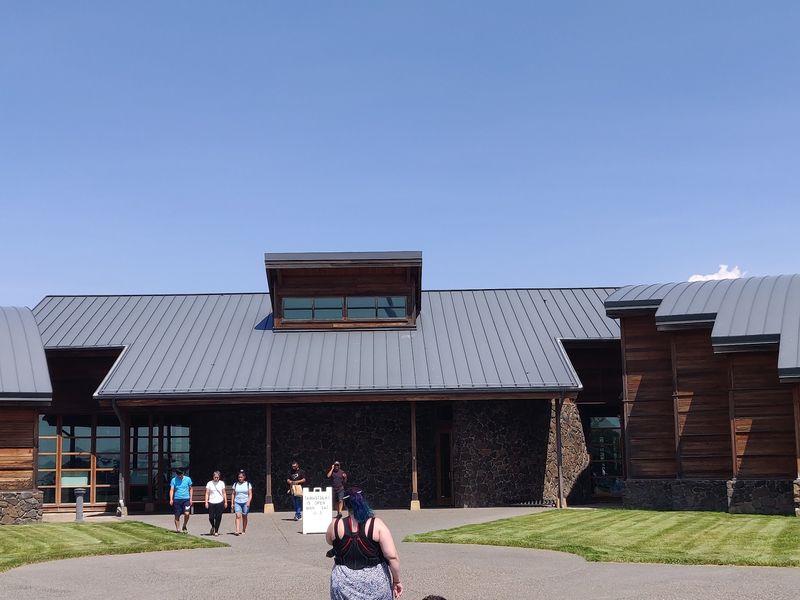
You’ll find it at 47106 Wildhorse Blvd, Pendleton, OR 97801. It sits east of town near Interstate 84, behind Wildhorse Resort and Casino.
There is an admission fee. Senior and AAA discounts are available, which helps stretch the family budget.
Here’s a fun bargain tip. One visitor reported a 2-for-1 deal by getting a passport at the Pendleton Woolen Mills tour.
Pairing both stops makes a full Pendleton day. Deals can change, so ask before you go.
Time matters too. Most visitors spend one to two hours, and thorough explorers suggest about two and a half.
Arrive with plenty of time before closing. Rushing the videos would mean missing some of the best parts.
RV travelers have it easy. Guests at the nearby Wildhorse RV park have walked over for a visit.
Why This Stop Belongs On Your Oregon Road Trip
Some road-trip stops fill an afternoon. A few change how you see the whole drive.
Tamastslikt Cultural Institute lands firmly in that second group. It offers history, culture, food, and hope in one stop off I-84.
Families get an experience suited to all ages. Kids learn, adults reflect, and everyone leaves with something to talk about.
The cost stays reasonable, especially with discounts. Add a cafe lunch and you’ve got an affordable, meaningful outing.
It pairs easily with Pendleton favorites. The wool mill, the Round-Up, or simply a long drive across Oregon all fit nicely.
Visitors keep saying everyone should go. With a 4.8-star rating, that enthusiasm seems well earned.
The best part might be the voice behind it all. Three tribes tell their own story, in their own way, on their own land.
That’s rare and worth the detour. Just remember the Sunday and Monday closures, and maybe save room for cinnamon rolls.