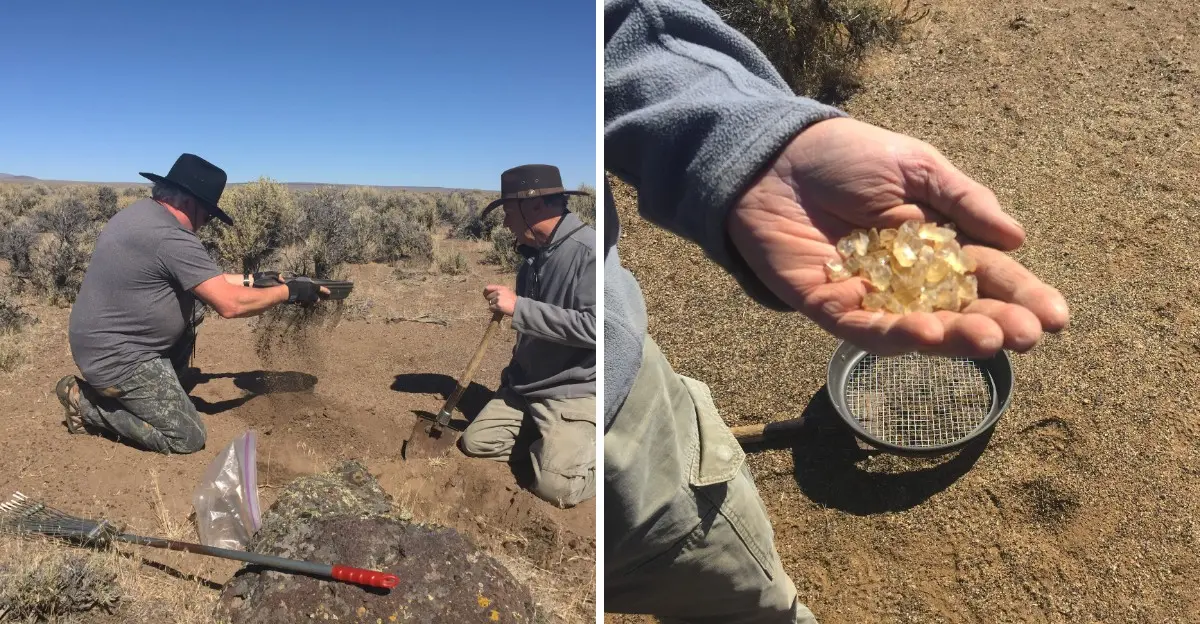
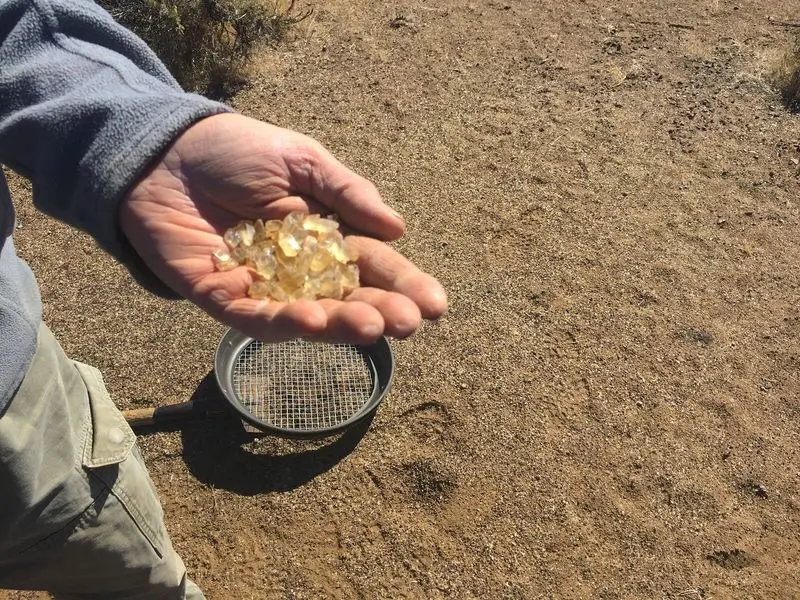
The ground out here is literally scattered with gemstones, and nobody charges you a dime to pick them up. Tiny clear and pale yellow sunstones sit right on the surface, catching the light like spilled glitter.
I love that small kids can find them without a shovel. All it takes is sharp eyes, a sunny afternoon, and some patience on your hands and knees.
The catch? You have to earn it with a long gravel drive into the empty high desert of Oregon.
Cell service fades, the dust rises, and pronghorn antelope may watch you roll past.
I can’t imagine a cheaper way to send everyone home with a pocketful of treasure. Free camping waits at the end, along with sunsets that seem to set the bluffs on fire.
So how many stones can your crew carry home?
Free Gems On A Lonely Patch Of Public Land
Out in Lake County, a stretch of federal land hands out gemstones for free. The Sunstone Public Collection Area is managed by the Bureau of Land Management, and collecting here costs nothing.
The site sits roughly 24 miles from the tiny community of Plush, Oregon. That sounds close until you remember most of those miles are gravel.
What makes this place special is the stone itself. Oregon sunstone is a type of feldspar, and it’s the official state gemstone.
Here, the pieces lie scattered across flat ground covered in sagebrush, dirt, and sand. Many are small and clear like glass, while others lean pale yellow.
Families come for the hunt, but plenty stay for the free camping. A main camp area, a vault toilet, and wide open dispersed spots make it easy to spend a night.
It’s a simple setup with a big payoff. You drive in, park, look down, and start finding treasure almost immediately.
The place holds a strong 4.6-star rating on Google from well over a hundred visitors. That’s impressive for a spot with no store, no electricity, and no running water.
Clearly, the stones do most of the talking out here.
The Drive That Feels Like Leaving The Planet
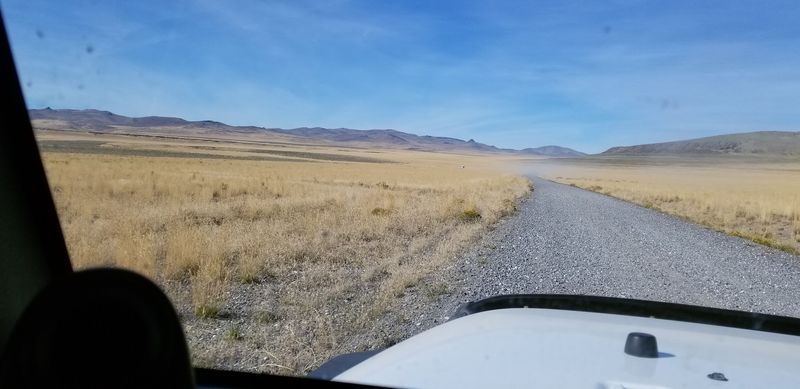
Getting here is half the adventure, and nobody pretends otherwise. Visitors describe the trip as feeling like driving off the face of the earth.
From Lakeview, plan on about an hour and a half of travel each way. From Plush, expect roughly another hour on gravel roads.
The good news? Many travelers report the main gravel is smooth and fine for two-wheel-drive vehicles.
Others call it bumpy, dusty, and slow, so conditions can change.
One warning comes up again and again. GPS apps sometimes try routing drivers down faint two-rut tracks that barely count as roads.
Stick to the main, more traveled gravel and reroute when needed. Road signs help, but they appear only occasionally.
Download your maps before leaving town, and bring a paper map too. Cell service is spotty, and some carriers get nothing at all.
A working spare tire is essential, not optional. Low-slung cars may struggle, though larger RVs can make it if they take things slowly.
Think of the drive as part of the show. Pronghorn antelope sometimes appear along the way, which beats any billboard.
Where To Point Your Map When You Leave Plush
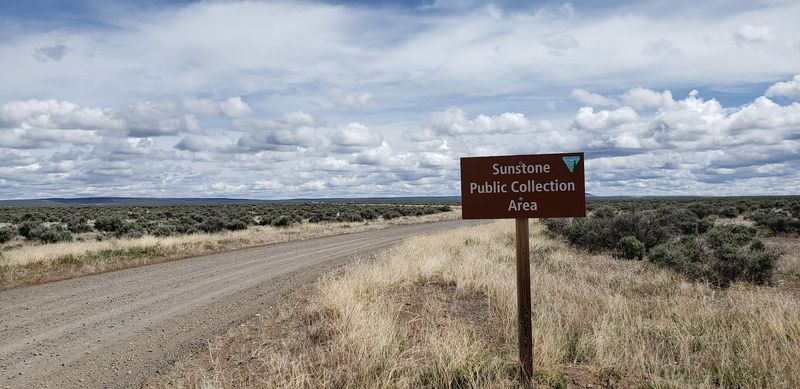
Plush is your last real landmark before the empty country takes over. The official address reads Sunstone Public Collection Area, Plush, OR 97637.
That address is mostly symbolic, though. The actual collection area sits about 24 miles beyond town.
Plush itself is a tiny spot in Lake County, Oregon, north of Hart Mountain country. Lakeview is the bigger town to stock up in before heading out.
One visitor notes the closest store sits roughly 30 long dirt-road miles from the site. That makes Lakeview or Plush your final chance for snacks, ice, and supplies.
Fill the gas tank completely. Running low out here would turn a fun outing into a long, quiet wait.
Pack more water than you think you’ll need. Then add a little more for good measure.
Food, sunscreen, a first-aid kit, and a spare tire belong in the car too. The desert doesn’t offer second chances for forgotten basics.
Once you’re loaded up, the route is straightforward if you stay on main gravel roads. Treat it as a planned expedition rather than a quick detour.
Sparkles Scattered Right On The Surface
Kneel down anywhere near camp, and you’ll likely spot your first sunstone within minutes. These little gems sit right on top of the dirt.
Most pieces are tiny, often smaller than a pinky nail. They range from glassy clear to soft yellow.
Every so often, someone finds a sliver of red. Colored stones are much rarer here, so treat one like a jackpot.
Visitors consistently describe the stones as abundant and easy to find. One family gathered five or six handfuls in about two hours.
That abundance is what makes this spot so good for beginners. Amateurs and small kids can feel accomplished without any special skill.
Here’s a smart trick worth remembering. Walk facing the sun so the light glints off the stones.
Suddenly, the ground starts winking back at you. It’s a little like hunting for spilled sequins at the end of a party.
Bring a small container for each family member. Watching the jars fill up becomes its own friendly competition.
Expect quantity over size near camp. Big wire-wrap-worthy pieces are uncommon, but the sparkle count stays high.
Bigger Finds Reward The Walkers
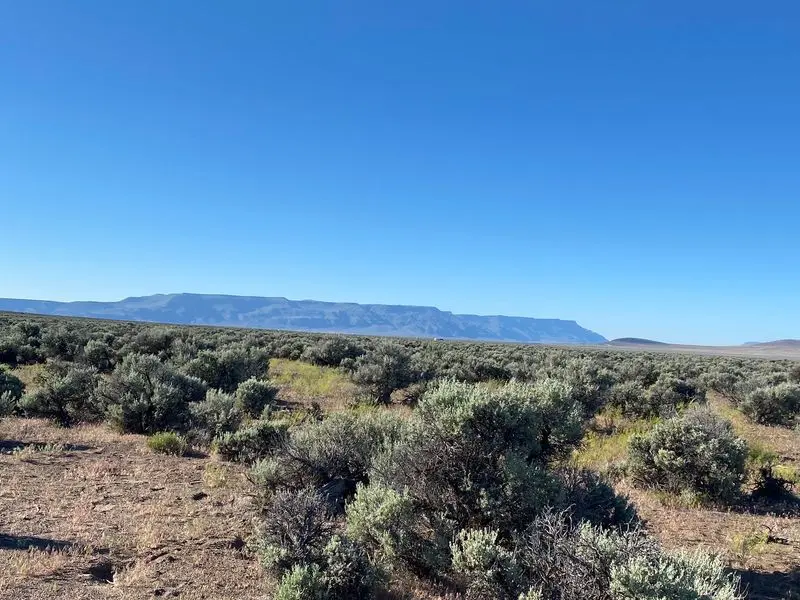
Want something larger than a pebble? Lace up your boots and start walking away from camp.
Areas near the campground see plenty of foot traffic. Visitors say the ground close in feels well picked over.
The farther you go, the better your odds become. Several rockhounds report their best finds came after wandering well out into the BLM land.
Getting lost is unlikely, which helps a lot. The terrain is flat and treeless, so your car stays visible for miles.
Still, the walking adds up quickly in the heat. Bring water bottles for everyone, not just one jug back at the car.
Some visitors drive around to different spots and search on foot from each one. That’s a smart way to cover more ground with younger kids.
Patience pays off out here. Medium stones turn up, and occasionally one is big enough for hobbyists to try faceting.
Keep expectations realistic, though. Most finds stay small, and that’s perfectly fine for a family keepsake.
The real fun lies in the search itself. Every few steps brings another chance at a lucky glint.
Gear That Turns Searching Into Finding
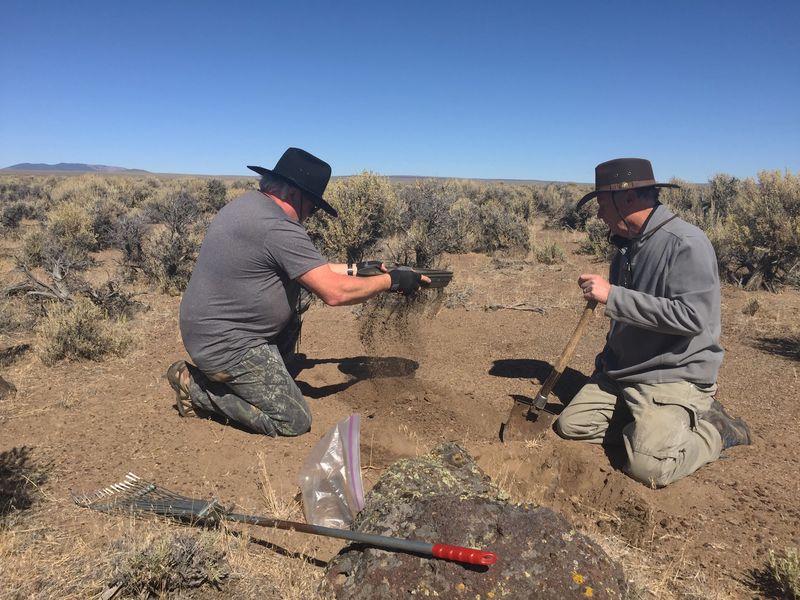
Surface hunting needs nothing but your eyes. Still, a few simple tools can seriously boost your haul.
A rock sifter tops the wish list for experienced visitors. Pair it with a small shovel, and buried stones start appearing.
One visitor suggests bringing jugs of water to rinse silt off a sifting tray. Wet stones are much easier to spot against the dirt.
Comfort matters too. A mat or pad for kneeling saves knees during long sessions close to the ground.
Glasses wearers should keep their glasses on. These stones are tiny and clear, so sharp vision makes a real difference.
Opinions on digging vary. Some folks find medium stones by digging, while others happily stick to surface collecting.
Sturdy closed-toe shoes or boots are a must. Snake holes dot the ground, so sandals are a poor choice.
Sun protection rounds out the kit. A wide hat and light, covering clothes help on hot afternoons.
Small zip bags or jars keep each person’s finds separate. That prevents arguments about whose shiny pebble is whose on the ride home.
A Campground That Costs Exactly Nothing
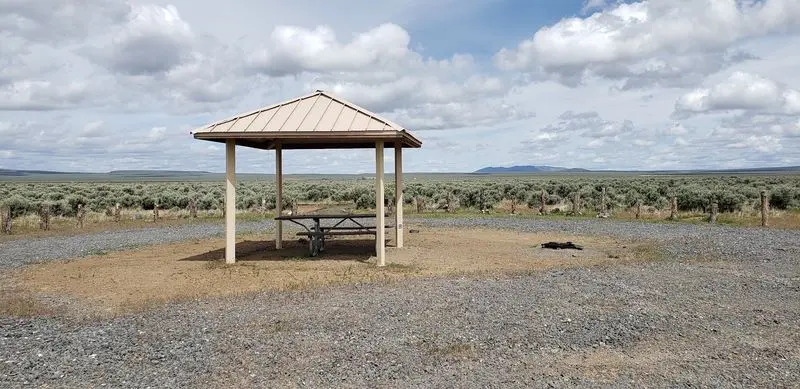
Free camping and free gems in the same spot? That combination is hard to beat in Oregon.
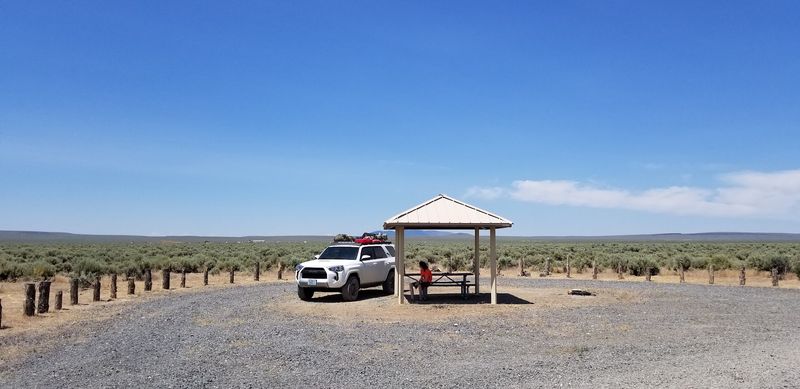
The main camping area includes a handful of tent pads. Campsites feature picnic tables under shade awnings, plus fire rings.
Those covered tables are a big deal in open desert. Shade is scarce otherwise, so claim one early if you can.
Room exists for RVs and vans too. Large rigs can park here, provided they handle the bumpy gravel road slowly.
When the main area fills up, don’t panic. The site is enormous, with dispersed camping spots spread throughout.
Visitors mention the place gets busy on weekends. Weekday trips may offer more breathing room.
Fires are allowed outside fire season, but firewood is your job. There’s very little to burn out there, so bring your own.
Keep plenty of water nearby whenever a fire is going. Dry sagebrush and wind make caution essential.
Camping overnight also gives you more hunting time. Early morning and late afternoon hunts are cooler and often more pleasant.
The Surprisingly Spotless Vault Toilet
Few remote campgrounds earn compliments for their bathroom. This one does, repeatedly.
Multiple visitors describe the vault toilet as very clean. One called it a pleasant bonus after a hot day of collecting.
That counts for a lot when you’re hours from town with kids. A tidy restroom can rescue an entire family trip.
Keep expectations simple, though. It’s a vault toilet, not a flushing restroom with sinks.
There’s no running water anywhere on site. Hand sanitizer and wet wipes deserve a spot in your bag.
Electricity is also absent. Charge devices before arrival or bring a portable power bank.
Trash service doesn’t exist here either. One family hauled their garbage out to a rest stop along the main highway.
Plan to pack out everything you bring in. A couple of sturdy trash bags make that easy.
Visitors also encourage leaving the bathroom cleaner than you found it. That simple habit keeps this remote amenity pleasant for the next family.
It’s a small courtesy with a big payoff for everyone sharing the desert.
Sunsets That Steal The Show From The Stones
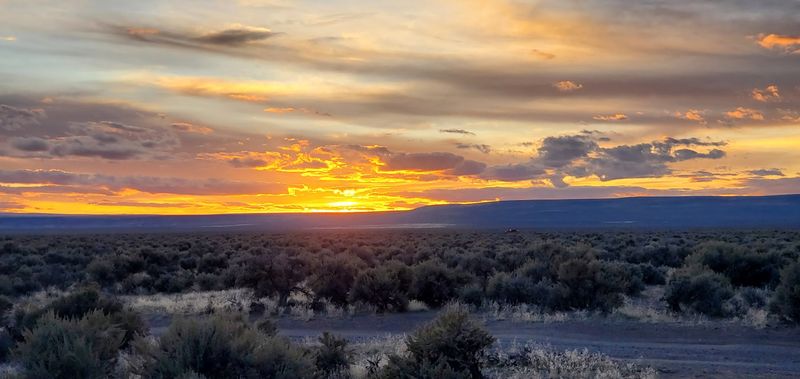
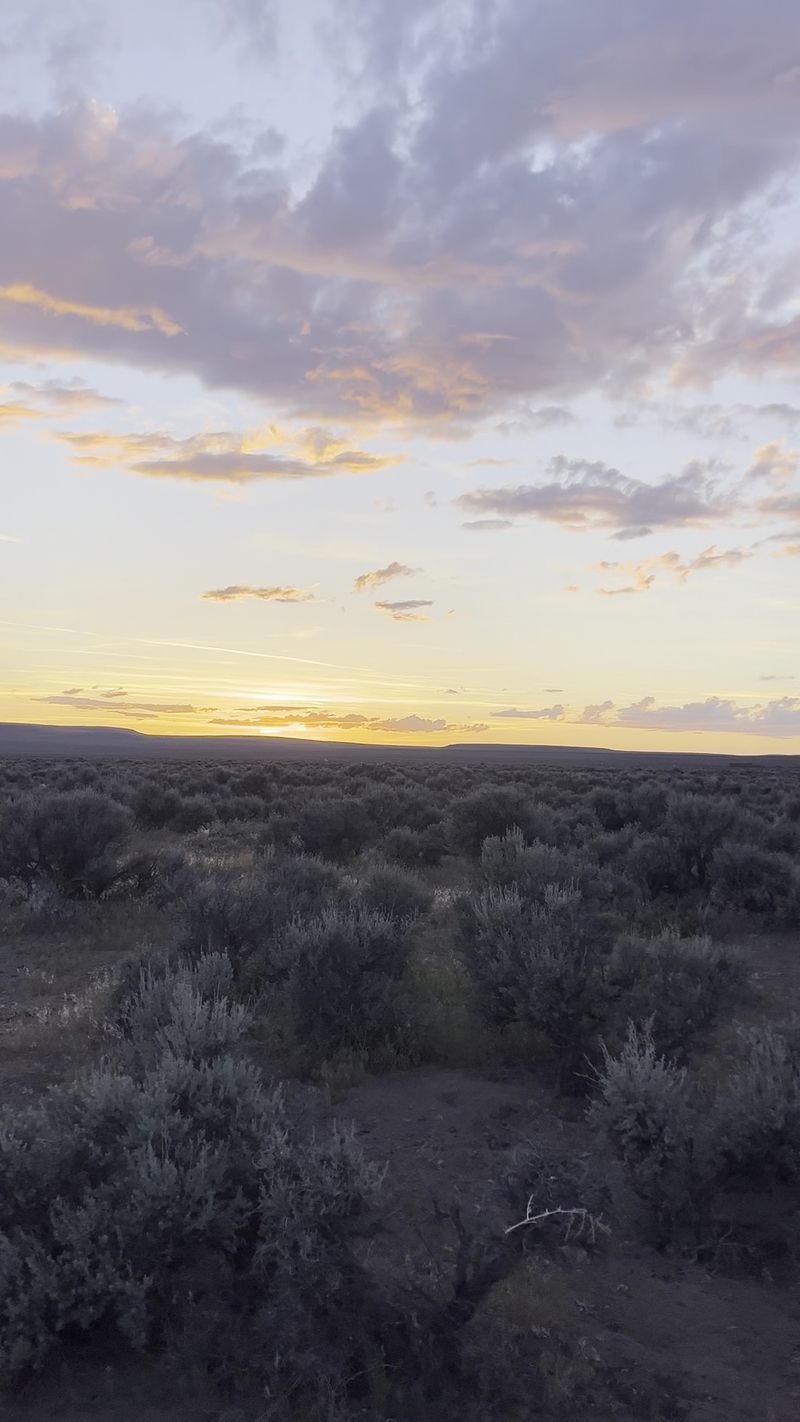
Gems may bring you here, but the evening sky often steals the spotlight. Visitors rave about sunsets splashing color across bluffs to the southeast.
One camper said the view takes your breath away before you even start rockhounding. That’s high praise in a place literally covered in sparkle.
Sunrises get similar love. Campers describe morning views as spectacular across the wide open land.
The quiet adds to the magic. With no city noise, the desert feels peaceful and enormous.
Flat, treeless ground means nothing blocks the horizon. You get the full sweep of sky in every direction.
Plan dinner around golden hour if you can. Pull up camp chairs and let the kids watch the colors shift.
Wildlife sightings can add extra excitement. Pronghorn antelope have been spotted on the drive in.
Bring a light jacket for evenings. Desert temperatures can shift once the sun drops.
Honestly, the sunset alone could justify the trip for some families. Getting free stones too feels almost greedy.
Heat, Critters, And Other Desert Realities
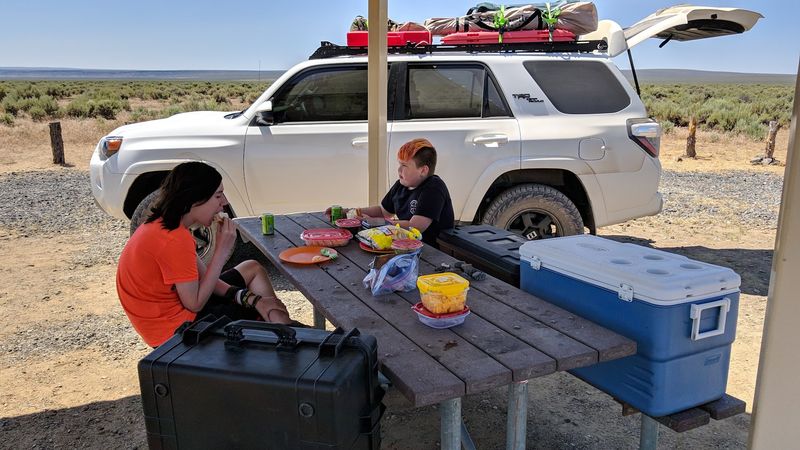
Ninety-four degrees is a real afternoon temperature out here. One family skipped digging entirely that day and stuck to easy surface finds.
Heat tops the list of desert challenges. Shade is limited, so pace yourselves and drink water constantly.
Scorpions show up in several visitor accounts. Shake out shoes and check gear before reaching inside.
Snakes and snake holes also come up often. Sturdy boots and watchful eyes keep little explorers safer.
Bugs can join the party too. Insect repellent earns its spot in the car.
Then there’s the dust, which one visitor called beyond imagination. Expect it in your car, hair, and snack bags.
Bring closed containers for food and electronics. A spare towel helps clean hands before lunch.
Medical supplies matter when help sits far away. A well-stocked first-aid kit is basic insurance here.
None of this should scare you off. Plenty of families with kids visit happily every year.
Preparation simply turns rough conditions into a manageable adventure. Respect the desert, and it rewards you generously.
Built For Kids Who Love Treasure Hunts
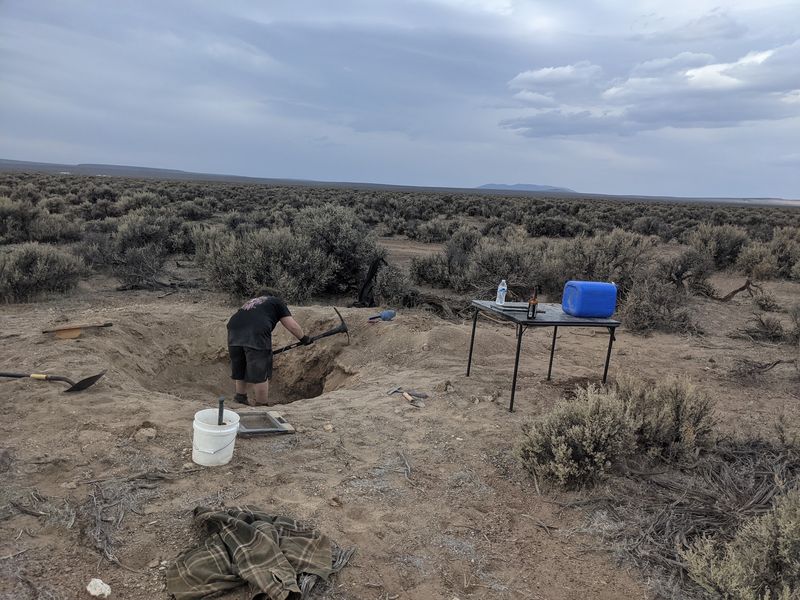
Kids who collect rocks in their pockets will think they’ve hit the lottery. Here, the treasure really does sit on the ground waiting.
Visitors specifically mention that small children can feel accomplished. No digging skills or expensive gear are required.
One parent noted the kids loved finding sunstones right off the ground. Another family hopes to return again.
Stones even turn up scattered near campsites. That’s ideal for little ones who tire out quickly.
Turn the hunt into a game. Award points for color, size, or the first find of the morning.
Teach kids to walk with the sun in front of them. Watching them spot the glints is half the fun.
Short sessions work best with younger children. Take breaks under shaded picnic tables between hunts.
Older kids may enjoy sifting with screens. It feels like real mining work, minus the hard hat.
Everyone leaves with a souvenir that cost nothing. Few attractions can say that honestly.
Those little stones often spark bigger interest in geology too. Not bad for a weekend outing.
Planning Notes Before You Hit The Gravel
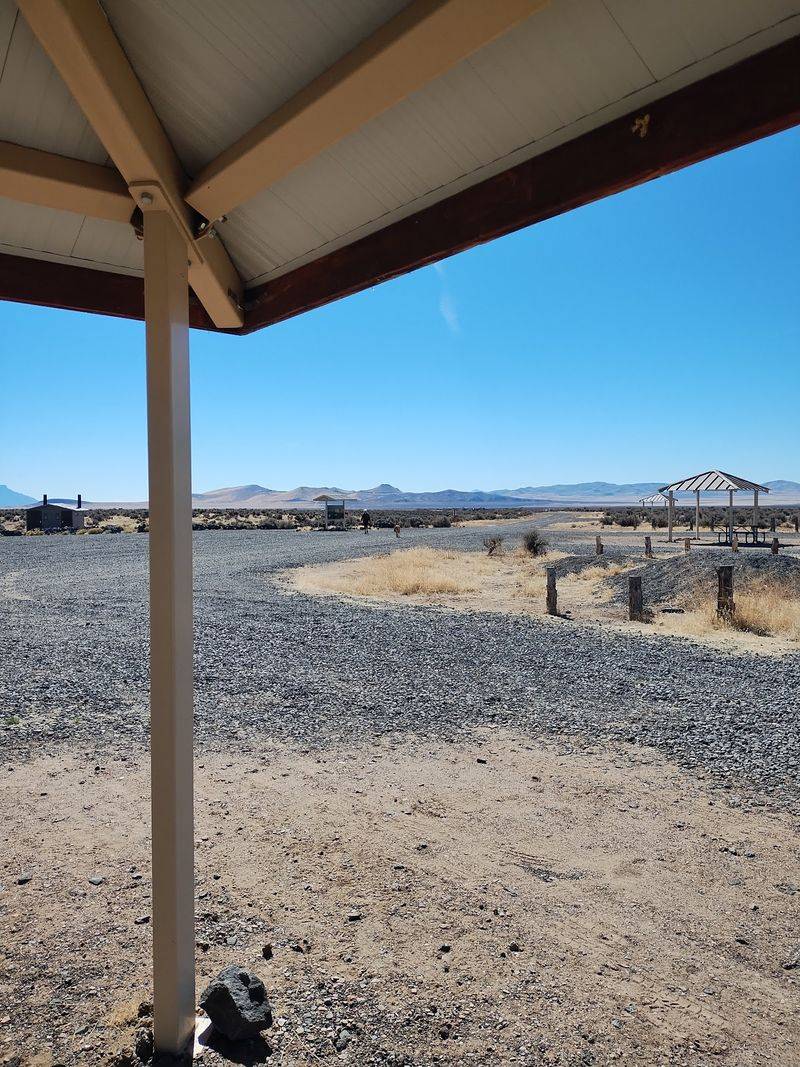
Collecting sunstones here is free, and so is camping. That makes this one of the best bargains in Oregon outdoor fun.
No set hours or entry fees appear in the site information. Still, conditions and rules can change, so check with the BLM Lakeview office before going.
Weekends can get busy, according to recent visitors. Weekdays may offer quieter hunting and easier campsite picks.
Summer brings serious heat. Cooler shoulder seasons could make long walks more comfortable for families.
Fire season matters if you plan campfires. Restrictions may apply, so confirm before packing wood.
Your checklist should include water, food, firewood, a spare tire, and offline maps. Add sun protection, boots, and a first-aid kit.
Collecting tools are optional but helpful. A sifter, shovel, and kneeling mat round things out nicely.
Nearby private sunstone mines offer another option. One reportedly has showers, which campers appreciate after dusty days.
Leave space in the car for trash. Everything you bring needs to leave with you.
With some planning, the trip becomes smooth and memorable. Skipping preparation is the only real mistake.
A Pocketful Of Sparkle Worth Every Dusty Mile
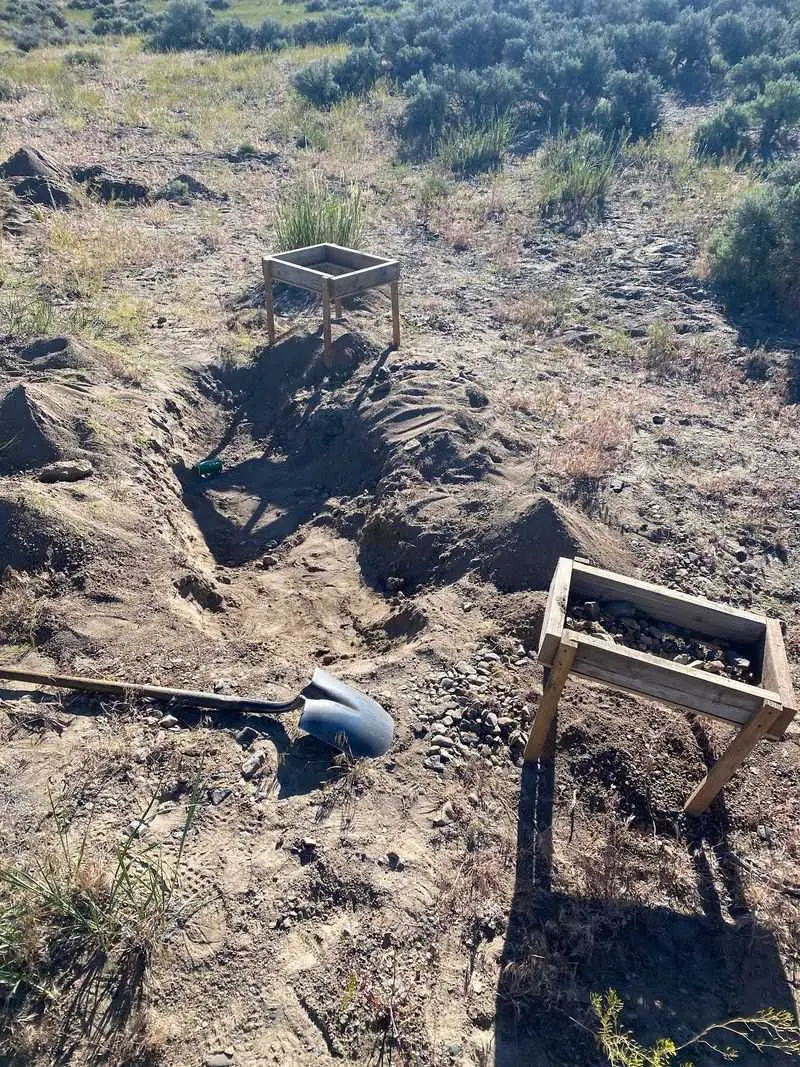
Few road trips end with gemstones jingling in a jar. The Sunstone Public Collection Area delivers exactly that, with zero admission.
Yes, the drive is long and dusty. Yes, you’ll be far from stores and cell towers.
Those trade-offs are precisely what keep the place special. Quiet land, wide skies, and free treasure don’t come easy.
Visitors overwhelmingly call it worth the trip. Many say they’d happily come back better prepared.
Families get a hands-on adventure kids can actually succeed at. Grown-ups get sunsets and peace that city weekends rarely offer.
Free camping stretches the value even further. One tank of gas could buy a whole weekend of fun.
Set realistic expectations about stone size. Most finds stay small, but the thrill of the hunt never shrinks.
Pack smart, drive carefully, and respect the land. Leave camp cleaner than you found it.
Then let the desert do the rest. Somewhere out there, a sunstone is glinting, waiting for your family to notice.
That’s a pretty good reason to load up the car.