Florida gets flattened into beaches, theme parks, and quick roadside stops, but its most memorable places often reward the slower traveler. If you give these communities a few extra hours, or even a full weekend, you start noticing the stories hiding in seafood docks, murals, gardens, old hotels, and neighborhood festivals.
These destinations feel lived-in rather than packaged, which makes them far more interesting. If you want a Florida trip with texture, personality, and a stronger sense of place, this list is where I would start.
Cedar Key
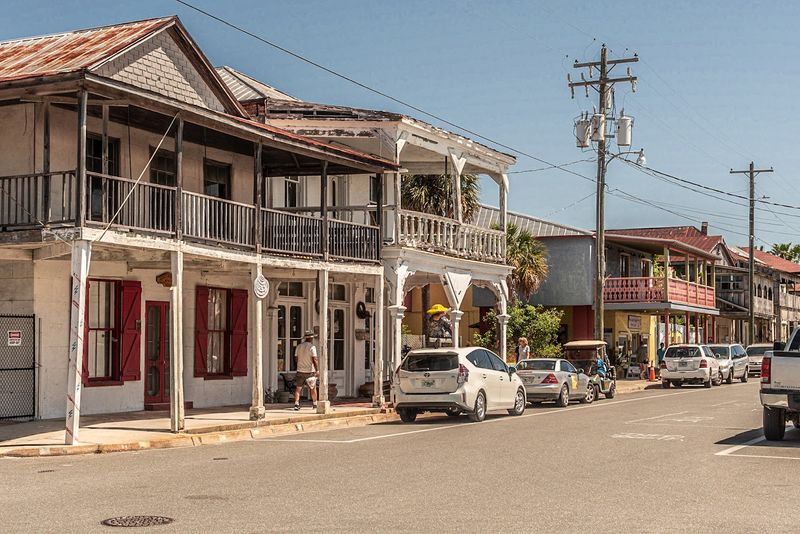
Cedar Key feels like the kind of Florida town you almost want to keep secret, not because it is flashy, but because its quiet character is increasingly rare. Colorful buildings, weathered docks, clam boats, and small galleries give the place a handmade rhythm that encourages you to slow down.
If you stay longer than a seafood lunch, you start noticing how art, fishing, and resilience all shape daily life here.
This Nature Coast community has long attracted painters, writers, birders, and travelers who prefer unpolished charm over polished attractions. Local seafood is central to the experience, especially clams and oysters, and the waterfront still feels tied to working traditions rather than staged nostalgia.
Even after recent hurricane damage, Cedar Key is actively rebuilding and welcoming visitors with a kind of determined warmth you can genuinely feel.
Spend time wandering side streets, paddling calm waters, browsing studios, and watching the light change across the Gulf. This is not a place to rush.
It rewards curiosity, patience, and repeat visits.
Cortez
Cortez offers something many coastal towns have lost – a real working waterfront that still feels rooted in labor, family history, and daily tradition. This Gulf Coast village is one of Florida’s last true fishing communities, and you can sense that immediately in the docks, the boats, and the modest homes nearby.
It is the kind of place where heritage is not recreated for visitors because it never fully left.
If you linger here, the Florida Maritime Museum adds depth to what you are seeing outside. Housed in a restored 1912 schoolhouse, it preserves stories, tools, and traditions tied to commercial fishing and local life, making the village feel even more textured.
The National Register setting, old cottages, and lack of high-rises keep Cortez grounded in a version of Florida that feels refreshingly human.
Come for fresh seafood, but stay for the atmosphere of continuity. Festivals, mullet runs, and family ties still shape local identity.
Cortez is small, but it leaves a lasting impression because it feels entirely itself.
Dunedin
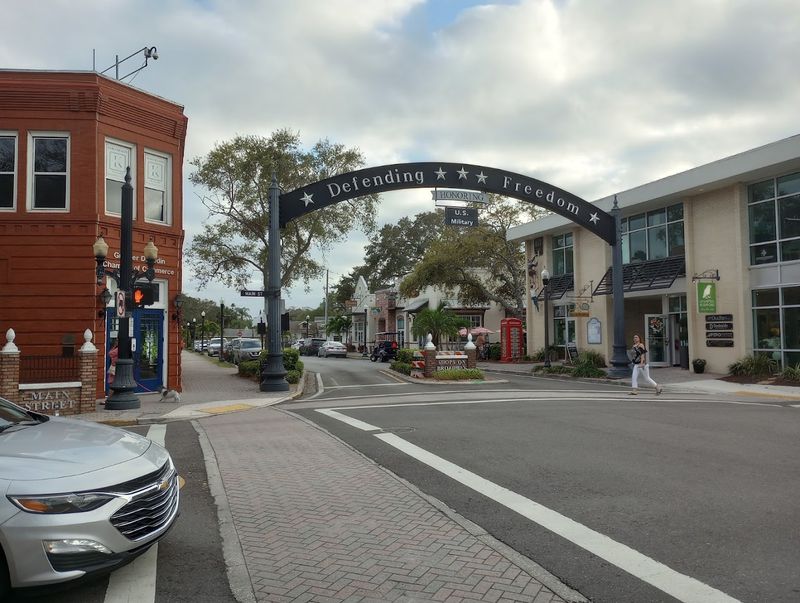
Dunedin has an easygoing coastal appeal, but what makes it memorable is how many different identities it carries at once. It is proudly tied to Scottish heritage, visibly creative, pleasantly walkable, and close enough to Honeymoon Island that nature and culture can fit into the same day.
That combination gives the town a personality that feels layered instead of generic.
You see the Scottish influence in events, symbols, and local institutions, especially through music and festival traditions that keep heritage active rather than decorative. At the same time, galleries, studios, murals, and the Dunedin Fine Arts Center bring a contemporary pulse that keeps the town from feeling trapped in nostalgia.
A First Friday Artwalk here can feel both neighborly and unexpectedly inspiring, which is a hard balance to get right.
Then there is the natural side. Honeymoon Island offers white sand, trails, and wide-open coastal scenery just minutes away, so a visit can shift from cultural browsing to shoreline calm without effort.
Dunedin works because it never asks you to choose just one version of Florida.
Apalachicola
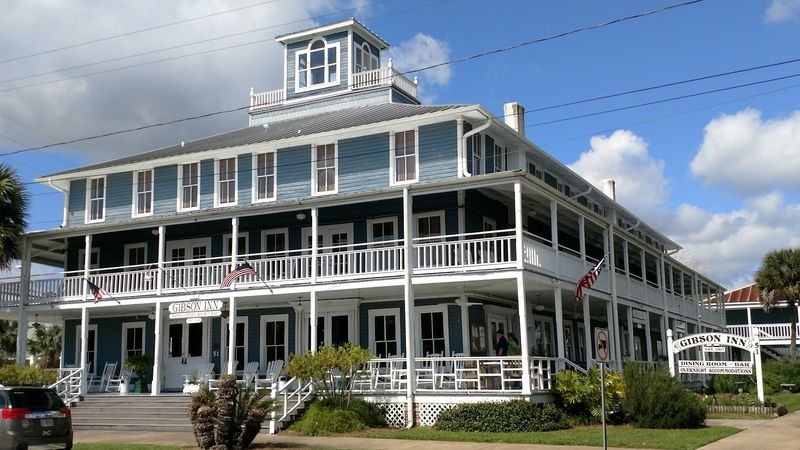
Apalachicola feels like a town that understands the value of atmosphere. Its historic streets, restored buildings, and working waterfront create an old Florida setting that is not just charming, but deeply connected to labor, trade, and regional identity.
If you give it more than a quick pass through, the place starts to unfold through architecture, seafood history, and a distinct local pride.
The town’s oyster heritage still shapes its reputation, even as the broader story includes shrimpers, storefronts, homes from the 1830s onward, and a downtown full of independent personality. Walking here is part of the pleasure because nearly every block reveals another layer – a preserved facade, a quiet porch, a small gallery, or a restaurant that feels entirely of its place.
The National Trust recognition makes sense once you have seen how cohesive the historic district really is.
What stays with you most is the mood. Apalachicola is warm without being pushy, scenic without trying too hard, and full of small details that reward attention.
It is a destination for wandering, talking, and lingering over seafood.
Coral Gables
Coral Gables is easy to underestimate if you think of it only as a polished Miami-area neighborhood. Spend real time there, though, and you start seeing a carefully imagined city shaped by architecture, landscaping, and a surprisingly cohesive civic identity.
It feels elegant, yes, but also deeply intentional in a way that makes a simple walk more interesting than expected.
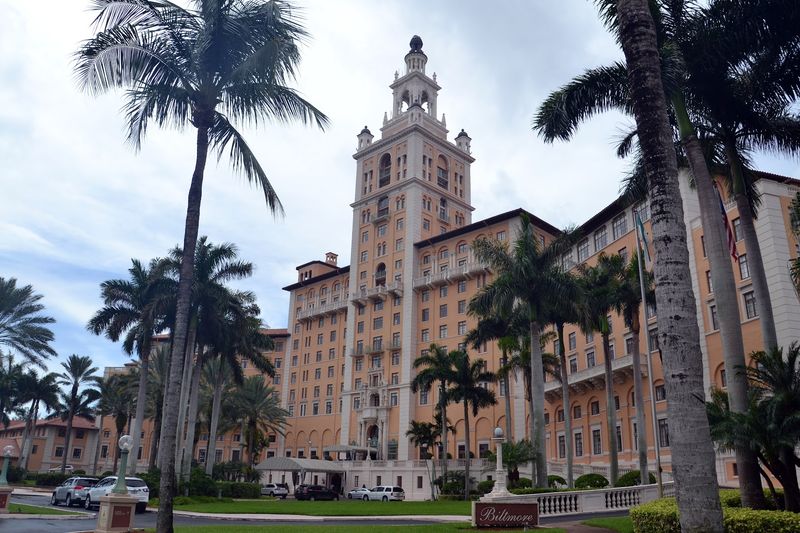
The Mediterranean Revival buildings are the obvious draw, and the Biltmore Hotel is the landmark most visitors know first. Its tower, grand interiors, and layered history make it worth more than a photo stop, especially once you understand how central it is to the city’s original vision.
Beyond that, Coral Gables reveals itself through shaded streets, fountains, arcades, gardens, and neighborhoods that still reflect George Merrick’s
Crystal River
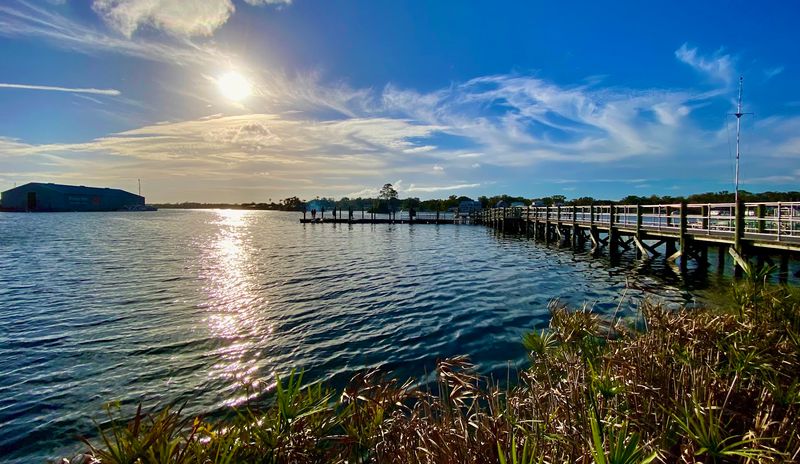
Crystal River is usually promoted for one unforgettable experience – swimming with manatees – but the cultural appeal of the place grows when you stay long enough to understand the community around those waters. Springs, outfitters, conservation rules, boardwalks, and local storytelling all shape how visitors encounter this rare ecosystem.
It is one of the few destinations where wildlife, ethics, and tourism are constantly in conversation.
The springs hold a steady temperature that draws manatees in colder months, and that seasonal migration gives the town a rhythm all its own. What makes Crystal River interesting is not just access, but the care built into that access, from permitted tours to passive observation guidelines designed to protect a threatened species.
That shared respect creates a mood that feels different from standard attraction-based travel.
Beyond the water, you can explore refuge areas, paddle quiet channels, and talk with guides who know the bay intimately. Crystal River earns more of your time because it offers wonder without spectacle.
It asks you to slow down, observe gently, and leave more informed than when you arrived.
Tallahassee
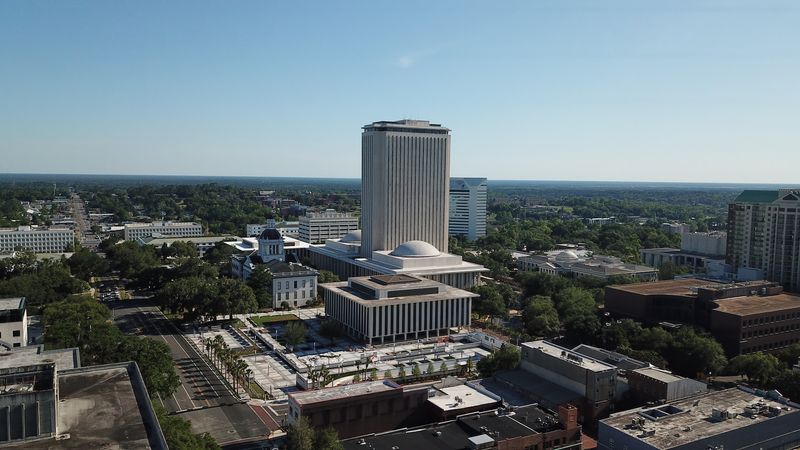
Tallahassee rarely gets treated as a cultural getaway, which is exactly why it deserves more attention. Beyond its political identity, the city carries deep Southern history, preserved landscapes, and museum spaces that let you move through centuries in a single afternoon.
If you approach it with curiosity instead of assumptions, it feels far richer than many travelers expect.
Goodwood Museum and Gardens offers one kind of historical lens, with its estate setting, original structures, and artifacts that reveal the social texture of another era. Mission San Luis provides something even more unusual – a reconstructed 17th-century Spanish mission and one of the most immersive historic sites in Florida.
Together, they show Tallahassee not as a stopover, but as a place where colonial, antebellum, and modern stories overlap in visible ways.
The city also benefits from canopy roads, neighborhood character, and a pace that supports thoughtful exploring. It is a destination for people who enjoy context as much as attractions.
Tallahassee may not market itself loudly, but that quieter confidence is part of the appeal. Give it time, and it reveals real depth.
St. Petersburg
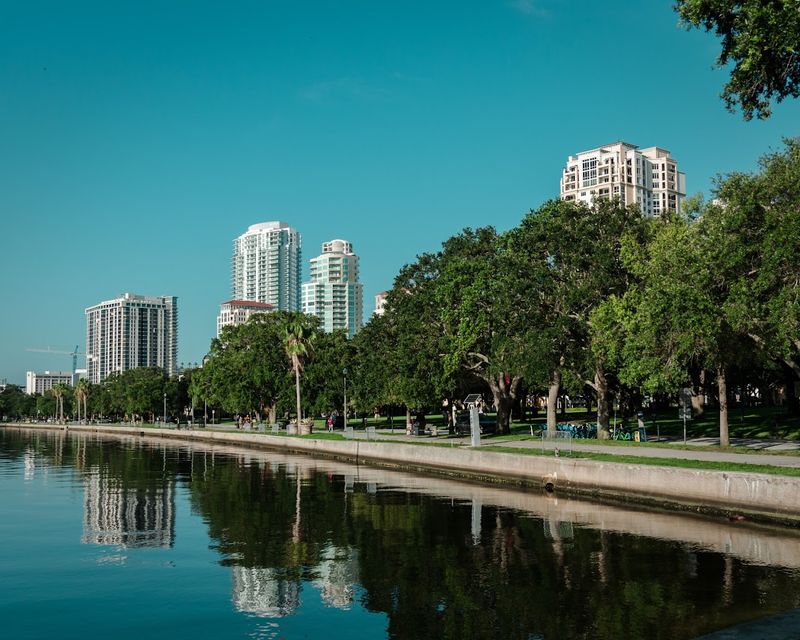
St. Petersburg has become better known in recent years, but it still surprises people who do not realize how deeply art shapes the city’s identity. This is not just a place with a few museums and nice murals.
It is a city where large-scale public art, neighborhood creativity, and serious cultural institutions all feed into each other in ways that feel unusually alive.
The Salvador Dalí Museum is the headline draw, and it deserves that status, especially for the strength and range of its collection. But the experience becomes fuller when you pair it with time spent walking mural-covered streets influenced by the SHINE Mural Festival and the city’s broader embrace of contemporary visual culture.
Here, gallery walls and exterior walls are in constant conversation, which makes the whole city feel like an open-air exhibition.
What keeps St. Pete engaging is the sense that art is not tucked away for specialists. It is public, playful, ambitious, and woven into everyday life.
Spend more than a single museum visit here, and you start seeing the city as a creative ecosystem rather than a beachside detour.
Ocala
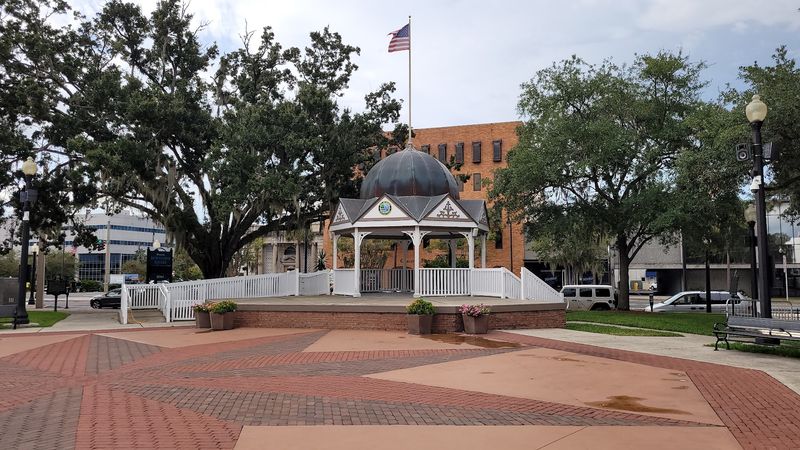
Ocala tends to be introduced through horses, and that is fair, but the city becomes more compelling when you treat equestrian culture as only one layer of the story. Downtown charm, artist-painted horse statues, springs, and a polished modern event scene all coexist here.
That mix gives Ocala a personality that feels both grounded in tradition and open to reinvention.
The Horse Fever statue trail adds a playful artistic thread to the downtown experience, turning simple wandering into a kind of cultural scavenger hunt. Then there is Silver Springs, where glass-bottom boats and remarkably clear water connect present-day visitors to a much older Florida tourism tradition.
Few places let you move so easily from natural wonder to civic art to sophisticated equestrian spectacle in a single trip.
The World Equestrian Center adds another dimension, combining competition, hospitality, shopping, and a surprising degree of visual polish. Even if you are not a horse person, it is worth seeing how thoroughly the city embraces that identity.
Ocala rewards extra time because it is more varied than its reputation suggests, and those contrasts are exactly what make it memorable.
Lake Worth Beach
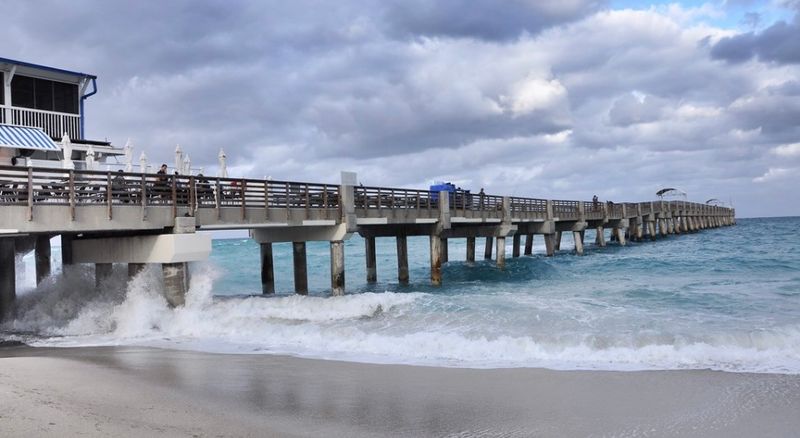
Lake Worth Beach feels like the kind of place that refuses to be flattened into a single identity. It is beachy, artistic, a little scruffy in the best way, proudly multicultural, and full of visual personality.
If you spend more than a short stroll here, the city starts to read like a collage made from murals, theater marquees, independent storefronts, and ocean light.
The downtown streets, especially around Lake and Lucerne avenues, offer an eclectic energy that feels more local than curated. Galleries, restaurants, music, and the Lake Worth Playhouse give the area a creative backbone, while the annual street painting tradition reinforces the town’s love of public expression.
Then there is the historic casino building and fishing pier, which anchor the coastal side of the experience without making the place feel generic.
What stands out most is the atmosphere of overlap. Different communities, styles, and histories sit side by side, giving the city its bohemian pulse.
Lake Worth Beach rewards extra time because it invites you to browse, people-watch, eat well, and let the town’s bright imperfections become part of the charm.