Cool air settles into Pennsylvania’s valleys and ridge lines, where layered shale, limestone outcrops, and quiet creek beds hold traces of ancient oceans. In these landscapes, stone is never just stone—it is a record of life that existed hundreds of millions of years before the state took its present shape.
Pennsylvania’s fossil hunting sites offer a direct way to experience that deep history. Across state parks, roadside exposures, fossil pits, and forested trails, visitors can find remnants of marine life preserved in rock or explore locations where geologic history is still being uncovered today.
From beginner-friendly collecting areas to sites known for their scientific significance, each stop reveals a different chapter of Earth’s past.
This guide highlights 10 Pennsylvania fossil hunting sites that take you millions of years back in time, helping you explore places where ancient seas, extinct species, and natural history still quietly surface beneath your feet.
Montour Preserve Fossil Pit
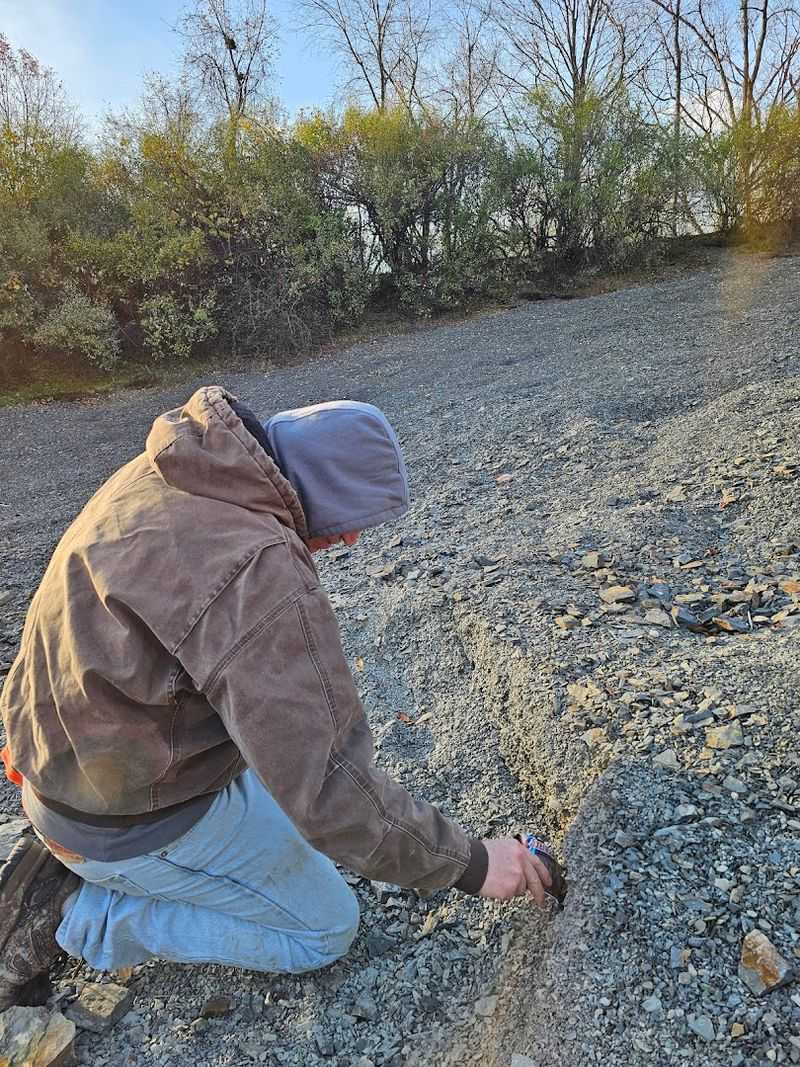
Few outdoor experiences make deep time feel this reachable. Here, loose shale and weathered rock reveal ancient marine life with a little patience, and you can search without needing expert training first.
That welcoming mix of access and discovery is exactly why Montour Preserve Fossil Pit near Danville has become one of Pennsylvania’s best known fossil destinations.
The site is especially valued for Devonian era marine fossils, with brachiopods, crinoid pieces, and other invertebrates commonly found in the spoil and exposed rock. Because the pit is managed for public use, it gives you a rare chance to collect legally in a place that actively encourages hands-on learning.
Beginners often leave with something identifiable, which makes the experience rewarding almost immediately.
I like that the setting feels educational without becoming stiff or overbuilt. You get the excitement of real searching, but the preserve’s broader trail system and interpretive focus make it easy to turn a quick hunt into a full day outdoors.
Bring eye protection, a small hammer if allowed, and containers for fragile finds.
Check current preserve rules before visiting, especially after wet weather. Surfaces can be uneven, and the best finds often appear after erosion exposes fresh layers.
If you want a first fossil trip in Pennsylvania that still feels authentic, this is the place to start.
Montour Preserve Visitor Center Area
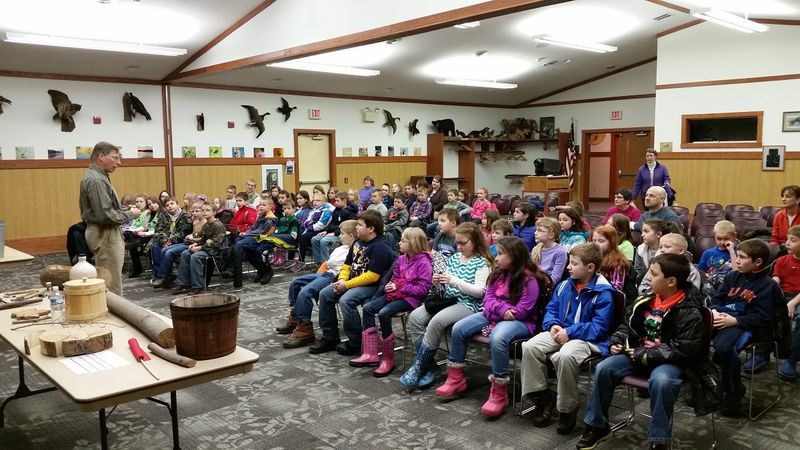
Sometimes the best fossil stop is not only about what you collect, but about how quickly the landscape starts making sense. Displays, trail access, and nearby fossil resources come together in a way that helps you connect stones in your hand to the vanished sea they came from.
That is what makes the visitor center area at Montour Preserve such a useful companion stop for any Danville fossil outing.
While it is not the main collecting pit itself, this area adds context that many casual visitors miss. Educational materials and displays can help you identify common fossils, understand the Devonian environment, and plan where to spend your time more effectively.
If you are visiting with kids or first-time collectors, that extra orientation can dramatically improve the day.
I appreciate places that slow you down just enough to sharpen your curiosity. After seeing examples and reading the preserve’s geological story, even ordinary fragments start feeling more meaningful.
The surrounding preserve also offers trails, water views, and a broader natural setting that keeps the trip enjoyable for people who are not purely focused on fossil collecting.
Use this stop as your launch point before heading to the fossil pit system. It is also a smart place to regroup afterward and compare finds against display specimens.
For a more rounded Pennsylvania fossil experience, the visitor center area brings science, scenery, and practical guidance together nicely.
Suedberg Fossil Site
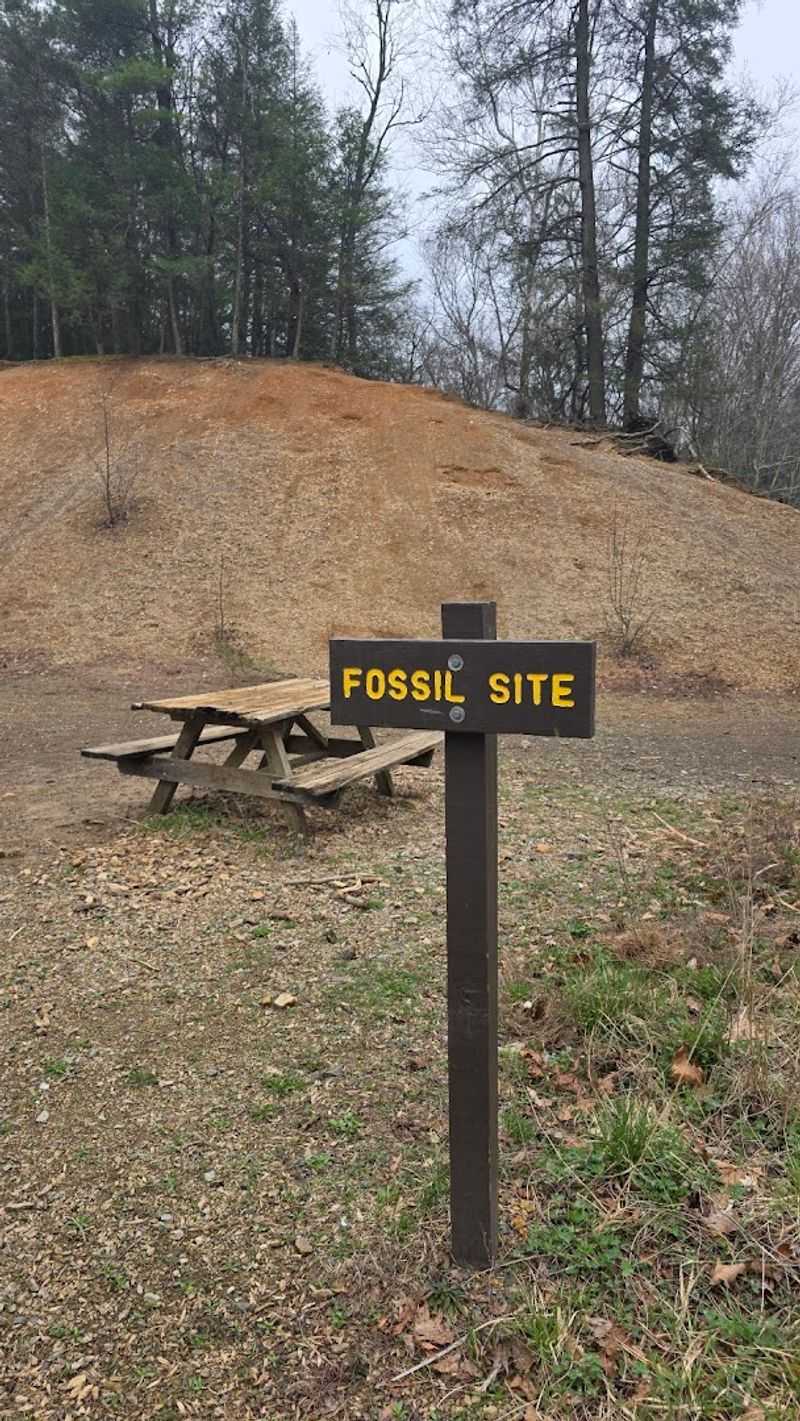
There is something especially satisfying about a fossil site that still feels a little rough around the edges. The search becomes part geology lesson, part treasure hunt, as broken shale and weathered exposures ask you to slow down and really inspect the details.
That atmosphere fits the Suedberg Fossil Site near Pine Grove and the broader Swatara area very well.
Collectors know this locality for Devonian shale fossils, including brachiopods, crinoid fragments, and occasional trilobite material. The fossil content rewards careful observation more than blind smashing, which is part of its appeal if you enjoy the process as much as the result.
Compared with highly managed destinations, this kind of site feels more exploratory and self-directed.
I like recommending Suedberg to people who want a stronger sense of place with their fossil hunting. Forested surroundings, uneven exposures, and the feeling of working through ancient sedimentary layers create a more immersive experience than a simple roadside stop.
It also encourages patience, which usually leads to better finds and fewer broken specimens.
Before visiting, check current access guidance for the Swatara region and respect all state land rules. Conditions can change, and some areas may be sensitive or unsuitable for collecting.
If approached responsibly, Suedberg offers one of Pennsylvania’s more atmospheric ways to search for traces of an ancient Devonian sea.
Red Hill Fossil Site
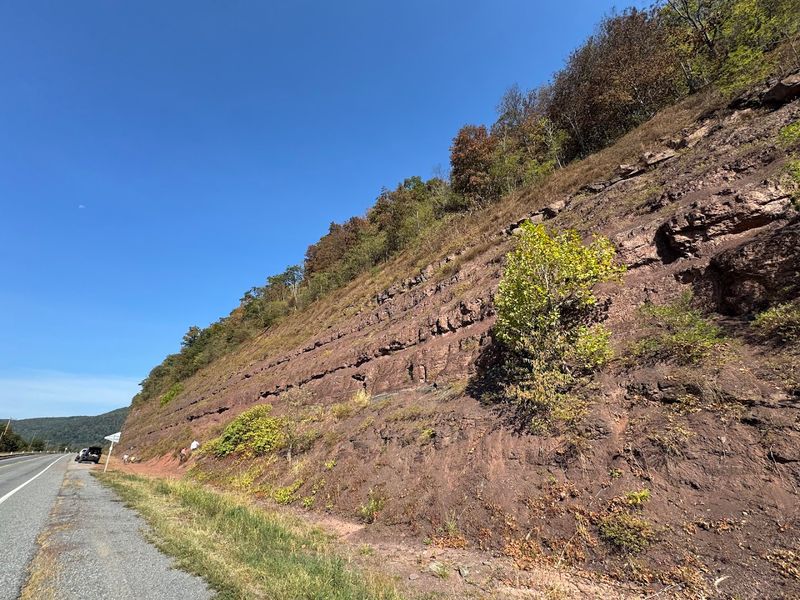
Some fossil places matter not because you are likely to fill a bag with specimens, but because they changed what scientists understand about life on Earth. Standing near such a site can feel humbling, especially when the rocks underfoot once held creatures linked to major evolutionary transitions.
That sense of importance defines Red Hill in Clinton County along the Bucktail region.
Red Hill is internationally known for Late Devonian fossils, particularly fish remains that have made it a landmark for paleontological research. The site has contributed to understanding ancient freshwater ecosystems and the world that existed as vertebrate life was changing in extraordinary ways.
Even if casual collecting is limited or inappropriate, the location remains deeply compelling for fossil enthusiasts.
I think this is the kind of place that broadens your definition of fossil hunting. Instead of chasing easy take-home finds, you are connecting with a locality where the scientific story itself becomes the reward.
Nearby landscape, geology, and interpretive context help you appreciate why certain exposures become famous far beyond the state.
Because Red Hill is a sensitive research area, always prioritize protection over collecting. Look for official guidance, educational resources, and public information rather than assuming open access.
If you want to experience Pennsylvania’s fossil heritage at its most significant and scientifically meaningful, Red Hill belongs high on your list.
Red Hill Field Lab & Fossil Display
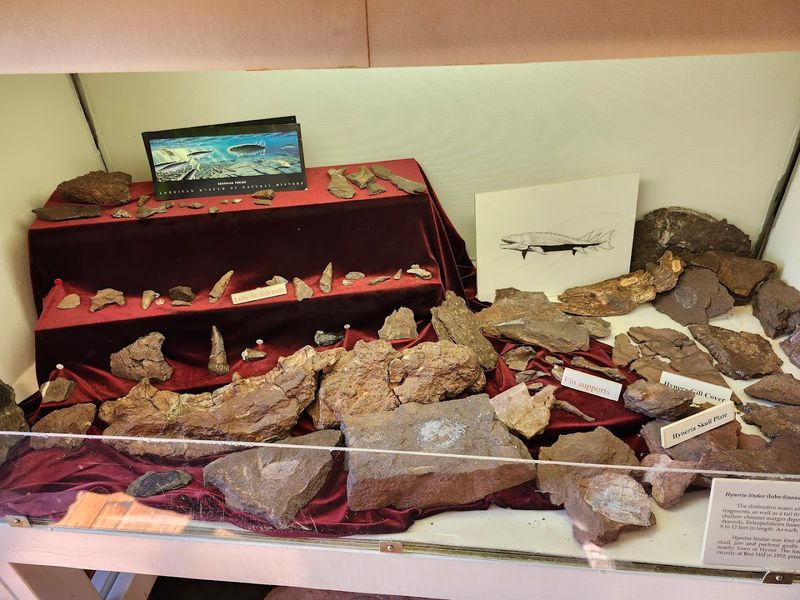
When a fossil site is too important to treat casually, a good field lab can become the next best thing to standing in the excavation itself. Seeing the research story laid out in a more accessible way helps you understand why certain bones, scales, and fragments matter so much.
That is the appeal of the Red Hill Field Lab and fossil display in Clinton County.
This resource is tied to one of Pennsylvania’s most scientifically celebrated Devonian fossil localities. Instead of emphasizing souvenir hunting, it highlights excavation, interpretation, and the broader paleontological significance of the finds coming from Red Hill.
For visitors who want a deeper understanding of ancient fish fossils and the ecosystems they represent, that focus is invaluable.
I often think places like this make fossil travel more rewarding, not less. You are not just looking at rocks and hoping for luck, but stepping into the logic of research, preparation, and discovery.
That added layer can turn a simple stop into something memorable, especially if you are traveling with curious kids or adults who like science as much as adventure.
Check current public access, seasonal programming, and any special events before making the trip. Availability can vary, and some features may be more active during certain times of year.
As an educational complement to Red Hill itself, this is one of Pennsylvania’s strongest fossil interpretation stops.
Lehigh Gap Fossil Exposure Areas
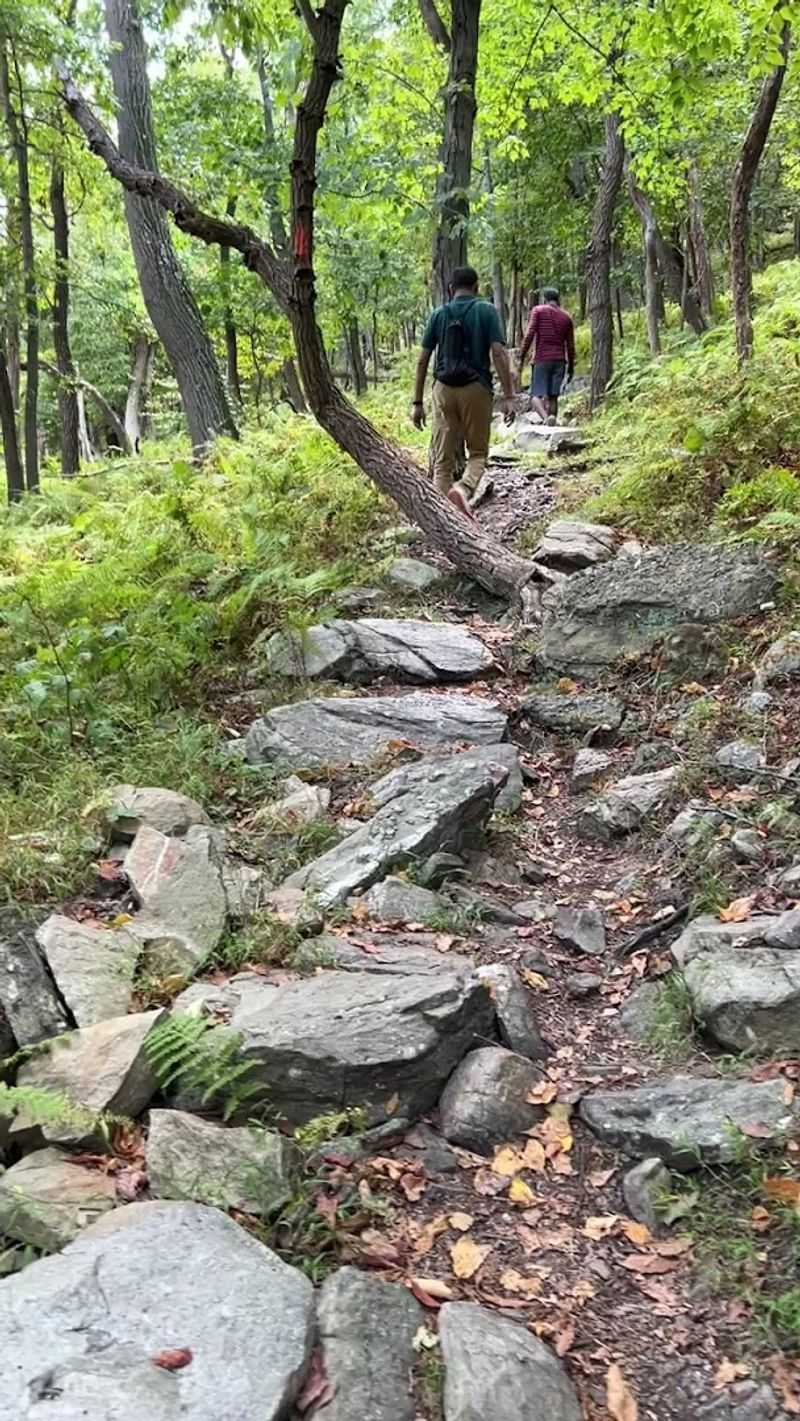
Wind, stone, and steep Appalachian scenery give some fossil hunts a dramatic edge that flat collecting sites simply cannot match. In places like this, the geology is not hidden at all – it towers, folds, and cuts across the landscape in ways you can actually read.
That visual power is part of what makes the fossil exposure areas around Lehigh Gap so memorable.
Near Slatington, these exposures are associated with older sedimentary formations that can yield Ordovician fossils such as brachiopods and crinoid material. The exact opportunities vary by exposure and access, so this is not a one-size-fits-all collecting destination.
Still, for people interested in combining geological observation with careful fossil searching, the area has real appeal.
I think Lehigh Gap works best if you approach it with curiosity first and collecting second. The gap itself tells a huge story about rock layers, mountain building, erosion, and deep time, so even modest fossil finds feel anchored in something larger.
Hikers and amateur geologists often come away impressed whether or not they pocket a standout specimen.
Research specific legal access points before visiting, and do not assume every exposed outcrop is open for collecting. Safety also matters, since terrain can be steep and loose in places.
For a Pennsylvania site where landscape drama and fossil potential meet, Lehigh Gap is hard to forget.
Delaware Water Gap National Recreation Area
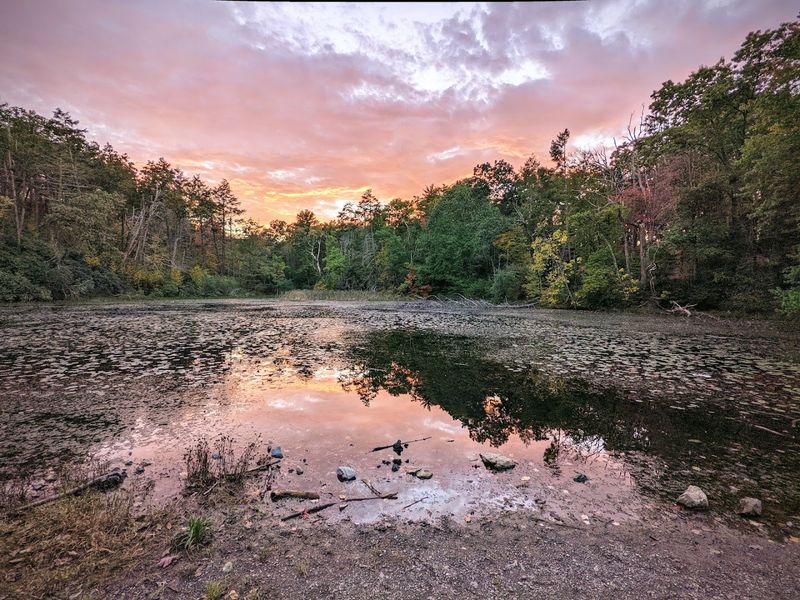
Sometimes the thrill comes less from collecting and more from realizing just how much history is stacked into a landscape. Towering ridges, river-carved gaps, and long walls of exposed sedimentary rock make you feel tiny in the best possible way.
That is the experience many fossil-minded visitors have in Delaware Water Gap National Recreation Area.
The area contains sedimentary formations where marine invertebrate fossils can be observed, linking today’s scenic river corridor to ancient environments that looked nothing like modern Pennsylvania. Depending on where you explore, you may notice shells, impressions, or fossil-bearing layers that reveal the region’s buried oceanic past.
Even when collecting is limited, the interpretive value is enormous.
I like this destination for travelers who want their geology served with big views. You can pair a hike, overlook, or river outing with fossil awareness and suddenly the whole landscape becomes richer.
Instead of seeing cliffs as just scenery, you begin reading them as pages from a very old record.
Because this is a National Park Service area, always follow regulations about collecting and resource protection. In many places, observation and photography are the right approach rather than removal.
If your idea of fossil hunting includes awe, context, and some of the best scenery in the state, Delaware Water Gap absolutely delivers.
Ohiopyle State Park
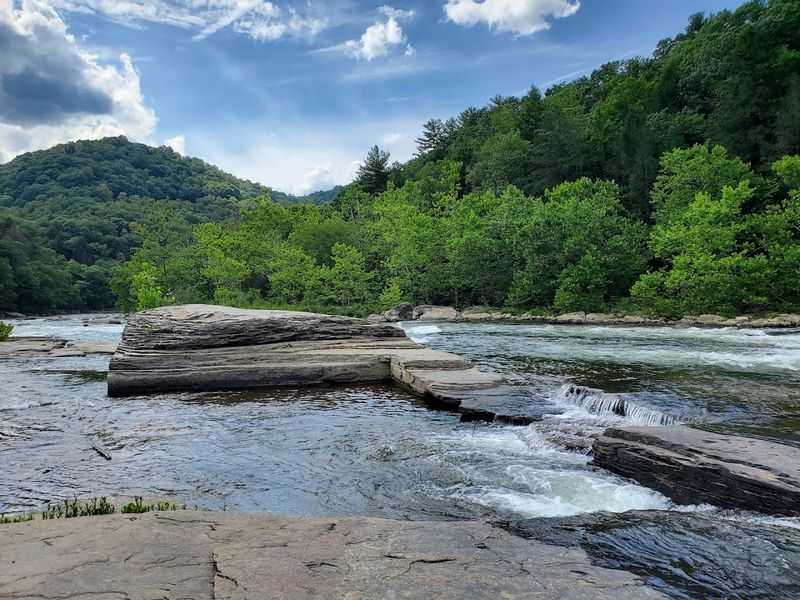
Rushing water and rugged gorge scenery are not what most people picture first when they think of fossils. Yet in the right sedimentary formations, even a high-energy park known for waterfalls and whitewater can preserve much older, quieter stories from ancient seas.
That surprising contrast is part of what makes Ohiopyle State Park worth a fossil lover’s attention.
The park includes fossil-bearing sedimentary rocks where marine traces and other ancient clues may be found, especially by visitors who pay close attention to bedding planes and weathered surfaces. This is less about a famous collecting hotspot and more about sharpening your eye in a spectacular landscape.
Geological awareness turns ordinary overlooks and trail segments into opportunities for discovery.
I like recommending Ohiopyle because the setting does some of the work for you. Even if the fossil finds are subtle, the park’s dramatic terrain, river energy, and expansive trail network make the trip feel worthwhile from the start.
If you are traveling with active friends or family, it is easy to mix fossil curiosity with a full day of outdoor adventure.
Be careful around slick rock, moving water, and steep edges, and always follow state park collecting rules. Good footwear matters here more than at gentler sites.
For people who want fossil potential wrapped inside one of Pennsylvania’s most exciting natural playgrounds, Ohiopyle is an excellent pick.
Fossils Cliff
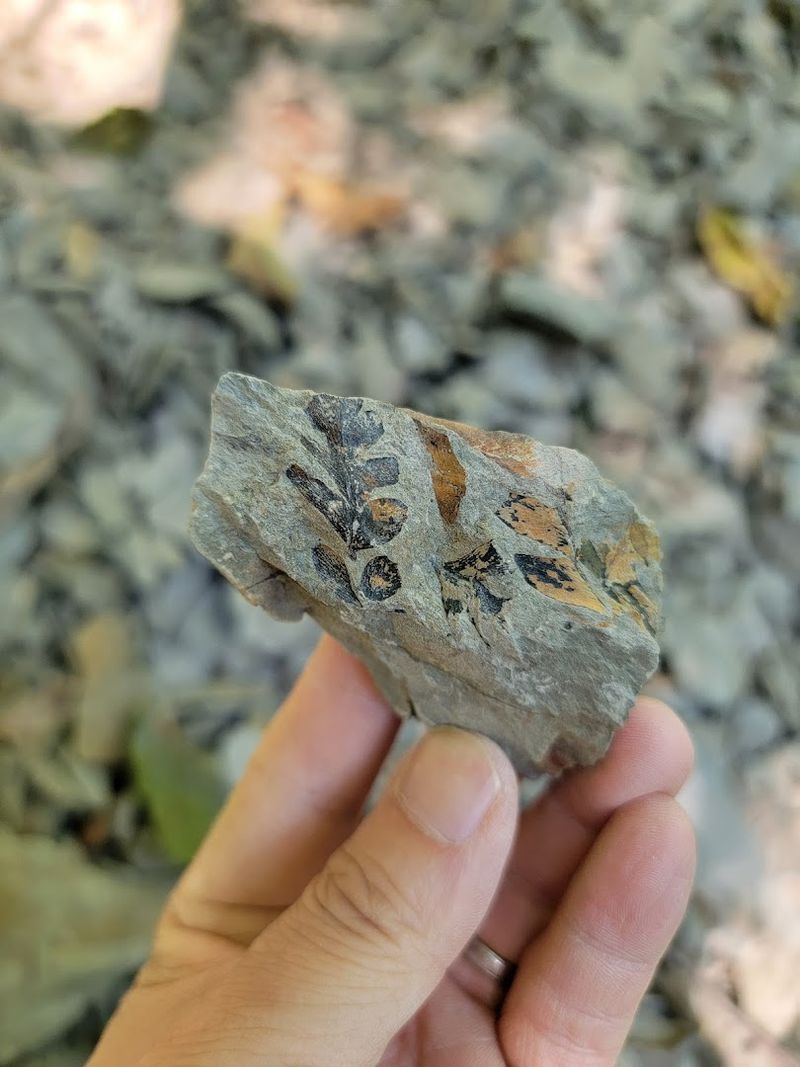
Some places gain a following because the name alone sparks curiosity. A rocky ledge called Fossils Cliff promises exactly the kind of adventure that makes you lean closer to every weathered surface, hoping the next impression in stone will be the best of the day.
In northeastern Pennsylvania, that reputation has made this exposure memorable among local fossil seekers.
The site is known informally for fossil-bearing ledges where brachiopods, crinoid fragments, and similar marine remnants can appear in exposed rock. Because it lacks the formal infrastructure of a preserve or museum-linked locality, the experience feels more old-school and self-guided.
That can be exciting, but it also means you need to approach the area with extra care and respect.
I would treat Fossils Cliff as a place for observation, careful exploration, and realistic expectations rather than guaranteed collecting. Informal sites can vary a lot depending on weathering, access, and how accurately people describe them online.
Still, if you enjoy following geological hints and piecing together a place’s story for yourself, the hunt can be deeply satisfying.
Verify local access before going, since unofficial sites can involve private land or sensitive areas. Good footwear is important if slopes or ledges are uneven.
For adventurous fossil fans drawn to lesser-known Pennsylvania exposures, Fossils Cliff offers intrigue, atmosphere, and the possibility of genuine discovery.
Dinosaur Rock / Devonian Exposure Site
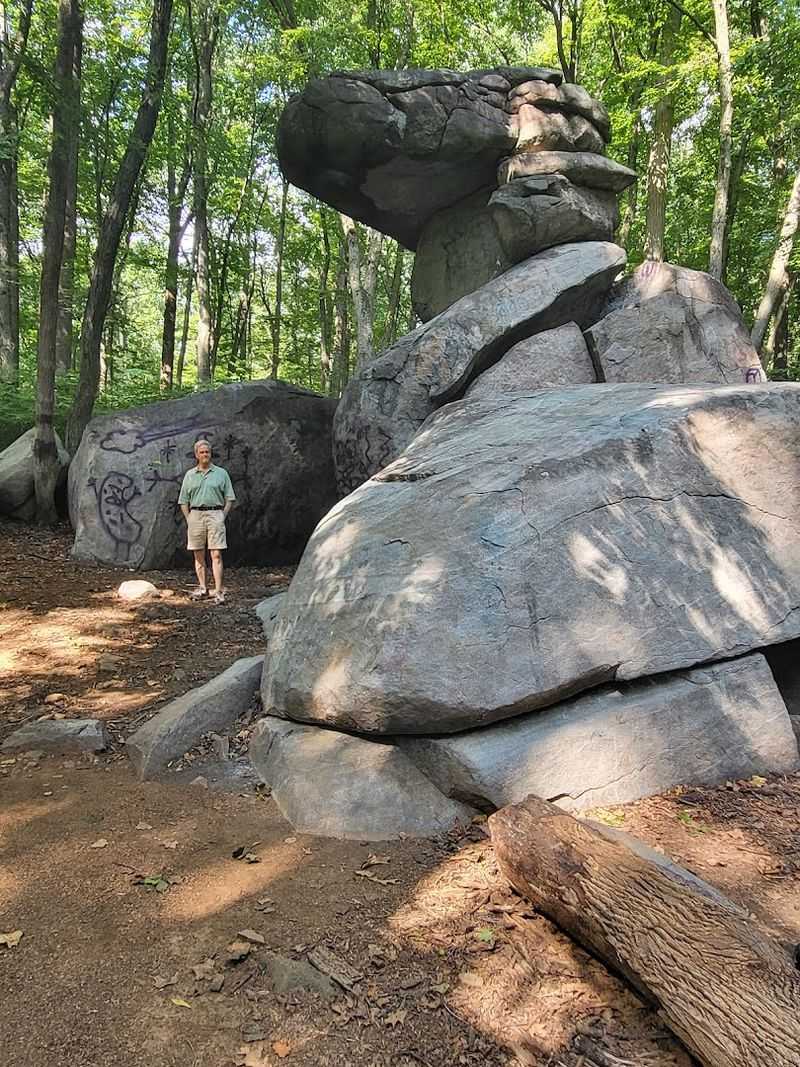
A nickname like Dinosaur Rock can pull you in even when dinosaurs are not the real story. The fun is in discovering that the site actually points to something older and more locally characteristic – marine fossils preserved in Devonian rock that speaks to Pennsylvania’s ancient seas.
That contrast gives this Bucktail region exposure its personality.
Known informally and described more as a regional fossil stop than an official destination, this site is associated with Devonian marine material rather than dinosaur bones. Depending on the exact exposure and conditions, collectors may encounter invertebrate fossils and other sedimentary evidence of long-vanished environments.
It is one of those places where local knowledge and timing can matter as much as raw fossil abundance.
I enjoy spots like this because they carry a sense of folklore along with geology. The name gets your attention, but the real reward is learning to see beyond it and appreciate the much deeper and more accurate paleontological story in the rocks.
For curious travelers, that blend of myth, place, and science can be unexpectedly engaging.
Since there is no major official framework attached to the site, verifying access and land status is essential. Be respectful, keep safety first, and avoid damaging exposures unnecessarily.
If you like chasing regional legends while still searching for authentic Pennsylvania fossil history, Dinosaur Rock is a fascinating final stop.