Spring doesn’t arrive quietly in Pennsylvania — it bursts onto the scene in waves of tulips, flowering trees, and gardens so beautiful they barely feel real. May is when the state reaches peak storybook magic, with winding paths, fragrant blooms, and colors around every corner.
Some gardens hide beside grand historic estates, while others bloom deep in peaceful woodlands filled with wildflowers and birdsong. Every stop feels a little dreamy this time of year, especially with cool breezes and fresh spring scents drifting through the air.
From formal flower displays to secret-looking forest trails, these eleven Pennsylvania gardens put on a dazzling show in May. Get ready for places that feel straight out of a fairy tale.
Longwood Gardens (Kennett Square)
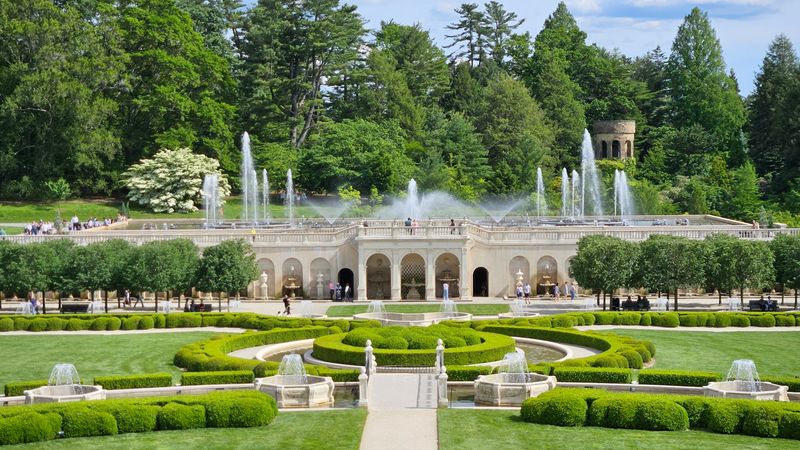
Spanning over 1,000 acres of pure botanical wonder, this world-renowned estate delivers everything you’d imagine from a European palace garden. Think cascading fountains, massive glass conservatories filled with exotic plants, and flower beds that stretch as far as you can see.
May brings an absolute explosion of color here. Thousands of tulips bloom in choreographed patterns across formal beds, while wisteria drapes from pergolas like purple waterfalls.
Flowering trees dot the open meadows, creating those picture-perfect moments you see in fancy gardening magazines.
The conservatory alone houses 4.5 acres of indoor gardens, so you can explore regardless of weather. Outside, the main fountain garden puts on spectacular water shows that feel almost theatrical.
Walking paths wind through woodlands, meadows, and carefully designed spaces that showcase different gardening styles.
What makes Longwood truly special is how it changes with each season. The spring display feels intentionally designed to look like a living painting, with colors transitioning smoothly from one section to another.
Chanticleer Garden (Wayne)
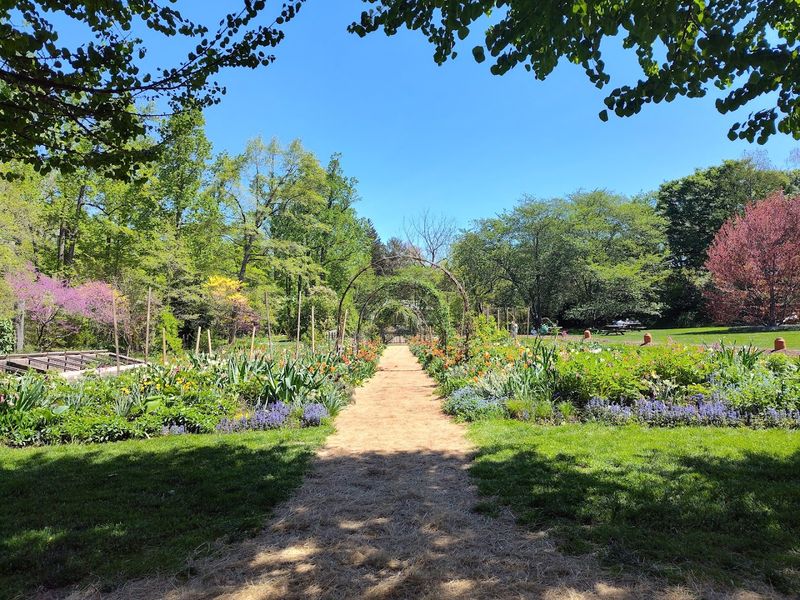
Picture a garden designed purely for joy and exploration rather than following strict rules. That’s Chanticleer in a nutshell.
Every corner reveals something unexpected, from playful plant combinations to artistic touches that make you smile.
Staff gardeners here treat each area like a canvas, constantly experimenting with textures, colors, and unexpected plant pairings. You won’t find rigid rows or predictable layouts.
Instead, curved paths lead you through intimate spaces where bold foliage plants mingle with delicate flowers in ways that shouldn’t work but absolutely do.
Spring brings out the garden’s most whimsical personality. Emerging perennials create layers of green in different shades and textures, punctuated by early bloomers in surprising color combinations.
Some spots feel tropical, others feel cottage-like, and a few have an almost wild meadow vibe.
The beauty of Chanticleer lies in its constant evolution. Gardeners actively change things throughout the season, so return visits always reveal something new.
It’s like walking through someone’s constantly shifting daydream rather than a traditional garden.
Morris Arboretum & Gardens (Philadelphia)
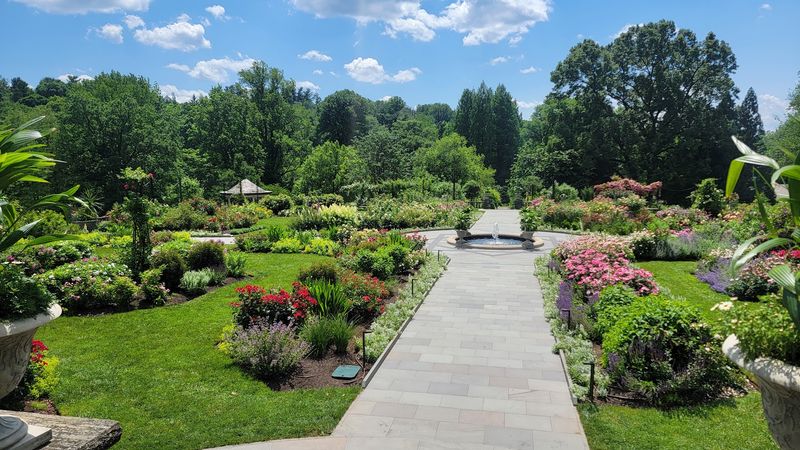
Built on the grounds of a Victorian estate, this arboretum beautifully marries historic elegance with modern botanical displays. The original landscape architecture still shines through, giving the whole place that timeless English countryside feeling.
May transforms Morris into a showcase of flowering trees. Magnolias display their spectacular cup-shaped blooms in whites, pinks, and purples.
Cherry trees rain down petals like pink snow, while the sweeping lawns provide perfect spots for picnicking beneath the canopy.
Woodland paths take you through collections of rare plants and specialty gardens, each with its own character. You’ll discover artistic installations tucked into unexpected corners, adding contemporary flair to the historic setting.
The tree canopy walk offers bird’s-eye views of the spring foliage below.
What sets Morris apart is its dedication to both beauty and botanical education. Rare plant specimens from around the world grow alongside native Pennsylvania species.
The combination creates diverse ecosystems within a single property, making each walk feel like a global botanical tour.
Phipps Conservatory and Botanical Gardens (Pittsburgh)
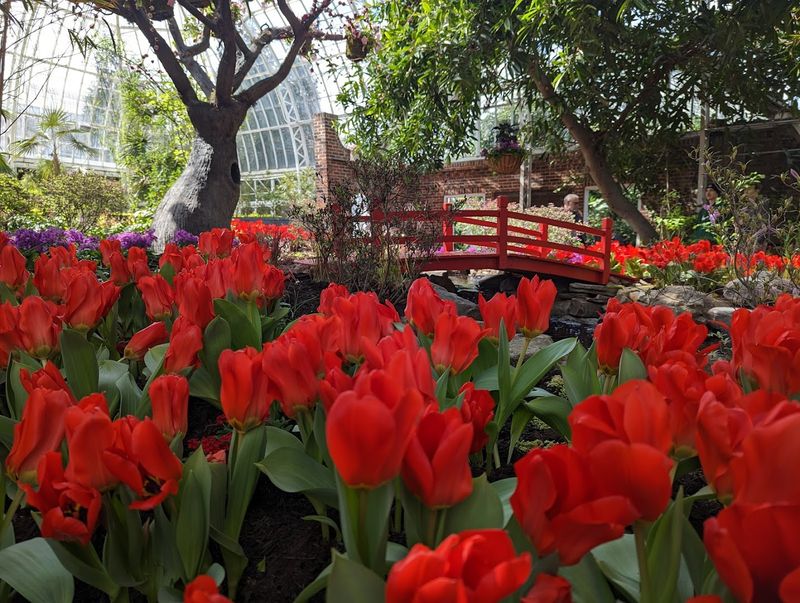
A stunning Victorian glasshouse anchors this botanical paradise, creating an instant feeling of stepping into another era. The architecture alone is worth the visit, with its gracefully curved glass panels and ornate metalwork that photograph beautifully from every angle.
Inside, tropical palms tower overhead while orchids show off blooms in every imaginable color. The humid warmth feels exotic, especially when you step outside into the cool May air.
That contrast between tropical interior and temperate outdoor gardens creates something truly magical.
Outside gardens surround the conservatory with seasonal displays that change throughout the year. May brings flowering perennials, carefully arranged in themed beds that complement the grand building.
Water features and artistic sculptures add focal points throughout the grounds.
The combination of indoor and outdoor spaces means there’s always something blooming, regardless of weather. Kids love the butterfly forest, where hundreds of butterflies flutter freely.
Adults appreciate the sophisticated design and horticultural excellence displayed in every carefully tended section. It’s elegance meets accessibility in the best possible way.
Bartram’s Garden (Philadelphia)
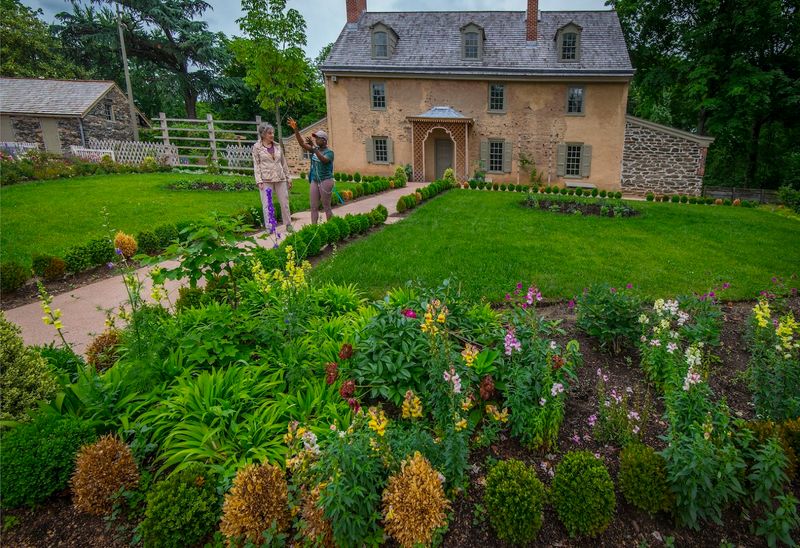
Did you know America’s oldest surviving botanical garden sits right along Philadelphia’s riverfront? Established in 1728, this historic site feels refreshingly untamed compared to more formal gardens.
Its charm lies in celebrating native plants and natural beauty over manicured perfection.
Spring wildflowers carpet the meadows in soft purples, yellows, and whites. The riverfront location adds peaceful water views that enhance the fairy-tale atmosphere.
Unlike gardens with rigid pathways and sculpted beds, Bartram’s embraces a wilder aesthetic that feels more like discovering a secret woodland clearing.
Native plant collections showcase Pennsylvania’s natural heritage, with species that grow wild throughout the state. Heritage trees planted centuries ago still stand tall, their massive trunks telling stories of the garden’s long history.
Walking paths meander through different habitats, from wetlands to woodland edges.
What makes this place special is its dual role as living history and ecological sanctuary. You’re literally walking where America’s first botanist once walked, while also experiencing what Pennsylvania’s landscape looked like before modern development.
It’s educational without feeling like a classroom.
Jenkins Arboretum & Gardens (Devon)
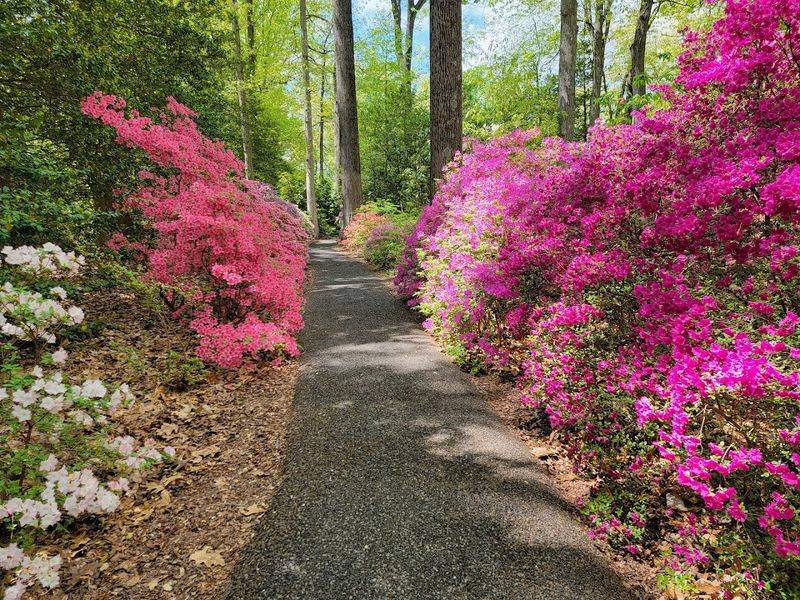
When rhododendrons and azaleas reach peak bloom in May, this woodland sanctuary becomes absolutely mesmerizing. Imagine walking through a shaded forest where every turn reveals another explosion of pink, purple, red, or white flowers glowing against dark green leaves.
Curved paths wind through naturally shaded groves, creating an intimate exploring experience. The woodland setting keeps things cool and comfortable even on warmer days.
Moss-covered rocks and mature trees add to that enchanted forest feeling.
The azalea collection here ranks among the finest in the region, with varieties ranging from delicate pastels to vibrant hot pinks. Rhododendrons form massive bushes that tower overhead when in full bloom.
The effect is like walking through tunnels of color, with dappled sunlight filtering through the canopy above.
Because the garden focuses primarily on woodland species, it maintains that quiet, peaceful atmosphere throughout. You won’t find manicured lawns or formal beds here.
Instead, everything flows naturally, as if nature herself designed the layout. Perfect for quiet contemplation or getting lost in your thoughts while surrounded by spectacular spring color.
The Scott Arboretum of Swarthmore College (Swarthmore)
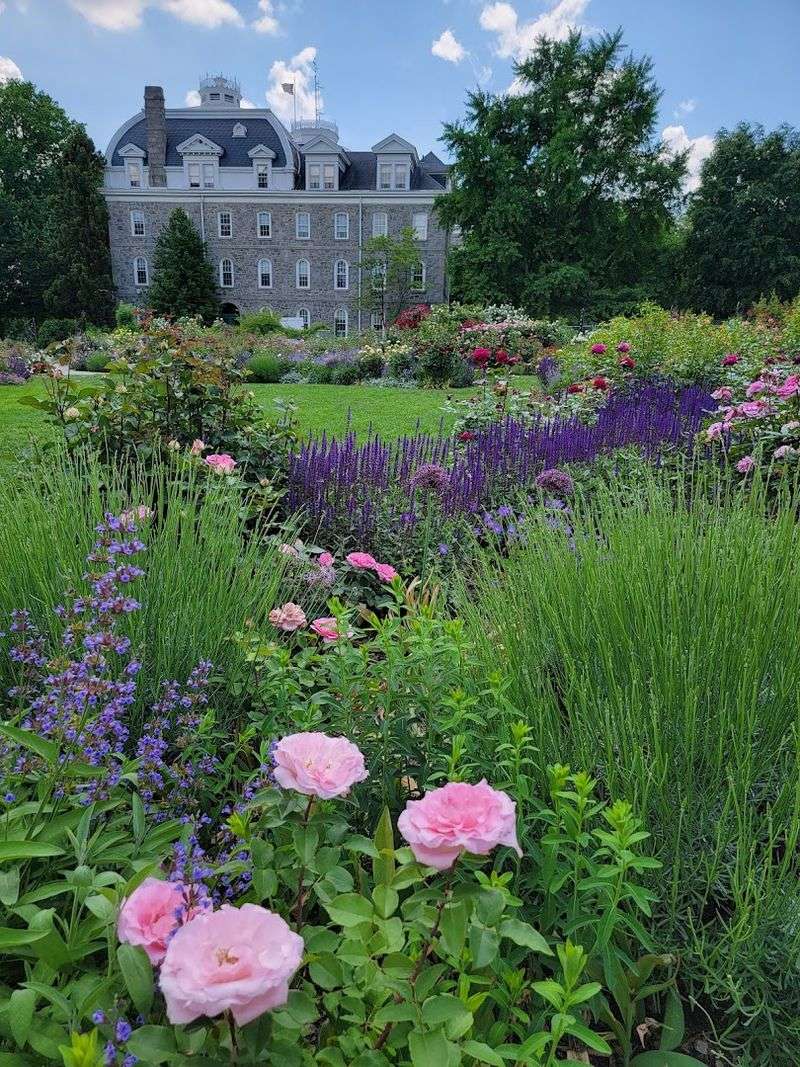
College campuses aren’t usually known for fairy-tale gardens, but Scott Arboretum proves the exception. This living museum of plants transforms Swarthmore’s campus into something straight out of a romantic novel, especially when May brings peak blooming season.
Wisteria-draped arbors create natural tunnels of cascading purple and white flowers. Walking beneath them feels almost magical, with sweet fragrance filling the air.
Peony beds burst with dinner-plate-sized blooms in every shade from white to deep crimson, their heavy heads nodding with each breeze.
Flowering trees dot the campus lawns, turning ordinary pathways into spectacular walks. The arboretum designation means every tree and shrub is carefully chosen and labeled, so you’re learning while you enjoy the scenery.
Collections focus on plants that thrive in the mid-Atlantic region.
What’s remarkable is how seamlessly ornamental beauty integrates with campus life. Students study beneath cherry trees in bloom.
Wedding photos happen among the peonies. The garden serves both educational purposes and aesthetic enjoyment, creating an elevated college experience that few other schools can match.
Tyler Arboretum (Media)
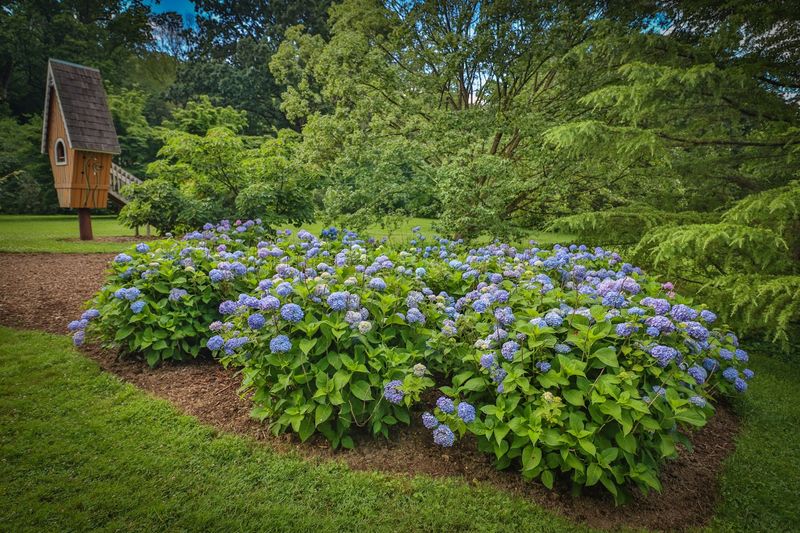
Among Pennsylvania’s oldest arboretums, Tyler has been growing and evolving since 1681. That means some trees here have been standing longer than the United States has existed.
Walking among these ancient giants creates an immediate connection to history.
Expansive trails wind through diverse habitats, from dense woodlands to sunny meadows. Spring wildflowers blanket the forest floor in a changing tapestry of color as different species bloom throughout May.
The open meadows provide contrast, with tall grasses swaying and wildflowers dotting the landscape like nature’s confetti.
Heritage trees form the backbone of this garden. Massive oaks, towering pines, and sprawling beeches create a living cathedral of sorts.
Their size and age inspire awe, reminding visitors of nature’s patient timeline.
The beauty of Tyler lies in its commitment to preserving natural landscapes rather than creating formal gardens. Paths feel like woodland discoveries rather than designed walkways.
A historic mansion and centuries-old barn add architectural interest. It’s the perfect spot for those who prefer exploring wilder spaces over strolling through manicured beds.
Hershey Gardens (Hershey)
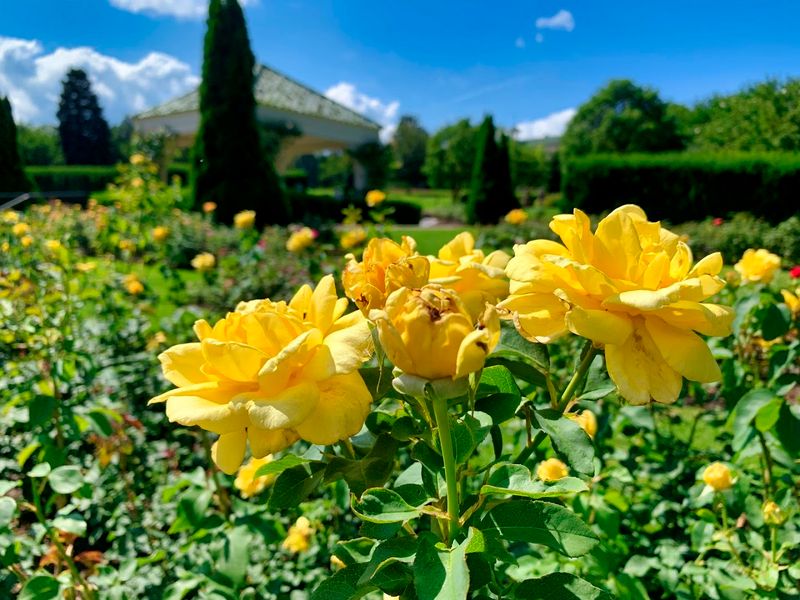
Created by chocolate magnate Milton Hershey himself, these gardens prove that sweetness comes in many forms. The 23-acre property sits on a hillside overlooking the famous chocolate town, offering views that mix small-town charm with horticultural beauty.
May brings one of the garden’s most spectacular shows. Thousands of tulips bloom in coordinated color schemes across formal beds.
Daffodils nod their cheerful yellow heads in masses. Early roses begin their season, hinting at the summer displays to come when over 5,000 rose bushes hit peak bloom.
The butterfly atrium adds pure whimsy to the experience. Hundreds of butterflies from around the world flutter freely in a tropical setting, landing on visitors and flowers alike.
Kids absolutely love this interactive element, and adults find it equally enchanting.
Themed garden areas create distinct experiences within the larger property. Japanese-inspired spaces offer tranquility, while children’s gardens encourage playful exploration.
The combination of formal displays and accessible, family-friendly features makes Hershey Gardens appeal to visitors of all ages and gardening knowledge levels.
Bowman’s Hill Wildflower Preserve (New Hope)
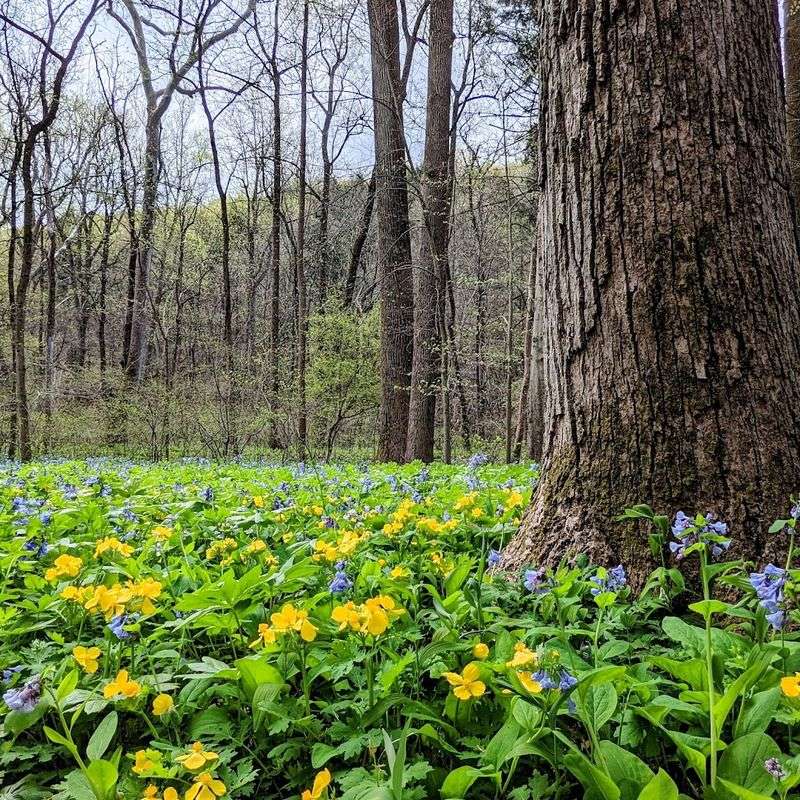
For those who find storybooks in nature’s own unedited beauty, this preserve delivers pure magic. One hundred acres dedicated entirely to Pennsylvania’s native plants create landscapes that look exactly like forests did centuries ago, before development changed everything.
Trilliums push up through leaf litter in spring, their three-petaled white or purple blooms signaling the forest’s awakening. Columbine dangles delicate flowers like tiny bells.
Woodland phlox carpets shaded areas in soft purple-blue. These native wildflowers appear exactly where nature intended them, in naturalistic drifts rather than cultivated beds.
Trails meander through diverse habitats, from deep shade to sunny meadow edges. Each micro-environment supports different plant communities, creating constantly changing scenery.
Educational signs identify species without disrupting the wilderness feel.
What sets Bowman’s Hill apart is its ecological authenticity. Nothing here feels designed or arranged by humans.
Instead, it showcases how beautiful Pennsylvania’s natural landscapes truly are when given space to thrive. It’s a living reminder of what surrounded our ancestors, captured and protected for future generations to experience.
Pittsburgh Botanic Garden (Oakdale)
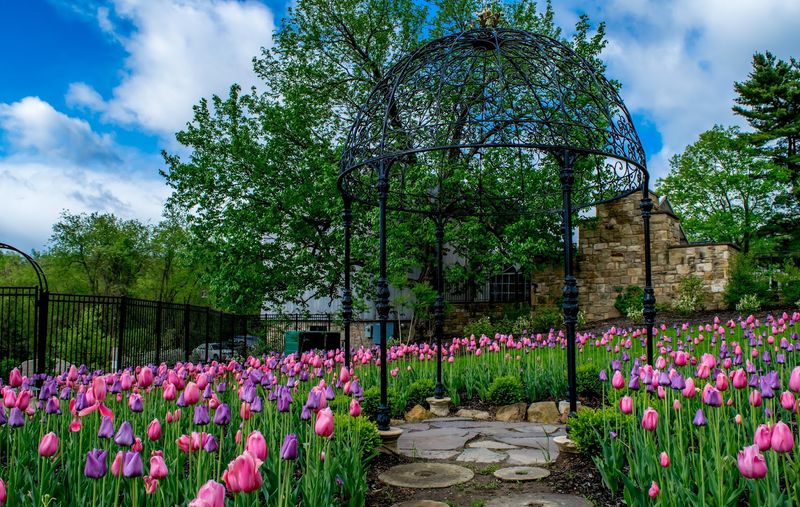
Here’s something remarkable: a stunning garden literally growing from the ruins of industrial mining land. This transformation story adds extra meaning to every bloom, showing nature’s incredible resilience when given proper care and attention.
Spring transforms the property into a layered patchwork of blooming zones. Woodland areas come alive with native flowering trees and understory plants.
Wetlands support water-loving species that attract birds and butterflies. Sculpted garden spaces showcase more traditional plantings in designed settings.
Winding paths connect these diverse areas, creating an exploring experience that feels much larger than the actual acreage. Water features add peaceful sounds and reflective surfaces that multiply the visual impact of surrounding plants.
Strategic placement creates quiet spots perfect for sitting and soaking in the seasonal changes.
The ecological restoration aspect makes this garden particularly inspiring. Where industrial activity once scarred the land, careful planning and dedicated work created thriving ecosystems and beautiful landscapes.
Visiting feels like witnessing a success story, proof that damaged land can become vibrant habitat again. It’s conservation and beauty working hand in hand.