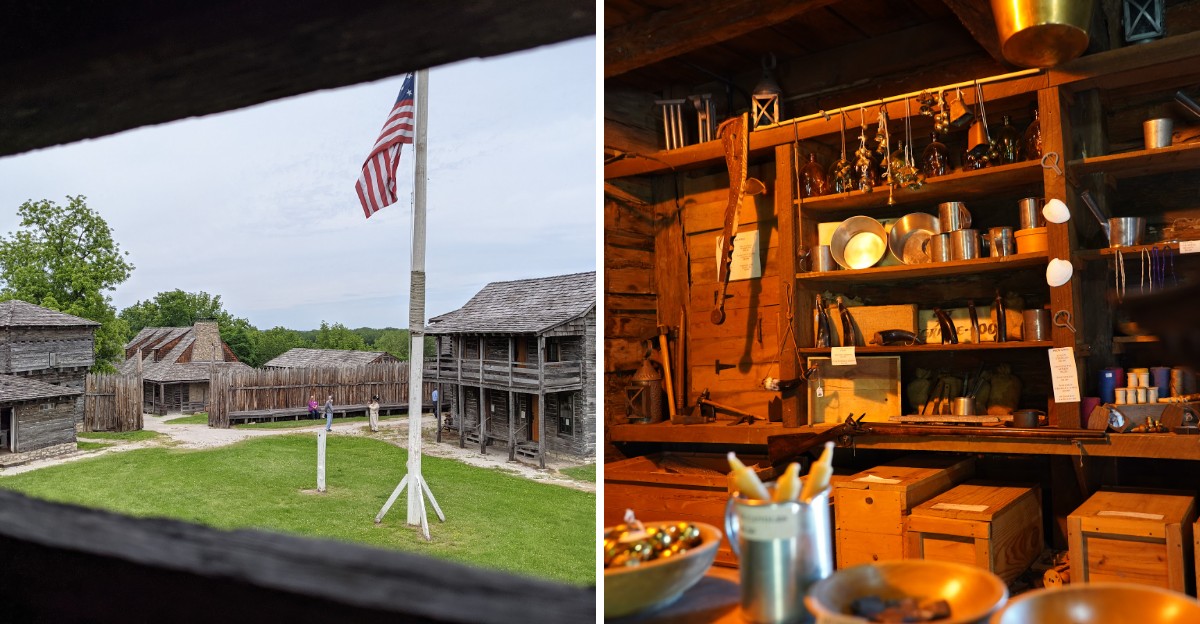
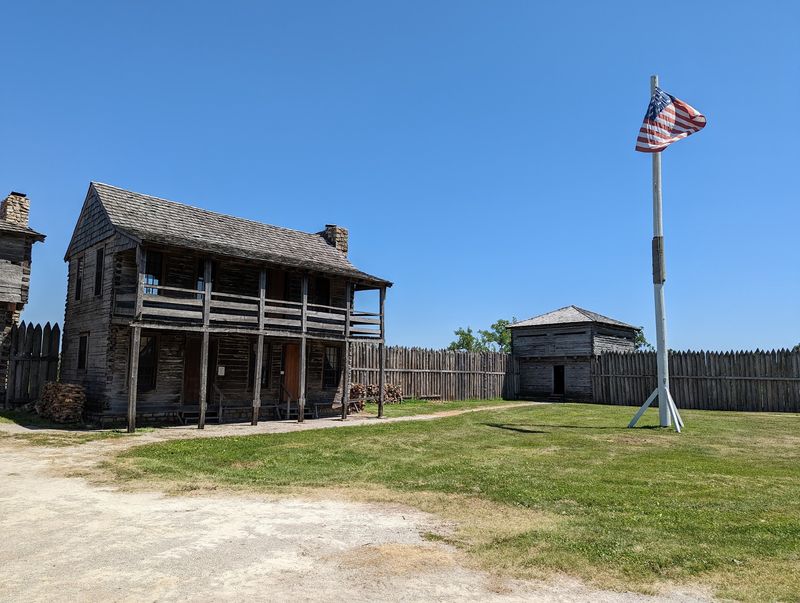
One frontier building here looks like a plain two-story trading house. Two more floors are actually dug into the bluff below it, where workers once tanned hides and kept goods cool.
That sneaky basement is only one surprise. Costumed guides walk the grounds and tell stories from the early 1800s.
A guard keeps watch at the gate. Some days bring blacksmith work, period cooking, or the crack of a musket.
I like how quiet it can feel on a weekday. Some families have had the whole fort to themselves.
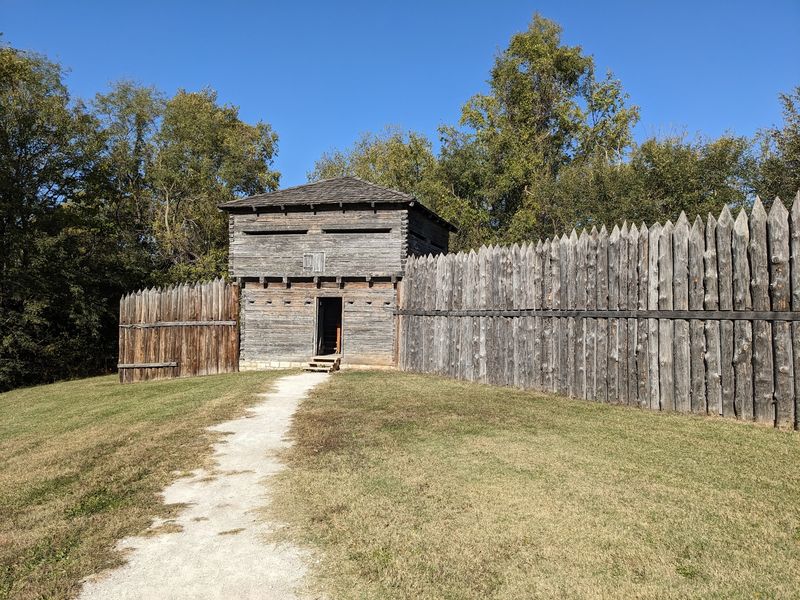
Tall blockhouses look out over the Missouri River, and the breeze up there feels earned.
It all sits just east of Kansas City, an easy drive for grandparents and grandkids alike. So what was a fort doing on this bluff in western Missouri, and why does it still pull people in?
A Frontier Fort Perched High Above The Missouri River
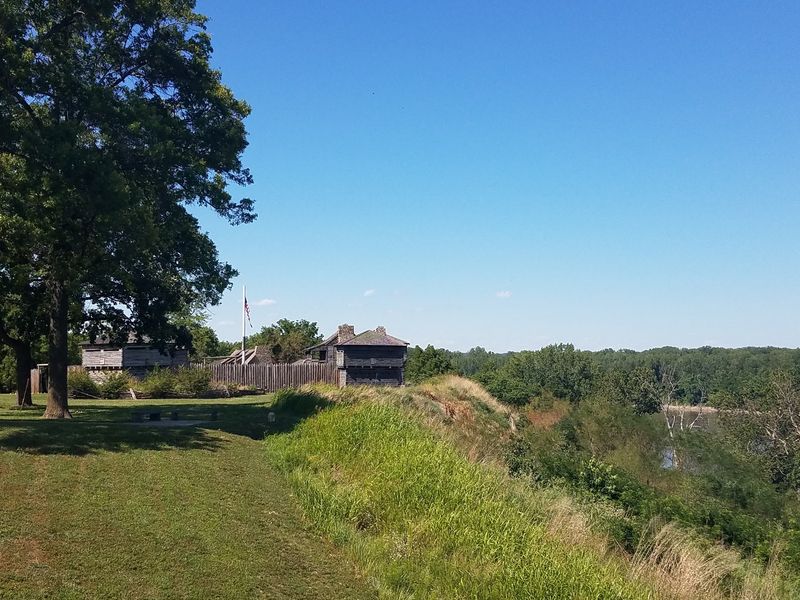
Fort Osage National Historic Landmark sits on a high bluff in the small river town of Sibley. It’s a reconstructed early 1800s fort and trading post, and it feels a bit like stepping off the calendar.
The site works as a living-history museum. Costumed staff portray daily life from two centuries ago, which beats reading about it any day.
Jackson County Parks and Rec runs the site today. That means it’s a county-level treasure with national landmark status, and that’s a fun combo to brag about.
The setup is simple to follow. You start in a modern visitor center, then head out the back door toward the fort itself.
Out there, wooden walls, blockhouses, and log buildings frame big views of the Missouri River. On a clear day, the water stretches out wide and brown below the bluff.
Fort Osage holds a strong 4.7-star rating across hundreds of reviews. That kind of consistency is hard to fake.
It’s not a theme park, and that’s the charm. You get open buildings to explore, people who love their history, and a slower pace that suits curious kids and grandparents equally well.
The Spot Lewis And Clark Spotted First
Plenty of places claim a link to Lewis and Clark. Fort Osage has a better one than most, since William Clark is credited with noting this bluff during the famous 1804 expedition.
He liked what he saw. A few years later, around 1808, Clark reportedly returned to help get the fort built on this very spot.
The location made sense for the era. A high bluff over the Missouri River gave soldiers a long view of traffic moving up and down the water.
Visitors today pick up on that history fast. Lewis and Clark come up again and again when people talk about why they made the trip.
Inside the museum, displays explain the bigger national story around the fort. You also learn about the Osage people, who were central to everything that happened here.
It’s a neat thing to stand where a famous explorer once stood and pointed. Kids may not care about treaties, but they’ll care about that.
For history buffs in Missouri, this is one of those stops that connects a textbook name to real ground. Bring the grandkids who just studied the expedition in school.
Why Washington Wanted A Fair Trading Post Out Here
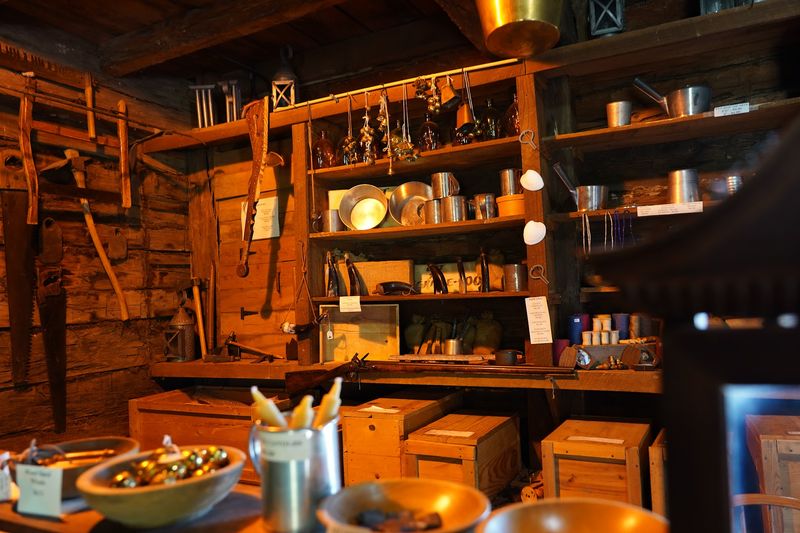
Here’s a twist many people never learned in school. Fort Osage wasn’t only a military post, it was a government trading factory.
The idea traces back to George Washington. He favored a factory system where the government would trade fairly with Native nations instead of leaving it all to private dealers.
Fort Osage became part of that plan. It’s often described as the largest frontier trading post of the early 1800s, which is quite a title for a spot along the Missouri.
The Osage people traded here, bringing furs and hides. In return, they could get goods like cloth, tools, and kettles.
The reconstructed trading post brings that world back. Shelves hold reproduced goods, and docents stand ready to explain how a typical trade worked.
It’s one of the most talked-about buildings on the grounds. People seem to linger here longer than anywhere else.
You’ll walk away understanding the fort as a place of business, not just bayonets. That’s a fresh angle, and it makes the whole visit click into place.
Two Secret Floors Dug Into The Bluff
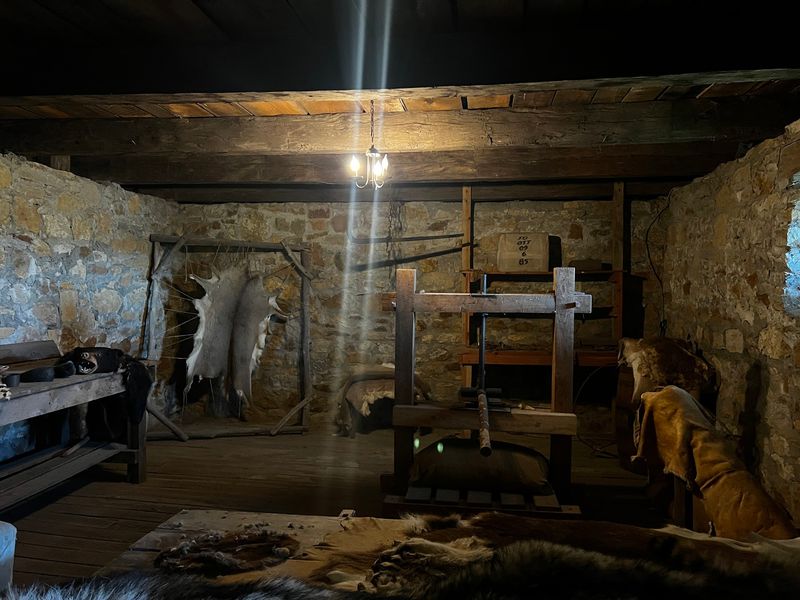
Count the floors on the factory building and you’ll probably say two. You’d be wrong, and nobody would blame you.
Two more levels are built down into the bluff behind it. The original workers used that hidden space as a tanning shop for furs and skins.
The lower floors also served as storage. Tucking goods into the earth kept temperatures steadier, a clever trick long before air conditioning showed up.
It’s the kind of detail that makes kids lean in. A building with a secret basement?
That’s instant adventure material.
Adults tend to appreciate the engineering. Frontier builders had to solve problems with whatever the land gave them, and this bluff gave them plenty.
Keep in mind that access off ground level involves stairs. There are no elevators or ramps to the upper or lower parts of the fort buildings.
Even if you skip the stairs, it’s worth hearing a guide explain the layout. Knowing those floors sit right under your feet changes how the whole building feels.
Costumed Guides Who Make The 1800s Talk Back
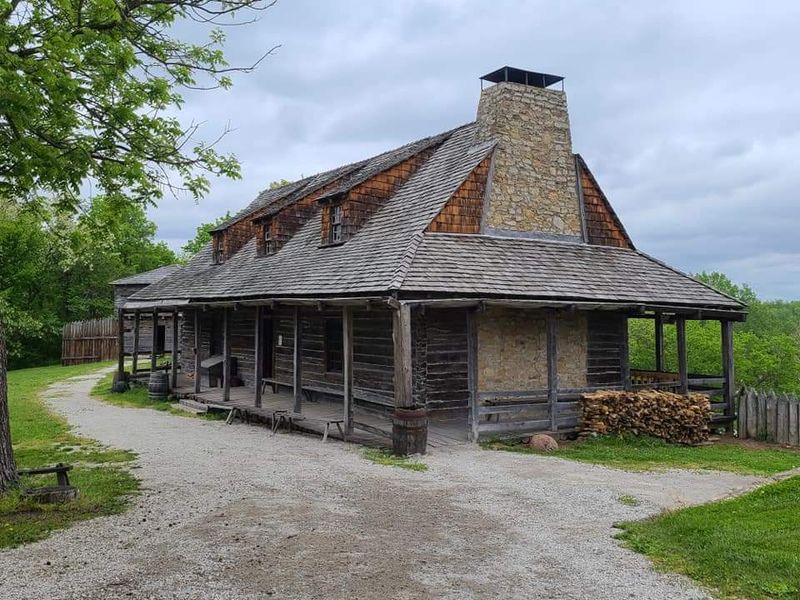
Knowledgeable staff come up more than anything else when people describe this place. Not the views, not the buildings, the people.
Guides dress in period clothing and portray life at the fort in the early 1800s. They answer questions, share stories, and keep the buildings humming with personality.
The fort guard gets special mention. Watching him on duty is apparently half the fun for many families.
Patience seems to be a staff superpower here. Guides often take extra time with little ones, explaining things at a kid-friendly pace.
Some visitors have even gotten personal walk-throughs on snowy days. That kind of dedication says a lot about how much this crew loves the job.
One small tip helps a lot. Docents take a lunch break, so some buildings may close for a bit around midday.
Plan to arrive in the morning or mid-afternoon for the fullest experience. You’ll want those guides around, because they turn a pile of logs into a living story.
Blacksmith Sparks, Musket Smoke, And Frontier Cooking
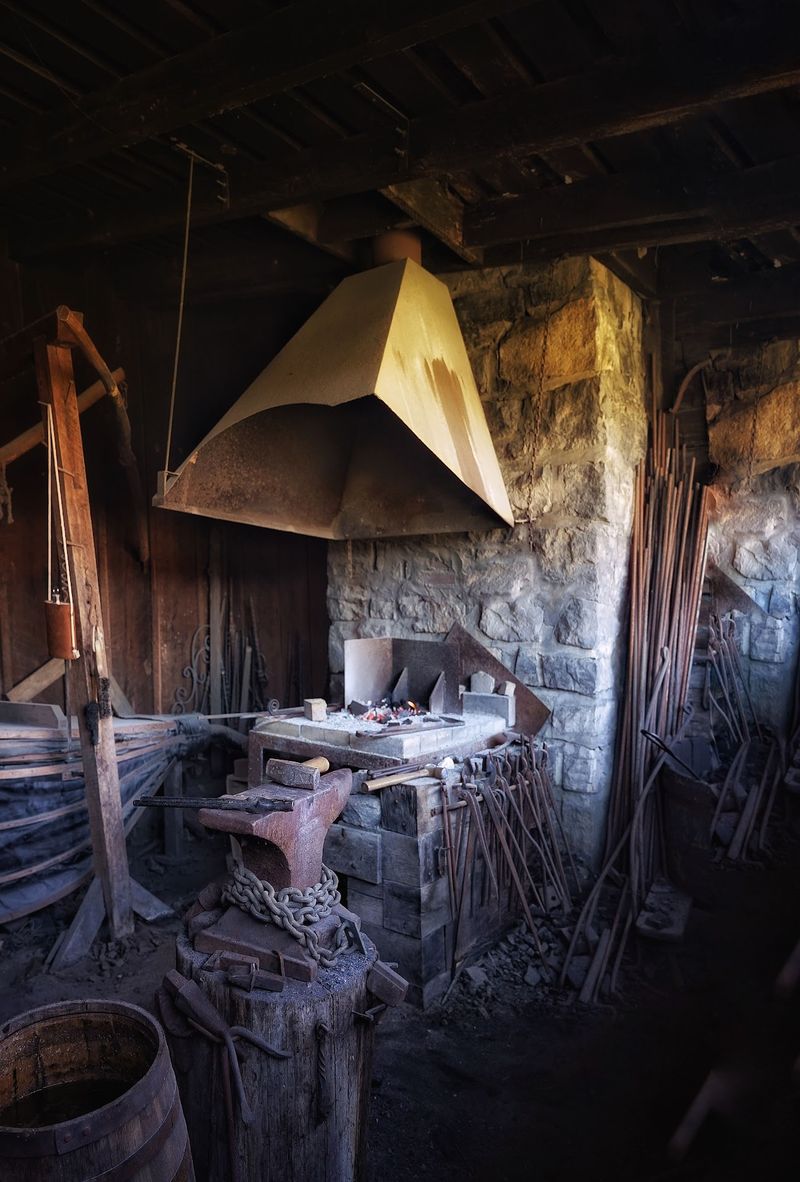
Clang, hiss, boom. On the right day, Fort Osage sounds as lively as it looks.
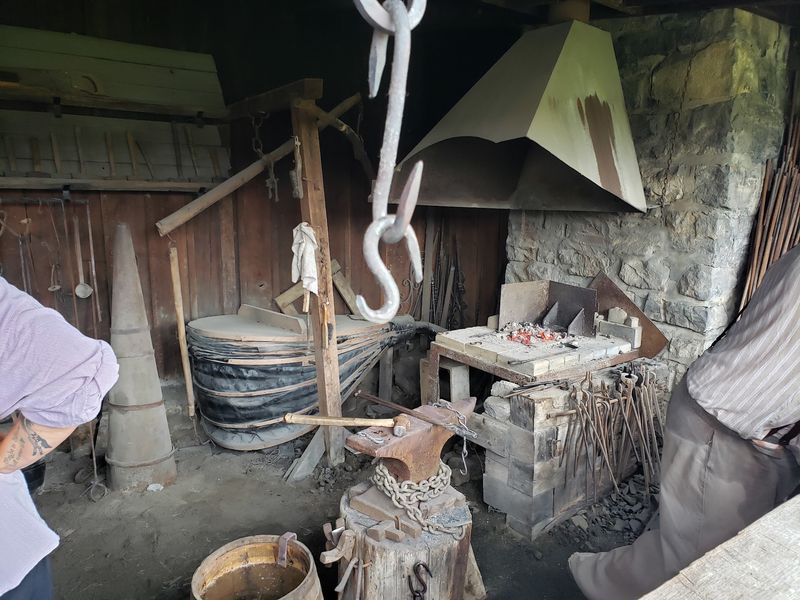
The fort includes a blacksmith shop, barracks, officers’ quarters, and lookout posts. Each building is open for you to look around and explore.
Demonstrations can include blacksmithing and musket firing. Reenactors have also shown period cooking and food preservation on certain days.
That food preservation piece is surprisingly fascinating. Frontier folks had no fridge, so keeping food safe took real skill.
There’s a garden on the grounds too. It grows a bunch of plants and gives a sense of how the fort fed itself.
Demonstrations depend on staffing and the calendar. Theme days and special events pop up through the year, so check Jackson County Parks and Rec before you go.
Kids especially love the hands-on feel. Many families mention interactive things for children, even older ones who usually roll their eyes at museums.
Grandpa may love the musket. Grandma may love the garden.
Everybody wins.
A Modern Museum Below The Visitor Center
Before you ever reach the fort, the visitor center sets the stage nicely. It’s a big, bright, modern building that surprises first-timers.
Start with a short introductory video on the main floor. It runs about five minutes and gives you the basics without the yawns.
An elevator takes you down to the museum level. Exhibits cover the fort’s story, the Osage people, and the wider history of the area.
The museum isn’t huge, and that’s a plus. It’s packed with information but never feels like a marathon.
One standout is a dugout canoe carved from a tree trunk. It’s reportedly around two hundred years old and earns plenty of attention.
The building also holds an education center and a library. A small gift shop sits upstairs for souvenirs on the way out.
Restrooms are clean, and the main floor is wheelchair accessible. For families with mixed ages and energy levels, the visitor center is a comfortable home base before heading outside.
Blockhouse Views Worth The Climb
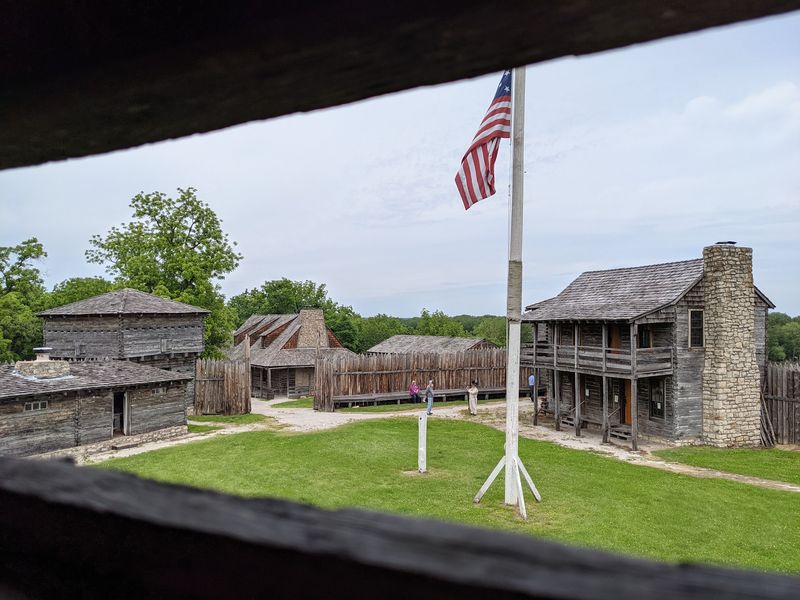
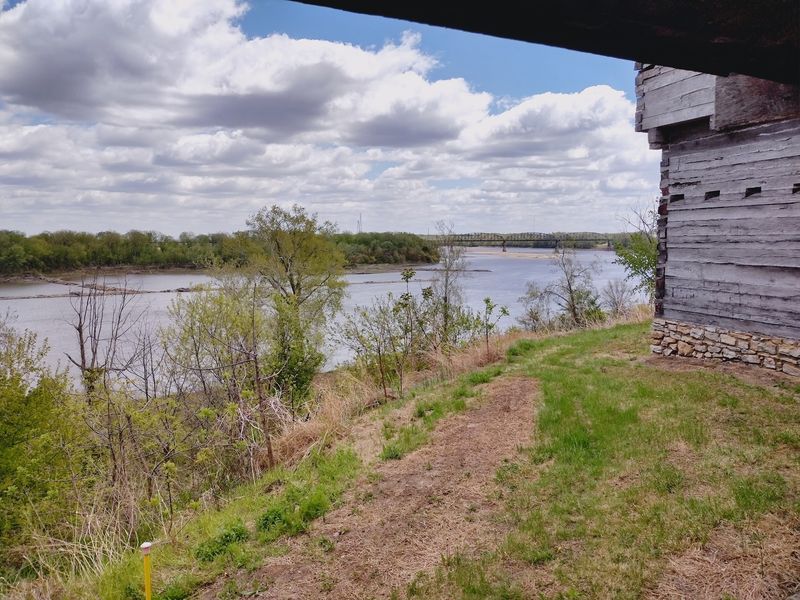
Climb into a blockhouse, look out, and the Missouri River spreads out below like a postcard. River views are one of the most-mentioned treats here.
Soldiers once watched traffic from these posts. Today, the view is pure reward for anyone willing to tackle a few steps.
The scenery shifts with Missouri’s seasons. Spring brings fresh green, while fall color makes the bluff look extra handsome.
Visibility can vary depending on tree growth. Some spots offer a clearer look at the water than others.
Anglers know the area too. The Little Blue River meets the Missouri nearby, and the confluence draws people chasing big catfish.
Wide, even pathways connect the grounds, which helps for strollers and wheelchairs. Just remember the blockhouse interiors require stairs.
Bring a camera and a little patience. On a quiet weekday, you might have a lookout all to yourself, with only the wind and the river for company.
Hours, Admission, And The Easy Drive To Sibley
Good news for budget-minded families: admission is small. Kids and seniors get reduced rates, which makes a multi-generation outing easy on the wallet.
Fort Osage is open Tuesday through Sunday, 9 a.m. to 4:30 p.m. It’s closed on Mondays, so don’t plan your big day around one.
Hours may shift with seasons or special events. A quick check with Jackson County Parks and Rec before driving is always smart.
You’ll find the fort at 107 Osage St, Sibley, MO 64088. It’s a short trip east of the Kansas City area, perfect for a day trip in western Missouri.
Signs help guide you in from the main roads. Once there, you’ll find plenty of on-site parking.
Modern restrooms are available out at the fort, dressed up to match the old buildings. That’s a thoughtful touch for anyone traveling with little ones.
Plan for a couple of relaxed hours. Add time if a special event or demonstration is happening that day.
A Quiet Frontier Stop Families Keep Coming Back To
Some folks visited Fort Osage as kids in the early 1990s and came back decades later. They found a new visitor center and big improvements, but the same frontier spirit.
That’s the kind of place it is. It grows with the times without losing the feel of how things used to be.
Scout troops have done overnight Lewis and Clark experiences here. Candlelight tours and theme days add even more reasons to return.
For grandparents, it’s an easy win. You get history, fresh air, and grandkids who actually want to keep exploring.
For Missouri families, there’s a real sense of pride too. This bluff helped shape the early West, and it’s right in our own backyard.
Is it flashy? No, and thank goodness.
It’s honest, welcoming, and full of people who care about getting the story right.
Pack a snack, skip the lunch hour, and give yourself time to wander. Fort Osage rewards curiosity, and it’s absolutely worth the drive.