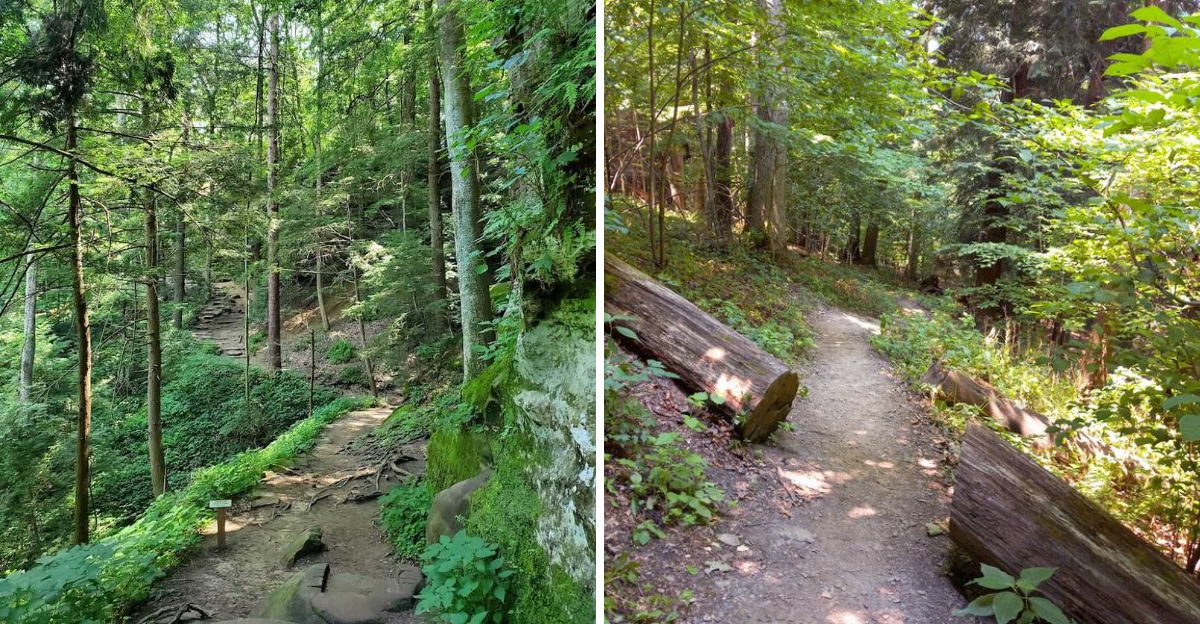
Ohio might not be the first place that comes to mind when you think of epic hiking, but this state is packed with stunning trails that surprise even seasoned outdoor explorers.
From thundering waterfalls and towering sandstone cliffs to deep forest gorges and remote ridgelines, there is something here for every skill level.
Whether you are lacing up your boots for the first time or looking for a serious physical challenge, Ohio delivers.
These 15 hikes are ranked from the most beginner-friendly to the most demanding, so you can find exactly the right adventure for your next weekend outside.
Brandywine Falls Boardwalk Trail – Cuyahoga Valley National Park
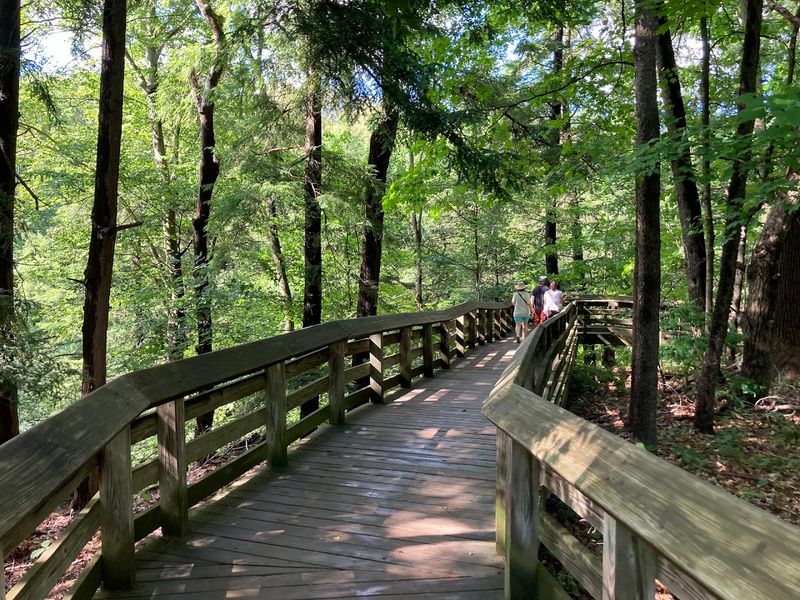
Some waterfalls make you work for the view. Brandywine Falls is generous enough to hand it right to you.
This short boardwalk trail in Cuyahoga Valley National Park winds just over a third of a mile round trip, ending at a stunning overlook of a 65-foot waterfall that drops into a rocky gorge below.
Because the path is fully paved and boardwalk-style, it works well for strollers, wheelchairs, and hikers of any age or fitness level. The surrounding forest keeps things cool and shaded even on warm days, making it a comfortable outing almost any time of year.
Spring brings the most dramatic water flow, but the falls stay active through most seasons.
Parking fills up fast on weekends, so arriving early is a smart move. A small fee applies if you do not have a national park pass.
This trail is often the first Ohio hike people fall in love with, and for good reason — it proves that you do not need miles of effort to experience something genuinely breathtaking. Pack a snack, bring a camera, and take your time at the overlook.
Gorge Trail – Conkle’s Hollow State Nature Preserve
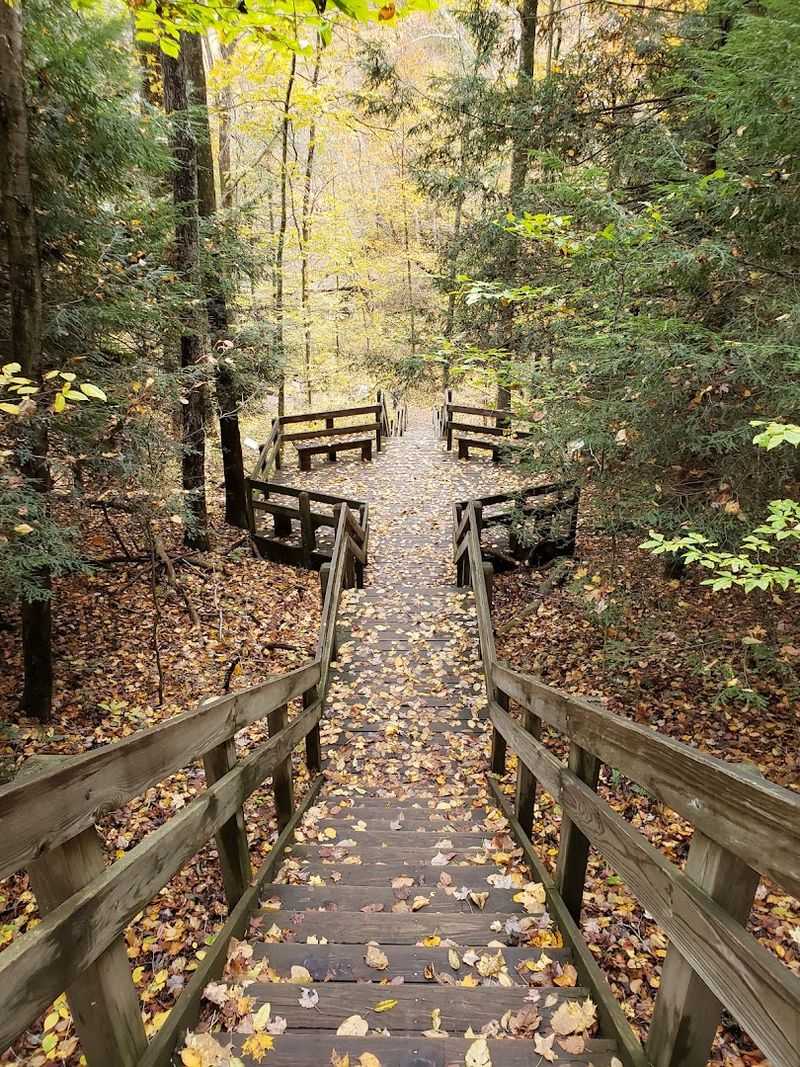
Walking through Conkle’s Hollow feels like stepping into a scene from a fantasy novel. The Gorge Trail follows a flat, easy path along the bottom of a narrow sandstone gorge, with walls that rise up to 200 feet on either side.
Ancient moss, dripping seeps, and cathedral-like silence make this one of the most atmospheric short walks in Ohio.
The trail runs about a mile round trip, staying mostly level the entire way. That accessibility makes it a fantastic choice for families, casual walkers, and anyone who wants dramatic scenery without steep climbs.
The shade from the cliff walls keeps the gorge noticeably cooler than surrounding areas, which is a real bonus during summer months.
One thing worth knowing: the gorge trail dead-ends at the back of the hollow, so you simply turn around and walk back out. There is also a rim trail above for those wanting a tougher challenge, but the gorge alone is worth every step.
Wildflowers bloom along the base in spring, and the rock walls change color beautifully in autumn light. Arrive on a weekday if you want a quieter, more personal experience with this stunning natural corridor.
Cascade Falls Trail – Nelson Kennedy Ledges State Park
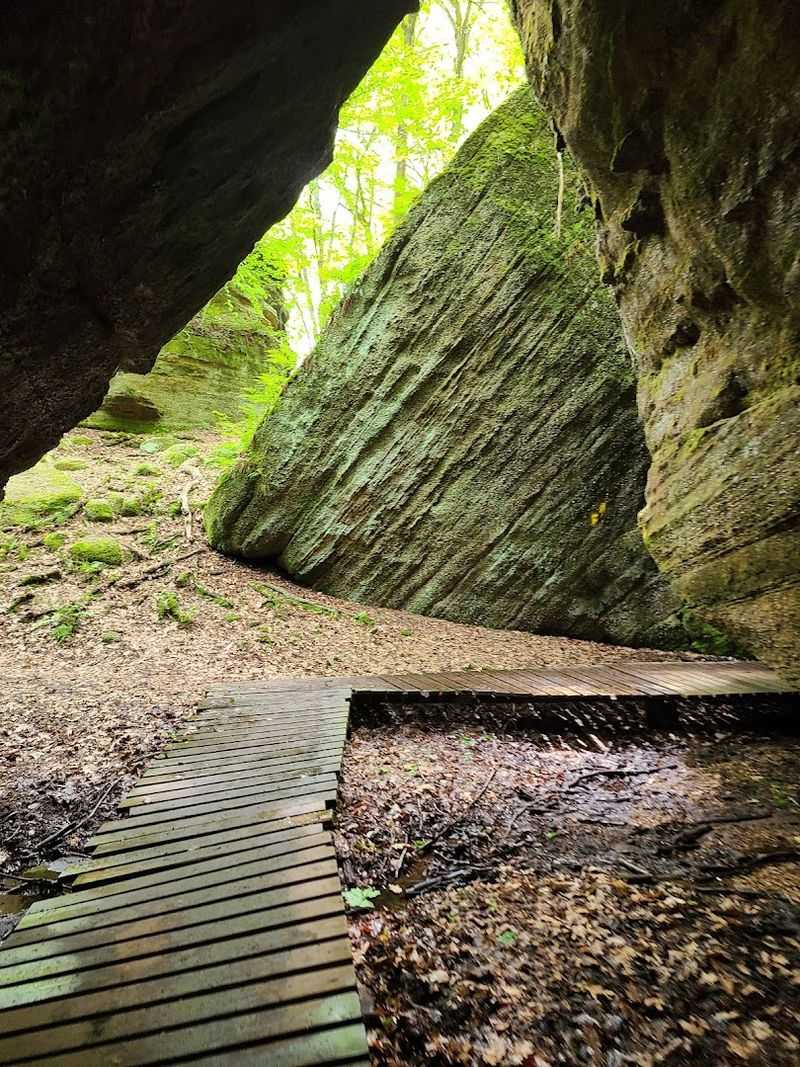
Half a mile does not sound like much, but Nelson Kennedy Ledges State Park manages to cram a waterfall, dramatic rock formations, and genuinely cool geology into that short distance. The Cascade Falls Trail is a quick out-and-back that rewards you fast, making it one of the best bang-for-your-buck hikes in northeast Ohio.
The sandstone ledges here were formed over 350 million years ago, and walking among them feels like wandering through a natural sculpture garden. The falls themselves are modest in size but beautifully framed by layered rock walls and overhanging ferns.
After rain, the water picks up volume and the whole scene becomes even more striking.
Footing can be slippery near the water, especially after wet weather, so trail shoes with decent grip are a good call. The park also has additional trails for those who want to extend the adventure, including narrow passages and cave-like crevices that kids absolutely love exploring.
Admission is free, parking is limited, and the lot fills quickly on sunny weekends. Go early, wear layers in spring, and do not rush through — the details in the rock are worth pausing to appreciate up close.
Tree Farm Trail – Cuyahoga Valley National Park
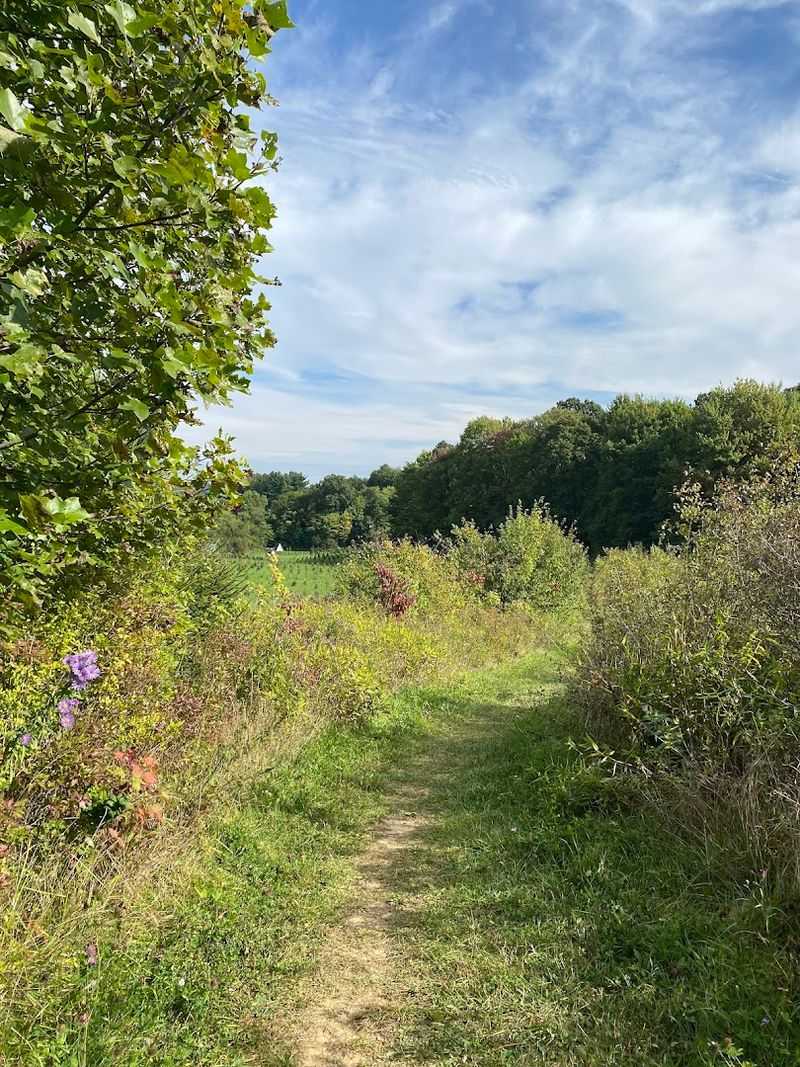
Not every great hike needs a waterfall or a cliff face. Sometimes the best outdoor experiences come from a quiet meadow walk where deer graze at the edges and red-tailed hawks circle overhead.
The Tree Farm Trail in Cuyahoga Valley National Park is exactly that kind of restorative outing.
This easy loop runs about two miles through a mix of open fields and young forest, with wide, well-maintained paths that make it ideal for families with small children or anyone easing back into regular walking. The open terrain means you get big sky views that feel surprisingly rare inside a national park.
Wildlife sightings are common here, especially in the early morning or near dusk.
The trail connects to other park paths if you want to extend your mileage, but the loop itself stays gentle throughout. Bring binoculars for birdwatching — this area is a known hotspot for migratory species in spring and fall.
Wildflower blooms in late spring add splashes of color that make the meadow sections especially photogenic. Comfortable walking shoes work fine here since the terrain stays flat and dry in most conditions.
It is a simple hike, but simplicity done well is its own kind of reward.
Blue Hen Falls Trail – Cuyahoga Valley National Park
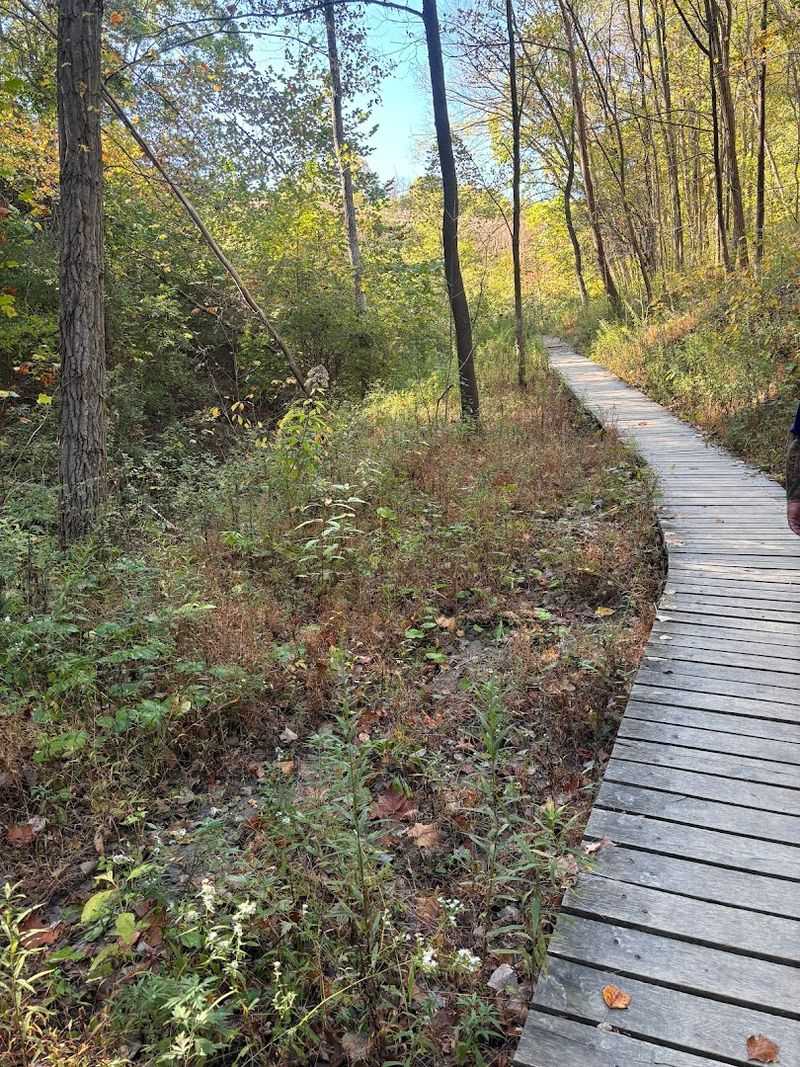
If Brandywine Falls is the popular kid at school, Blue Hen Falls is the quieter sibling who is equally talented but far less crowded. This trail runs about two miles round trip and drops gently through forested ravines before arriving at a modest but genuinely charming waterfall tucked into the woods.
The descent to the falls is gradual and manageable, making it accessible to most hikers without being entirely effortless. That slight challenge adds a sense of earned reward when you finally hear the water before you see it.
The surrounding forest stays lush and green well into the season, and the ravine environment creates a cool, enclosed atmosphere that feels worlds away from suburban life.
Because it sees fewer visitors than nearby Brandywine, Blue Hen Falls offers something increasingly rare on Ohio trails — actual solitude. Weekday visits especially feel peaceful and unhurried.
The trail surface can get muddy after rain, so waterproof footwear is worth considering. Seasonal wildflowers line portions of the path in spring, and fall foliage turns the ravine walls into a warm tapestry of orange and gold.
For anyone looking to step slightly off the beaten path without committing to a hard hike, this is a near-perfect choice.
Whipp’s Ledges Loop – Hinckley Reservation
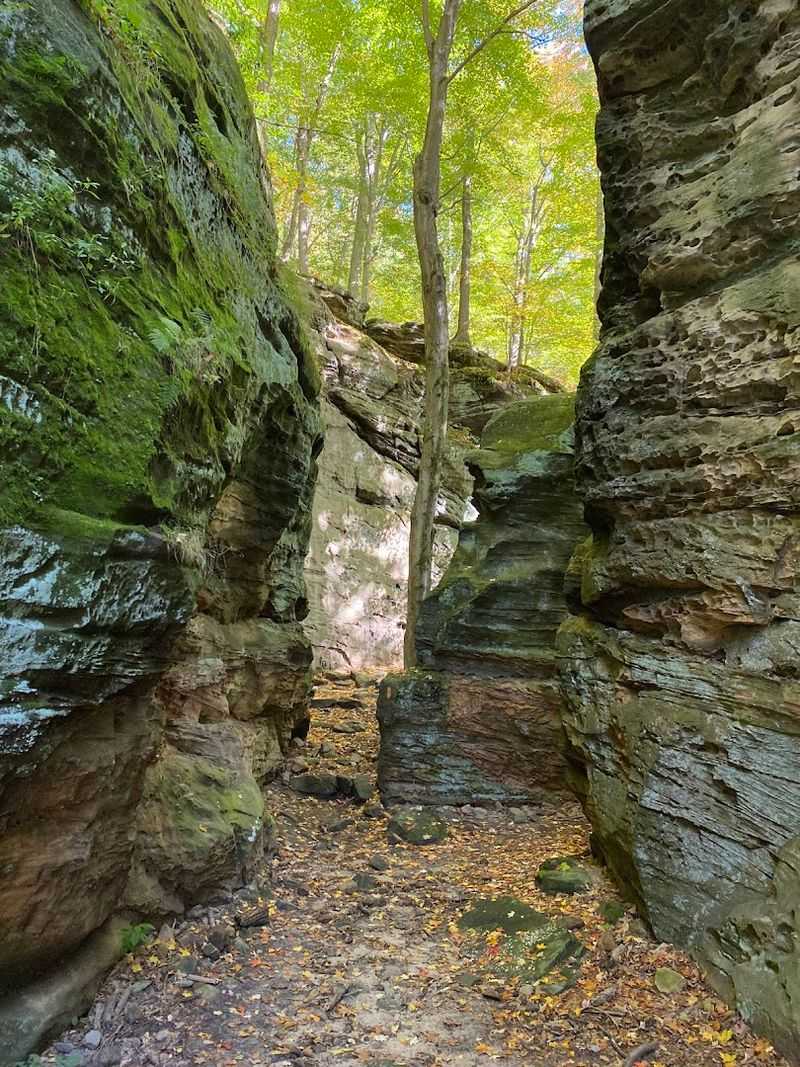
Hinckley Reservation is famous for its buzzards, but Whipp’s Ledges is the real geological showstopper. This short loop — just under two miles — circles a collection of enormous sandstone boulders that seem wildly out of place in the otherwise rolling Ohio landscape.
They look like something dropped there by a giant, and geologists will tell you the glacial story is almost as dramatic.
The trail itself is not technically difficult, but the uneven terrain around the ledges requires more attention than a typical easy loop. Scrambling between boulders, ducking under overhangs, and navigating rocky footing gives this hike a rugged personality that its modest mileage does not advertise.
Kids tend to love it for exactly that reason — it feels like an obstacle course designed by nature.
Seasonal views open up through the trees in fall and winter when leaves drop and sight lines extend further into the surrounding forest. The reservation is part of Cleveland Metroparks, so it is well-maintained and easy to access from the greater Cleveland area.
Wear sturdy shoes rather than sandals since the rock surfaces can be both uneven and slippery. Morning light hits the ledges beautifully and makes for some of the best trail photography in northeast Ohio.
Ledges Trail – Cuyahoga Valley National Park
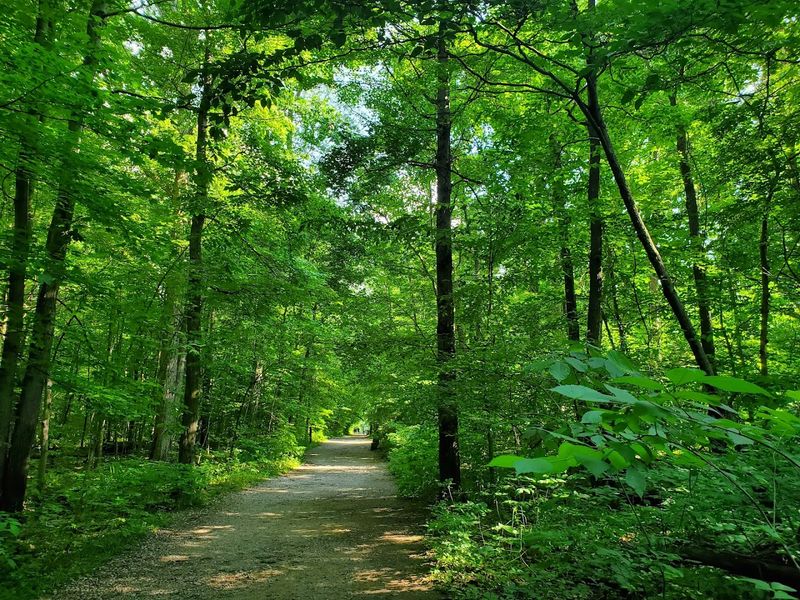
Few trails in Ohio deliver as consistently as the Ledges Trail. Running about two and a half miles in a loop, this well-worn path in Cuyahoga Valley National Park threads through narrow rock passages, past mossy boulders, and along the edge of dramatic sandstone outcroppings that have been drawing hikers for generations.
The highlight for most visitors is the Ledges Overlook, a rocky promontory that offers one of the best views in the park. Sunset crowds gather here regularly, and on clear evenings the light turns the surrounding forest into something almost painterly.
The rock passages along the trail are tight enough to feel adventurous but wide enough for most adults to navigate comfortably.
Difficulty sits comfortably in the moderate range — there are some short climbs and uneven surfaces, but nothing that requires technical skill. Trail shoes with ankle support are recommended since the rock sections demand more attention than a paved path.
The area around the ledges stays cool in summer, making it a good hot-weather option. Autumn is arguably the best season here, when the maples and oaks surrounding the rock faces explode into color and every photograph looks like it belongs on a postcard.
Arrive before 9 a.m. on weekends to claim a parking spot.
Rock House Trail – Hocking Hills State Park
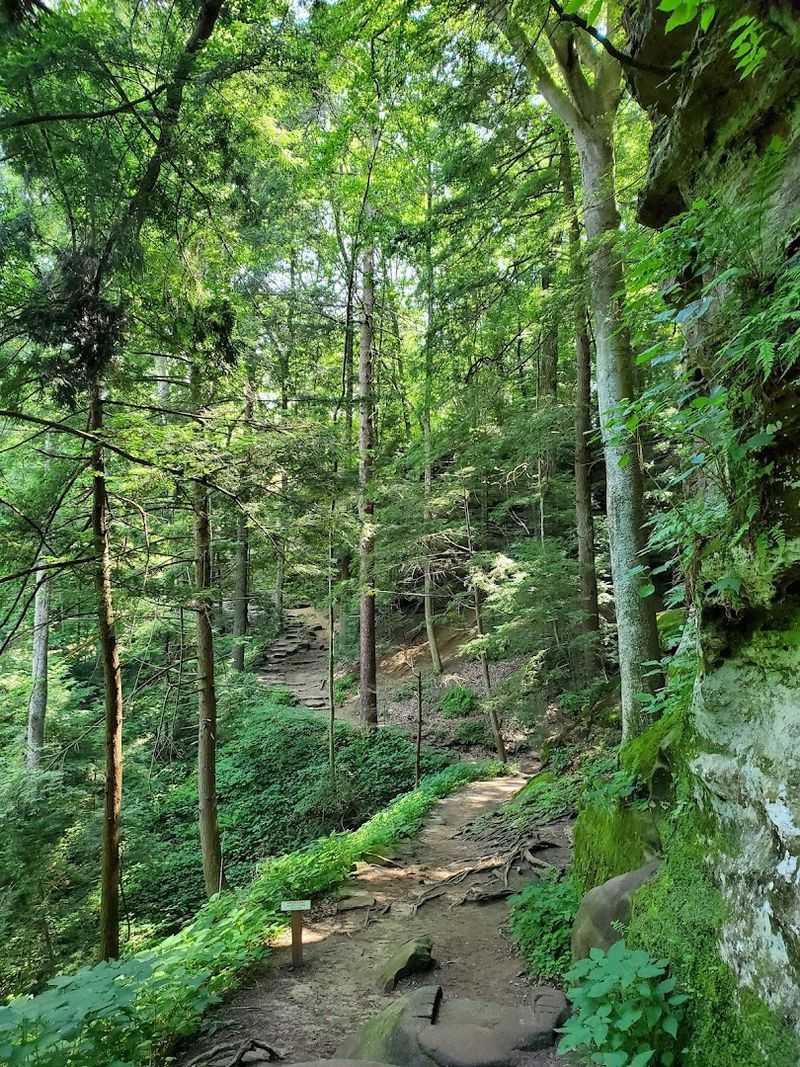
Rock House is genuinely one of a kind. Unlike the open recesses and waterfalls found elsewhere in Hocking Hills, this trail leads into an actual corridor carved directly into a cliff face — a long, tunnel-like cave room with arched windows overlooking a forested valley.
Walking through it feels more like exploring ruins than hiking a nature trail.
The trail runs about one mile round trip with some steep steps involved, both descending to and ascending from the cave level. Those staircases are the main physical challenge, but they are manageable for most moderately fit hikers.
Handrails are in place on the steeper sections, which helps when the stone gets slick from moisture seeping through the cliff above.
The cave itself stays noticeably cool year-round, making it a welcome refuge on hot summer days. Geologists believe the recess was formed by water erosion over millions of years, and the ceiling still drips in wet seasons.
Visitors often find the space surprisingly peaceful — the thick rock walls muffle outside noise completely. Photography inside the cave is rewarding since the arched openings frame the valley below like natural picture windows.
Plan for about an hour total, and wear shoes with solid traction for the stone steps.
Old Man’s Cave to Cedar Falls Loop – Hocking Hills State Park
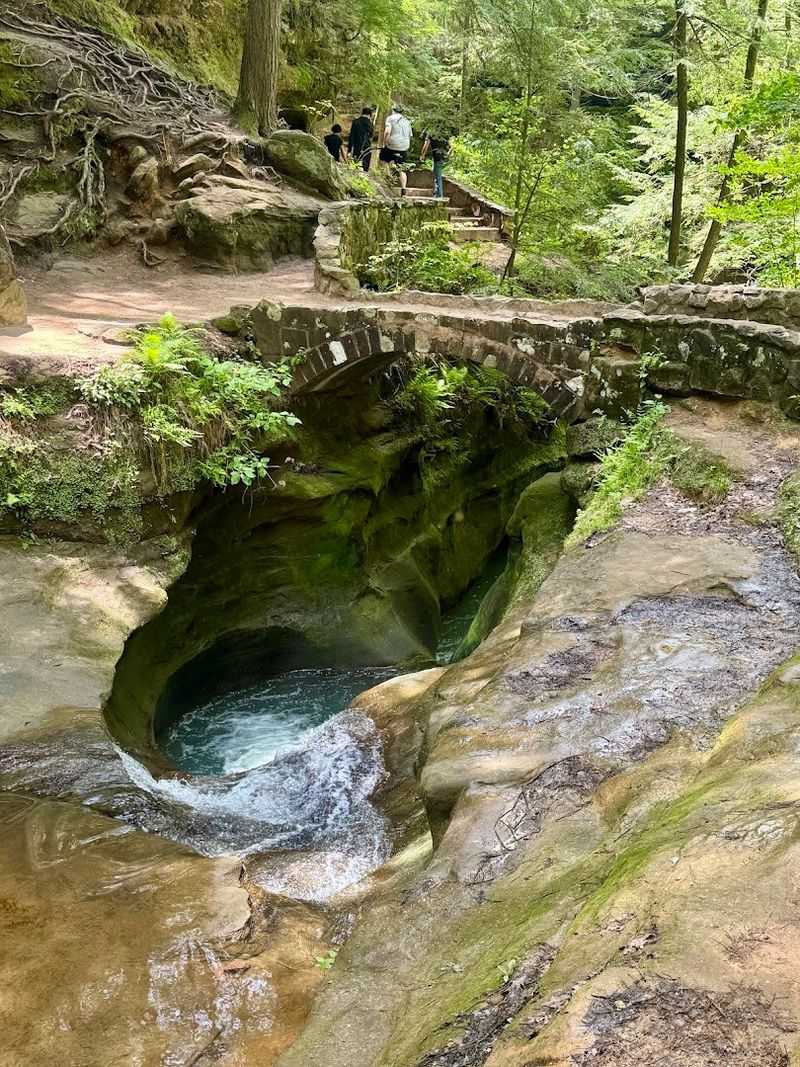
Ask any Ohio hiker to name their favorite trail and Old Man’s Cave comes up more than almost anything else. This loop connects two of Hocking Hills’ most celebrated features — the dramatic gorge system around Old Man’s Cave and the wide, powerful curtain of Cedar Falls — through about six miles of genuinely stunning terrain.
The route passes carved stone stairways, wooden footbridges, recess caves, and multiple stream crossings that keep things visually interesting from start to finish. Elevation changes are moderate but consistent enough to give your legs a real workout by the time you finish.
The gorge sections feel almost prehistoric, with towering moss-covered walls and the constant sound of running water echoing through the canyon.
Crowds are a real factor here — this is one of the most visited hiking destinations in Ohio, and weekends in fall can feel genuinely packed. If you want the trail at its most peaceful, go on a Tuesday morning in late October when the leaves are near peak and most visitors are elsewhere.
Trekking poles help on the steeper descents, and a light rain jacket is smart since the gorge stays damp. Despite the crowds, the scenery earns every bit of the hype.
Cedar Falls alone is worth the entire effort.
Clear Fork Gorge Trail – Mohican State Park
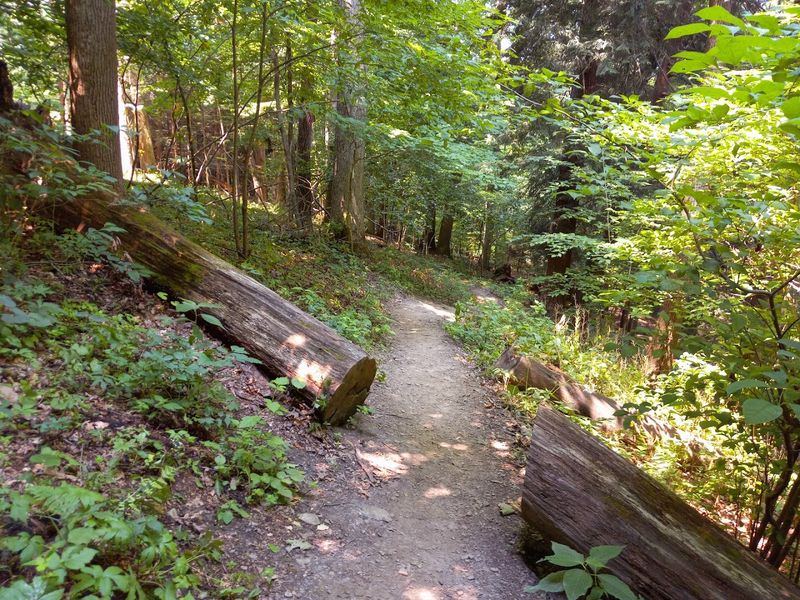
Mohican State Park sits in a part of Ohio that feels more like West Virginia than the flat Midwest most people picture. The Clear Fork Gorge Trail runs about five miles along the rim and floor of a deep hemlock-lined gorge carved by the Clear Fork of the Mohican River, and the terrain here marks a genuine step up in physical demand from the earlier entries on this list.
Elevation changes are steady rather than brutal, but the trail asks for consistent effort over its full length. The hemlock forest lining the gorge walls is one of the most visually distinctive environments in the state — old-growth trees create a dark, cool canopy that feels almost primeval.
River views appear frequently through the trees, and there are several points where you can scramble down to the water’s edge.
Trail surfaces vary from packed dirt to exposed roots and rocky sections that require careful footing. Hiking boots are strongly recommended here, especially on the steeper descent sections near the gorge floor.
The park also offers camping nearby, making this a natural anchor for an overnight trip. Fall color in the gorge is spectacular, with the hemlocks providing year-round green contrast against the deciduous trees turning gold and red around them.
Covered Bridge to Lyons Falls Loop – Mohican State Park
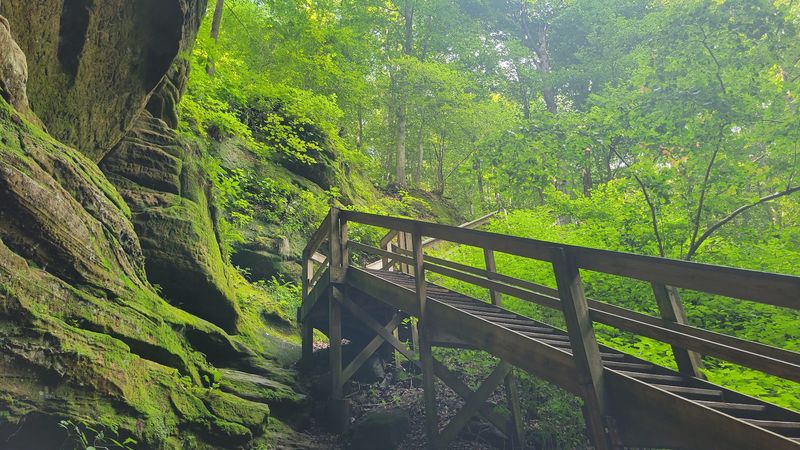
Two things make this loop stand out immediately: a beautifully preserved covered bridge and a waterfall that most visitors to Mohican never find. Connecting these landmarks is a route of roughly six to seven miles that includes rolling terrain, stream crossings, and enough climbing to leave your calves talking to you by the end.
Lyons Falls is the trail’s hidden gem — a picturesque cascade tucked back into the forest that rewards hikers who push past the easier, more-visited sections of the park. The covered bridge near the trailhead adds a distinctly Ohio character to the experience, and it photographs beautifully in fall when the surrounding maples are at peak color.
The bridge dates back to the mid-1800s, which adds a layer of history to what is already a scenic outing.
Sustained climbs in the middle section of the loop are where fitness starts to matter. The trail is well-marked but less groomed than state park routes closer to the main facilities, so expect some rougher footing and occasional muddy patches after rain.
Carry at least two liters of water since there are no reliable refill points along the route. This hike bridges the gap between moderate and challenging, making it an excellent stepping stone for hikers building toward harder trails.
Cantwell Cliffs Trail – Hocking Hills State Park
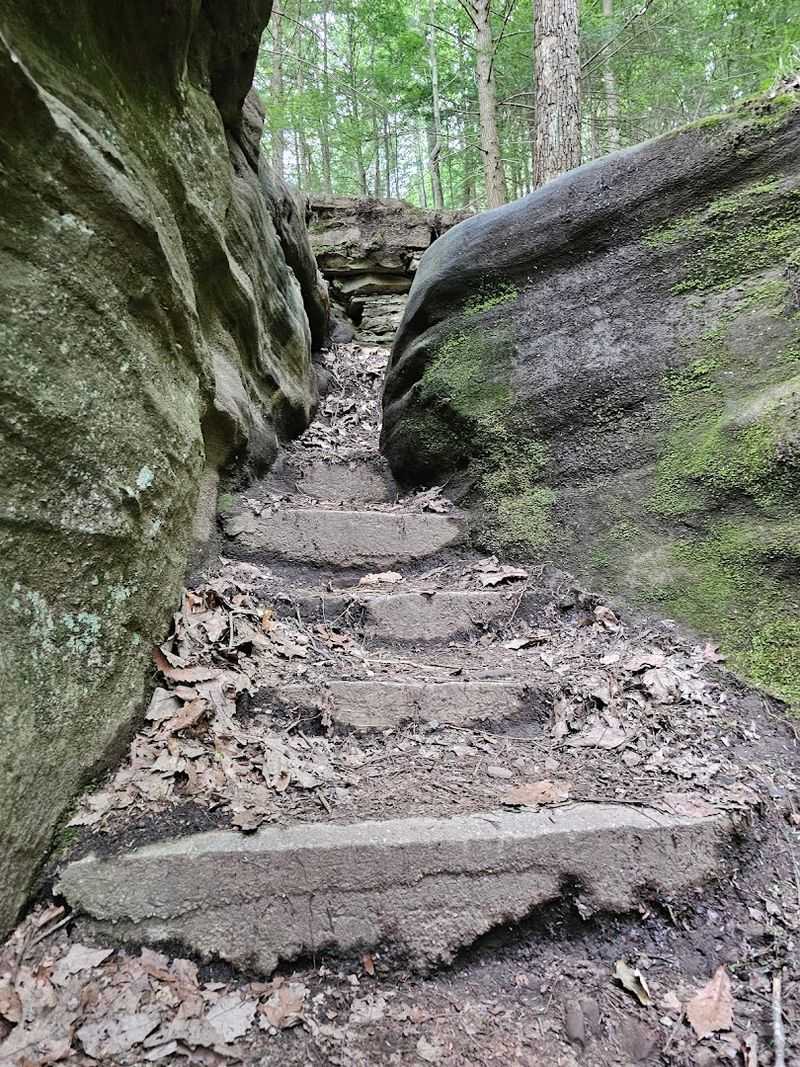
Cantwell Cliffs is the trail that Hocking Hills keeps in its back pocket for hikers who think they have seen everything the park has to offer. Located away from the main corridor of popular sites, it draws fewer visitors but delivers some of the most dramatic terrain in the entire park system.
The cliffs here are massive, and the trail drops into their shadow through steep staircases that demand real physical effort.
The loop runs about two and a half miles, but the elevation change and technical footing make it feel considerably longer. Tight rock passages narrow enough to require turning sideways, a recess cave with dripping seeps, and a dramatic gorge floor combine to create an experience that feels genuinely adventurous.
This is not a trail for flip-flops or casual strolling.
Wet conditions make the stone steps significantly more hazardous, and the park recommends avoiding the trail after heavy rain or in icy winter conditions. Trekking poles provide meaningful stability on the steeper descents.
The remoteness of the location means trail traffic stays light even on busy park weekends, which adds to the sense of discovery. For hikers moving up the difficulty ladder, Cantwell Cliffs is the trail that officially signals you have left the beginner category behind for good.
Archers Fork Loop – Wayne National Forest
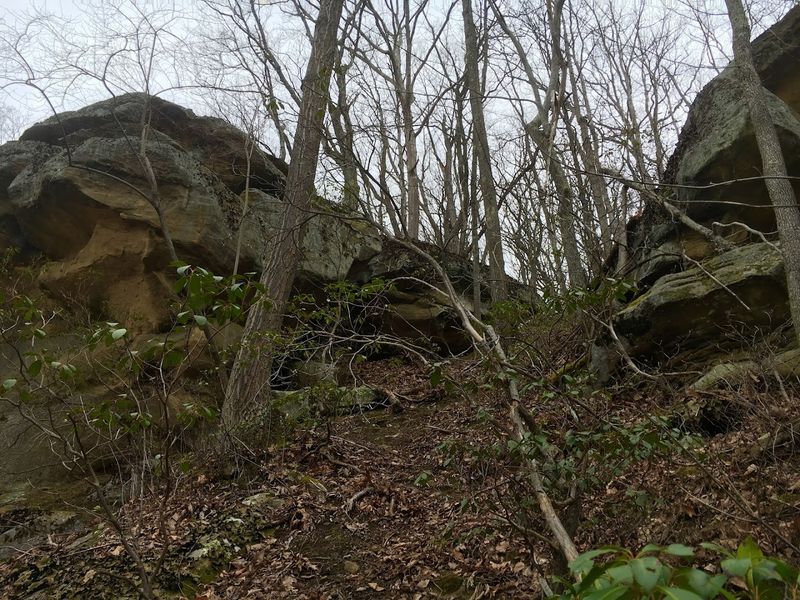
Wayne National Forest covers a massive stretch of southeast Ohio, and the Archers Fork Loop is one of its crown jewels — a remote, challenging route that rewards hikers willing to venture well off the tourist trail. The loop runs about eleven miles through rugged backcountry terrain, featuring natural rock arches, multiple stream crossings, and sustained climbs that build serious mileage fatigue.
The rock arches are the headline attraction and genuinely impressive geological features that feel like they belong in Utah rather than Ohio. Several arches appear along the route, and each one is worth stopping to appreciate.
Stream crossings can be tricky in spring when water levels run high, so check conditions before heading out and consider trekking poles for balance on slippery rocks.
Navigation requires more attention here than on heavily signposted park trails. Carrying a downloaded offline map or a physical topo is a smart precaution since cell service in this area is unreliable.
Wildlife encounters are common — wild turkey, deer, and occasionally black bear have been spotted along this corridor. Plan for a full day with an early start, pack enough food for sustained energy, and wear well-broken-in boots.
The solitude and scenery make every difficult mile feel entirely worthwhile.
Shawnee State Park North Loop – Shawnee State Park
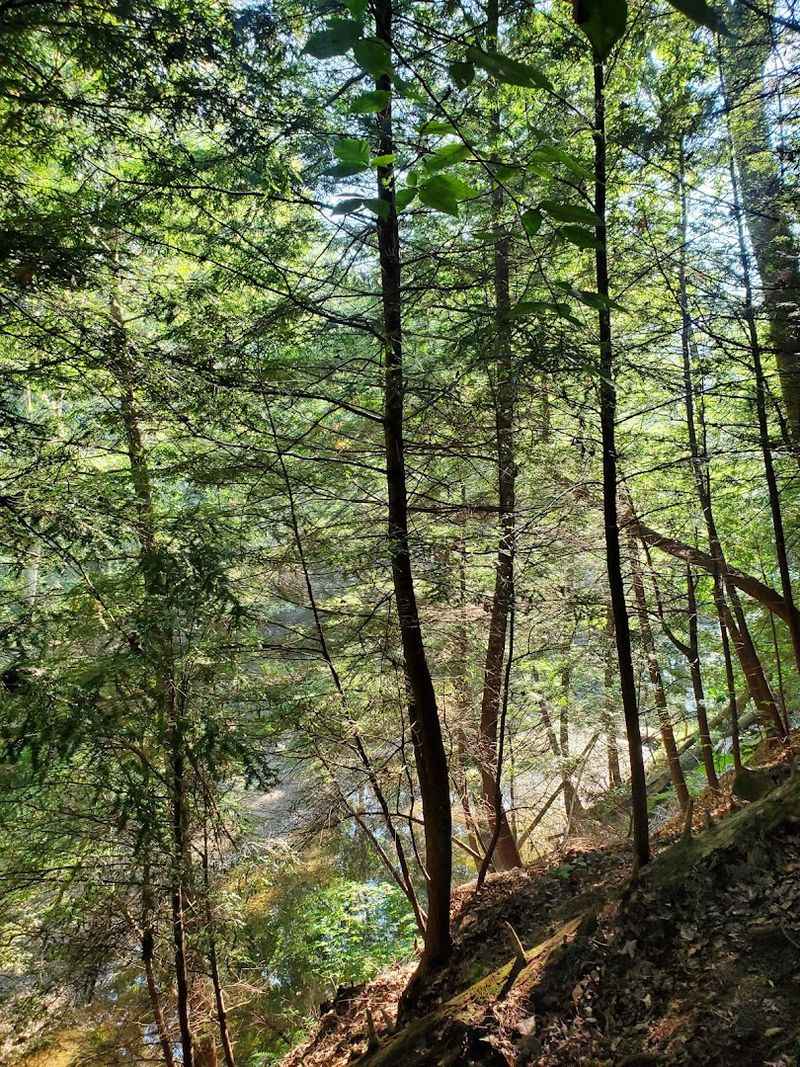
People who call Ohio flat have clearly never hiked Shawnee State Park. Known locally as the Little Smokies of Ohio, this park in the state’s southwest corner delivers relentless ridge-and-valley terrain that genuinely humbles hikers who underestimate it.
The North Loop covers roughly twelve miles with elevation gain that accumulates quickly and does not give you many flat sections to recover on.
Ridgeline segments reward the effort with sweeping views over forested hills that stretch toward Kentucky on clear days. The landscape here is distinctly Appalachian in character — steep hollows, hardwood ridges, and a wildness that feels far removed from central Ohio’s gentler parks.
Fall color on the ridgelines is some of the most dramatic in the state, drawing photographers and serious hikers in equal numbers during October.
This trail is a genuine test of cardiovascular fitness and lower body strength. Knee discomfort on the descents is common, so trekking poles are highly recommended.
Water sources exist along the route but should be filtered before drinking. Starting by 7 a.m. gives you enough daylight buffer to complete the loop without rushing.
The North Loop has earned its reputation as one of Ohio’s toughest day hikes, and finishing it delivers a particular kind of satisfaction that easier trails simply cannot match.
Zaleski South Loop Backpack Trail – Zaleski State Forest
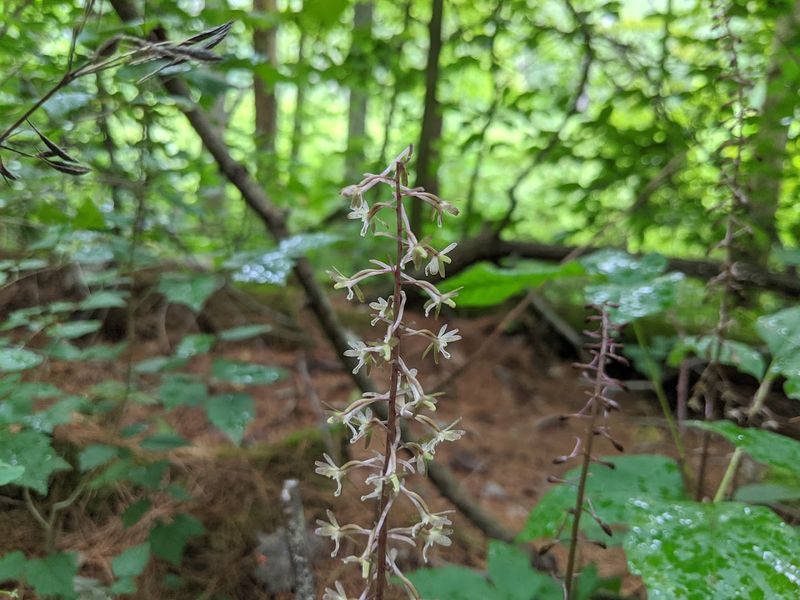
At the far end of Ohio’s hiking spectrum sits the Zaleski South Loop — a true backpacking route through one of the state’s most remote forests. Covering roughly twenty-three miles through the rugged hills of Vinton County, this trail is less a day hike and more a multi-day commitment that tests endurance, navigation, and mental toughness in equal measure.
The terrain is relentlessly hilly, with steep climbs and descents repeating across the full distance. Unlike national forest trails with dramatic geological features, Zaleski earns its difficulty through sheer accumulated effort — mile after mile of demanding terrain with no crowds, no paved paths, and no easy exits.
Primitive campsites are spaced along the route, and most hikers complete the loop over two to three days.
Wildlife in the forest is abundant and varied, with wild turkey, deer, coyote, and various raptors regularly encountered along the trail. The isolation is part of the appeal — cell service disappears quickly, and you will likely go hours without seeing another person.
Carry everything you need, including a detailed map, water filtration, and enough calories for sustained output. This is Ohio hiking stripped to its raw, demanding core.
For anyone who has worked their way up through the previous trails on this list, Zaleski is the natural and satisfying conclusion to that journey.