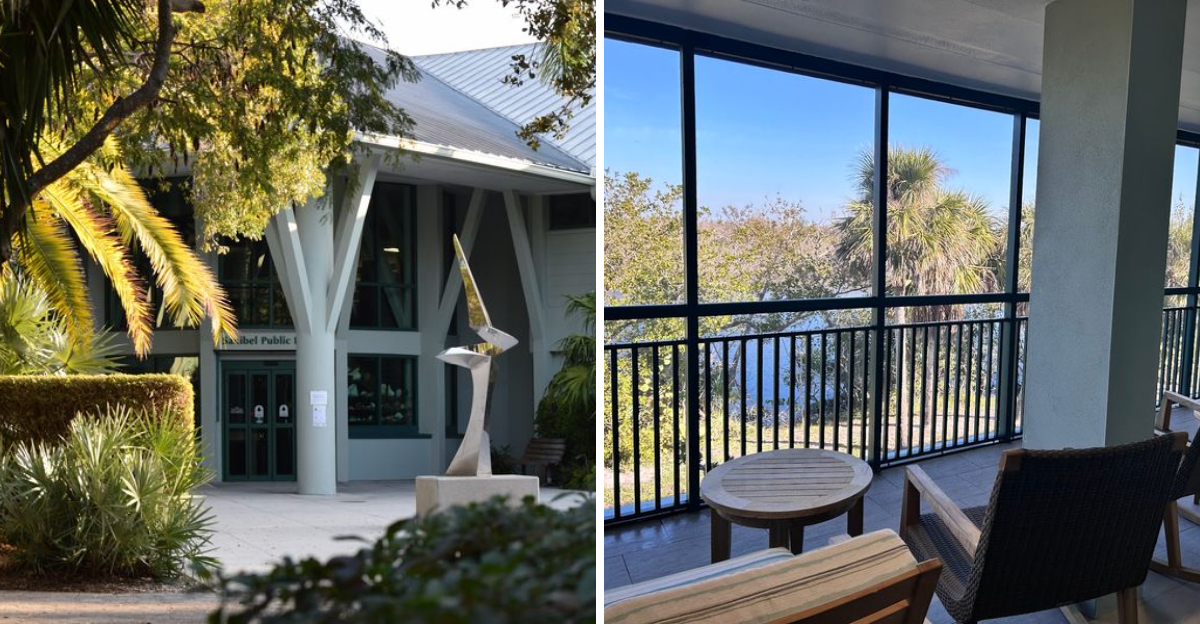
Tucked away on a barrier island famous for its shells and wildlife, the Sanibel Public Library quietly does something most libraries don’t — it grows a garden that people actually drive across a causeway to see.
The native plant landscaping surrounding the building has become a destination of its own, drawing nature lovers, gardeners, and curious visitors alongside bookworms.
It’s a place where learning doesn’t stop at the front door, and where the grounds feel just as inviting as the shelves inside.
Whether you’re a local resident or a first-time island visitor, this library might surprise you in the best possible way.
A Library That Feels Like a Botanical Retreat
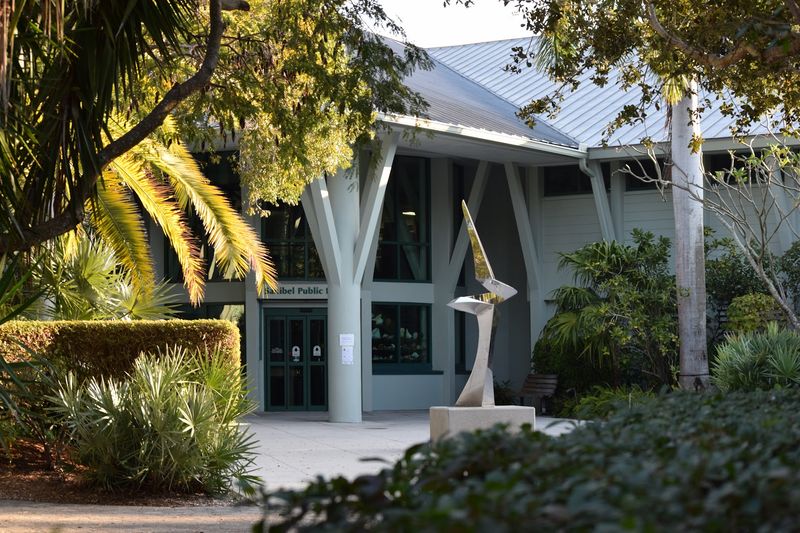
Most libraries greet you with glass doors and a parking lot. The Sanibel Public Library greets you with sea grapes, saw palmettos, and the soft hum of bees moving between wildflowers.
From the moment you step out of your car, the grounds feel less like a government building and more like a nature walk with a library attached.
The landscaping isn’t accidental. Every plant was chosen with purpose — to reflect the natural beauty of Sanibel Island while supporting the local environment.
The result is a coastal retreat that blends reading, relaxation, and ecology into one unforgettable experience.
Visitors often comment that they spend more time outdoors than inside. That’s not a knock on the library’s collection — it’s a tribute to how thoughtfully the outdoor spaces were designed.
The grounds encourage you to slow down, look closely, and appreciate what grows naturally on this unique Florida barrier island. Few public libraries anywhere in the state can claim the same kind of living, breathing landscape that makes every visit feel genuinely restorative.
Why Native Plants Matter on Sanibel Island
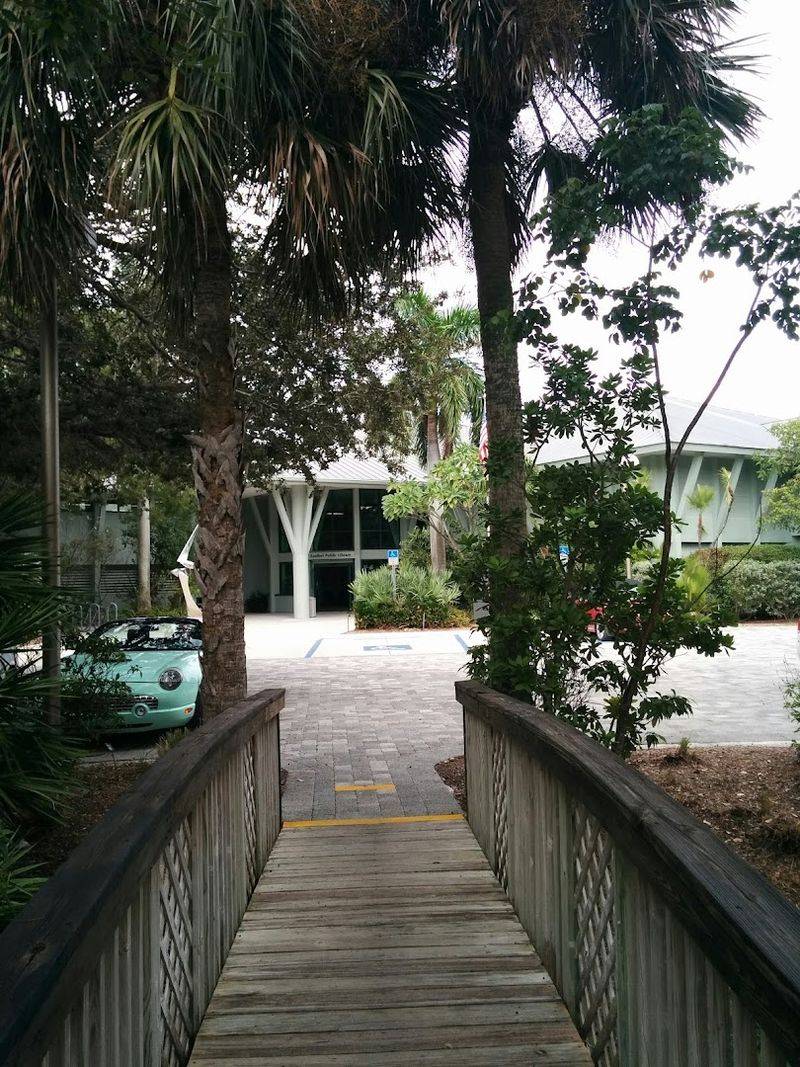
Sanibel Island isn’t like the rest of Florida. It sits exposed to Gulf winds, salt spray, and the ever-present threat of tropical storms.
Most ornamental plants from garden centers simply can’t survive those conditions long-term — but native species have been thriving here for thousands of years without any human help at all.
The plants in the library’s garden are adapted to exactly this kind of environment. They’ve developed deep root systems to anchor in sandy soil, waxy leaves to resist salt damage, and the ability to bounce back after flooding or wind events.
They also require far less water than non-native species, which matters a lot on an island with limited freshwater resources.
Beyond survival, native plants support the local food web. They produce seeds, nectar, and berries that wildlife depends on.
Non-native ornamentals often look pretty but offer little ecological value. Choosing native species is a way of saying that a landscape should do more than look good — it should actually belong where it’s planted.
The Sanibel library’s garden makes that argument beautifully and persuasively every single day of the year.
A Living Extension of the Library’s Educational Mission
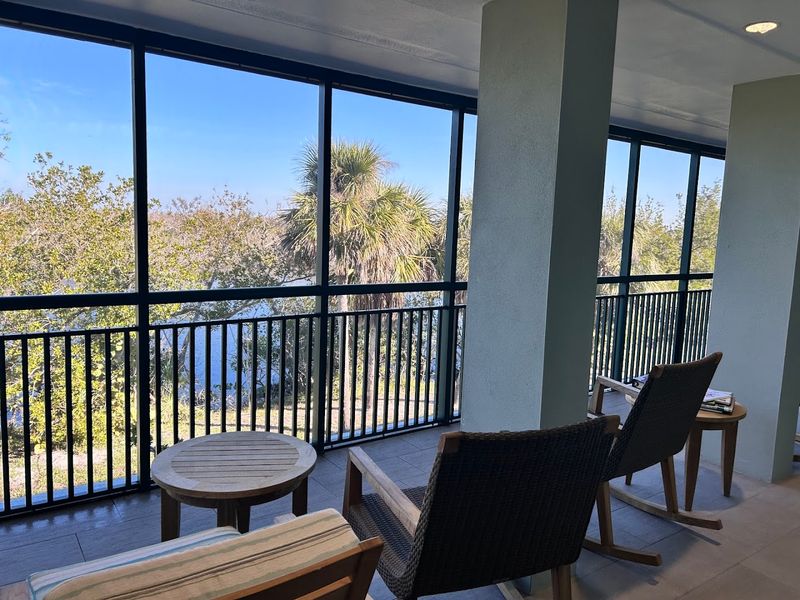
Walk the perimeter of the Sanibel Public Library and you’re essentially taking an ecology class without signing up for one. The native plantings serve as an informal outdoor curriculum, offering lessons in botany, conservation, and environmental stewardship to anyone willing to pay attention.
You don’t need a guide or a scheduled tour to benefit — the garden teaches simply by existing.
Plant identification markers help visitors connect names to species, turning a casual stroll into something genuinely educational. Families with kids find this especially useful, since young learners respond well to seeing real plants rather than diagrams in a textbook.
A child who learns to identify a beautyberry or a firebush in person is far more likely to remember it than one who only reads about it.
The library occasionally hosts programs that use the garden as a hands-on teaching space, connecting indoor workshops on topics like sustainable gardening or wildlife habitat to the living examples just outside the door. That kind of connection between books and real-world application is exactly what libraries at their best are supposed to foster.
Here, the building and the grounds work together as a single educational environment rather than separate experiences.
Designed for Resilience in a Hurricane-Prone Region
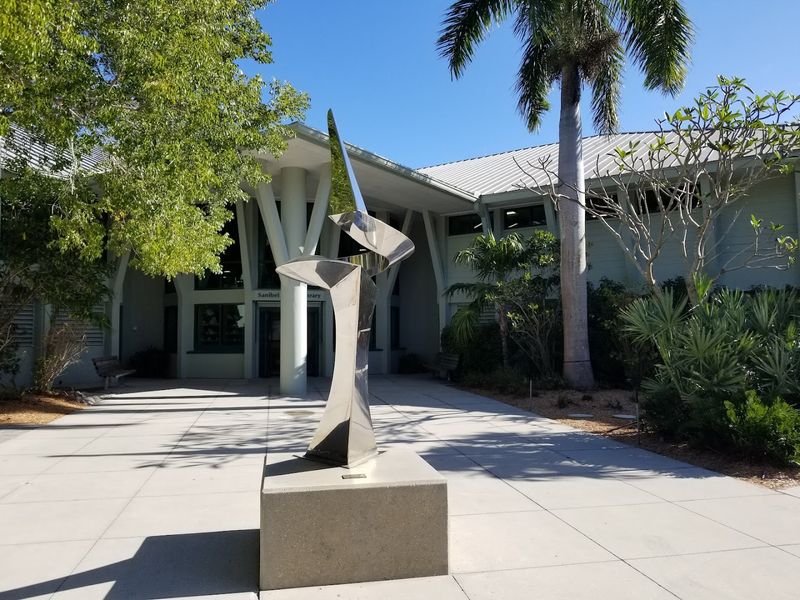
Hurricane Ian made landfall near Sanibel Island in September 2022, causing catastrophic damage across the entire island. The library itself sustained serious harm, and the recovery process took considerable time and effort.
But native plants, by their very nature, are built to survive exactly this kind of punishment — and many of the hardy species in the garden came back.
Salt-tolerant species like sea purslane, beach sunflower, and native grasses have root systems designed to grip sandy soil even during surge flooding. Their flexible stems bend rather than break in high winds.
After a storm passes, they begin recovering within weeks, stabilizing soil and preventing erosion while more fragile species struggle to survive.
Choosing plants with this kind of built-in resilience isn’t just practical — it’s forward-thinking. As climate patterns continue to shift and hurricane seasons grow more intense, landscapes designed around native species will require far less replanting and costly restoration after major weather events.
The Sanibel library’s garden is a quiet but powerful demonstration that working with nature, rather than against it, is always the smarter long-term strategy for coastal communities facing an uncertain environmental future.
A Model of Low-Impact Public Landscaping

Conventional landscaping at public buildings often involves a surprising amount of environmental cost — regular fertilizer applications, daily irrigation systems, pesticide treatments, and weekly mowing crews. All of that adds up to significant water consumption, chemical runoff, and carbon emissions, even for a relatively small property.
The Sanibel library takes a fundamentally different approach.
By prioritizing native species, the grounds require minimal intervention to stay healthy and attractive. Native plants have already adapted to local rainfall patterns, meaning supplemental irrigation is rarely necessary.
They don’t need fertilizers because they’ve evolved to thrive in the nutrient-poor sandy soils that are common throughout Southwest Florida’s coastal zone.
Perhaps most importantly, the garden avoids pesticides entirely. When plants are well-matched to their environment, pest pressure tends to stay naturally low, and beneficial insects handle much of the population control on their own.
The result is a landscape that looks intentional and vibrant without the environmental footprint of a traditional public garden. Other municipalities and institutions across Florida could learn a great deal from this approach.
Sustainable public landscaping doesn’t have to mean sacrificing visual appeal — the Sanibel library proves it can mean exactly the opposite.
A Quiet Space for Reflection and Reading Outdoors

Not every library visit needs to happen under fluorescent lights. At the Sanibel Public Library, the shaded edges of the native plant garden have become informal outdoor reading spots where visitors settle in with a book and stay far longer than they originally planned.
There’s something about being surrounded by rustling palmettos and flowering shrubs that makes reading feel like the most natural thing in the world.
The garden’s layout creates pockets of shade and partial enclosure that feel genuinely private without being isolated. A visitor sitting near a cluster of wild coffee shrubs or beneath a live oak canopy gets the sense of being tucked away, even though the parking lot and main entrance are just steps away.
That psychological separation from the everyday is surprisingly powerful.
For island visitors dealing with the noise and crowds of peak season, the library grounds offer something genuinely rare — a calm, unhurried space with no admission fee and no agenda. Locals use it as a lunchtime escape or an after-school wind-down spot.
Tourists discover it almost by accident and end up sitting longer than they expected. Either way, the garden earns its place as one of Sanibel’s most underrated peaceful retreats.
Community Stewardship and Environmental Awareness

Behind every thriving native plant garden is a group of people who care enough to show up regularly with gloves and a watering can. At the Sanibel Public Library, local volunteers and environmental organizations play a meaningful role in supporting and maintaining the landscaping that draws so many visitors to the property each year.
Sanibel has a long history of environmental activism and conservation leadership. The island was home to one of the first local governments in Florida to adopt a comprehensive land use plan specifically designed to protect natural habitat.
That community culture of ecological responsibility shows up in small but significant ways — including in the volunteer hours dedicated to keeping the library’s native plantings healthy and well-tended.
Organizations like the Sanibel-Captiva Conservation Foundation bring expertise and enthusiasm to community greening efforts, and their influence can be felt in how thoughtfully the library’s garden is curated. Getting involved with local stewardship programs is one of the most meaningful ways visitors can connect with Sanibel’s environmental identity beyond just snapping photos of shells on the beach.
The library garden is a tangible expression of what happens when a community decides that its public spaces should reflect its deepest values about land and nature.
Visitor Info: What You Need to Know Before You Go
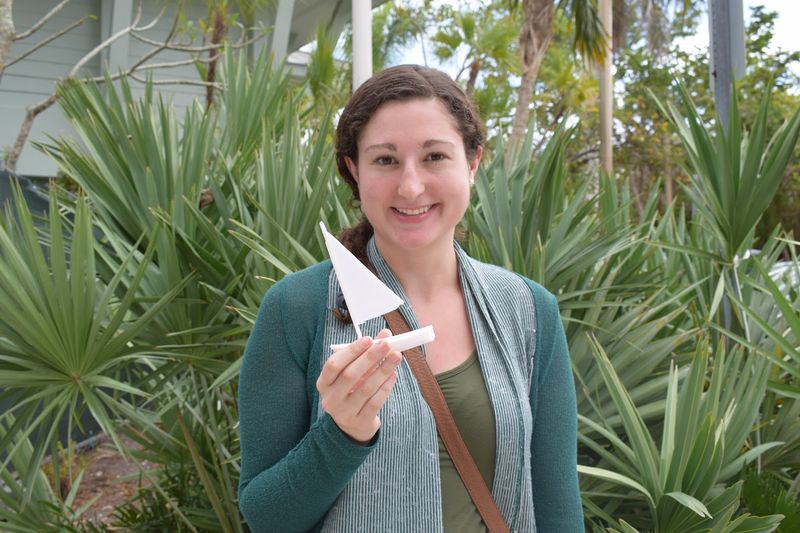
Planning a visit to the Sanibel Public Library is straightforward, and the trip is absolutely worth adding to any Sanibel itinerary. The library is located at 770 Dunlop Rd, Sanibel, FL 33957, and can be reached by phone at +1 239-472-2483.
Parking is available on-site, and the grounds are accessible during daylight hours for anyone who wants to explore the native plant landscaping even outside of regular library hours.
Access to the library and its outdoor spaces is free, which makes it one of the most accessible cultural stops on the island. The building itself offers a full range of library services, including books, digital resources, and community programming — many of which are tied to the island’s natural environment and conservation heritage.
Checking the library’s event calendar before your visit is a smart move, since nature-themed workshops and garden tours are sometimes offered to the public.
Combining a library visit with other nearby attractions is easy. J.N. “Ding” Darling National Wildlife Refuge is just a short drive away, and the island’s famous shelling beaches are always within reach.
Whether you come for the books, the garden, or simply a quiet hour away from the Gulf Coast crowds, the Sanibel Public Library delivers something genuinely memorable every single time.