Forget the highway for a while and let the rails show you South Carolina at a slower pace.
In Winnsboro, the South Carolina Railroad Museum offers a 90-minute train ride through the rolling countryside of Fairfield County.
From the windows, you’ll see quiet fields, wooded stretches, historic sites, and traces of the region’s railroad past.
The train follows tracks once used to haul Winnsboro’s famous blue granite, turning a peaceful afternoon ride into a journey packed with local history.
Every bend brings another reason to keep watching outside.
You don’t have to be a lifelong train fan to love this trip.
There’s something wonderfully old-fashioned about settling into a railcar, watching the foothills drift past, and leaving the rush of modern life behind.
This is South Carolina sightseeing with the volume turned down—and that’s exactly the point.
Ride Through Fairfield County’s Quiet Countryside
Picture yourself gazing out the window as farmland rolls past, trees sway gently in the breeze, and the rhythm of the rails creates its own peaceful melody. That’s exactly what awaits on this journey through Fairfield County’s backcountry.
The museum’s excursions wind through landscapes that feel untouched by time. Open fields stretch toward distant tree lines, while wooded sections provide cool shade and bursts of greenery.
This isn’t highway scenery glimpsed at 70 miles per hour; it’s countryside meant to be savored at a gentler pace.
Rural South Carolina reveals itself differently from a train. You’ll notice details that blur past in a car: the way light filters through pine branches, how old fences zigzag across meadows, the texture of weathered barns against blue sky.
The slower speed transforms travel from rushing to experiencing.
Families find this particularly refreshing. Kids can move around safely while watching scenery unfold.
Adults appreciate stepping away from screens and schedules. Everyone benefits from simply being present in a landscape that rewards patient observation rather than demanding constant stimulation.
Follow A Historic Railroad Route
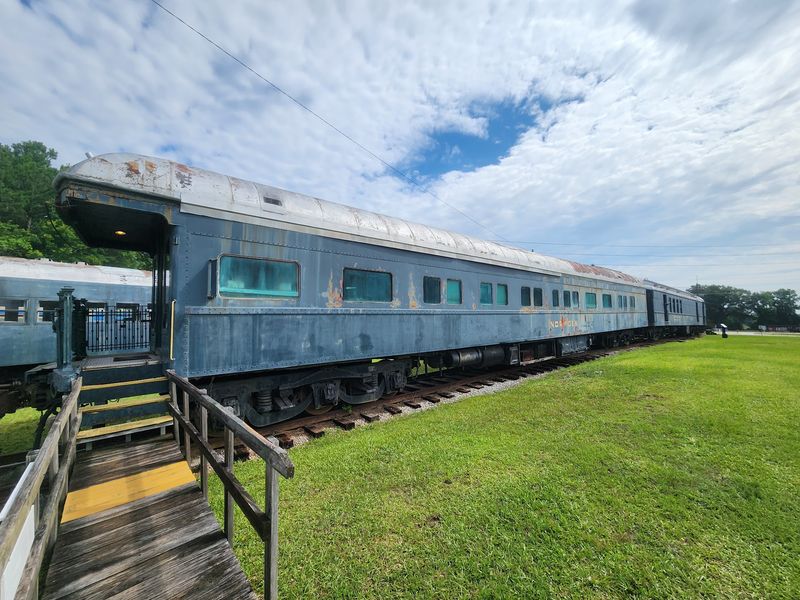
Every track tells a story, but this one speaks volumes about South Carolina industry. The train follows what was once the Rockton and Rion Railway, later transformed into the Rockton, Rion and Western Railroad.
Understanding this history adds weight to every mile traveled.
Built specifically to transport Winnsboro’s legendary blue granite, the original 11.5-mile line served a practical purpose that shaped the region’s economy. Quarries produced stone used in buildings across the South, and this railroad made that commerce possible.
What you’re riding isn’t just a tourist attraction; it’s infrastructure that built communities.
The route itself hasn’t changed dramatically since those working days. You’re traveling the same path that freight trains loaded with granite once followed, connecting quarries to markets.
That continuity creates an unusual experience: modern leisure travel on authentic working railroad bones.
Knowing the line’s industrial roots changes how you see everything outside. Those rock outcroppings?
Potential quarry sites. That cleared land?
Possibly old loading areas. History isn’t just narrated; it’s embedded in the landscape itself, visible to anyone willing to look closely.
Take The Narrated Scenic Train Ride
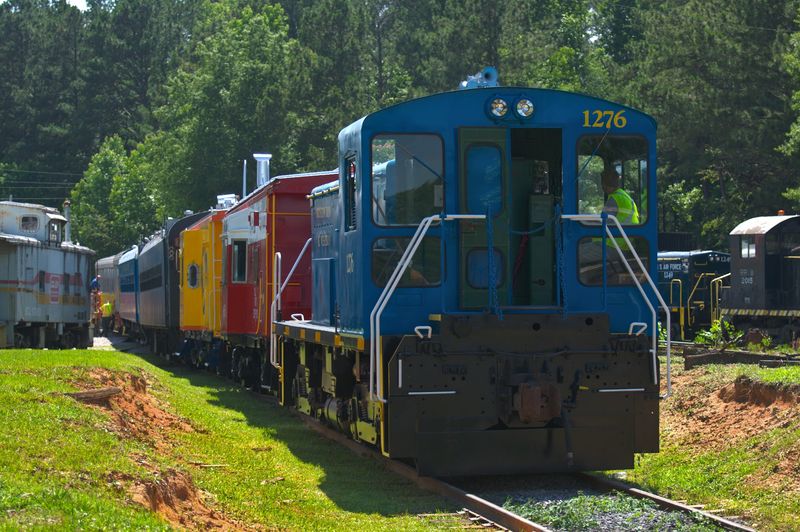
Scenery alone makes a pleasant afternoon, but add knowledgeable narration and the experience deepens considerably. The Blue Granite Express runs during summer months as a 90-minute excursion that balances relaxation with learning.
Guides share stories that bring both railroad and region to life.
What makes narration valuable here is specificity. You’re not hearing generic railroad facts; you’re learning about this particular line, these specific communities, and the people who worked this route.
When the narrator mentions a landmark, it’s visible through your window right then, connecting words to reality instantly.
Ninety minutes proves ideal for this type of experience. It’s long enough to settle in, absorb information, and truly disconnect from everyday rush, but not so extended that restless children or schedule-conscious adults feel trapped.
The pacing allows moments of quiet observation between storytelling segments.
First-time visitors particularly appreciate having context provided. Without narration, you might notice pretty scenery but miss why certain buildings matter or how geology shaped local industry.
The commentary transforms passive watching into active understanding, making the countryside meaningful rather than merely attractive.
Watch For Winnsboro’s Famous Blue Granite
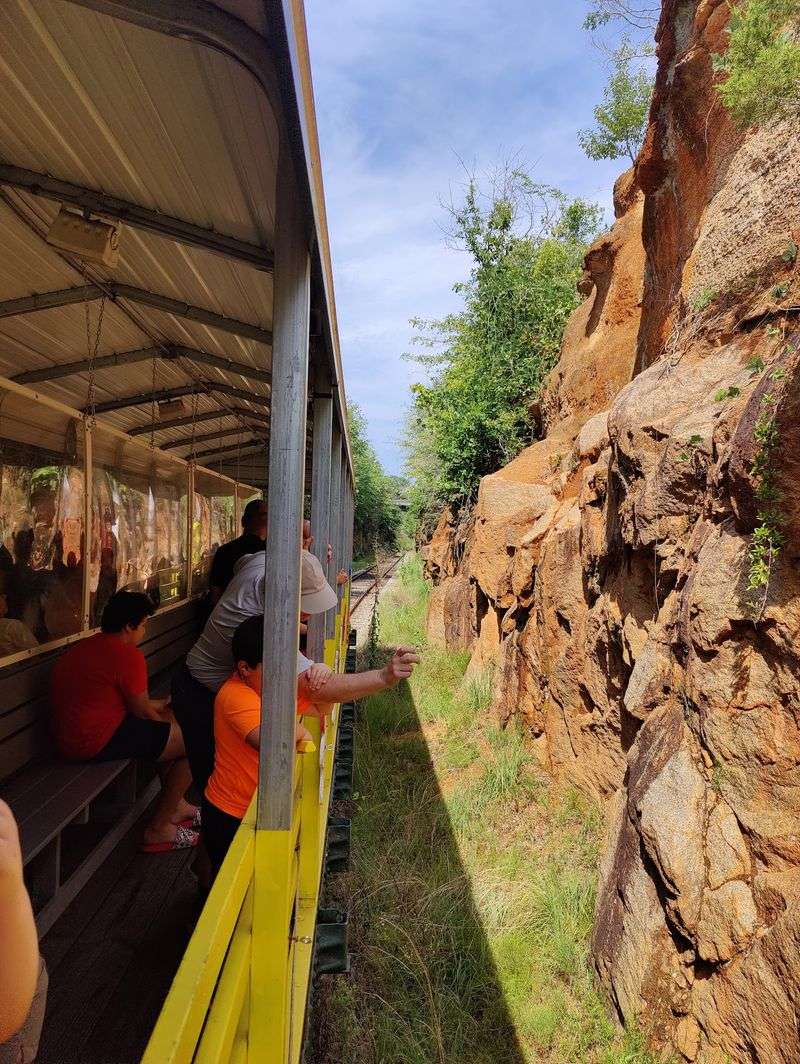
Not all rocks are created equal, and Winnsboro’s blue granite holds special status in Southern architecture. As the train passes structures built from this locally quarried stone, the landscape becomes a lesson in geology and craftsmanship.
Recognizing this distinctive material adds another layer to the journey.
The stone earned its reputation through both beauty and durability. Its blue-gray color and fine grain made it sought after for important buildings throughout the region.
Many structures you’ll spot from the train showcase this premium material, their endurance proving the quarrymen knew their craft.
Here’s where history and scenery merge perfectly. The very railroad you’re riding once hauled this granite from quarry to customer.
When you notice stone buildings along the route, you’re seeing both the product and the transportation system that delivered it. The connection isn’t abstract; it’s physical and visible.
Keep your eyes open for granite outcroppings and older structures. The stone’s distinctive color stands out against red clay earth and green vegetation.
Some passengers bring cameras specifically to capture these geological features, knowing they’re witnessing South Carolina’s industrial heritage still standing strong after decades of weathering.
Spot Old Sharecropper Cabins And Historic Buildings
Rural South Carolina’s past isn’t hidden; it’s scattered across the landscape in weathered wood and crumbling foundations. The train route offers glimpses of sharecropper cabins, historic structures, and ruins that tell stories about the people who shaped this region.
These aren’t museum pieces behind glass but authentic remnants standing where they were built.
Sharecropper cabins carry particular historical weight. These small, simple structures housed families working land they didn’t own under a system that defined Southern agriculture for generations.
Seeing them from the train provides perspective on how recently this lifestyle ended and how completely it shaped rural landscapes.
The buildings vary in condition. Some remain relatively intact, their proportions revealing how families lived in tight quarters.
Others survive as partial walls or stone chimneys standing alone after wooden portions rotted away. Each stage of decay tells its own story about time, weather, and memory.
Photographers and history enthusiasts find this aspect especially compelling. You’re not viewing staged heritage sites but genuine historical landscape where people farmed, raised families, and built communities.
The authenticity makes the experience educational in ways no textbook could match, connecting past and present through visible proof still standing in Southern fields.
Choose An Open-Air Car For The Best Views
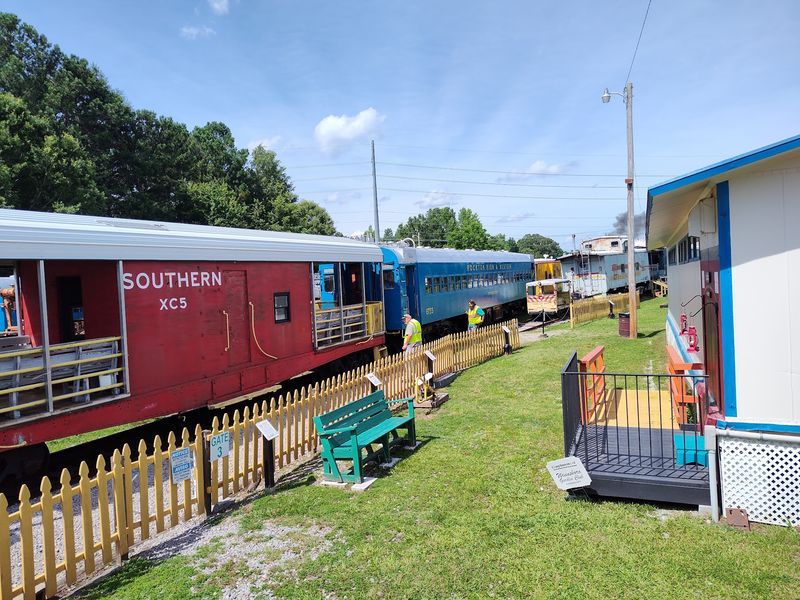
Want to feel truly immersed in the journey? Open-air cars eliminate barriers between you and the landscape, offering 360-degree access to sights, sounds, and even smells of the countryside.
There’s something about fresh air rushing past that makes the experience feel more authentic and immediate.
These cars operate regardless of weather, which means planning matters. Summer heat can be intense, so dress in light clothing and bring sun protection.
Spring and fall often provide perfect conditions for open-air travel. Even light rain creates its own atmosphere, with mist rolling across fields and the earthy smell of wet countryside.
The sensory difference surprises first-timers. You’ll hear birdsong competing with rail clatter, feel temperature changes as the train moves from sun to shade, and smell pine forests or freshly plowed earth.
Enclosed cars are comfortable, but open-air cars are experiential.
Photography improves dramatically without window glass creating reflections or distortion. You can position your camera at any angle without fighting your own reflection.
Parents should supervise young children carefully since open-air cars require awareness of movement and edges, but families who choose this option typically find it becomes their favorite part of the adventure.
Step Inside Historic Railroad Cars
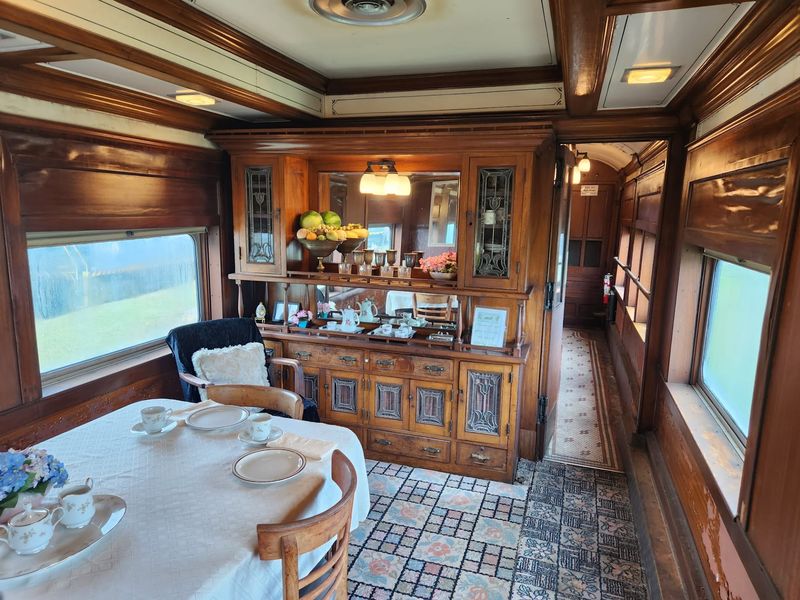
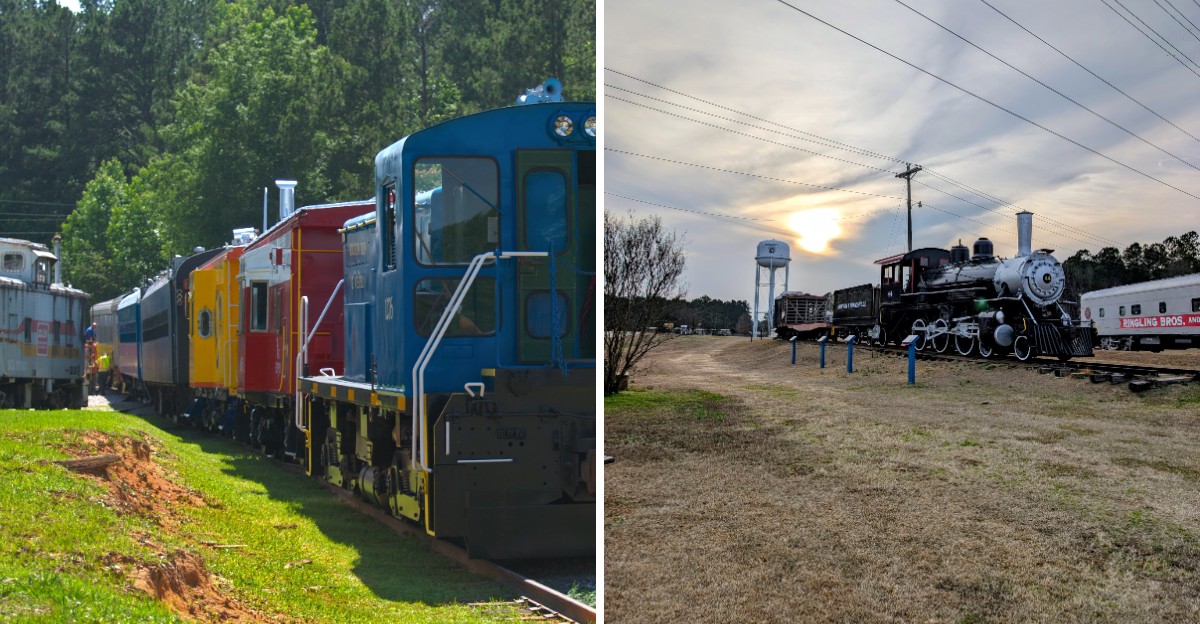
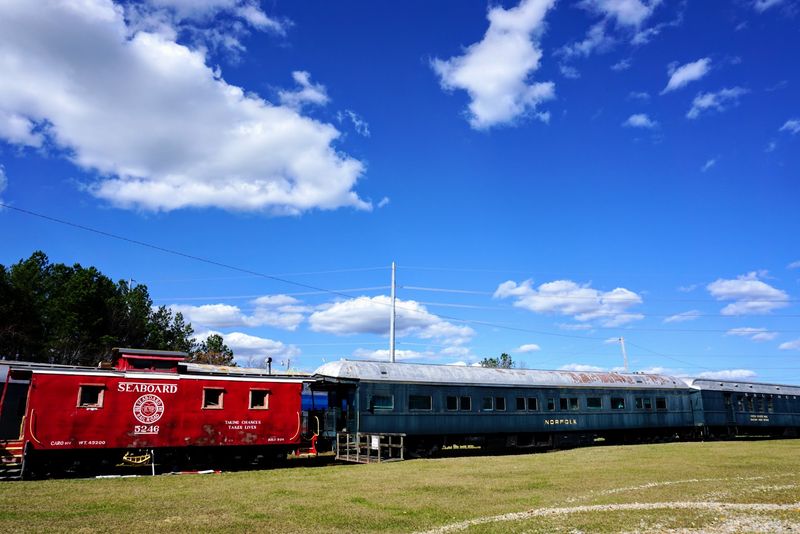
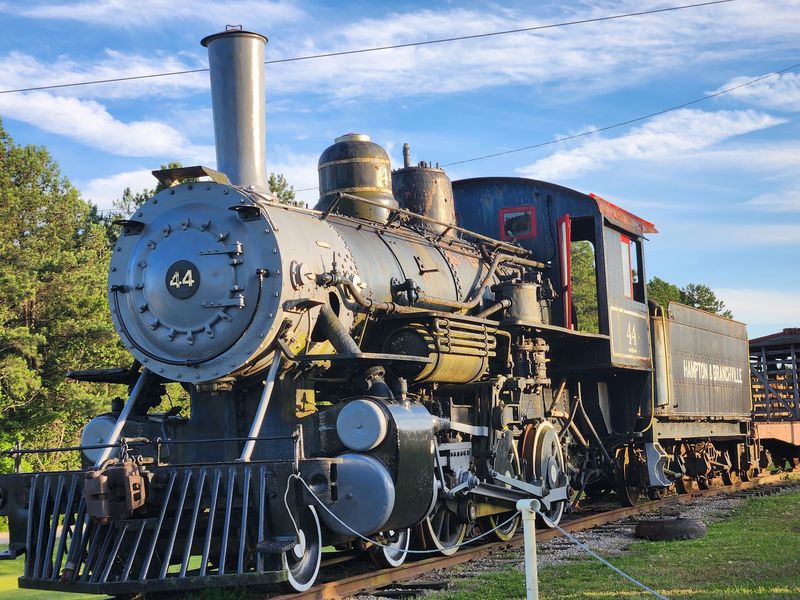
The museum’s collection extends far beyond the moving train you’ll ride. Historic railroad cars, cabooses, a 1924 dining car, freight equipment, and locomotives create a hands-on timeline of American rail history.
Walking through these preserved pieces feels like time travel without the science fiction.
Each car type served specific purposes, and exploring them reveals how railroads operated as complete systems. Passenger cars show where people sat for hours-long journeys.
Cabooses display where crew members lived and worked while trains rolled along. Freight cars demonstrate how goods moved across the country before trucking dominated.
The 1924 dining car deserves special attention. Imagine elegant meals served on crisp linens while countryside blurred past windows.
These cars represented luxury travel, making long journeys pleasant rather than merely tolerable. Seeing the compact kitchen where staff prepared meals adds appreciation for skills that kept passengers fed and satisfied.
Locomotives command respect through sheer size and engineering complexity. Standing beside one makes you understand the power required to pull tons of cargo up grades and across distances.
Children particularly love climbing into engineer cabs, imagining themselves controlling these mechanical giants that once ruled American transportation before interstates changed everything forever.
Explore The Museum Before Or After Your Ride
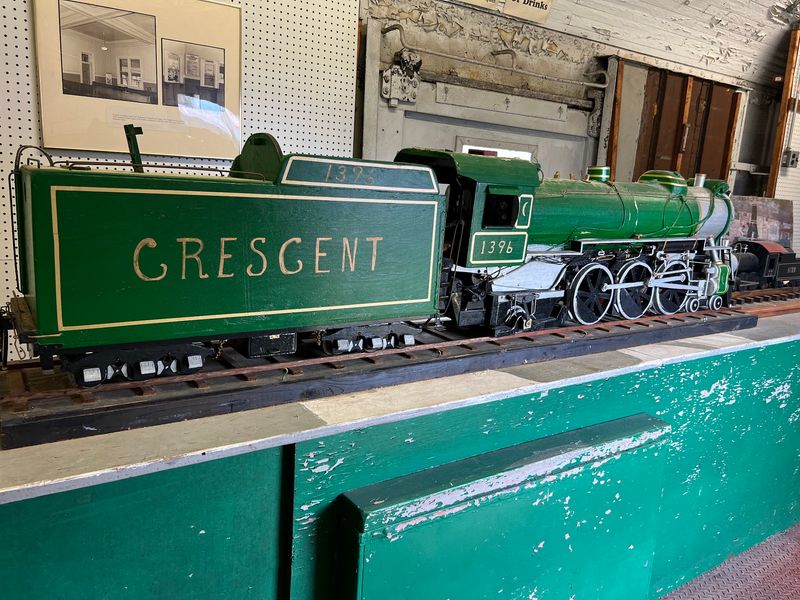
Smart visitors budget time for the museum itself, not just the train ride. The gallery houses photographs, artifacts, and displays documenting South Carolina railroad history from working days through preservation efforts.
Current admission remains free, making it easy to explore without additional budget concerns beyond your train ticket.
Historic photographs prove especially fascinating. Black-and-white images show trains in their working prime, stations bustling with passengers, and crews maintaining equipment.
Comparing these historical scenes to the museum’s current setup reveals how much work goes into preservation and how completely railroads once dominated American life and commerce.
Artifacts range from small tools to large equipment components. Tickets, timetables, uniforms, and personal items humanize railroad work, showing the people behind the machinery.
Signal lights, switches, and mechanical parts demonstrate technology that kept trains running safely before computers managed everything electronically.
The gift shop offers railroad-themed souvenirs, books about local history, and children’s items that extend the experience beyond your visit. Many families purchase something small as a memory anchor, helping kids remember their adventure after returning home.
Browsing the selection provides pleasant cooldown time before or after your outdoor train excursion through Fairfield County’s countryside and history.
Look For Seasonal Train Experiences
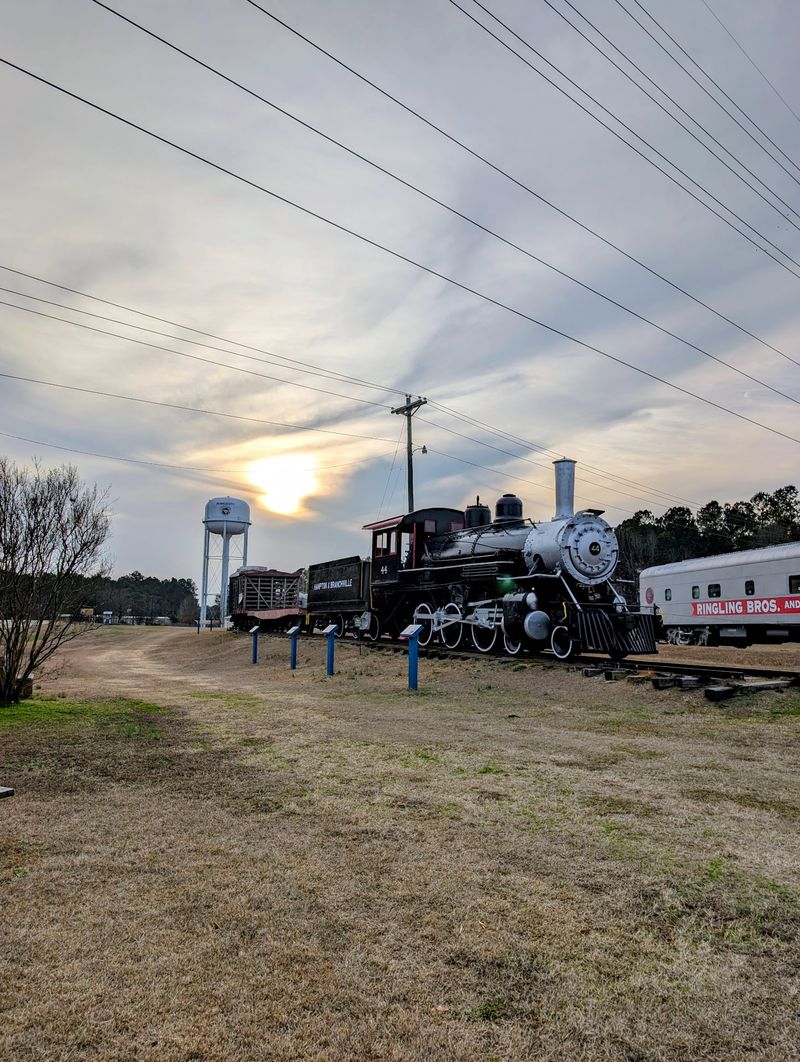
The Blue Granite Express represents just one option among multiple seasonal offerings. Throughout the year, the museum transforms its train experience to match holidays and special occasions, giving visitors reasons to return repeatedly.
Each themed ride creates its own atmosphere and appeals to different audiences seeking unique railroad adventures.
Fall brings the Pumpkin Patch Express, combining train rides with harvest activities perfect for young families. The North Pole Express transforms coaches into Christmas magic, creating holiday memories that kids treasure for years.
The Twilight Express capitalizes on evening light and cooler temperatures, offering romance alongside scenery.
Special dinner trains elevate the experience into fine dining on moving rails. These events require advance booking and typically sell out quickly, as combining quality food with scenic views appeals to couples and groups celebrating special occasions.
The setting makes ordinary meals memorable simply through location and movement.
Seasonal variety means the museum stays fresh even for repeat visitors. Someone who rides the summer scenic tour might return for fall pumpkins or winter holiday magic.
Each season highlights different aspects of Fairfield County landscape and railroad charm, while special events create targeted experiences that go beyond simple sightseeing into genuine entertainment that builds lasting memories for all ages.
Plan Your Visit
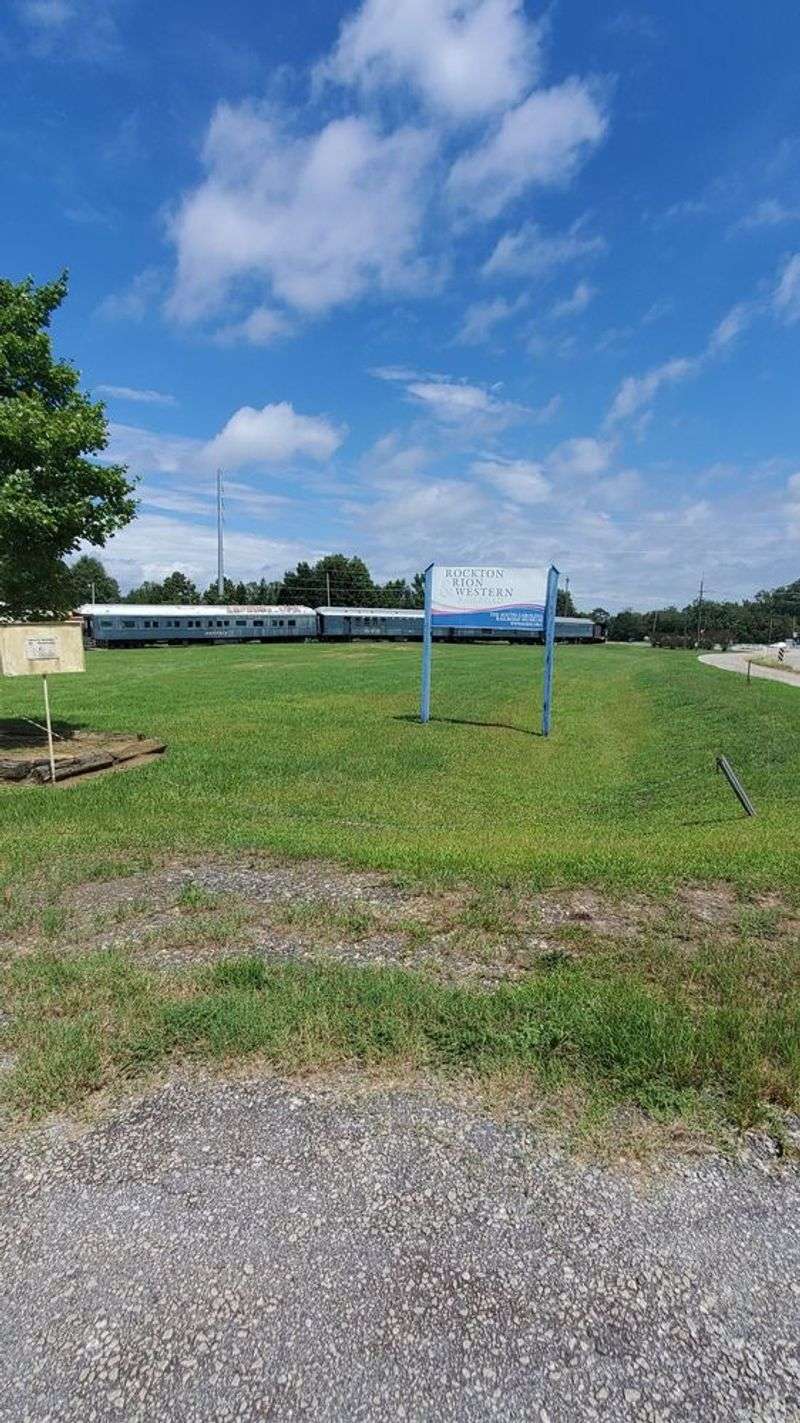
Smart planning prevents disappointment and ensures smooth experiences. The South Carolina Railroad Museum sits at 110 Industrial Park Road, Winnsboro, SC 29180, with the gallery, display train, ticket office, and gift shop generally welcoming visitors Wednesday through Saturday from 10 a.m. to 4 p.m.
Those hours can change seasonally, so confirming before driving matters.
Museum admission costs nothing, but train rides and special events require tickets purchased in advance. Train schedules shift with seasons, and popular experiences like holiday trains sell out weeks ahead.
Checking the official calendar and booking early prevents showing up to find everything already full.
Practical amenities make visits more comfortable. Free parking eliminates one common headache.
Restrooms, picnic tables, and benches provide necessary facilities and rest spots. Wheelchair ramps ensure basic accessibility, though boarding individual train cars can present challenges depending on which equipment operates that day.
Calling ahead about specific accessibility needs prevents surprises.
Contact the museum directly at 803-635-9893 with questions about schedules, tickets, or special requirements. Staff members provide current information and help visitors plan trips matching their interests and abilities.
Taking ten minutes to call or check the website transforms a hopeful visit into a confirmed adventure through South Carolina railroad history and countryside beauty.