You can stand beside an old stone wall, follow a quiet battlefield trail, or climb toward a lighthouse and suddenly feel the past become much easier to imagine. The places where history unfolded are still part of the landscape, giving visitors something far more tangible than a date on a page.
Across South Carolina, historic parks preserve forts, battlefields, plantations, canals, lighthouses, and other sites connected to the people who lived through defining moments. Walking these grounds can make history feel personal, especially for families who want children to see how earlier generations lived, worked, traveled, and faced difficult times.
The experience is not only about learning facts. It is about standing in the same places and noticing the details that bring those stories into focus.
Here are 13 South Carolina historic parks that made the past feel surprisingly close.
Charles Towne Landing State Historic Site
The air near the marsh carries a quiet, salty stillness that makes modern life seem far away. A short walk here can feel like opening a door to the 1600s, when hopes, fears, and big plans arrived by ship.
That mood settles in before you even read a single sign.
Later, the story sharpens at Charles Towne Landing State Historic Site in Charleston, where South Carolina’s first permanent English settlement began. The Adventure, a full-size replica trading ship, gives kids and adults something solid to picture instead of dates on a page.
Inside the museum, exhibits help explain trade, survival, and the risky choices early settlers made.
Wide trails, old oaks, and river views slow your pace in the best way. You can pause at reconstructed defenses, listen to birds in the marsh, and imagine what newcomers first saw from the water.
It feels less like a lesson and more like standing at the edge of a beginning that still shapes the state today.
Colonial Dorchester State Historic Site
Broken brick can be more moving than a polished monument. At first glance, the remains here look quiet and simple, yet that stillness gives your imagination room to work.
You start noticing how a tower, a cemetery, and open grass can hold the shape of a lost town.
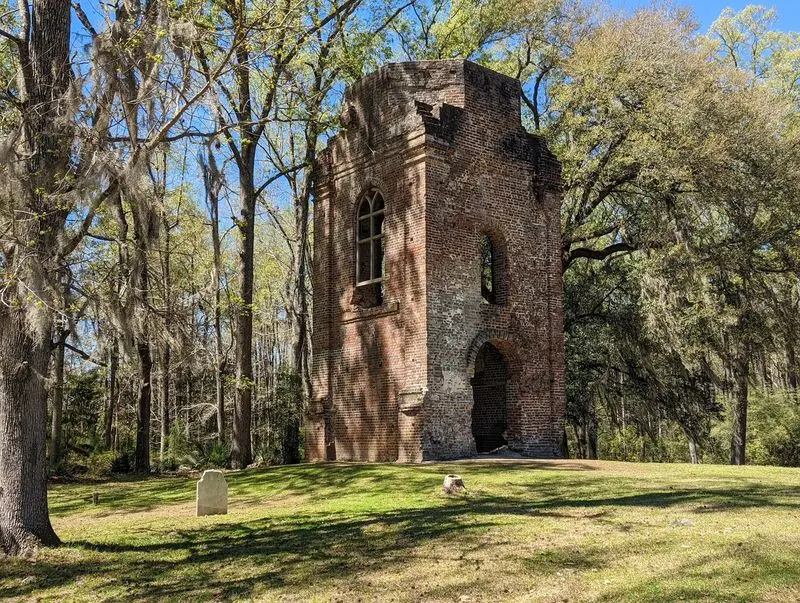
That feeling deepens at Colonial Dorchester State Historic Site near Summerville, where a trading village once bustled beside the Ashley River. The old church tower rises above the grounds like a stubborn memory, and the tabby fort walls hint at the danger people once prepared for.
Walking past grave markers makes the colonial years feel personal instead of distant.
Bring water, take your time, and read the signs slowly because the details matter here. A family picnic afterward in nearby Summerville can balance the heavier parts of the visit.
What stays with many people is not one dramatic moment, but the steady realization that ordinary work, worship, and worry happened right where you are standing now, under the same broad Carolina sky.
Hampton Plantation State Historic Site
Shade falls differently under giant live oaks, and at some places it seems to carry memory with it. The beauty can be striking, but it also asks visitors to look deeper.
That mix of calm scenery and hard history gives the grounds a thoughtful, almost hushed feeling.
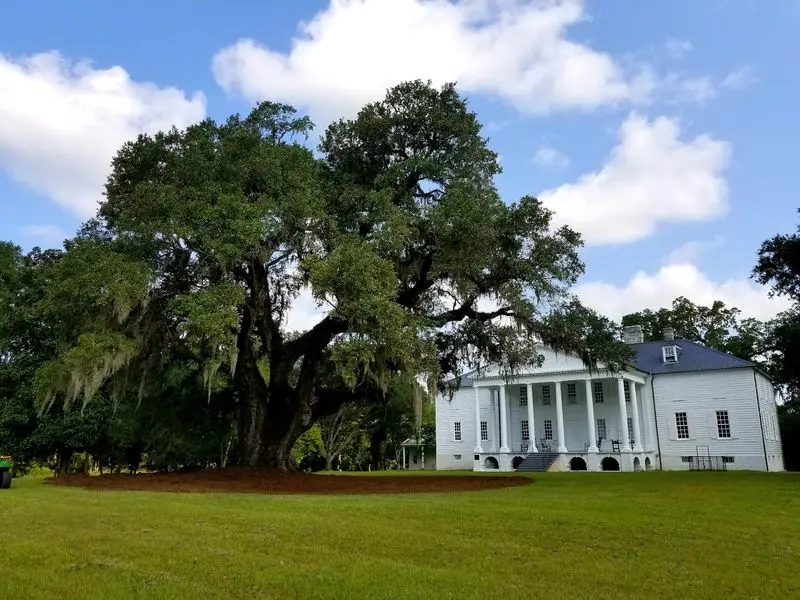
At Hampton Plantation State Historic Site near McClellanville, the Lowcountry landscape helps tell a bigger story about rice culture, wealth, and forced labor. The plantation house draws your eye, yet the land itself matters just as much because the fields and river connections shaped daily life.
Learning about the enslaved people who built and sustained this place makes the visit more honest and meaningful.
Go slowly, especially if you have younger travelers with you, and talk through what you are seeing together. The nearby drive through the Francis Marion National Forest adds another layer of quiet reflection after the site.
Hampton does not rush its story, and that is part of its power. It lets beauty and discomfort sit side by side, which is often how real history feels.
Redcliffe Plantation State Historic Site
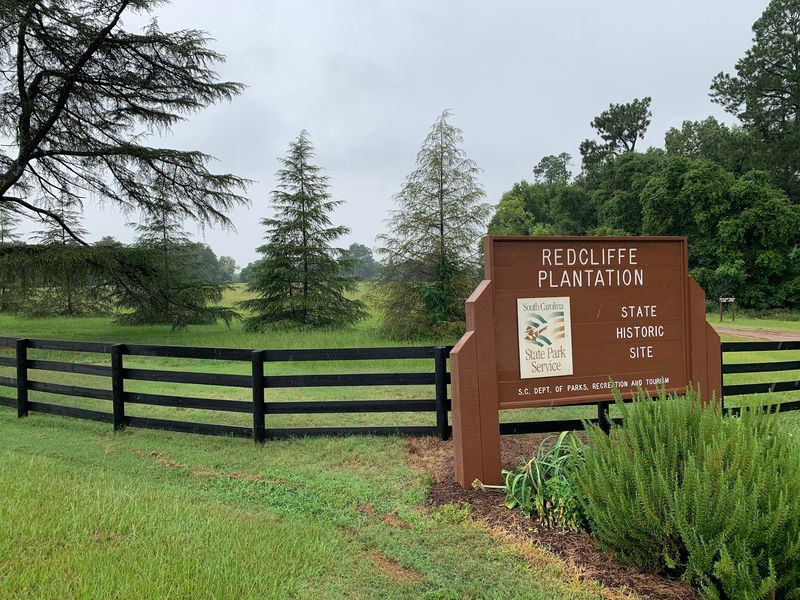
Some historic houses impress you right away, but the strongest feeling here comes from contrast. A grand mansion stands with polished lines and broad porches, while nearby spaces tell a much harder truth.
Seeing both on the same grounds makes the past feel close in a serious, unforgettable way.
Redcliffe Plantation State Historic Site in Beech Island preserves that contrast with unusual clarity. The Greek Revival home shows the wealth of the Hammond family, while the surviving slave cabin helps anchor the human cost behind that comfort.
Ranger-led tours often connect the antebellum era to Reconstruction and Jim Crow, so the story does not stop at one moment in time.
Ask questions during your visit because the guides often share details that change how you see the rooms, furniture, and landscape. If you are coming from Augusta, the short drive makes this an easy history stop with real depth.
Redcliffe leaves an impression not because it is easy to absorb, but because it brings together elegance, injustice, and memory in one very tangible place.
Rose Hill Plantation State Historic Site
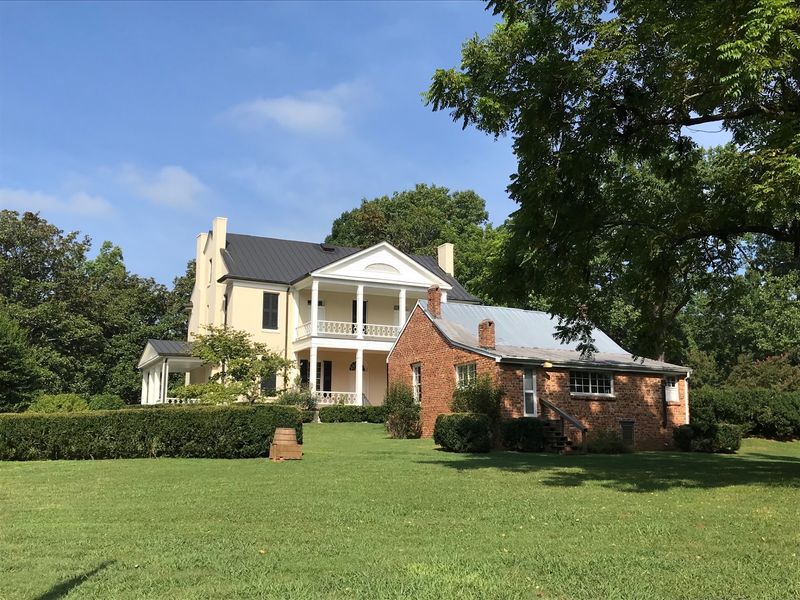
There is something almost theatrical about arriving at a hilltop house with wide views and long shadows. Yet the scene quickly becomes more than pretty architecture.
The grounds begin to suggest politics, family ambition, labor, and the everyday routines that once kept an estate running.
That layered feeling defines Rose Hill Plantation State Historic Site near Union. The mansion is closely tied to Benjamin Perry, a governor and public figure, but the larger story includes enslaved people, freedpeople, and tenant farmers whose lives shaped the property too.
Guided tours inside the house help explain the period, while the surrounding grounds give you room to imagine the working landscape beyond the formal rooms.
Comfortable shoes help because walking outside adds a lot to the experience. The quiet Upstate setting, along with nearby roads bordered by pasture and woods, makes the drive in feel like part of the visit.
Rose Hill works best when you let yourself notice both the polished surfaces and the hidden labor behind them. That tension is what makes the history here stay with you afterward.
Oconee Station State Historic Site
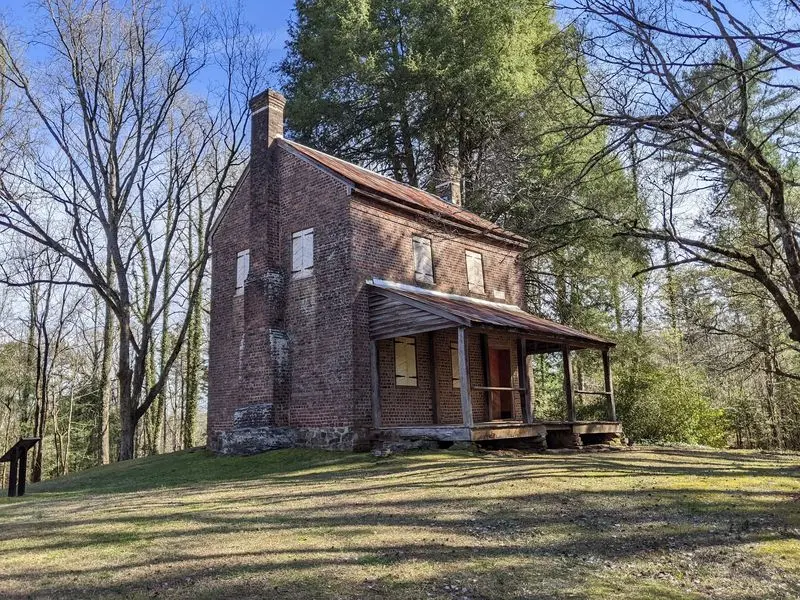
Mountain quiet can make an old stone building feel even more mysterious. Birds call from the trees, water sits still nearby, and then a frontier outpost appears as if it has been waiting for you.
The mood is less polished than plantation sites, which gives it a rough, honest charm.
Oconee Station State Historic Site near Walhalla preserves a very different side of South Carolina history. The stone station, built for militia protection in the 1790s, and the later William Richards House show how this corner of the state once worked as a borderland of trade, movement, and caution.
It helps visitors picture a time when travel was harder and safety was never guaranteed.
You can pair the history with a walk to Station Cove Falls, which gives the visit a nice rhythm. A packed lunch by the pond also fits the calm setting.
Oconee Station stands out because it links history with the feeling of the landscape itself. The mountains, woods, and sturdy stone walls all seem to agree on one thing, frontier life demanded resilience every single day.
Battle of Musgrove Mill State Historic Site
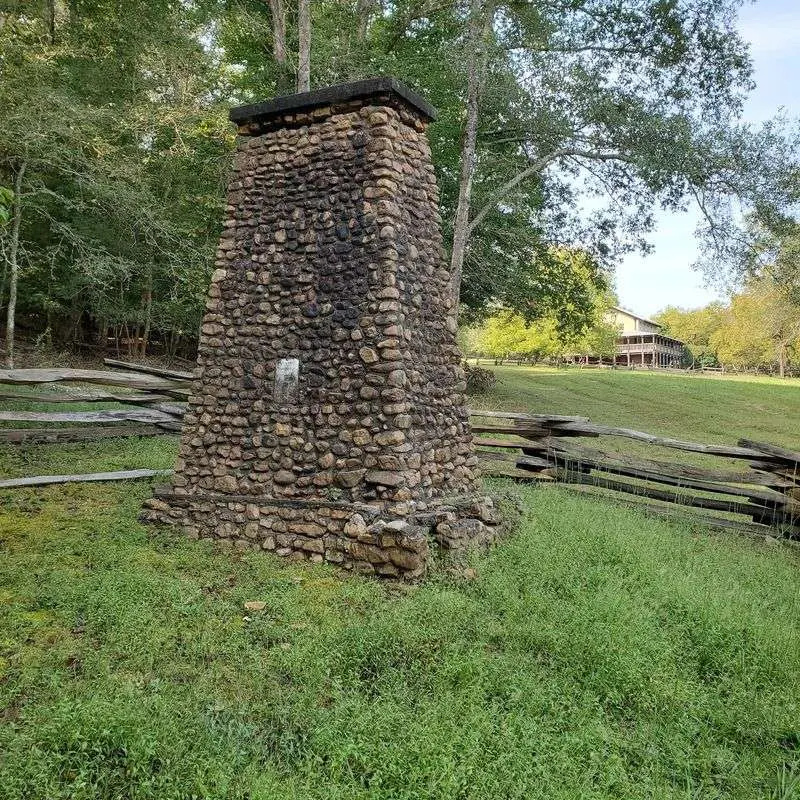
A battlefield hidden in the woods can surprise you. Instead of huge walls or crowded exhibits, you get trees, trails, and the uneasy thought that fierce fighting once broke this peaceful setting apart.
That contrast is what makes the story hit harder than many people expect.
At Battle of Musgrove Mill State Historic Site near Clinton, the Revolutionary War becomes something you can walk through rather than just study. Interpretive trails explain the 1780 clash between Patriot and Loyalist forces, and the river landscape helps you understand why the location mattered.
The visitor center adds context, but the strongest lessons often come outside, where the terrain speaks for itself.
Bring bug spray in warmer months and give yourself time to stop at the markers instead of rushing through. Families who enjoy scavenger hunts or maps may find younger kids stay engaged by following the route step by step.
Musgrove Mill is worth visiting because it shows how an important turning point happened in a place that still feels natural and quiet, almost as if the land remembers and refuses to brag.
Battle of Rivers Bridge State Historic Site
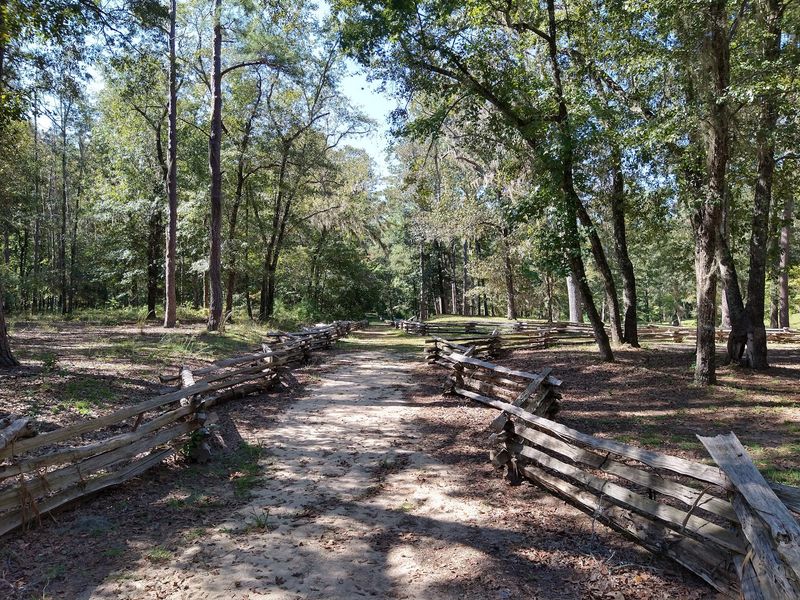
Mud, water, and silence shape this place before history signs do. The landscape feels stubborn and low to the ground, which makes it easier to imagine how difficult battle conditions must have been.
Few settings explain military strategy so clearly without saying much at all.
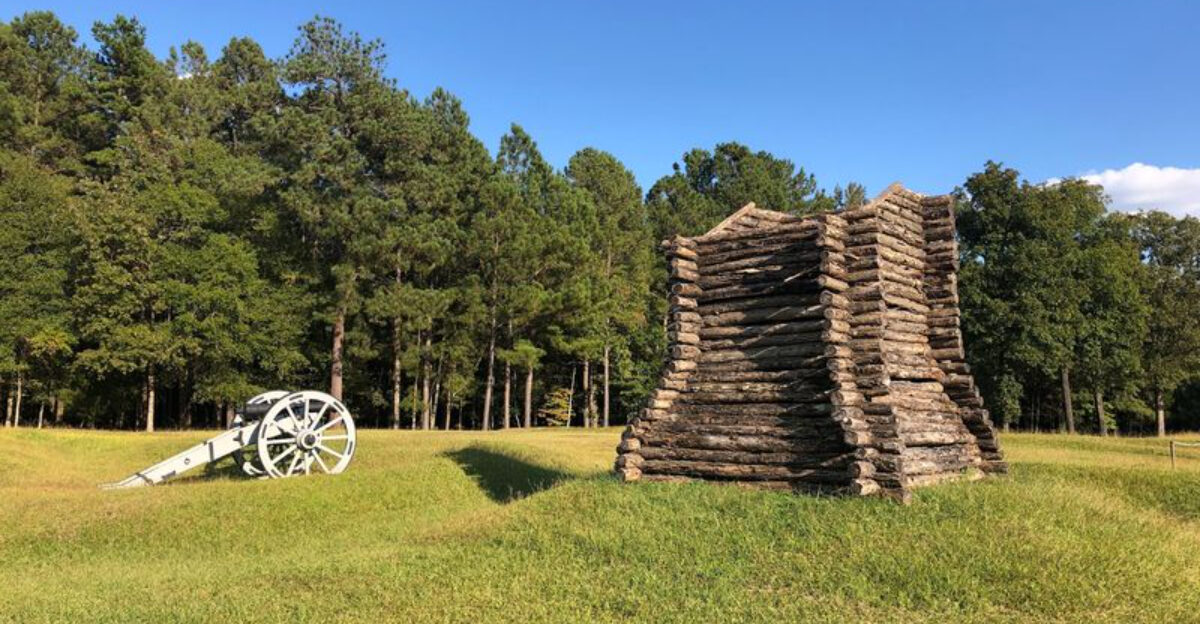
Battle of Rivers Bridge State Historic Site near Ehrhardt preserves one of South Carolina’s most important Civil War landscapes. Earthen fortifications still trace the defensive lines from 1865, when Confederate troops tried to slow General Sherman’s advance.
The interpretive trail lets you picture soldiers moving through swampy terrain, and that physical reality gives the story weight that books often cannot match.
Visit when the weather is mild so you can walk comfortably and spend time with the exhibits. If you enjoy photography, the mix of woods, open ground, and historic earthworks creates striking views without feeling staged.
Rivers Bridge does not rely on spectacle. Instead, it leaves you thinking about exhaustion, fear, and the final months of a war that had already changed countless lives by the time fighting reached this difficult stretch of South Carolina ground.
Ninety Six National Historic Site
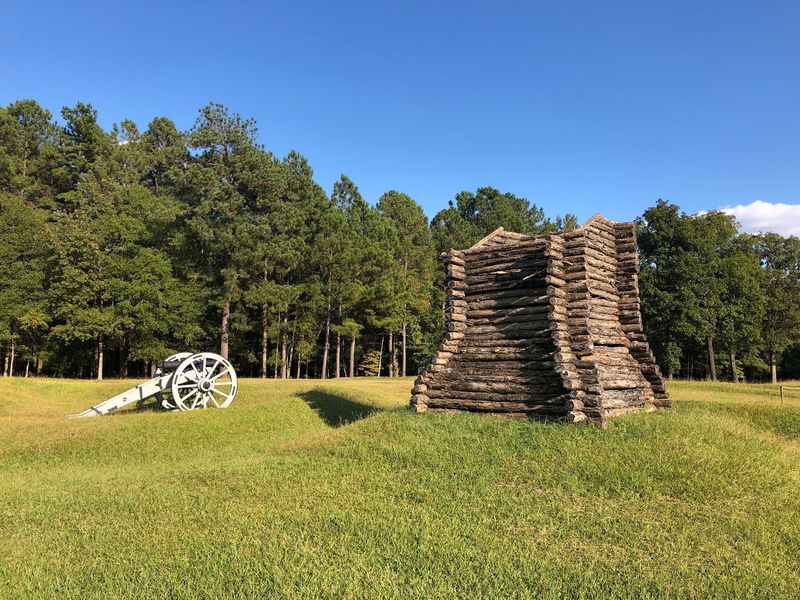
The name alone sounds like a clue from another century. Once you arrive, the open space and unusual earthworks make that feeling stronger, as if the map of early America is still faintly visible on the ground.
It is a place where strategy, settlement, and survival all overlap.
Ninety Six National Historic Site preserves one of the most important Revolutionary War landscapes in the South Carolina backcountry. The reconstructed star fort helps visitors picture the famous 1781 siege, while trails and exhibits explain earlier settlement patterns and conflict in the area.
Because the site covers so much ground, you get a sense of how history happened across a whole community, not just one battlefield corner.
Start at the visitor center, then head outside with water and a little patience. The best parts reveal themselves gradually, especially when you stop and imagine the noise, confusion, and long waiting that war involved.
Ninety Six rewards curious travelers because it feels both wide open and deeply specific. You leave understanding that small places with unusual names can hold big chapters of American history, and sometimes preserve them better than famous cities do.
Kings Mountain National Military Park
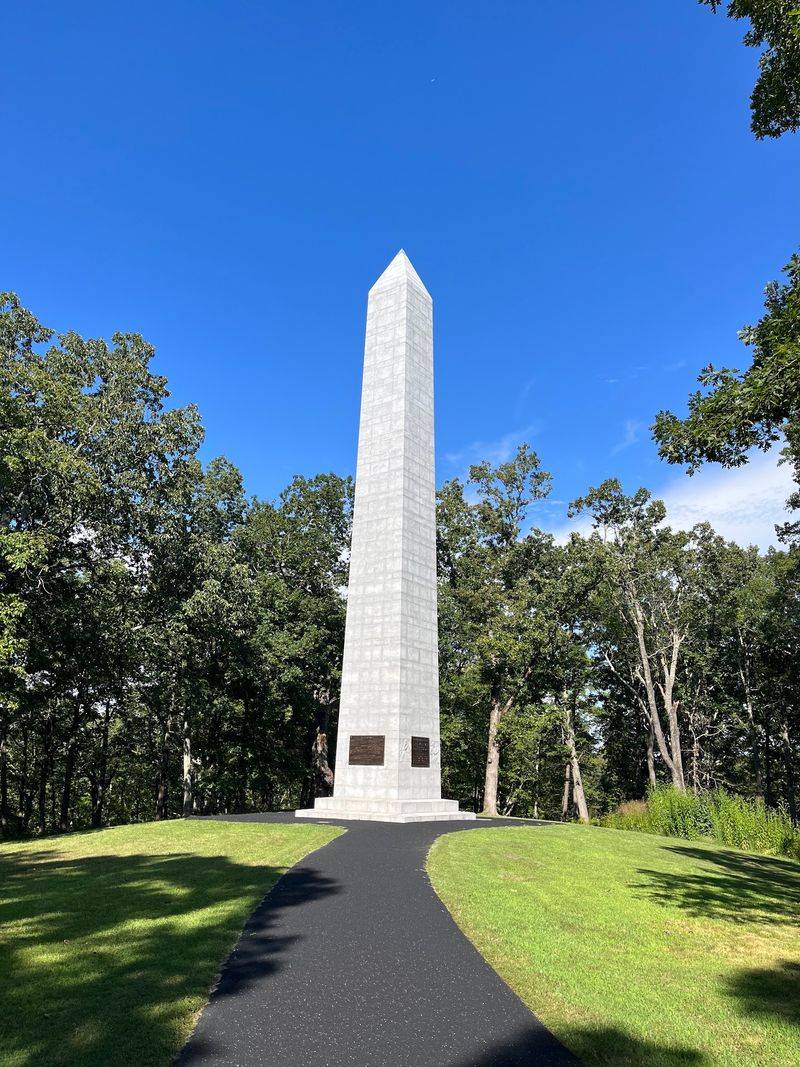
Not every turning point looks dramatic at first. Here, the woods seem calm, the hills are gentle, and the trail feels inviting, yet one fierce hour of fighting changed the course of the Revolutionary War.
That contrast gives the whole park a tense kind of energy.
Kings Mountain National Military Park near Blacksburg preserves the site of a major Patriot victory from October 1780. Monuments and interpretive stops explain how militia fighters surrounded Loyalist troops along the ridge, and walking the battlefield loop helps make the battle easier to picture.
Instead of staring at a map in a classroom, you can feel the slope under your shoes and understand why terrain mattered.
Cooler months are especially pleasant for the trail, and history-minded kids often enjoy matching the markers to the events they describe. The nearby visitor center film can help set the scene before you head outside.
Kings Mountain is worth the stop because it connects a local landscape to a national story in a very direct way. You come away with the sense that independence was not only argued in halls and papers, it was fought for in rough, wooded places like this.
Fort Sumter and Fort Moultrie National Historical Park
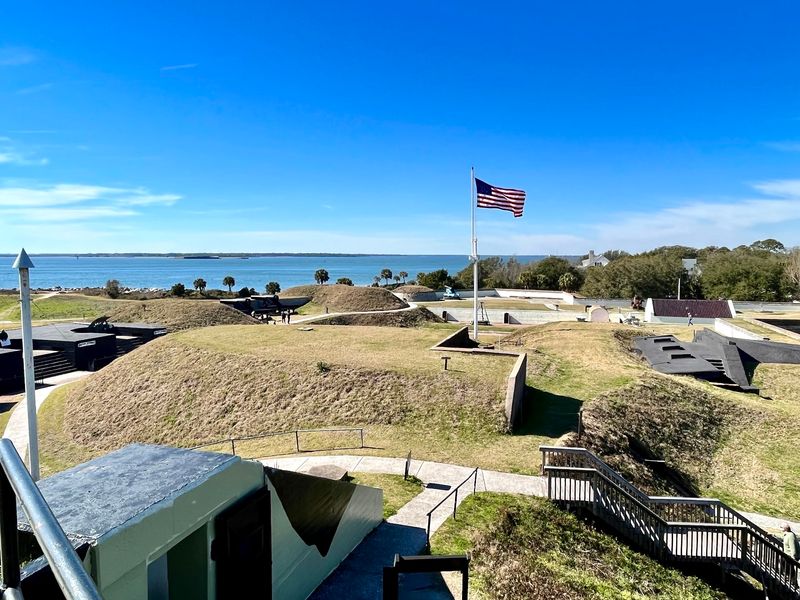
Harbor wind has a way of sharpening attention. Boats move across sparkling water, gulls circle overhead, and then the forts remind you that this beautiful setting has witnessed some of the most serious moments in American history.
Few places mix scenery and significance so powerfully.
Fort Sumter and Fort Moultrie National Historical Park ties together the Revolution, coastal defense, and the opening shots of the Civil War. Fort Moultrie on Sullivan’s Island shows changing military design across many decades, while Fort Sumter out in Charleston Harbor carries the heavy meaning of April 1861.
Taking the ferry adds to the experience because the approach across the water builds suspense before the fort even comes into full view.
Check ferry times ahead and bring sun protection because the harbor light can be intense. If you have extra time, pair the visit with a simple seafood lunch nearby to round out the day.
What makes these sites memorable is not just their fame. It is the way stone walls, cannon openings, and open water work together to make national history feel immediate, physical, and impossible to ignore.
Landsford Canal State Park
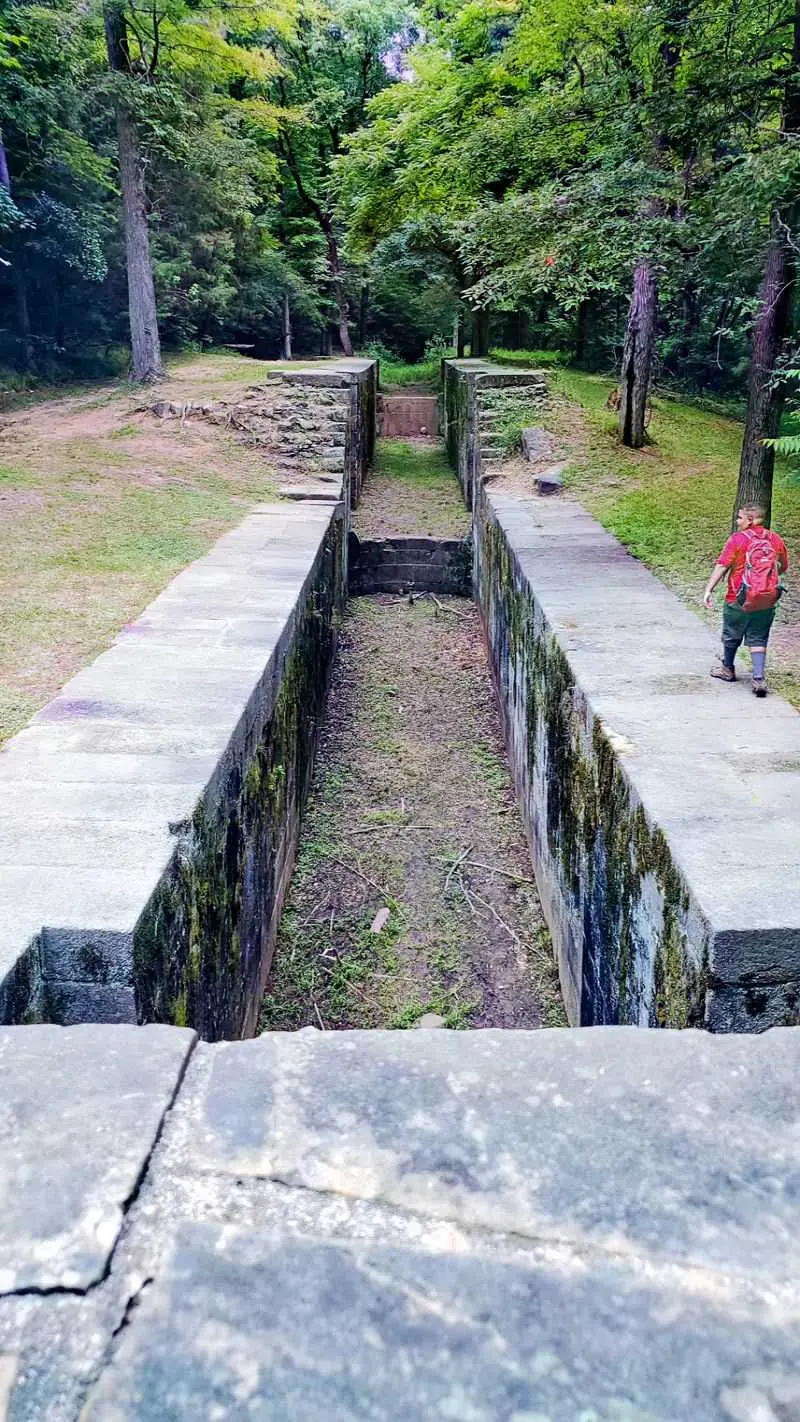
Ruins beside moving water have their own kind of poetry. Stonework sits quietly near the river, and what first looks like a simple trail slowly reveals an old transportation system that once mattered a great deal.
The setting feels peaceful now, but it hints at hard work and clever engineering.
Landsford Canal State Park near Catawba preserves remains of an 1820s canal built to help boats move past rough sections of the Catawba River. As you walk the towpath trail, you can spot locks, canal walls, and other structures that make early trade feel surprisingly understandable.
When rocky shoals spider lilies bloom in late spring, the historic scene gains an extra splash of wonder.
Wear steady shoes because some sections are uneven, and bring binoculars if you enjoy birds or river views. Families often appreciate that the park offers both outdoor adventure and an easy history lesson at the same time.
Landsford stands out because it shows that the past is not only found in mansions and battlefields. Sometimes it survives in practical places where people solved ordinary problems, moved goods, and reshaped a landscape one careful stone at a time.
Andrew Jackson State Park
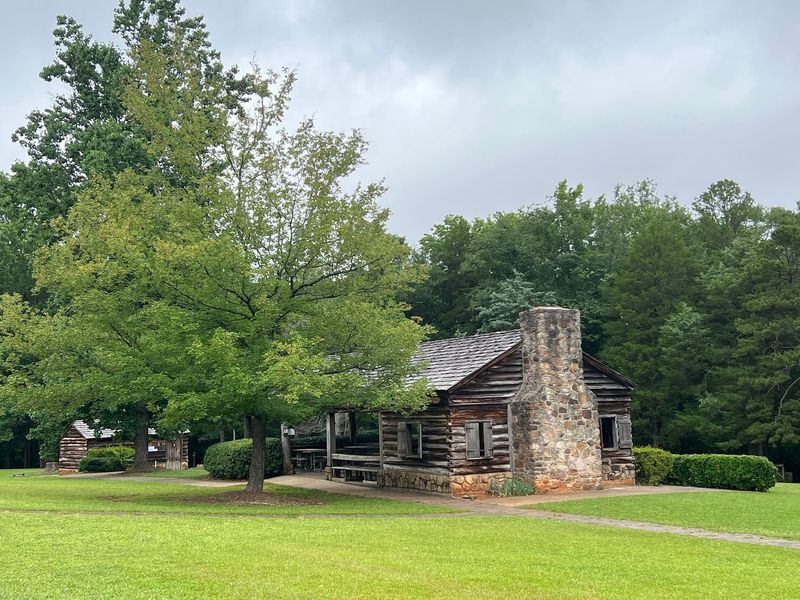
Presidential history can feel stiff until you place it in a childhood setting. Suddenly the story gets smaller, rougher, and easier to relate to.
You start thinking less about portraits and speeches, and more about school lessons, frontier dangers, and the kind of place that shapes a young person’s instincts.
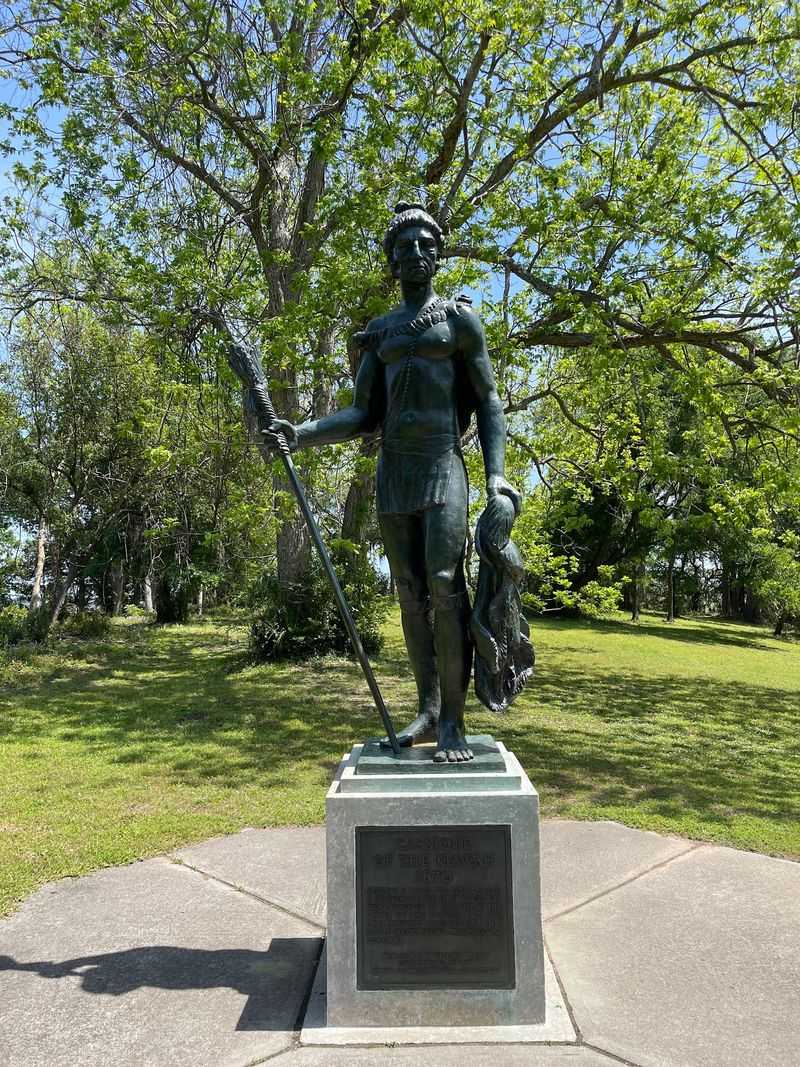
That is the draw of Andrew Jackson State Park near Lancaster in the Waxhaws region. The museum focuses on Jackson’s boyhood years and the Carolina backcountry world around him, giving visitors a look at everyday frontier life instead of only later political fame.
A replica schoolhouse and the Boy of the Waxhaws statue help turn broad history into something more visual and concrete.
The lake and picnic spots make this a comfortable family stop, especially if you want a trip that mixes learning with open space. It also helps to read a little about Jackson beforehand, since his legacy is complex and worth discussing honestly.
The park succeeds because it starts at the beginning. By showing the landscape and hardships of youth, it explains how national figures first emerge from very local places.