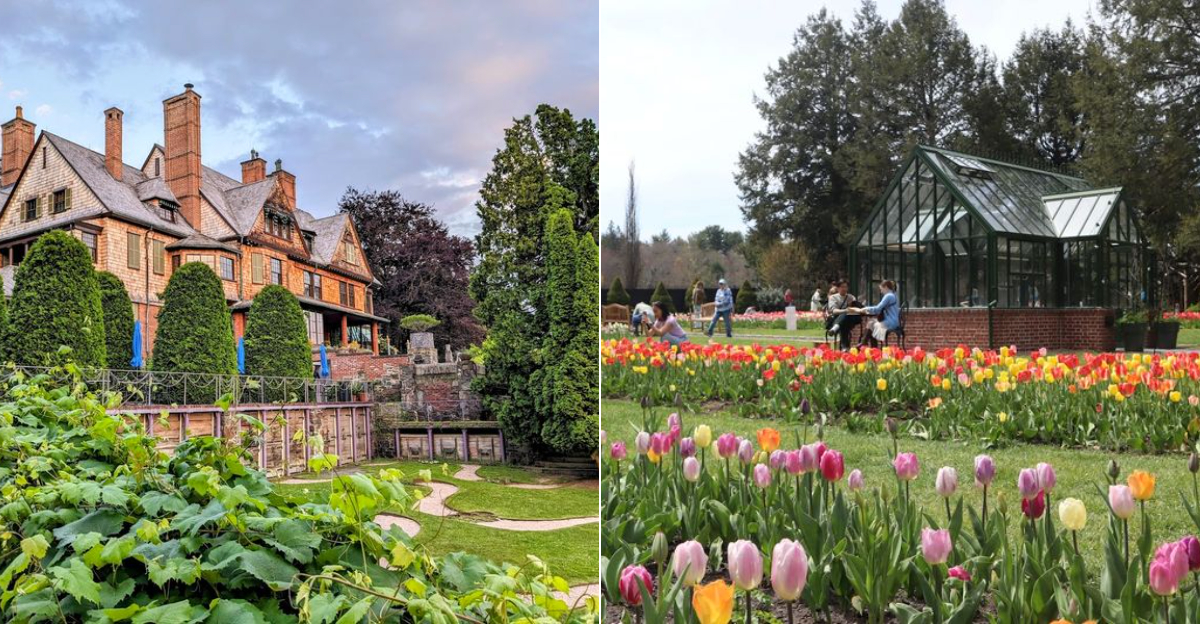
After a long, gray New England winter, nature is finally waking up, and is in full bloom.
So, if you are craving vibrant colors, fresh air, and paths that make you slow down on purpose, these gardens in Massachusetts will deliver.
Each one offers a different mood, from city elegance to quiet woodland calm.
Pack comfortable shoes, charge your phone, bring a camera, and get ready to wander through some of the state’s most memorable landscapes.
Whether you’re looking to get lost in a sea of pink cherry blossoms or wander through a valley of rare native wildflowers, the Bay State’s horticultural gems are currently in their prime.
1. Boston Public Garden
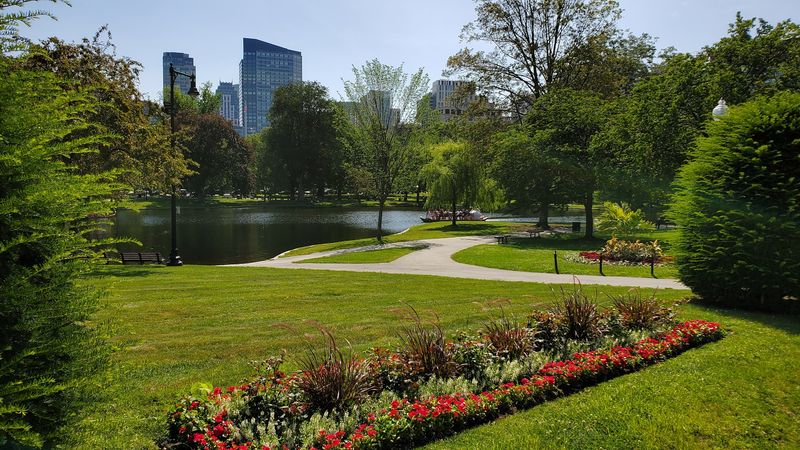
Right away, the city feels softer here, with color unfolding beside polished paths and the pond catching the light.
Boston Public Garden sits in the heart of Boston, right next to Boston Common, and I think it is one of the easiest spring stops in the state to add to a day out.
If you are driving in, the Boston Common Garage is the simplest option, then it is a short walk across Charles Street.
What keeps me lingering is how much is packed into one graceful loop.
You can watch the swan boats return in season, admire formal flower beds that shift through spring, and find statues and bridges that make even a quick visit feel classic. I like arriving early, when the paths are quieter and the photos come easier.
Small details do the heavy lifting here.
The lagoon reflections, the weeping trees, and the neat rows of blooms give this historic garden its charm without trying too hard.
Bring coffee, circle the water slowly, and pair your walk with nearby Beacon Hill if you want your spring outing to last longer.
2. Arnold Arboretum
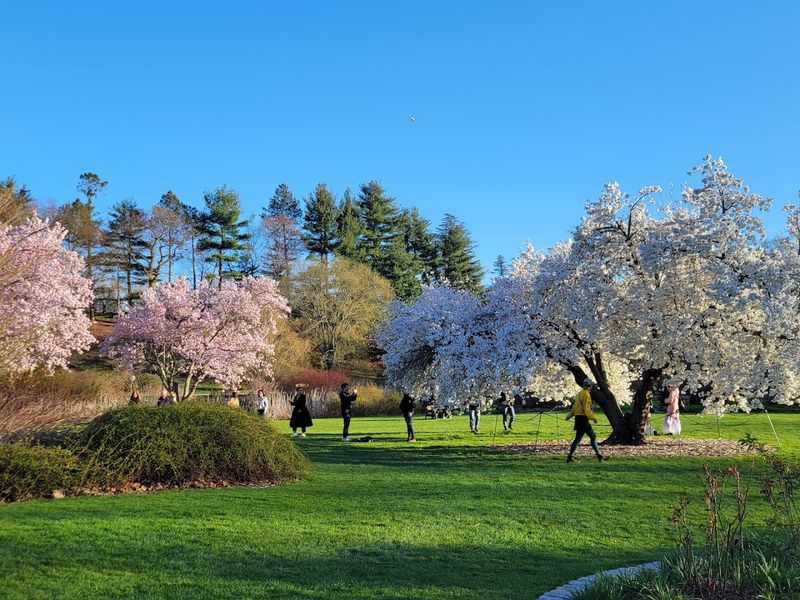
The mood changes fast when city streets give way to broad lawns, flowering trees, and long views.
Arnold Arboretum in Boston’s Jamaica Plain and Roslindale neighborhoods spreads across a huge landscape.
I always recommend entering at the Arborway Gate if you want an easy start.
Drivers usually find street parking nearby, and the visitor center maps make it simple to choose a route.
Spring is when this place really flexes its collection.
The lilac season draws crowds for good reason, while cherry blossoms, magnolias, and crabapples keep the paths lively before and after peak bloom.
I like heading up Bussey Hill for a higher vantage point, then drifting back through the meadows and collections at a slower pace.
There is room here to shape your own day.
Serious plant lovers can seek out labeled specimens, while casual walkers can simply follow the paved and unpaved paths and let the scenery do its job.
3. Berkshire Botanical Garden
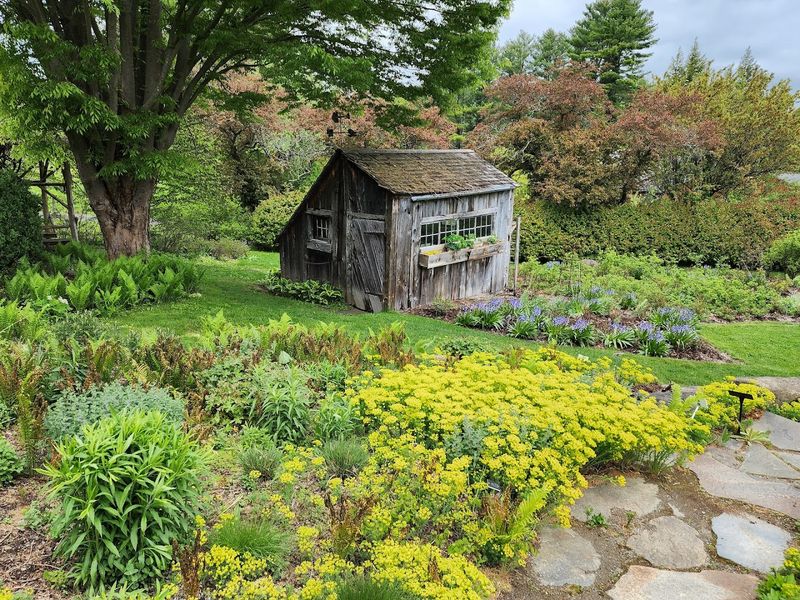
Peace arrives quickly in the Berkshires, especially when the road narrows and the hills begin doing the scenery work.
Berkshire Botanical Garden is in Stockbridge on West Stockbridge Road, just off Route 102, and I find it especially easy to combine with a weekend drive through Lenox and Great Barrington.
Parking is straightforward on site, so the visit starts without fuss.
This garden feels approachable in the best way.
Spring brings daffodils, tulips, flowering shrubs, and well-kept borders that lean into traditional New England style without feeling stiff.
I like that the scale invites a slower look, and the educational touches make it rewarding even if you cannot name every plant.
There is also a practical charm here that I appreciate.
The displays often reflect what grows well in the region, so gardeners leave with ideas they can actually use at home.
Plan for an unhurried walk, check the event calendar for seasonal classes or plant sales, and give yourself time to browse nearby Stockbridge afterward, because the town pairs nicely with the garden’s calm rhythm.
4. Tower Hill Botanic Garden
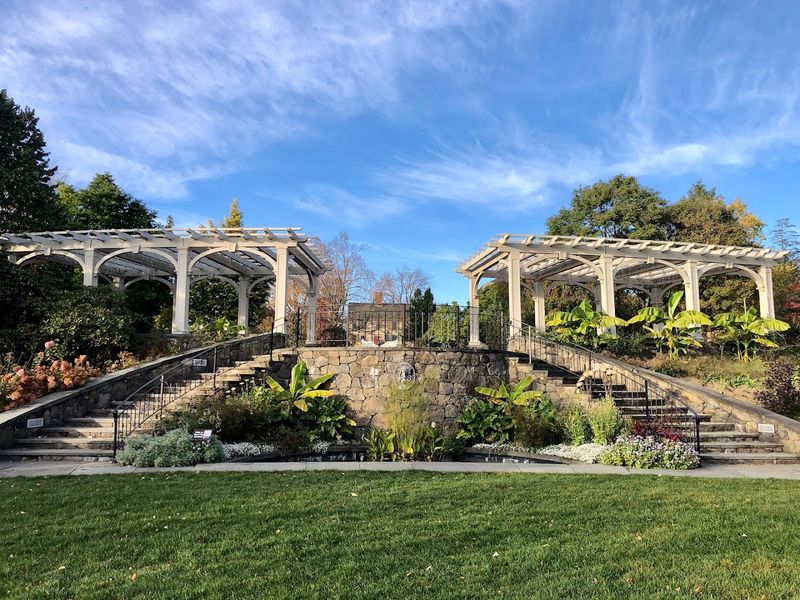
Some places make you stop at the entrance just to take in the view.
Tower Hill Botanic Garden in Boylston sits above the Wachusett Reservoir, about an hour west of Boston, and the drive feels worth it before you even leave the parking lot.
If you are navigating in, use French Drive, and give yourself extra time because the grounds are larger than many first timers expect.
The variety is what keeps this visit lively.
Formal gardens, lawn spaces, woodland trails, and seasonal beds create a pace that shifts naturally, and the reservoir vistas add a welcome sense of openness.
I usually start with the structured areas, then head into the wooded paths once I want more shade and fewer people.
Spring arrives here in layers rather than all at once.
Early bulbs, flowering trees, and fresh foliage keep the landscape changing week by week, so checking what is in bloom can really help.
If you plan to explore the hillier sections, do not rush past the conservatories, which add another dimension if the weather turns cool or damp.
5. Garden in the Woods
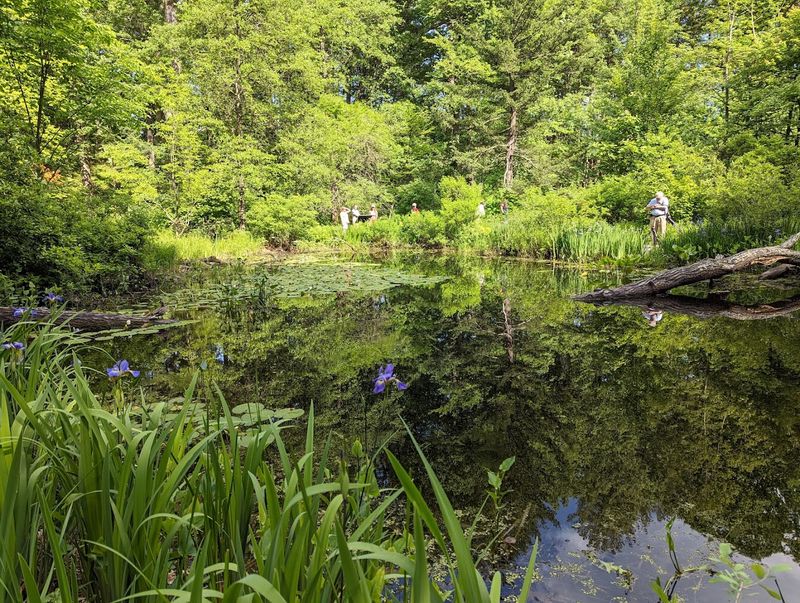
The quiet here feels earned, not staged, and that is part of the appeal.
Garden in the Woods in Framingham is tucked just off Hemenway Road, with on-site parking and a visitor center that helps you get oriented before the trails pull you into the trees.
I like coming here when I want spring to feel less formal and more rooted in the region.
This garden focuses on native plants, and that mission gives the whole visit a different texture.
Instead of broad displays built mainly for spectacle, you get intimate woodland scenes filled with trillium, lady’s slippers, and other regional wildflowers that reward close attention.
The paths are gentle enough for a relaxed walk, though sturdy shoes help after rain.
It is also a smart place to sharpen your eye.
Plant labels and habitat-based design make it easier to understand what belongs where, and I have left with more than one idea for my own yard.
Visit in mid to late spring for the richest wildflower display, take your time on the boardwalks and shaded turns, and keep your voice low because the setting practically asks for it.
6. The Gardens at Elm Bank
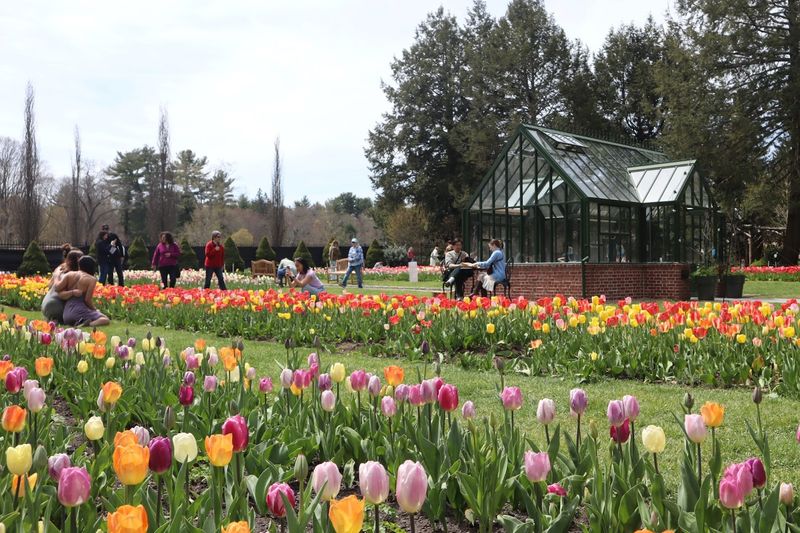
There is a pleasing sense of order here, but it never tips into feeling rigid.
The Gardens at Elm Bank in Wellesley sit on the Massachusetts Horticultural Society property along Washington Street, and I find them especially handy for an easy day trip from Boston.
Parking is on site, and the entrance area makes it simple to pick a direction without overthinking the visit.
The appeal comes from variety within a manageable layout.
You can move from Italian-style structure to looser seasonal plantings, then into spaces that feel more intimate, all without spending half the day figuring out where to go next.
I like how the themed gardens keep the walk visually fresh, especially in spring when bulbs and early perennials start doing their work.
It is a good choice for both gardeners and casual strollers.
The displays are polished, the grounds are welcoming, and there is enough detail to reward a slower pace without overwhelming you.
If you go after rain, the colors often look richer, and if you have time afterward, nearby Wellesley has plenty of spots for coffee, which is my preferred way to extend a garden outing.
7. Naumkeag
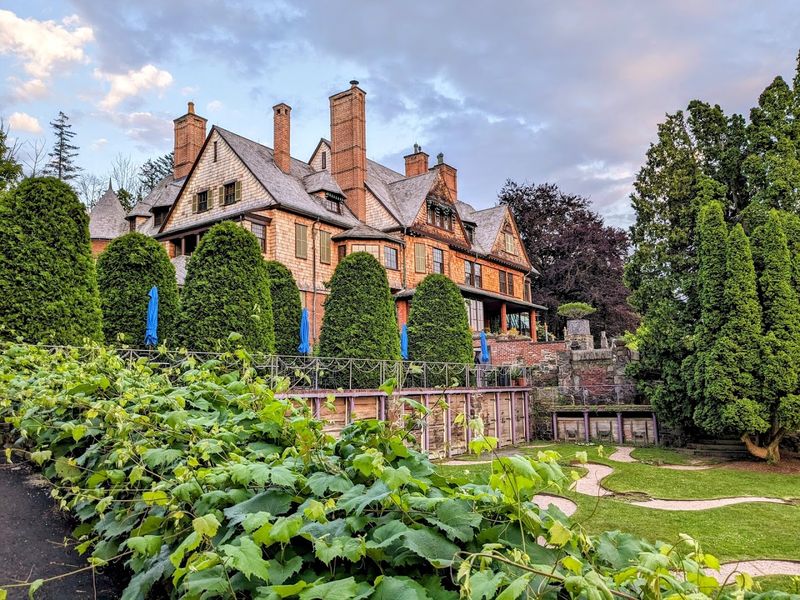
Few garden walks feel this composed from the first turn of the path.
Naumkeag in Stockbridge sits on Prospect Hill Road, and the setting alone gives the estate a special rhythm, with views over the Berkshires and carefully staged garden moments along the way.
I suggest reserving tickets ahead in busy seasons, then arriving a little early to settle into the landscape rather than rushing it.
The famous Blue Steps deserve their reputation, but they are not the whole story.
Terraces, topiary, and thoughtfully arranged plantings create a sequence that feels artistic without becoming fussy, and each section reveals a different side of the property.
I remember the first time I saw the steps in person and thought, yes, this one earns the detour.
Because this is a historic estate, the experience works best when you notice both design and setting. Spring brings fresh foliage, flowering trees, and cleaner sightlines before summer fullness changes the mood.
Give yourself time to explore the house side as well, and combine it with other nearby Stockbridge stops if you are making a full Berkshire day of it.
8. Bridge of Flowers
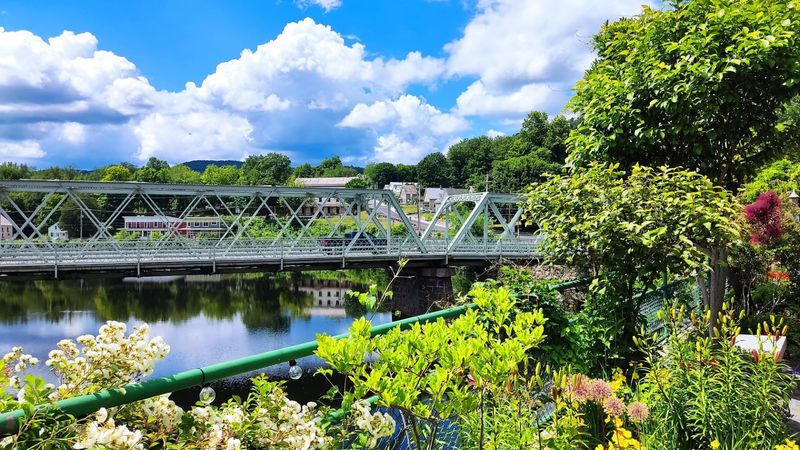
Not every memorable garden spreads across acres, and this one proves the point beautifully.
Bridge of Flowers in Shelburne Falls spans the Deerfield River on a former trolley bridge, and finding it is easy once you are in town near Bridge Street and the village center.
I usually park in one of the public lots, then walk over with coffee and let the setting do the rest.
What makes this stop special is the combination of engineering history and horticulture.
The planting beds line a narrow walkway, so you move through bloom after bloom with river views and downtown charm always close by.
Spring starts the color parade with bulbs and early perennials, and later seasons keep the bridge lively in different ways.
This is a short visit if you want it to be, but the town encourages you to linger.
Shelburne Falls has shops, cafés, and glacial potholes nearby, so a simple flower walk can become an easy half day.
Go on a weekday morning if you prefer fewer people, bring a camera with a wide lens, and pause often, because the perspective changes with every few steps across the bridge.
9. Heritage Museums & Gardens
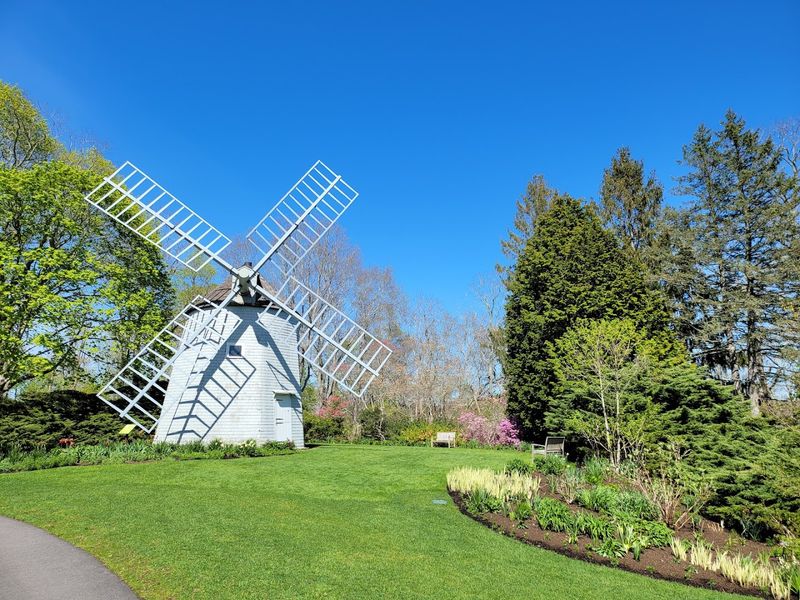
The Cape has a quieter spring personality, and this place captures it well.
Heritage Museums & Gardens in Sandwich is on Grove Street, an easy stop if you are crossing Upper Cape or building a day around Sandwich village.
There is ample parking on site, and I like arriving when the grounds open so the paths still feel calm and a little hushed.
The garden experience here unfolds gradually.
Rhododendrons are a major draw in season, but the woodland paths, open lawns, and later hydrangea displays make the property feel broader than a single bloom event.
I appreciate that you can switch between focused plant viewing and more relaxed wandering without losing the thread of the visit.
There is also enough variety to keep different kinds of travelers happy.
Families often head toward the museum features and wider spaces, while plant lovers can zero in on collections and quieter corners.
Check the bloom schedule before you go, especially for rhododendron timing, and if you are making a full Cape day of it, pair the visit with Sandwich Boardwalk or a stop in the historic center for lunch afterward.
10. Smith College Botanic Garden
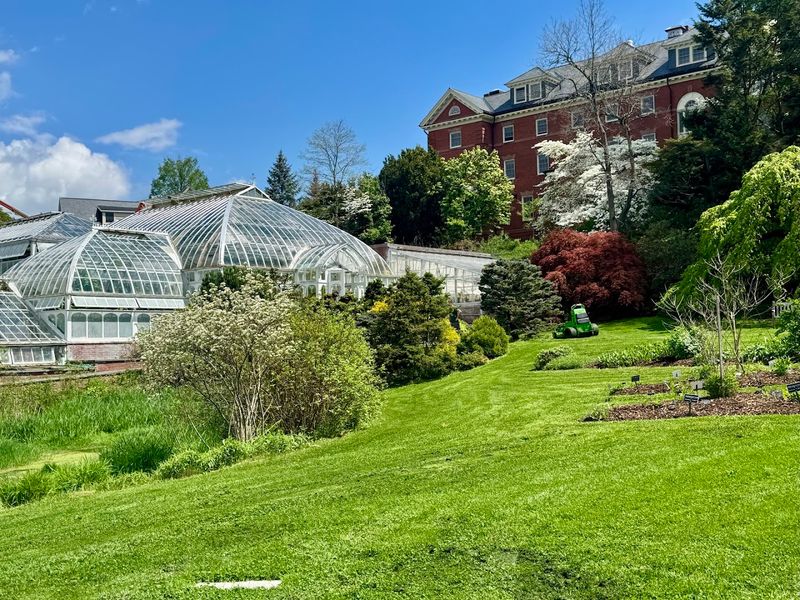
A college campus is not where everyone expects a standout garden visit, which makes this one more fun to discover.
Smith College Botanic Garden in Northampton is woven into the campus near Elm Street, and I find it easiest to approach with a campus map and use nearby public parking before exploring on foot.
The setting has energy, but the garden spaces still offer pockets of calm.
What I like most is the split personality of the place.
Outdoor beds and landscapes deliver seasonal color in spring, while the conservatory gives you a completely different climate filled with tropical plants and lush foliage.
On a chilly day, stepping inside feels like changing seasons without leaving town, which is a nice trick to have.
Northampton adds another reason to make the drive.
You can spend an hour or two with the gardens, then head downtown for bookstores, lunch, or a slow walk along Main Street if you are not ready to go home.
Visit the Lyman Conservatory while you are there, look up any temporary exhibits in advance, and let yourself wander a bit, because the campus paths often lead to unexpected views and details.