A black bear, a bald eagle, and a herd of bison all live a short loop apart here. Most of the animals outside came to this spot after injuries left them unable to survive in the wild.
Inside, Kentucky’s three native venomous snakes sit behind glass. That means copperhead, cottonmouth, and timber rattlesnake, all safely on display for curious kids and nervous grown-ups.
I like how every creature on the grounds has a real tie to Kentucky. Elk and bison once roamed this land, and now families can walk right up and say hello.
Bobcats, hawks, turtles, and native fish round out the cast.
I believe the best family outings feel close to home and easy on the wallet. This one checks both boxes.
So which Kentucky animal would your crew want to see first?
A Wildlife Center Run By The Folks Who Know Kentucky Animals Best
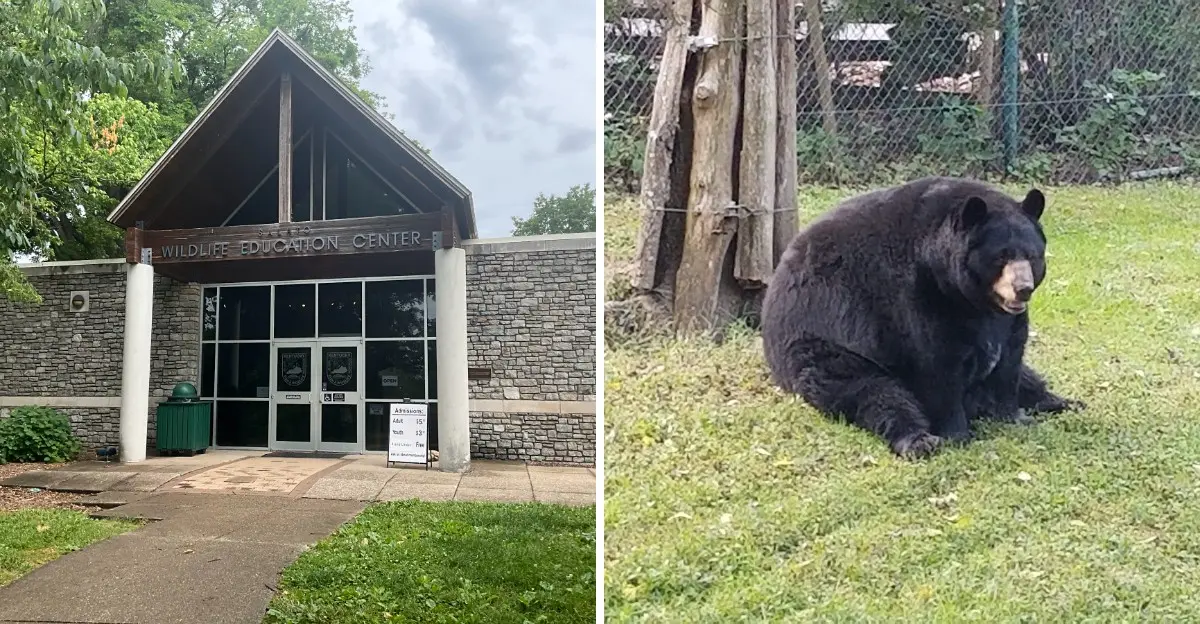
Salato Wildlife Education Center sits on the edge of Frankfort, close to the heart of Kentucky’s capital city. It’s part of the Kentucky Department of Fish and Wildlife Resources, which explains a lot about its focus.
The mission here is simple and smart. Show families the animals, fish, and plants that actually belong in Kentucky, then help them understand why it all matters.
Think of it as a living field guide you can walk through. The center mixes indoor exhibits with outdoor animal habitats, walking trails, and fishing spots, so a single visit covers a surprising amount of ground.
Don’t expect giraffes or penguins, though. Salato isn’t a zoo, and that’s the charm.
Every species on display has a genuine connection to the Bluegrass State, from the snakes in the hallway to the elk grazing outside.
That local focus makes it feel personal for Kentucky families. Kids get to meet the same bobcats and hawks that share their woods and backyards, which is a pretty great way to fall for your home state all over again.
It also carries a strong reputation. The center holds a 4.8-star rating from well over a thousand reviews, which is hard to argue with.
Second Chances For Animals That Can’t Go Back To The Wild
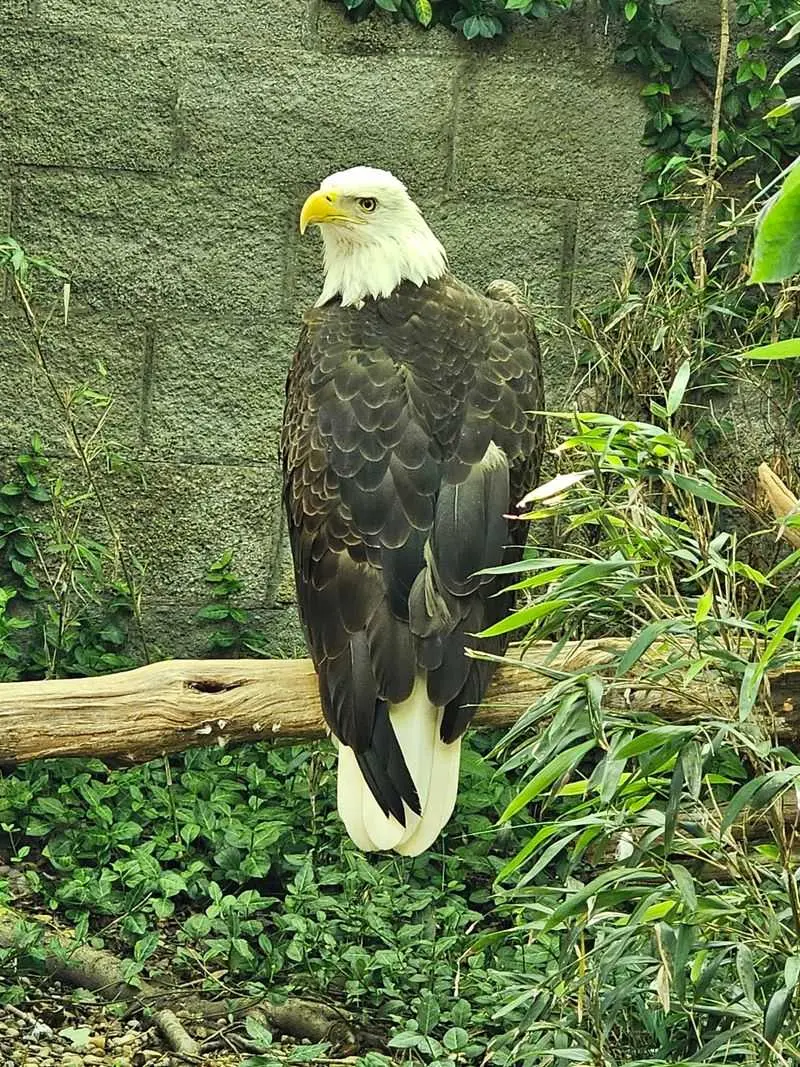
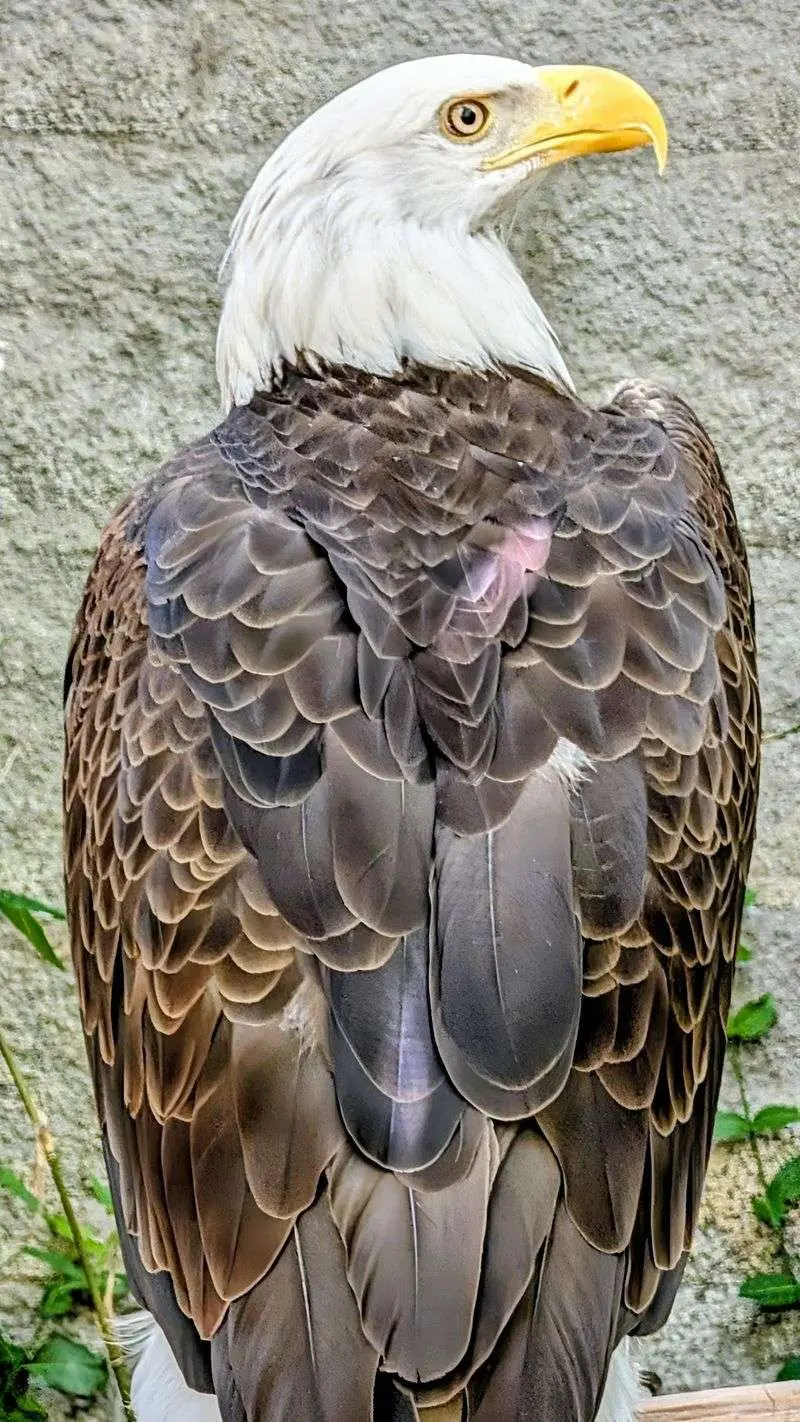
Every animal outside has a story worth hearing. Many of the residents, including the black bear, bobcats, bald eagle, and red-tailed hawk, arrived after injuries left them unable to survive on their own.
That changes how you look at them. These aren’t creatures pulled from the woods for show, but animals given a safe, long-term home where they can still teach people something.
The elk and bison are a different case. Both were originally native to Kentucky, and their presence here connects visitors to a wilder chapter of the state’s past.
Kids tend to ask big questions when they learn these backstories. Why can’t the eagle fly away?
What happened to the hawk? Those conversations are half the value of the trip.
The habitats themselves leave room to roam, and the animals appear well cared for. Families who visit often describe a sense that the residents have plenty of space.
It’s a gentle lesson in respect for wildlife. Children walk away knowing that hurt animals sometimes need help, and that people in Kentucky work hard to provide it.
That’s a takeaway worth more than any souvenir from a gift shop.
Bison, Elk, And Bobcats Along The Wildlife Loop
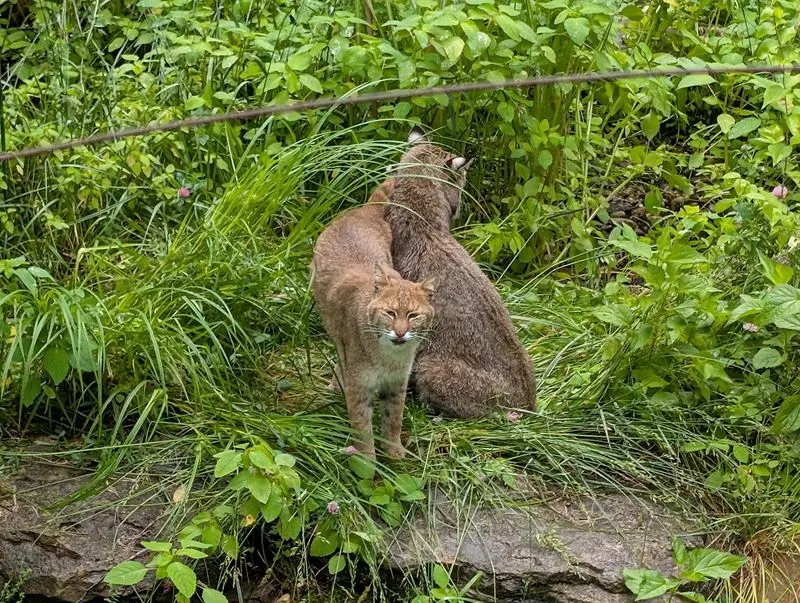
Bison in Frankfort sound like a tall tale. Yet they’re one of the stars of the outdoor wildlife loop, grazing alongside elk in roomy pastures.
The loop is a walking path that links the outdoor habitats together. Along the way you can spot bison, elk, bobcats, the black bear, the bald eagle, and the red-tailed hawk.
Bobcats often steal the show. These secretive cats are rarely seen in the wild, so catching a pair lounging together feels like winning a small lottery.
Here’s a nice design touch. Several spots let you look down on the animals from above, so you aren’t peering through fences the entire time.
Photographers will appreciate that.
Plaques along the paths share interesting facts about each species. Parents can read them aloud while little ones hunt for the next furry face.
Animals keep their own schedules, of course. On hot days some may rest in the shade, and the bison sometimes hang out at the far end of their pasture.
Cooler mornings or mild days can be a good bet for more action, though nothing is guaranteed when wildlife is involved.
The Sleepy Black Bear Everyone Hopes To Spot
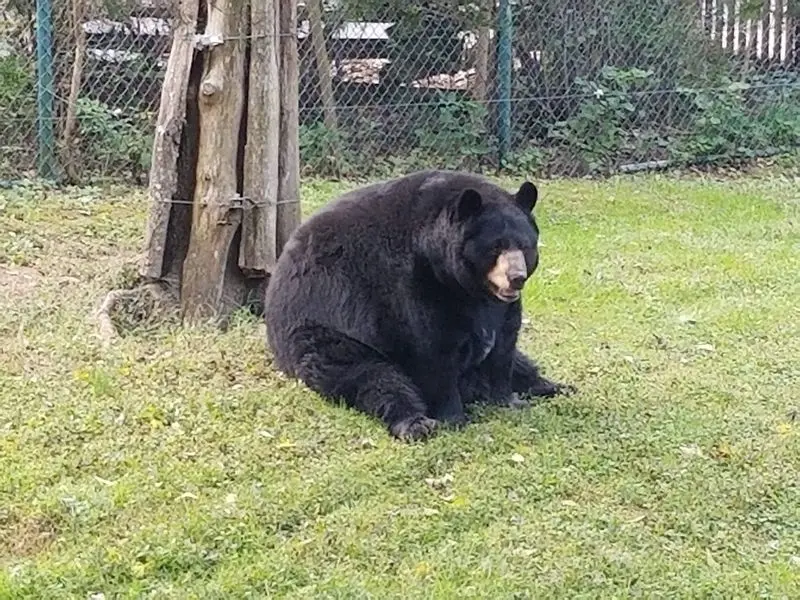
Few moments beat locking eyes with a real Kentucky black bear. At Salato, that’s a very real possibility, and it’s often the highlight kids talk about all the way home.
Black bears are part of Kentucky’s natural story. They’ve been making a comeback in parts of the state, so seeing one up close gives families a safe introduction to a neighbor they might someday spot in the mountains.
The bear here has charmed plenty of visitors. Some describe him as cute and very sleepy, which honestly sounds like a relatable lifestyle.
Now, a fair warning. Bears do what bears want, and some days he simply stays inside.
That’s part of watching real animals instead of actors on a screen.
Patience can pay off, though. Circling back after exploring other habitats sometimes gives you a second chance at a sighting.
Either way, the bear’s habitat is worth a pause. It’s a great spot to talk with kids about how bears live, what they eat, and why giving them space in the wild matters.
A drowsy bear can still spark a lot of curiosity in young minds.
Snakes, Turtles, And Native Fish Inside The Exhibit Hall
Copperhead, cottonmouth, and timber rattlesnake. Kentucky’s three native venomous snakes all live indoors here, safely behind glass where nobody has to jump.
The indoor education center is packed with things to see. Aquariums hold Kentucky native fish, while turtles, frogs, and other live species fill out the displays.
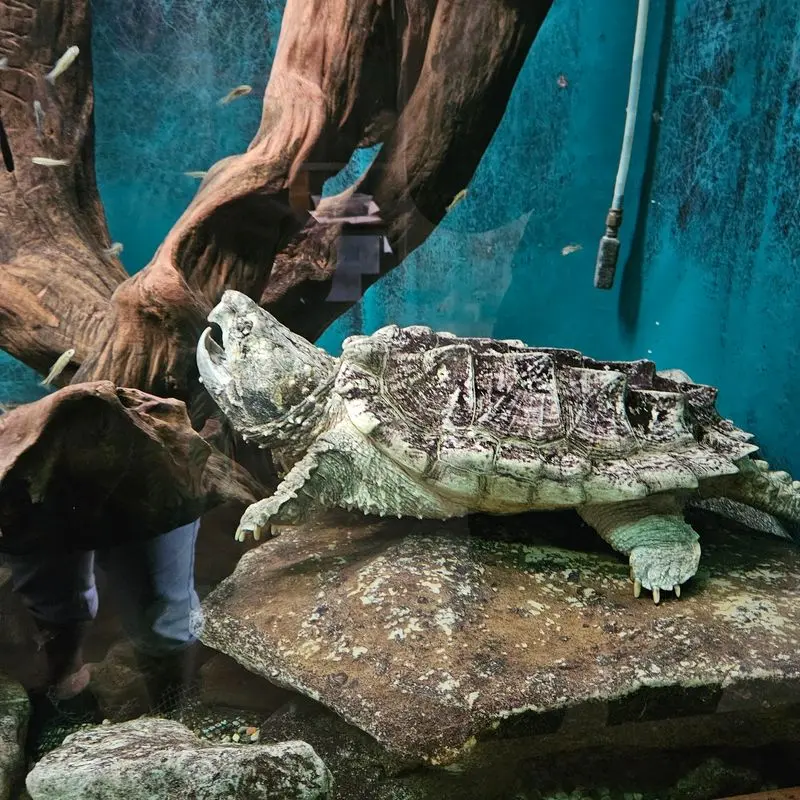
One resident gets extra attention. Visitors have spotted an alligator snapping turtle, a prehistoric-looking reptile that seems borrowed from a dinosaur movie.
Taxidermy exhibits also show off Kentucky wildlife, paired with interesting facts posted nearby. It’s a handy way to study animals that would never sit still long enough outdoors.
Bugs make an appearance too, which will thrill a certain type of kid. You probably know exactly which one in your family that is.
The indoor space is a smart first or last stop. It works well when the weather turns gray, and it gives everyone a breather between trail walks.
Learning which snakes to avoid on a Kentucky hike is also pretty useful knowledge for any family that loves the outdoors.
Hands-On Fun That Keeps Little Explorers Busy
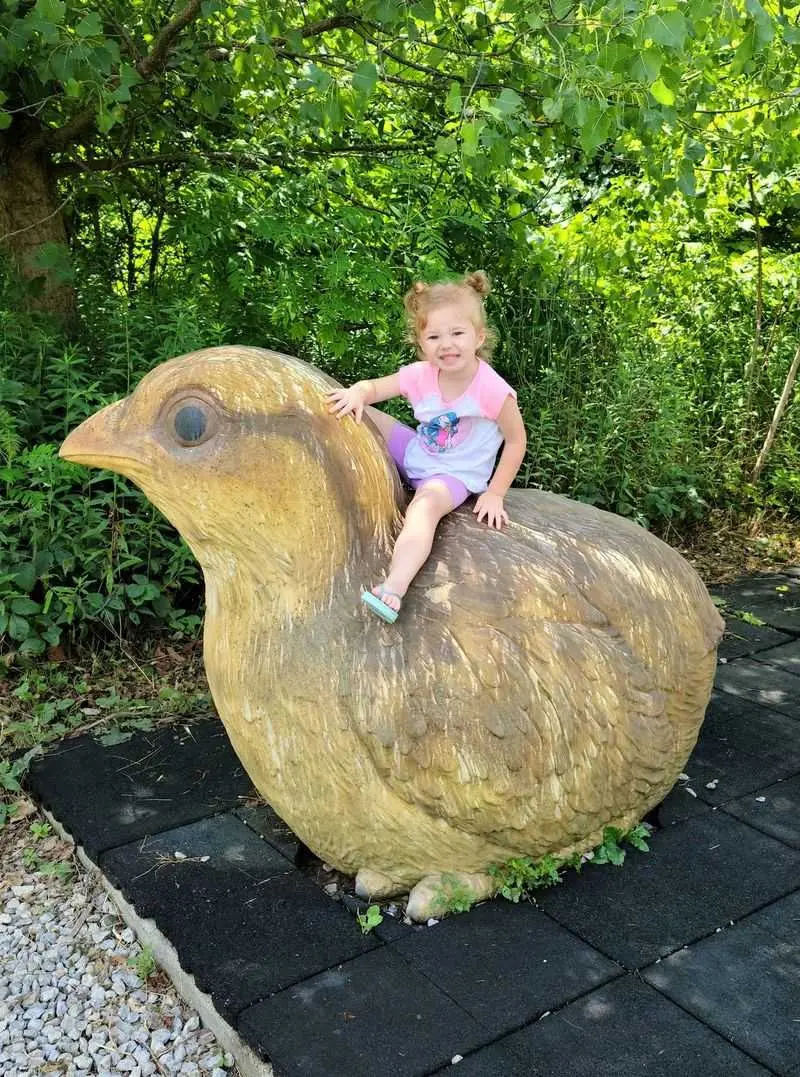
Touching is encouraged here, which is music to any toddler’s ears. Many of the displays are hands-on, so kids can explore with their fingers as well as their eyes.
Indoor games and activities add another layer of play. They give younger children a chance to burn energy while still soaking up facts about Kentucky wildlife.
Staff demonstrations are a big draw. Knowledgeable educators lead presentations, and some programs let kids get close to and even touch a few animals.
A turtle presentation has earned special praise. It’s the kind of moment where a shy kid suddenly has a dozen questions.
Outside, play areas give families a spot to pause between animal habitats. Parents can rest their legs while the kids keep going, as kids always do.
The staff stands out too. Friendly, helpful, and clearly passionate about animals, they make it easy to ask questions.
That human connection turns a casual stroll into real learning. For school-age kids, it might be the first time science feels like an adventure instead of a worksheet, and that’s a memory that tends to stick.
Fishing Poles, Archery Targets, And Peaceful Trails
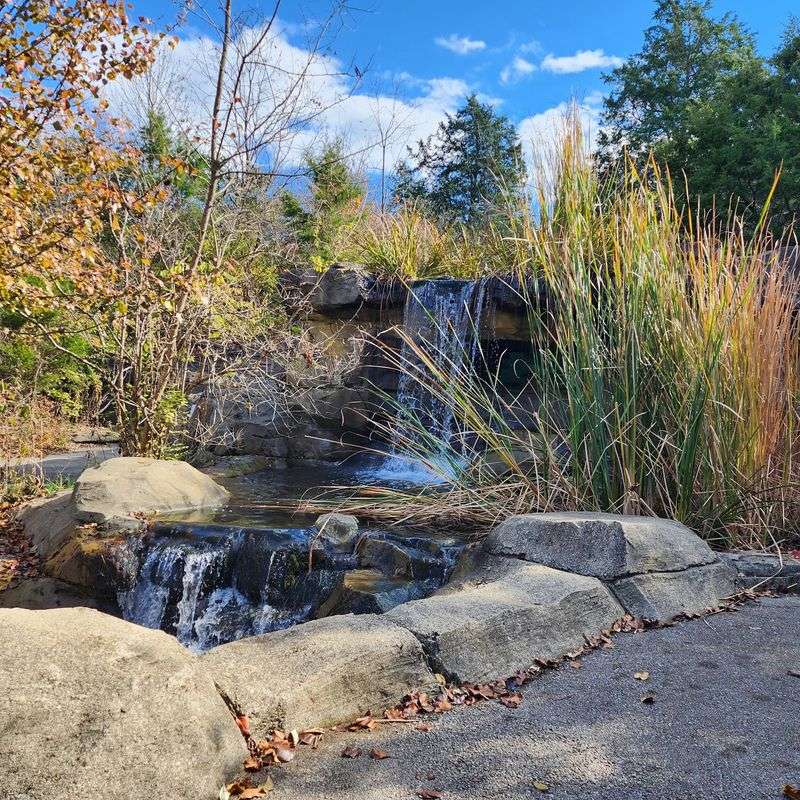
Pack the fishing poles. Salato has a big pond with plenty of bank space, making it easy to turn a short visit into a full Kentucky day outdoors.
Fishing is one of the most talked-about features here. It’s a relaxed way for grandparents, parents, and kids to share some quiet time by the water.
A lake on the grounds can be visited for free, and there’s a picnic area too. That’s a sweet bonus for families watching their budget.
Archery fans get something special. An archery target range offers a chance to practice, adding a little skill-building to the day.
The walking trails are easy to follow and well maintained. They wind past native plants, and interpretive plaques share facts along the way.
Native plant gardens deserve a mention on their own. They show off Kentucky’s natural landscaping and make a lovely backdrop for family photos.
It all adds up to a peaceful, park-like feel. Expect the occasional school field trip on weekdays, but the grounds still offer plenty of calm corners.
Bring snacks, comfortable shoes, and a little patience for the fish.
Who Will Love A Day At Salato Most
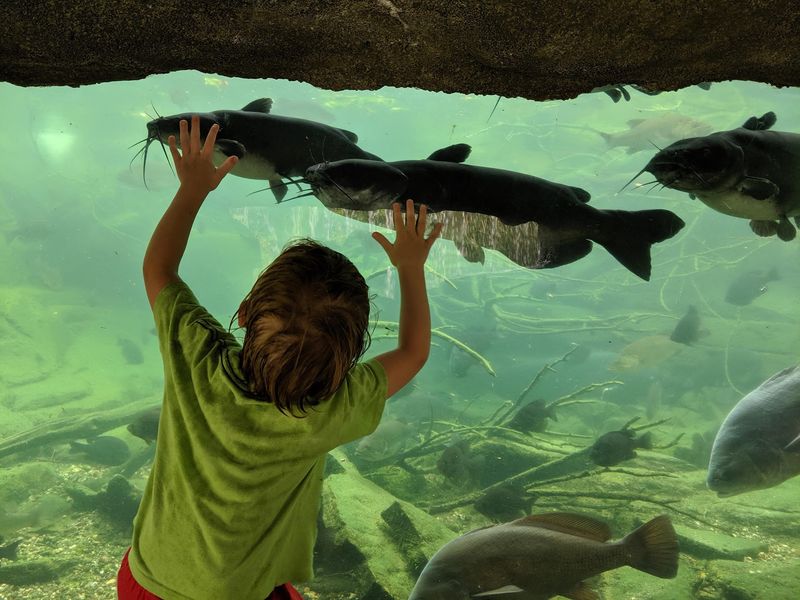
Grandkids, preschoolers, teens, and nature-loving adults all seem to find their thing here. That’s rare for an outing this affordable.
Families make up the heart of the crowd. Some have been returning for 15 years, watching their own children grow up alongside the bison and bobcats.
That kind of loyalty says a lot. Salato has quietly become a tradition for many Kentucky households, the place you go again and again.
Grandparents fit right in too. The trails are easy, and the center is stroller and wheelchair accessible, so multiple generations can explore together.
Even lifelong Frankfort-area residents sometimes discover it late. One visitor who grew up nearby wished they’d known about it sooner, which might sound familiar to a few readers.
Photographers, hikers, and anglers get plenty of reasons to linger. School groups and homeschool families find a ready-made science lesson.
One note for pet owners. Dogs aren’t allowed, except service animals, so leave Fido at home.
Your pup would probably have a lot of opinions about those bobcats anyway, and the animals deserve their peace and quiet.
Hours, Admission, And Planning Your Visit
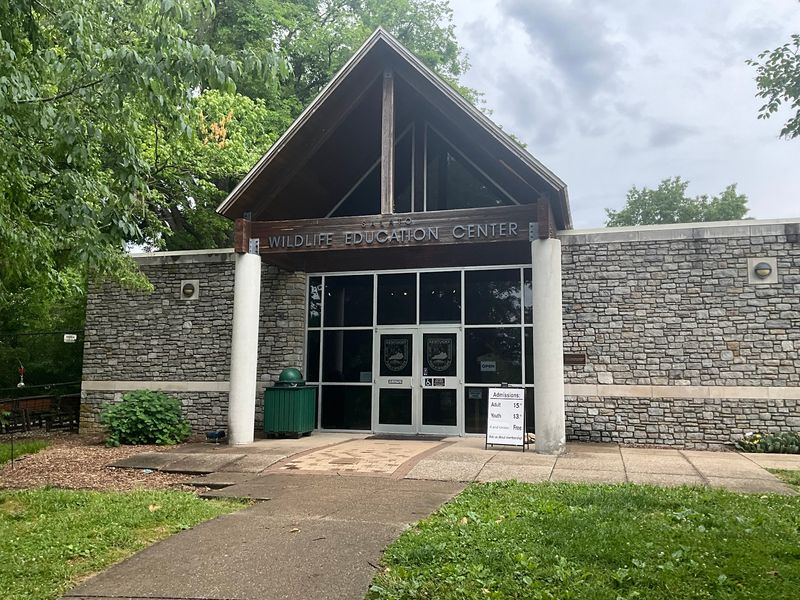
Mark your calendar carefully, because Salato keeps a Tuesday through Saturday schedule. Hours run from 9 AM to 4 PM, and the center is closed Sundays and Mondays.
You’ll find it at 1 Sportsman’s Ln, Frankfort, KY 40601. It’s an easy drive for families across central Kentucky, making it a natural fit for a day trip.
Admission is very budget-friendly. Visitors consistently call the ticket price reasonable, and some have found reduced pricing near closing time, though it’s smart to confirm current rates before heading out.
Plan on roughly two hours to see the main exhibits and wildlife loop. Add more time if you’re fishing, picnicking, or hiking the trails.
The center describes itself as a seasonal venue, so hours and programs may shift during the year. Checking ahead can save a disappointed carload of kids.
Weather matters for animal viewing too. Hot afternoons can send animals into the shade, while cooler, overcast days may keep them active.
Wear walking shoes, bring water, and pack the picnic basket. A little preparation goes a long way toward a smooth day.
Why This Kentucky Classic Deserves A Spot On Your Family List
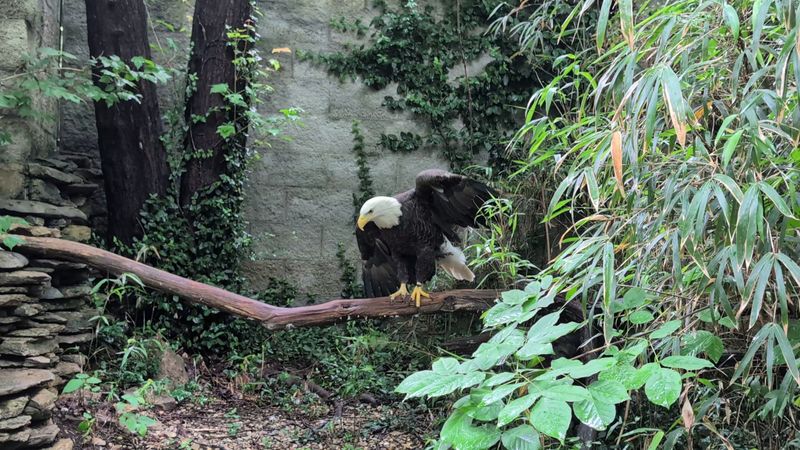
Some of the best Kentucky memories don’t cost much at all. Salato Wildlife Education Center proves that point with bears, bison, eagles, and an affordable ticket.
It offers a little bit of everything. Live animals, hands-on exhibits, peaceful trails, fishing spots, and an archery range all share one welcoming property.
What I like most is the strong local identity. Every animal and plant ties back to Kentucky, so a visit feels like getting to know your own backyard a little better.
The rescue stories add heart. Kids learn that injured wildlife can still have a purpose, and that’s a lesson that lingers.
For many families, it has already become a cherished tradition. Others are just now discovering it, and they’re often surprised it was sitting so close all along.
So gather the kids, call the grandparents, and grab those fishing poles. Pick a mild Tuesday or Saturday and make a day of it.
Have you been already? Chances are your family has its own Salato story, whether it’s a sleepy bear, a cuddling pair of bobcats, or a first fish pulled from the pond.