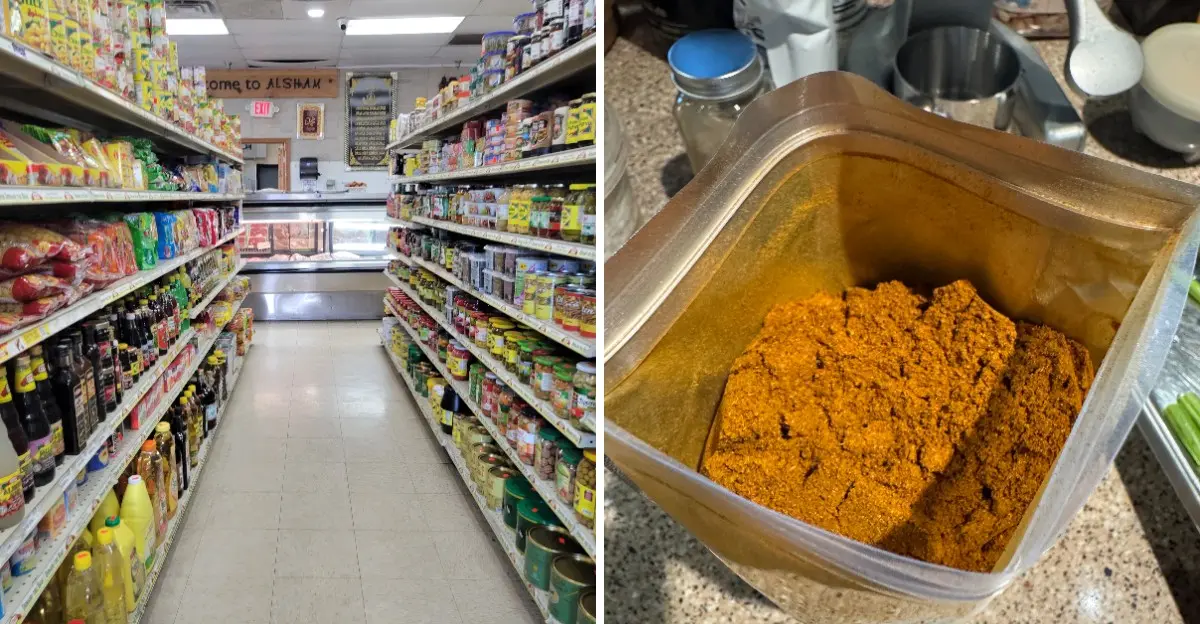
Most people think of horse races and baseball bats when they hear the name Louisville. That picture is only half the story.
Tucked along busy roads in this Ohio River city are Middle Eastern markets where flatbread comes fresh from the oven, olives are scooped and sold by the pound, and spice shelves stretch from floor to ceiling. Families from many Arab and Middle Eastern countries have made Louisville home, and they brought their kitchens with them.
The result is a part of Kentucky that feels like a short trip across the world, no passport needed. Keep reading to learn where these shops cluster, what to grab first, how to shop like a regular, and why a simple grocery run here can turn into one of the best afternoons in town.
A River City With a Global Pantry

Louisville is the largest city in Kentucky, sitting on the Ohio River right across from Indiana. Its official city information lives at louisvilleky.gov, and the city stretches across Jefferson County in the United States.
Famous names come first for many travelers. Churchill Downs hosts the Kentucky Derby every May, and the Kentucky Derby Museum tells that long racing story.
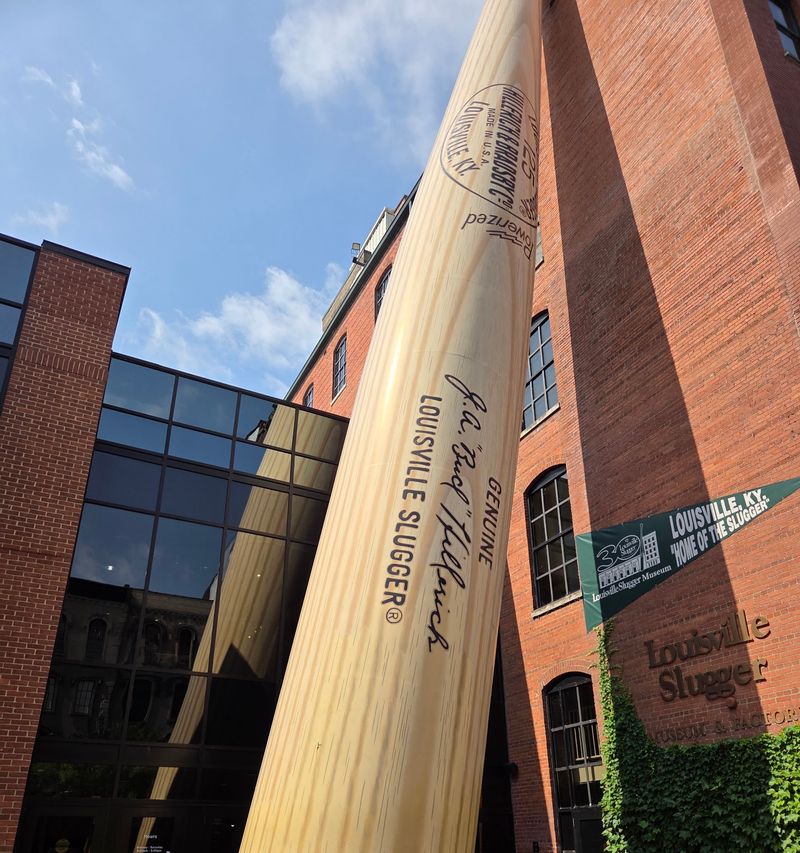
Baseball fans head downtown to the Louisville Slugger Museum and Factory, where Major League bats are made and a giant bat marks the entrance.
Here is the twist. Beyond those landmarks, the city has quietly grown into a home for many immigrant and refugee families, including people from Iraq, Syria, Jordan, Lebanon, and other parts of the Arab world.
Those families opened bakeries, grocery stores, and small restaurants. Today, a shopper can buy fresh flatbread and bulk olives just a short drive from the racetrack.
So the city wears two hats. One is a classic Kentucky cap, and the other is a well-stocked shopping basket from much farther away.
How New Neighbors Built Old Traditions
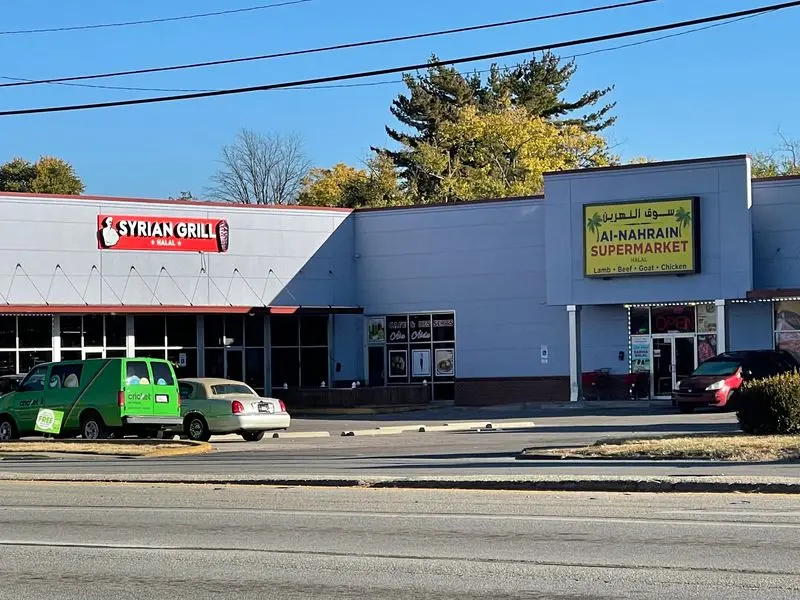
Every grocery aisle has a backstory. In Louisville, many of these stories began with resettlement agencies that helped families start new lives in the city over the past few decades.
Groups such as Kentucky Refugee Ministries and Catholic Charities have worked for years to welcome newcomers. Many of those arrivals came from the Middle East.
Once settled, people wanted the foods they grew up with. Finding the right bread, spices, and pickles was not always easy in a Southern city.
So some families did the logical thing and opened their own shops. Those stores served their own communities first, then caught the attention of curious locals.
Shop owners often stand behind the counter themselves. They tend to know their regulars by name and are glad to explain what a product is.
That personal touch matters. A simple question about a spice can turn into a friendly chat about home cooking and family recipes.
Each store is a small business, and each one helps keep a tradition alive in Kentucky.
Flatbread Straight From the Oven
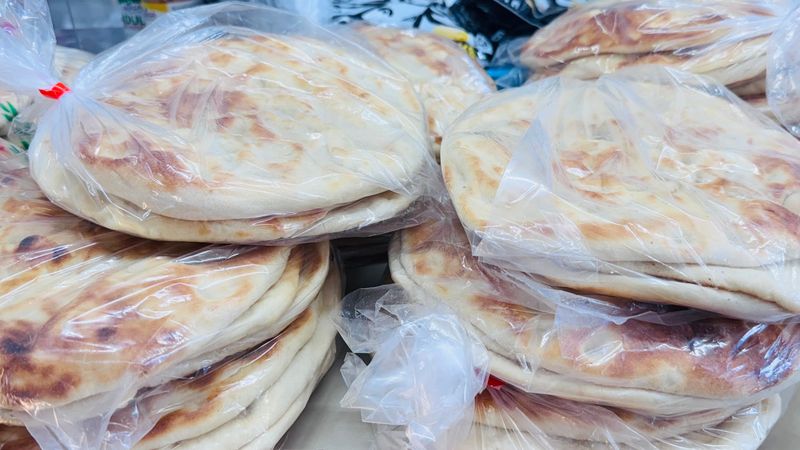
Bread is the main event. In several Louisville Middle Eastern bakeries and markets, flatbread is baked in-house, so stacks often come out fresh during the day.
Shoppers can find thin pita-style rounds, larger sheets, and sometimes breads topped with za’atar, a spice blend made with thyme, sesame, and sumac.
Timing helps. Morning and early afternoon are usually the best hours to catch a fresh batch before regular customers buy it up.
Here is a smart tip. Buy an extra bag, because flatbread freezes well and reheats quickly in a pan or toaster oven.
Many families use this bread instead of forks. It scoops up dips, wraps grilled food, and makes a fast lunch with cheese and olives.
Prices for a bag tend to be friendly, which makes it easy to try a few kinds in one trip.
Fun fact: in much of the Arab world, bread is so central to meals that it appears at breakfast, lunch, and dinner. Louisville kitchens are catching on fast.
The Olive Bar Rules Explained
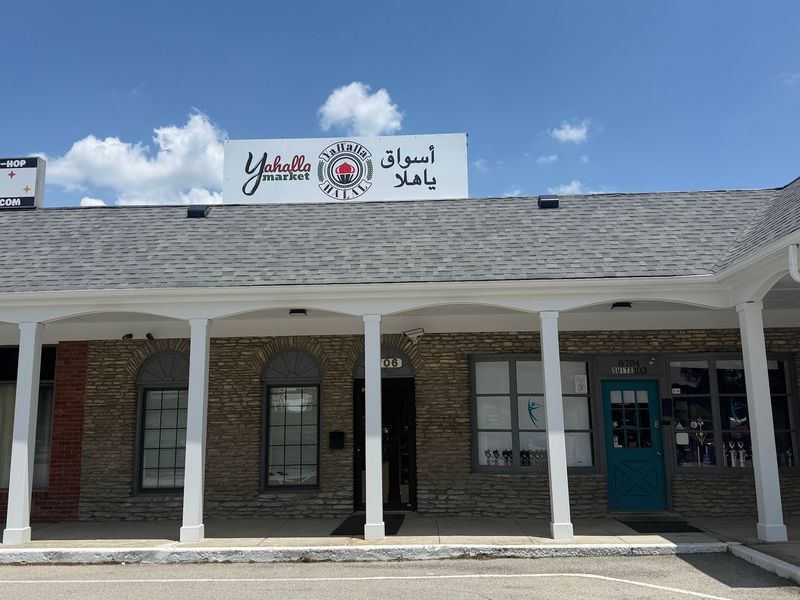
Olives by weight can confuse a first-timer. Good news: the system is simple once someone explains it.
Many Louisville Middle Eastern markets keep olives in large bins or deli trays. Customers choose a type, and staff scoop the amount into a container and weigh it at the counter.
The choices can be wide. Green, black, cracked, whole, mild, and spicy olives often sit side by side.
Buying by weight is a budget win. A shopper can grab a small amount of three kinds instead of one big jar of a single flavor.
Here are a few easy habits that help:
Ask for a small sample first, since many owners are happy to share a taste. Start with a quarter pound if the variety is new.
Bring a cooler bag on hot days, since olives travel better kept cool.
Store them in their brine at home, and they will last longer in the fridge. A little planning keeps the snack bowl full all week.
Spice Shelves Worth Getting Lost In
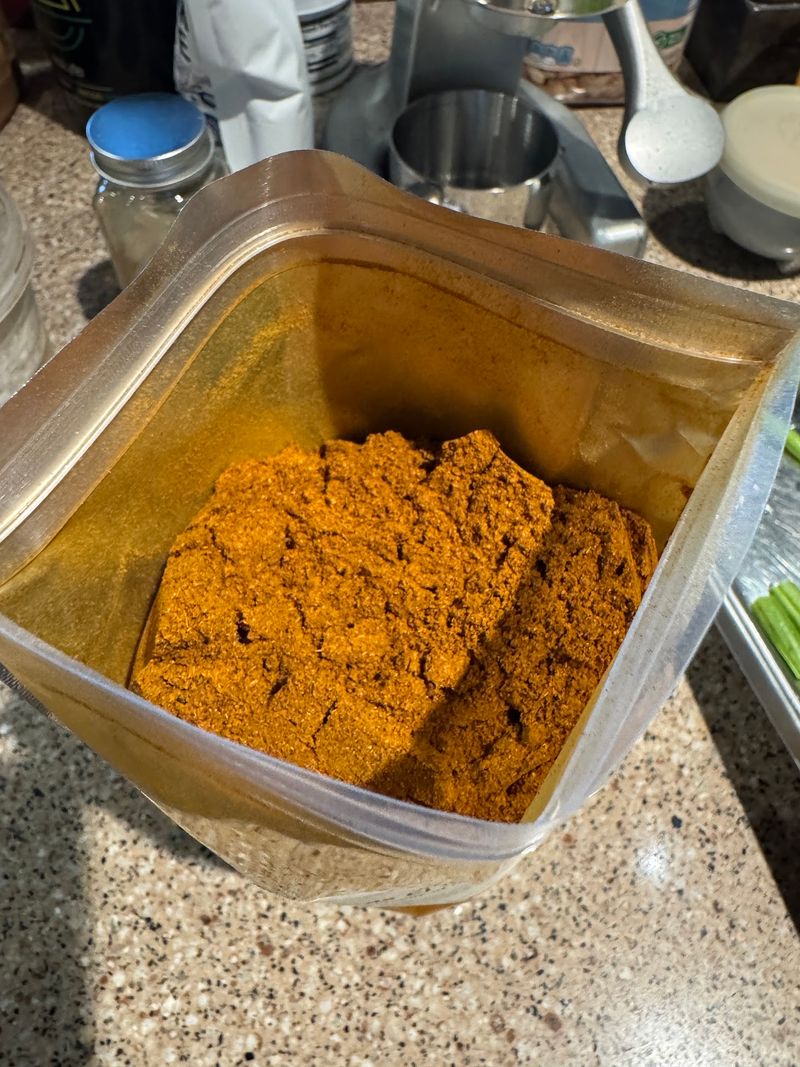
Grocery store spice racks usually hold tiny jars. Arab spice shops in Louisville often flip that idea, offering bigger bags at lower prices.
Shelves may hold sumac, za’atar, cumin, cardamom, seven spice blends, dried mint, and Aleppo-style pepper. Some stores also carry whole spices for grinding at home.
For beginners, za’atar is a great first buy. Mix it with olive oil, spread it on warm flatbread, and breakfast is ready.
Sumac is another easy win. Its tangy flavor livens up salads, rice, and grilled chicken without much effort.
Labels can be in Arabic, English, or both. If a package is unclear, just ask at the register, since staff are usually glad to help.
Big bags can go stale over time, so store spices in sealed jars away from the stove.
Did you know? Cardamom is one of the priciest spices in the world by weight.
Buying it at a specialty shop often saves real money compared to a supermarket.
Where the Shops Cluster
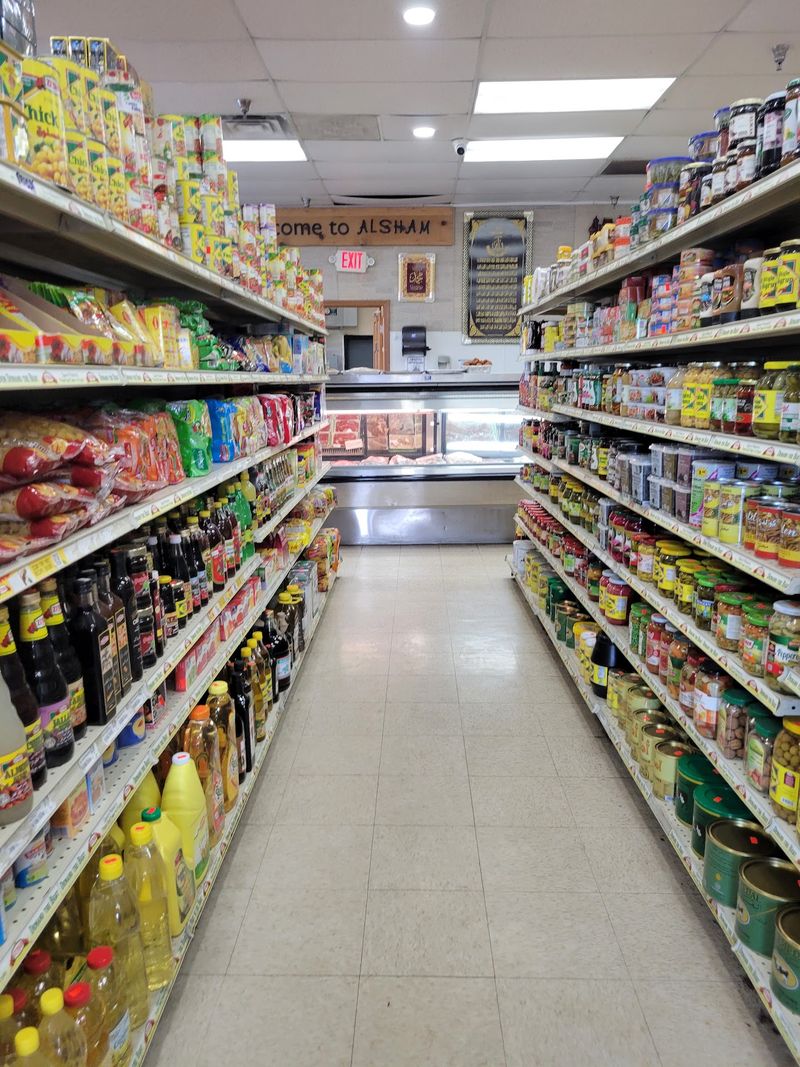
Location is half the adventure. Many international markets in Louisville sit in the southern part of the city and along busy corridors in the south end.
Areas near Preston Highway, Bardstown Road, and the Beechmont neighborhood are known for international businesses. Shoppers can often find Middle Eastern, Latin American, and Asian stores close together.
That mix makes it easy to plan a loop. One parking stop might lead to a bakery, a butcher, and a sweets counter within the same strip.
A car is the easiest way to get around, since shops can be spread out. TARC, the local bus system, also serves many of these roads.
Store hours vary, and some shops keep shorter hours on certain days. Checking online before leaving saves a wasted trip.
Map out three or four stops instead of one. Each market has its own specialties, and comparing them is part of the charm.
A planned route turns errands into an easy, low-cost day out in the city.
Halal Counters and Friendly Butchers
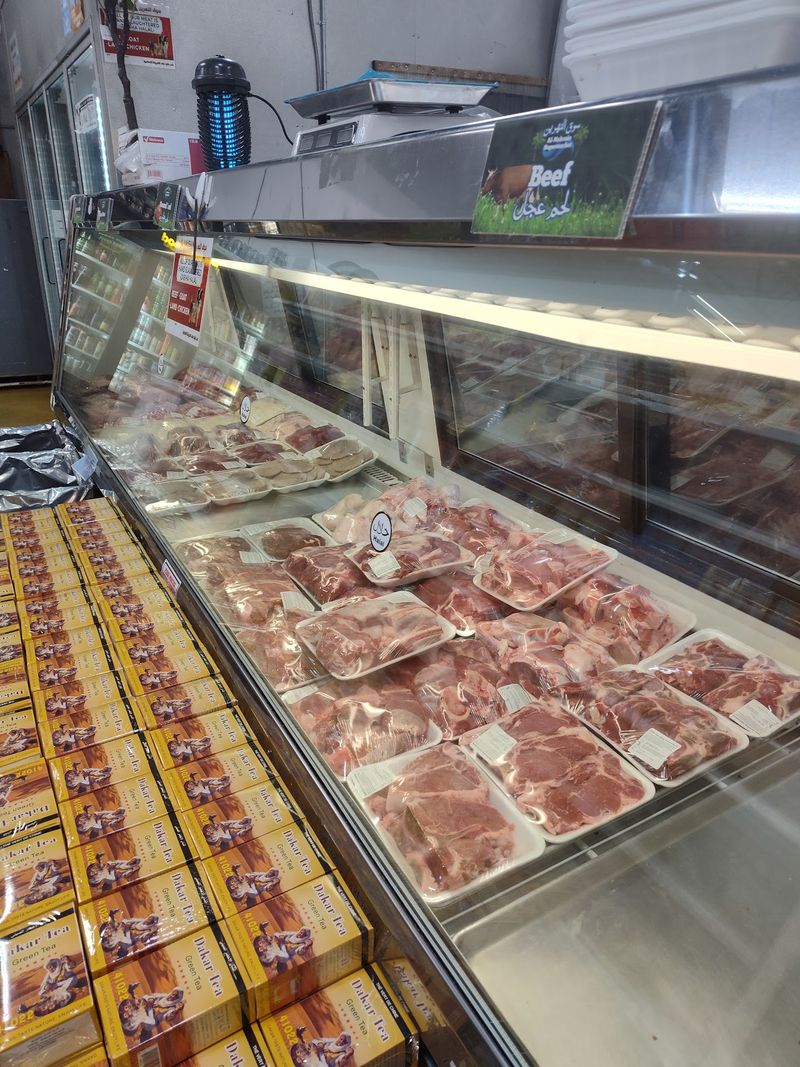
Behind many market counters stands a butcher with serious skills. A lot of Middle Eastern stores in Louisville offer halal meat, prepared according to Islamic guidelines.
Lamb, goat, beef, and chicken are common choices. Some shops will cut meat to order, which helps home cooks follow family recipes closely.
Asking questions is welcome here. Butchers can suggest the right cut for kebabs, stews, or rice dishes.
Here are a few tips for a smooth visit:
Busy times often come on weekends and before major holidays, so weekday trips can be quicker.
Bring a clear idea of the amount needed. Staff work faster when they know the weight or number of pieces.
Freezer bags at home make bulk buying simple. Many families buy larger portions and split them for later meals.
Halal shops also serve customers from many backgrounds, not only Arab families. That variety shows how much these counters have become part of everyday Louisville life, one neat package at a time.
Pantry Staples That Travel Home
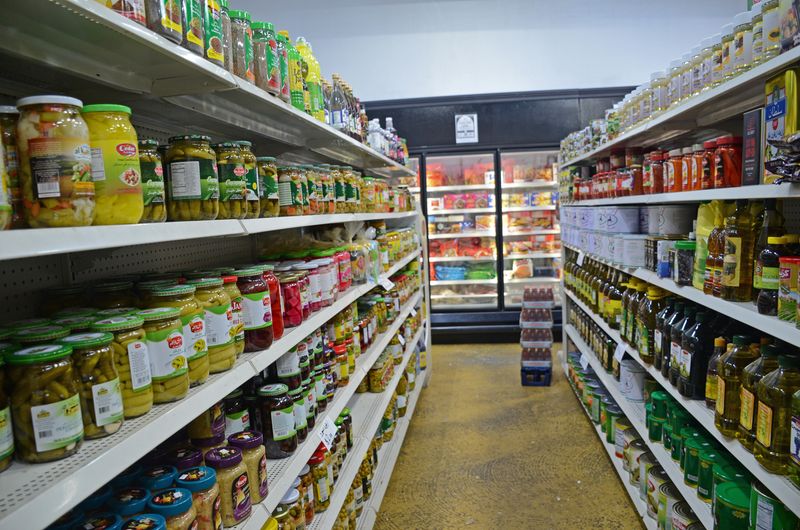
A small basket can hold a whole new way of cooking. Middle Eastern markets in Louisville stock pantry basics that are hard to find in regular chain stores.
Look for tahini, bulgur, red and green lentils, freekeh, chickpeas, pomegranate molasses, and rose or orange blossom water. Jars of pickled turnips and peppers often line the shelves too.
These items last a long time. That makes them perfect for stocking up once and cooking for weeks.
New cooks might start with lentils and bulgur. Both are cheap, filling, and simple to prepare.
Tahini is another useful buy. It stirs into sauces, dips, and dressings in seconds.
Shoppers on a budget will notice that bulk sizes often cost less per pound. Splitting a big bag with a friend is a smart move.
Fun fact: freekeh is wheat harvested while young and then roasted. It has been made in the Middle East for centuries and now sits on Kentucky shelves, ready for a fresh kitchen.
Shopping Like a Regular
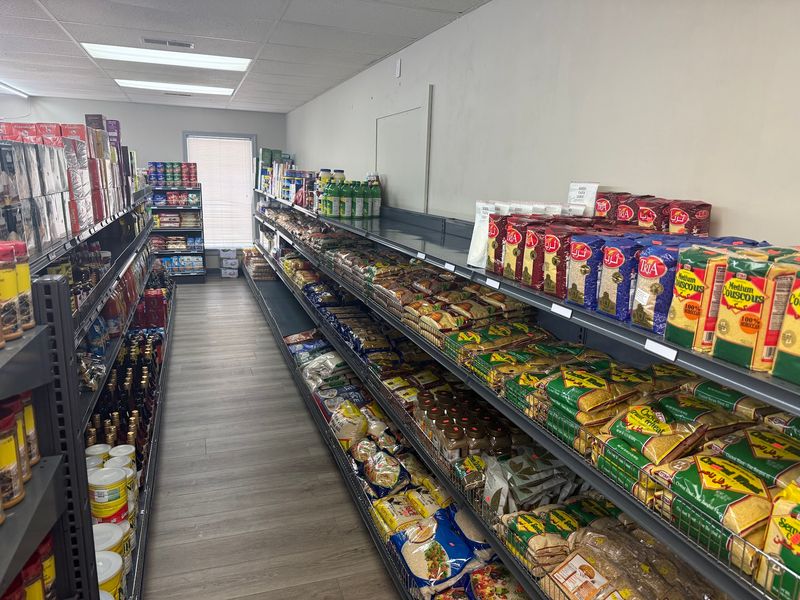
Nobody expects a newcomer to know everything. Still, a few simple habits make a first visit feel smooth and relaxed.
Start with a short list. Bread, one cheese, a few olives, and a spice blend make a solid first haul.
Greet the person at the counter. Many shops are run by families, and a little friendliness goes a long way.
Read store signs about payment. Most places take cards, but carrying a bit of cash can help at smaller counters.
Keep an eye on the calendar. During Ramadan, some shops change hours, and evenings may get busier as families prepare meals after sunset.
Holiday seasons such as Eid can bring special sweets and extra crowds. Arriving early is a wise choice.
Take a photo of product labels you like. Next time, finding the same brand will be quick and easy.
Shops reward curiosity. Each return trip builds a little more confidence, and soon the aisles feel as familiar as a neighborhood corner store.
A Day That Mixes Derby and Za’atar
Why choose between classic Louisville and its global side? A single day can cover both with a bit of planning.
Morning works well for a market run, when bread is fresh and aisles are calm. Pick up flatbread, olives, and a spice blend for later.
Next, head downtown to the Louisville Slugger Museum and Factory. The giant bat out front makes an easy photo stop.
Afternoon can lead south to Churchill Downs and the Kentucky Derby Museum. Racing history fills the halls there all year.
Here is a helpful idea. Pack a cooler in the car so groceries stay fresh while sightseeing.
Evening is the payoff. Back home or at a rental, those market finds turn into a simple spread for dinner.
The Ohio River waterfront also offers parks and walking paths for a calm break between stops.
Louisville proves that one city can hold racetracks, baseball bats, and warm flatbread all in the same day. Plenty of reasons to return keep stacking up like fresh bread.