Somebody once tossed a batch of failed Japanese irises into a swamp, and they bloomed anyway. That lovely mistake grew into a free South Carolina garden where every swan species on Earth paddles around.
The irises had flopped at the owner’s home, so he dumped them in a blackwater cypress swamp he owned. The following spring, that swamp burst into color like it had been waiting for its big chance.
Today the grounds cover 150 acres, and nobody charges a cent to wander them. Black swans, whoopers, and trumpeters share the same dark water with ducks, geese, and turtles.
I like how a gardening flop became one of the state’s best-loved outdoor spots, proof that mistakes sometimes age beautifully. The swan count, by the way, is even bigger than the headline promises.
Every Swan On The Planet Is Paddling Around This One Lake
Swan Lake Iris Gardens holds a title no other public park in the United States can claim. It’s home to every swan species in the world, and the official count is eight, not seven.
So the headline actually undersold it a little. Consider that a bonus swan, free of charge.
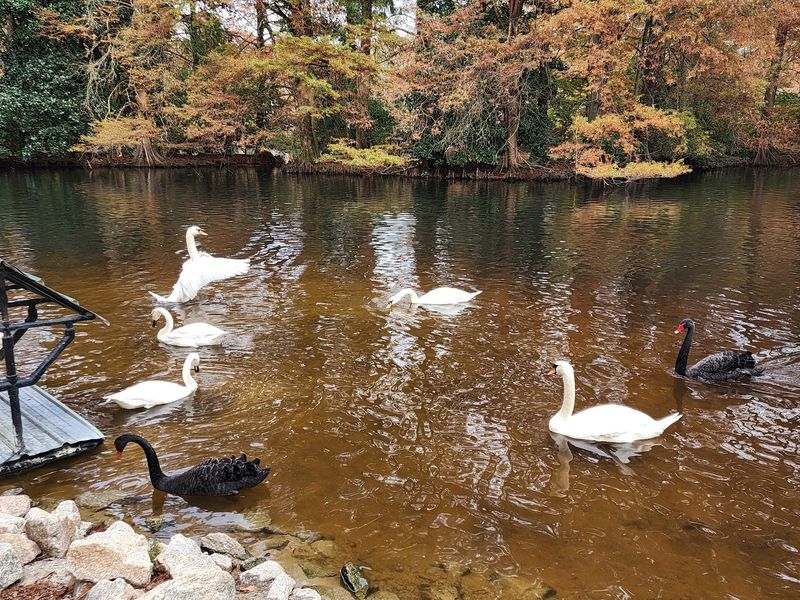
The lineup reads like a feathered world tour. You’ll find Royal white mutes, Black Necks, Coscorobas, Whoopers, Black Australians, Whistlers, Bewicks, and Trumpeters.
Black Australians are the easiest to spot, since they look like someone dipped a regular swan in ink. Black Necks wear a dark head and neck on a white body, like a tuxedo worn backward.
Coscorobas are the small, quirky cousins of the group. Trumpeters are the heavyweights, ranking as the largest waterfowl native to North America.
Bring patience and a decent zoom lens if you want photos of all eight. Swans don’t take requests, so give yourself time to circle the water slowly.
Checking off every species makes a fun game for kids, too. Hand them the list and watch them turn into tiny birdwatching detectives.
A Gardening Disaster Turned Into The Best Mistake In Town
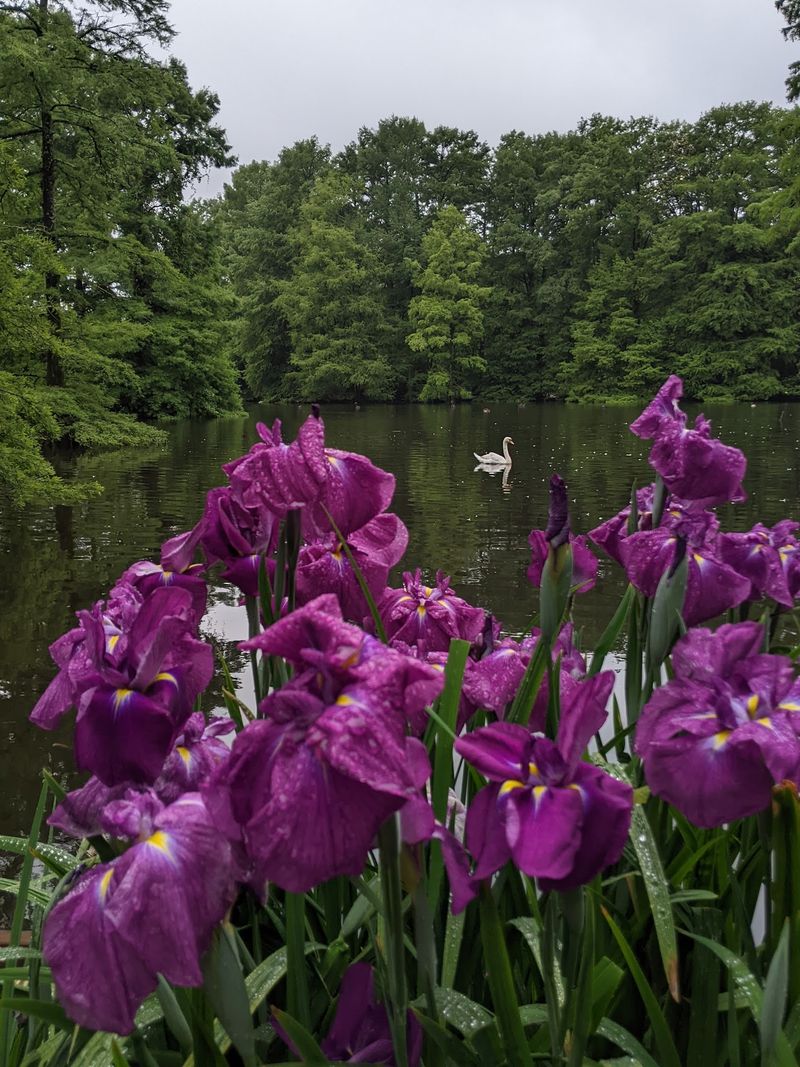
Back in 1927, businessman Hamilton Carr Bland bought this land as a private fishing retreat. He wasn’t trying to build a famous garden at all.
Bland had been working on Japanese irises at his home, and the project went badly. The flowers simply refused to cooperate.
Frustrated, he had the irises dumped into a swampy patch of land he owned. Out of sight, out of mind, or so he figured.
The next spring, those rejected plants bloomed in the blackwater cypress swamp. The result was later called a lovely mistake, and the name stuck for good reason.
I believe every gardener secretly hopes for a moment like that. Most of us just get compost.
In 1949, the property was gifted to the City of Sumter. It became a free public park, and it has stayed that way.
Knowing the backstory changes how the place feels as you wander it. Every iris along the water is basically the descendant of a do-over.
Keep that in mind the next time a plant on your windowsill gives up. It might just need a swamp in South Carolina.
Spring Isn’t The Only Season Showing Off Here
Irises get top billing, but they’re not the only flowers working shifts. Camellias, azaleas, daylilies, and Japanese magnolias take turns brightening the grounds through the year.
That rotation means a winter visit isn’t wasted. Camellias bring color when most gardens look like they’re taking a nap.
Themed gardens add even more reasons to wander. Look for a Rose Garden, an Azalea Garden, and a Butterfly Garden around the property.
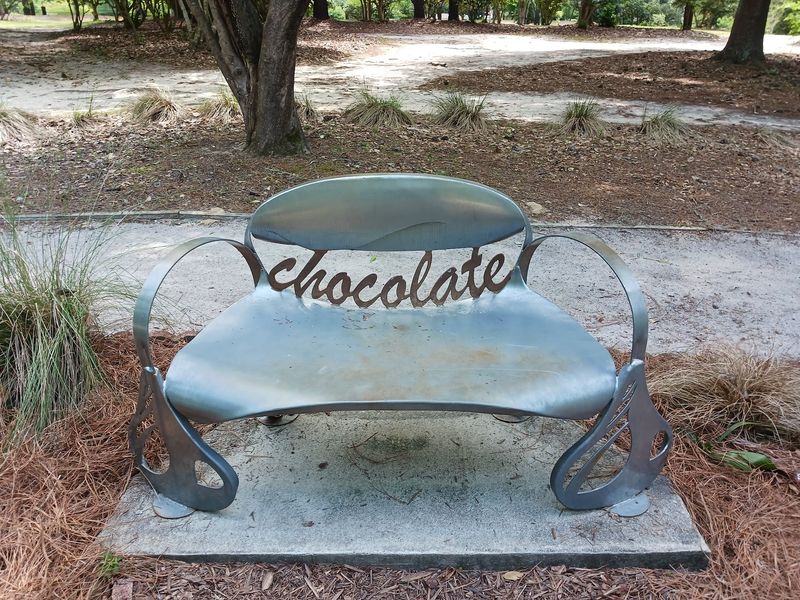
Then there’s the Chocolate Garden, added in 2009. Yes, you read that correctly, and no, you can’t eat the landscaping.
Chocolate gardens typically feature plants with cocoa-colored blooms or sweet scents. It’s a clever theme that makes kids suddenly very interested in botany.
The Butterfly Garden rewards anyone willing to slow down. Stand still for a minute and see what flutters by.
I like how each themed area feels like its own small surprise. You can easily lose an hour hopping from one to the next.
A quick pass through these gardens takes minutes. A good pass takes much longer, so wear comfortable shoes and stroll instead of sprint.
Some Of The Best Paths Here Are Made For Noses And Fingertips
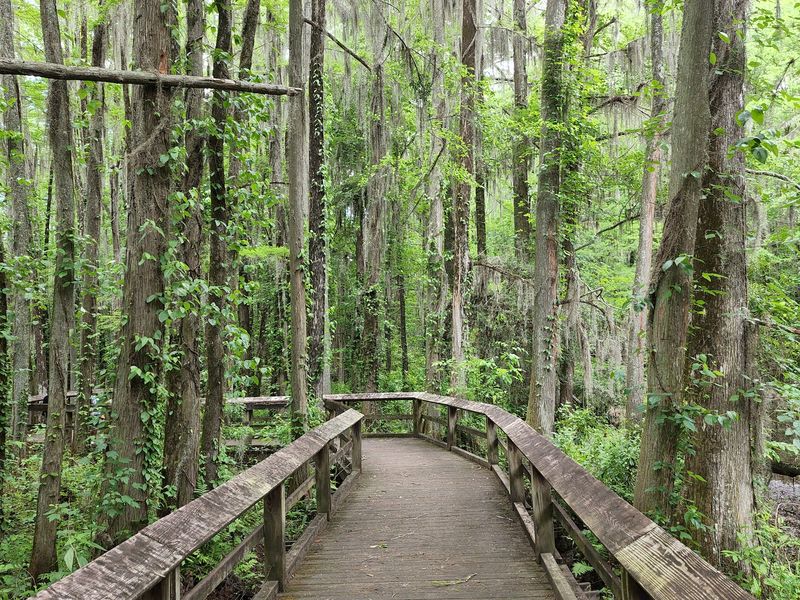
Gardens usually ask you to look and not touch. The Sensory Trail flips that rule in a thoughtful way.
Also called the Braille Garden Trail, it lets sight-impaired visitors experience plants through scent and sensation. It’s an inclusive idea, and it benefits everyone who walks it.
Close your eyes for a moment along the way, if it’s safe to do so. You’ll notice how much a garden says through smell alone.
I believe more public parks should build paths like this one. It turns a garden into something nearly anyone can enjoy.
Then there’s the talking tree trail, which sounds like a fairy tale but is very real. It shares stories about the past and present of the area.
Kids tend to love anything that talks back, even trees. Grown-ups will probably pick up a fact or two they never knew.
Both trails make great options for families with mixed ages. Grandparents, toddlers, and teenagers can all find something worth stopping for.
Swan Lake Iris Gardens clearly put real care into making these grounds welcoming. Read along, linger often, and let curiosity set the pace.
Look Up, Then Look Again At That Giant Steel Wing
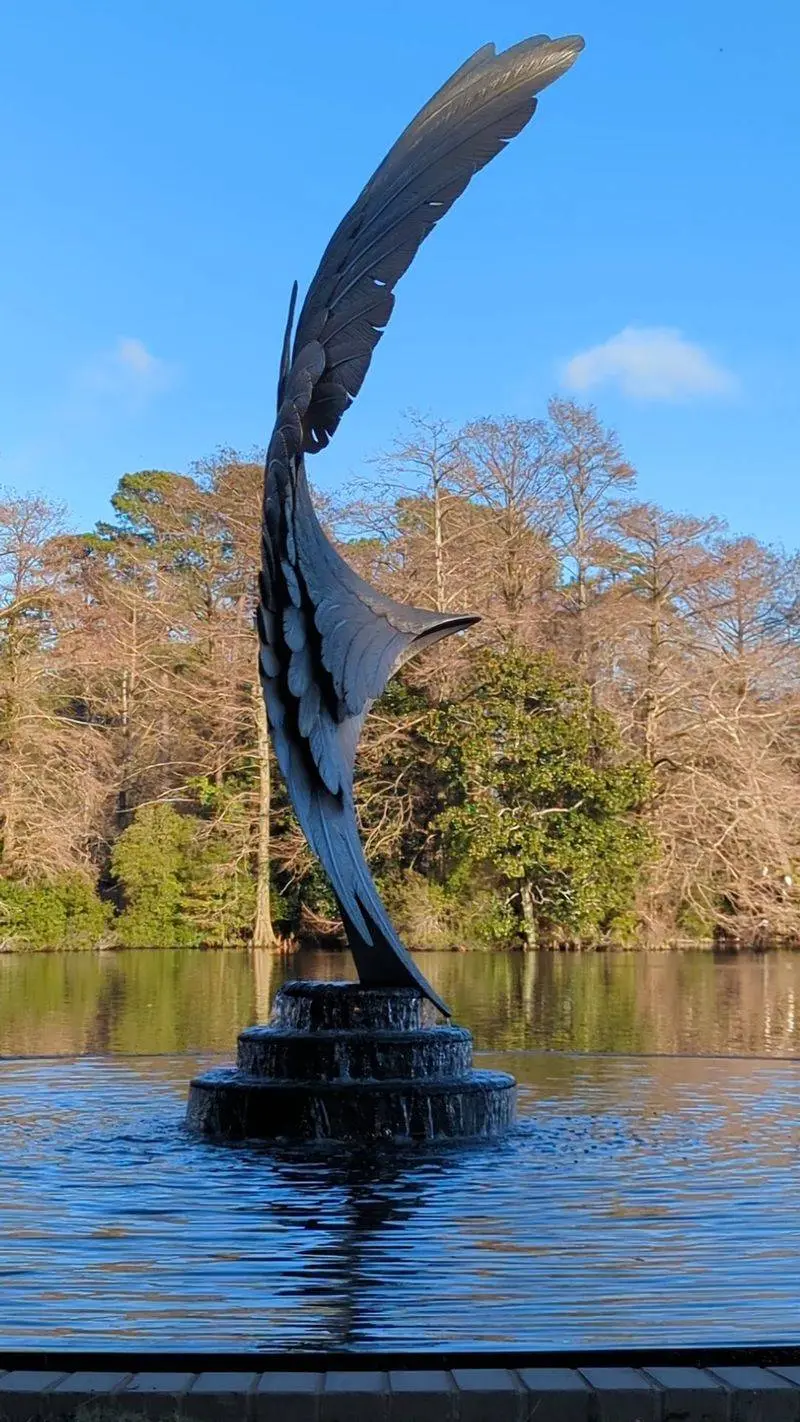
An 18-foot stainless steel duck wing isn’t something most parks have lying around. Here, it’s one of the highlights.
The sculpture is called Recovery, and it weighs about 1,500 pounds. It was created by Grainger McKoy, a Sumter native known for his bird art.
Recovery depicts the wing of a pintail duck. McKoy also created Seven Swans, another piece you can find on the grounds.
Numerous other sculptures are spread throughout the property, too. Turning a corner can feel like stumbling onto a treasure hunt.
The trees deserve their own applause. Swan Lake Iris Gardens is a Level II Accredited Arboretum with more than 100 tree species.
That’s a big deal in the plant world. Accreditation means the collection meets professional standards for care and record keeping.
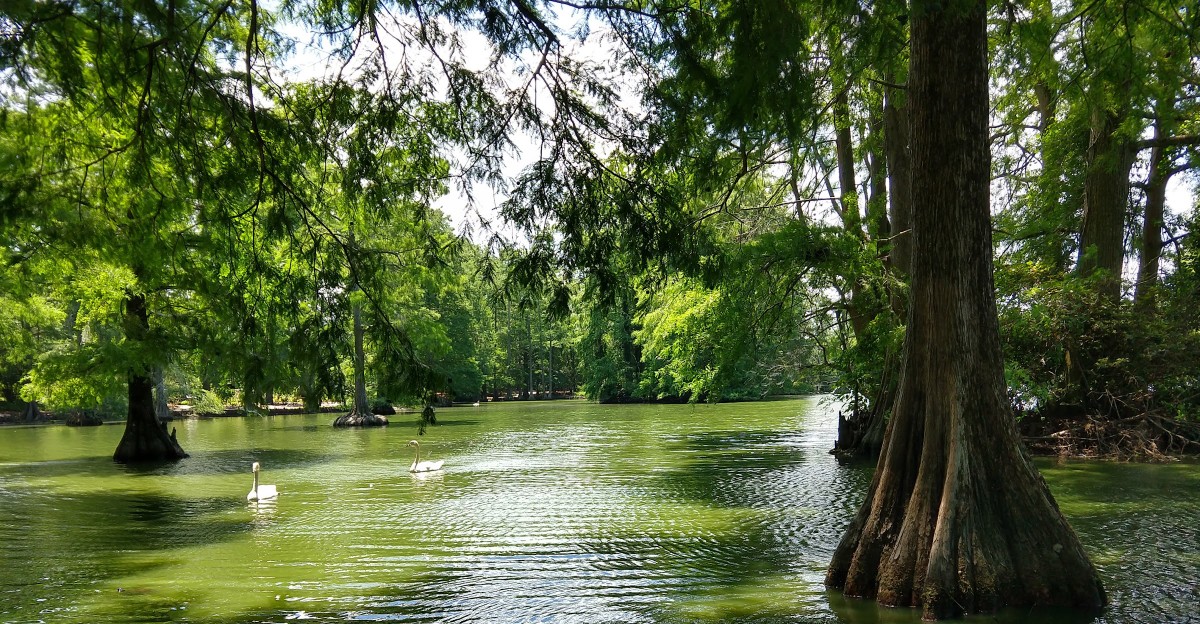
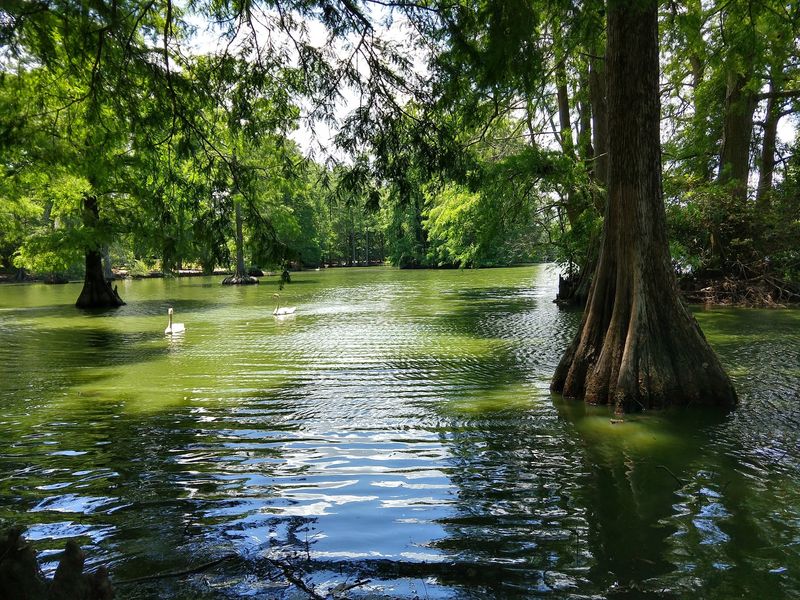
The bald cypress trees around the lake give the whole place its moody, swampy character. They’re the kind of trees that look like they have stories.
Bring a tree app if you enjoy identifying species. Art and trees together make this stop feel like a museum with no ceiling and no velvet ropes.
The Swans Have Plenty Of Feathered Neighbors
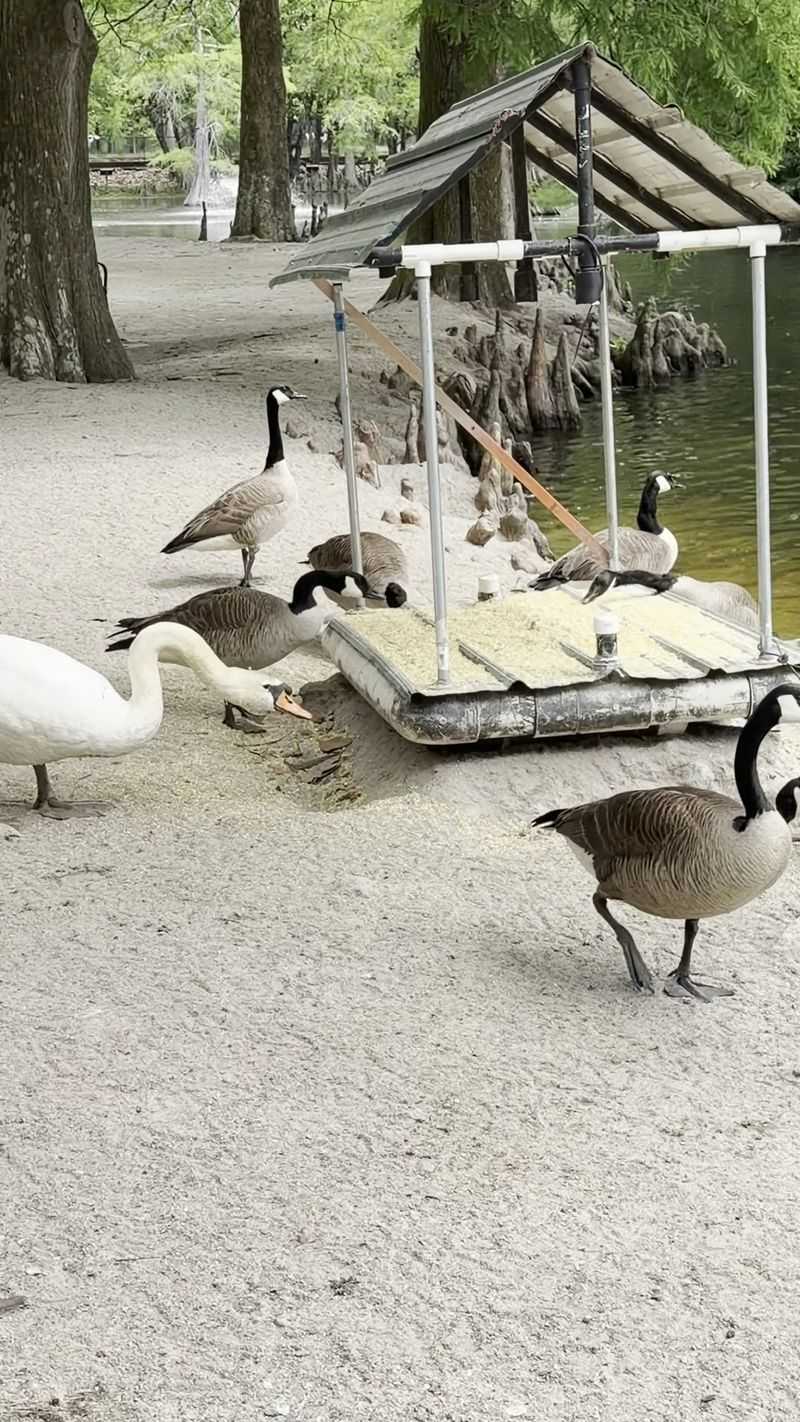
Swans may get the fame, but they definitely don’t get the lake to themselves. A whole crowd of other birds calls this water home.
Canada geese and wood ducks are part of the cast. Muscovy ducks show up too, easy to recognize by the red, bumpy skin on their faces.
Anhingas are a fun find for sharp-eyed visitors. They swim with just their snaky necks above water, then perch with wings spread out to dry.
Herons and egrets add a touch of elegance along the edges. They stand so still that you might mistake one for a lawn ornament.
That variety makes the gardens a true haven for birdwatchers in South Carolina. Beginners get easy wins, while experienced birders can hunt for something new.
Binoculars are worth packing, even for a short visit. A small field guide or bird app helps you put names to all those feathers.
Keep a respectful distance from nesting birds and young ones. Wild parents can get grumpy fast, and swans are no exception.
Quiet steps usually pay off. Birds tend to relax once they realize you’re just another admirer.
Pack A Picnic, Because Leaving Early Isn’t Happening
Free admission makes it easy to stay longer than planned. The park opens daily at 7:30 a.m. and stays open until dusk.
You’ll find Swan Lake Iris Gardens at 822 W. Liberty Street, Sumter, SC 29150.
Plug the address into your GPS and let the swans handle the rest.
Picnic shelters sit near a children’s play area, making this a convenient stop for families. Shelters are available on a first-come, first-served basis, so arrive early on pleasant days.
Walking paths wind through the grounds, offering an easy way to explore. Plenty of spots invite you to pause and watch the water.
Planning a party or small celebration? The Heath Pavilion and Swan Lake Gazebo can be reserved for events for a fee.
A gazebo by a swan lake makes a storybook setting for photos. Your photographer will thank you.
The Visitors Center and gift shop are open Monday through Friday from 10 a.m. to 4 p.m. Weekend visitors can still enjoy the gardens, even when the center is closed.
Pack snacks, water, sunscreen, and maybe a blanket. Your future self, relaxing under a shelter by the water, will be glad you planned ahead.
May Turns This Place Into One Giant Party

The Sumter Iris Festival ranks among South Carolina’s longest-running festivals. It’s also known as a top-rated event in the Southeast.
This three-day celebration lands in May, right as the irises hit their stride. Expect live concerts, arts and crafts, food, children’s activities, and a parade.
One planning tip matters a lot here. The park may close temporarily before the festival for event preparations, so check dates before driving over.
Festival season isn’t the only time to show up hungry or curious. Taste of the Gardens brings another reason to visit.
Then the holidays bring Fantasy of Lights, adding sparkle to the season. Swans by day and twinkling lights by night sounds like a solid plan.
I can’t imagine a better way to see one spot shift with the calendar. Spring blooms, summer shade, and holiday glow each bring a different mood.
Locals and travelers alike can build a whole year of visits around these events. Each one gives the gardens a fresh personality.
Whatever season you choose, the swans will be waiting. All eight of them, in case anyone’s still counting.