Retirement doesn’t have to come with a big price tag or a crowded zip code.
Georgia has a small town where a modest monthly budget still buys a genuinely comfortable life.
Locals here know their neighbors by name, and the pace of daily life rarely feels rushed.
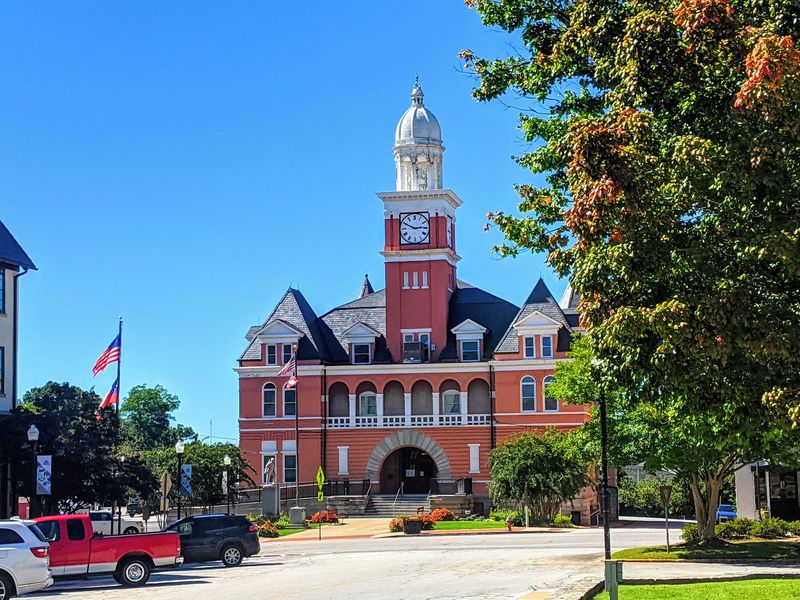
A rich sense of history runs through the town, giving retirees plenty to explore without ever needing to travel far.
Housing costs stay refreshingly reasonable compared to bigger cities, which stretches every retirement dollar further.
For retirees looking to make their money go further without sacrificing quality of life, this town quietly delivers.
A Slower Pace That Helps Money Stretch
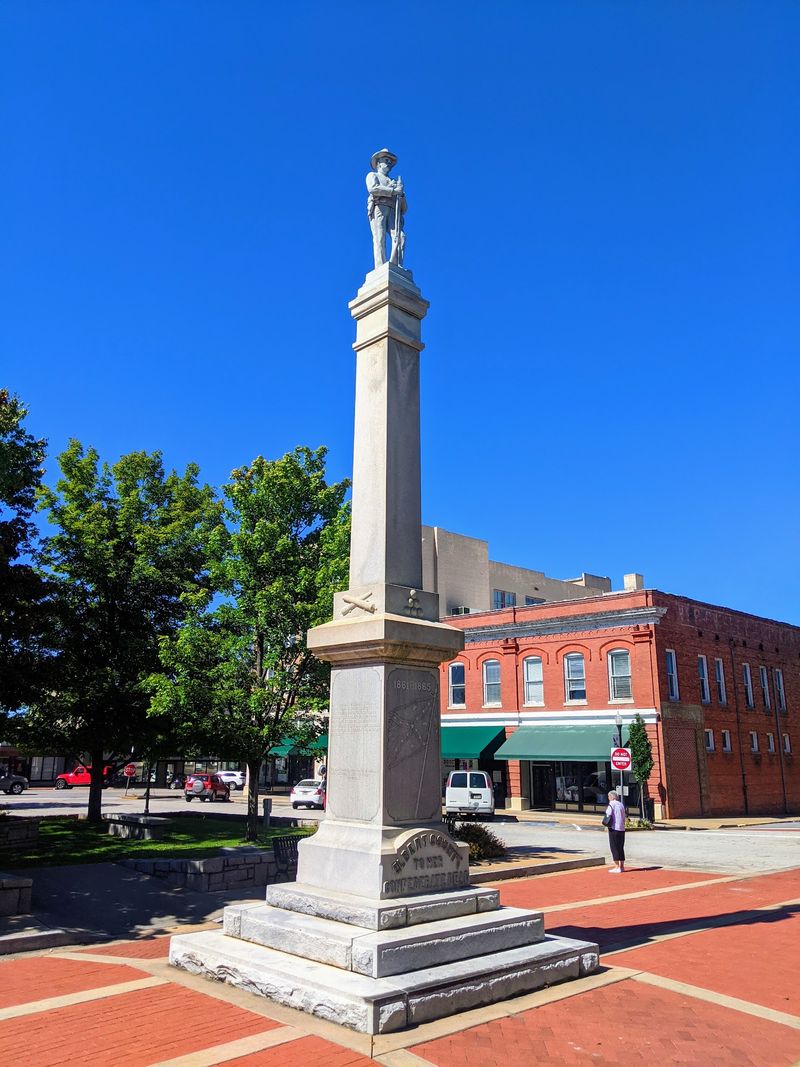
Morning feels unhurried here, with quiet streets, familiar faces, and errands that do not turn into all-day trips. For retirees watching a fixed income, that calm rhythm can matter as much as any low price.
Less traffic means less gas, fewer stressful drives, and more time spent at home, church, parks, or a favorite lunch counter. In Elberton, Georgia 30635, the small-town setting supports a simpler daily routine that can fit a budget near $1,700 a month.
Housing, groceries, utilities, phone service, insurance, and medicine still need careful planning, but the area does not push residents toward constant spending. A retiree who cooks at home, drives a paid-off car, and avoids big debt may find the numbers easier to handle.
Before moving, compare your exact Social Security check or pension with local rents, property taxes, power bills, and medical costs. Also plan for repairs, dental care, and a small emergency fund, because even peaceful places bring surprises.
The biggest savings may come from choosing a lifestyle that is content with comfort, not clutter.
Housing Costs That Feel More Grounded
A front porch, a small yard, and a roof that does not drain every check can change retirement in a big way. Housing is often the largest monthly cost, so finding a modest place is the first step toward making $1,700 work.
Older homes, small cottages, duplexes, and manufactured homes may offer lower prices than many busy suburbs. Renters should ask what is included before signing, because water, trash, lawn care, and pest control can add up fast.
Buyers need to look beyond the sale price and study taxes, insurance, heating, cooling, and roof age. A cheaper house can become costly if plumbing, wiring, or foundation work is waiting around the corner.
Retirees may do best with a smaller home near stores, clinics, and friends, even if the living room is not huge. Less space usually means lower power bills, easier cleaning, and fewer repairs.
Ask local agents about safe neighborhoods, flood concerns, and average utility costs during both summer and winter. A comfortable home should protect peace, not create a monthly money scramble.
Everyday Bills Stay Easier To Track
Budgets behave better when daily life has fewer moving parts. In a smaller community, retirees can often keep spending predictable because common needs are close by and entertainment does not have to be expensive.
A sample monthly plan might include rent or home costs, utilities, food, fuel, phone, medicine, insurance, church giving, and a little fun money. The goal is not to live without joy.
The goal is to know where each dollar goes before the month begins. Grocery spending can be managed with weekly menus, store brands, senior discounts, and shared meals with friends.
Power bills deserve special attention in Georgia heat, so good window coverings, fans, and regular air filter changes can help. Phone and internet plans should be reviewed once a year, since many people pay for speed or features they barely use.
Car insurance, prescriptions, and medical copays can shift quickly, so keep a written list of due dates. When retirees track small leaks in the budget, $1,700 has a better chance of lasting.
Health Care Planning Without Big-City Pressure

Good health care is not only about having a hospital nearby. It is also about getting appointments, filling prescriptions, finding transportation, and understanding what Medicare will actually pay.
Retirees considering a move should map out clinics, dentists, pharmacies, urgent care options, and specialists before choosing a home. Small towns can offer friendly service and easier parking, but some specialty care may require a drive to a larger city.
That drive should be counted in the budget, especially for heart care, cancer visits, eye surgery, or physical therapy. Ask doctors whether they accept your Medicare plan, supplement, or Advantage plan before you settle in.
Prescription costs can be lowered by comparing pharmacies, using mail order when safe, and asking about generic choices. Local senior centers, churches, or county services may help with rides, wellness checks, or meal programs.
Keep a folder with medicine lists, insurance cards, emergency contacts, and recent test results. A peaceful retirement feels much safer when health plans are clear before trouble starts.
Low-Cost Fun Close To Home

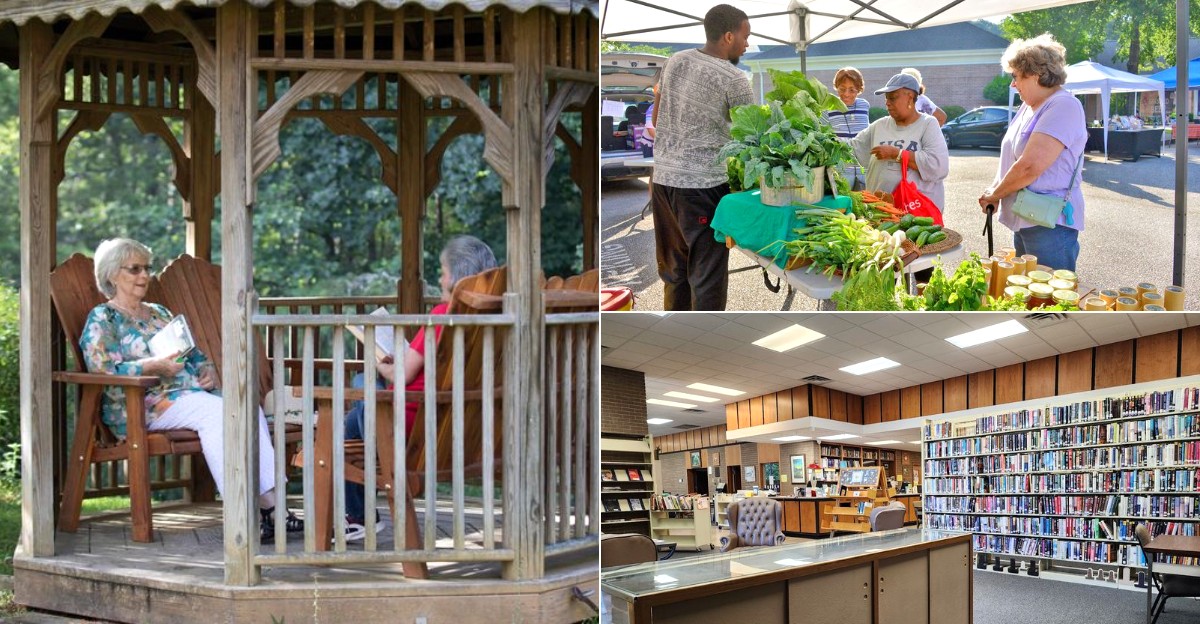
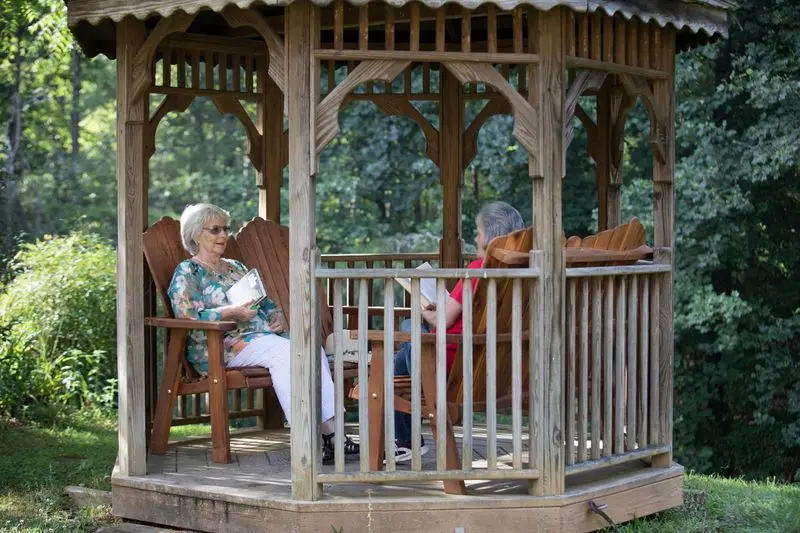
Fun does not need a ticket booth or a long receipt. Retirees who enjoy simple pleasures can fill many days with walks, library visits, porch talks, community events, fishing, gardening, and church suppers.
Small towns often shine because people still notice who is new and invite them into local routines. Free concerts, holiday parades, farmers markets, book clubs, and volunteer groups can give the week shape without hurting the budget.
Public parks are useful for gentle exercise, bird watching, grandkid visits, and quiet afternoons outside. A library card can replace paid subscriptions with books, movies, computer access, and classes.
Retirees should also ask about senior center programs, fitness groups, craft circles, and day trips. Volunteering at food pantries, schools, museums, or animal shelters can build purpose and friendships at the same time.
The trick is to plan fun before boredom turns into shopping. When the calendar includes people, movement, and small adventures, a careful budget feels less like sacrifice and more like freedom.
Groceries, Meals, And Southern Comfort

A pot of beans, fresh cornbread, and sliced tomatoes can taste like a feast without costing much. Food spending is one place where retirees can gain control quickly, especially when meals are planned before shopping.
Southern cooking already has many budget-friendly roots, from soups and greens to casseroles, rice dishes, and slow-cooked meats. Buying seasonal produce, using leftovers, and freezing extra portions can lower waste.
Stores may run weekly specials, but the best deal is only helpful if it fits your real menu. Keep a short price book for basics like eggs, milk, bread, chicken, coffee, and medicine cabinet items.
Shared meals also stretch dollars and lift spirits. A rotating supper with neighbors can cost less than eating out and still feel social.
For those who qualify, SNAP, food banks, church pantries, or senior meal programs may provide important help with dignity. Restaurant treats can stay in the plan too, if they are planned as treats instead of habits.
A steady food routine makes the whole monthly budget calmer.
Getting Around Without Overspending

A car can be freedom, but it can also be a sneaky budget buster. In a quiet town, short drives help reduce fuel use, yet retirees still need to plan for insurance, tires, oil changes, tags, and surprise repairs.
Living close to groceries, a pharmacy, worship services, and medical care can save both money and energy. Before picking a house, drive your normal weekly route and count the miles.
A lower rent may not help if it sits far from everything you use. Many retirees do well with one reliable paid-off vehicle instead of two cars with double insurance and upkeep.
Ask neighbors about trusted mechanics, fair tire shops, and local towing options before an emergency happens. Some counties or nonprofits offer senior transportation for medical visits, so check availability early.
Carpooling to church, shopping, or events can also turn errands into social time. For anyone living on about $1,700, transportation choices should be boring in the best way: safe, simple, and predictable.
Community Ties That Add Real Value
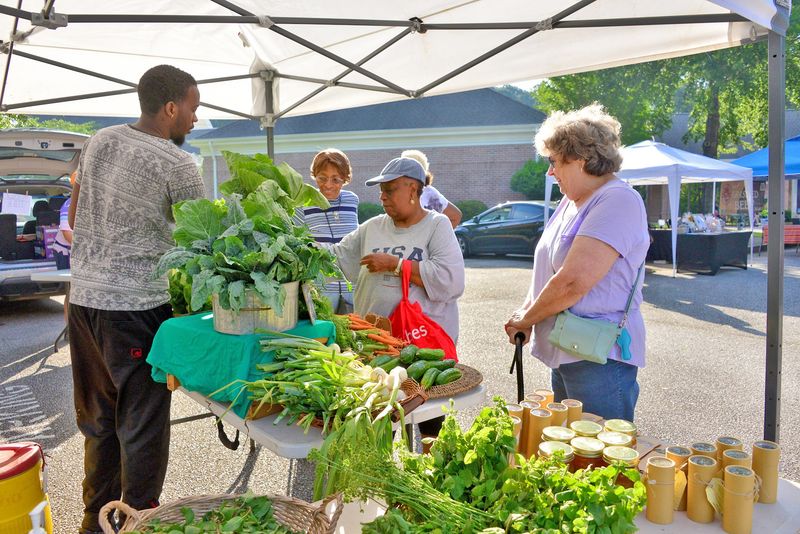
Money matters, but neighbors can make a place feel truly livable. For many retirees, the best savings are not found on a receipt but in shared rides, borrowed tools, potluck meals, and people who check in after storms.
A strong community can reduce loneliness, which is a serious problem for older adults living alone. Churches, civic clubs, veterans groups, garden clubs, and volunteer teams give newcomers easy ways to meet steady friends.
Showing up regularly is the secret. Attend the same service, class, walking group, or breakfast spot long enough for faces to become names.
Local knowledge is another hidden benefit. Longtime residents know which repair person answers the phone, which store marks down meat, and which roads flood after heavy rain.
That advice can save money and prevent headaches. Retirees should visit at different times of day, talk to shop owners, and ask honest questions before moving.
A modest budget stretches farther when life includes trust, kindness, and people who wave because they know you.