A four-masted sailing ship ran onto an Oregon beach in 1906, and its rusty skeleton never left. More than a century later, you can still walk right up to it and stand in its shadow.
The wreck is only part of the fun. The same park holds old gun batteries, miles of bike trails, a jetty lookout, and elk wandering through the trees.
I like how cheap and simple a day here can be. You pack sandwiches, grab a camera, and let the kids loose on a beach with a real shipwreck sitting on it.
I can’t imagine many families forgetting that kind of outing, especially when sunset turns the old hull into a dark outline. So how did a ship end up parked in the sand, and why is it still there?
A 3,763-Acre Playground Where The Columbia Meets The Pacific
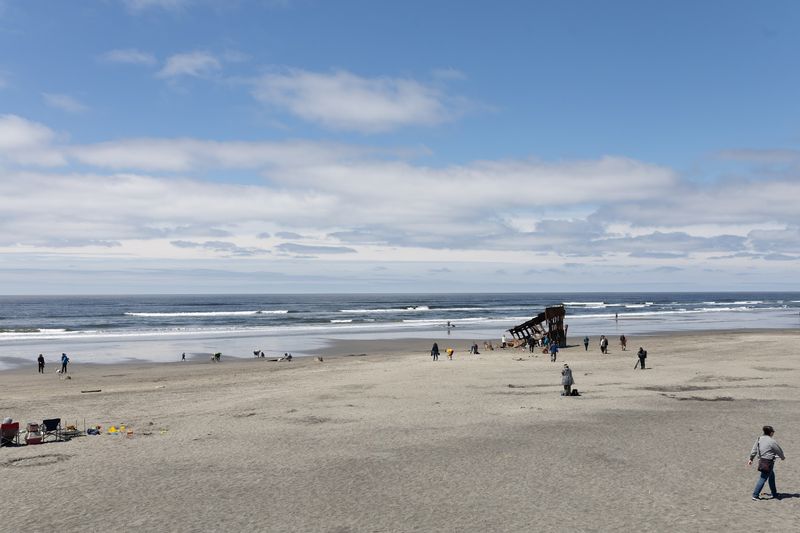
Start with the size, because it surprises people. Fort Stevens State Park spreads across 3,763 acres near the small town of Hammond, close to where the Columbia River meets the Pacific.
That’s a lot of room for one family outing. The park packs in beaches, hiking and biking trails, a historic military fort, and a shipwreck from 1906.
Most parks give you one headline act. Here you get a whole lineup, and you can mix and match depending on the weather and the kids’ energy level.
The location helps, too. Astoria sits roughly 15 to 20 minutes away, and Seaside is also close, so the park works well as a base for exploring the north coast.
Plenty of families use it exactly that way. They spend mornings at the beach, then drive into town for a museum stop or lunch.
Big spaces like this can feel overwhelming at first. A quick stop at the visitor center sorts that out, since the staff there know the park well.
For Oregon road-trippers, this is an easy pick. It feels like a full vacation, yet it doesn’t demand a fancy budget or a long flight.
The ship comes first, though. Let’s go meet it.
A British Sailing Ship Has Been Stuck In The Sand Since 1906
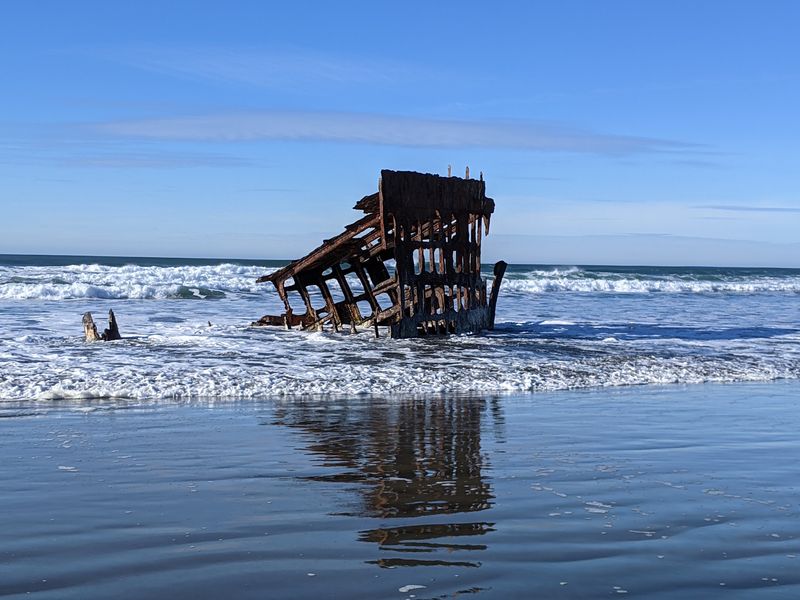
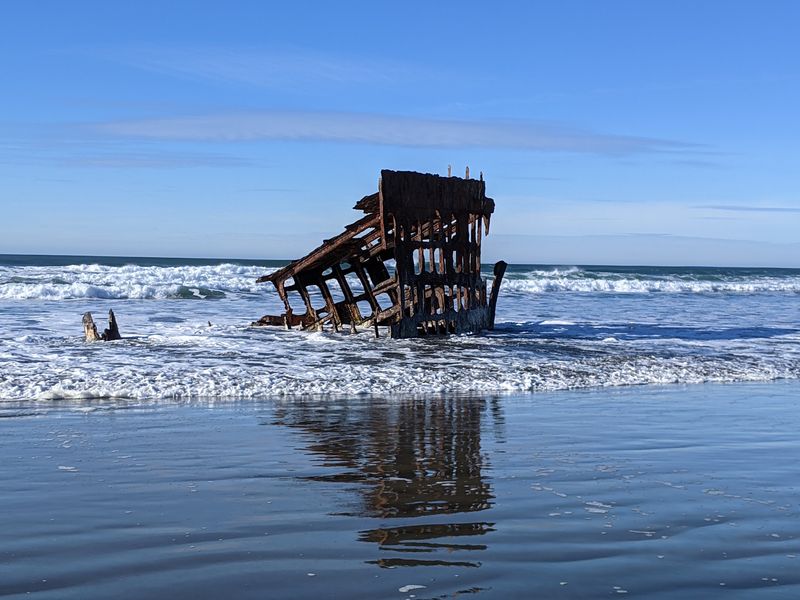
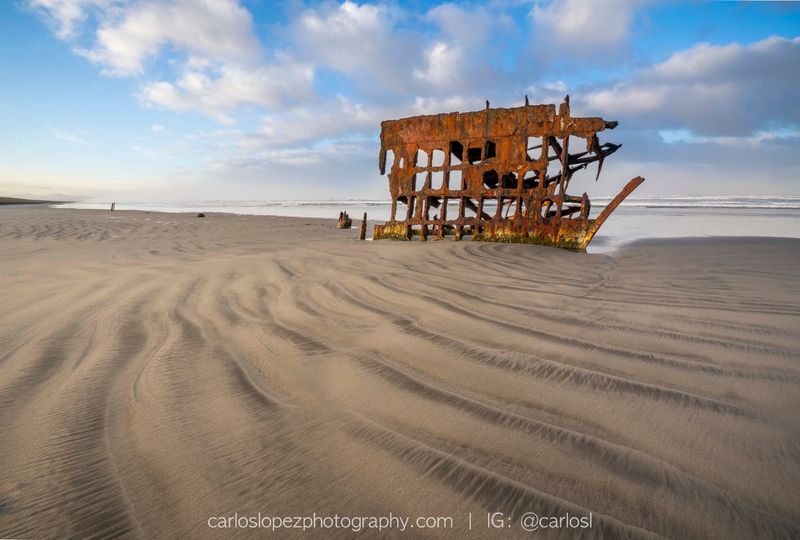
On October 25, 1906, the Peter Iredale ran aground on this stretch of beach. The four-masted steel barque was headed for the Columbia River when it ended up on the sand instead.
Good news for a family-friendly story: the crew made it safely to shore. Even better, the ship never left, and more than a century later its remains still sit in the surf.
What’s left today is mostly the bow and a frame of rusted ribs. Wind, salt, and waves have stripped away the rest over the decades.
That slow wear is part of the appeal. You’re looking at a real piece of maritime history, not a replica built for tourists.
Plenty of ships came to grief along this coast over the years. Most of them vanished long ago, which makes a visible one a rare treat.
Kids usually have plenty of questions here, like why nobody towed it away. That kind of curiosity makes the walk back to the car fly by.
The wreck sits near Peter Iredale Road, a street that shares the ship’s name. That tells you how much this old hull matters around here.
Bring A Camera, Because Sunset Turns The Wreck Into A Silhouette
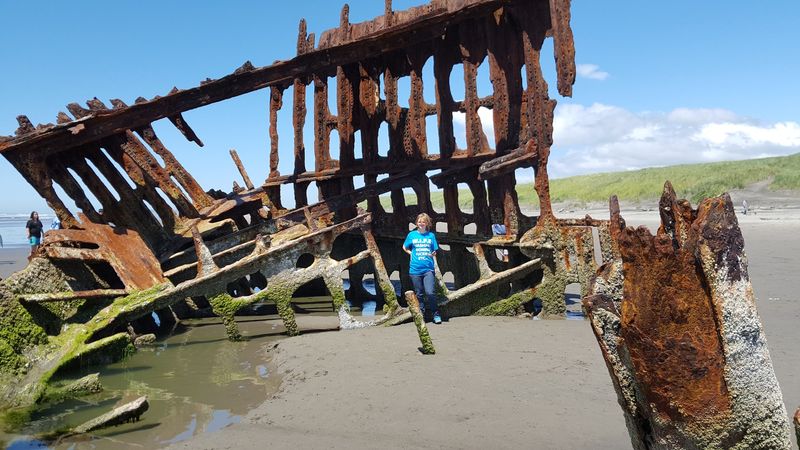
Photographers love this spot for good reason. The rusted bow and ribs make a dramatic frame against the open Pacific horizon.
Sunrise and sunset are favorite times to shoot. Low light glows through the gaps in the hull and paints the wet sand in warm colors.
You don’t need fancy gear to get a great shot. A phone camera does the job fine, especially if you crouch low and let the ship fill the frame.
Try a few angles while you’re there. Shoot straight on from the beach, then walk around to catch the ship with the waves behind it.
Family photos work beautifully here, too. Line everyone up beside the wreck and you’ve got this year’s holiday card handled.
Keep an eye on the water, though. Ocean waves can surprise you, so stay alert and keep little ones close while everyone poses.
Weather on the north coast changes fast. A gray, drizzly day still gives you moody shots, and the ship somehow looks even older under clouds.
Yes, You Can Drive On This Beach, But Your Sedan Should Sit It Out
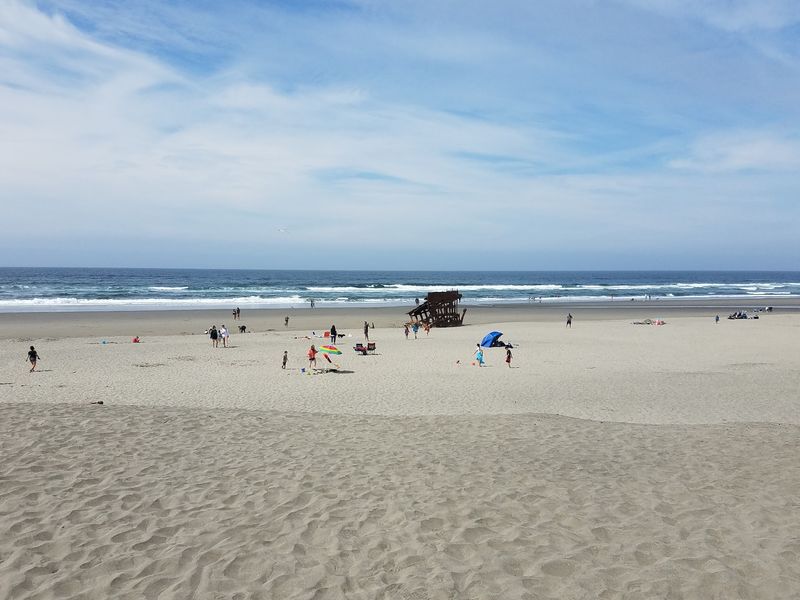
Car-loving families get a fun surprise here. Vehicles are allowed on certain sections of the beach near the wreck.
Before anyone gets excited, take the sand seriously. It’s much softer and looser than it looks, and drivers can get stuck quickly.
A true four-wheel-drive vehicle with good ground clearance is the safe bet. Even many all-wheel-drive cars can dig themselves in instead of rolling on top.
Getting towed out of the sand would turn a cheap day into a pricey one. That’s not the kind of souvenir anyone wants.
If your ride isn’t built for it, park in the lot and walk. The beach is lovely on foot, and your wallet will thank you.
Walking also lets you slow down and look around. Kids can hunt for shells, chase the edge of the waves, and build sandcastles near the old ship.
For those with the right truck or SUV, cruising along the Oregon shoreline is a memorable treat. Just drive slowly and watch for people on foot.
Rules about beach driving can change with seasons and conditions. Check posted signs before you roll onto the sand.
Old Gun Batteries Turn A History Lesson Into A Treasure Hunt
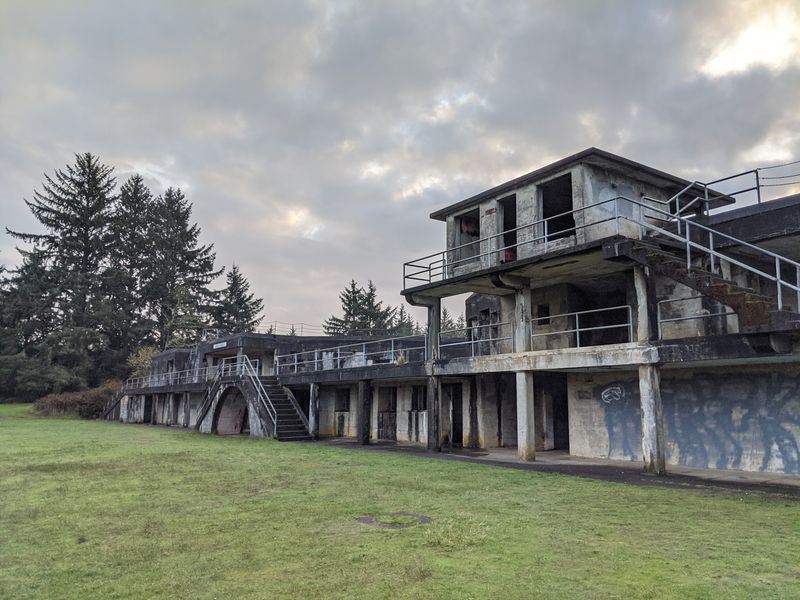
Long before it was a campground, this land guarded the mouth of the Columbia River. The fort’s concrete gun batteries still stand, and families can explore them today.
Battery Russell is the one to put on your list. It served from 1904 to 1944 as part of the coastal defense system.
Walking through it feels a bit like exploring a giant concrete maze. Stairways, open gun platforms, and dark doorways invite kids to poke around.
The atmosphere is a little eerie, in a fun way. Weathered walls and empty cannon spots spark plenty of imagination.
Signs and placards are fairly limited, so a little detective work helps. Read up before you go, or ask at the visitor center for background.
The fort holds another claim to fame worth sharing with kids. In 1942, a Japanese submarine fired shells toward Fort Stevens, and no one was hurt.
Wear sturdy shoes for this part of the visit. There are steep hills and steps, so it may be tough for anyone who has trouble walking.
Climb The Jetty Platform To Watch A River Meet The Ocean
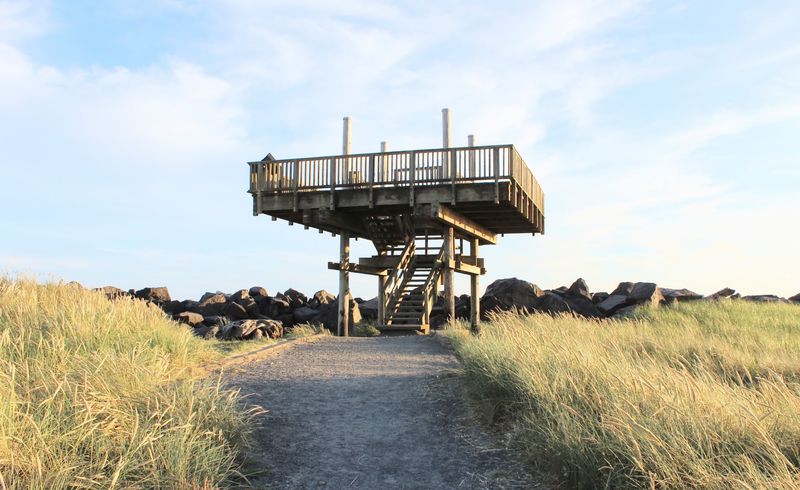
Not every park lets you watch a mighty river hand itself over to the sea. Fort Stevens State Park has a viewing platform at the jetty where the Columbia River meets the Pacific.
That meeting point is famous among sailors. The Columbia’s mouth has long been known as one of the trickiest river entrances anywhere.
From the platform, kids get a wide view of the jetty and open water. It’s a great place to talk about why so many ships needed help here.
Ship-watching can be part of the fun. Big vessels travel the Columbia, so keep your eyes on the horizon.
The jetty area also draws people who like to fish. Fishing ranks among the many activities families enjoy throughout the park.
Bring a jacket, even in summer. Coastal wind near the water can feel much cooler than the parking lot suggests.
Pair this stop with the wreck for a tidy history loop. One spot shows the danger, and the other shows what happened when things went wrong.
Little ones may not care about river currents at first. Give them a wave-spotting contest, and they’ll be hooked in minutes.
Miles Of Bike Trails Keep Restless Kids Moving All Day
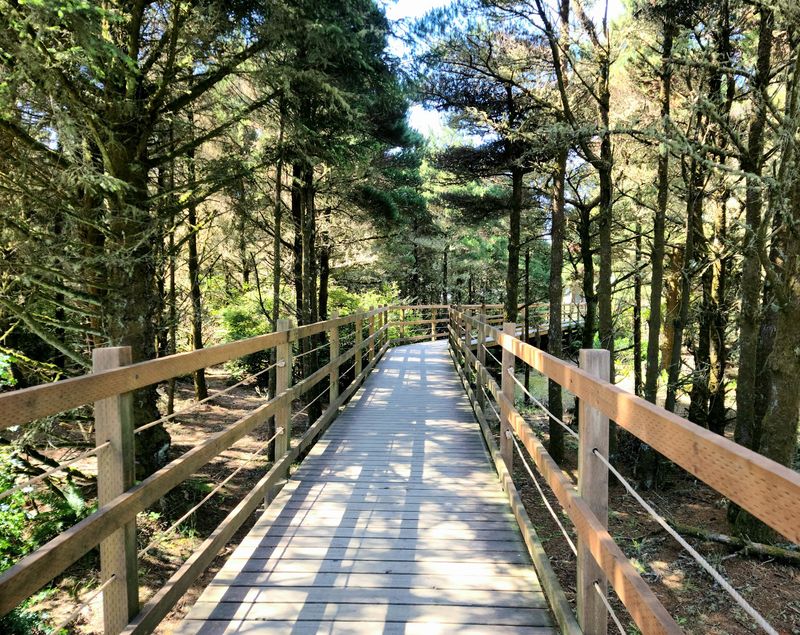
Pack the bikes, because pedaling might be the best way to see this place. A network of walking and biking trails links the campground, beaches, and historic fort.
Families can ride from camp to the fort without loading back into the car. That makes the day feel more like an adventure and less like a string of parking lots.
Forgot your bikes at home? Bike rentals are available on site, along with kayak rentals for paddling fans.
The park also has a full disc golf course. It’s a low-key way to burn off energy, and it doesn’t take fancy skills to enjoy.
Hikers get their share of options, too. Trails wind through the woods, and the beach is about a thirty-minute hike from the campground on good paths.
Dog owners can bring their pups along for the walking trails and beach. Just pack bags and water so everyone has a good day.
Bug spray belongs in every daypack. Mosquitoes can be fierce in the wooded areas, especially around camp in warmer months.
Elk Sightings Give The Coastline Some Serious Competition
Shipwrecks and gun batteries get the headlines, but elk steal plenty of scenes. They often wander through the park, and spotting one can top the whole trip for little kids.
Give them plenty of space if you see them. These are big wild animals, so admire from a distance and keep cameras zoomed in.
Smaller wildlife may turn up close to camp and the trails. Binoculars are a smart addition to the car.
The beach offers its own kind of hunt. Razor clamming is a popular activity here, giving families a classic Oregon coast tradition to try.
Clam digging comes with rules, so do some homework first. Oregon requires a shellfish license for most diggers, and seasons can close for safety.
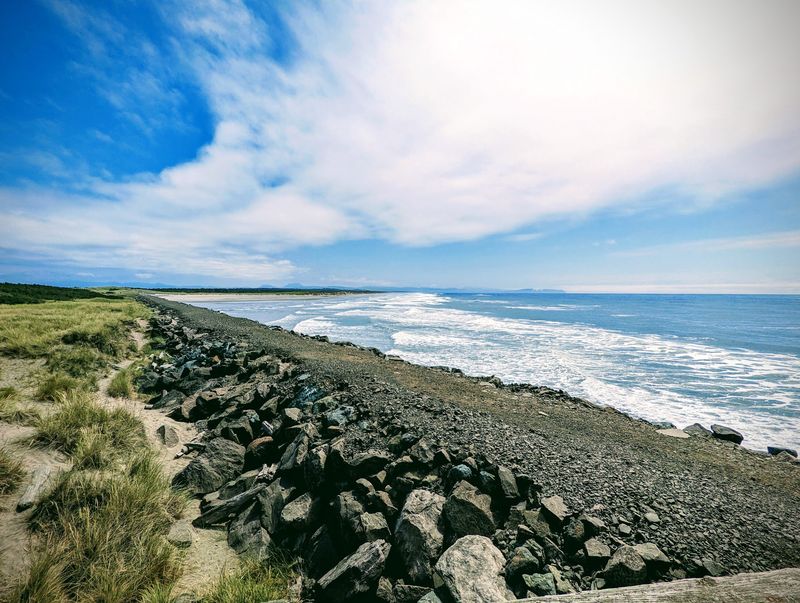
Even without a shovel, beach time here is easy to love. Kids can build sandcastles, run along the surf, and explore the wide open shoreline.
Patience pays off with wildlife. Slow down, keep voices low, and you might be rewarded with a memory nobody in the car forgets.
Yurts, Tent Sites, And RV Loops Make Staying Overnight Easy
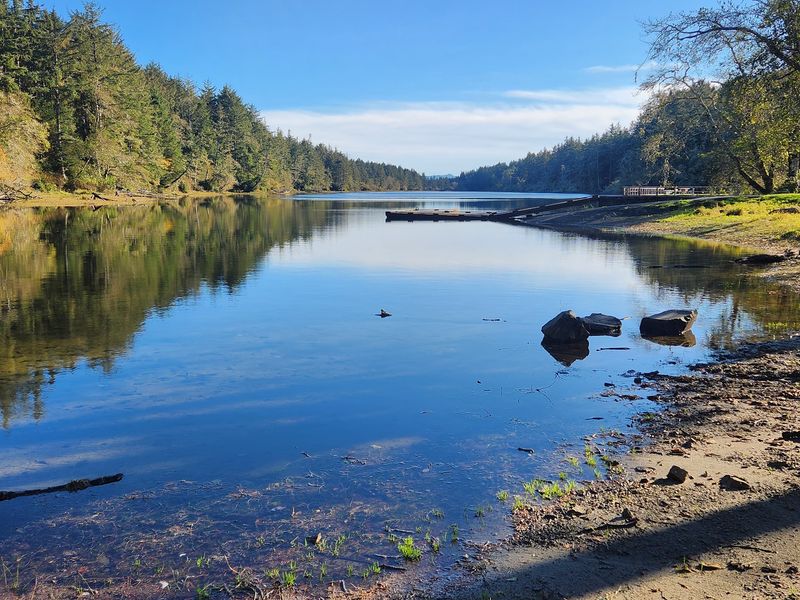
One day here rarely feels like enough. Fort Stevens State Park runs a big campground with tent sites, RV spots, and yurts.
Yurts are a sweet choice for families without camping gear. You get a solid roof overhead while still waking up in a wooded campground.
RV travelers have options with water and power hookups. A dump station is also available for those longer stays.
Campground loops differ from one another. Some sites feel more private, while others sit closer together, so look carefully when reserving.
Restrooms with hot showers serve the loops. Firewood and ice are sold on site, and there’s a playground and an outdoor amphitheater for kids.
Camping rates are friendly for families, but they change by season and site type. Check the Oregon State Parks reservation system for current numbers.
Cell service and internet can be spotty in the park. Buy any parking pass or make reservations ahead so you’re not stuck hunting for a signal.
Campfire evenings may end up being the kids’ favorite part. Toasted snacks taste better after a day spent chasing shipwrecks.
Plan Around The Hours, Then Stay For Sunset At The Wreck
Getting here is simple for anyone on the north Oregon coast. Set your GPS for 1675 Peter Iredale Rd, Hammond, OR 97121.
The park opens daily at 6 a.m. and closes at 10 p.m. That gives you plenty of time for an early beach walk or a sunset at the wreck.
A day-use parking permit is required, and it’s a small cost for such a big day. Grab it before you arrive, since internet can be unreliable once you’re inside.
Plan on taking your time instead of rushing between stops. The best visits mix a wreck stop, a bike ride, a fort ramble, and a picnic.
Pack layers, bug spray, comfortable shoes, and snacks. Coastal weather swings quickly, and the park is big enough to wear out little legs.
So is it worth the drive? With a 1906 shipwreck, century-old gun batteries, elk, and endless trails, this park delivers a ton for very little money.
Few family outings in Oregon feel this old-school and this affordable. That rusty ship has waited more than a hundred years, so go say hello.