Paradise can turn deadly in seconds.
One moment you’re wading into crystal-clear water, and the next you’re fighting a rip current, dodging crushing waves, or swimming in waters known for shark encounters.
America’s beaches may look like postcard perfection, but some hide serious danger just beyond the shoreline.
From Florida’s shark-heavy surf to Hawaii’s brutal shore breaks and California’s freezing undertows, these beaches have built reputations for more than just scenic views.
Rescue crews know them well, and so do the people who never made it back to shore.
Before you pack the sunscreen and beach chair, it helps to know where the risks run highest. These 16 beaches have earned their dangerous status for a reason—and some of them might surprise you.
New Smyrna Beach (New Smyrna Beach, Florida)
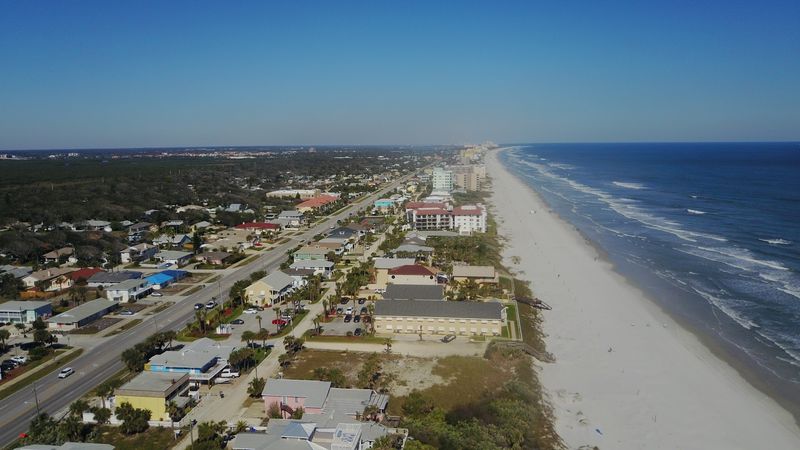
Shark attack capital of the world sounds dramatic, but New Smyrna Beach has truly earned this terrifying title. More unprovoked shark bites happen here than anywhere else on Earth, with swimmers and surfers encountering blacktip and spinner sharks almost daily during peak season.
The murky water makes it nearly impossible to spot these predators before they strike.
Surfers actually call minor bites “New Smyrna handshakes” because they happen so frequently. Most attacks involve young sharks mistaking hands and feet for fish in the cloudy surf.
While fatalities remain rare, the sheer number of incidents—sometimes multiple per week—keeps this beach at the top of danger lists.
Strong rip currents add another deadly dimension to swimming here. The powerful Atlantic swells create unpredictable currents that pull unsuspecting swimmers offshore.
Lifeguards perform hundreds of rescues each summer, battling both the surf and the statistics that make New Smyrna America’s undisputed most dangerous beach.
Laguna Beach (Panama City Beach, Florida)
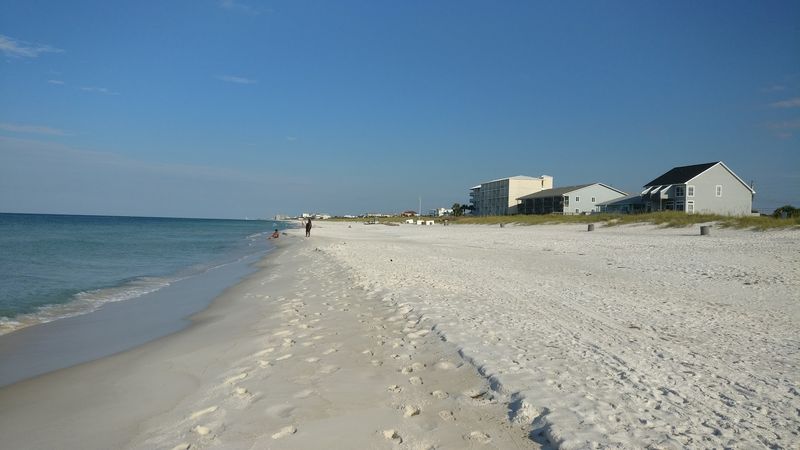
Don’t confuse this with California’s scenic Laguna—Panama City’s version holds a far deadlier distinction. According to comprehensive surf-zone studies, this Florida Panhandle stretch claims more lives than almost any other beach in America.
Rip currents here behave like invisible conveyor belts, dragging swimmers into the Gulf with terrifying speed.
The beautiful emerald waters hide these deadly currents especially well. Tourists flock here expecting calm Gulf swimming, completely unprepared for the powerful undertows.
Even strong swimmers panic when they feel themselves being pulled away from shore, often making fatal mistakes by swimming against the current.
Spring break amplifies the danger exponentially when thousands of young visitors crowd the water. Many arrive intoxicated or inexperienced, ignoring red flags and lifeguard warnings.
The combination of alcohol, inexperience, and powerful rip currents creates a perfect storm for tragedy.
Local rescue teams work overtime during peak season, but they cannot save everyone who underestimates these deceptively pretty waters.
Daytona Beach (Daytona Beach, Florida)
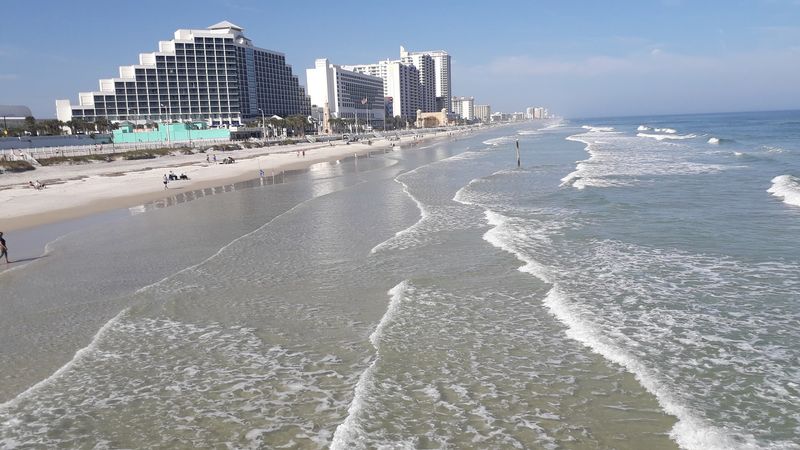
Cars cruising directly on the sand create just one hazard at this iconic Florida destination. Daytona’s combination of massive tourist crowds, aggressive Atlantic surf, and frequent shark sightings makes it a statistical nightmare for beach safety.
The hard-packed sand that allows driving also reflects the powerful waves that slam this coast year-round.
Shark attacks here rank among the nation’s highest, with the beach competing closely with New Smyrna for bite statistics. Spinner sharks, bull sharks, and blacktips patrol these waters regularly.
Murky conditions and heavy fishing activity attract these predators close to shore where swimmers and surfers become accidental targets.
Rip currents pull dozens of swimmers into trouble every single week during summer months. The beach’s enormous popularity means lifeguards monitor millions of visitors annually, yet drownings still occur with heartbreaking regularity.
Combine vehicular traffic on the beach, powerful surf, lurking sharks, and overwhelming crowds, and you understand why Daytona consistently ranks among America’s most dangerous coastal destinations.
Miami Beach (Miami Beach, Florida)
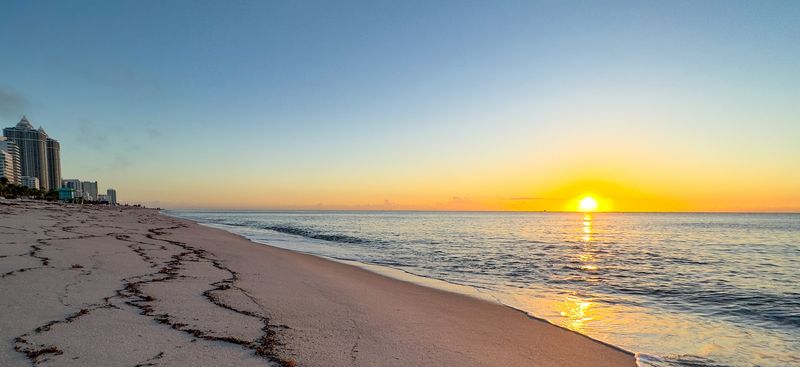
Glamorous South Beach attracts millions seeking sun and celebrity sightings, but its waters tell a different story. Strong Atlantic currents converge here unpredictably, creating dangerous swimming conditions even on seemingly calm days.
Storm systems approaching from the Caribbean send powerful swells crashing onto Miami’s shores with little warning.
The sheer number of people in the water dramatically increases risk factors. Inexperienced tourists far outnumber locals who understand the ocean’s moods.
When conditions deteriorate, hundreds of swimmers simultaneously find themselves in over their heads, literally and figuratively.
Sharks frequent these urban waters more than most visitors realize, attracted by fishing piers and boat traffic. Bull sharks particularly thrive in Miami’s warm, murky nearshore environment.
Beach nourishment projects that pump sand onto eroded beaches also disturb marine life patterns, sometimes bringing predators closer to swimming areas.
Portuguese man-of-war jellyfish periodically invade by the thousands, sending beachgoers to emergency rooms with excruciating stings that can trigger severe allergic reactions in sensitive individuals.
Indialantic Boardwalk (Indialantic, Florida)
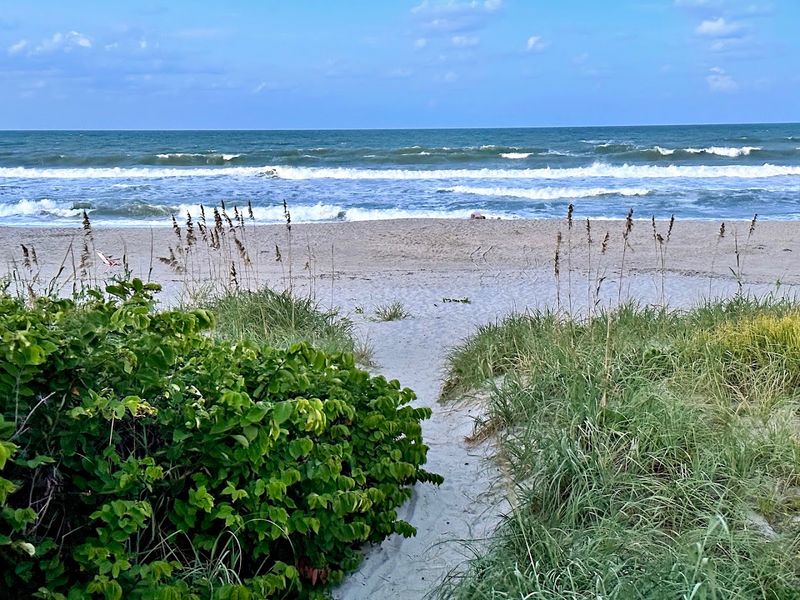
Florida surfers know this spot well, but it remains surprisingly obscure to national audiences despite alarming statistics. Shark incidents here occur with shocking frequency, particularly targeting surfers who venture beyond the breakers.
The boarding community accepts this risk as part of the local culture, but casual swimmers often have no idea what lurks beneath.
Multiple surf-zone fatalities have occurred at Indialantic despite its relatively modest beach traffic. The danger stems partly from its popularity among surfers who push into deeper water where both sharks and currents intensify.
Strong longshore currents sweep parallel to the beach, exhausting swimmers who fight against them.
The beach lacks the extensive lifeguard coverage of larger tourist destinations, leaving many stretches unmonitored. Locals call it a hidden gem, but the statistics reveal a hidden danger.
When conditions turn rough, help may be farther away than swimmers realize.
Proximity to the Sebastian Inlet creates complex current patterns that confuse even experienced ocean-goers, making this quiet beach far more hazardous than its peaceful appearance suggests.
Cocoa Beach (Cocoa Beach, Florida)
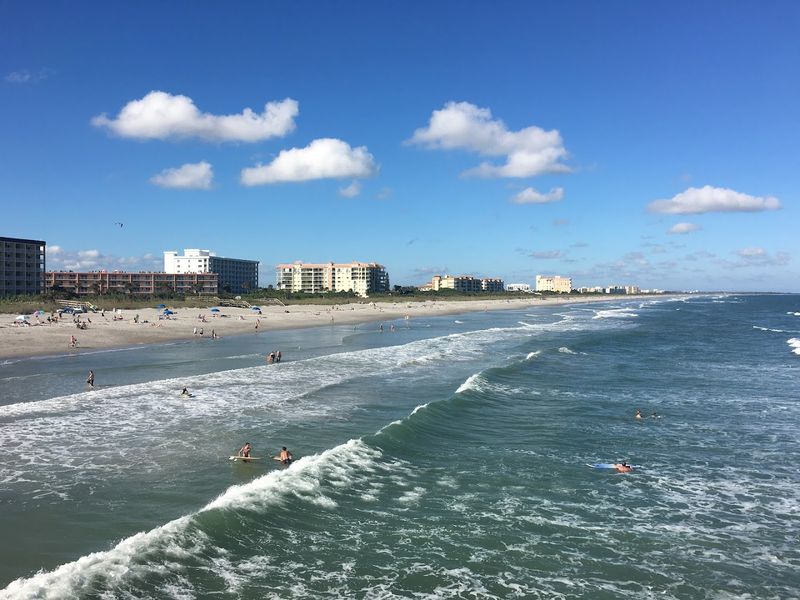
Kelly Slater’s hometown waves have made Cocoa Beach legendary among surfers worldwide. Those same powerful Atlantic swells that create perfect surfing conditions also generate serious dangers for casual swimmers.
The iconic Cocoa Beach Pier acts like a magnet for both wave riders and sharks, creating a convergence point of beauty and peril.
Consistent shark activity keeps this beach prominently featured on bite statistics year after year. Blacktip sharks swarm here during migration season, sometimes forming schools visible from shore.
Spinner sharks add to the mix, leaping spectacularly from the water—thrilling to watch but alarming when you’re swimming nearby.
Rip currents form frequently along this stretch, particularly near the pier where water funnels between sandbars. Spring tides amplify these currents dramatically, catching swimmers off guard during what appears to be perfect beach weather.
The combination of world-class surf, active shark populations, and treacherous currents makes Cocoa Beach both irresistible and incredibly risky for anyone entering the Atlantic here.
Palm Beach (Palm Beach, Florida)
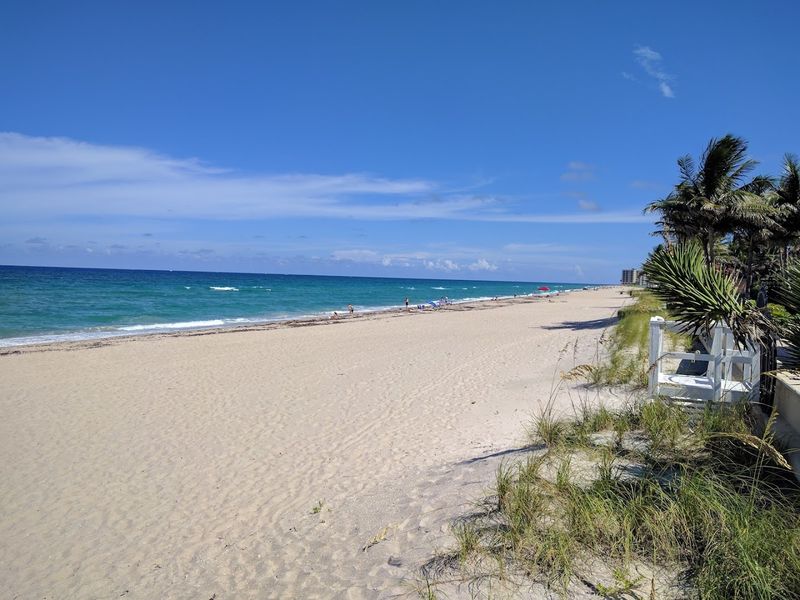
Mansions and money line this exclusive shoreline, but wealth cannot eliminate oceanic dangers. Palm Beach’s upscale reputation creates false confidence among visitors who assume such a refined destination must be safe.
The reality involves frequent rip currents and one of Florida’s highest shark encounter rates, facts that tourist brochures conveniently overlook.
Bull sharks particularly favor these waters, hunting close to shore where golf courses and marinas empty freshwater into the Atlantic. These aggressive predators thrive in mixed salinity, making Palm Beach’s coastal geography perfect for them.
Tiger sharks also cruise here, attracted by sea turtle populations that nest on these beaches.
Rip currents develop rapidly along Palm Beach’s steep underwater profile, which drops off sharply just yards from shore. What looks like gentle surf can suddenly transform into a powerful outward flow.
The beach’s scattered public access points mean lifeguard coverage remains spotty, leaving long stretches unmonitored.
Many swimmers here are older affluent visitors unaccustomed to fighting strong ocean currents, increasing drowning risks significantly compared to younger, stronger populations elsewhere.
Miramar Heights Beach (Miramar Beach, Florida)
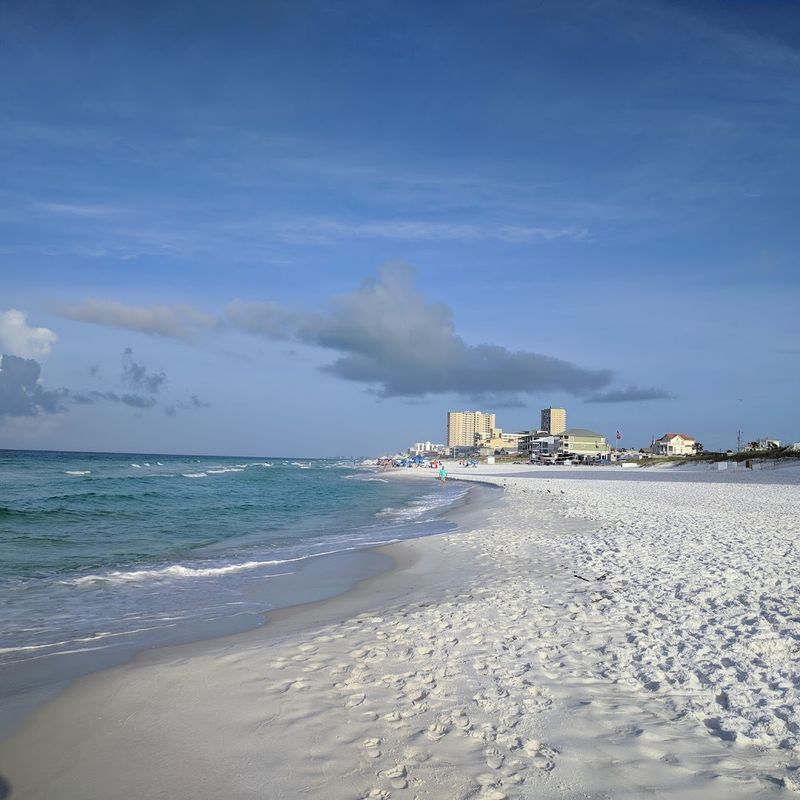
Shark attacks barely register here, yet Miramar Heights ranks disturbingly high for surf-zone fatalities. This proves a crucial lesson: rip currents alone kill more swimmers than sharks ever will.
The beautiful Gulf waters here conceal some of Florida’s deadliest undertows, particularly dangerous because they appear so calm and inviting.
Families choose this beach specifically seeking gentler Gulf swimming compared to the Atlantic coast. That false sense of security proves fatal when powerful rip currents suddenly develop.
These currents form quickly near sandbars, channels, and piers, changing position with tides and storms in ways that confuse even regular visitors.
The beach’s name recognition lags far behind Panama City’s, so many swimmers here are first-time Gulf visitors. They expect bathtub-calm conditions and receive a terrifying education instead.
Warning flags fly regularly, but compliance remains frustratingly low among tourists unwilling to waste vacation days.
The combination of inexperienced swimmers, deceptively dangerous currents, and insufficient respect for Gulf conditions creates tragic outcomes with depressing regularity along this stretch of Florida’s Emerald Coast.
Cape Canaveral (Cape Canaveral, Florida)
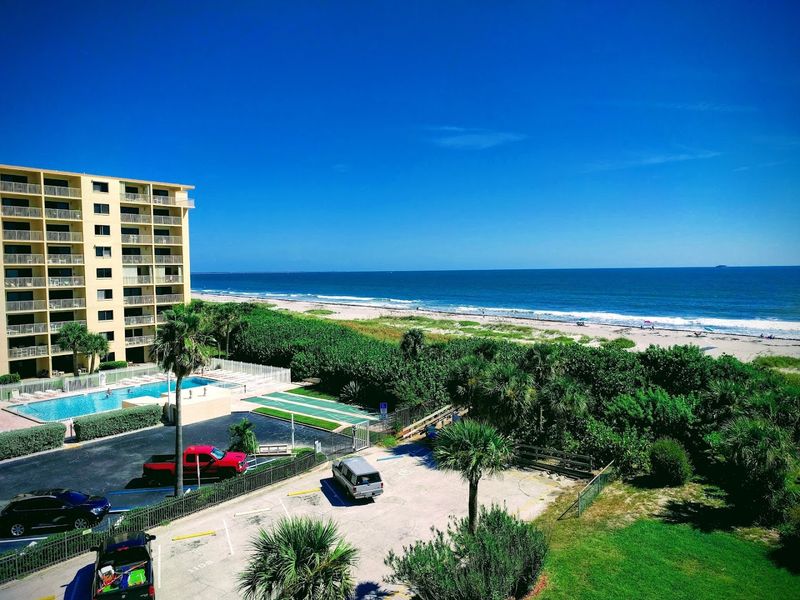
Rockets launching overhead provide spectacular views, but the waters below pose serious threats. Cape Canaveral’s isolated location and minimal development mean fewer lifeguards patrol these stretches.
Powerful Atlantic swells slam this exposed coastline relentlessly, creating surf conditions that challenge even experienced swimmers.
Unpredictable currents make Cape Canaveral particularly treacherous compared to more sheltered Florida beaches. The Cape juts into the Atlantic like a ship’s prow, disrupting normal current patterns and creating chaotic water movements.
Swimmers find themselves pulled in unexpected directions, fighting currents that change strength and direction rapidly.
Strong winds frequently whip across this exposed peninsula, generating dangerous surf and beach conditions. The same offshore winds that enable rocket launches also create massive wave sets and powerful undertows.
Limited beach access means help arrives slowly if swimmers get into trouble. NASA’s presence dominates attention here, but the ocean remains the real force to respect.
Many visitors focus skyward watching launches while ignoring the deadly conditions beneath their feet at the waterline.
Jupiter Beach Park (Jupiter, Florida)
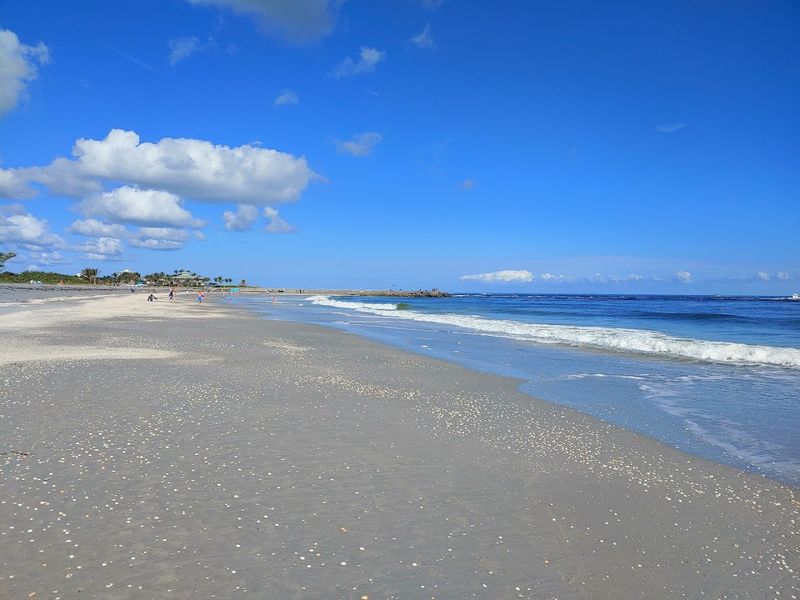
Say hello to South Florida’s premier shark hotspot where encounters happen almost daily. Jupiter Beach Park sits perfectly positioned where the Gulf Stream sweeps closest to shore, bringing both crystal-clear water and large predatory sharks.
Bull sharks, tiger sharks, and even great whites patrol these productive hunting grounds.
Surfers and paddleboarders face particularly high risks here, spending hours in deeper water where sharks hunt. Multiple attacks have occurred involving both species, with some victims suffering serious injuries.
The nearby Jupiter Inlet attracts massive schools of baitfish, which naturally draws sharks into the immediate area.
Research vessels regularly tag sharks just offshore, documenting incredible numbers of large predators. Scientists love Jupiter for shark studies; swimmers should view those studies as serious warnings.
The water clarity here actually increases danger awareness—seeing a ten-foot shark glide past provides terrifying confirmation of what shares these waters. Despite obvious risks, the beach remains popular among thrill-seeking water sports enthusiasts who apparently consider shark encounters part of the Jupiter experience.
Locals check shark trackers before entering the water, a habit tourists would be wise to adopt.
Monastery Beach (Carmel, California)
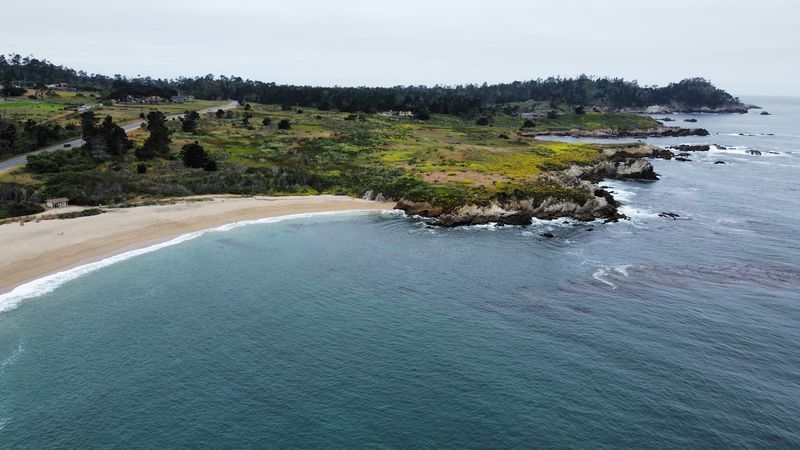
Locals call it Mortuary Beach, which should tell you everything. That grim nickname stems from numerous drownings in waters that appear deceptively calm from shore.
The beach drops off catastrophically steep just feet from the waterline, plunging swimmers immediately into deep, cold Pacific water with no shallow areas for recovery.
Deadly undertows here have claimed experienced swimmers, divers, and beachgoers who merely waded ankle-deep. The underwater topography creates suction-like currents that pull people off their feet and drag them seaward with shocking force.
Once pulled under, the frigid water temperature causes rapid hypothermia and disorientation.
Warning signs plaster the beach access points, yet tragedies continue occurring regularly. The stunning coastal scenery attracts tourists who underestimate Pacific dangers, particularly visitors from areas with gentler ocean conditions.
Even experienced divers have died here when currents swept them offshore into deeper, colder water. Local emergency responders maintain that Monastery Beach kills more people than any comparable stretch of California coastline.
The Pacific’s beauty here masks a genuine killer, making this small beach extraordinarily dangerous relative to its size and visitor numbers.
Ocean Beach (San Francisco, California)
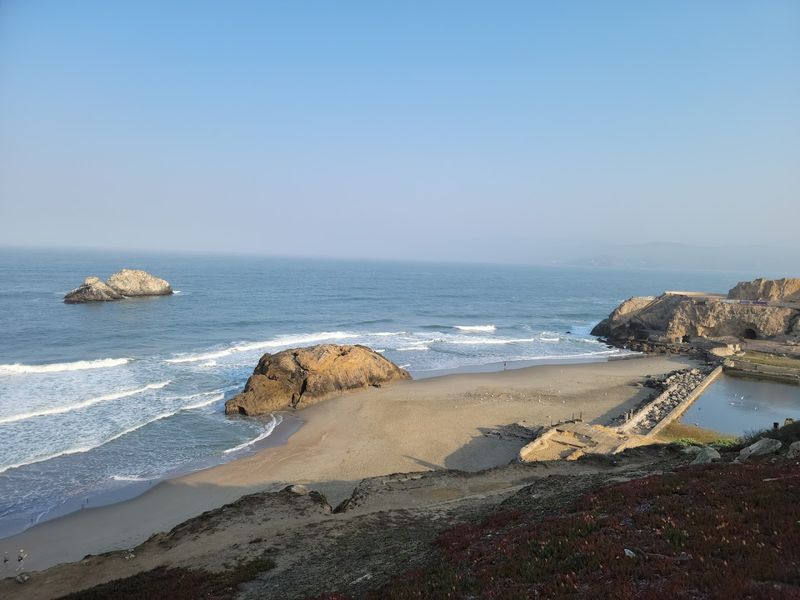
San Francisco’s Pacific playground looks beautiful but behaves brutally toward swimmers. Powerful rip currents flow constantly along this expansive beach, strong enough to pull Olympic swimmers into trouble.
The frigid water temperature—rarely exceeding 60 degrees—adds hypothermia as a deadly factor that incapacitates swimmers within minutes.
Sneaker waves strike without warning, washing people off rocks and pulling them into the violent surf. These rogue waves appear suddenly, much larger than the sets preceding them.
They’ve killed numerous beachgoers who never saw them coming, sweeping victims off jetties, beaches, and coastal trails.
Heavy fog regularly blankets Ocean Beach, reducing visibility and disorienting swimmers who lose sight of shore. The beach’s tremendous length and strong longshore currents mean swimmers resurface far from their entry points, unable to locate their belongings or companions.
Great white sharks hunt in these waters, particularly near the Farallon Islands just offshore, adding apex predators to the deadly mix.
Lifeguard coverage remains limited despite year-round dangers, and the cold Pacific shows zero mercy to those who underestimate its power along this iconic San Francisco shoreline.
Hanakapiai Beach (Kauai, Hawaii)
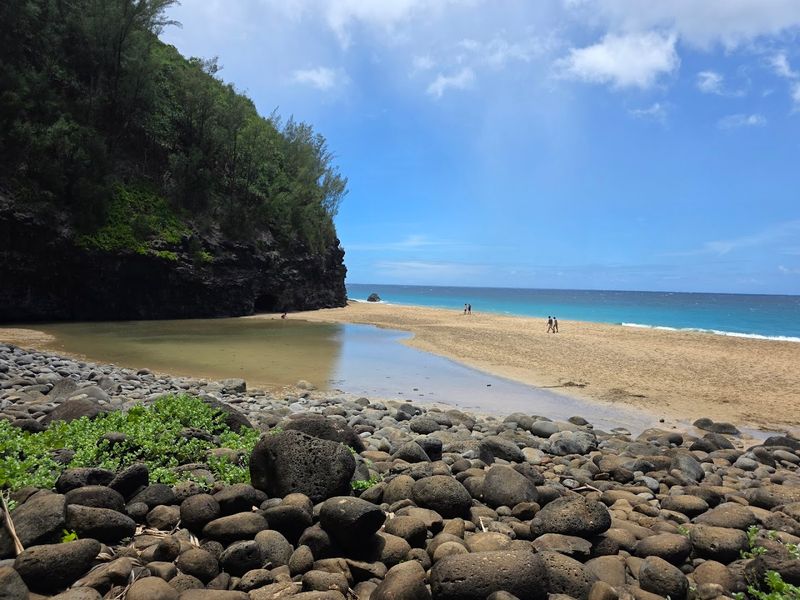
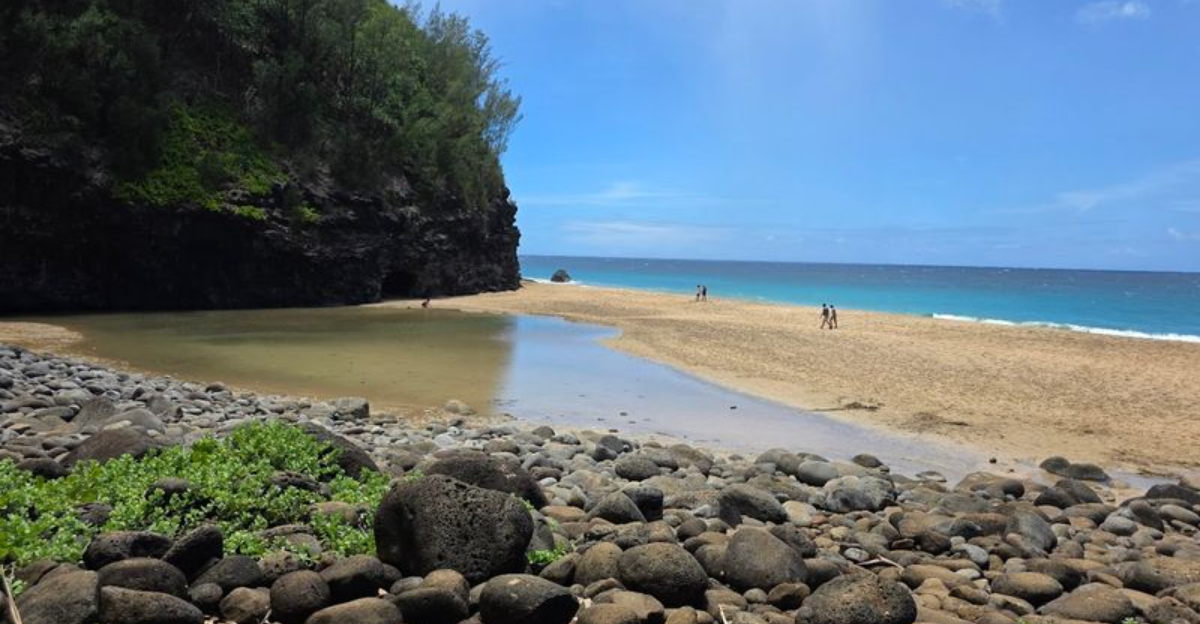
A death count sign at the trailhead tallies drowning victims—currently over 80 souls claimed by these waters. Hanakapiai Beach requires a strenuous two-mile hike just to reach, creating false confidence that the effort ensures some reward.
Instead, hikers discover one of Hawaii’s most lethal swimming spots, beautiful but absolutely merciless.
No protective reef breaks the ocean’s fury here, allowing full Pacific swells to slam directly onto the beach. Rip currents flow with freight-train power, pulling swimmers into open ocean within seconds.
The beach disappears entirely during high surf, replaced by violent walls of whitewater that crash against coastal cliffs.
Winter swells reach absolutely monstrous sizes, making swimming impossible and hiking nearby extremely dangerous. Summer conditions sometimes appear calmer, luring unsuspecting visitors into water that remains treacherous year-round.
Remote location means emergency responders need considerable time to arrive, often too late for drowning victims. Bodies sometimes wash up miles away or disappear entirely into the Pacific.
The spectacular Na Pali Coast scenery makes this beach photographically irresistible but physically deadly, a combination that continues claiming lives despite prominent warnings.
Waimea Bay (Oahu, Hawaii)
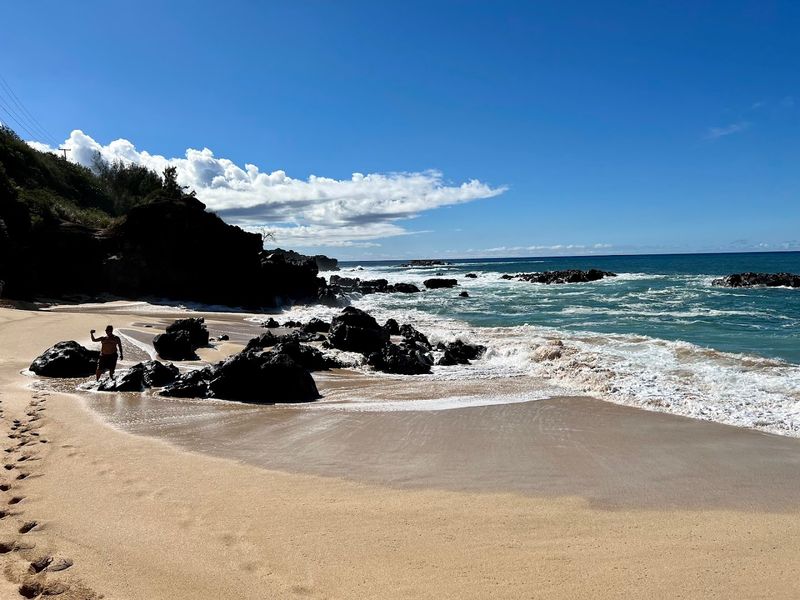
Eddie would go—but should you? Waimea Bay transforms seasonally from calm summer swimming hole into winter monster that humbles even professional surfers.
When Pacific storms generate massive swells, waves here exceed 30 feet, creating conditions that can kill strong swimmers instantly. The bay becomes an aquatic stadium where spectators watch brave surfers challenge truly life-threatening surf.
Summer safety vanishes completely when winter arrives and legendary Eddie Aikau big-wave contests potentially commence. The bay floor drops steeply offshore, allowing huge swells to build quickly before detonating onto the beach.
Swimmers caught in these conditions face instant catastrophe, tumbled underwater by waves containing thousands of tons of water.
Even accomplished watermen have died here, testament to Waimea’s unforgiving power. The beautiful setting and famous surf culture attract tourists who sometimes misjudge conditions catastrophically.
Jumping from Waimea’s jump rock thrills visitors during calm periods but becomes potentially fatal when currents strengthen or swells increase. Locals monitor surf forecasts religiously and know exactly when to avoid entering the water.
Tourists checking wave conditions could literally save their lives at this world-famous but genuinely dangerous Hawaiian landmark.
Cape Hatteras National Seashore (Outer Banks, North Carolina)
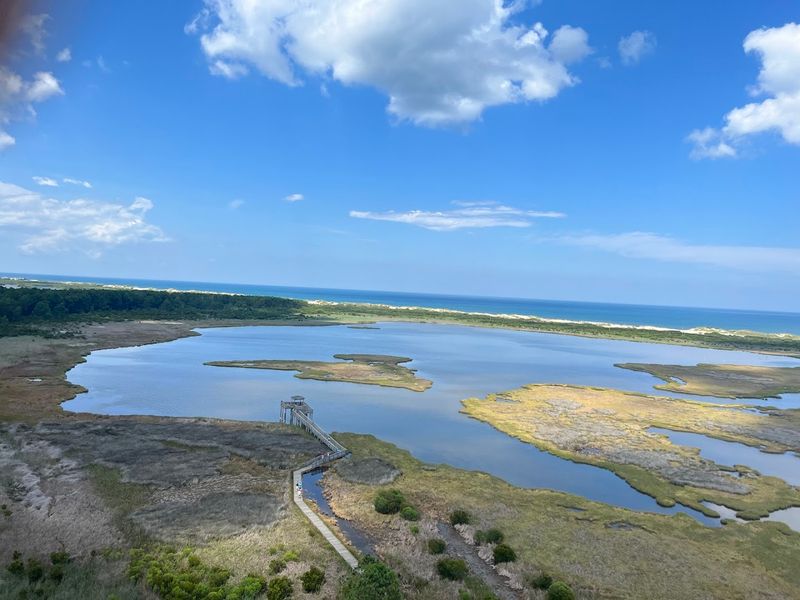
They call it the Graveyard of the Atlantic for excellent reasons beyond shipwrecks. Cape Hatteras represents where northern and southern ocean currents collide, creating chaotic water conditions that confuse and endanger swimmers.
Shifting sandbars constantly reorganize the underwater topography, meaning rip current locations change daily and even hourly.
Hurricane season brings particular terror to this exposed barrier island chain. Storms generate massive swells that pound the Outer Banks relentlessly, creating dangerous surf conditions that persist for days after storms pass.
Even distant hurricanes hundreds of miles offshore send powerful waves crashing onto Hatteras beaches.
The remote nature of much of this National Seashore means limited lifeguard coverage across miles of coastline. Swimmers venture into rough Atlantic waters with minimal supervision, often far from help if conditions deteriorate.
Strong alongshore currents sweep swimmers southward rapidly, separating them from companions and belongings. Cold water temperatures, even in summer, cause hypothermia faster than swimmers expect.
The combination of unpredictable currents, hurricane exposure, isolation, and constantly shifting underwater geography makes Cape Hatteras exceptionally dangerous despite its stunning natural beauty and protected status.
Myrtle Beach (Myrtle Beach, South Carolina)
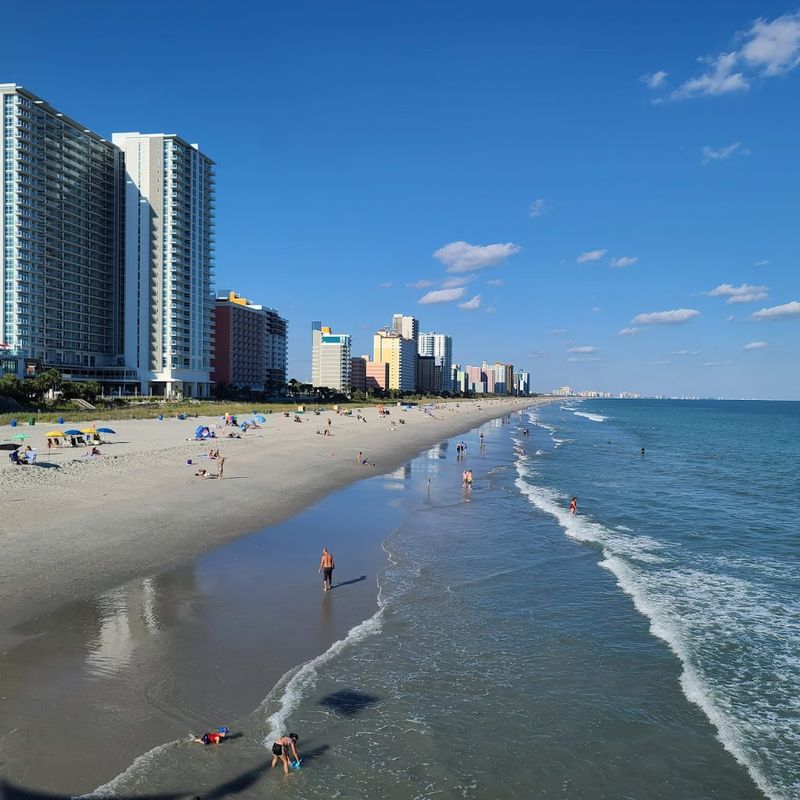
Tourism numbers here rival Florida’s busiest beaches, and so do the dangers. Myrtle Beach’s massive popularity means thousands of inexperienced swimmers enter Atlantic waters daily throughout summer.
Rip current rescues happen constantly, with lifeguards performing hundreds of saves each season along the Grand Strand.
Shark activity increases notably during peak tourist season when warming waters attract sharks northward. Several species cruise these waters regularly, including aggressive bull sharks that swim comfortably in the murky nearshore environment.
Multiple attacks have occurred here over recent years, reminding visitors that South Carolina’s coast harbors the same predators as Florida’s beaches.
The sheer volume of people creates its own hazards beyond natural dangers. Alcohol consumption, inexperienced swimmers, and vacation recklessness combine dangerously with legitimate ocean threats.
Many visitors arrive from landlocked states with zero ocean experience, treating the Atlantic like a swimming pool until currents prove otherwise. Red flag warnings get ignored by tourists determined to maximize beach time regardless of conditions.
The combination of overwhelming crowds, frequent shark sightings, powerful rip currents, and widespread safety ignorance makes Myrtle Beach one of America’s most consistently dangerous swimming destinations.