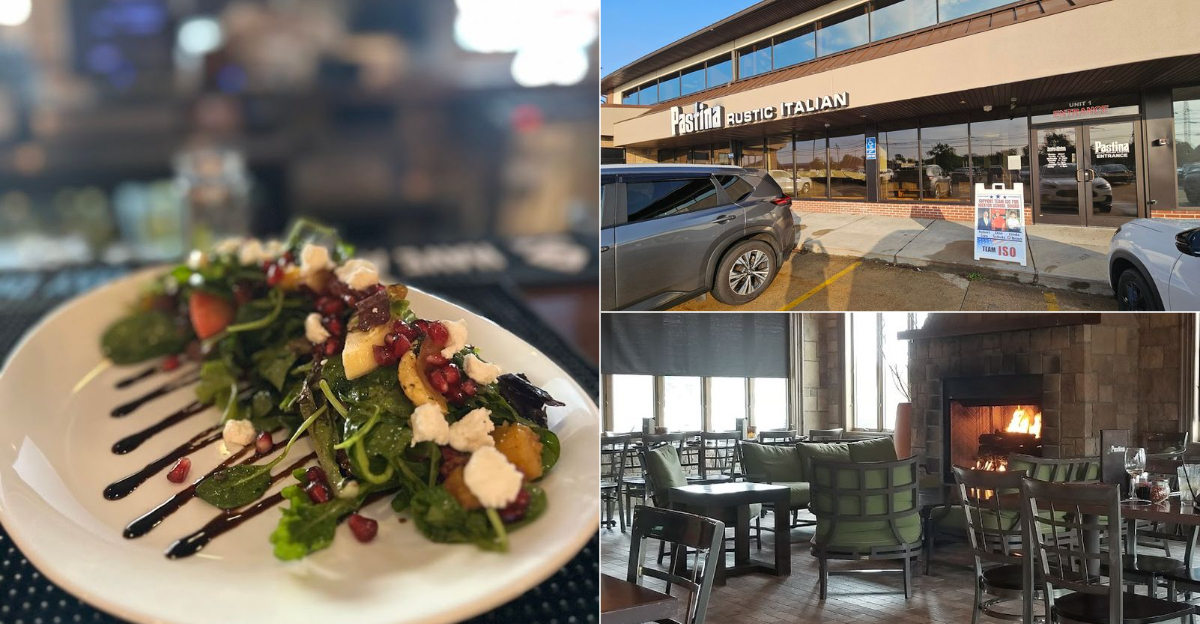
Drawing on regional culinary traditions requires a deep understanding of ingredient origins and patience in the preparation of every element of a meal.
Restaurants that successfully capture the spirit of the Old World without falling into the trap of excessive formality often become important gathering places within their communities.
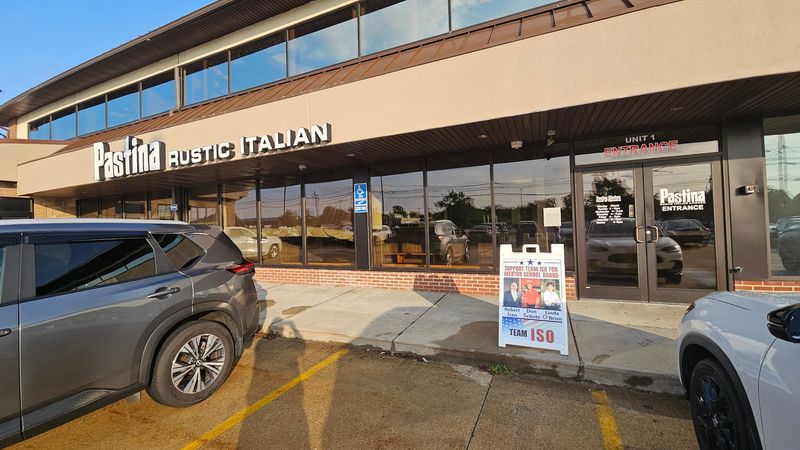
In Ohio, at 9354 Mentor Ave #1, Pastina Rustic Italian Restaurant offers precisely that kind of carefully balanced approach to dining.
Fresh, house-made preparation sits at the center of the experience, alongside an atmosphere that works equally well for a quick dinner at the bar or a long family meal shared around the table.
Take a closer look at this distinctive Italian destination and discover how simple rustic techniques are transformed into a refined culinary signature.
What Rustic Italian Means Here
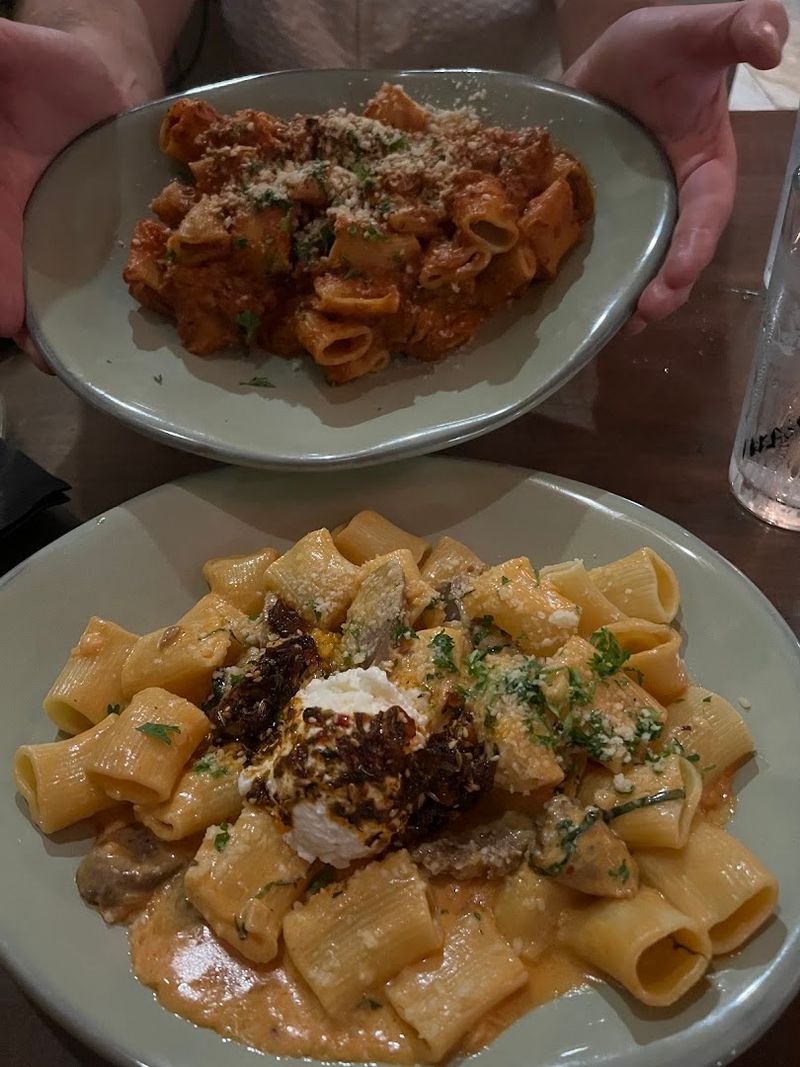
Rustic Italian cooking can mean many things, but here it points to restraint, texture, and direct flavor.
Instead of chasing heavy red sauce stereotypes, the kitchen seems to build dishes around pasta, vegetables, meat, and balanced sauces that let ingredients stay recognizable.
That matters because rustic food loses its identity when every plate tastes uniformly rich.
Across the menu, the idea appears in handmade pasta, familiar preparations, and specials that feel rooted in tradition rather than novelty.
Reviews repeatedly mention marinara, focaccia, ravioli, bolognese, and chicken parmigiana, which suggests a kitchen committed to staples people understand.
Such dishes work best when technique is visible, not hidden behind excess garnish.
Another useful detail is the modern setting around those old world references.
The result is not a nostalgic reproduction of an Italian trattoria, but a contemporary Midwestern interpretation of one.
By keeping the concept practical and food centered, the restaurant gives rustic Italian cooking a clearer meaning than many places that use the phrase only as decoration.
A Dining Room Built Around Warmth
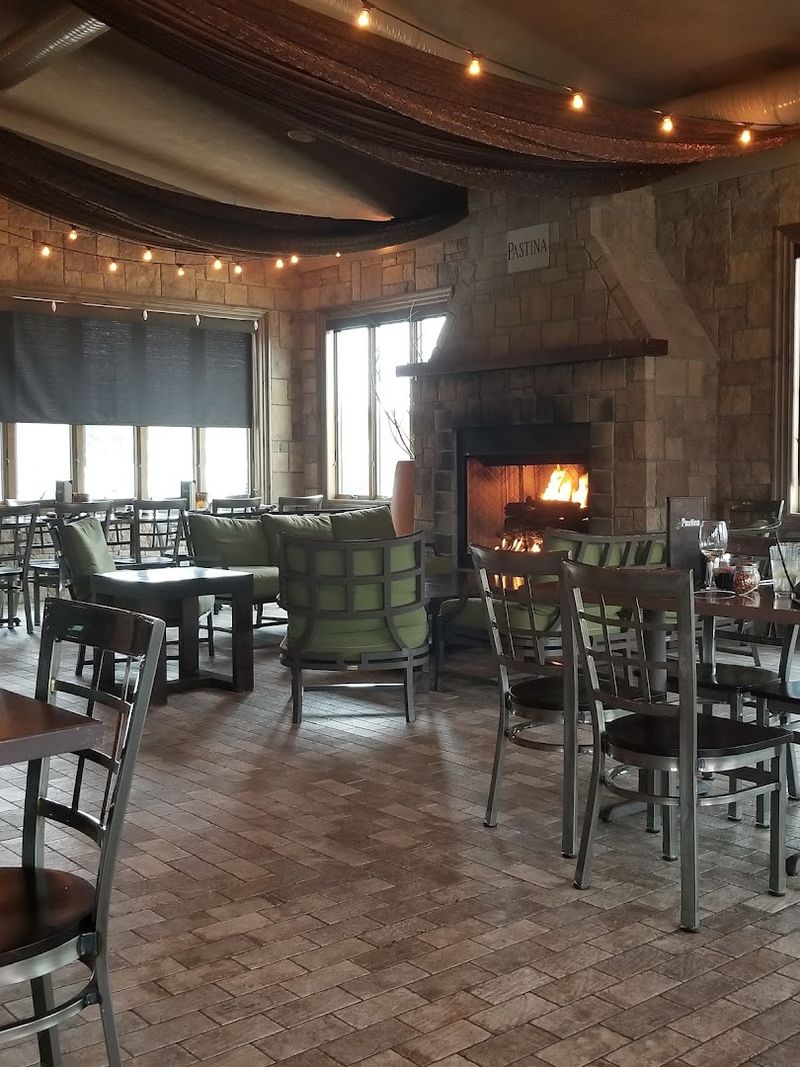
The room appears designed to support conversation as much as dinner.
Customer comments consistently point to beautiful decor, a large dining area, and a modern bar, indicating a space that feels active without becoming chaotic.
That balance is important for Italian food, which depends on sociability as much as presentation.
Warm materials and subdued lighting likely do much of the work.
A rustic theme can easily slide into cliche, yet reports describing the space as clean, polished, and comfortable suggest a more disciplined approach.
Clean restrooms and orderly service stations also shape perception, especially in a restaurant operating at a higher casual price point.
Bar traffic seems to add energy without overwhelming the dining room.
Several reviews mention eating or drinking at the bar and being impressed by the pace and friendliness there.
Taken together, those details suggest a place that understands atmosphere as part of the meal rather than a backdrop.
The design serves a practical goal: making dinner feel considered, relaxed, and slightly elevated from everyday routine.
Housemade Pasta As A Signature
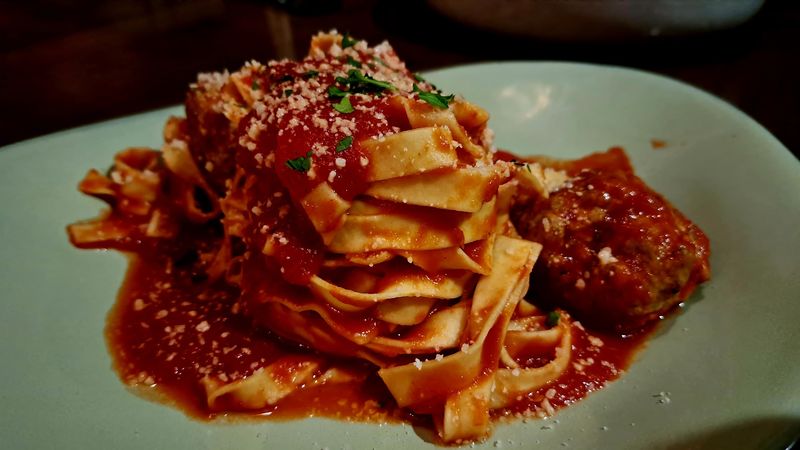
Fresh pasta is one of the clearest markers of seriousness in an Italian kitchen, and this restaurant leans into that signal.
Multiple diners specifically note hand made pasta and say the texture difference is obvious on the plate. That kind of feedback matters because pasta quality is hard to fake once sauce and garnish are stripped away.
Daily fresh made selections also appear to be part of the menu structure, which adds a useful sense of immediacy.
Rather than treating pasta as a static commodity, the kitchen presents it as something produced with attention and rotation.
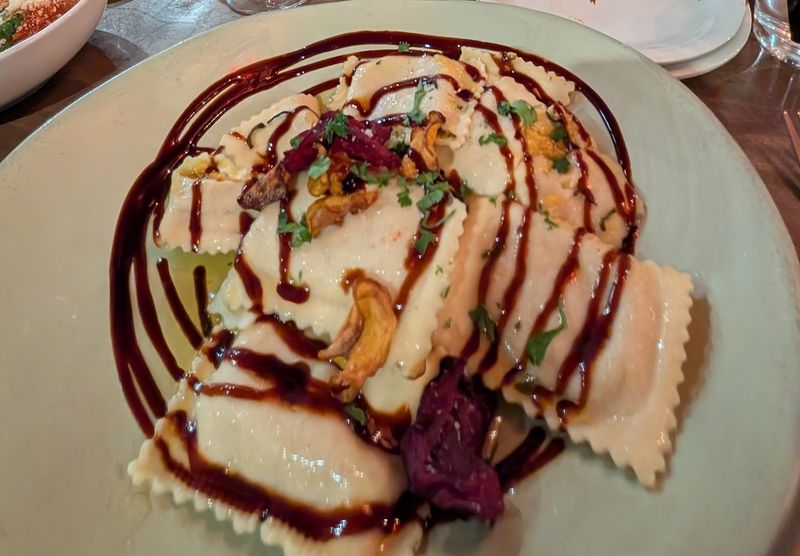
Reviews praising truffle ravioli, butternut squash ravioli, gnocchi, homemade linguine, and three cheese ravioli show that several formats are being handled with confidence.
Technique shapes the entire meal here.
Well made pasta absorbs sauce differently, holds chew without toughness, and gives fillings a cleaner frame.
Because so many Italian restaurants rely on purchased noodles, a house approach becomes more than a talking point.
In practical terms, it explains why guests return for specific dishes instead of merely general comfort food.
Ingredient Sourcing And Why It Matters
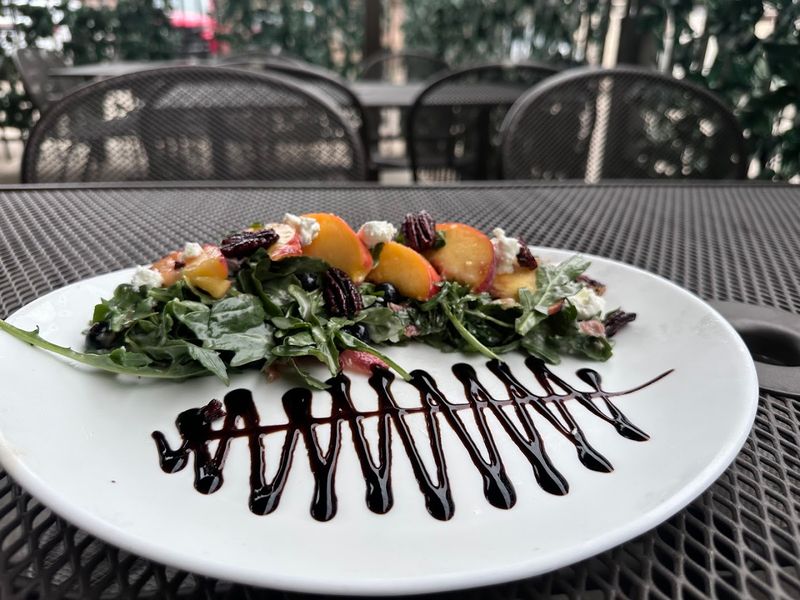
The restaurant describes its food as locally sourced, and reviews reinforce that claim with references to locally grown and raised ingredients.
In Italian cooking, sourcing matters because many dishes are structurally simple.
When sauces are short, salads are direct, and pasta is fresh, mediocre inputs become obvious almost immediately.
Several menu favorites seem to depend on that ingredient first approach.
Salads are repeatedly described as fresh, marinara earns unusual praise, and proteins such as poultry and salmon are remembered as distinct dishes rather than filler beside pasta.
Even comments about price often connect back to perceived quality, which suggests guests recognize the relationship between sourcing and cost.
There is also a philosophical angle behind the ingredient program.
Local procurement shortens distance between producer and plate, but it also encourages seasonal variation and smaller menu adjustments.
That can help a kitchen avoid the generic sameness common in broad Italian American menus.
Here, sourcing appears to support identity, not just marketing language. The food feels intended to carry a traceable origin, careful handling, and a clearer sense of place.
The Bread, Sauce, and Opening Impressions
First impressions in Italian restaurants often come before the entree arrives.
Bread service, dipping sauce, and the handling of small opening bites can set expectations for the entire meal.
At this address, homemade focaccia and marinara are mentioned so often that they function almost like a thesis statement for the kitchen.
Focaccia matters because it reveals skill with fermentation, seasoning, and texture.
Good focaccia should carry structure, olive oil richness, and enough chew to feel substantial without becoming dense.
Pairing it with a memorable tomato sauce does something equally important: it introduces the restaurant’s flavor baseline in a simple format that guests can judge immediately.
Reviewers have called the marinara magical, bought extra to take home, and singled out the bread before mentioning pasta.
That sequence says a lot.
When a restaurant makes diners remember the table bread, it suggests discipline in the components many places treat as afterthoughts. Strong opening details also create trust.
Once those basics land, more elaborate dishes arrive with a kitchen already showing its standards and consistency.
Menu Highlights That Define The Kitchen
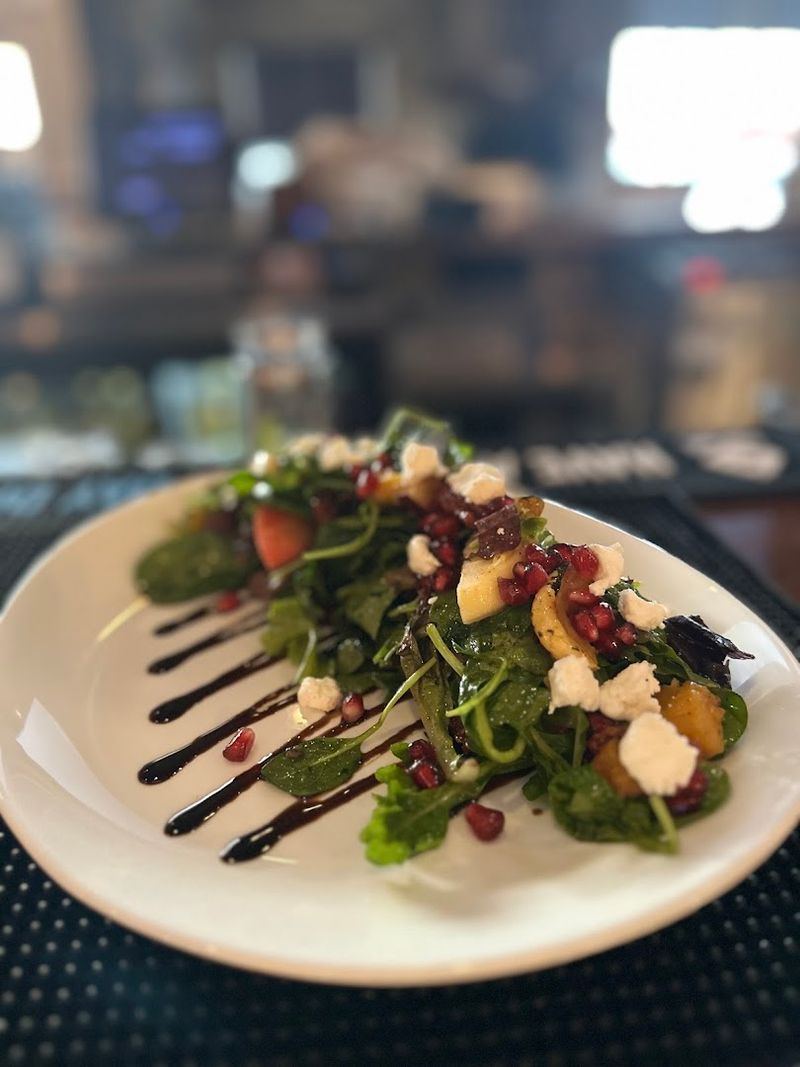
The menu seems broad enough to satisfy different diners while still maintaining a core identity.
Repeatedly praised dishes include chicken parmigiana, bolognese, truffle ravioli, three cheese ravioli, arancini, calamari, stuffed banana peppers, zucchini appetizer, and stuffed salmon.
That list suggests a kitchen comfortable moving between pasta house essentials, appetizers with crowd appeal, and a few dishes outside the strict pasta lane.
What stands out is the mix of familiarity and individuality.
Chicken parmigiana and bolognese give guests recognizable anchors, while truffle ravioli or butternut squash ravioli add a more contemporary restaurant voice.
Salmon, pizza, and diavolo preparations widen the appeal without turning the menu into an unfocused catalog.
There are occasional complaints about portion size or oil balance, which are useful context rather than disqualifying flaws.
They indicate ambition sometimes collides with expectation, especially at this price range.
Even so, the consistency of praise around specific plates shows that the strongest items have become part of the restaurant’s identity.
Diners return remembering dishes by name, not just a generally pleasant meal.
Service That Often Feels Personal
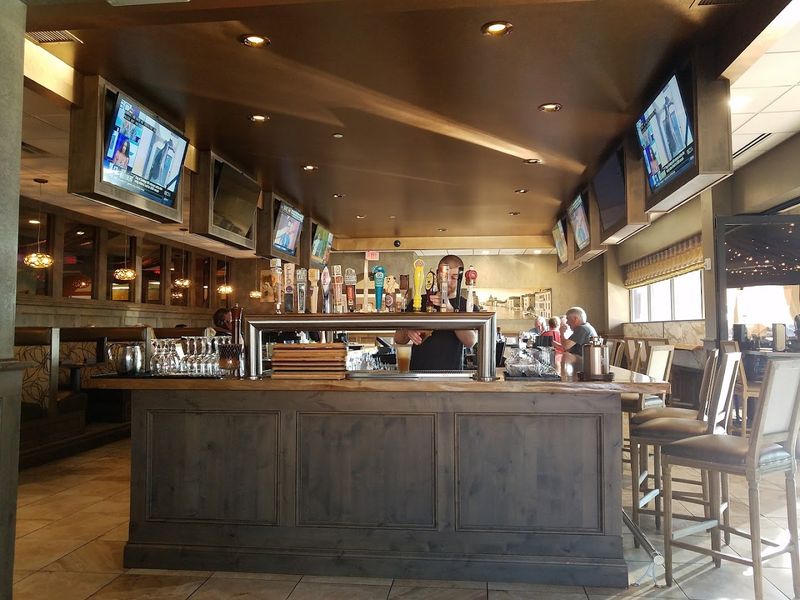
Hospitality appears to be one of the strongest reasons people come back.
Reviews often mention attentive servers, bar staff who remember preferences, and a dining room that can feel unusually conversational and welcoming.
In a restaurant built around comfort food with upscale touches, that kind of service is not secondary.
It is part of the product.
Specific names surface in customer comments, which usually means staff members left a distinct impression.
One bartender shared cocktail measurements, another server handled a large table smoothly, and several guests described accommodations for special requests.
Those details suggest a team trained to make interactions feel individualized rather than scripted.
Not every account is glowing, and that nuance matters.
A few reviews describe missed check-ins or slow pacing, especially during busy periods.
Yet even critical comments often separate service inconsistency from food quality, implying that better execution on the floor would strengthen an already appealing restaurant identity.
Overall, the dominant picture is of a place where guests often feel recognized and looked after.
That personal dimension helps explain why regulars speak about returning with confidence rather than simple habit.
Why Regulars Keep Coming Back
Loyal followings rarely form around one good plate alone.
They usually depend on a repeatable combination of food quality, atmosphere, staff familiarity, and enough menu depth to keep return visits interesting.
Evidence from customer feedback suggests that this restaurant has built exactly that kind of pattern for many diners in Mentor and the wider Lake County area.
Several reviews describe returning after previous visits, celebrating occasions there, or planning future meals around favorite dishes.
Others mention that the dining room fills up on weekends and reservations are useful, which indicates stable local demand rather than one time novelty traffic.
Repeat business also seems tied to signature comforts like ravioli, marinara, cocktails, salads, and focaccia.
Price is part of the story as well.
Some diners clearly think the menu runs high for the area, yet many still frame the experience as worthwhile because of quality, portions, ambiance, or service.
That tension can actually reveal loyalty more accurately than universal praise.
People continue coming because the restaurant offers a specific experience they do not find easily elsewhere nearby. In suburban dining, that distinction is often what builds a lasting audience.