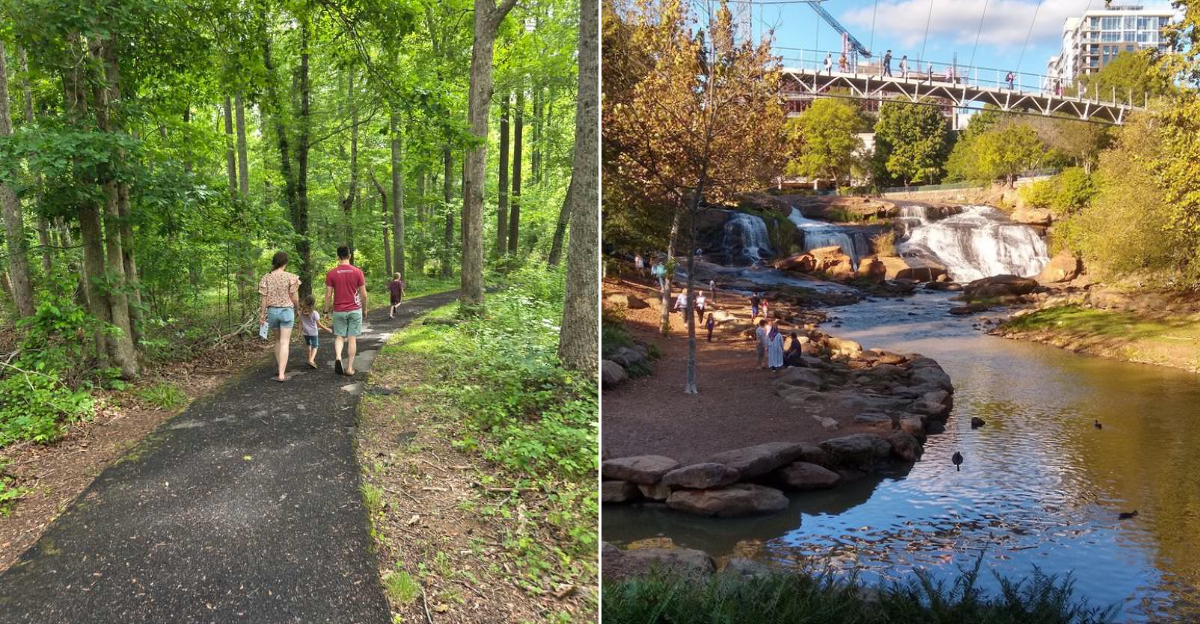
A full August day in South Carolina does not have to come with a full August bill. You can follow a shaded river walk, stand beneath an enormous live oak, or wander through a historic battlefield and come away with memories without opening your wallet.
Across South Carolina, free attractions offer an easy way to slow down and experience the state beyond its busiest tourist stops. Some places invite you outdoors into the heat and greenery, while others reveal stories of the people and events that shaped the landscape.
Each one gives a summer outing its own sense of purpose.
We spent August looking for experiences that felt genuinely worthwhile without adding another admission fee. Here are 10 free things to do in South Carolina that made our days more interesting, relaxed, and memorable—and gave us plenty of stories to take home.
Falls Park on the Reedy
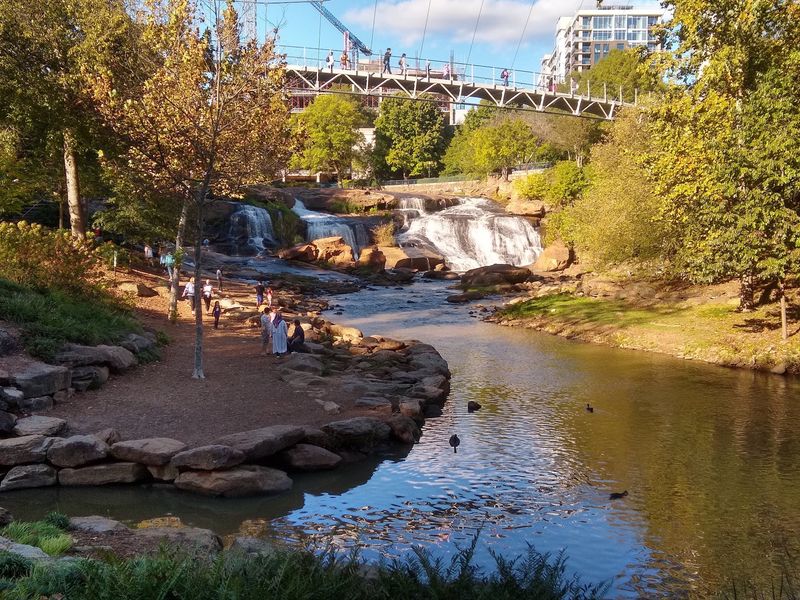
You hear the water before you fully see it, and that sound changes the mood of the whole afternoon. What looks like a busy downtown block in Greenville suddenly opens into a green space where the Reedy River tumbles over rocks and disappears under a graceful bridge.
At Falls Park on the Reedy, the star is the 345-foot Liberty Bridge, which seems to float above the falls. Standing there for a few minutes costs nothing, but it feels like one of those moments people usually plan a whole trip around.
Below, garden paths, stone overlooks, and shady benches give you plenty of ways to stretch the visit.
August works especially well here if you go later in the day, when the heat softens and the light turns golden. Bring water, wear comfortable shoes, and wander slowly instead of rushing through.
You can watch kids point at the rushing water, catch street life from Main Street nearby, and end the evening feeling like you found the prettiest corner of the city for free.
Waterfront Park
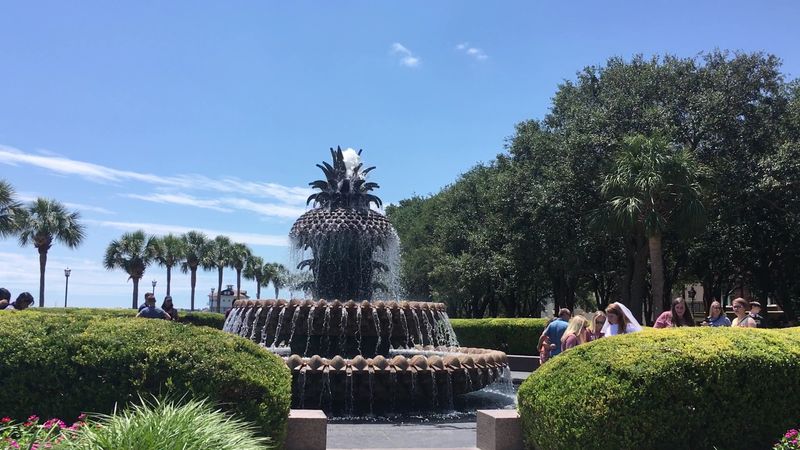
Salt air, distant boat horns, and the slow creak of harbor swings make this place feel calm right away. Even on a warm August day, the breeze near the water can turn a sticky afternoon into something lighter.
That is part of why Waterfront Park in Charleston stayed in our minds long after we left.
The paths are easy, the views are open, and there is always something to look at, from sailboats gliding across the harbor to children splashing near the famous pineapple fountain. Live oaks add shade along the way, and the long pier invites you to sit for a while instead of treating the stop like a quick photo break.
Going near sunset made the whole scene feel softer and less rushed. We brought cold drinks, found a swing, and watched the changing colors over the water while ferries and working boats passed by.
It is free, simple, and peaceful, which can be hard to find in a city that gives you plenty of reasons to spend money fast.
Angel Oak Tree

For a moment, it barely looks real. The branches spread so wide and twist so dramatically that your eyes keep searching for where the tree actually ends.
Standing under that much shade in August feels like stepping into a cooler, quieter world.
The Angel Oak Tree on Johns Island is one of those places that makes everyone lower their voice without being told. It is believed to be hundreds of years old, and its giant limbs stretch out in every direction like a wooden maze above your head.
Photos help, but they do not fully show the size, especially when you see people standing underneath for scale.
Because admission is free, it is easy to stop by without turning it into a big production. Go earlier in the day for gentler light and fewer crowds, then take your time reading the site signs and walking the viewing area.
There is no ride or flashy attraction here, just a living landmark with real presence, and somehow that makes the memory stick even more.
South Carolina State House

History can feel distant until you stand in front of a building where decisions still shape everyday life. Then the columns, grounds, and carved details start to feel less like a textbook image and more like part of a living story.
That shift is what made our visit to Columbia’s South Carolina State House surprisingly memorable.
The building itself is impressive, with its grand dome, broad steps, and monuments spread across the grounds. Official tours and self-guided options are free, which makes it easy to explore at your own pace.
We noticed the bronze star markers on the outside walls, left from Civil War damage, and that one detail gave the place an immediate sense of reality.
August is a good time to mix indoor and outdoor sightseeing, and this stop works well for exactly that reason. Spend time in the chambers and public areas, then wander the grounds and read the memorials outside.
Bring a phone for photos and a little curiosity for the stories behind the architecture. You leave with more than pictures, which is rare for a free stop.
Congaree National Park
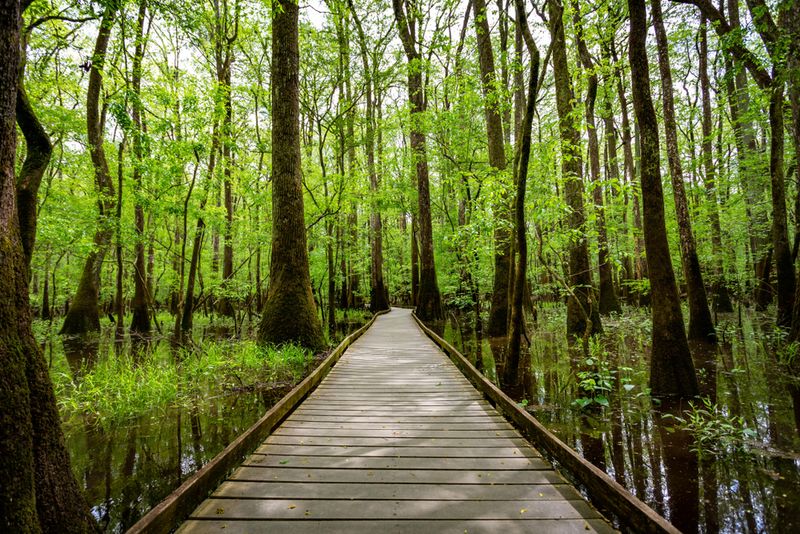
The air feels different here, thicker with moisture and full of the sounds of insects, birds, and leaves moving high above. It is the kind of place that makes you slow down without trying.
In August, that deep shade can feel like a small gift.
Congaree National Park, near Hopkins, offers a forest scene that does not look like the beaches and city streets many people expect from South Carolina. The boardwalk trails carry you through towering hardwoods and swampy ground, and every turn seems to offer another patch of wild green.
We kept stopping to look up, because the trees are so tall they make the whole place feel almost cathedral-like.
The best plan is to wear light clothes, bring bug spray, and let the walk unfold slowly. You might spot wildlife, notice the texture of the floodplain, or hear water moving near Cedar Creek.
Since there is no entrance fee, you can spend a few hours here without worrying about getting your money’s worth. The park gives you something better, which is a real sense of stepping outside ordinary time.
Cowpens National Battlefield
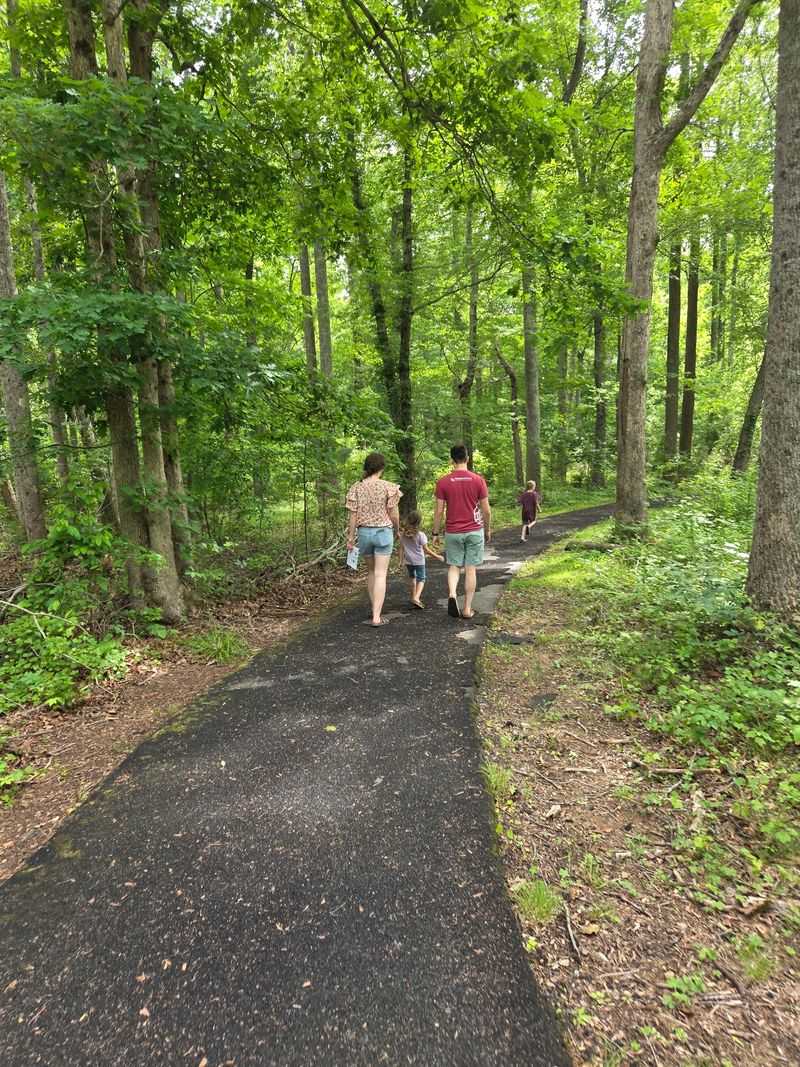
Quiet fields can hold a lot more feeling than crowded museums. At first glance, the landscape seems simple, almost ordinary, with grass, trees, and open sky.
Then you start reading the markers and realize one of the Revolutionary War’s most important battles unfolded right where you are standing.
Cowpens National Battlefield near Gaffney tells that story in a way that feels grounded and easy to follow. Walking the trails helps the history make sense, especially as you picture Daniel Morgan’s troops facing Banastre Tarleton’s forces across this same land.
The visitor information gives useful context, but the real impact comes from moving through the battlefield itself.
We liked this stop because it never felt heavy or complicated, even though the history matters. It works well in August if you go in the morning, when the air is a little cooler and the trails are more comfortable.
Bring water, take your time at the signs, and notice how peaceful the site feels now. That contrast between the calm present and the violent past is what stayed with us most.
Kings Mountain National Military Park
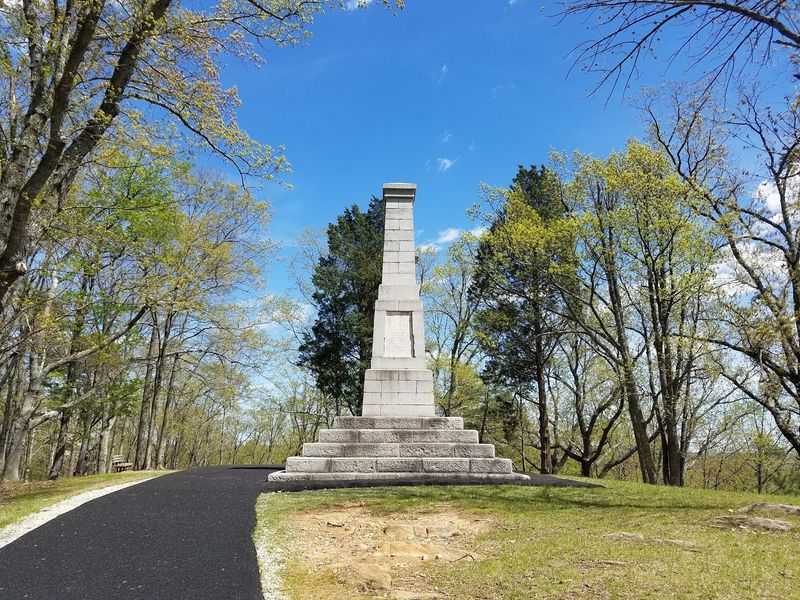
Some places make history feel close because the setting still matches the story. The wooded ridges, uneven ground, and long trail at this park do exactly that.
Instead of reading one panel and moving on, you walk through the shape of the battle itself.
Kings Mountain National Military Park near Blacksburg preserves the site of the 1780 battle that became a turning point in the Revolutionary War. The battlefield trail winds through forest, and that natural setting gives the visit a strong sense of place.
We found ourselves imagining the confusion, noise, and pressure of combat in terrain that still feels rugged enough to challenge people on foot.
It is an easy outing to enjoy for free, but it rewards attention. Wear sneakers, carry water, and pause at the monuments and markers rather than rushing to the end.
August mornings are best, especially if you want birdsong and cooler air along the path. The park may not have the flash of a major tourist stop, yet that is part of its power.
It feels thoughtful, quiet, and surprisingly vivid once you are there.
Ninety Six National Historic Site
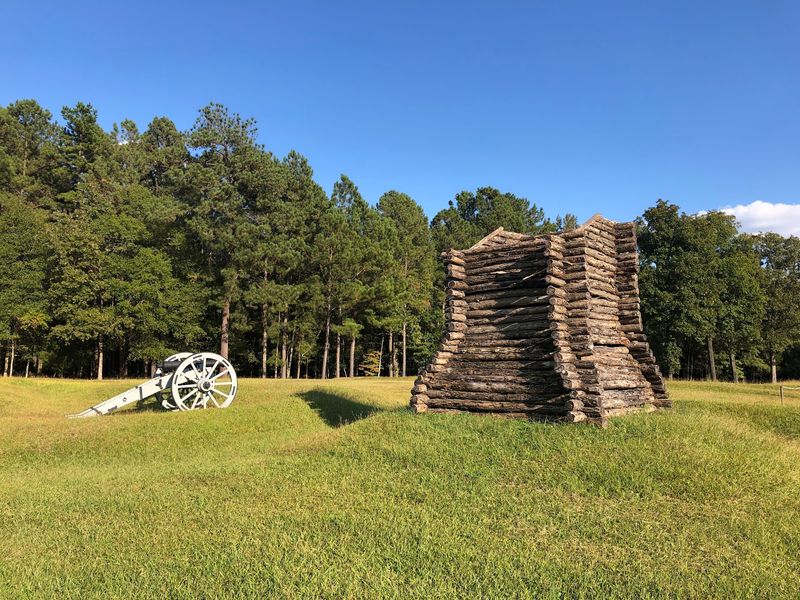
The strangest part is the name, which already makes you curious before you even arrive. Then the site opens into a broad landscape of trails, earthworks, and signs that tell a larger story than many travelers expect.
It feels part history lesson, part quiet summer walk.
Ninety Six National Historic Site preserves one of the South’s most important Revolutionary War locations, including the well-known Star Fort. Seeing the old earthworks in person adds a layer that books cannot really give you.
The paths are manageable, and the spacing between points of interest makes the visit feel relaxed instead of overwhelming.
We liked how this stop balanced open-air movement with real substance. In August, that matters, because standing still too long in the heat can drain the fun out of a day.
Here, you can walk a bit, pause at markers, and keep going when you are ready. Bring a hat, take your time with the fort area, and look across the field before leaving.
The shape of the land still tells part of the story, and that makes the visit memorable in a very human way.
Charles Pinckney National Historic Site
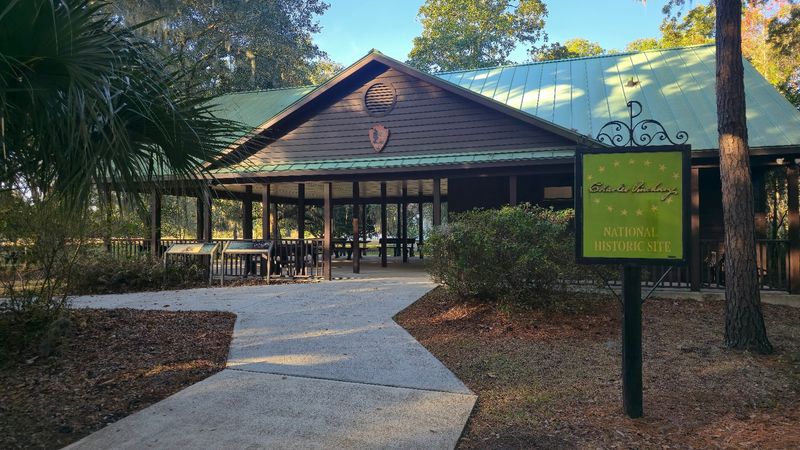
There is something refreshing about finding a Lowcountry stop that feels unhurried. No loud crowds, no packed sidewalks, just open grounds, marsh views, and enough history to keep your mind busy.
After a hectic day around Charleston, that calmer pace felt exactly right.
Charles Pinckney National Historic Site in Mount Pleasant sits on land tied to one of the country’s early founders and gives visitors a chance to explore without an admission fee. Inside, exhibits offer background on Pinckney, politics, and plantation life.
Outside, the trails and landscape provide a quieter way to take in the setting, with birdsong and marsh grasses doing some of the storytelling.
We found it especially worthwhile because it did not demand a huge block of time. You can read a bit, walk a bit, and leave with a fuller picture of the area beyond Charleston’s most photographed streets.
August visits are easier if you go early and bring bug spray for the outdoor sections. The site feels thoughtful rather than flashy, and that gives it an honesty that lingered with us long after the visit ended.
Saluda Riverwalk
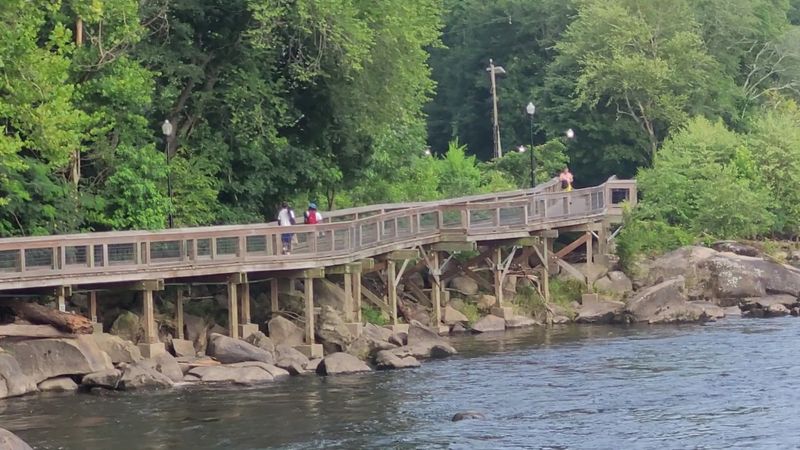
Running water has a way of clearing out mental clutter. Add a tree-lined path, a few wooden boardwalk sections, and the chance of spotting a heron near the shore, and a regular walk starts feeling like a real outing.
That is exactly what happened for us along Columbia’s Saluda Riverwalk.
The trail follows the Lower Saluda State Scenic River and offers much more personality than an average city path. Some stretches feel peaceful and tucked away, while others open up to broader river views and traces of old canal history.
We kept stopping to watch the current and scan the edges for birds, especially ospreys and great blue herons.
August is best handled with an early start or an evening walk, when the heat is less intense and the light on the water is prettier. Bring a bottle of water and move at a relaxed pace rather than treating it like a workout.
Because access is free, there is no pressure to cover every mile. You can simply enjoy the river, the breeze, and the feeling that you found a pocket of nature right next to the city.