Georgia hides some amazing places where airplanes, pilots, and big moments in history come alive right in front of you.
A good aviation museum does more than show old machines, it helps families picture brave flights, smart inventions, and the people who changed travel and war forever.
From giant cargo planes to restored warbirds and hands-on exhibits, these museums make learning feel like an adventure instead of a school lesson.
If you have ever looked up at a plane and wondered where it came from, how it flies, or who sat in the cockpit, this guide will point you toward ten memorable stops across the state, each with its own mood, stories, and surprises, so your next weekend trip can feel bigger, louder, and far more exciting than you expected when you first pulled into the parking lot with your family or friends beside you on a bright Saturday afternoon.
1. Museum of Aviation – Warner Robins
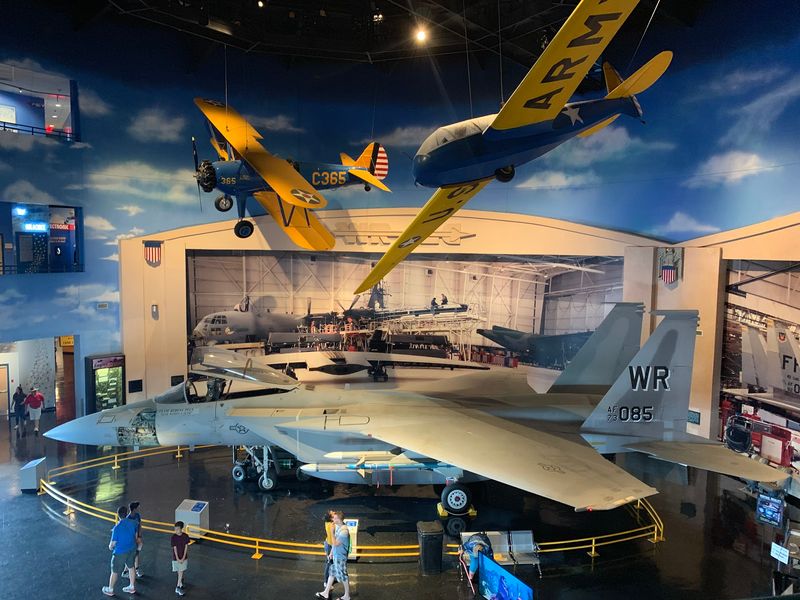
Step inside and the size of the aircraft quickly changes your mood.
Warner Robins is home to the Museum of Aviation, one of the largest aviation museums in the United States, and it feels built for big reactions.
Four huge exhibit buildings hold military planes, cockpits, engines, medals, and stories from many eras.
Kids often race toward the massive bombers first, while adults slow down near the history displays and memorial spaces.
That mix works well because the museum balances excitement with respect for the people who flew, repaired, and depended on these machines.
The grounds are spacious, so comfortable shoes and a phone camera are smart choices.
One strong reason to visit is variety.
You can compare sleek jets with older propeller aircraft, then move into exhibits about the Tuskegee Airmen, space exploration, and Georgia’s Air Force ties.
Many displays explain technology in clear language, which helps younger visitors stay interested.
Plan extra time for the outdoor aircraft park and gift shop.
Admission is free, which makes this stop especially appealing for families watching costs.
By the time you leave, the visit feels like discovery, pride, and wonder combined.
2. Delta Flight Museum – Atlanta
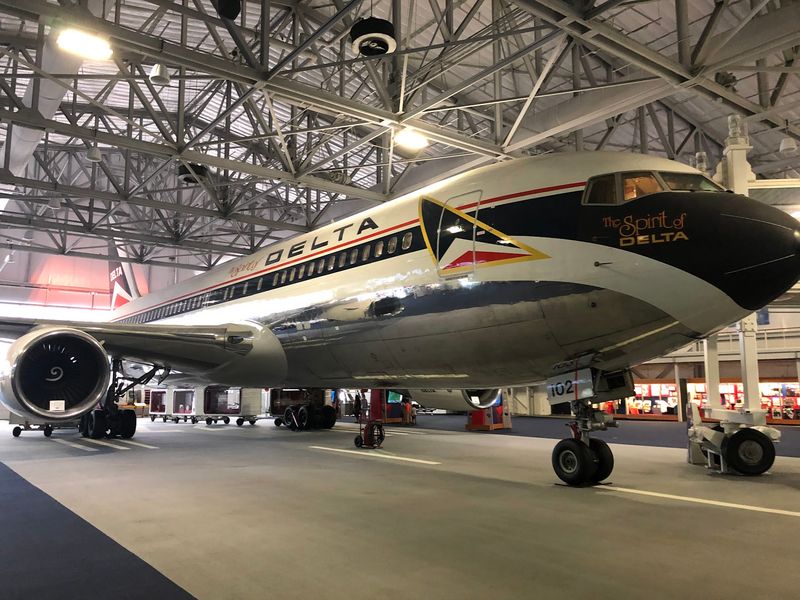
A polished silver nose and classic airline signs set the tone fast.
At the Delta Flight Museum in Atlanta, near Hartsfield-Jackson, civil aviation takes center stage instead of combat history.
That shift gives the museum a different energy, one focused on passenger travel, company innovation, and the romance of flight.
Old uniforms, ticket counters, and cabin displays make it easy to imagine a family trip from decades ago.
Then the huge aircraft arrive, including beautifully restored planes that show how air travel grew bigger, faster, and more comfortable over time.
The hangar setting adds extra atmosphere because you are surrounded by real aviation spaces.
One crowd favorite is the chance to see the famous Boeing 747 spirit up close.
Flight simulators and interactive exhibits keep younger visitors busy while adults soak in the design changes between airline eras.
If you enjoy photography, the curves, windows, and polished metal give you plenty to work with.
Try visiting on a weekday morning for a calmer pace.
The museum sits in Atlanta, so it pairs nicely with other city plans.
Later airport travel feels richer once you better know the stories behind it.
3. National Museum of the Mighty Eighth Air Force – Pooler
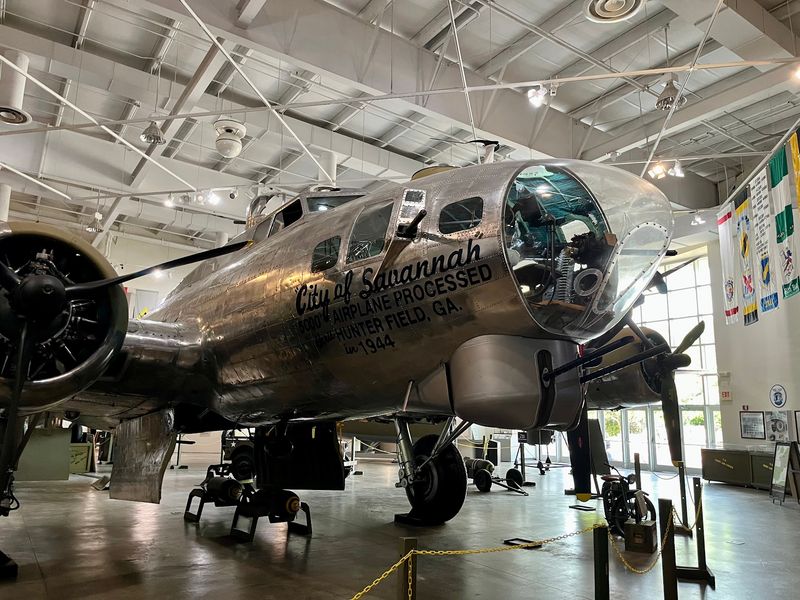
The first few minutes here feel quiet, then deeply moving.
In Pooler, the National Museum of the Mighty Eighth Air Force tells the story of the Eighth Air Force in World War II through aircraft, artifacts, letters, and powerful memorial spaces.
History feels personal because the museum focuses on courage, loss, and service, not just machines.
A restored B-17 often grabs attention right away.
Nearby exhibits explain bombing missions, crew life, prisoner of war experiences, and the huge risks airmen faced over Europe.
Even visitors who usually rush through museums tend to slow down and read more here.
One reason the experience stays with people is the thoughtful layout.
You move from broad war history into intimate details like uniforms, photographs, and handwritten notes that reveal the human side of aviation.
That balance helps younger visitors understand that airplanes are only part of the story.
Allow time for the chapel and memorial areas.
Those spaces add reflection and remind families that freedom carried a real price.
Pooler is close to Savannah, and the museum rewards a full visit because its stories stay with you long after you leave that day.
4. Aviation History & Technology Center – Marietta
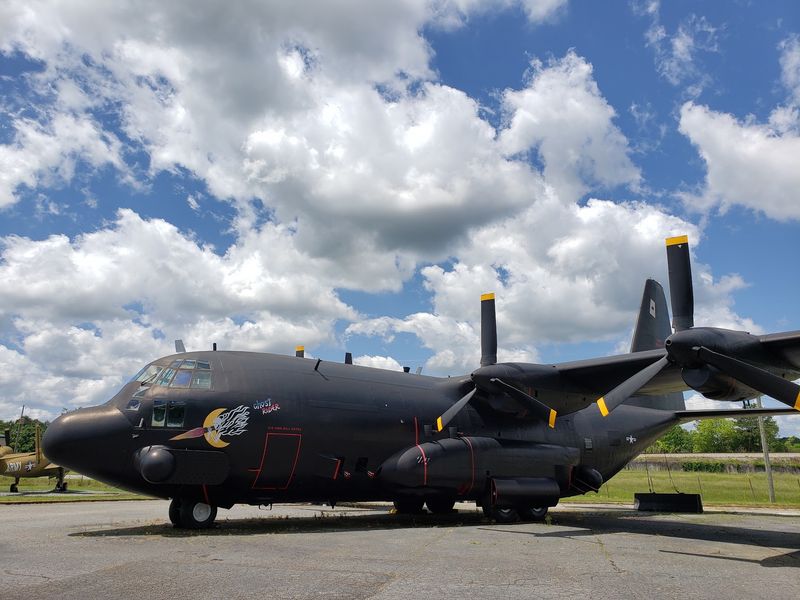
Not every memorable museum hides in a giant complex.
Marietta’s Aviation History and Technology Center, operated by the Aviation Wing, feels more like a passionate local treasure where volunteers keep stories flying.
That smaller scale can be a real advantage because you often get closer to exhibits and better conversations.
The center highlights aviation progress with displays on aircraft parts, instruments, engines, models, and the people who built and flew them.
Visitors who like hands-on learning often enjoy seeing how technology changed piece by piece rather than all at once.
Questions are welcome, and that friendly atmosphere makes first-time museum goers feel comfortable.
Location matters here too.
Marietta has deep aviation ties, so the museum connects nicely with the city’s broader history and nearby airfields.
Instead of overwhelming you, it offers a focused experience that rewards curiosity and careful looking.
Bring a young builder or science-loving student if you can.
The exhibits show that flight is not magic, but teamwork, math, design, and steady testing.
When you walk out, the biggest takeaway is often simple and inspiring, people in ordinary places can help create extraordinary things in the sky above.
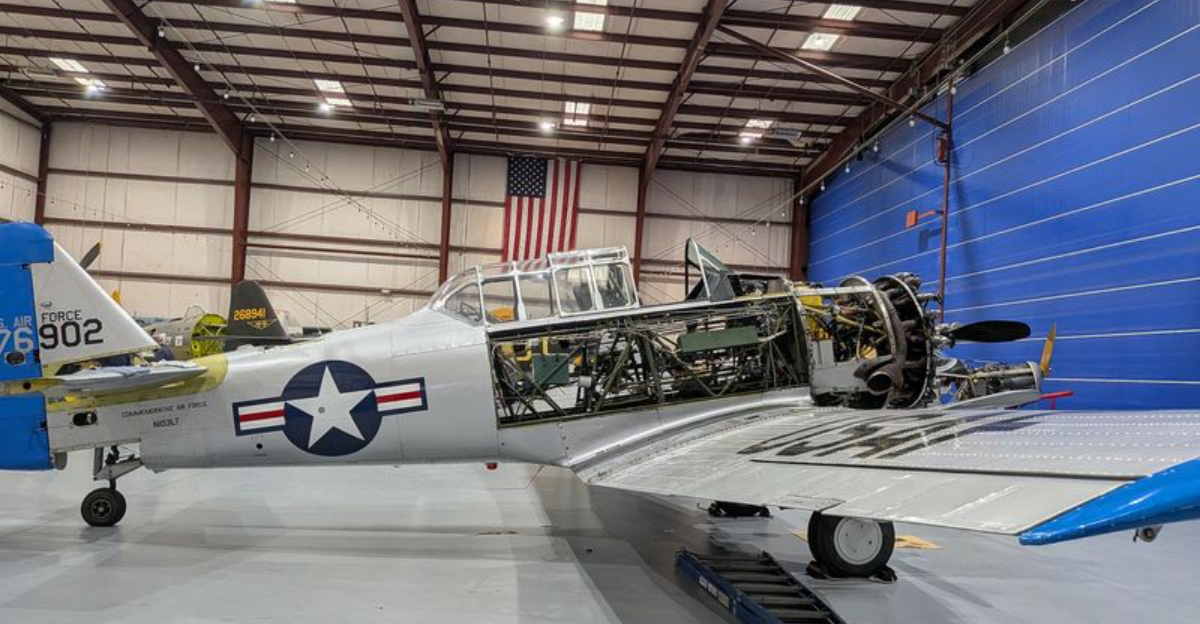
5. Commemorative Air Force Airbase Georgia – Peachtree City
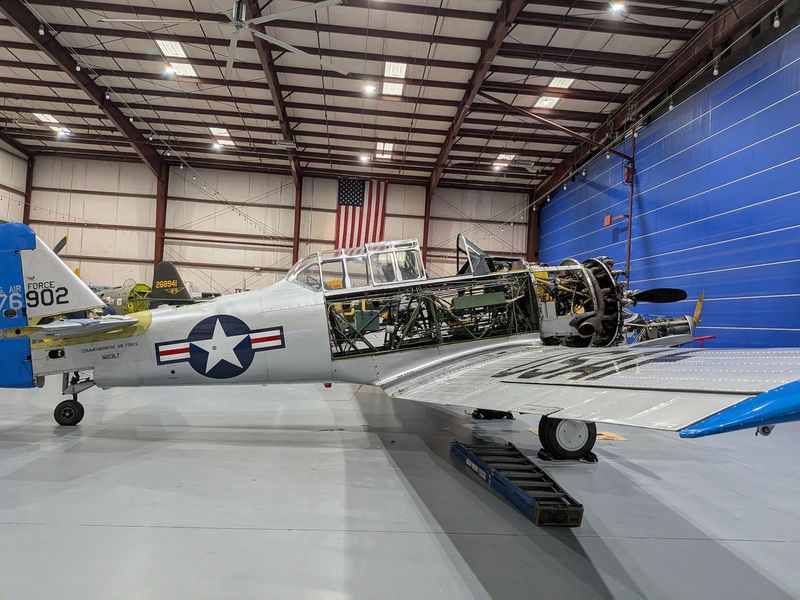
The sound of a radial engine can make your chest vibrate.
At Commemorative Air Force Airbase Georgia in Peachtree City, history is not parked quietly behind glass for long.
This place is known for restored World War II aircraft, working hangars, and special events where vintage planes may actually fly.
That living-history feeling changes everything.
Instead of only reading labels, you may watch volunteers maintain warbirds, hear stories about restoration, and sense how much labor goes into keeping aviation history alive.
The museum often feels part workshop, part time machine, and part community clubhouse.
Families who visit during an event usually get the richest experience.
Flight demonstrations, reenactors, and open hangar days can turn an ordinary afternoon into something loud, colorful, and unforgettable.
Check the schedule before driving over, because timing matters here more than at many museums.
Peachtree City adds another pleasant layer with its relaxed setting and easy day-trip mood.
Ask questions when staff or volunteers are available, since they often share details you would never learn from a sign.
Soon, the planes stop feeling old and start feeling like witnesses preserved by deeply committed people, still flying.
6. Museum of Flight – Dallas
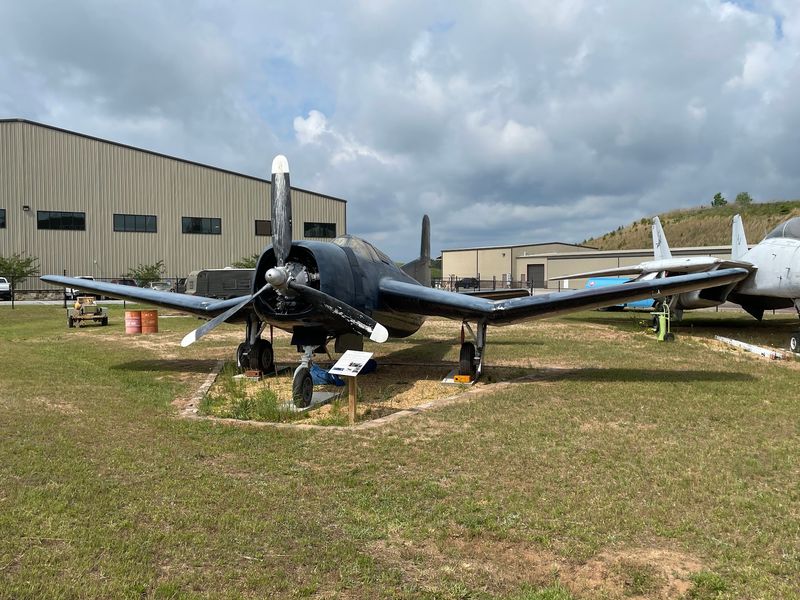
Blink and you might miss it, but that would be a mistake.
The Museum of Flight in Dallas, Georgia, offers a more intimate look at aviation, which can feel refreshing after larger museums with endless halls.
Smaller spaces sometimes create better surprises because exhibits sit closer, and conversations feel more personal.
Visitors often enjoy the easy pace.
You can take your time studying memorabilia, model aircraft, engines, and local aviation pieces without feeling pushed along by crowds.
That makes it a nice choice for families with younger kids or grandparents who prefer a quieter outing.
Dallas is west of Atlanta, so the museum works well for a relaxed road trip.
It may not overwhelm you with giant buildings, but it can still spark real curiosity about how aviation touched everyday communities.
Local museums like this often reveal stories bigger places skip.
Check hours before you go, since community-based museums can have limited schedules.
Pair the visit with lunch in town and treat it like a slow afternoon adventure.
Sometimes the unforgettable stop is the place that feels welcoming enough to make you linger, ask questions, and notice more than expected.
7. World War II Flight Training Museum – Douglas
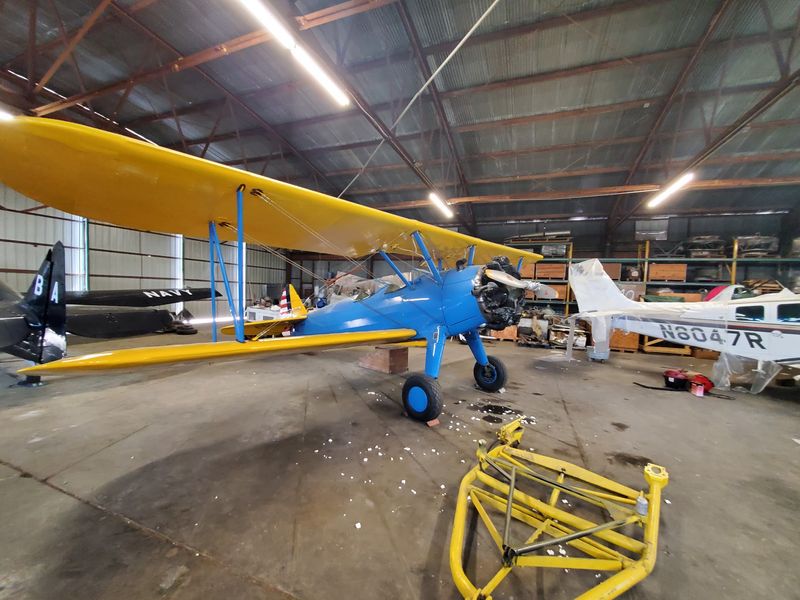
A quiet airfield can hold louder stories than you expect.
The World War II Flight Training Museum in Douglas stands on the former Douglas Army Airfield, where cadets once trained for wartime service.
That setting gives the visit unusual power because the history happened right there, not somewhere far away.
Original buildings and preserved spaces help visitors picture daily life during the 1940s.
Instead of seeing only objects in cases, you get a stronger sense of routines, pressure, and preparation before young pilots left for combat.
The museum explains how Georgia played a major role in training airmen.
Douglas is in South Georgia, so the trip can feel like discovering a chapter many travelers miss.
A camera helps here, especially if you enjoy historic architecture as much as aircraft stories.
The atmosphere is calmer than some larger museums, which gives reflective visitors room to absorb details.
Read the signs carefully and ask about the base history if staff are around.
Their local knowledge can connect names, buildings, and events in memorable ways.
Because the museum stands where history unfolded, the wind across the field seems to carry urgency and hope.
8. Army Aviation Heritage Foundation & Flying Museum – Hampton
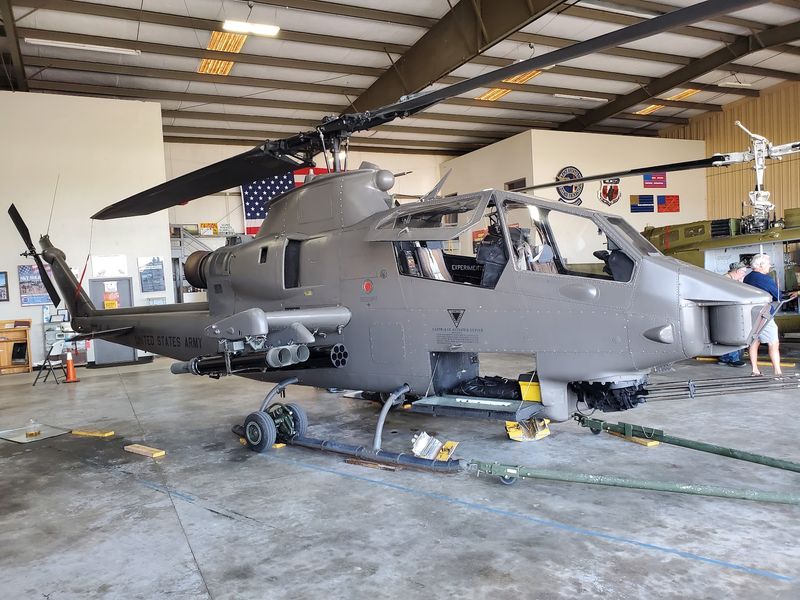
Few museum visits offer the chance to hear helicopter blades chopping the air nearby.
The Army Aviation Heritage Foundation and Flying Museum in Hampton focuses on Army aircraft and the soldiers connected to them.
That creates a hands-on, action-centered visit with a very different feel from a traditional quiet gallery.
Helicopters are the stars here, and they leave a strong impression.
Seeing restored Army aircraft up close helps visitors understand size, function, and the rough conditions many crews faced in service.
Special events and ride opportunities, when available, can turn curiosity into pure excitement.
Hampton sits south of Atlanta, making this an easy day trip for many families.
Check the calendar before you go because flight days, open cockpit moments, and event schedules can shape the whole experience.
Comfortable clothing and sunscreen are smart if you expect outdoor time around the aircraft.
The museum also does a good job honoring veterans and preserving their stories.
Children who like action often connect quickly with helicopters, while older visitors may appreciate the deeper military history.
You leave with more than photos, because sound, scale, and stories make Army aviation feel real nearby.
9. Aviation Wing of the Marietta Museum of History – Marietta

Right in downtown Marietta, local history suddenly lifts off the ground.
The Aviation Wing of the Marietta Museum of History gives visitors a focused look at the city’s strong connection to flight, industry, and aircraft production.
Because it sits within a broader history setting, the experience feels rooted in community life, not separated from it.
One of the most interesting parts is how the museum ties aviation to workers, families, and local change.
You begin to see airplanes not only as machines, but as forces that shaped jobs, neighborhoods, and Marietta’s identity across generations.
That local angle can surprise visitors who expected only technical displays.
The location makes planning easy.
You can explore Marietta Square, grab a meal, and then step into exhibits that explain why aviation mattered so much here.
For students, it is a useful reminder that major history often grows inside familiar towns.
Take time with the photos and manufacturing stories.
They help connect Georgia’s aviation past to real people with ordinary lives and specialized skills.
Back outside, the streets may feel different because you now know they stood beside a remarkable chapter of American flight history.
10. Fort Stewart Museum Aviation Exhibit – Hinesville
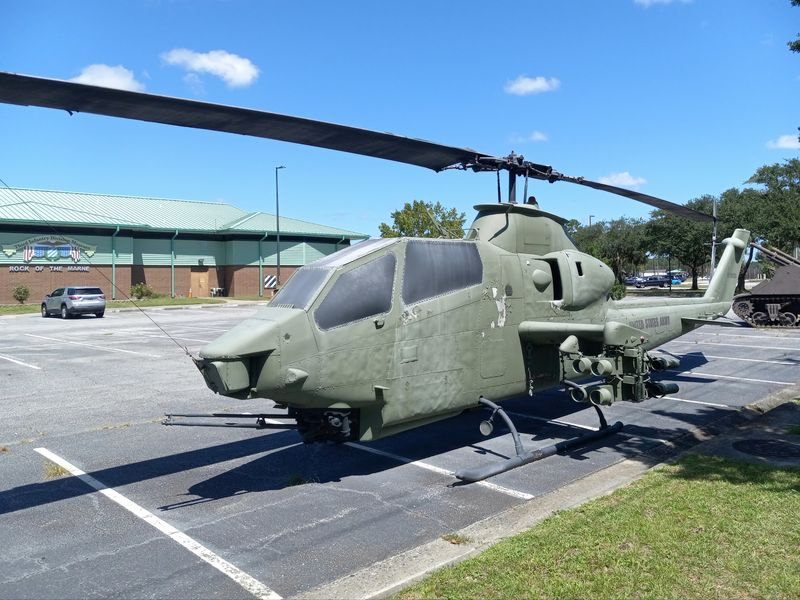
Some museum gems feel like bonus discoveries, and this is one of them.
The Fort Stewart Museum Aviation Exhibit in Hinesville adds an aviation layer to a place better known for Army history and military life.
That combination makes the stop interesting for visitors who want a wider picture of how air and ground forces connect.
Aircraft displays here help break up the story in a useful way.
Instead of learning about one branch in isolation, families can see how aviation supports training, transport, reconnaissance, and battlefield operations.
The result is a broader understanding of military teamwork.
Hinesville is near Fort Stewart, so the setting naturally adds context.
Even a modest aviation exhibit can feel more vivid when it stands close to an active military community with long service traditions.
Pay attention to signs and exhibit notes, because they often reveal practical details that younger visitors remember well.
This stop works especially well for readers building a multi-museum Georgia trip.
It may be smaller than major aviation museums, but smaller does not mean forgettable.
A short visit can still change your view by showing aviation as part of a mission.