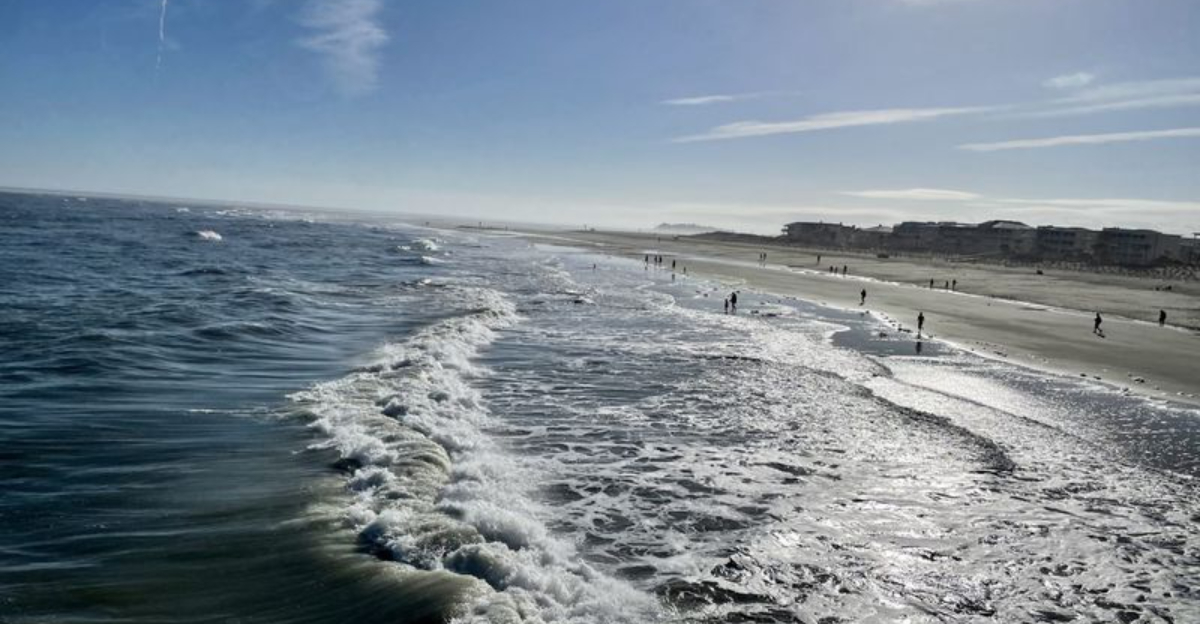
A beach can feel peaceful enough to forget the power of the ocean. The sound of waves, warm sand beneath your feet, and a wide coastal view create the perfect escape—but tides, currents, and changing conditions can quickly reveal a different side of the shoreline.
Georgia beaches offer some of the most unique coastal scenery in the Southeast, from windswept barrier islands to expansive Atlantic beaches shaped by nature. While these destinations are beautiful places to explore, they also come with conditions that deserve respect and awareness.
Understanding the character of each beach helps visitors enjoy the coast with more confidence. The shifting sands, strong tides, and natural rhythms of Georgia’s shoreline tell stories that go beyond the view.
Discover 12 Georgia beaches that taught us why the ocean should always be admired, respected, and never underestimated.
North Beach
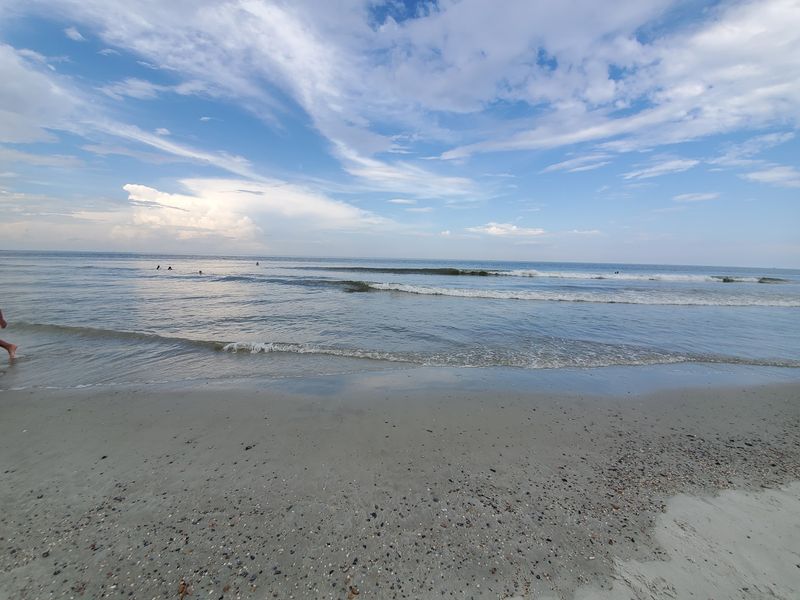
The water here can fool you with its clean horizon and breezy charm. One minute the shoreline feels friendly, and the next, the current starts tugging sideways with real force.
That uneasy shift is part of what makes North Beach on Tybee Island so memorable.
Set near the Savannah River entrance, this stretch deals with strong tidal movement and changing sandbars. The Tybee Island Light Station rises nearby, giving the whole area a dramatic look, but the surf is not just scenery.
Swimmers need to stay alert, especially when the tide is moving fast.
After a walk, many visitors grab crab cakes or shrimp nearby and watch ships pass offshore. It is a beautiful place for beachcombing and photos, but it teaches a clear lesson.
Calm-looking water can still be powerful, and a smart beach day starts with paying attention.
Mid Beach
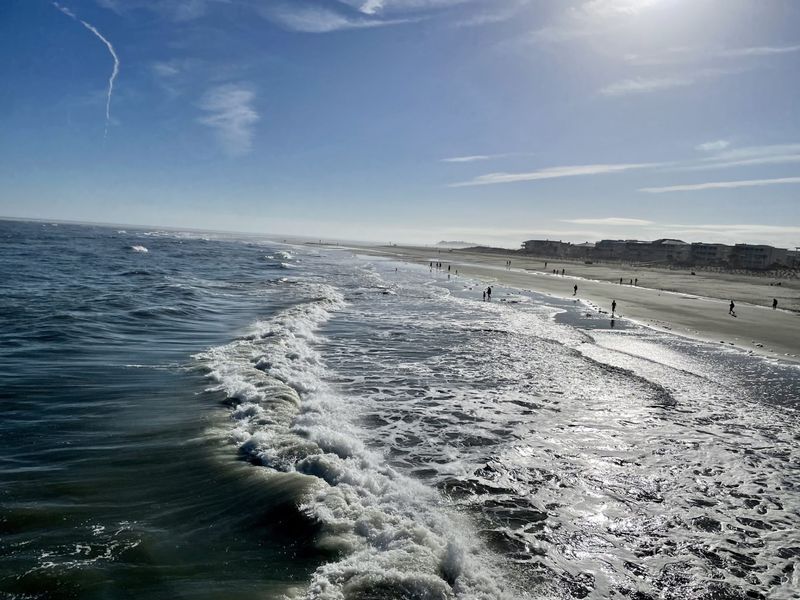
At first glance, everything about this shore seems easygoing. The sand is broad, the surf often looks softer than expected, and the whole scene can make people let their guard down.
That is exactly why Mid Beach on Tybee Island leaves such a strong impression.
Even when the water appears calm, rougher surf can build rip currents that are hard to spot from shore. There may be no dramatic warning in the sound or color of the waves.
A beach chair, a paperback, and a cooler full of cold drinks can make the day feel simple, yet the ocean keeps writing its own rules.
Walking here at sunset is a treat, especially when the sky turns peach and gold over the Atlantic. Still, smart visitors check flags, avoid swimming alone, and keep kids close.
Mid Beach proves that quiet beaches can carry hidden strength, and that respect belongs on every packing list.
South Beach
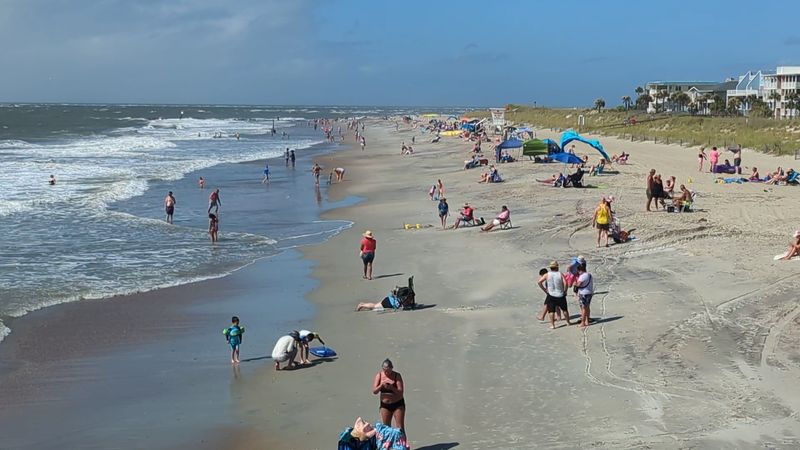
Laughter from the pier, the smell of sunscreen, and the sound of arcade fun can make this part of Tybee feel almost playful. Then you notice how the water shifts around the pilings, darker and deeper in spots, and the mood changes.
South Beach has a way of mixing fun with a quiet warning.
Near the Tybee Beach Pier and Pavilion, currents can move in surprising directions. Pier structures affect the water, and longshore currents can pull people farther than they expect.
It is a great place to watch anglers cast lines, snack on fried shrimp, and enjoy the busiest part of the island, but swimmers need extra care.
The beach works best when people stay aware of where they enter the water and how the tide is moving. Early morning walks are calmer, and the view from the sand toward the pier is classic Georgia coast.
South Beach teaches that popular places still deserve serious attention.
Back River Beach
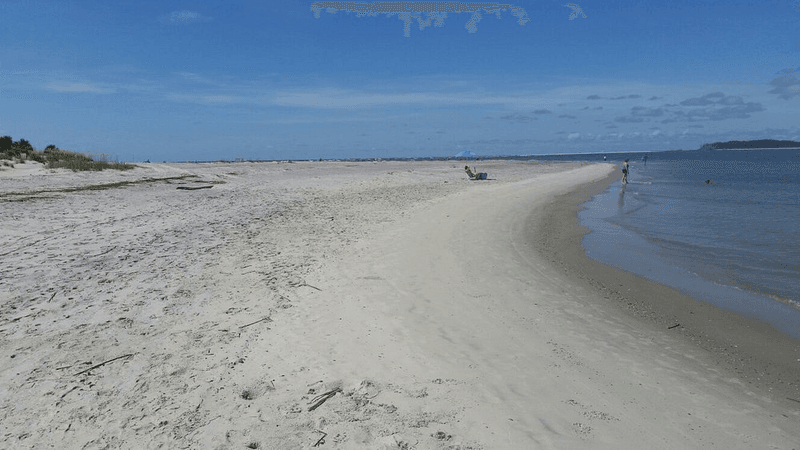
Sunset can make this place feel almost sleepy, with soft light over the water and a slower pace than Tybee’s busier oceanfront spots. People come for peaceful views, shell hunting, and the chance to watch dolphins surface near shore.
Yet Back River Beach carries some of the strongest reminders that moving water should never be taken lightly.
Where the Back River meets nearby waterways, tidal currents can build quickly. The water may look smoother than the open Atlantic, but its pull is serious, especially as tides change.
Kayaks, anchored boats, and the orange glow of evening make the scene beautiful, though not harmless.
Many visitors bring takeout seafood and settle in for one of the best sunset views on the island. That calm setting can be misleading if children wander too far or swimmers step into deeper channels.
Back River Beach shows that quiet water is not the same thing as safe water.
East Beach
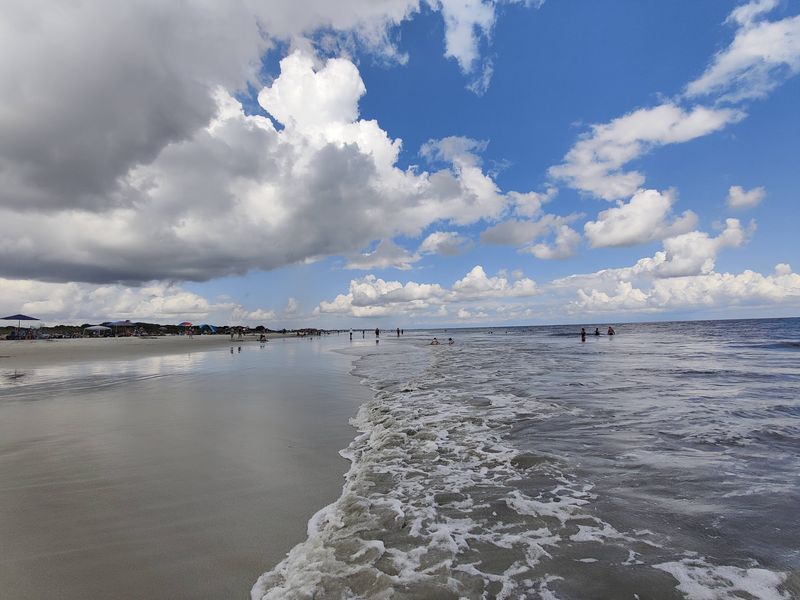
Some beaches make their point with noise, but this one does it with space. The shore seems to stretch forever, and at low tide the sand opens wide enough to make the ocean feel far away.
On East Beach at St. Simons Island, that distance can create a false sense of control.
Rip currents and shifting sandbars shape this open Atlantic shoreline. One area may feel shallow and easy, while a nearby section changes suddenly underfoot.
Families often love the broad beach for bike rides, long walks, and views of seabirds skimming the waves, yet the moving bottom is part of the story here.
Nearby spots for iced coffee or a fresh fish sandwich make it easy to turn a beach stop into a full afternoon. Still, the best plan is to watch conditions before stepping in.
East Beach teaches that a beautiful, open shore is never standing still, even when it seems completely calm.
Coast Guard Station Beach
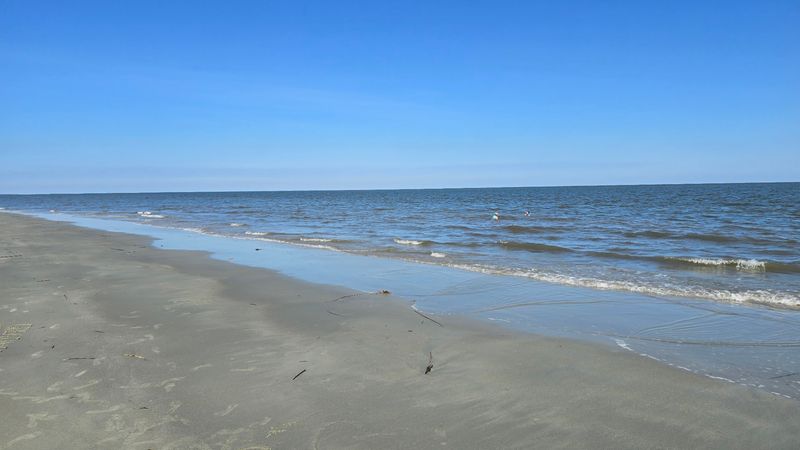
A beach beside a Coast Guard station almost feels like a reminder before you even touch the sand. There is beauty here, of course, but also a sense that the sea deserves rules and respect.
That feeling fits Coast Guard Station Beach on St. Simons Island perfectly.
Close to St. Simons Sound, tidal currents can move with more strength than many visitors expect. The shoreline invites long walks, and the nearby maritime setting adds character, especially when gulls circle overhead and boats cut across the distant water.
Still, the current can be more serious than the calm view suggests.
Many people come here to enjoy the historic feel of the area and the quieter stretch of coast. It is a rewarding spot for watching the tide change and noticing how fast the water can redraw the edge of the beach.
Coast Guard Station Beach teaches a simple lesson: pay attention early, not after conditions turn tricky.
Massengale Park Beach
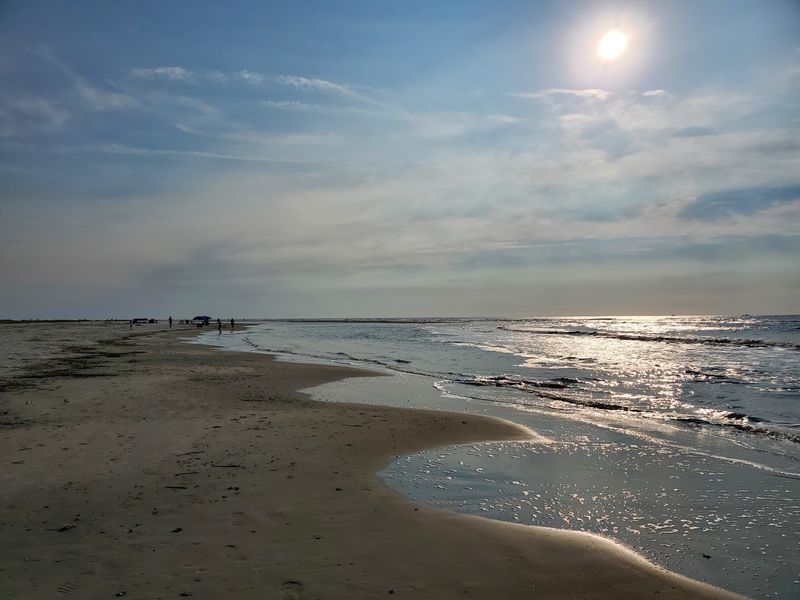
There is something cheerful about arriving through a park before seeing the water. Picnic tables, open grass, and the easy sound of families at play can make the beach feel especially welcoming.
Massengale Park Beach on St. Simons Island proves that friendly surroundings do not always mean simple ocean conditions.
Along this part of the shoreline, tides and nearby channels can change the water faster than first-time visitors expect. What starts as a relaxed wade can become uncertain when currents build or the edge drops off.
The beach itself is lovely for kite flying, shell collecting, and taking a quiet walk after lunch.
Because the setting feels so comfortable, it helps to stay more aware, not less. Watching the tide line, keeping younger swimmers close, and choosing shallow areas wisely can shape a much better day.
Massengale Park Beach leaves visitors with a useful memory: the ocean does not care how calm the park behind it may seem.
Driftwood Beach
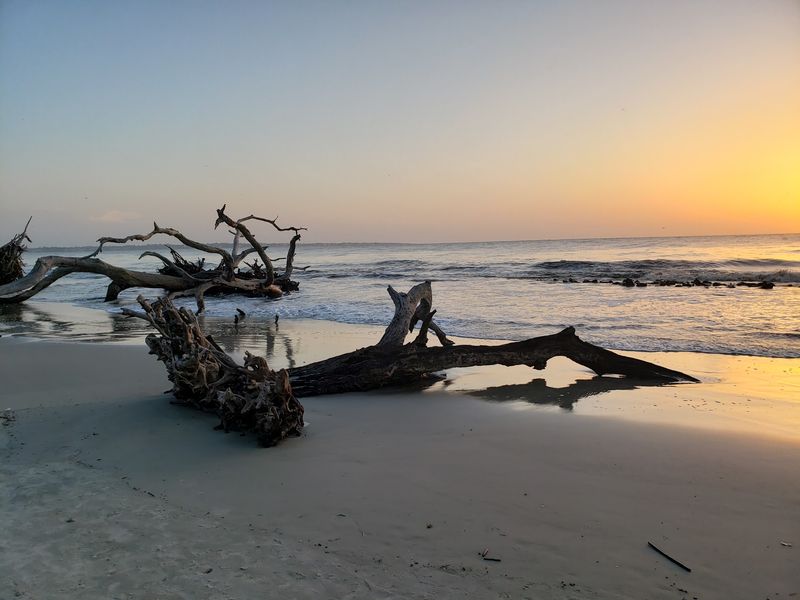
It looks like a dream at first, all twisted trees and pale driftwood reaching across the sand like sculpture. Cameras love this beach, and so do people who want something unforgettable.
Driftwood Beach on Jekyll Island delivers that feeling, but it also asks visitors to watch every step and every tide.
Strong tidal currents move through this area, and the famous driftwood can hide slippery surfaces or uneven ground. At higher water, some of those striking logs become obstacles rather than scenery.
Sunrise is especially beautiful here, with soft light catching the weathered wood, yet the same beauty can distract people from changing conditions.
Good shoes matter more here than at many beaches, especially for anyone exploring around the roots and fallen trunks. It is one of Georgia’s most photographed shorelines for a reason, but the lesson stays clear.
Driftwood Beach shows how wild beauty and real danger can stand in the exact same frame.
Oceanview Beach Park
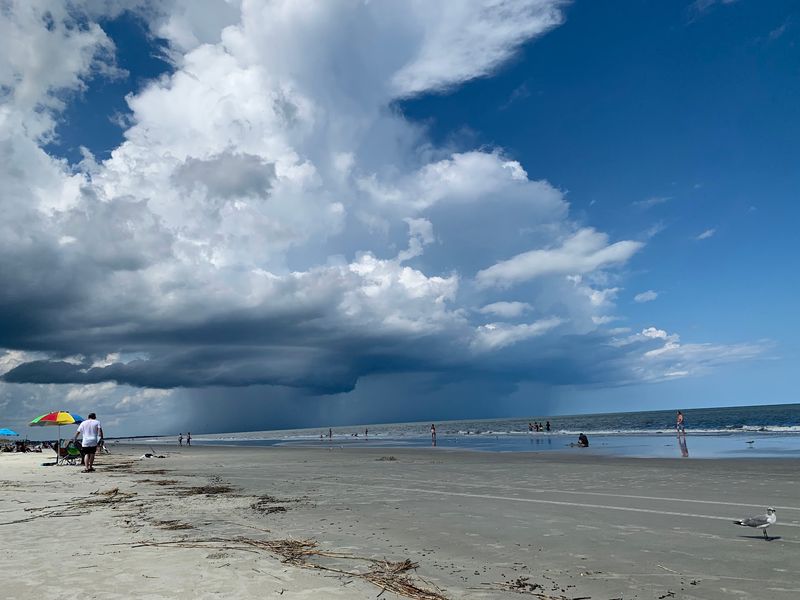
The horizon feels big here, almost oversized, and the wind often gives the day a sharper edge. Even before touching the water, you can sense that this beach faces the Atlantic with very little in the way.
Oceanview Beach Park on Jekyll Island wears that openness proudly, but it also comes with stronger waves and changing currents.
Because the shoreline is exposed, the surf can feel more energetic than sheltered spots nearby. A stroll along the sand is lovely, especially with sea oats moving in the breeze, yet swimmers should think carefully before going far out.
The ocean here can switch from inviting to forceful in a short time.
It is a favorite kind of place for people who like long views, moving water, and a beach that feels a bit wilder. Packing snacks and staying to watch the light change can be more rewarding than rushing into the surf.
Oceanview teaches that open water deserves slower, smarter decisions.
St. Andrews Beach
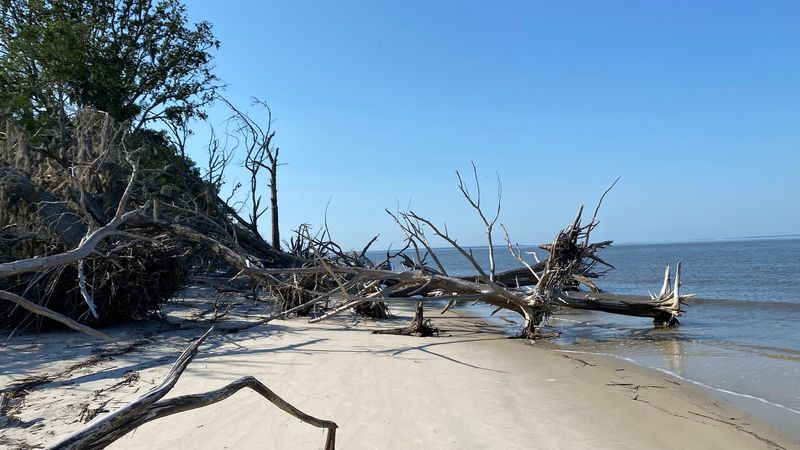
Some places feel watchful, almost as if the land itself knows the water is in charge. Birds gather, tide lines shift, and the whole scene seems to move with quiet purpose.
St. Andrews Beach on Jekyll Island has that mood, and it makes sense once you learn how powerful the nearby sound can be.
Close to St. Andrews Sound, tidal currents here are no small detail. They shape the water, the shoreline, and the way visitors should experience the beach.
It is a wonderful spot for seeing dolphins, watching shorebirds, and taking in one of the island’s most interesting views, but it is better respected than rushed.
People often come for the natural setting more than swimming, and that is part of its charm. The beauty feels less polished and more alive.
Staying back from stronger moving water and treating the tide as the main event makes the visit smarter. St. Andrews Beach teaches patience, observation, and healthy caution.
Glory Beach
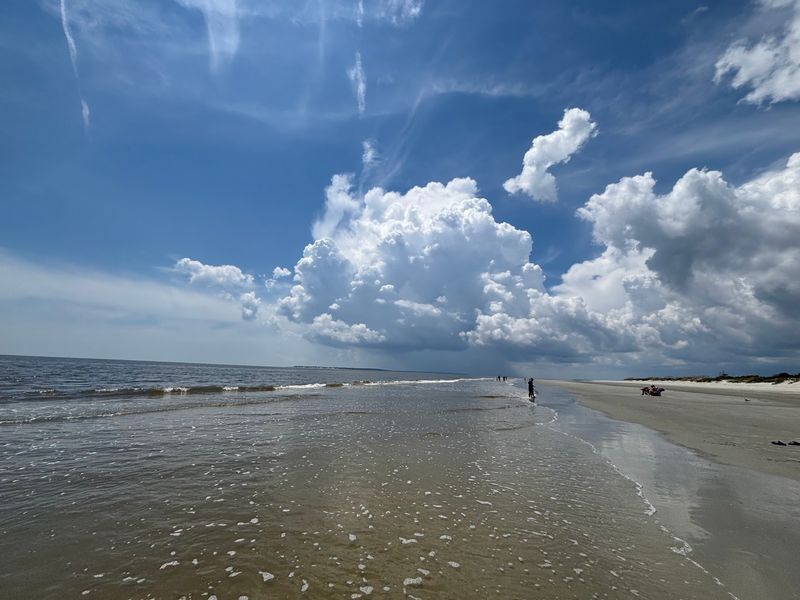
Reaching the sand here feels a little cinematic, with the boardwalk carrying you over dunes toward a broad sweep of ocean. By the time the beach opens up, the view feels huge and a bit humbling.
Glory Beach on Jekyll Island earns its famous look, but the water reminds visitors that beauty and power often arrive together.
This stretch is less sheltered, so stronger surf and currents can shape the day. Waves may look exciting from shore, especially for older kids eager to splash farther out, yet conditions can turn rough fast.
The beach has a spacious feel that invites wandering, photography, and long pauses just to watch the ocean work.
Movie fans know the area has a memorable screen history, but the real story is happening in the moving water. Keeping an eye on flags and surf size matters here.
Glory Beach leaves a lasting impression because it is grand, open, and honest about the strength of the sea.
Main Beach
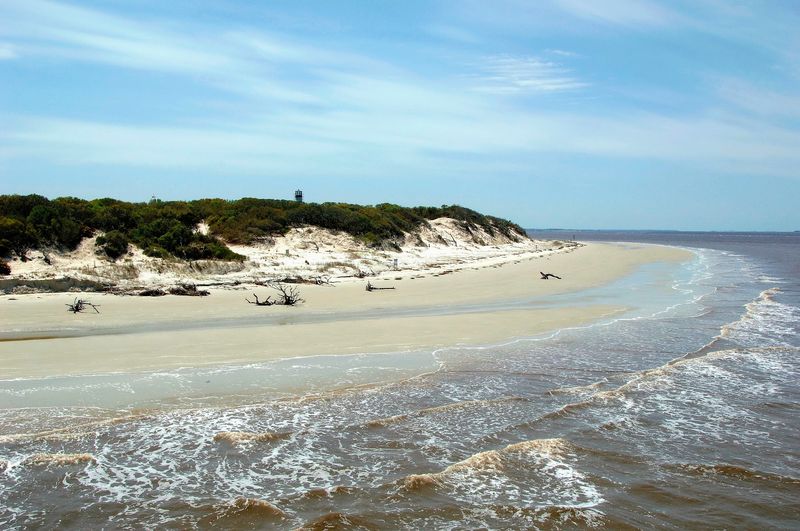
Standing on a nearly empty Atlantic beach can make a person feel small in the best and sharpest way. There is space, wind, and wave noise without much else to soften the scene.
Main Beach on Cumberland Island National Seashore makes the ocean feel honest, and that honesty includes real risk.
Strong waves and currents shape this remote shoreline, and the distance from quick emergency help raises the stakes. The beach is stunning, with long stretches of undeveloped sand and the kind of view that feels unchanged for ages.
People who make the trip often remember the wildness first, from dune grass to shorebirds racing the foam.
Still, a remote beach asks more from visitors than a busy one does. Extra water, sun protection, and careful choices around the surf matter here.
It is a remarkable place for walking and taking in the raw Georgia coast. Main Beach teaches that freedom in nature always comes with responsibility.