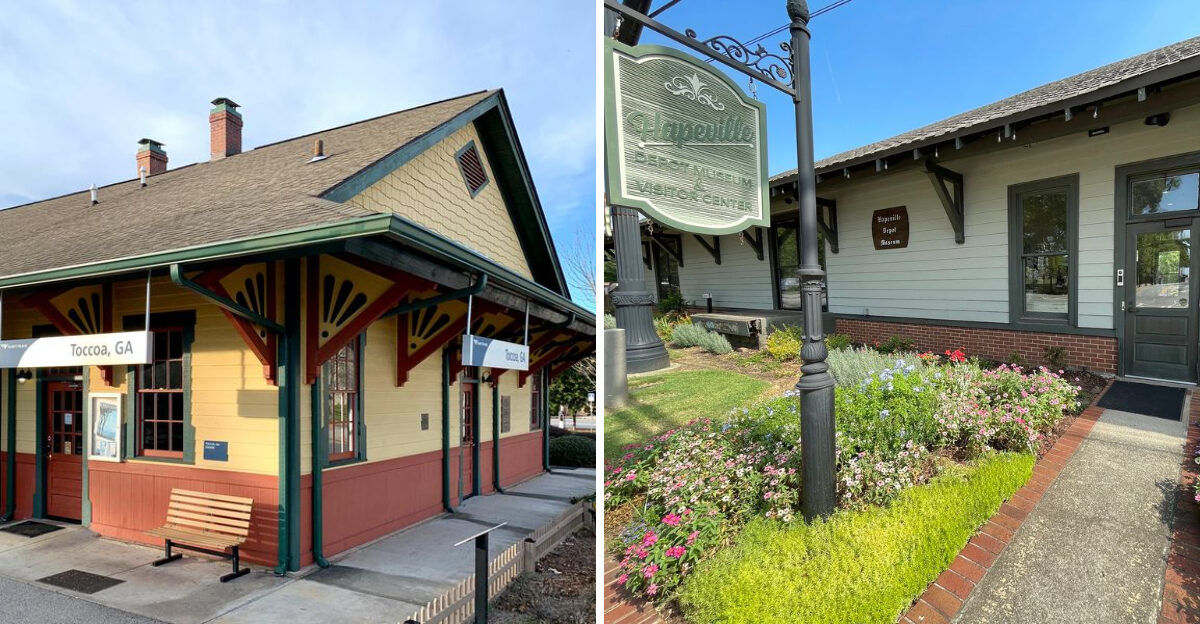
Georgia’s old train depots can make a quiet back road feel like the set of a history movie.
Long before highways carried families across the state, trains rolled through small Georgia towns loaded with passengers, letters, farm goods, and big dreams.
Their depots became gathering places where arrivals, departures, and everyday life all met under one roof.
Today, many of these old stations still stand, tucked beside downtown streets, railroad tracks, and sleepy crossings.
Some have been carefully restored, while others carry the weathered charm of buildings that have seen generations come and go.
That makes them perfect road-trip stops. You can stretch your legs, admire old architecture, uncover stories from Georgia’s railroad past, and then hop back in the car for the next little-town discovery.
These ten historic depots prove that the best surprises on a Georgia drive may be waiting beside the tracks.
Ringgold Depot in Ringgold
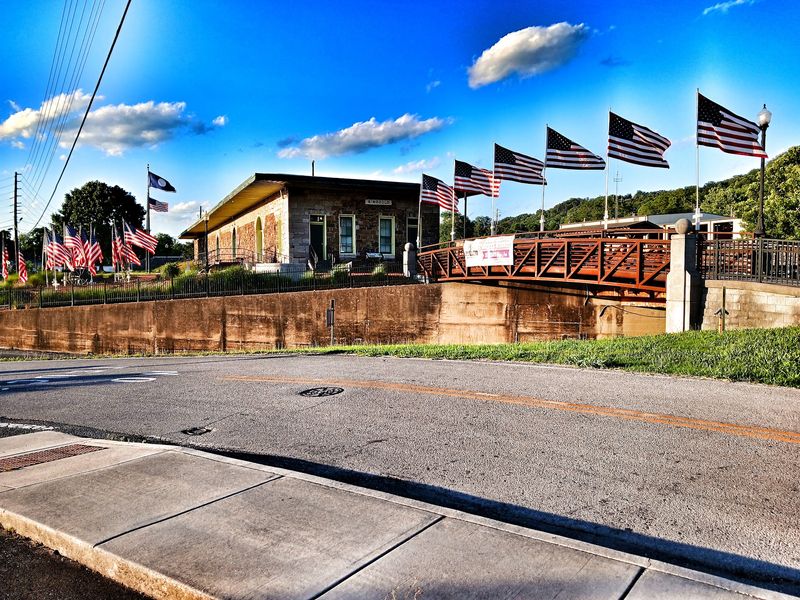
Walking up to the Ringgold Depot feels a bit like stepping into a history book. Built in 1849 from local sandstone, it stands as one of Georgia’s finest surviving railroad buildings.
What really grabs your attention are the scars in its walls. The depot was damaged during the 1863 Battle of Ringgold, and those marks are still visible today.
You can run your eyes along the stone and imagine the chaos that once surrounded this quiet spot.
The best part about visiting is that you get two stories in one place. You can enjoy the railroad history while also learning about the town’s role in the Civil War.
That combination makes it more than just an old building on the side of the road.
If you love spots where you can see and feel the past, this depot is worth a slow stop. Bring a camera, and take a moment to appreciate how much this small structure has survived.
Blue Ridge Depot up in the mountains
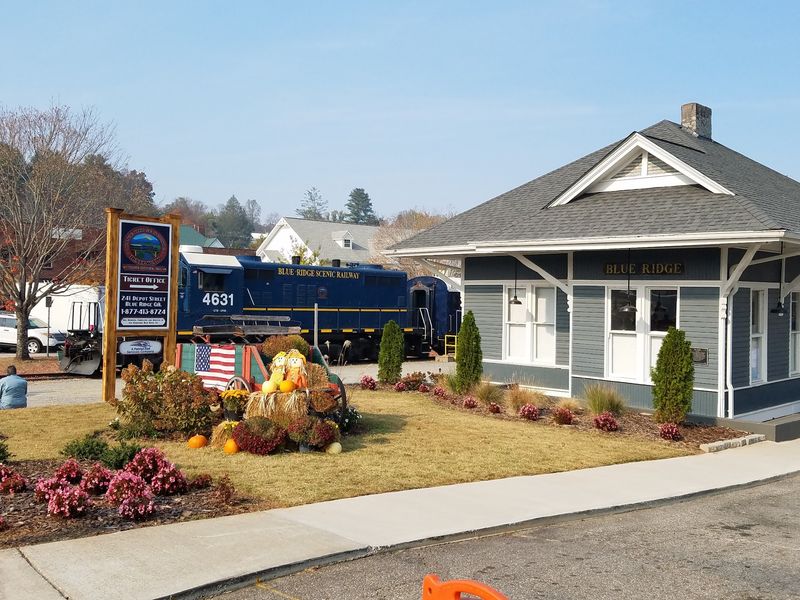
Tucked into one of North Georgia’s favorite mountain towns, the Blue Ridge Depot is a natural fit for a scenic drive. The setting alone, with rolling hills all around, makes the stop feel special.
The depot ties directly into the region’s railroad history, but what keeps it lively is the connection to modern scenic train rides. Blue Ridge is well known for its excursion trains, so the railroad past does not feel frozen in time here.
You can stroll around, snap a few photos, and then wander into the town’s shops and restaurants nearby. It is an easy place to spend part of an afternoon without feeling rushed.
What makes this depot stand out is how connected it still feels to daily life. Instead of being a forgotten relic, it remains a lively part of the community.
For families, it is a fun way to mix history with the excitement of watching real trains come and go.
Summerville Depot in the northwest corner
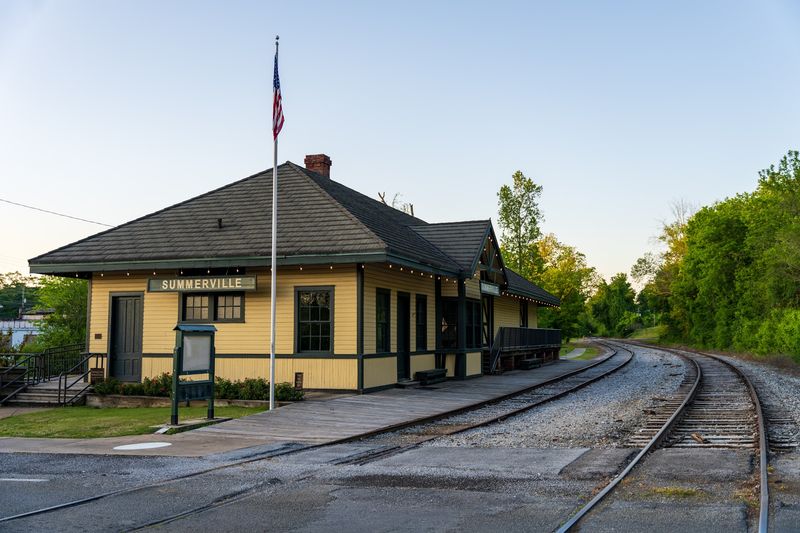
Some places give you a clear picture of how railroads shaped small towns, and Summerville’s depot does exactly that. It shows the kind of building that once served as the heart of a little Georgia community.
Thanks to its listing on the National Register, this depot carries real architectural and historical weight. You can admire the details and imagine the days when trains rolling through were the biggest news in town.
Its downtown location makes it simple to fit into a relaxed trip through northwest Georgia. You will not have to go far out of your way to see it, which is always a plus on a road trip.
Pair your visit with a walk around the surrounding streets, and you will get a good sense of the town’s character. For travelers who enjoy quiet, genuine stops rather than crowded attractions, Summerville delivers a peaceful and rewarding pause along the way.
Crawford Depot and its ancient stones
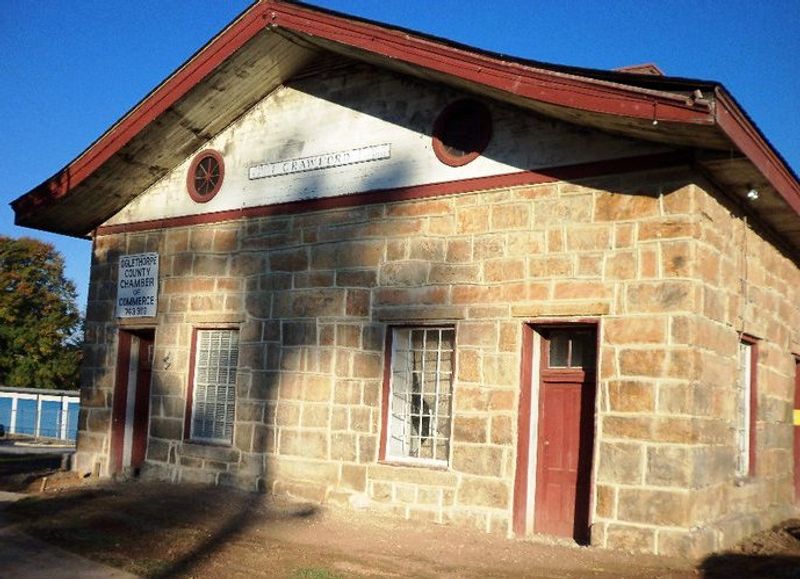
If age impresses you, Crawford’s depot will not disappoint. The Georgia railroad survey dates this building to 1848, making it one of the oldest surviving examples tied to the Georgia Railroad system.
Its stone construction is unusual and gives the depot a sturdy, timeless look. You do not see many railroad buildings quite like it, which makes the visit feel a little more special.
For a quiet road-trip stop, the sheer age of the place lends the whole community an impressive sense of history. Standing there, you realize this building has been around since before the Civil War even began.
Crawford itself is a peaceful spot, so this is a relaxing pause rather than a busy tourist stop. Take your time and appreciate the craftsmanship that has held up for so long.
History buffs will especially enjoy knowing they are looking at one of the true survivors. It is a humble building, but its story runs remarkably deep.
Thomasville Depot in South Georgia
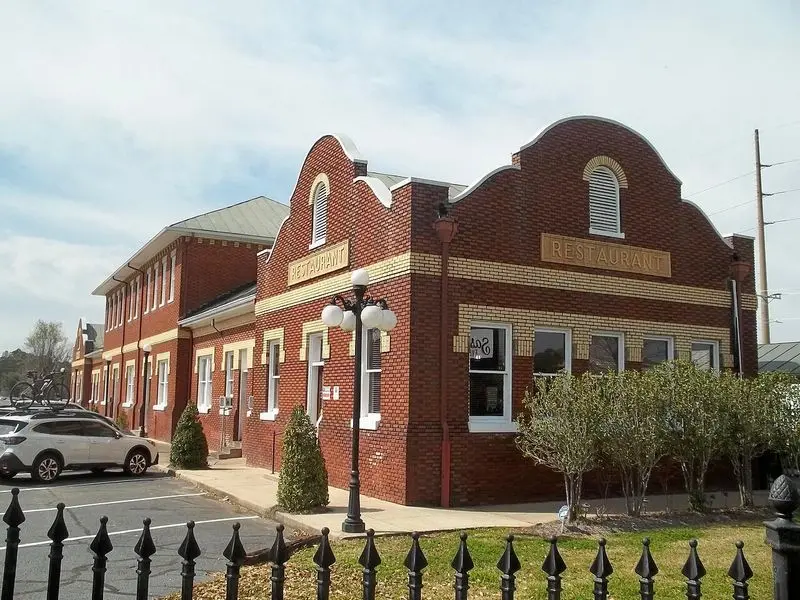
Down in South Georgia, Thomasville’s railroad history reveals just how important rail connections were to the region’s growth. This was no tiny flag stop where trains barely paused.
The historic depot is listed among the state’s significant rail-related resources, and its larger scale tells you plenty. Thomasville became a genuine railroad community, and the depot’s design reflects that busy, growing importance.
Because the depot is bigger and more detailed than many small-town stations, it makes a striking photo and an interesting stop. You can really see the ambition of a town that expected to matter.
The best way to enjoy it is to fold your visit into a day exploring the city’s historic streets and beautiful old architecture. Thomasville has plenty to admire beyond the depot alone.
Whether you are into trains or just love charming Southern towns, this stop fits nicely. It rewards curious travelers who want to understand how railroads helped shape entire communities.
Elberton Depot in the northeast
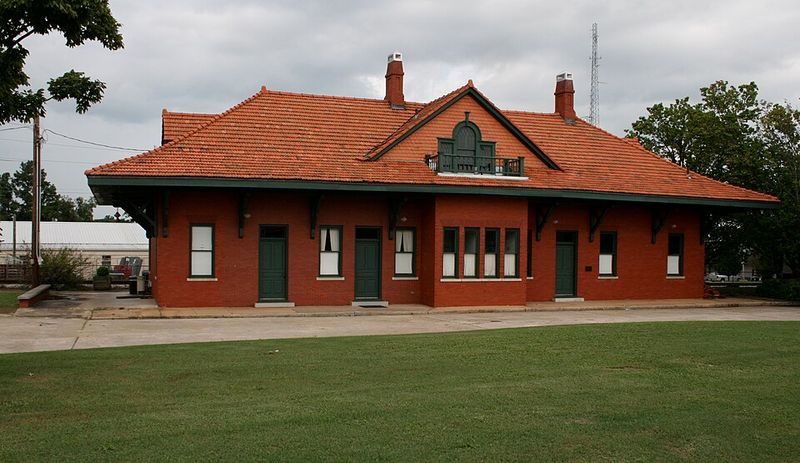
For travelers curious about how railroads linked smaller working towns to the wider world, Elberton’s depot is a satisfying stop. It shows how rail lines connected industrial and farming communities to bigger markets.
Its place on Georgia’s National Register inventory adds a nice layer of historical importance. That recognition means the building has been valued and studied, not just left to fade away.
The location also makes it easy to add to a northeastern Georgia road trip. You will not need to plan an entire day around it, which keeps your journey flexible.
Elberton is known for its granite, so learning how the railroad supported local industry makes the visit even more interesting. The depot helps tell that larger story of hard work and shipping.
Stop by, take a look at the architecture, and imagine the loads of goods that once moved through here. It is a modest but meaningful piece of the region’s past that rewards a short detour.
Woodstock Depot surrounded by growth
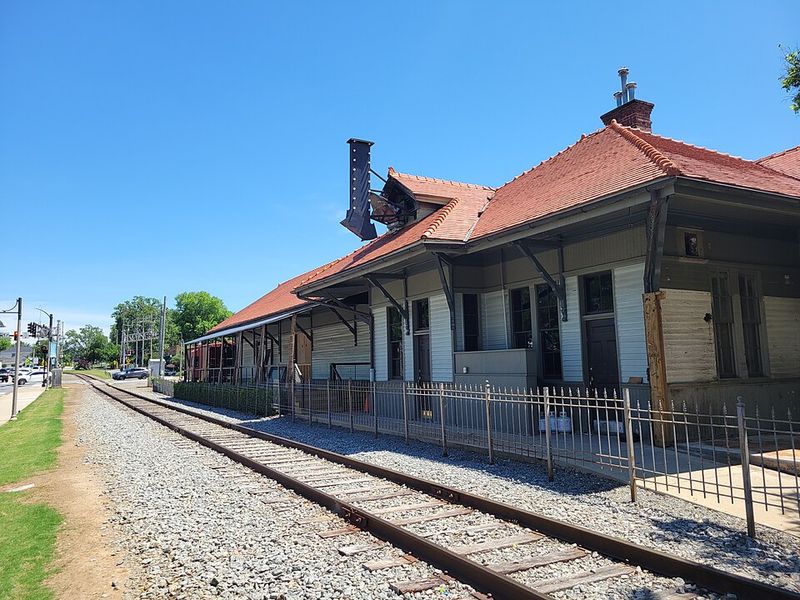
Woodstock’s depot tells a story about change, and it is a fascinating one. Here is a railroad stop that has been swallowed up by a community that grew enormously around it.
Listed among Georgia’s National Register rail resources, the depot serves as a reminder of humble beginnings. Many modern suburbs, including this busy one, actually started out as small railroad towns.
Standing near the old building while newer development hums nearby creates an interesting contrast. You can see the past and present side by side, which makes for a memorable stop.
It is also a convenient visit if you are exploring the metro Atlanta area and want a taste of local history. You do not have to travel far to find it.
For anyone who enjoys spotting how places transform over time, Woodstock delivers. The depot proves that even fast-growing towns have deep roots, and taking a moment to notice them makes any drive richer.
Alma Depot in the southeast farmlands
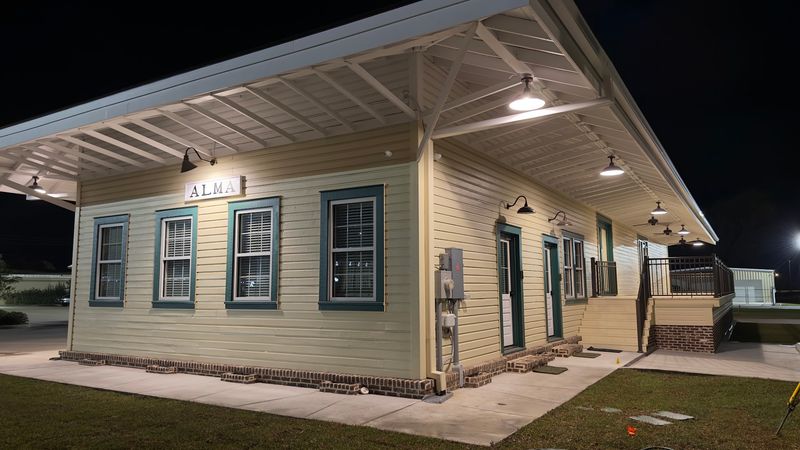
Way down in southeast Georgia, Alma’s depot offers a completely different feel from the mountain and Piedmont stops. The flat farmland setting gives it its own quiet charm.
The depot is recognized among the state’s historic railroad resources, so it carries genuine historical value. It also shows how rail transportation supported smaller agricultural communities across the southern part of the state.
You will not find crowds here, and that is part of the appeal. This is the kind of understated stop that works beautifully on a laid-back, back-road itinerary.
Farming towns like Alma relied on the railroad to move their crops, so the depot reminds you how important these lines once were to everyday livelihoods. It connects the land to the wider region.
If your idea of a good trip includes peaceful roads and honest, small-town history, Alma fits perfectly. Pull over, take a breath, and enjoy a slower pace while learning about a corner of Georgia many travelers overlook.
Hapeville Depot Museum near Atlanta
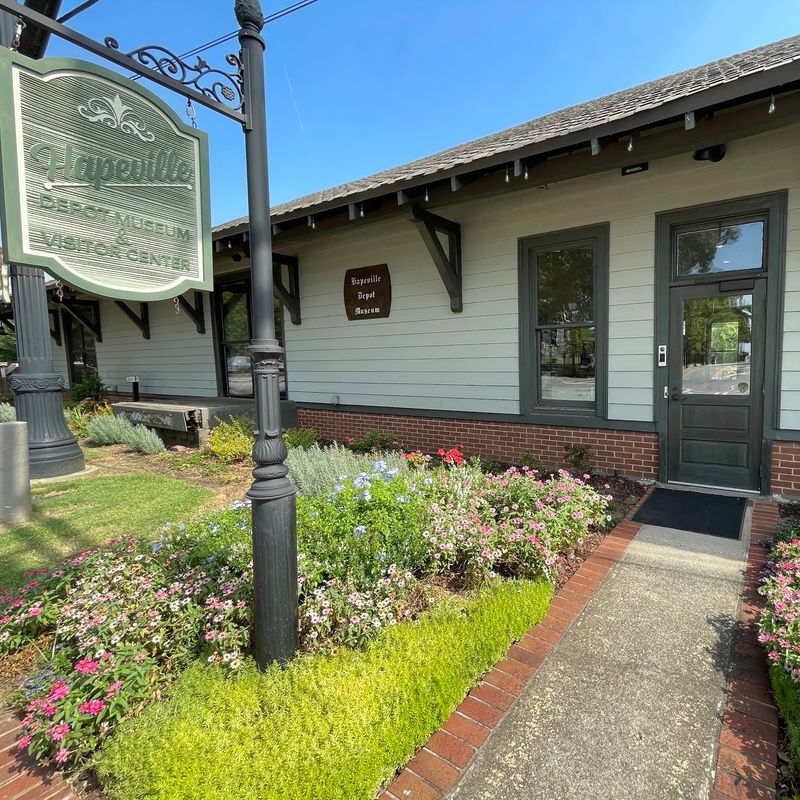
Saving one of the best for last, the Hapeville Depot adds a full museum experience to your list. Built in 1890, it ranks among Georgia’s oldest remaining train depots.
The building has been carefully restored to look the way it once did, so you get a genuine sense of its early days. That attention to detail makes the visit feel authentic and welcoming.
Today it runs as the Hapeville Depot Museum, complete with exhibits and tours. Instead of just peeking at an old station from outside, you can step in and explore the railroad story up close.
That makes it especially great for families and curious kids who like hands-on learning. The exhibits bring the history to life in ways a plain building simply cannot.
Located near Atlanta, it is an easy and rewarding stop. If you want the fullest experience on this list, save time for Hapeville and let the museum guide you through Georgia’s rich railroad past.
Toccoa Historic Train Depot — Toccoa
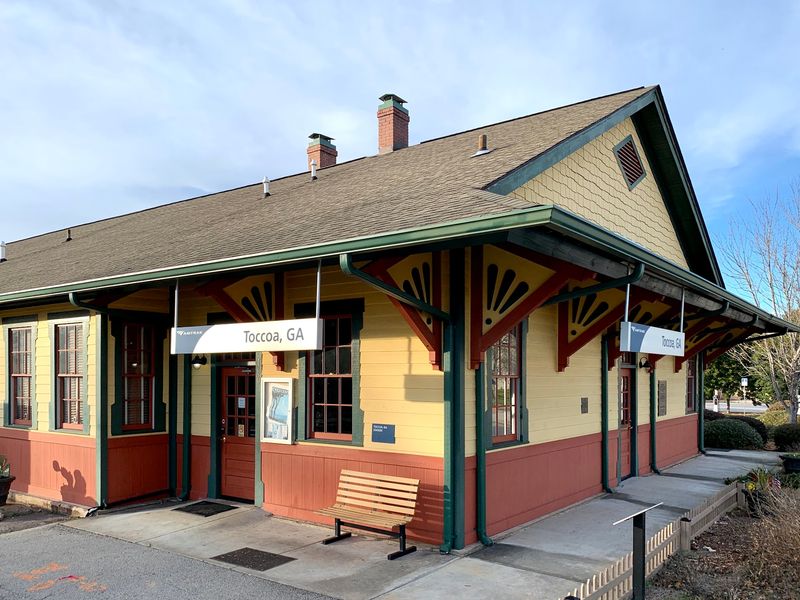
Toccoa’s Historic Train Depot is the kind of roadside discovery that can turn an ordinary small-town drive into a memorable history stop. Built around 1915, the depot reflects the important role railroads played in connecting Toccoa with larger cities and communities across Georgia.
Trains brought passengers, mail, supplies, and business opportunities, helping the town grow around its rail connection.
Today, the beautifully preserved depot has another story to tell. The building houses the Stephens County Historical Society and the Currahee Military Museum, where visitors can learn more about the region and the soldiers associated with nearby Camp Toccoa during World War II.
A restored rail car behind the depot adds another fun detail for visitors to explore.
The depot’s history also includes a presidential connection. In 1936, President Franklin D.
Roosevelt stopped in Toccoa aboard his special train and spoke briefly to local residents.
For road trippers, it’s an easy stop that combines architecture, railroad history, and local stories in one charming location.