Some restaurants serve more than a memorable meal—they serve a sense of place. The worn wood, familiar stories, and generations of guests who have gathered around the tables become part of the experience, making every bite feel connected to something larger.
Across Iowa, historic restaurants blend local heritage with food worth seeking out. From longtime family-owned spots and charming inns to dining rooms tucked inside historic buildings, these restaurants preserve pieces of the past while continuing to create new memories.
Their menus tell stories through regional flavors, traditional recipes, and carefully prepared dishes that invite guests to slow down and stay awhile.
For travelers who enjoy discovering destinations through their food, these Iowa restaurants offer a unique way to experience the state’s character. Explore 11 places where great meals and fascinating history come together around every table.
Breitbach’s Country Dining
The first thing you notice is the view. Rolling bluffs and river country stretch so wide that lunch can feel like an occasion before a plate even lands on the table.
Then comes the smell of fried chicken, fresh coffee, and pie cooling somewhere nearby, which makes the whole room feel even more grounded.
Up in Sherrill, Breitbach’s Country Dining carries the weight of Iowa history lightly. Open since 1852 and rebuilt after devastating fires, it still feels warm rather than solemn, the kind of place where resilience is part of the seasoning.
You can taste that continuity in classic comfort dishes and a slice of homemade pie that feels tied to the landscape outside.
There is something moving about eating in a place that has refused to disappear. Between the blufftop setting and the deeply familiar food, this stop lingers longer than most road trip meals do.
Ox Yoke Inn
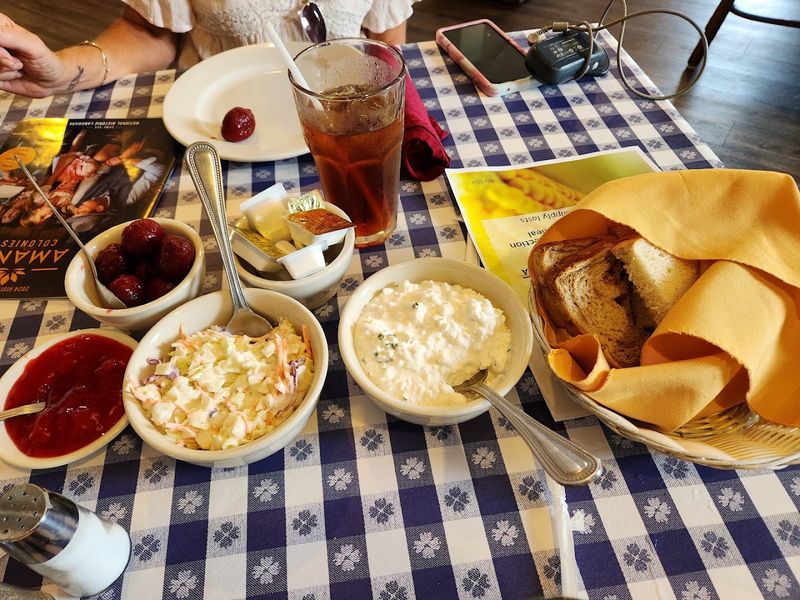
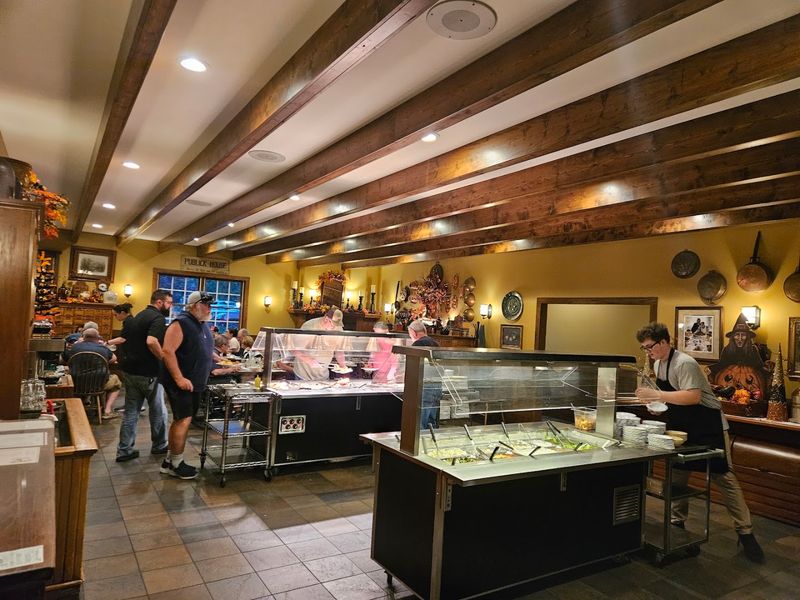
There is a special kind of comfort in a dining room where the tables seem made for lingering. Plates arrive generously, conversation rises and falls in an easy rhythm, and the old wood around you makes the entire meal feel steadier, as if the building already knows how the evening should unfold.
That feeling comes naturally at Ox Yoke Inn in Amana, where a building dating to 1856 holds onto the spirit of the historic colonies without turning it into theater. Family-style German and American cooking keeps things anchored, with fried chicken, sausages, and heaps of sides encouraging a slower pace.
The experience feels communal in the best sense of the word.
What stays with you is not only the quantity, though no one leaves hungry. It is the way history and hospitality meet so seamlessly here, making a meal feel less like a stop and more like a tradition you have joined.
Ronneburg Restaurant
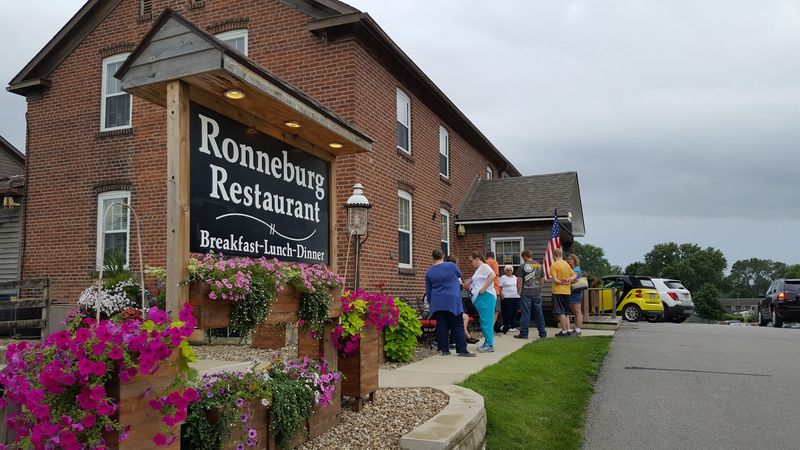
Some places do not need to be loud to feel memorable. A quiet dining room, a basket of warm bread, and the comforting scent of roast meat can do more than any grand gesture, especially when the streets outside still carry the measured pace of another era.
In the middle of Amana, Ronneburg Restaurant feels woven into the village rather than simply placed there. Serving guests since 1950, it leans into traditional German recipes and the kind of hearty, straightforward cooking that seems made for Iowa weather.
You might settle in with sauerbraten, noodles, or a classic pork dish and realize halfway through that the simplicity is the point.
The appeal here is subtle but lasting. Between the historic surroundings and the deeply familiar food, the restaurant offers a version of the Amana Colonies that feels lived in, not staged, and that distinction makes the visit especially rewarding.
Hamburg Inn No. 2
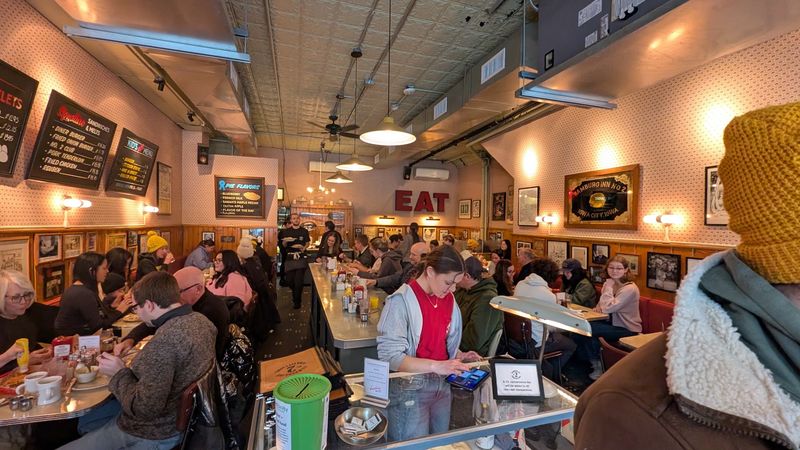
Before the coffee even hits the table, the room announces itself with the easy clatter of mugs, the swivel of counter stools, and that unmistakable diner energy that promises everyone is welcome. It feels cheerful, democratic, and a little nostalgic without trying too hard, which is rarer than it sounds.
In Iowa City, Hamburg Inn No. 2 has been serving that mood since 1948. The restaurant is famous for breakfast, presidential campaign lore, and the beloved pie shake, but what gives it staying power is how sincerely local it feels.
Pancakes, hash browns, and omelets arrive with the confidence of recipes that have earned trust over decades.
You do not come only for novelty, though the history is fun to spot in the details. You come because the place still works exactly as a great diner should, connecting politics, students, regulars, and visitors over one very solid morning meal.
The Crane & Pelican Cafe
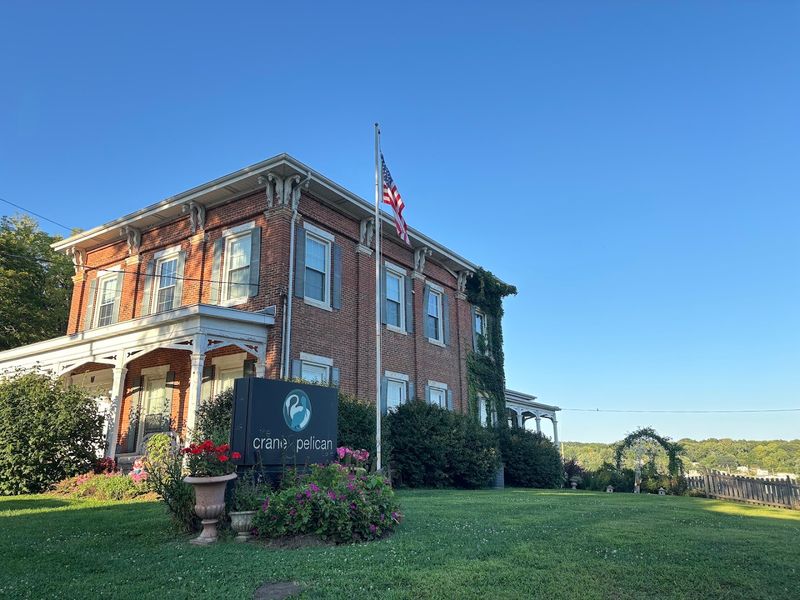
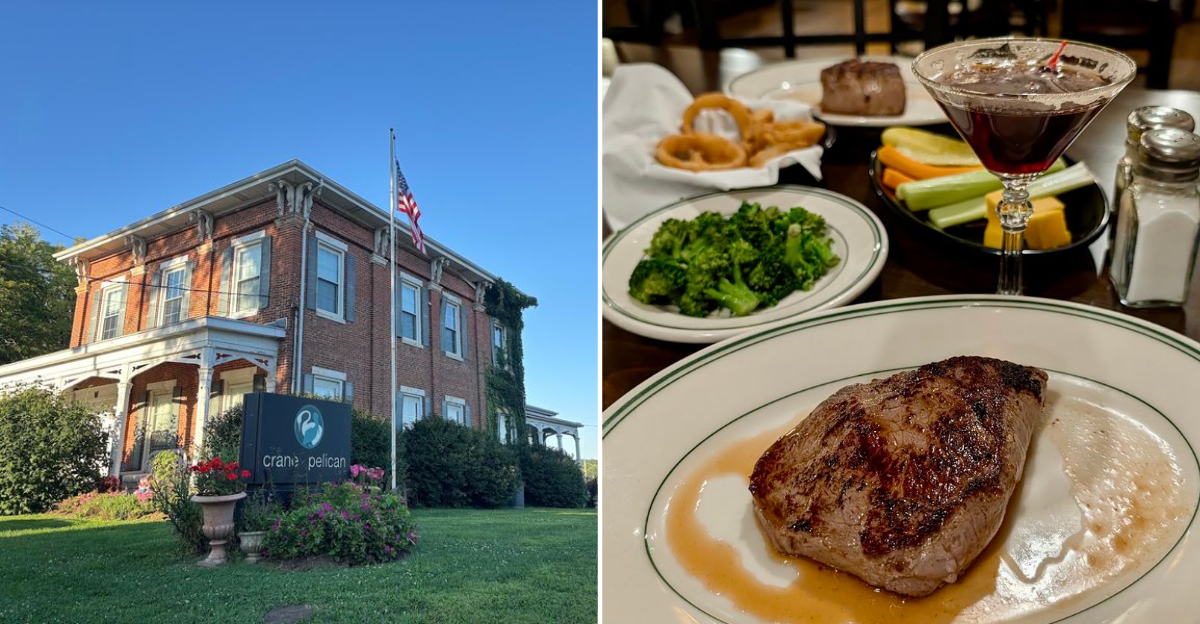
Some restaurants make you feel as if you have been invited into someone’s exceptionally charming home for lunch. Sunlight filters through old windows, the dining rooms feel intimate rather than formal, and every creak in the floor seems to add another layer to the experience.
That is exactly the mood at The Crane & Pelican Cafe in Le Claire, set inside the restored Dawley House, a Victorian home from the nineteenth century. The river town setting already encourages wandering, and this stop deepens it with historic architecture and a menu that feels polished but approachable.
Whether you order a thoughtful lunch special or settle in for something more substantial, the backdrop matters as much as the plate.
What makes it memorable is the balance. The cafe honors the beauty of old Le Claire without becoming precious, and the result is a meal that feels both refined and deeply connected to the Mississippi River town surrounding it.
Northwestern Steakhouse
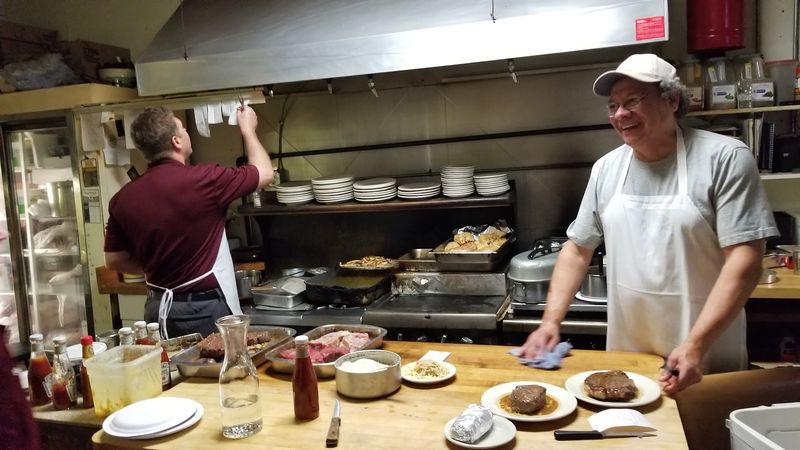
There is a certain confidence to an old steakhouse that has no interest in chasing trends. The room is a little darker, the booths invite long conversations, and the sizzle arriving from nearby tables tells you people have been ordering the same beloved thing here for generations.
In Mason City, Northwestern Steakhouse has been part of local life since 1920, and its Greek-American identity gives the menu a personality all its own. The signature steaks, famously prepared with butter and a bright touch of lemon and garlic, are not trying to imitate anyone else.
That distinct flavor, paired with the restaurant’s enduring family-run spirit, makes the place feel personal rather than merely famous.
You leave understanding why legends survive. The history matters, but it is the continued certainty of the cooking that seals it, turning an ordinary dinner into a reminder that regional food traditions can still feel thrillingly specific.
Archie’s Waeside
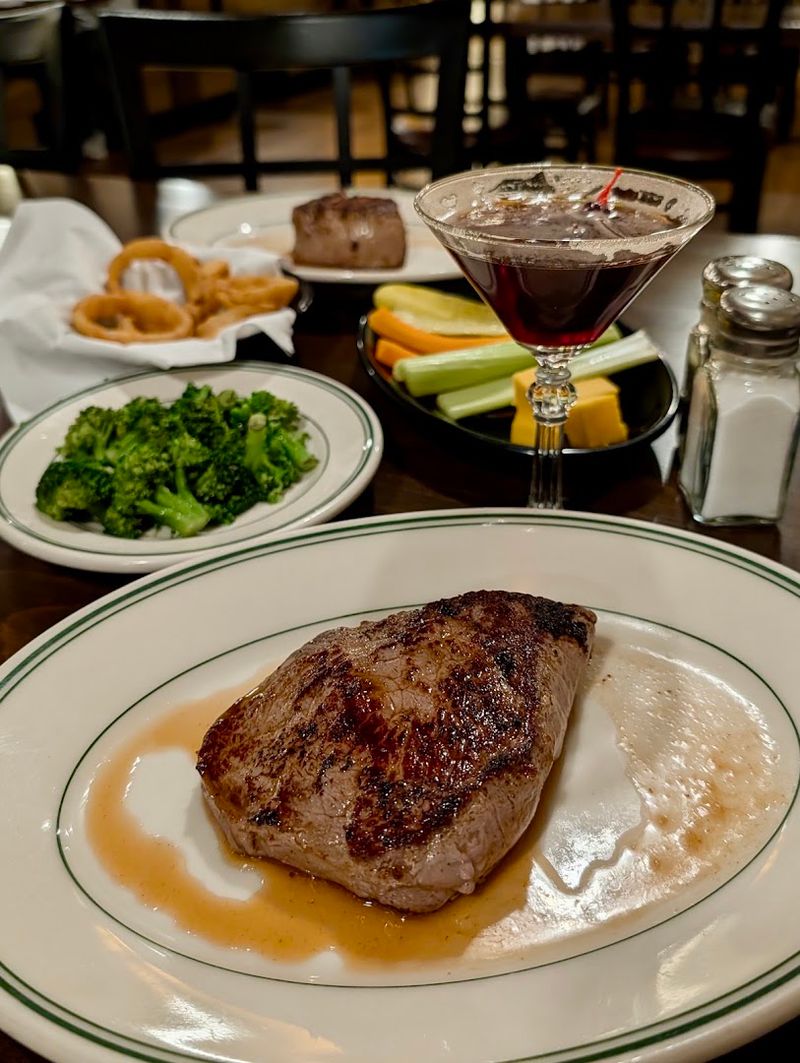
Even before the first bite, the atmosphere suggests you are somewhere with standards. The lighting is low, the service moves with practiced ease, and the menu carries the kind of seriousness that only comes from decades of people returning for the same ritual and expecting it to be done right every time.
That ritual lives on at Archie’s Waeside in Le Mars, a family steakhouse dating to 1949 that has earned national notice without losing its local backbone. Premium beef is the obvious draw, but the deeper appeal is how little the place seems interested in reinvention for its own sake.
A perfectly cooked steak, a classic side, and the hum of a longtime dining room are more than enough.
There is dignity in that consistency. In a small city better known to many for ice cream, this restaurant tells another Iowa story, one about craftsmanship, tradition, and the quiet pleasure of a dinner that knows exactly what it is.
Canteen Lunch in the Alley
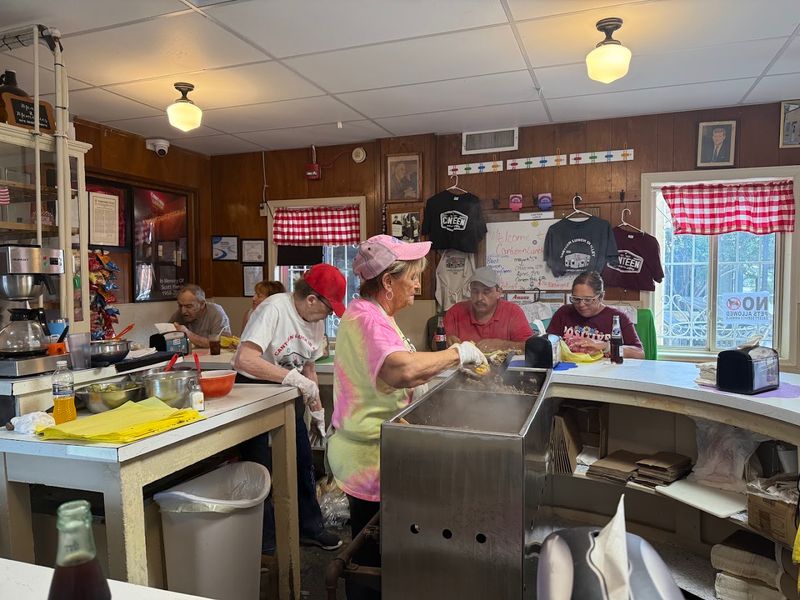
Sometimes the places you remember most are the smallest ones. A narrow room, a short menu, and a lunch counter rhythm can create an intimacy larger restaurants rarely touch, especially when the specialty is so humble that it seems almost daringly plain until you taste it.
That is the charm of Canteen Lunch in the Alley in Ottumwa, where the loose-meat sandwich has held court since 1936. The setting remains wonderfully unpretentious, and that matters because the food depends on trust, not flourish.
A soft bun, seasoned beef, maybe pie afterward, and suddenly you understand why generations have kept returning to this tucked-away spot.
It feels like a surviving fragment of everyday American dining history. More than nostalgia, though, there is real pleasure in how direct the experience is, proving that a restaurant does not need grandeur to carry a city’s story forward one lunch at a time.
The Gunder Roadhouse
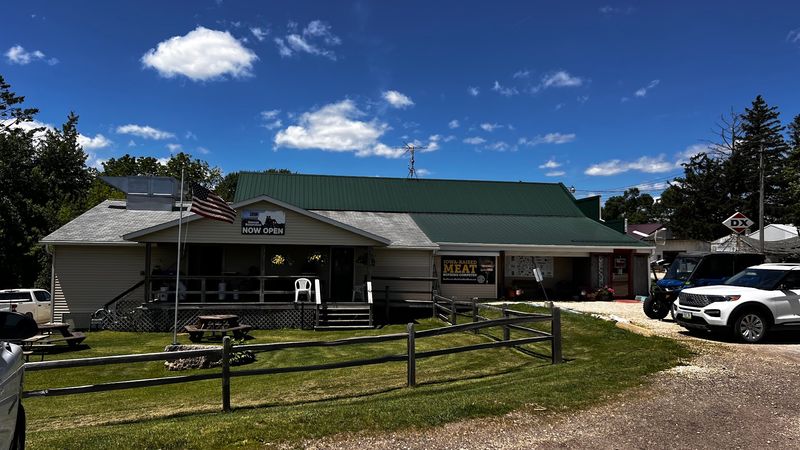
There is always a little thrill in turning onto a quiet country road and finding a restaurant that feels bigger in local legend than the town around it. The welcome is casual, the mood is wonderfully unfussy, and the dessert case has a way of redirecting your attention almost immediately.
That sense of discovery is part of what makes The Gunder Roadhouse in tiny Gunder memorable. People talk about the oversized homemade pies for good reason, but the place is more than a novelty stop.
Its rustic atmosphere and easygoing pace fit the rural setting perfectly, making lunch or dinner feel like a brief escape from anything hurried or polished.
You do not visit for spectacle in the usual sense. You visit because the road, the small community, and the generous slice waiting at the end create a specific kind of Iowa pleasure, one rooted in simplicity, appetite, and the charm of places that still surprise you.
Iowa Chop House
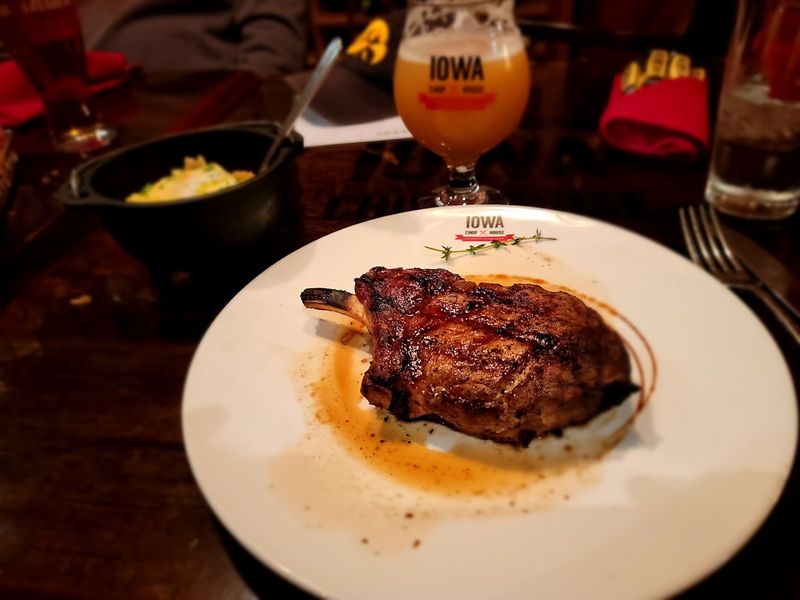
Some dining rooms feel built to remind you where you are. Exposed brick, solid wood, and a certain downtown confidence can turn a simple dinner into a portrait of a region, especially when the menu is clearly speaking the language of farms, seasons, and local pride.
That is the appeal of Iowa Chop House in Iowa City, where a restored historic building frames a meal centered on Iowa-raised beef and ingredients tied closely to the state. The restaurant feels contemporary, but not detached from its setting.
A steak, a well-made side, and a drink at the bar all carry a sense of place that goes beyond branding and lands somewhere more sincere.
In a college town with plenty of energy, this spot offers a grounded counterpoint. It connects the urban rhythm of downtown with the agricultural story that surrounds it, which gives the meal a depth many polished restaurants struggle to achieve.
Proudfoot & Bird
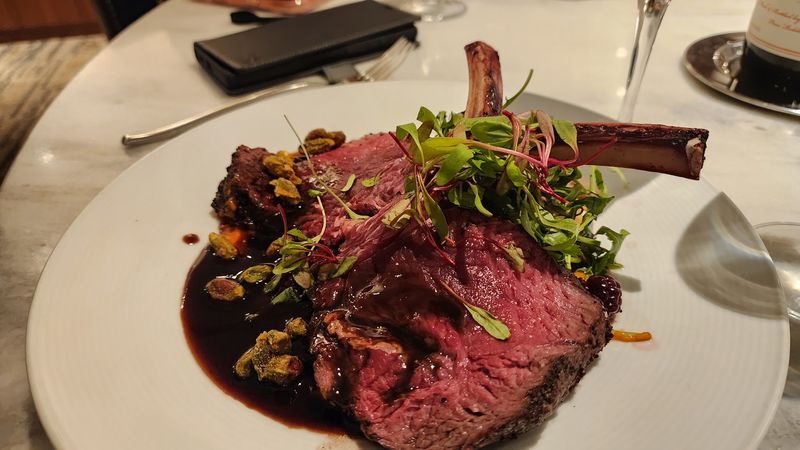
There are restaurants that invite you to sit down, and others that ask you to step briefly into another era. Here, the polished surfaces, architectural detail, and hushed sense of occasion create that second feeling, making dinner seem touched by the glamour of an earlier American downtown.
Inside the restored Hotel Fort Des Moines, Proudfoot & Bird uses the building’s 1919 heritage as more than a decorative backdrop. In Des Moines, it feels like a continuation of the city’s grand hotel past, translated into a modern meal with confidence and restraint.
A cocktail at the bar, a carefully plated entree, and a look around the room are enough to make the history feel tangible.
What makes the experience satisfying is that the elegance never becomes cold. The restaurant honors the building’s storied character while remaining welcoming, which allows the evening to feel special without becoming stiff, a balance historic dining rooms do not always achieve.