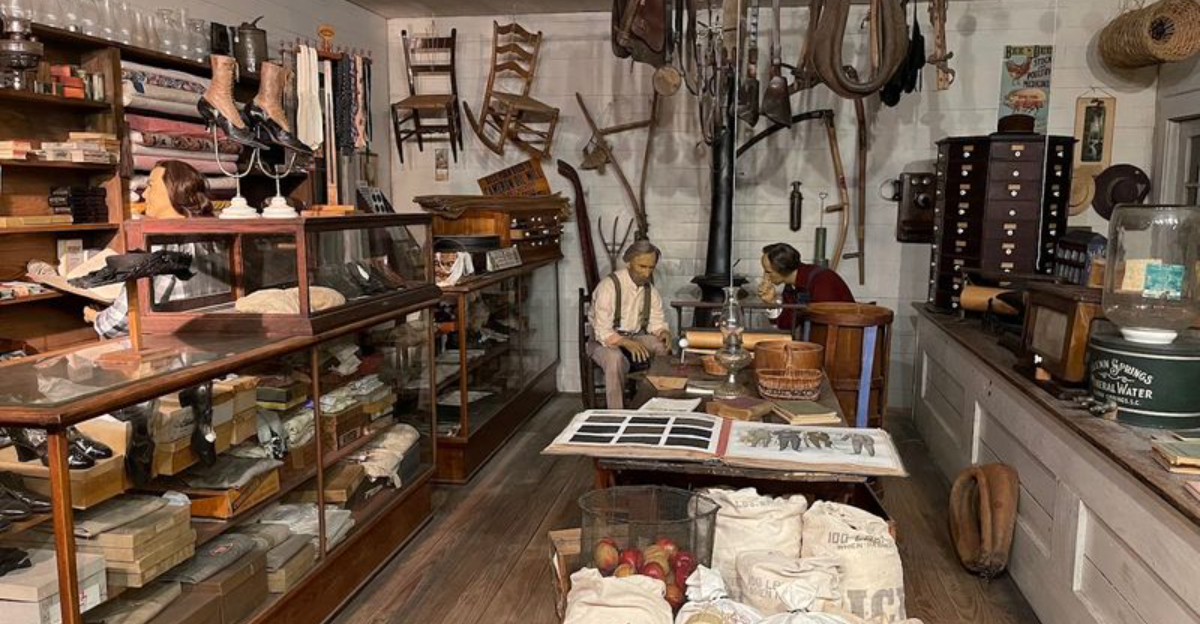
The sound of a hammer shaping metal, the scent of fresh-cut wood, and the feel of clay turning beneath your hands can reveal a side of travel that photographs alone cannot capture. In South Carolina, folk schools and craft centers keep these traditions alive by giving visitors a chance to learn the skills, stories, and techniques that have shaped generations.
Across the state, South Carolina folk schools offer experiences built around pottery, music, weaving, woodworking, and regional crafts. These places are not just museums where history sits behind glass — they are active spaces where makers teach, create, and share their knowledge with curious visitors.
For travelers seeking meaningful experiences rooted in culture and creativity, these destinations offer a deeper connection to the places they visit. Discover 13 South Carolina folk schools and craft centers where traditional skills continue to thrive.
The William Felton School of Crafts LLC
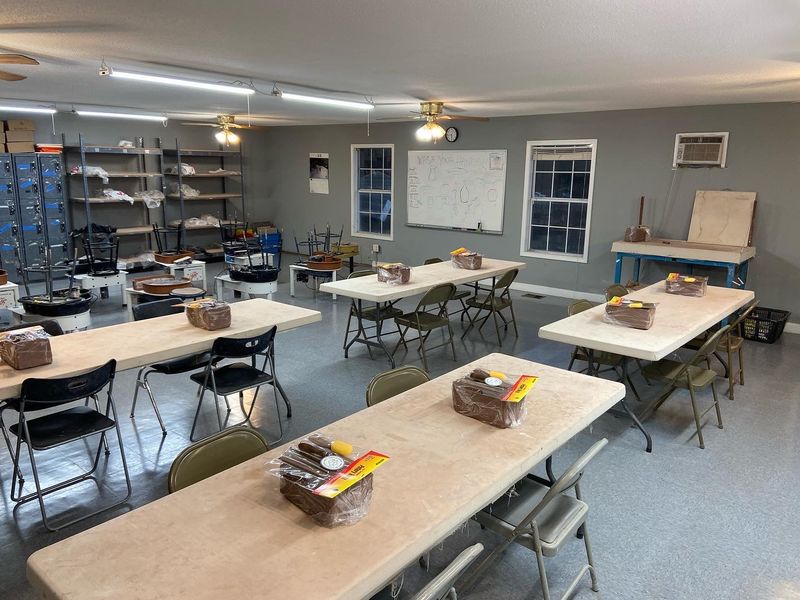
The William Felton School of Crafts LLC is a small but inspiring craft school in the Greenville area dedicated to keeping traditional handmade skills alive. Founded by artist and craftsman Shane Bryant, the school focuses on hands-on learning where students can slow down, work with their hands, and develop skills through guided instruction.
The school offers classes and workshops centered around traditional crafts, including ceramics and other artisan techniques. Students of different experience levels can learn in a creative environment that emphasizes craftsmanship, patience, and the joy of making something from scratch.
What makes William Felton School of Crafts special is its personal, community-focused atmosphere. Rather than feeling like a large institution, it feels like a neighborhood workshop where old-fashioned creativity meets modern artistic expression.
For visitors interested in South Carolina’s craft traditions, it represents the kind of place where skills are passed from one generation to the next through practice, conversation, and shared passion.
Holly Springs Center
There is a particular kind of quiet in the foothills that makes every small sound feel important: a porch board creaking, birds in the trees, maybe a fiddle tune drifting out of an old building. Before you know much about the place, you feel its age in the best way.
Nothing here seems rushed.
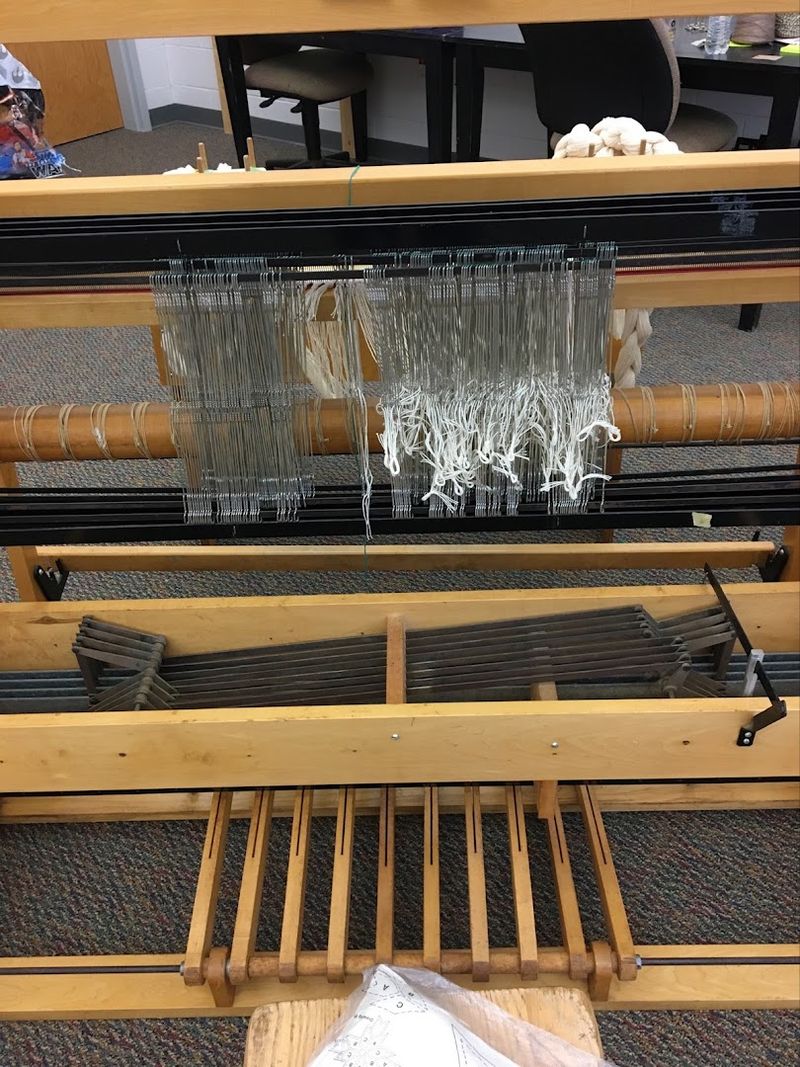
At Holly Springs Center in Pickens, Appalachian heritage is treated less like a display and more like a living conversation. The historic schoolhouse setting gives the whole experience an honest texture, and programs often bring together traditional crafts, regional music, and community storytelling.
A hand-stitched quilt or a simple stringed instrument can suddenly feel like a doorway into mountain life.
What makes it memorable is its sense of continuity. You are not only learning about the past here.
You are stepping into a place where local memory still has a voice, a rhythm, and a very real address.
Catawba Cultural Preservation Project / Catawba Indian Nation Cultural Center
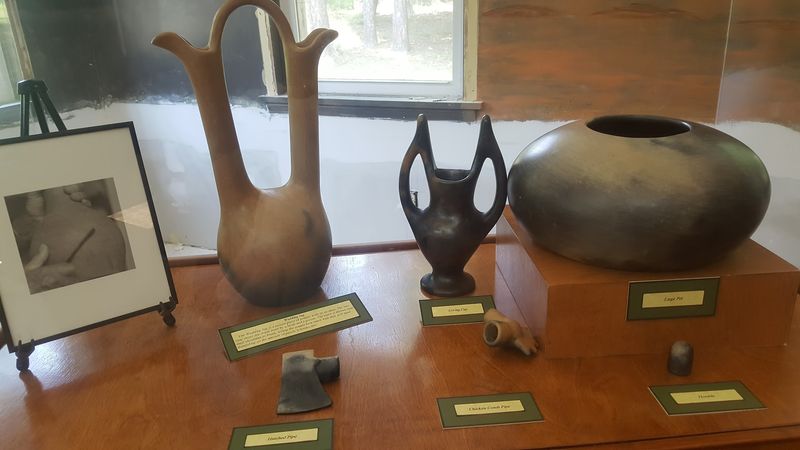
Clay has a way of making history feel immediate. One minute it is just earth in your hands, and the next it becomes a vessel shaped by methods older than the roads outside.
That sense of continuity is powerful, especially when the story belongs to people who are still here telling it themselves.
Near Rock Hill, the Catawba Cultural Preservation Project and Catawba Indian Nation Cultural Center offers exactly that kind of encounter. Traditional Catawba pottery is a central thread, and seeing its forms, textures, and firing methods gives you a deeper sense of how skill and identity stay intertwined.
The experience is less about spectacle than attention.
You leave with more than a few interesting facts. You begin to understand how craft can hold memory, sovereignty, and survival all at once.
In a state full of layered histories, this is one of the places where those layers feel especially alive.
Gullah Museum of Hilton Head Island
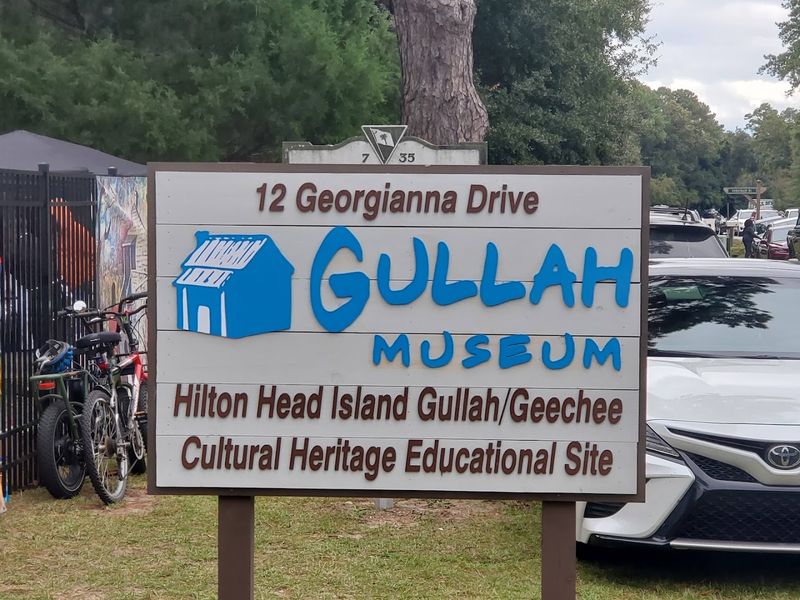
On an island known for polished resorts and beach schedules, it is moving to step into a place where the deeper story of the land speaks first. The tone shifts quickly.
Suddenly the details that matter are language, family lineage, memory, and the skills that held communities together long before tourism arrived.
The Gullah Museum of Hilton Head Island offers that kind of grounding. Inside, storytelling and heritage take center stage, with exhibits and interpretation that connect visitors to Gullah traditions, handmade practices, and the lived texture of coastal life.
Even small objects feel charged with meaning when placed beside oral history and photographs.
What stays with you is the intimacy. This is not a giant institution trying to summarize everything at once.
It feels personal, almost conversational, and that makes the culture more tangible. You leave hearing the island differently, as if another layer of Hilton Head has finally come into focus.
McLeod Plantation Historic Site
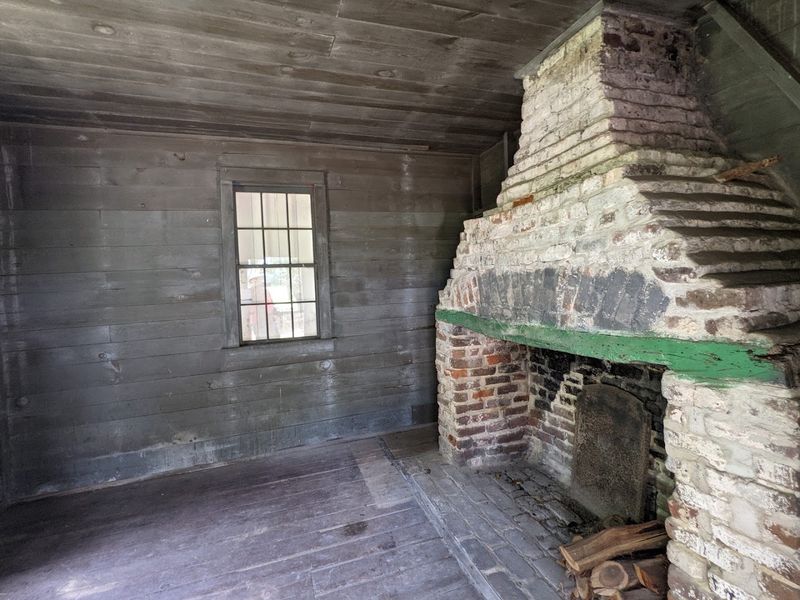
Few places ask you to slow down and listen as carefully as this one does. The beauty of the grounds can catch you first: live oaks, open light, the measured stillness of an old landscape.
Then the interpretation begins, and the place becomes something more searching, more honest, and harder to forget.
At McLeod Plantation Historic Site in Charleston, Gullah Geechee heritage and the realities of enslaved labor are presented with care and clarity. Programs often explore traditional practices, foodways, and cultural endurance in ways that feel grounded rather than theatrical.
A walk beneath the trees can lead into conversations about rice, language, and resilience.
It is worth visiting because it does not smooth out complexity. Instead, it gives cultural traditions the historical depth they deserve.
You leave with a fuller sense of how craft, memory, and survival shaped the Lowcountry, and why those connections still matter now.
South Carolina State Museum
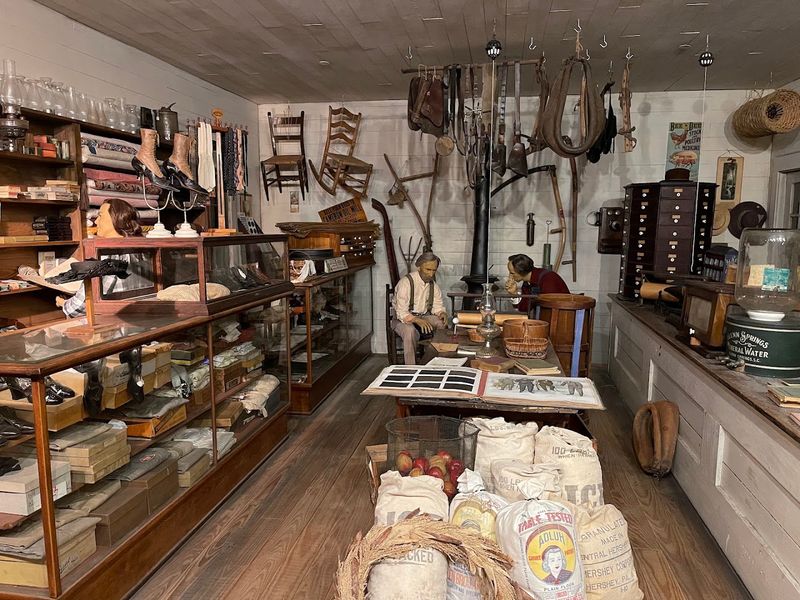
Big museums can sometimes feel too polished to be personal, but this one surprises you. Somewhere between the galleries and changing programs, you start noticing the handmade details: carved forms, regional textiles, the objects that quietly explain how people once lived and still create.
It is a broader canvas, yet the human scale remains.
The South Carolina State Museum in Columbia pulls together the state’s history, art, science, and culture, and that mix gives folk traditions useful context. Depending on the exhibit or event, you may find craft demonstrations, regional art, or interpretation tied to everyday Southern life.
It is the kind of place where a child can look up at a locomotive and then drift toward a display case of traditional tools.
What makes it worthwhile is range. You are not seeing one tradition in isolation.
You are seeing how craft fits into the larger story of South Carolina, from labor and landscape to creativity and community.
Pickens County Museum of Art and History
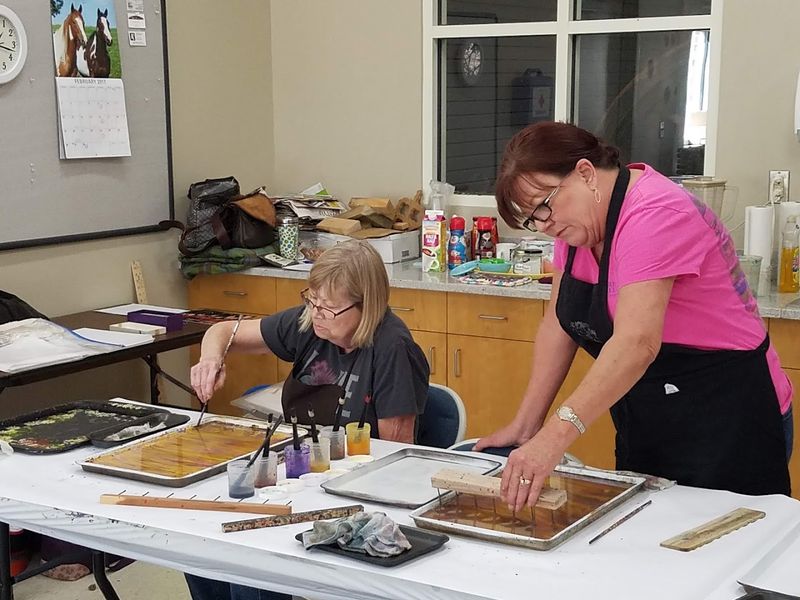
Sometimes the best cultural stops are the ones that feel almost modest from the outside. You walk in expecting a quick visit, then end up lingering over a quilt, an old tool, or a painting that says more about a region than any highway sign ever could.
The pace invites curiosity instead of hurry.
That is the appeal of the Pickens County Museum of Art and History in downtown Pickens. Regional art shares space with local history, and Appalachian craft traditions appear in ways that feel rooted rather than staged.
A simple gallery room can connect mountain life, handmade objects, and the personalities that shaped the county.
It works because the scale is intimate. You are close enough to notice stitching, brushwork, and the wear on everyday items, which makes the past feel tactile.
If you care about the Upstate beyond its scenery, this is one of the places where its cultural texture comes into view.
Upcountry History Museum
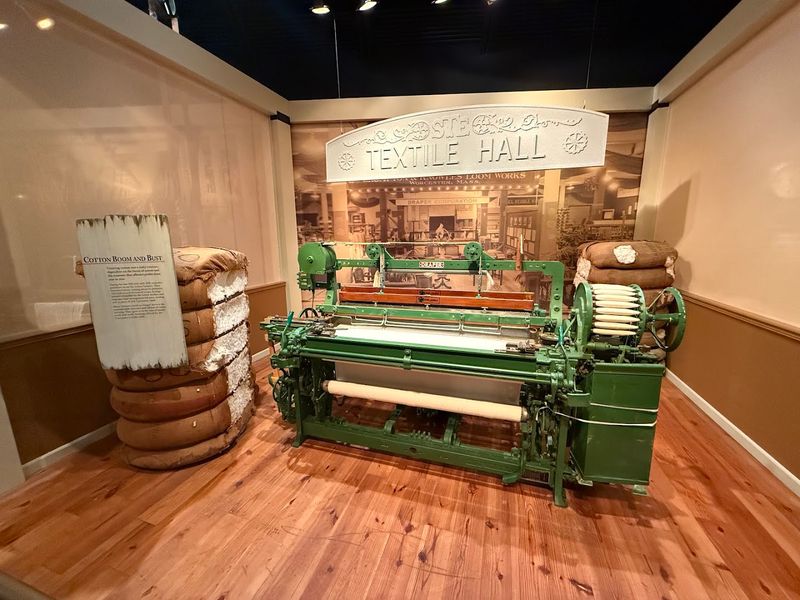
History lands differently when it is told through the objects people actually used. A butter churn, a woven coverlet, a weathered trunk – these things carry a closeness that dates alone cannot.
They pull daily life out of abstraction and place it right in front of you.
That is part of what makes the Upcountry History Museum in Greenville such a rewarding stop. Its exhibits on regional life often touch the traditions, labor, and domestic skills that shaped the Southern Appalachians and surrounding communities.
Even when the focus is broad, handmade culture remains a steady thread tying family stories to the wider history of the Upstate.
The museum feels especially good on a day when you want context, not just entertainment. You leave with a sharper sense of how people built homes, preserved food, made clothing, and passed knowledge across generations.
It is a thoughtful reminder that heritage is often made from ordinary materials handled with extraordinary care.
Horry County Museum
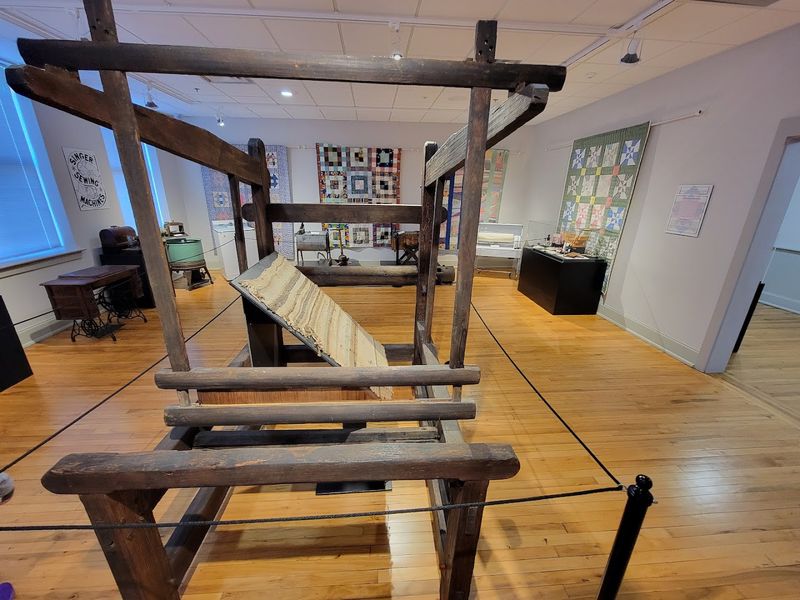
The coast has its own working vocabulary: nets, boats, weather, river mud, tobacco, cypress, salt. In a place shaped by both inland farms and nearby water, tradition looks practical before it looks precious.
That is why this museum feels so grounded from the moment you enter.
At the Horry County Museum in Conway, regional heritage is explored through exhibits that connect local crafts, trades, and everyday life. Depending on what is on view, you may see handmade tools, photographs, or displays tied to agriculture, river culture, and coastal plain traditions.
The old county setting gives it an added sense of permanence.
What makes the visit stick is its specificity. This is not a generic Southern history lesson.
It is a close look at one corner of the state and the skills that helped people make a life there. You come away understanding the Grand Strand region as more than beaches and summer traffic.
South Carolina Artisans Center
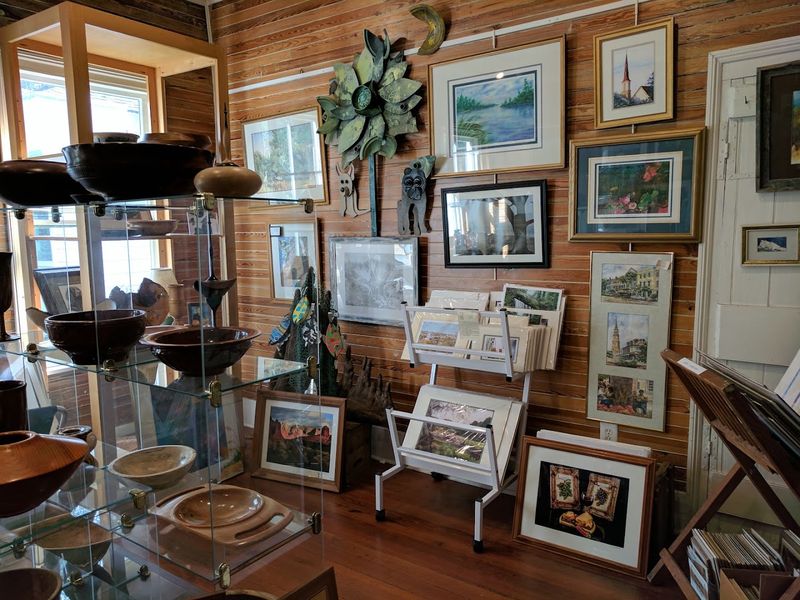
There is a quiet pleasure in seeing a whole state through the things its people make. A pottery bowl, a woven scarf, a carved wooden piece, a print pulled by hand – each one carries a local accent even before you read the label.
The mood here is gallery calm with a distinctly handmade heartbeat.
In Walterboro, the South Carolina Artisans Center gathers work by makers from across the state, giving traditional and contemporary craft a shared home. You can move from sweetgrass-inspired textures to turned wood and finely glazed ceramics in a single visit.
The setting feels polished, but never chilly.
What makes it compelling is the breadth of skill on display. Instead of focusing on one region or one heritage stream, it lets you trace South Carolina’s creative identity through materials and technique.
If you like travel souvenirs with soul, this is the kind of place that quietly resets your standards.
Old Edgefield Pottery
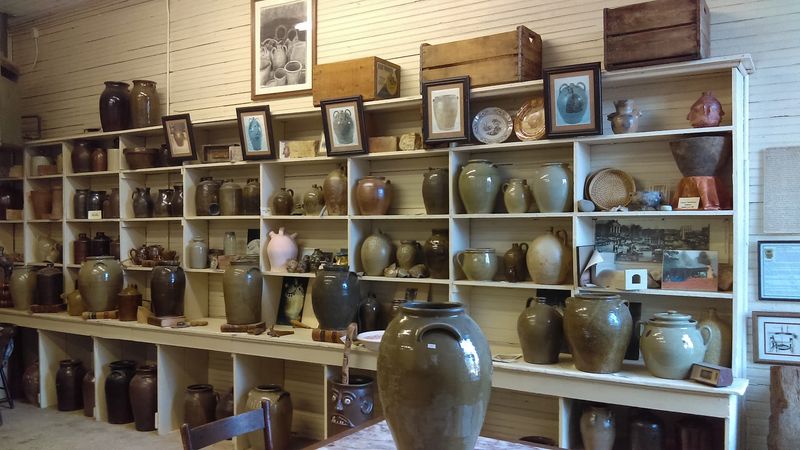
Pottery can feel almost architectural in Edgefield. The jars are broad-shouldered, the glazes deep and earthy, and the tradition itself seems to rise straight out of the soil.
Even before you learn the history, the forms have a gravity that asks for your attention.
At Old Edgefield Pottery, that regional legacy is the point. The site connects visitors to one of South Carolina’s most distinctive craft traditions, with interpretation centered on the stoneware history that made Edgefield famous.
Looking closely at alkaline-glazed vessels, you begin to see how utility, artistry, and local materials shaped a style that still feels unmistakable.
This is the kind of stop that rewards lingering. A single pot can open up conversations about labor, trade, technique, and place in ways that are richer than expected.
If you have ever wondered how an everyday object becomes cultural inheritance, Edgefield provides one of the clearest answers in the state.
Morris Center for Lowcountry Heritage
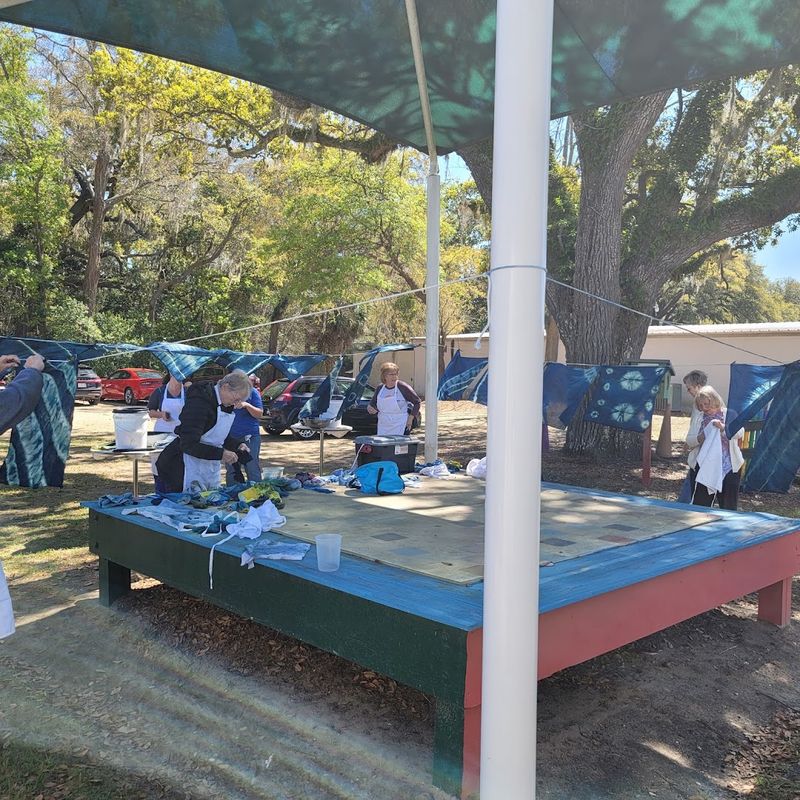
The Lowcountry often gets reduced to postcard beauty, but its real depth comes from culture shaped by labor, land, and inherited skill. This is the kind of place that helps you move past the surface.
You begin with curiosity and leave with a more layered understanding of what the region actually holds.
In Ridgeland, the Morris Center for Lowcountry Heritage explores local traditions through exhibits and programs that touch foodways, arts, environment, and community memory. Depending on the visit, you may encounter interpretation connected to fishing culture, handmade practices, or the long relationship between people and marshland.
The building feels contemporary, but the stories remain rooted.
It is worth adding to a South Carolina heritage itinerary because it broadens the definition of folk culture. Tradition here is not confined to a single craft table.
It appears in cooking, language, labor, and adaptation, reminding you that everyday life can be one of the richest archives a traveler finds.
Oconee History Museum
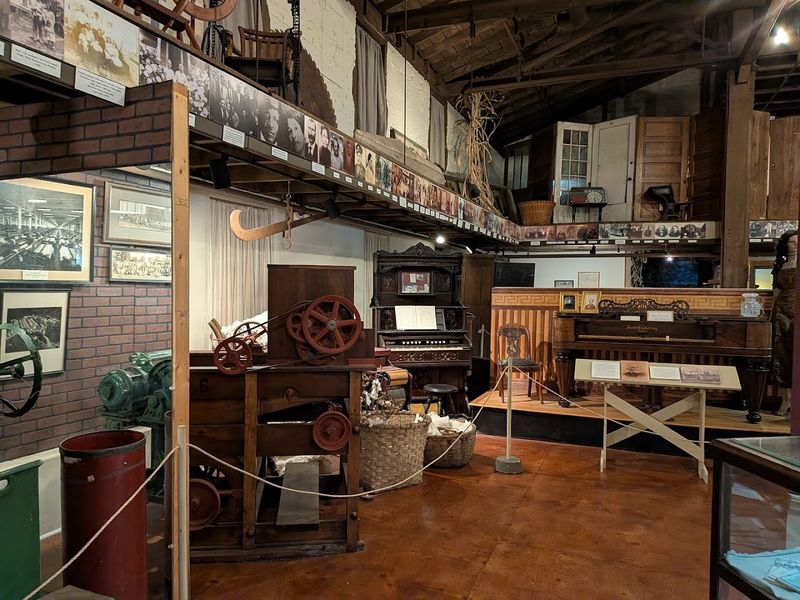
Mountain communities leave behind a different visual record than grand cities do. Their history lives in hand tools, patched textiles, kitchen objects, and the kind of practical craftsmanship that rarely asked to be called art.
That is exactly what makes it compelling to see up close.
The Oconee History Museum in Walhalla offers a strong window into that world, especially if you are interested in how Appalachian and foothills traditions shaped daily life in the far northwest corner of the state. Exhibits often connect settlement history with the objects people made, used, repaired, and handed down.
Small details, like old farm implements or domestic wares, do a surprising amount of storytelling.
The experience feels local in the best sense. You are not moving through a polished national narrative.
You are meeting Oconee County on its own terms, through the textures of work and home life. That kind of specificity gives the past warmth, weight, and an unmistakable sense of place.