Have you ever gotten into a car without a plan, with nothing but a full tank and the desire to be taken somewhere quieter?
In North Georgia, that sense of freedom is best matched by the Russell-Brasstown Scenic Byway, a stretch of asphalt that winds into the mountains and constantly reshapes the landscape ahead.
This route near Helen turns an ordinary drive into something deeper, guiding you through dense forest shadows, past hidden waterfalls, and up to overlooks where the horizons finally open.
It feels less like traveling toward a destination and more like letting the mountains lead you exactly where you need to be.
Where The Pavement Begins To Climb
The first miles feel like a quiet agreement between you and the mountains.
You leave the flatter world behind almost without noticing, and then the road begins to lift, fold, and curl through the trees as if it has remembered an older shape.
Light flashes across the windshield in broken bands, and every bend seems to reveal a higher line ahead.
You are not dropped into a dramatic view all at once.
Instead, the Russell-Brasstown Scenic Byway eases you upward, letting the air cool slightly, letting the forest draw closer, letting your attention sharpen with each curve.
That gradual climb gives the whole drive its rhythm.
It feels intimate before it feels expansive, and that matters.
By the time the ridges begin to open and the horizon starts pulling your eyes farther out, you are already moving at the mountain’s pace.
You become tuned to the road, the elevation, and the quiet thrill of not quite knowing what waits around the next turn.
A Road That Rewards Focus
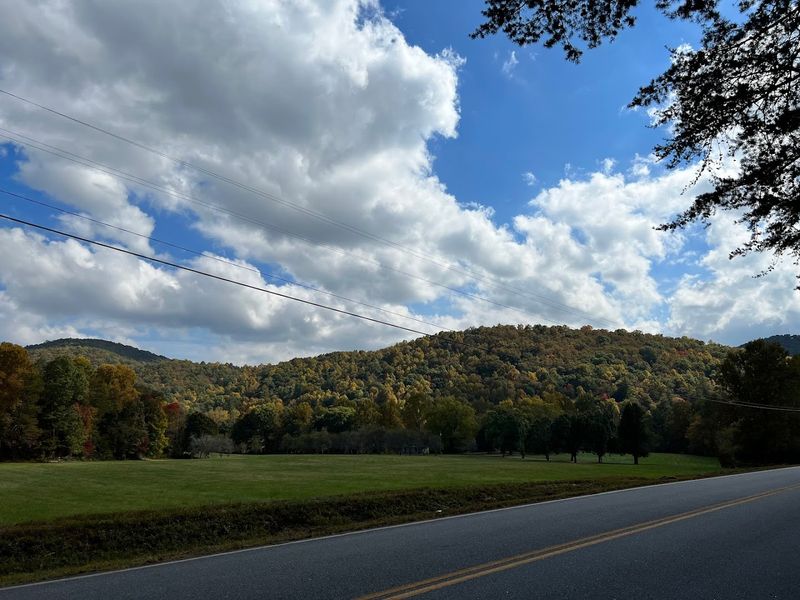
This drive does not let you drift through it half awake.
The curves are real, sometimes tight and technical, sometimes long and sweeping, and they ask for your full attention in the best possible way.
You feel the steering wheel become part of the experience, not just a tool, and every mile starts to feel active, alert, and alive.
That is part of the route’s character.
Reviews call it one of the best mountain drives in Georgia, and once you are in the middle of those snaking turns, it is easy to understand why.
The pavement keeps shifting your perspective, giving you quick glimpses into valleys, then pressing you back into the fold of the ridge.
If you are not used to mountain roads, the byway asks for patience and respect.
Obey the signs, take your time, and let slower moments be part of the pleasure.
When you settle into that rhythm, the road stops feeling demanding and starts feeling like a conversation between motion, landscape, and your own steady focus.
Hogpen Gap And The Sudden Vastness
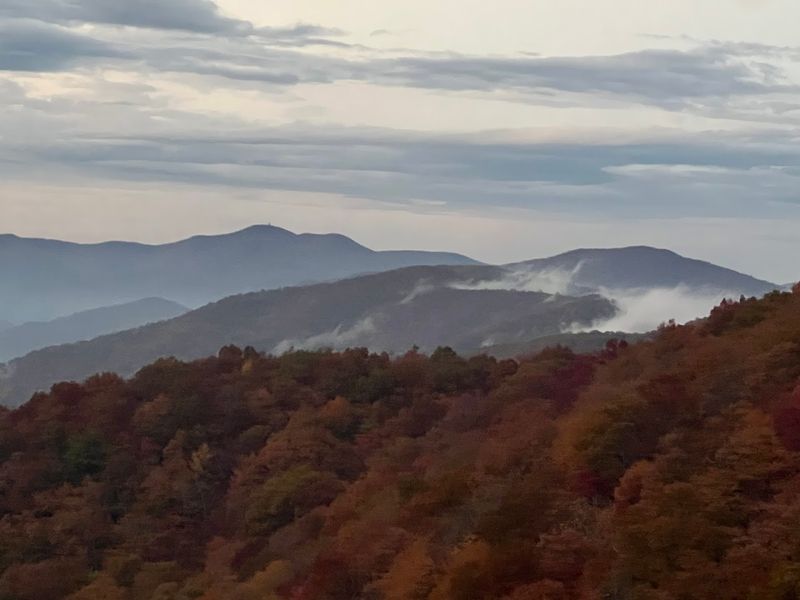
Then comes one of those stops that changes the scale of the whole journey.
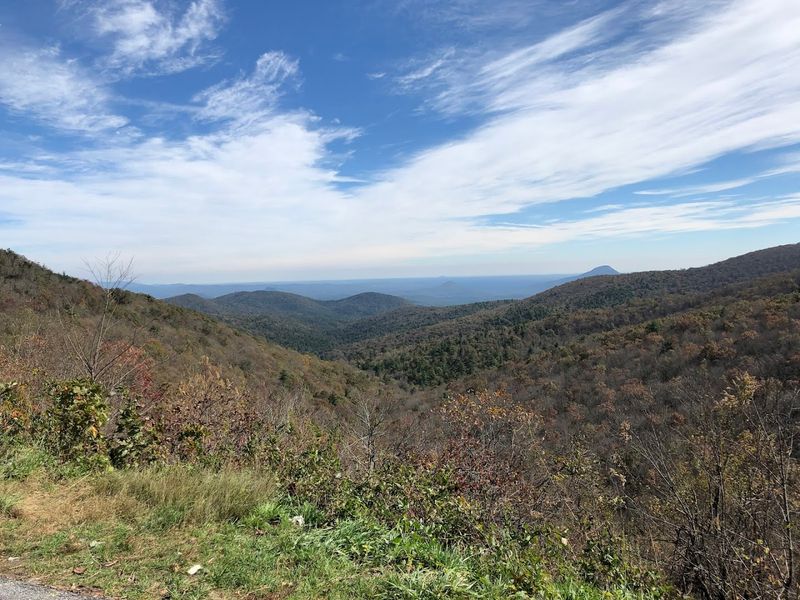
At Hogpen Gap, the close, curving intimacy of the forest gives way to an immense spread of ridges, sky, and distance that seems to keep unfolding long after your eyes think they have reached the end.
The wind feels stronger here, cleaner somehow, as if it has traveled over half the state before finding you.
This overlook is often the one people remember most, and standing there, that makes perfect sense.
You can trace the mountain lines one behind another, fading from green to blue to a pale smoky silver as they recede.
On a clear day, the openness is almost startling after so many enclosed stretches of road.
What stays with me is the contrast.
Minutes earlier, you are moving through tree shadow and curve after curve, and suddenly the world widens into something grand and almost spare.
This byway is more than just scenic.
It reveals its most dramatic views at precisely the right moment, holding them back until they have the greatest impact.
Waterfalls Hidden In The Rhythm Of The Drive
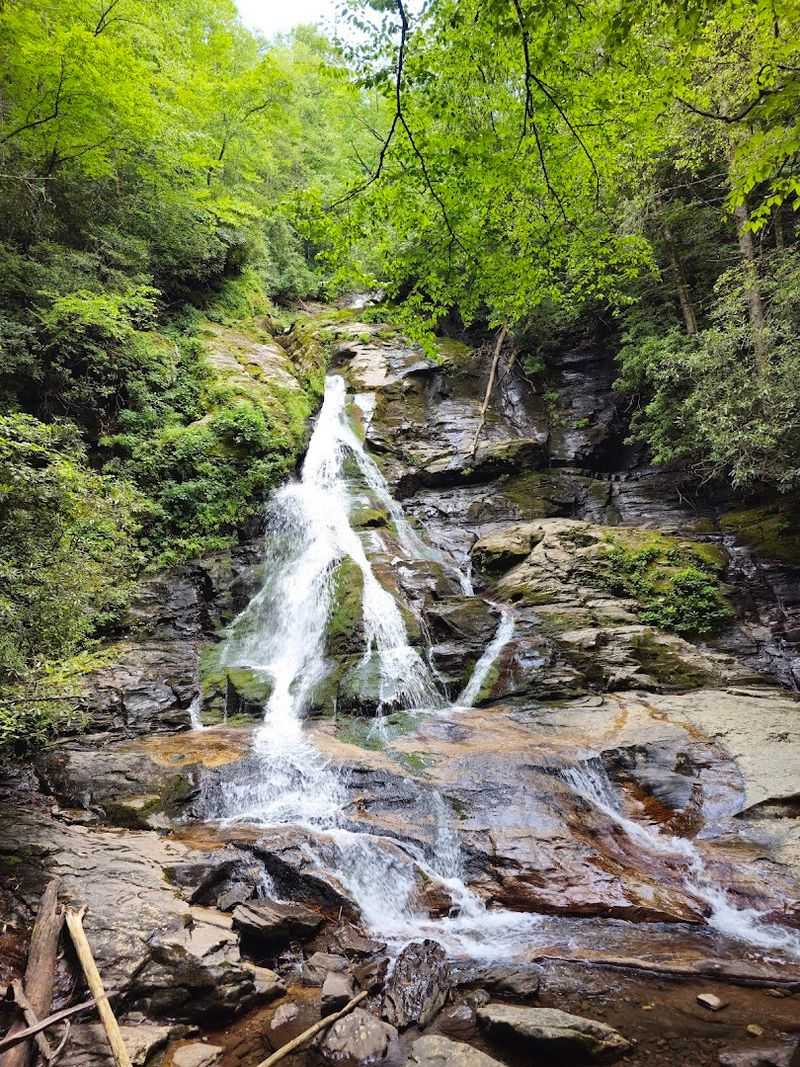
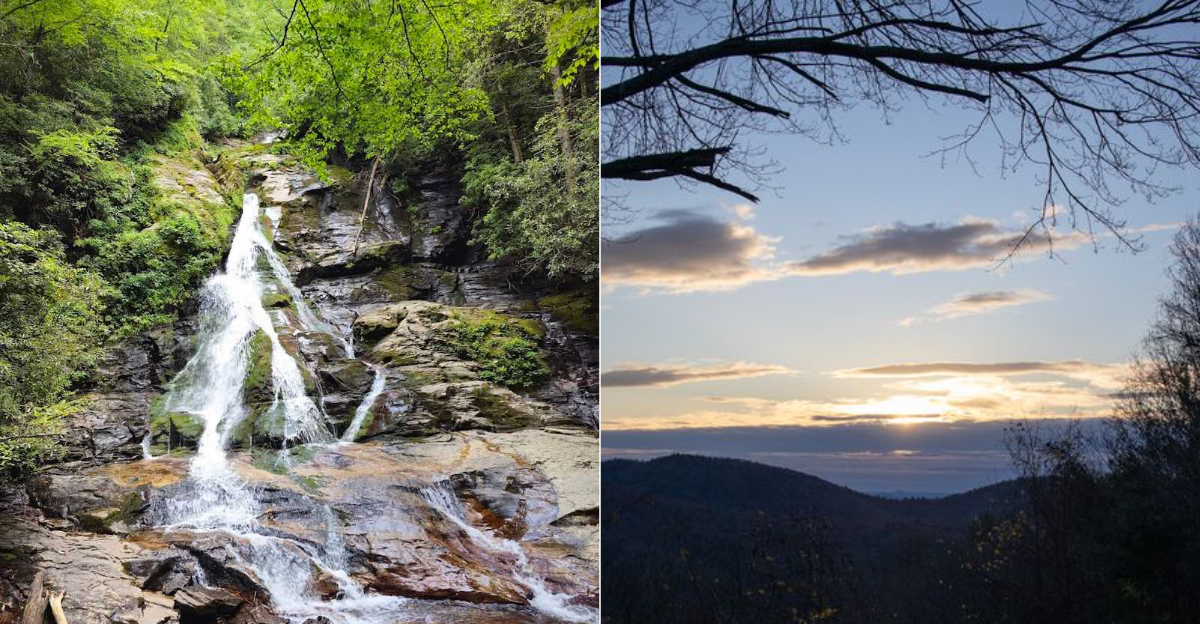
One of the best things about this route is how water keeps entering the story.
Not always in obvious ways, either.
Sometimes it is a trailhead sign, a pull-off, a faint sound through the trees, or the knowledge that nearby falls are tucked just beyond the road, turning the drive into something more exploratory than linear.
The byway runs through a landscape where streams gather speed quickly.
After rain, the whole mountain seems to be in motion, with wet rock faces glinting and creeks speaking a little louder than usual.
Even when you are not standing at a waterfall, you feel close to them, as if the road itself has been shaped by their persistence.
That matters because it changes the mood of the trip.
The overlooks give you scale, but the waterfalls give you texture, sound, and intimacy.
They bring you back down from the far horizon to the cool hush of fern-lined paths and shaded hollows.
On a route filled with sky and distance, those pockets of moving water feel grounding, immediate, and deeply refreshing.
When The Air Turns Cooler By The Mile
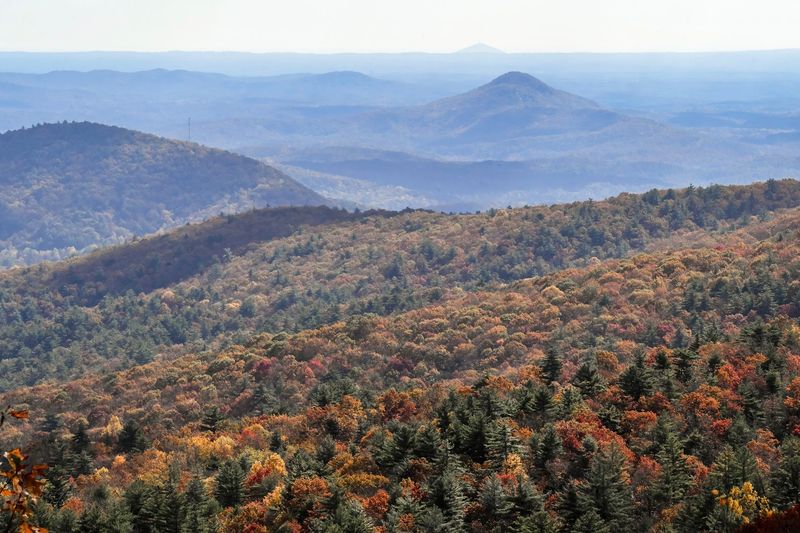
You notice the elevation here with your skin before you measure it in numbers.
The air thins into something cooler and cleaner as the road climbs, and if you crack the window, that shift comes rushing in with the scent of leaves, bark, and distant water.
It is one of those drives where the atmosphere keeps rewriting itself mile by mile.
Lower stretches can feel soft and sheltered, almost humid in the warmer seasons, but the higher sections carry a briskness that wakes you up. In fall, that contrast becomes even sharper.
One curve holds late green, the next leans gold, and farther up the ridges look brushed with amber and rust under a brighter, clearer sky.
I think that vertical movement is part of what makes the byway feel longer and richer than its forty one miles suggest.
You are not just traveling forward.
You are moving through layers of temperature, vegetation, and light.
The road becomes a kind of rising timeline, and each change in altitude brings a slightly different version of North Georgia into view.
Through The Forest Tunnel At Wildcat Mountain
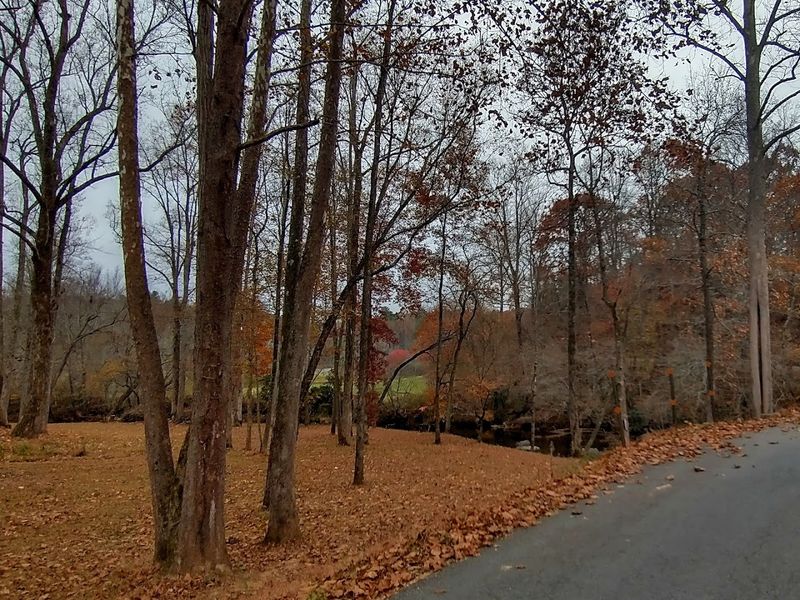
Not every memorable stretch on this byway comes from a huge overlook.
Some of the most affecting moments happen under the canopy, where the road narrows visually and the forest seems to lean in close on both sides.
Around Wildcat Mountain, especially near the Appalachian Trail crossing, the landscape feels layered with quiet stories and footpaths older than your own day’s plans.
The trees create a kind of living corridor.
Sunlight arrives in fragments, touching the hood, vanishing, then returning in a different shape a few seconds later.
In autumn, those canopy-covered sections glow from within, and even in greener months they hold a depth of shade that makes the road feel calm, sheltered, and almost secretive.
What I find beautiful is the balance.
This route can offer broad views and open sky, but it never loses contact with the close texture of the woods.
Crossing a place tied to the Appalachian Trail deepens that feeling.
You are reminded that this mountain country is not only for scenic pauses from the car.
It is also meant to be walked, listened to, and lingered in.
The Quiet Luxury Of A Weekday Morning
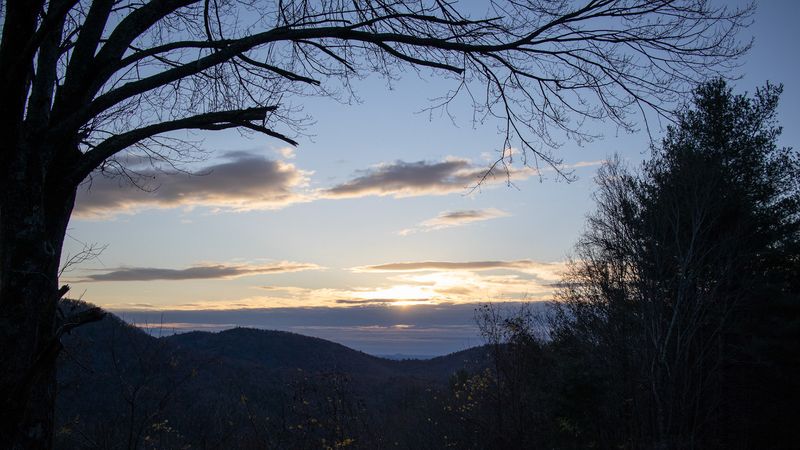
There is a special kind of peace on this road when you start early on a weekday.
The overlooks feel unhurried, the pull-offs are easier to claim for a few quiet minutes, and the whole drive seems to belong more fully to the sound of wind, tires, and birds hidden somewhere beyond the guardrail.
It becomes less of an outing and more of a reset.
That mood comes up again and again in what people say about the byway.
They talk about finding calm here, escaping noise, opening the windows, and letting the mountain air do the work.
I understand that completely.
On an empty stretch, with no rush behind you and no need to chase the next stop, your mind begins to travel at the same speed as the landscape.
The route is not long, but it can feel wonderfully spacious when you are not sharing it with many people.
A quick drive becomes a lingering one.
You pull over more often. You hear more.
You notice small things, like fog lifting from a ridge or sunlight moving across distant slopes, and the day starts to feel larger than your schedule.
Ending In Big Sky And Long Memory
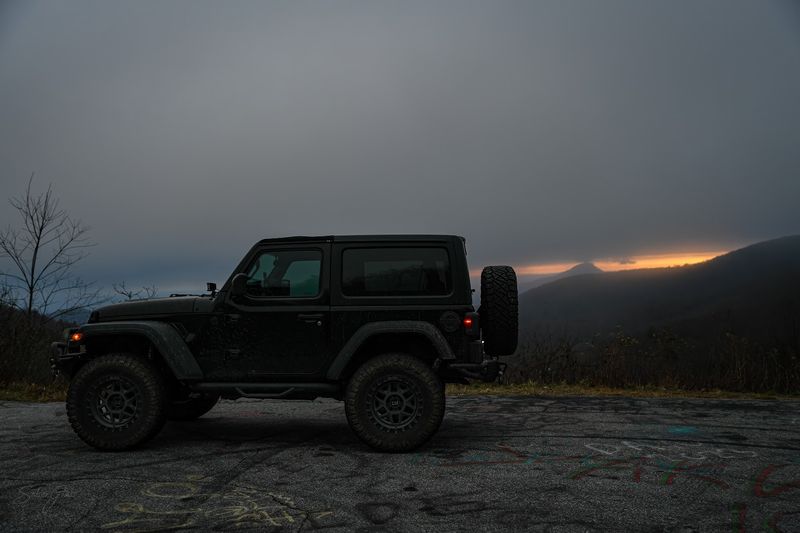
By the time the drive begins to wind toward its final stretches, something subtle has changed.
You are still in motion, still following the mountain’s contour, but the journey now carries the pleasant weight of everything it has already shown you: close forest, cold air, flashes of water, sudden overlooks, and those long ridgelines that seem to breathe under the sky.
The last views feel fuller because of what came before them.
Big sky is not just big sky here. It is the reward after enclosed bends, after narrow corridors of trees, after the steady climb that taught your eyes how to read distance.
When the horizon opens again, it lands with more feeling, because the road has prepared you for it carefully.
That is why this byway lingers in memory longer than many drives that are technically grander or longer.
It unfolds instead of showing off. It lets discovery arrive in stages.
And when you finally turn away from the highest views and head back toward town, you carry that rhythm with you, as if some part of the mountain road is still quietly unwinding ahead.