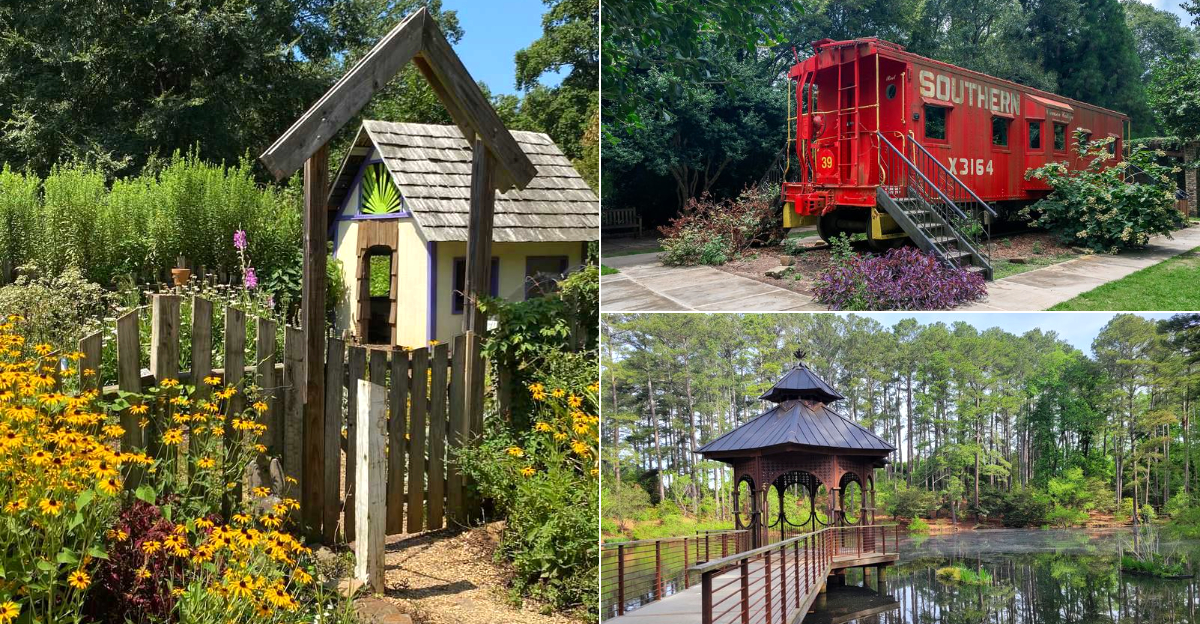
Some gardens ask you to slow down, but the one tucked into the Clemson University campus practically insists on it.
Spread across more than 295 acres of native plants, themed garden rooms, and peaceful woodland trails, this hidden gem in the South Carolina Upstate rewards every visitor who makes the detour.
The South Carolina Botanical Garden feels less like a curated exhibition and more like stepping into a living storybook, complete with butterfly habitats, a heritage garden, and towering trees draped in Spanish moss.
Unlike busy tourist attractions, this one draws an unhurried crowd: birdwatchers, families with small children, photographers, and anyone who just needs an afternoon away from screens.
If you’re looking for a place to breathe deeply, wander slowly, and leave feeling genuinely restored, this is the spot.
A Gateway That Sets the Mood
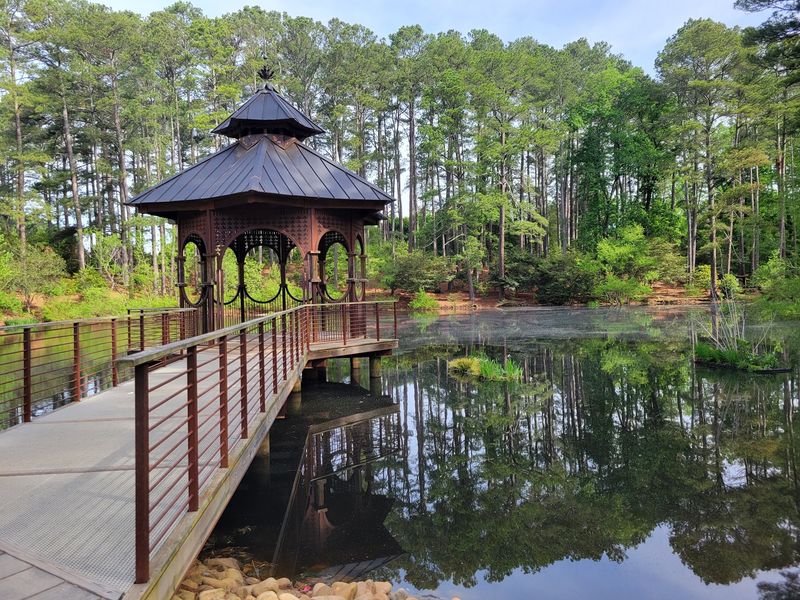
The first few steps feel like crossing from a busy day into a softer, greener world.
Paths curve ahead, trees frame the view, and the air seems to slow people down right away.
At South Carolina Botanical Garden, 150 Discovery Ln, Clemson, SC 29634, that gentle shift is part of the charm.
Visitors should start by checking maps, signs, or the visitor information area before choosing a route.
The grounds are large enough that a little planning helps families, couples, and solo walkers enjoy more without feeling rushed.
Comfortable shoes matter, since the best moments often come from wandering a bit beyond the first pretty scene.
A smart first stop is any posted garden map, because it shows trails, gardens, natural areas, and restrooms.
Bring water, especially in warm months, and give yourself extra time for photos.
Even a short visit can feel special if you pause often, listen for birds, and notice how carefully the landscape shifts from open lawn to shaded path.
Native Plants With Storybook Color
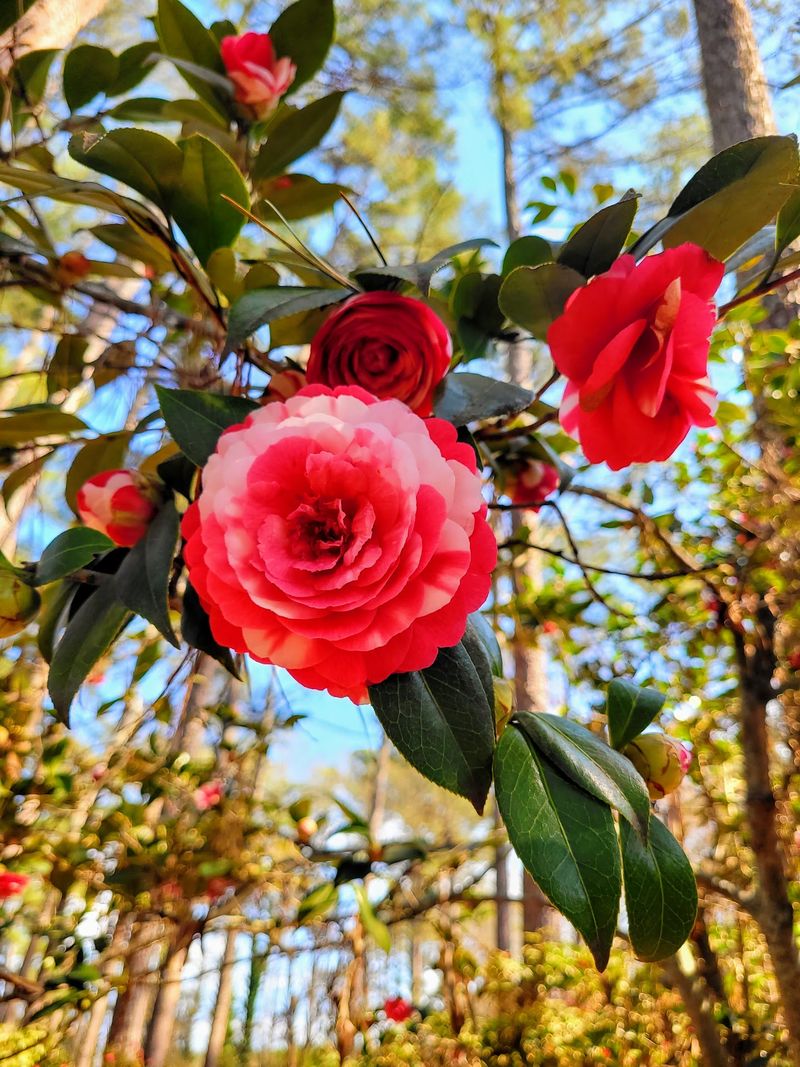
Color appears in little surprises here, sometimes along a path and sometimes tucked beside a quiet bend.
Instead of feeling like a stiff flower display, the plantings show how native beauty can look lively, useful, and easy to love.
Children may notice bright petals first, while adults often appreciate the layered textures.
Native plants are a big reason the garden feels connected to its region.
They support bees, butterflies, birds, and other small creatures that depend on familiar food and shelter.
For home gardeners, this is a helpful outdoor classroom, because it shows which plants can handle local weather and still look lovely.
Take photos of plant labels when you see them, especially if a flower or shrub catches your eye.
Later, those names can help you choose better options for your own yard or patio.
Look for seasonal changes too, since spring blooms, summer greens, fall seed heads, and winter shapes each tell a different part of the garden story for curious visitors.
Woodland Trails That Feel Secret
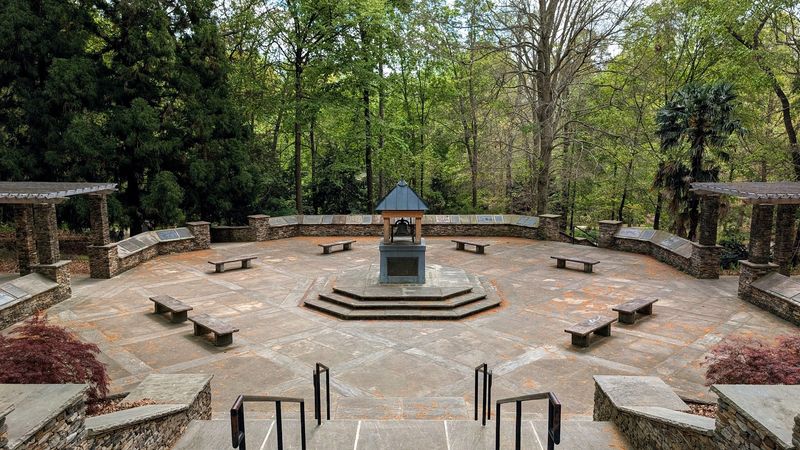
Under the trees, the garden changes its voice from bright and open to hushed and mysterious.
Leaves muffle footsteps, birds call from hidden branches, and sunlight lands in broken patches on the ground.
It is the kind of trail where even a normal walk starts to feel like an adventure.
Woodland paths are great for visitors who want calm without needing a long hike.
They offer shade on hot days and give kids plenty to notice, from bark patterns to tiny mushrooms after rain.
Move slowly, because quick walkers often miss the small details that make the forest sections memorable.
Closed-toe shoes are a good idea, especially if the path is damp or uneven.
Stay on marked trails to protect roots, soil, and little plants growing near the edges.
If you bring children, turn the walk into a quiet scavenger hunt by asking them to spot different leaves, bird sounds, smooth stones, or fallen pinecones without picking living plants.
Water Views Made for Slow Breathing
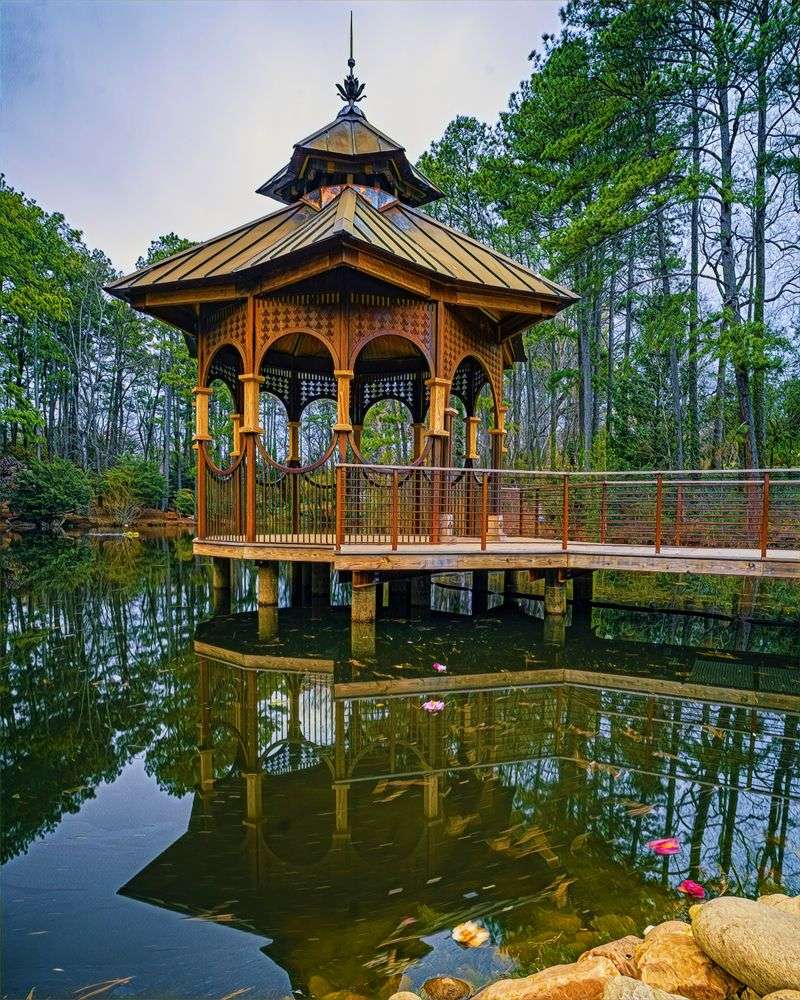
Water has a way of making people lower their voices without being told.
A pond, stream, or wetland edge can turn a simple stop into one of the most peaceful parts of the day.
Reflections, ripples, insects, and birds all add tiny movements that reward patient watching.
These spots are perfect for a rest between garden sections.
Sit for a few minutes if benches are available, or stand quietly and scan the surface for signs of life.
Children may enjoy looking for turtles, dragonflies, frogs, or fish, but remind them to keep a safe distance from edges.
Water areas also teach an easy lesson about healthy landscapes.
Plants near the shore can filter runoff, hold soil in place, and provide shelter for wildlife.
For the best photos, visit when light is softer, such as morning or late afternoon.
A calm reflection framed by trees can look dreamy without any fancy camera skill, especially when the wind stays gentle.
Artful Corners and Garden Surprises

A bend in the path can suddenly feel like a secret room made of leaves, stone, and imagination.
That is part of the fun in a well-designed garden, where beauty is not always lined up in plain sight.
Small artistic details can make visitors stop, smile, and look closer.
Garden art, shaped beds, bridges, walls, and seating areas help create a sense of discovery.
They also give people natural pauses during a walk, which is helpful for families with younger kids or older visitors.
Instead of racing from one big feature to another, let the smaller scenes guide your pace.
Try looking at each corner from more than one angle.
A sculpture may frame a plant, a path may point toward a view, or a bench may be placed exactly where the light feels best.
These choices are not random, and noticing them makes the visit richer.
Bring a sketchbook or journal if you enjoy recording peaceful places in a personal way.
History Woven Into the Landscape

Some places feel beautiful because they are planted well, and others feel deeper because they carry memories.
Here, the landscape is not only about flowers and trees.
It also invites visitors to think about land, people, traditions, and the way outdoor spaces change over time.
Historical markers, heritage plants, old structures, or cultural displays can turn a garden walk into a gentle history lesson.
Read signs when you find them, because they often explain details you might pass without noticing.
For students, these stops can make local history feel more real than a page in a textbook.
Adults may enjoy talking with kids about how gardens preserve stories.
A plant can connect to food, medicine, craft, farming, or family life.
Ask simple questions as you walk, such as who may have used this land, why certain plants mattered, and how people cared for nature in earlier days.
Those questions help the visit feel meaningful, not just pretty.
Wildlife Moments Around Every Turn
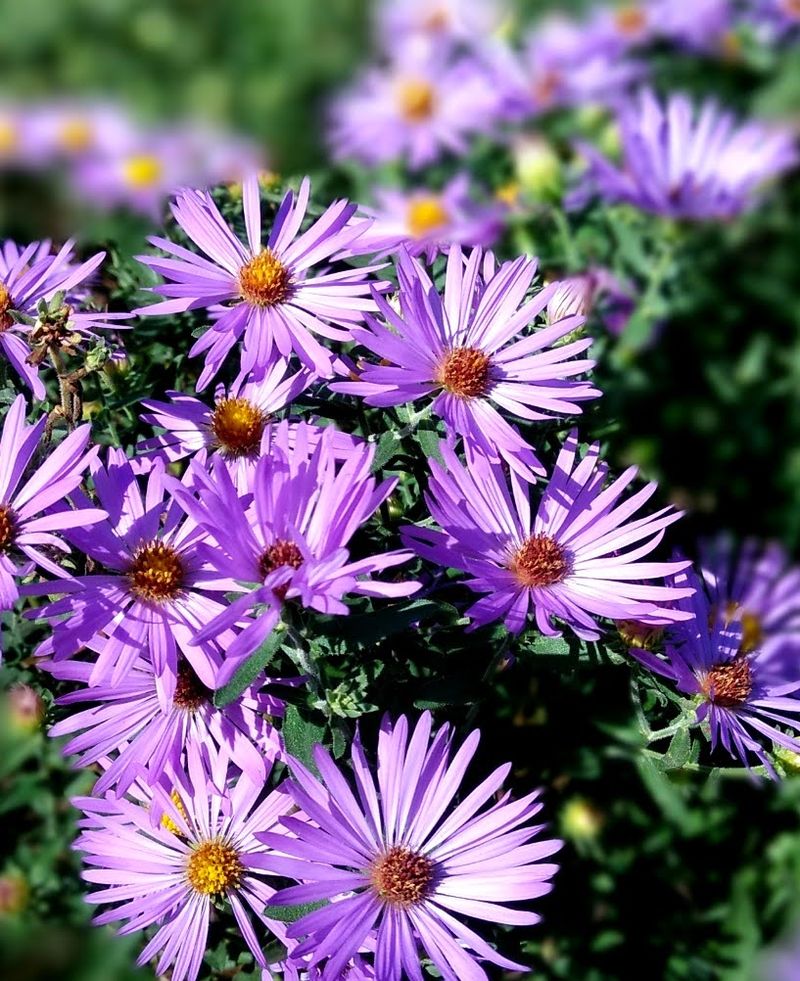
A flash of wings can make the whole garden feel alive in a new way.
Butterflies drift over flowers, bees work busily, and birds move through shrubs like tiny performers on a leafy stage.
Wildlife watching adds excitement because no two visits are exactly alike.
The best approach is simple: slow down and look toward edges.
Animals often appear where open spaces meet trees, flowers meet paths, or water meets plants.
Use quiet voices, keep hands to yourself, and avoid feeding wildlife, since human snacks can make animals sick or change their behavior.
Binoculars are helpful but not required.
A phone camera, a small notebook, or even a memory game can make wildlife spotting fun for kids.
Count how many pollinators visit one patch of flowers in five minutes, or listen for three different bird calls.
These small activities teach patience and respect.
They also show how a garden can become a safe home for many living things.
A Peaceful Plan for Visiting Well
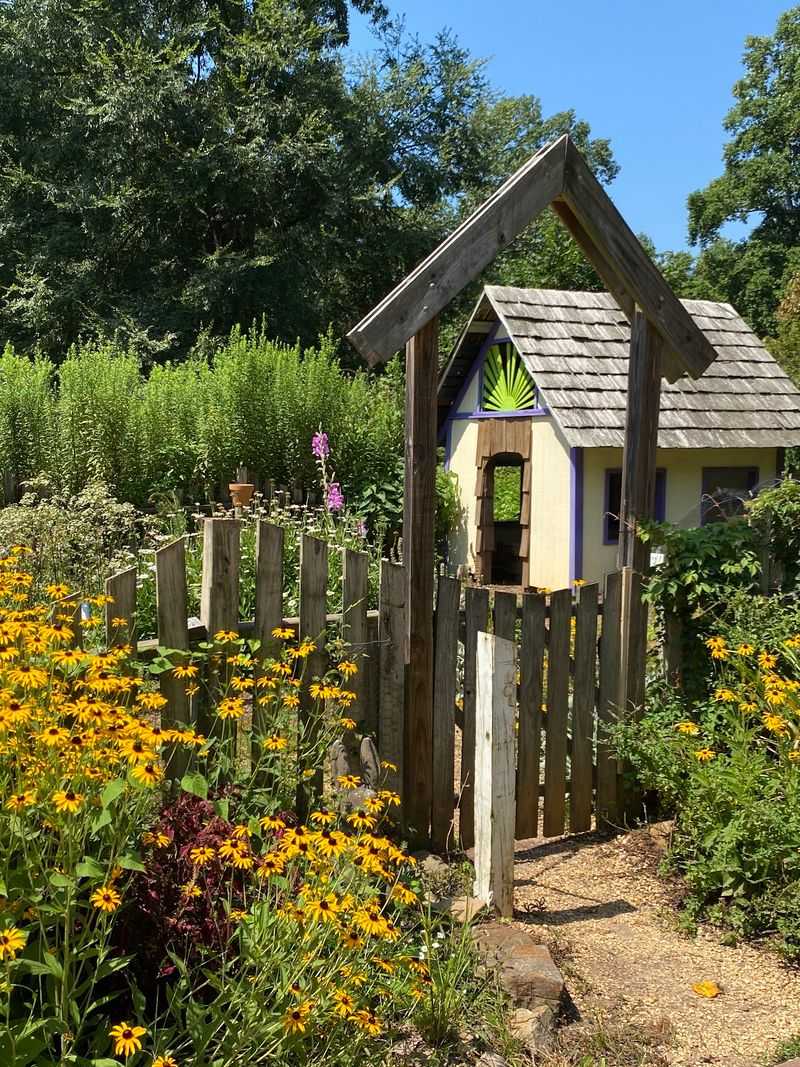
A dreamy visit usually starts before anyone reaches the first trail.
Good planning keeps the day easy, especially when weather, walking distance, and group energy can change quickly.
With a few simple choices, the garden becomes less stressful and more enjoyable for everyone.
Check hours, parking details, event listings, and any seasonal updates before leaving home.
Bring water, sunscreen, bug spray, and comfortable shoes, plus a light jacket if the weather looks uncertain.
Families may want snacks, but should follow posted rules and keep the area clean.
Choose one main goal instead of trying to see everything.
Maybe you want a quiet walk, flower photos, wildlife watching, or a short educational trip with children.
Leaving room for unplanned stops often creates the best memories.
Respect signs, stay on paths, and give other visitors space to enjoy the quiet.
Before you go, pause for one last look at the trees or flowers, because that final calm moment may stay with you longest.