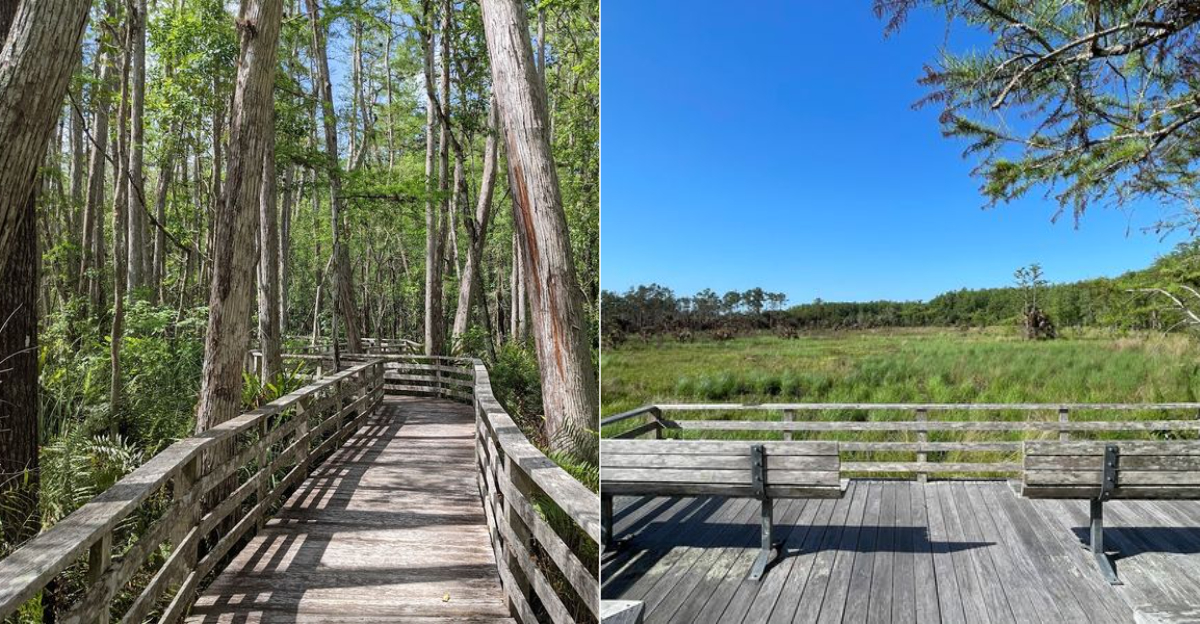
A walk through Audubon Corkscrew Swamp Sanctuary feels like stepping into a quieter side of Florida, where the pace slows and nature takes center stage. Along the 2.25-mile boardwalk, sunlight filters through towering bald cypress trees, reflecting off still water dotted with lilies and wild greenery.
The air carries the sounds of birds calling from the canopy, while turtles, wading birds, and other wildlife make unexpected appearances along the way.
This hike is especially rewarding in late spring and early summer, when the wetlands are vibrant and alive with activity. With no steep climbs or rugged terrain to navigate, it’s an easy outing for families, photographers, and anyone who enjoys exploring at a relaxed pace.
Every bend in the boardwalk reveals something new, making the journey feel less like a hike and more like a slow discovery of Florida’s natural beauty. Here’s what makes this remarkable walk worth experiencing.
Towering Ancient Cypress Trees Stand Guard
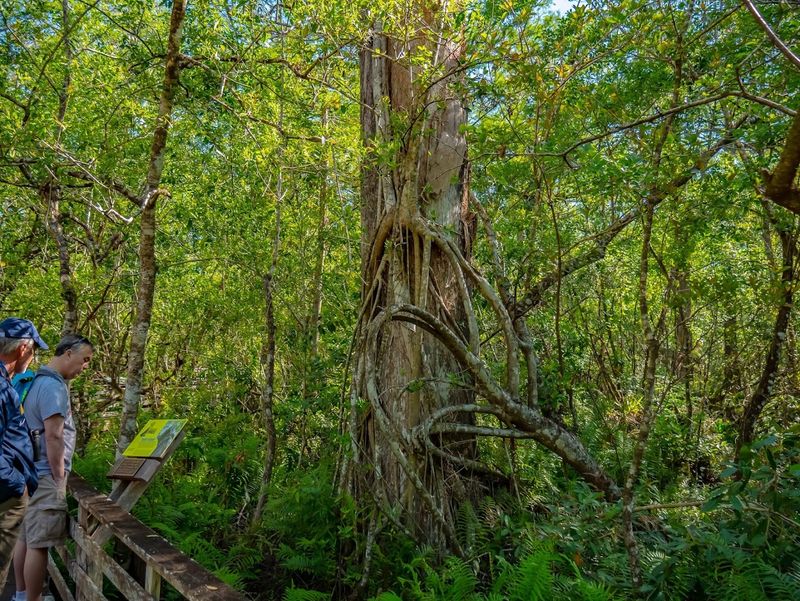
Imagine walking beneath trees that were already giants when your great-grandparents were born. The old growth cypress forest here contains some of the oldest trees in North America, with many exceeding 500 years old.
Their massive trunks stretch skyward, creating a cathedral-like canopy that filters sunlight into magical golden beams.
These towering cypresses represent one of Florida’s few remaining old growth forests, making them incredibly rare and precious. Most similar forests were logged decades ago, but this sanctuary protected these ancient giants.
The National Audubon Society established Audubon Corkscrew Swamp Sanctuary in 1954 specifically to preserve this irreplaceable ecosystem.
Walking among these trees feels like stepping back in time. The peaceful atmosphere and sheer scale of these living monuments create memories that last forever.
Photographers absolutely love capturing the interplay of light, shadow, and those weathered gray trunks.
Every visitor comments on how the trees make them feel small in the best possible way. Their gnarled roots and branches tell stories of hurricanes survived and seasons witnessed.
This natural wonder alone makes the 2.25-mile journey worthwhile.
A Perfectly Maintained Boardwalk Makes Everything Accessible
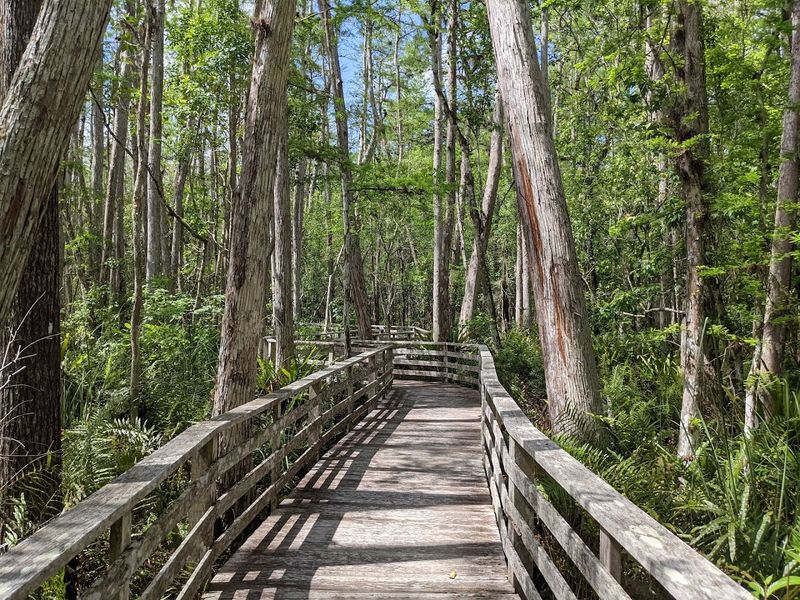
Forget muddy shoes and worrying about where to step. The entire trail consists of sturdy wooden boardwalks that keep you high and dry above the swamp below.
Families with strollers and visitors in wheelchairs successfully navigate the full route, making this adventure truly inclusive for everyone.
The boardwalk construction showcases thoughtful design throughout. Handrails provide support, and the width allows people to pass comfortably.
Several covered seating areas with benches offer perfect spots to rest, observe wildlife, or escape a sudden afternoon shower.
Unlike typical hiking trails that require special gear or physical fitness, this path welcomes visitors of all abilities. Parents pushing double strollers complete the full distance, and reviewers mention successfully navigating wheelchairs along every section.
The gentle, flat terrain means your heart rate stays calm while your eyes stay busy.
Maintenance crews keep everything in excellent condition year-round. The smooth surface means toddlers can walk independently without parents constantly worrying.
This accessibility factor sets the sanctuary apart from other Florida nature experiences that often involve rough terrain or narrow paths.
Alligators Cruise By at Eye Level
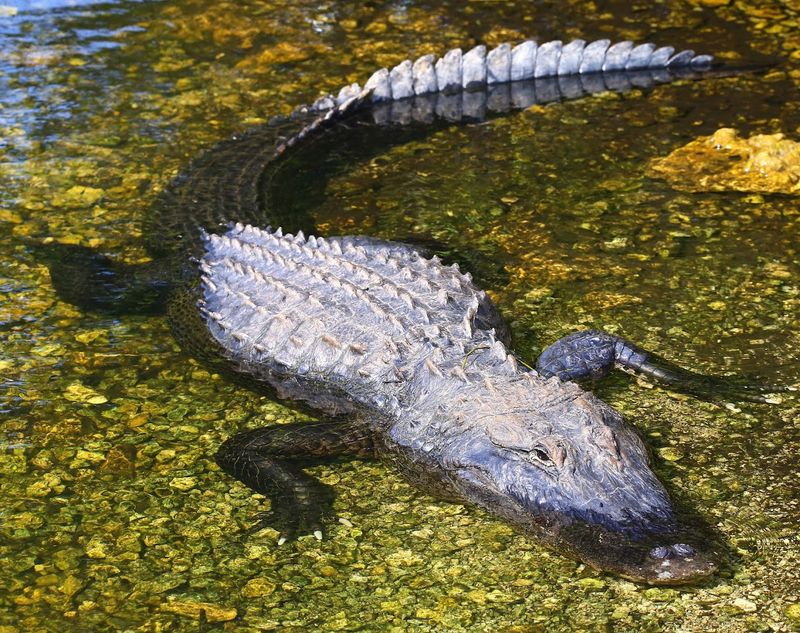
Your pulse quickens when you spot that distinctive snout gliding through dark water just feet away. Alligators frequent these wetlands year-round, and sightings happen on nearly every visit.
The boardwalk positions you at the perfect height to observe these prehistoric reptiles safely while they hunt, sun themselves, or patrol their territory.
Reviewers consistently mention memorable alligator encounters, with some witnessing incredible hunting behavior. One lucky visitor watched a gator catch and consume its meal right from the boardwalk.
These thrilling moments happen because the sanctuary protects natural wildlife behaviors without interference.
The gators here seem unbothered by human observers, continuing their daily routines as if cameras don’t exist. Their presence reminds visitors this is genuine wilderness, not a zoo or staged attraction.
Rangers and volunteers can often point out favorite sunning spots where gators frequently appear.
Safety comes naturally since you’re elevated above the water. Children find these sightings absolutely captivating, though parents appreciate the secure railings.
Bring binoculars for even better views, and remember patience pays off when wildlife watching.
Bird Watching Reaches Championship Levels
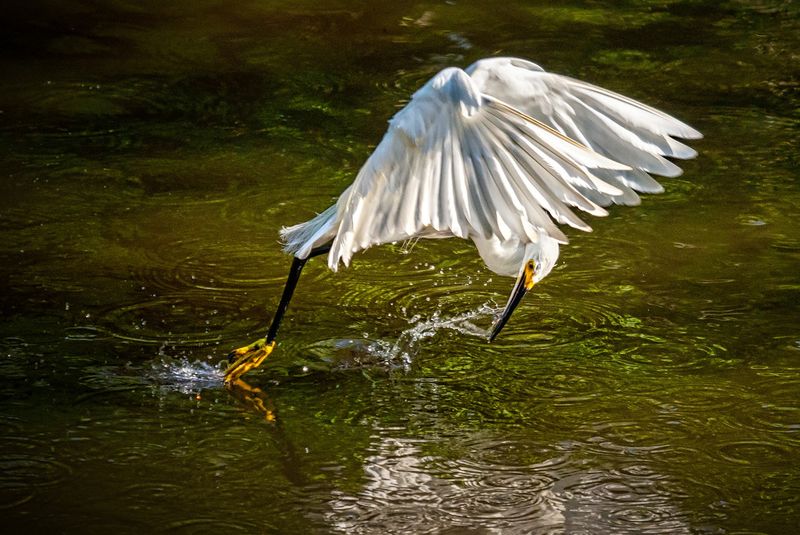
Serious birders travel from across the country specifically to visit this location. The sanctuary serves as home or stopping point for hundreds of bird species throughout the year.
From tiny warblers to massive wood storks, the variety keeps binoculars busy from the moment you step onto the boardwalk.
A daily chalkboard near the entrance lists recent sightings, helping visitors know what to watch for. Great egrets, anhingas, ibises, and the stunning roseate spoonbill appear regularly.
Hawks circle overhead while woodpeckers hammer away at ancient tree trunks.
The wetland ecosystem attracts wading birds that fish in shallow waters. Observation areas with telescopes let you scan distant tree lines for roosting birds or nests.
Winter months bring migrating species that don’t nest here but stop to refuel.
Even non-birders find themselves captivated by the aerial displays and colorful plumage. The sanctuary provides identification guides and enthusiastic staff who love sharing knowledge.
Many visitors discover a new appreciation for avian life after spending a morning among these feathered residents.
Early Morning Magic Beats the Crowds and Heat
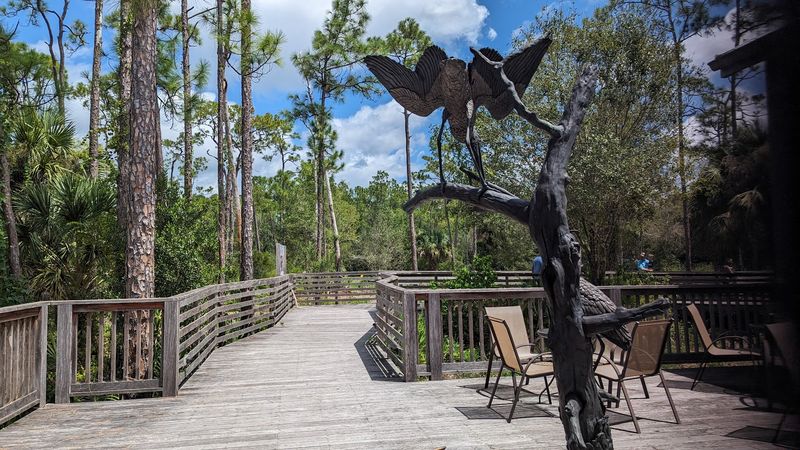
Smart visitors arrive when the gates open at 8 AM. Morning hours bring cooler temperatures, active wildlife, and smaller crowds.
The early light creates photography gold as it filters through the canopy, and animals move around more before the afternoon heat sets in.
Several reviewers specifically recommend post-rain visits when everything looks extra lush and vibrant. The forest seems to glow after a storm passes, with water droplets catching sunlight like tiny diamonds.
Wildlife activity also increases after rainfall, improving your chances of exciting encounters.
Weekday mornings offer the most solitude. While the sanctuary does attract visitors, arriving early means you might have entire stretches of boardwalk nearly to yourself.
This quiet allows you to hear nature’s soundtrack: bird calls, rustling leaves, and the occasional splash.
The sanctuary closes at 1 PM, giving you a five-hour window. Most visitors spend 90 minutes to two hours on the trail, though bird enthusiasts often linger longer.
Planning ahead ensures you maximize your experience while enjoying comfortable conditions.
On-Site Amenities Keep Everyone Comfortable
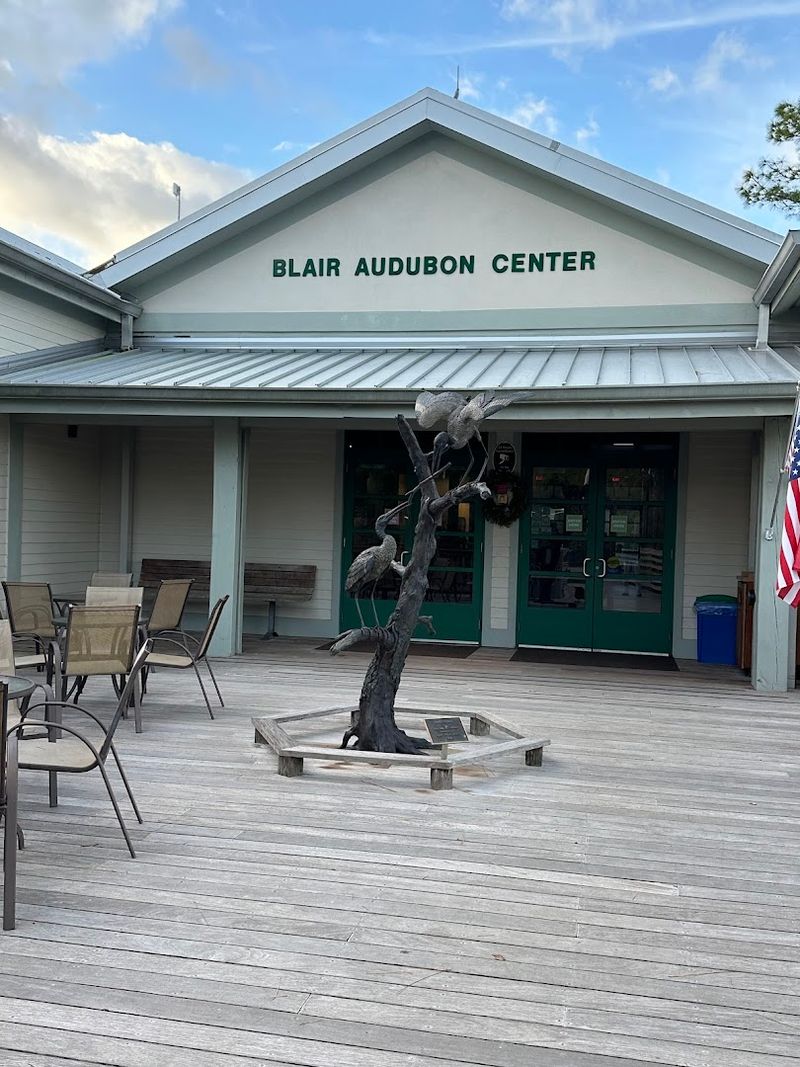
Nobody needs to worry about basic necessities here. Clean restrooms appear at strategic points along the route, a relief for parents with young children.
The gift shop stocks nature-themed items, field guides, and unique souvenirs that actually relate to your visit rather than generic tourist trinkets.
A small café serves sandwiches, snacks, and cold drinks perfect for before or after your walk. Reviewers mention grabbing water bottles and light bites that provide energy without weighing you down.
The food offerings focus on convenient, satisfying options rather than elaborate meals.
The Discovery Center provides educational displays about the ecosystem and wildlife. Interactive exhibits engage kids while teaching them about conservation.
Parking is plentiful and free, removing one common source of visitor stress.
Staff and volunteers earn consistent praise for their helpfulness and knowledge. They explain the route layout, share recent wildlife sightings, and answer questions enthusiastically.
These thoughtful touches enhance the overall experience significantly, making first-time visitors feel welcomed and informed from the start.
Quiet Wildlife Encounters
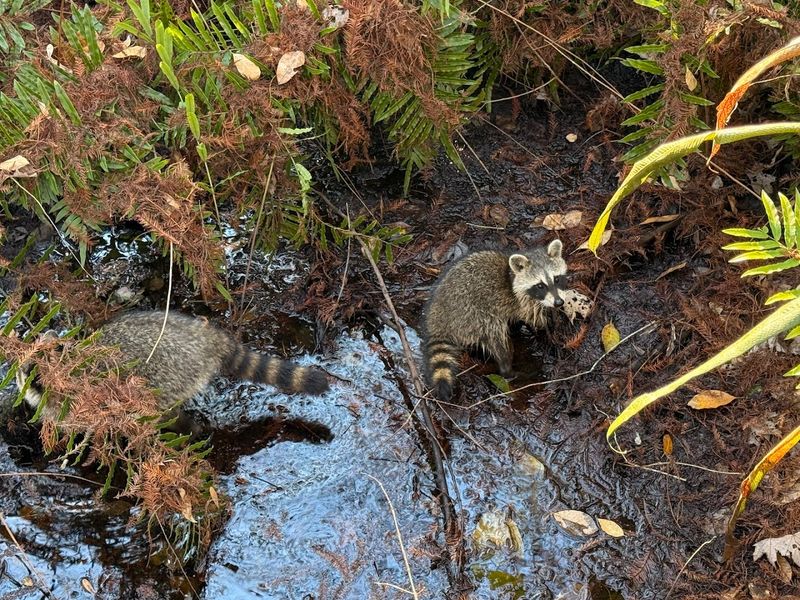
Wildlife encounters are one of the biggest reasons people visit Corkscrew Swamp Sanctuary. As you walk the sanctuary’s famous 2.25-mile boardwalk, you’re immersed in more than 13,000 acres of protected Western Everglades habitat, where wildlife sightings can happen around almost any bend.
The sanctuary is home to hundreds of alligators, along with river otters, white-tailed deer, red-bellied turtles, and an impressive variety of birds.
Birdwatchers are especially drawn to Corkscrew because more than 260 bird species have been recorded here. Depending on the season, visitors may spot wood storks, herons, egrets, ibises, hawks, owls, and colorful painted buntings.
The wetlands and cypress forests provide excellent habitat for both resident and migratory birds, making every visit a little different.
The sanctuary is also famous for its ancient bald cypress forest, where orchids, bromeliads, and ferns grow high above the boardwalk. Lucky visitors may even glimpse the rare ghost orchid, one of Florida’s most celebrated wildflowers.
Corkscrew is one of the few places where people can observe a ghost orchid in its natural habitat without venturing deep into a swamp.
Whether it’s an alligator gliding through dark water, an otter splashing nearby, or a barred owl hidden among towering trees, wildlife encounters at Corkscrew Swamp Sanctuary create the feeling of stepping into a living, untamed Florida that has remained remarkably unchanged for generations.
Bug Spray Becomes Your Best Friend
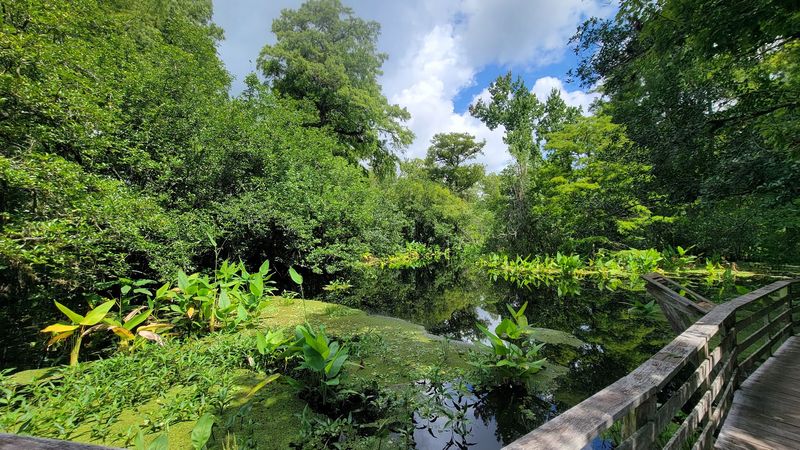
Here’s the truth about swamp hiking: mosquitoes and yellow flies take their jobs seriously. Multiple visitors emphasize bringing industrial-strength bug spray, especially during warmer months.
One reviewer joked about needing repellent that could eliminate anything, including possibly yourself, to handle the aggressive insects.
The trade-off is worth it, but preparation matters enormously. Long sleeves and pants help, though Florida heat makes that challenging.
Apply repellent generously before starting, and consider bringing extra for reapplication. Yellow fly season peaks during certain months, and these biters can be relentless.
Don’t let this warning scare you away. The incredible wildlife, ancient trees, and peaceful atmosphere far outweigh temporary bug annoyance.
Visitors who came prepared with proper repellent had wonderful experiences, while those who forgot struggled unnecessarily.
Winter months bring fewer insects, making that the ideal time for sensitive visitors. The sanctuary remains beautiful year-round, so choosing your season strategically helps.
Either way, toss that bug spray in your bag and relax knowing you’re ready for whatever buzzes your way.
Photography Opportunities Around Every Corner
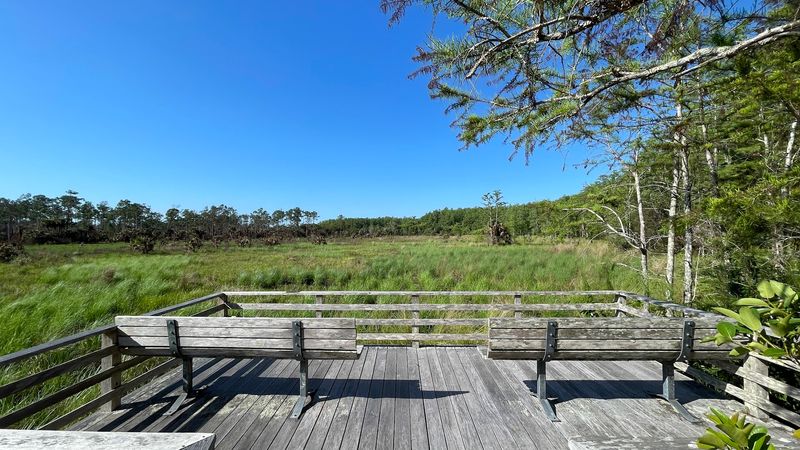
Camera enthusiasts find themselves stopping constantly to capture stunning compositions. The interplay of light through cypress branches, mirror-like water reflections, and colorful wildlife creates a photographer’s paradise.
Every season offers different visual opportunities, from spring’s lush greens to winter’s dramatic shadows.
The boardwalk provides stable platforms for tripods and perfect vantage points. Unlike scrambling through brush, you can set up comfortably and wait for that perfect shot.
Wildlife grows accustomed to the elevated walkway, often approaching closer than they would on ground level.
Reviewers describe the entire route as postcard-worthy. Dawn and dusk provide particularly magical lighting conditions.
Bird photographers especially love the sanctuary since wading birds and nesting sites are easily accessible yet respectfully distant.
Don’t forget to look up frequently. The cypress canopy creates natural frames and patterns that transform ordinary scenes into artistic compositions.
Even smartphone cameras capture impressive images here, though serious photographers bring telephoto lenses for wildlife close-ups. Many visitors later frame their photos as lasting memories of this special place.
Conservation Success Story You’re Part Of
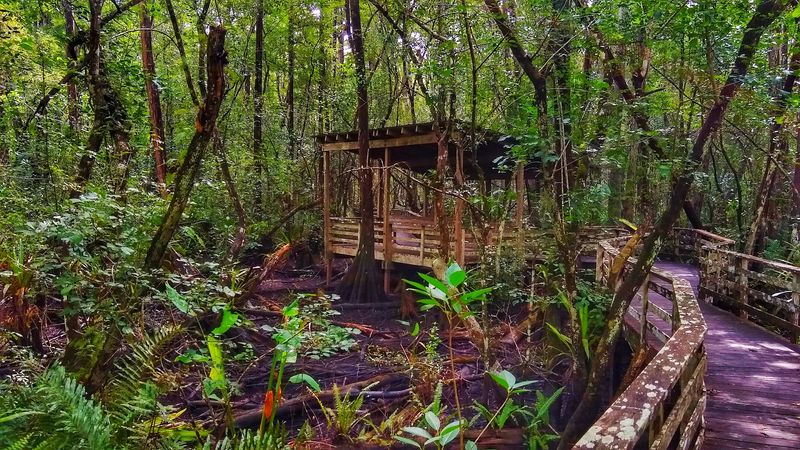
Your $17 admission fee does more than just grant access. The National Audubon Society owns and manages this 13,000-acre sanctuary, making it among the largest privately owned conservation lands in Florida.
Every ticket purchase directly supports protecting this irreplaceable ecosystem for future generations.
The sanctuary’s establishment in 1954 prevented logging companies from destroying these ancient trees. That conservation foresight means today’s children can experience what Florida looked like centuries ago.
Ongoing research and education programs happen here, advancing scientific understanding of wetland ecosystems.
Staff members emphasize that this isn’t a state park but rather a private conservation effort. Your visit supports habitat protection, wildlife monitoring, and educational outreach programs.
Many reviewers mention considering annual memberships after seeing the sanctuary’s importance firsthand.
The place serves as proof that conservation works. Wildlife thrives because humans chose to protect rather than develop this land.
Walking these boardwalks makes you part of that success story, contributing to a legacy that extends far beyond a single morning’s adventure.