In a city famous for castles, coasters, and costumed characters, The Orlando Auto Museum offers a different kind of memory machine. Inside Dezerland Park on International Drive, you find cars that feel strangely familiar before you even read the signs.
Some came from movies and television, others from American highways, celebrity garages, and childhood road trip memories. It is the kind of place where you can walk in expecting chrome and leave talking about ghosts, superheroes, Elvis, and a DeLorean.
Where Movie Memories Hit Before the Labels Do
The Orlando Auto Museum works because recognition arrives faster than explanation. You turn a corner, catch a stripe, a roofline, or a fictional logo, and your brain starts replaying scenes before you have fully registered the car in front of you.
That instant jolt is different from a normal classic car museum, where you might admire horsepower first and history second.
Here, the collection feels like a shared attic for pop culture, road trips, and late-night television. You may not know every model year or engine code, but you know the feeling of seeing something that once lived on a screen.
That makes the museum surprisingly approachable, even if you are not a hardcore car person.
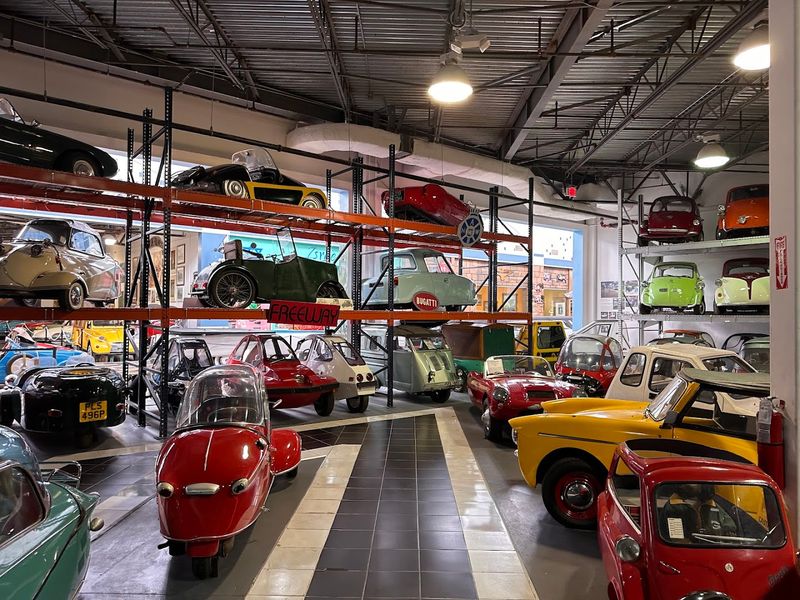
The private collection is enormous, with more than 2,000 vehicles reported across themed galleries. What keeps it from feeling like simple storage is the emotional thread connecting so many displays.
You are not just looking at cars, you are bumping into memories with wheels.
Orlando Without the Theme Park Script
Orlando can make every day feel pre-planned, especially when the big theme parks dominate your schedule. The Orlando Auto Museum gives you a more specific stop, one built around curiosity rather than ride queues, fireworks, or app reservations.
It still feels tourist-friendly, but the pace is calmer once you step into the collection.
Because the museum is on International Drive, it sits close to the city’s main visitor corridor without feeling like a copy of the major resorts. Most people inside seem to have chosen it deliberately, which gives the rooms a fun, quietly excited energy.
You hear people calling relatives over because they found KITT, a Batmobile, or something their dad used to drive.
That focus is part of the appeal. You can spend a hot Florida afternoon indoors, surrounded by air conditioning, chrome, film history, and oddball surprises.
It is Orlando, but with less choreography and more personal discovery.
Dezerland Park’s Loud Entrance and the Museum’s Quieter Core
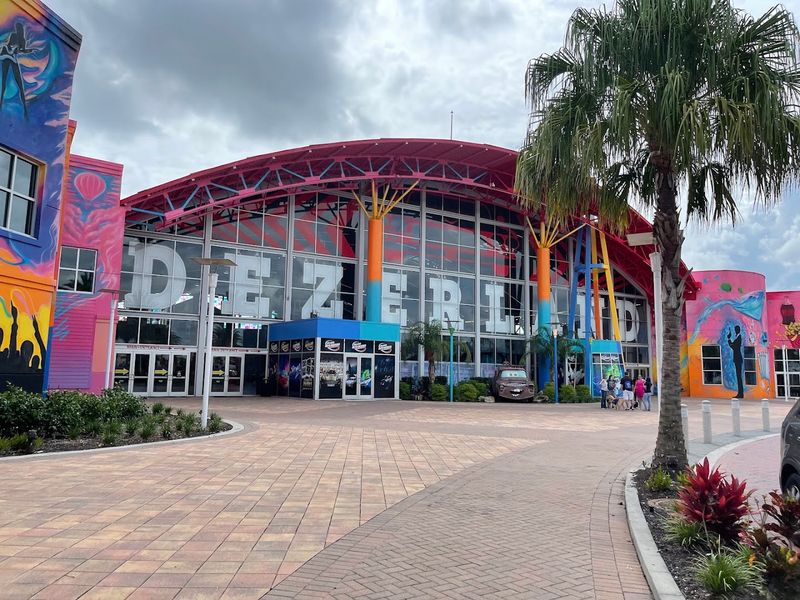
The Orlando Auto Museum is not standing alone on a quiet cultural campus. It sits inside Dezerland Park, a huge indoor entertainment complex with go-karts, arcade games, bowling, axe throwing, laser tag, bumper cars, mini golf, and plenty of family noise.
That setting changes the visit before you ever reach the first gallery.
The contrast is oddly satisfying. Outside the museum area, Dezerland feels commercial, colorful, and kinetic, with people moving toward attractions in every direction.
Inside the collection, the mood narrows, and suddenly everyone is slowing down to study hoods, badges, movie props, and strange shapes from different decades.
This setup is especially useful if you are traveling with mixed interests. One person can treat the museum like the main event, while others know there are activities nearby when attention starts fading.
It also makes planning easier because food, parking, and extra entertainment are already part of the same indoor complex.
The Screen-Used Stars You Actually Stand Beside
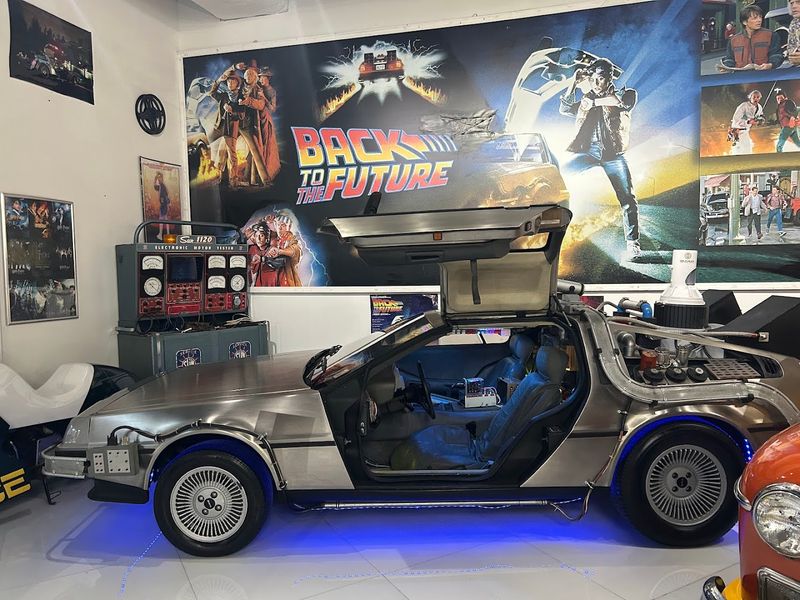
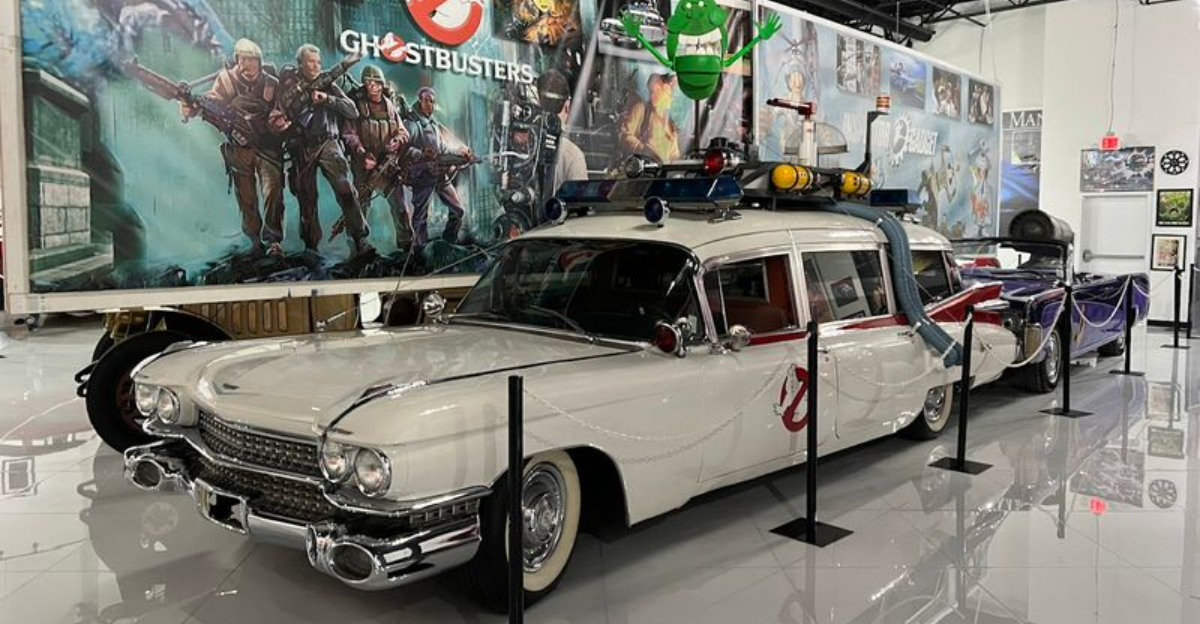
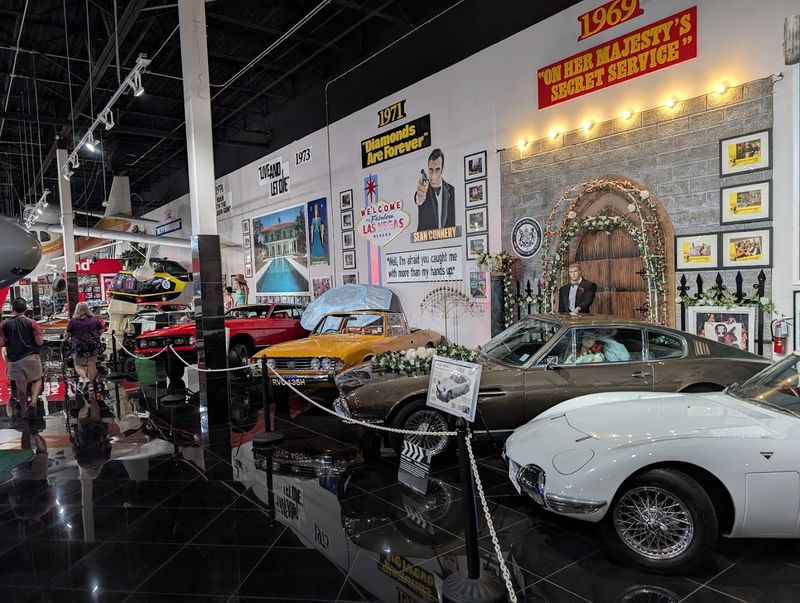
The film and television cars are the section that turns casual visitors into detectives. You may arrive wanting one favorite, then suddenly find yourself circling the A-Team van, KITT from Knight Rider, Greased Lightning, the DeLorean Time Machine, or the Mad Max Ford Falcon Interceptor.
These vehicles carry more drama than their parking spaces suggest.
What makes the experience powerful is proximity. On screen, cars are edited, lit, and framed to feel almost mythic, but in person you notice practical details, wear, switches, seams, and proportions.
They can seem smaller, rougher, or stranger than expected, which somehow makes them feel more real.
The museum emphasizes authentic production vehicles and documented connections, a detail that matters if you care about provenance. Even when a display feels crowded or light on signage, the emotional punch still lands.
You are standing beside something that helped build a fictional world you remember.
The Batcave as an Accidental Design Class
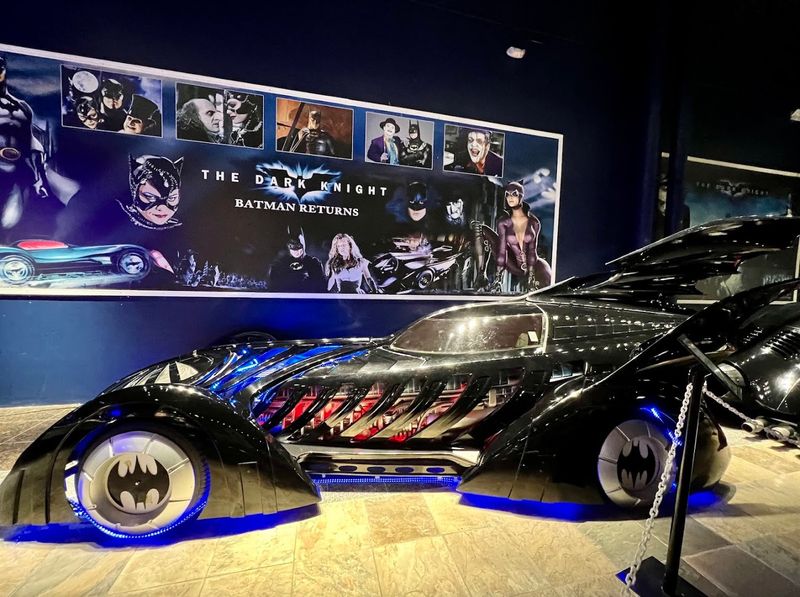
The museum’s Batman vehicle collection is more than a nostalgia corner. Seeing multiple Batmobiles and Batcycles together lets you compare how one fictional idea changed with budgets, technology, and audience expectations.
A superhero’s car turns out to be a surprisingly clear snapshot of its decade.
The 1966 Batmobile, famously tied to George Barris and the Lincoln Futura concept, has a playful showmanship that matches television’s campy rhythm. Later versions, including the darker film-era designs, feel longer, heavier, more armored, and more obsessed with intimidation.
Put them near each other, and the shift from wink to war machine becomes obvious.
This is where even non-car people start noticing design language. Fins, turbine shapes, cockpit lines, gadgets, and black paint all communicate different versions of Batman before anyone says a word.
You are not only remembering scenes, you are watching pop culture redesign fear, speed, and heroism across generations.
Chrome, Fins, and the American Dream on Display
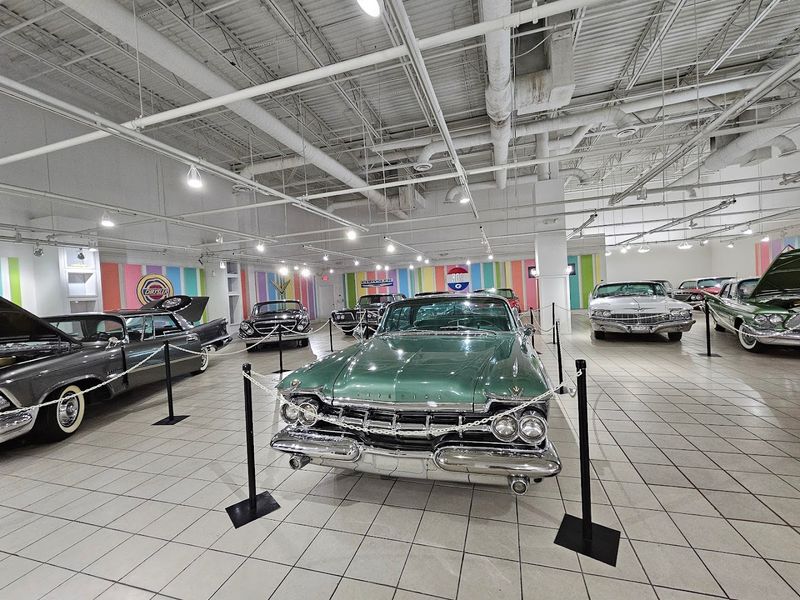
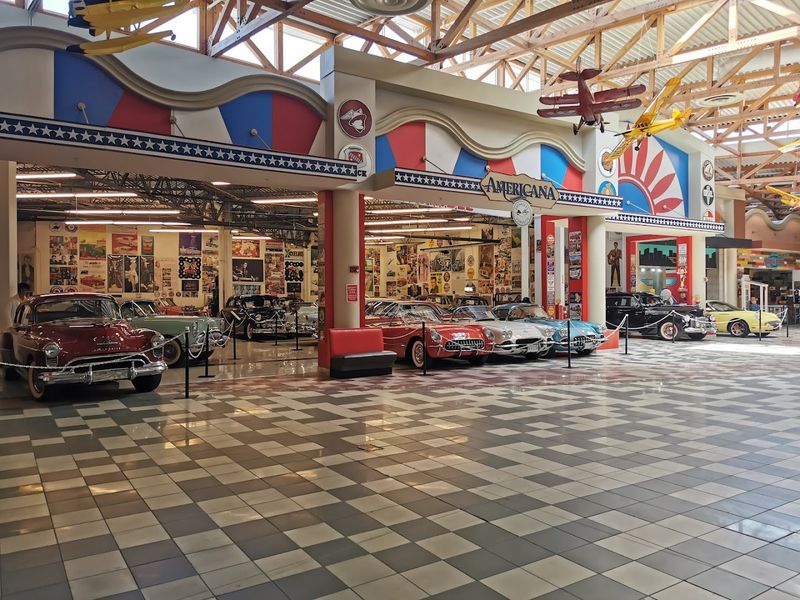
Beyond the screen celebrities, the museum has a deep run of classic American automobiles that deserve slower attention. The Americana and Gatsby-style rooms showcase muscle cars, luxury sedans, convertibles, and big postwar designs from decades when cars were expected to announce your ambitions.
This is where chrome becomes theater.
Up close, the details feel almost excessive in the best way. Hood ornaments, sweeping dashboards, two-tone paint, patterned upholstery, and tail fins turn transportation into a rolling sales pitch for optimism.
Photographs rarely capture how deliberately dramatic these cars were meant to feel.
If you grew up around old family stories about road trips, drive-ins, or first cars, this section may hit harder than the movie displays. The vehicles are not famous because of a single scene, but because they shaped everyday American imagination.
They make ordinary errands look like they once required style, confidence, and a little gasoline-fueled theater.
Hot Rods, Drag Machines, and Speed You Can See
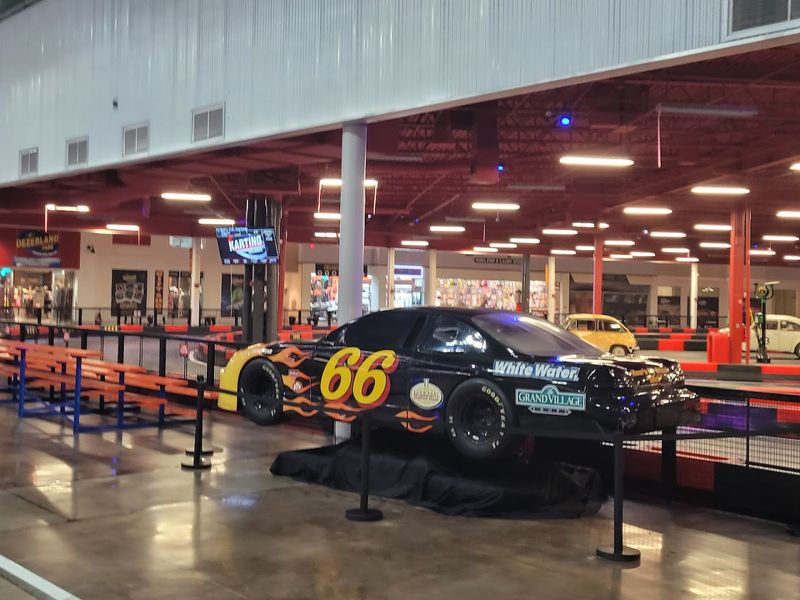
The performance areas speak a different language from the celebrity and luxury rooms. Hot rods, muscle cars, and racing-influenced machines are built around purpose, and you can read that purpose before checking any specifications.
Wide tires, modified engines, stripped interiors, and aggressive stances all say the same thing: go faster.
Seeing these cars near more polished showroom-style vehicles helps you understand how design follows intention. A luxury car wants comfort, polish, and presence, while a race-prepared car may sacrifice almost everything for power, weight, and control.
That contrast is easier to feel in person than on a spec sheet.
The museum’s variety makes this section more fun than a single-theme racing display might be. You can move from movie fantasy to drag-strip practicality in a few steps.
One moment you are thinking about a chase scene, and the next you are studying the brutal honesty of a car built to launch hard.
Superheroes Help, Attention Spans Vary
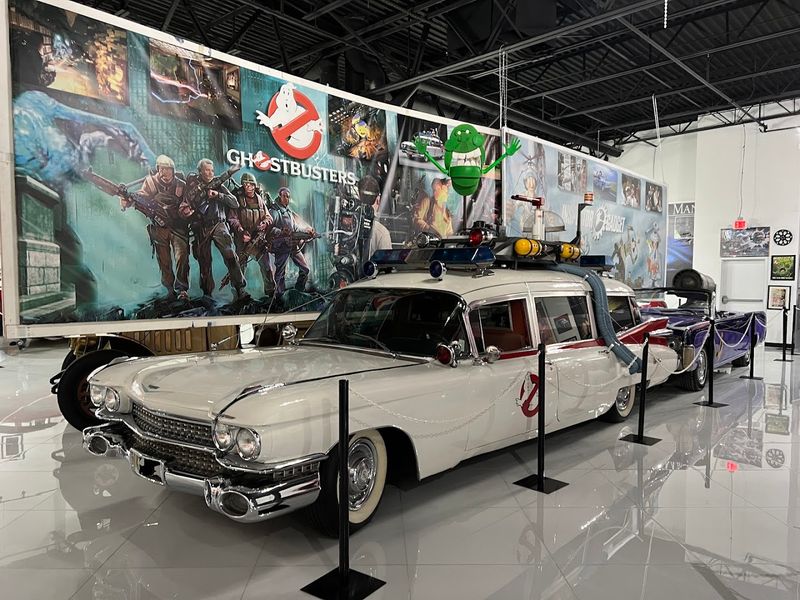
The Orlando Auto Museum can work very well with kids, especially if they recognize superheroes, Scooby-Doo, Ghostbusters, Back to the Future, or other movie and television references. Younger visitors may not care about model years, but they understand color, size, weird shapes, and famous vehicles.
That visual variety keeps the visit from feeling like one long line of identical cars.
Older children often have the strongest reactions because fiction still feels close to real life. Standing beside a Batmobile or DeLorean can make the screen world seem suddenly reachable, and that surprise is fun to watch.
Adults may get nostalgic, but kids often get genuinely amazed.
You should still plan around attention spans. The collection is large, and some areas have limited signage, so restless children may move faster than car enthusiasts prefer.
Luckily, Dezerland Park surrounds the museum with other activities, which makes it easier to combine browsing with play.
Photos, VIP Moments, and the Angles That Matter
Photography is one of the easiest pleasures at The Orlando Auto Museum. The galleries are generally bright enough for phone cameras, and the vehicles vary so much in color, shape, and era that your photos will not all look the same.
You can leave with a camera roll that feels like several museums mixed together.
The trick is noticing that different cars want different angles. Movie and television vehicles often look best from the perspective you remember from the screen, like a front three-quarter shot, a dramatic side view, or the angle that reveals a logo.
Classic cars reward closer details, especially dashboards, hood ornaments, badges, taillights, and chrome trim.
Some visitors mention VIP tours because they can add context and special photo opportunities, including access connected to select famous vehicles. If pictures matter to you, check current options before going.
A little planning can turn casual snapshots into the best souvenirs of the visit.
Planning the Visit Without Rushing International Drive
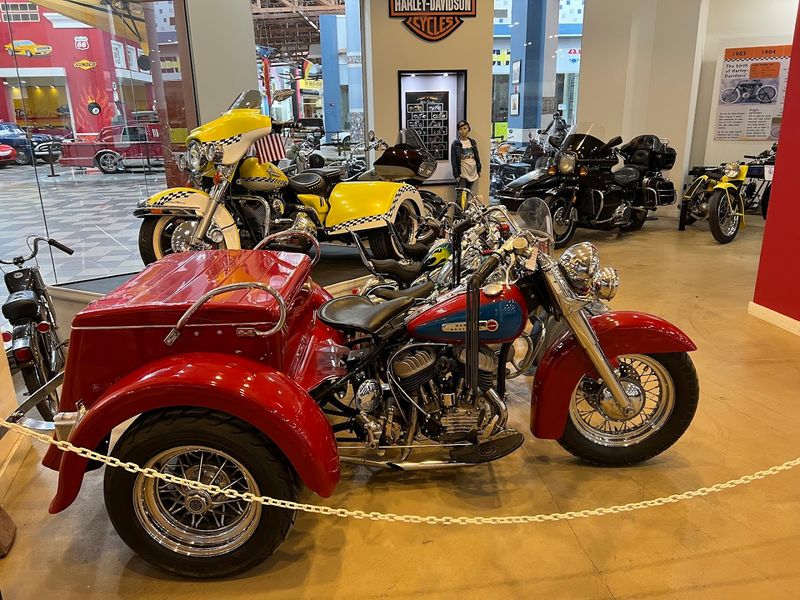
The Orlando Auto Museum is located at 5250 International Drive inside Dezerland Park, right in one of Orlando’s busiest tourist corridors. Admission is separate from the other attractions in the complex, so check the official website before you go for current pricing, hours, and any tour options.
Reported general admission has often been around the low-thirty-dollar range, but details can change.
The museum is indoors and climate-controlled, which makes it a smart choice during hot, rainy, or overly scheduled Florida days. Posted hours commonly run from midday into evening on weekdays and longer on weekends, but it is still worth confirming before you build your day around it.
Buying tickets online may also make check-in smoother.
Give yourself more time than you think you need. The collection is huge, parking is complimentary, and the I-Ride Trolley can help if you are staying nearby.
International Drive traffic can slow everything down, so avoid squeezing the visit between tight reservations.