Most museums keep history behind glass. This one floats it, or at least it used to.
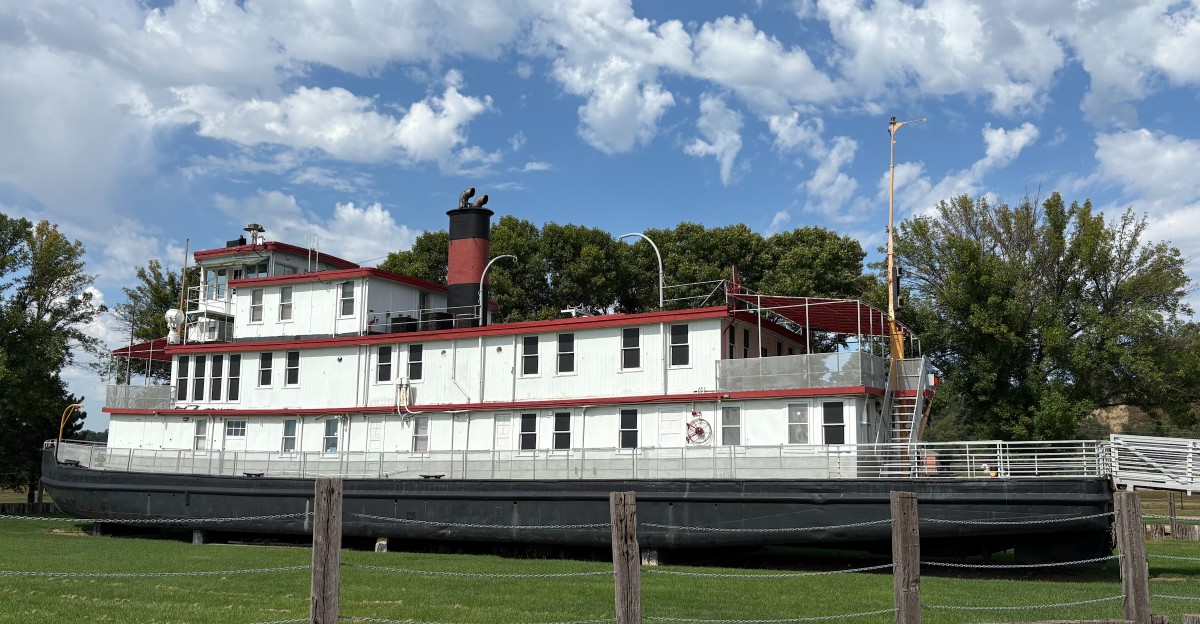
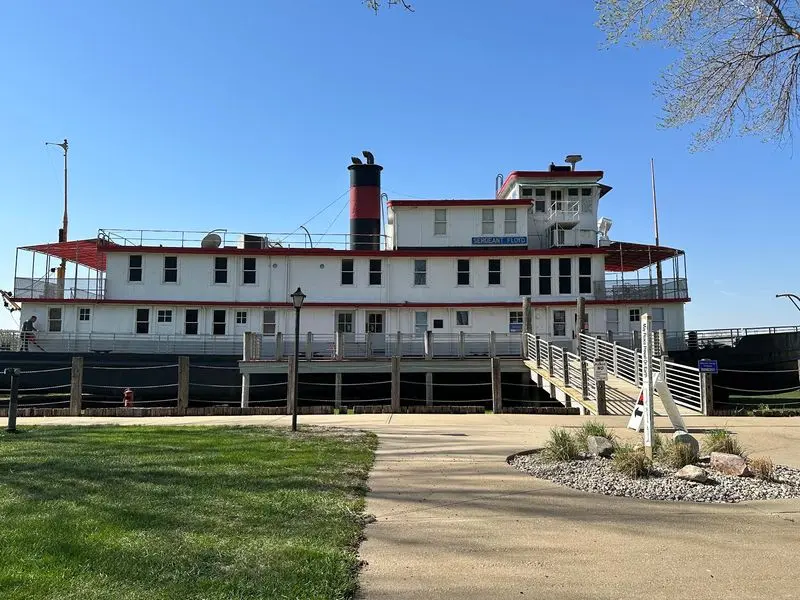
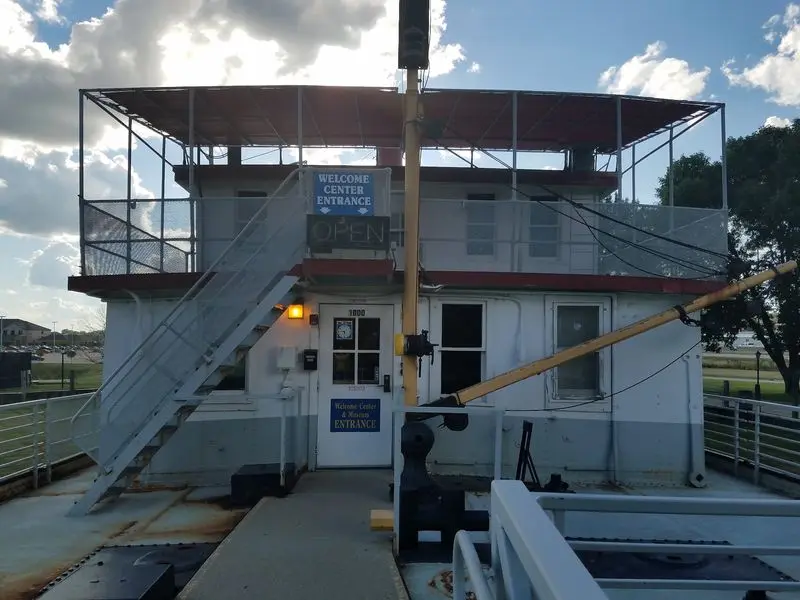
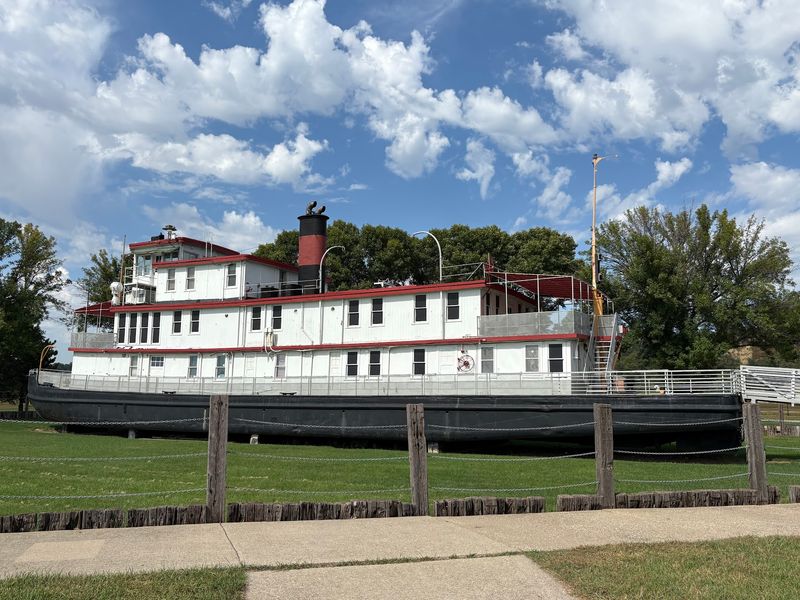
On the edge of the Missouri River in Sioux City, Iowa, a real working boat from 1932 now sits on dry land, packed with river stories from the engine room up to the pilothouse.
Admission costs nothing, and there is a brass bell at the top that guests are welcome to ring.
Inside, three decks hold dioramas, boat models, Native American artifacts, and the tale of the only member of the Lewis and Clark expedition who never made it home.
The bottom deck even doubles as one of the biggest travel info stops in the state.
A Boat That Traded Water for Land
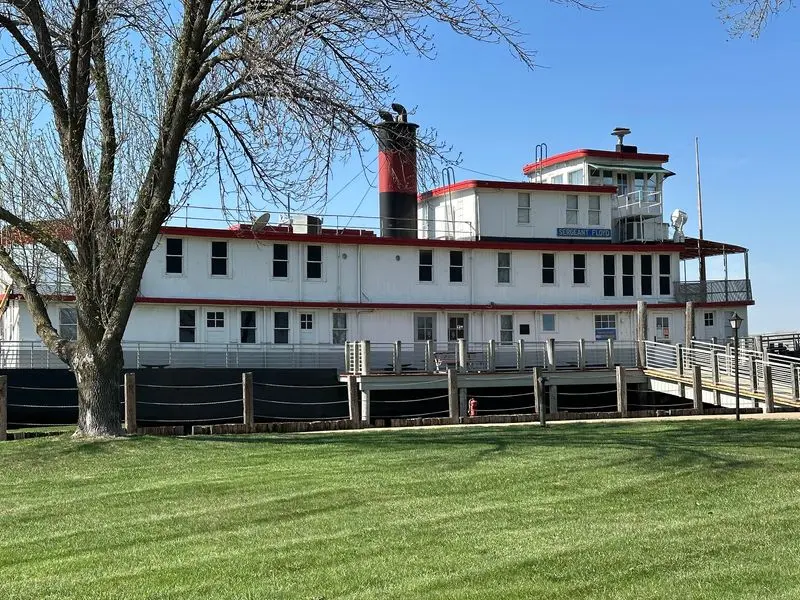
Some boats retire to a quiet dock. This one retired to a lawn.
The Sergeant Floyd River Museum sits at 1000 Larsen Park Rd, Sioux City, IA 51103, in the United States, right along the Missouri River on the Iowa side. The museum lives inside a riverboat built in 1932 that once worked the Missouri before being moved onto dry ground for good.
Getting a vessel this size into place took serious muscle. Staff at the front desk are happy to share the story of the move, which involved a whole lineup of cranes.
The boat is owned by the city, which is a big reason admission is free. Donations are welcome, though, and they help keep the decks in shape.
Doors open daily from 10 am to 4 pm, seven days a week. That steady schedule makes it easy to plan around a road trip, since there is no off day to dodge.
One tip before heading out: some GPS apps drop drivers at the park just south of the boat. Plugging in the neighboring hotel can help you land at the right gangway.
Who Was Sergeant Floyd, Anyway
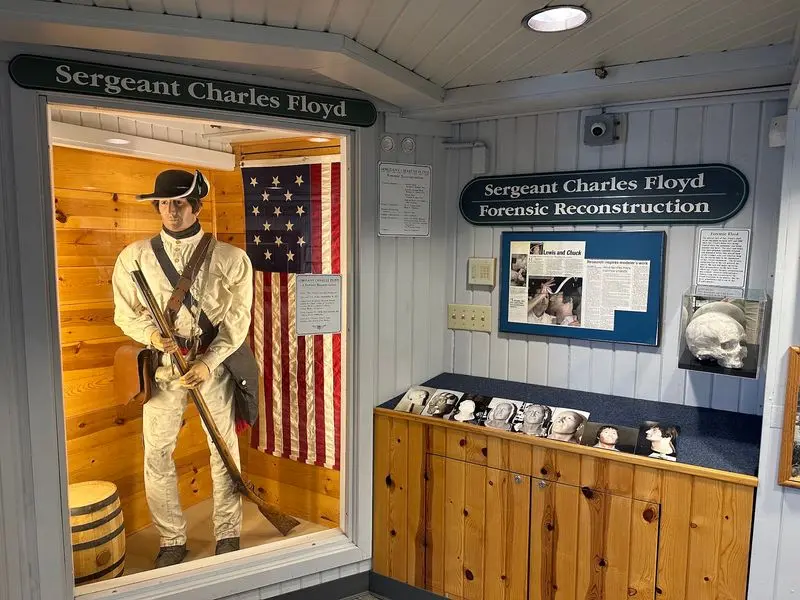
Every crew has a story, and the Lewis and Clark expedition had a sad chapter near Sioux City. Sergeant Charles Floyd became ill during the 1804 journey up the Missouri and did not survive the trip.
He was the only member of the Corps of Discovery who never came home. His story stayed tied to this stretch of river, and the boat now carries his name.
Inside, numerous displays honor Floyd and his role in the expedition. Panels explain what the Corps was trying to do, where they traveled, and why the Missouri mattered so much to the plan.
The exhibits give a solid snapshot of this part of the expedition without asking for a full day. Kids can follow along easily, and adults usually find a fact or two they missed in school.
History lovers should also know that Sioux City has a monument to Floyd on a bluff nearby. Learning his story on the boat first makes that monument mean a lot more when you see it.
Start at the Bottom Deck
Here is a museum where the basement is the main attraction. The entrance puts guests right on the lowest deck, which is where the boat kept its heart.
The engine room is open to look at, and the actual engine is still there. For anyone who loves machines, this is the spot to slow down.
Seeing the real equipment helps explain how a boat this heavy pushed cargo along a strong river. The pipes, gauges, and big metal parts show how much work went on below the waterline.
Exhibit signs nearby walk through the mechanics in plain language. Even folks who have never touched a wrench can follow how it all fit together.
Families with curious kids often end up lingering here longer than planned. The questions start fast, and the answers are right there on the walls.
Spend a few minutes before heading upstairs. The rest of the boat makes more sense once you know what powered it.
The Welcome Center Surprise
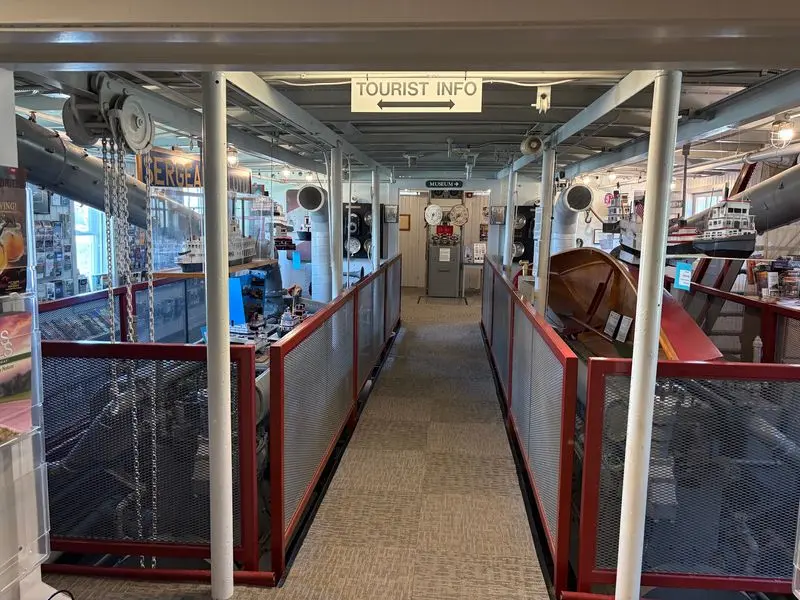
Plenty of travelers pull in thinking they found a simple state welcome stop. They are half right.
The boat serves as an official welcome center, and its brochure collection is one of the largest in Iowa. Racks are neatly sorted by East Iowa and West Iowa, which makes trip planning fast.
Nebraska gets a section too, which helps since the state line is right across the river. There are also pamphlets from other towns, cities, and states.
Road trippers can grab a stack of ideas for the next few days in just a few minutes. It beats scrolling through a phone at a gas station.
Staff members know the region well and can point out nearby stops. Ask them about free attractions in the area, because there are more than most people expect.
Tip for planners: give yourself extra time here. Many folks underestimate how much there is to do around this riverfront and wish they had stayed longer.
Souvenirs in the Belly of the Boat
Shopping inside a boat is a sentence few people get to say. The gift shop sits down on the lower level, near the engine area.
It is well stocked with souvenirs from both Iowa and Nebraska. Shelves hold all kinds of keepsakes, and the prices stay friendly for families.
This makes it a handy stop for picking up something small for friends back home. Kids with a little spending money usually find a treasure without much trouble.
Items range widely, so browsing can take longer than expected. History books and regional gifts sit alongside fun trinkets for younger travelers.
Buying something here also helps support the museum. Since admission is free, the shop and donation box both play a part in keeping things running.
Short on time? Hit the shop last, after touring the upper decks.
That way, the exhibits get your full attention first, and the souvenirs remind you of what you just saw.
Middle Deck, Big Stories
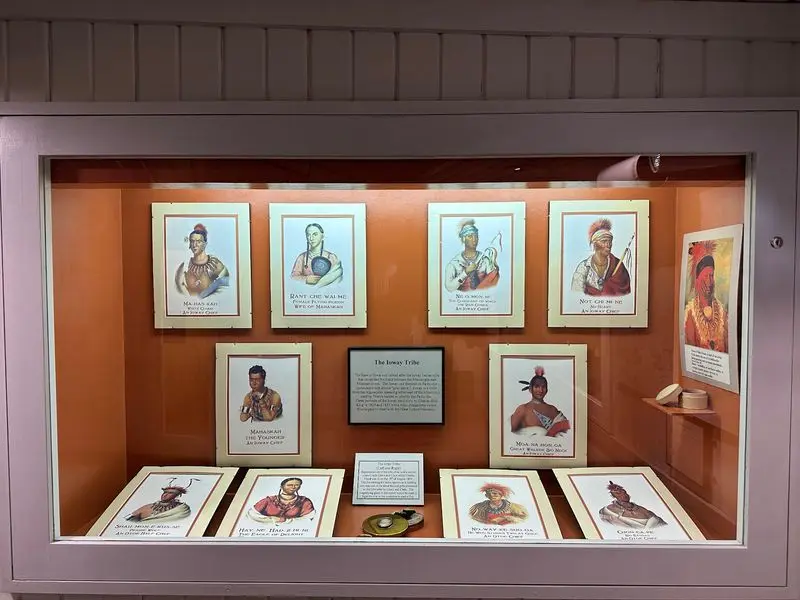
Climb one flight and the boat turns into a full history museum. The second deck holds the bulk of the exhibits.
Displays cover local Native American tribes and their deep ties to the Missouri River. A few real artifacts help tell those stories.
The fur trade gets attention too. Exhibits explain the huge demand for beaver pelts and how that trade shaped life and travel along the river.
Sioux City history also has a home here. Panels show how the town grew alongside the river and the boats that moved goods up and down it.
There is a lot of reading on this floor, so pace yourself. Some displays have a classic, older look, but the information is solid and well organized.
Families can split up and meet back at the stairs. Older kids often enjoy finding a favorite exhibit to explain to everyone else, which turns a quick look into a mini lesson.
Tiny Boats, Huge Detail
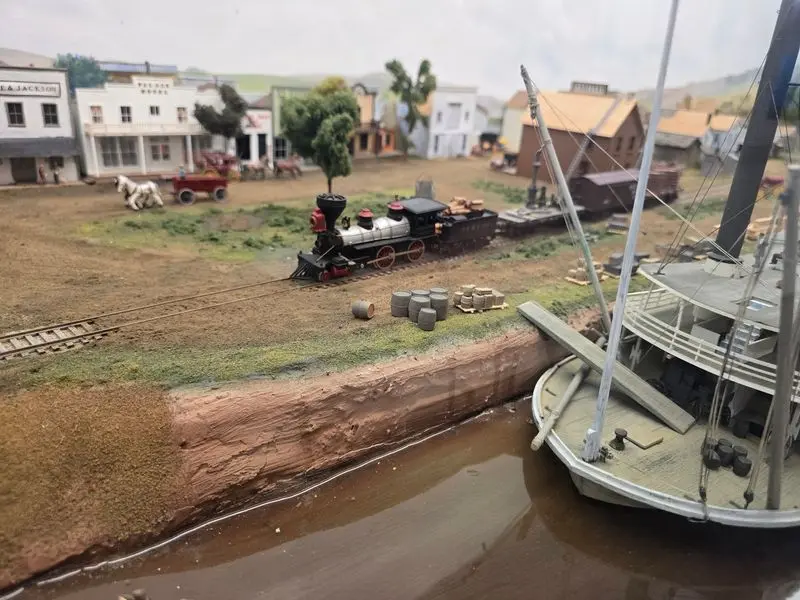
Small things can explain big history. The museum’s dioramas and boat models are some of its most loved features.
Models show many types of old river boats, and they make the scale of each one easy to understand. Side by side, the differences in size and shape really stand out.
Look for the SS Far West and the SS Bertrand among the models. Both are famous names in Missouri River steamboat history.
The dioramas are intricate, packed with small figures and scenes. They show river life in a way that words on a sign cannot.
There are also small pieces of a real steamboat that washed ashore. Seeing actual wood and metal from an old vessel adds a fun bit of mystery.
Kids especially like these displays because they can spot details up close. Bring patience, since finding every little figure in a diorama can turn into a game that lasts a while.
Captain’s Corner Up Top
The top floor is where the boat stops being a building and starts being a boat again. Many people call it their favorite level.
This deck focuses on the history of the vessel itself. Guests get to see the real living and working quarters, including the captain’s spaces.
The rooms show how crews lived while working the river for long stretches. Seeing where they slept and worked makes river life feel more real.
Exhibits up here are well done and easy to follow. They explain what the boat did and how the crew kept it moving.
There are also two open spots on the bow and stern areas of the upper structure. They give a nice look at the hull shape and how the boat was built to last.
Save some energy for this level. It is the payoff after climbing through the history below, and it leads straight to the best part of the whole visit.
Take the Wheel
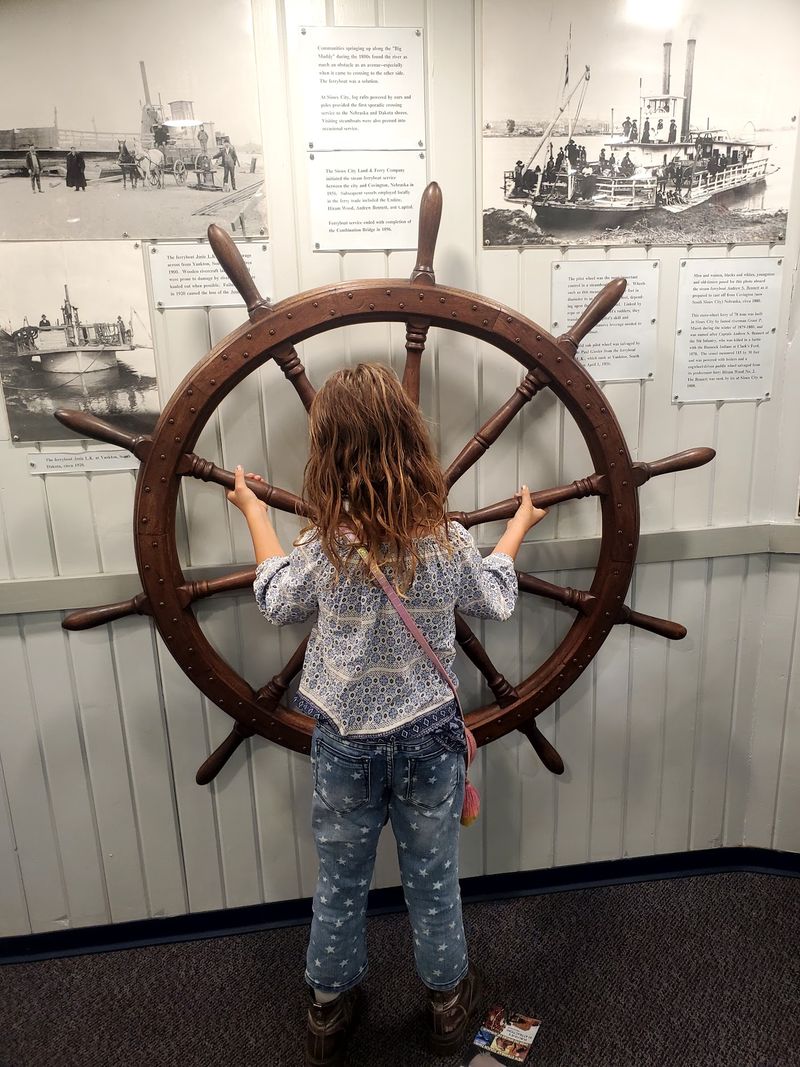
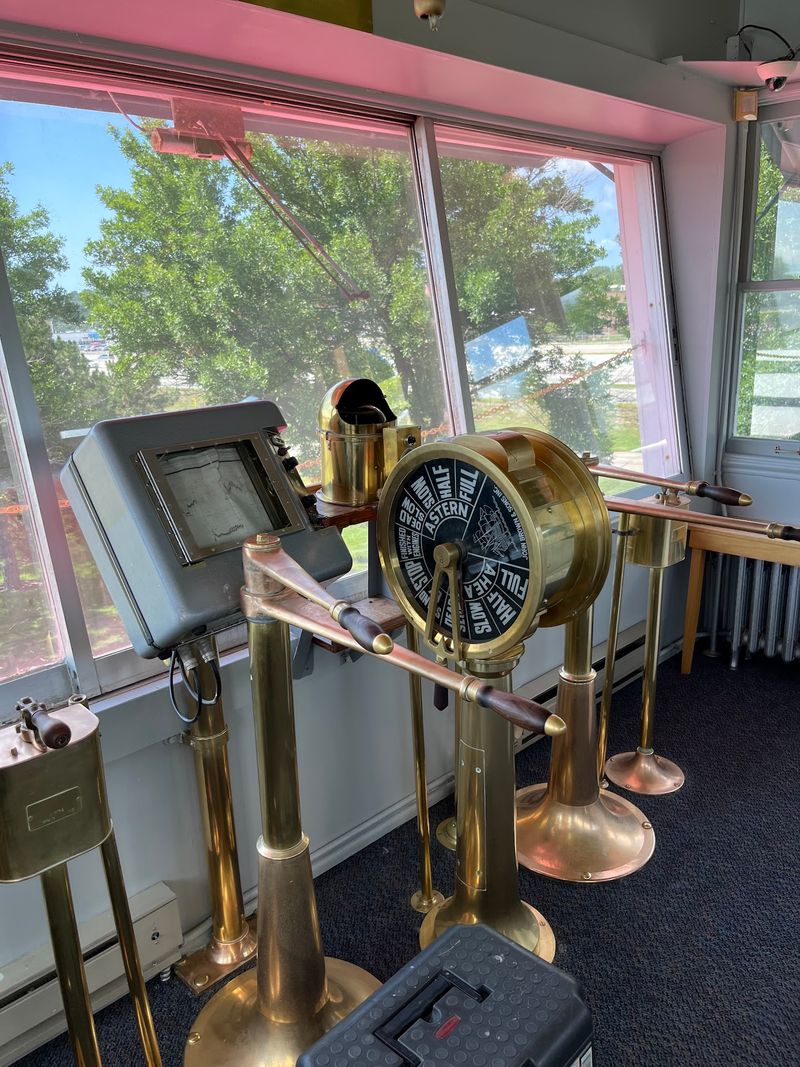
Nobody needs a license to steer this boat. The pilothouse is open, and it has hands-on displays where guests can grab the wheel.
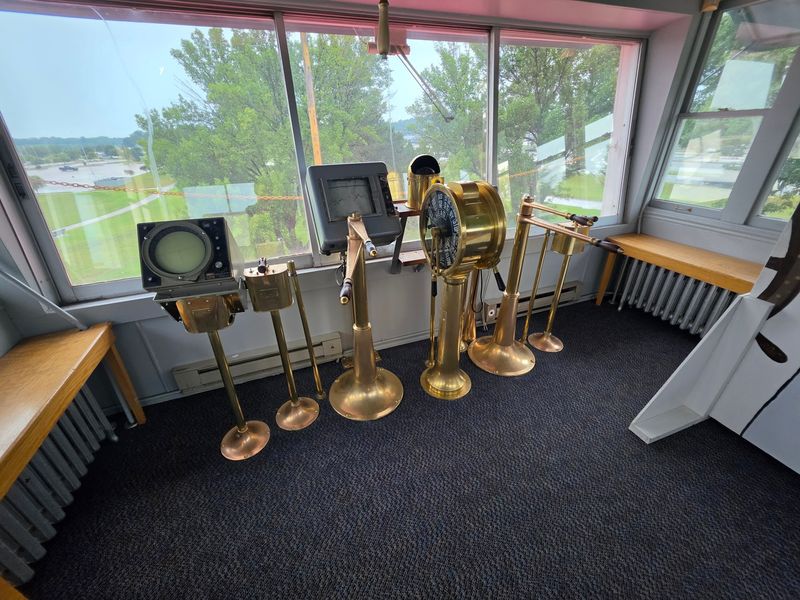
The wheelhouse is a favorite for both kids and grown-ups. It shows where the pilot stood to guide the boat along the twists of the Missouri.
Standing at the controls gives a real sense of the job. Pilots had to watch for sandbars, currents, and other boats all day long.
Families tend to take turns here, so a little patience helps on busy days. Everyone wants a photo at the wheel, and it is easy to see why.
The large windows also give a view over the park outside. It is a good chance to see how high up the pilot sat compared to the riverbank.
Fun fact: river pilots once had to memorize huge stretches of water by heart. A few minutes at this wheel makes that skill seem even more impressive.
Ring It Before You Leave
Every great visit deserves a finale, and this one comes with a bell. At the very top of the boat, guests are invited to ring it.
Kids love this moment, and plenty of adults join in too. Staff even hope that each guest gives it a ring before heading home.
It is a simple thing, but it caps off the climb through three decks of history. The bell turns a museum trip into a small celebration.
Ship bells once had real jobs on the water. They helped signal time, mark events, and alert others nearby.
One more small tradition waits inside. There is a guest book to sign, and adding your name is a nice way to mark the visit.
Do both before leaving. Ringing the bell and signing the book take only a minute, yet they are often the parts people remember most when they tell friends about the stop.
More Free Fun Next Door
The boat is just the beginning. The area around it is packed with extras that cost nothing.
Clean restrooms sit right next door in the parking lot. There are also picnic tables and a playground, which makes this a handy break for families on a long drive.
Close by, the Betty Strong Encounter has sculptures on the grounds, including a statue honoring the Lewis and Clark expedition. A picnic area sits between that site and the boat.
The free Lewis and Clark Interpretive Center is also nearby. Some folks suggest starting there first, then visiting the boat to fill in the Floyd story.
Plan a couple of hours for the whole area. It is easy to run out of time when there are this many free things in one spot.
Pack a lunch, let the kids play, and tour at an easy pace. A quick stop can quietly become the best part of a road trip day.