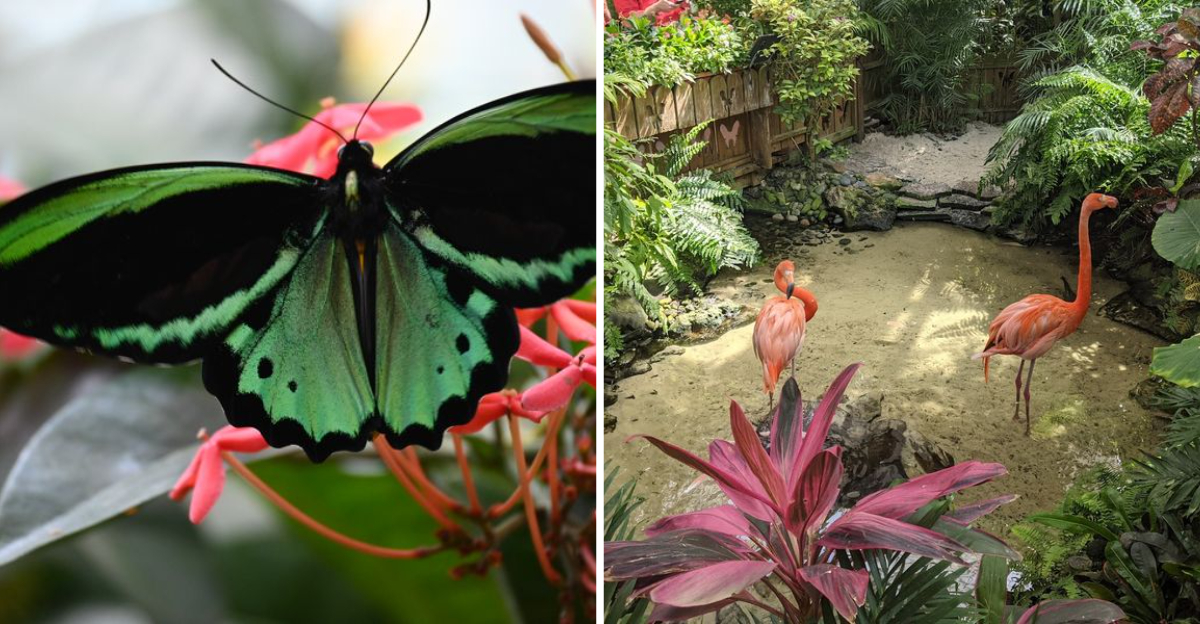
Step inside a glass-domed garden where 50 butterfly species drift through warm air and the bustle of Duval Street fades to a hush. Flamingos chatter across a gentle stream, orchids glow in filtered light, and time loosens its grip.
You can linger for 30 minutes or settle in for two hours, finding new details on every pass. If your day needs color and calm, this place delivers both in generous amounts.
Your First Steps Inside
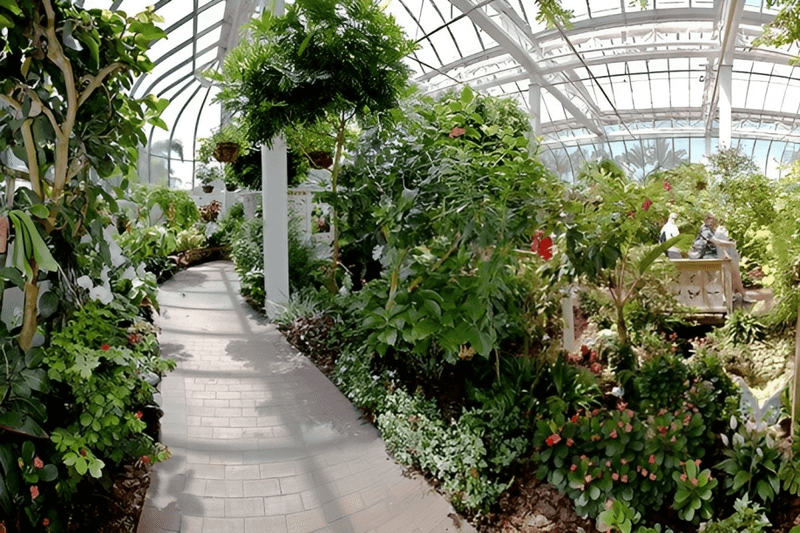
Step through the double doors and the city hushes to a soft chorus of water and birds. Warm air holds a flutter of color as butterflies weave inches from your shoulder, unbothered by schedules or screens.
You pace slows, and suddenly Key West feels far away, even though Duval Street sits just outside.
Fifty species drift among orchids and bromeliads, sipping fruit plates and nectar flowers you can actually identify thanks to clear signage. A few will settle on your sleeve like confetti that learned manners.
Staff at the entrance share quick tips, like where to stand for the best viewpoints and why late afternoon brings gentler movement.
Take a seat in the gazebo and listen for the flamingos, Rhett and Scarlett, conversing across the stream. They are impossibly pink under the glass light, and their unhurried steps make everyone whisper.
Give yourself 45 to 90 minutes, move slowly, and lift your camera only after you have actually looked.
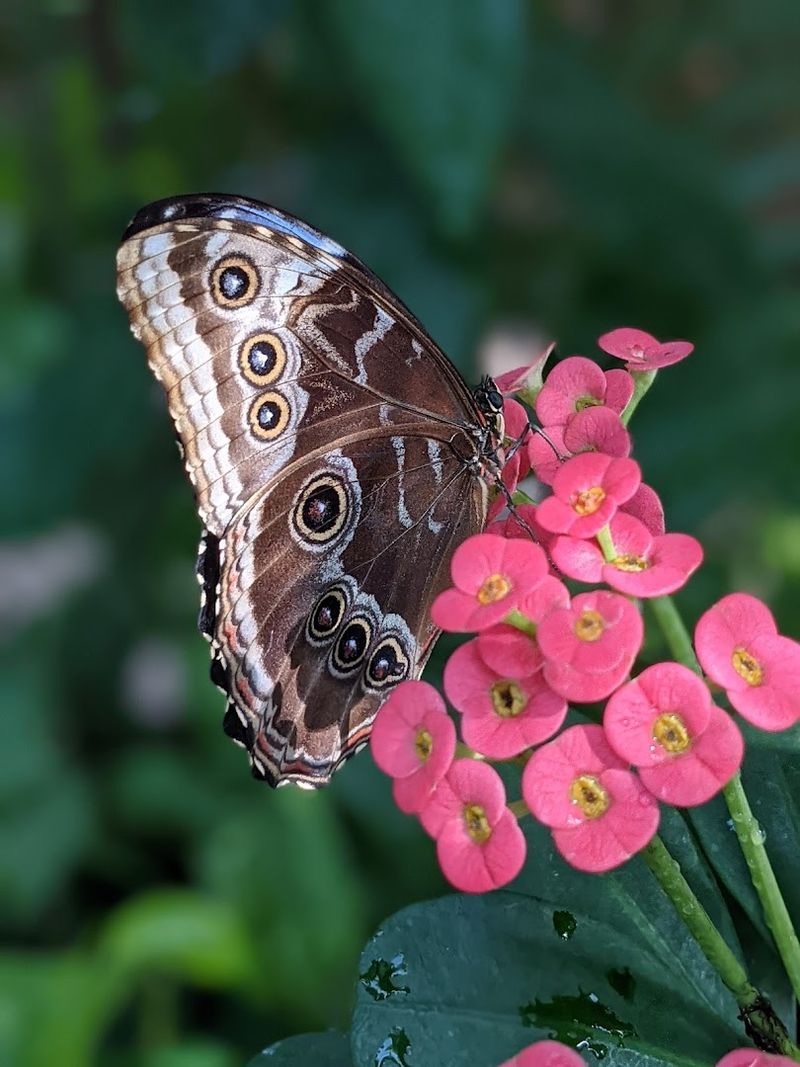
On busy days, let the line breathe and circle the path twice. The second pass reveals tiny details: a newly emerged Blue Morpho quivering its wings, a zebra longwing trading places with a Julia, raindrops beading on a leaf like polished glass.
Best Time To Visit

Timing here changes the mood more than you might expect. Arrive right at 9 am and the path feels almost private, with soft morning light bouncing off the glass.
Butterflies warm their wings, perching photogenically while the birds tune the soundscape. It is calm, bright, and wonderfully unhurried.
Late afternoon brings mellower motion. Staff often mention activity dips after 3 pm, which can be perfect if you prefer fewer flutters and easier conversations.
Colors still glow, and flamingos seem to lean into the quieter vibe, preening under the greenhouse glow like practiced performers between sets.
Midday is busiest on cool days when people skip the water. If lines form, budget an hour, sip some patience, and remember you can loop through again with your receipt.
The second circuit always reveals something missed the first time, like a chrysalis trembling moments before opening.
For photos, aim for bright overcast or the first hour after opening. Stand slightly off the main stream to let subjects come to you.
A gentle hand steadying your elbow does more than any filter, and turning off flash keeps both color and conscience intact. Bring a microfiber cloth for quick lens dabs in humid air, plus spare pockets.
Photographing Butterflies Without Stress
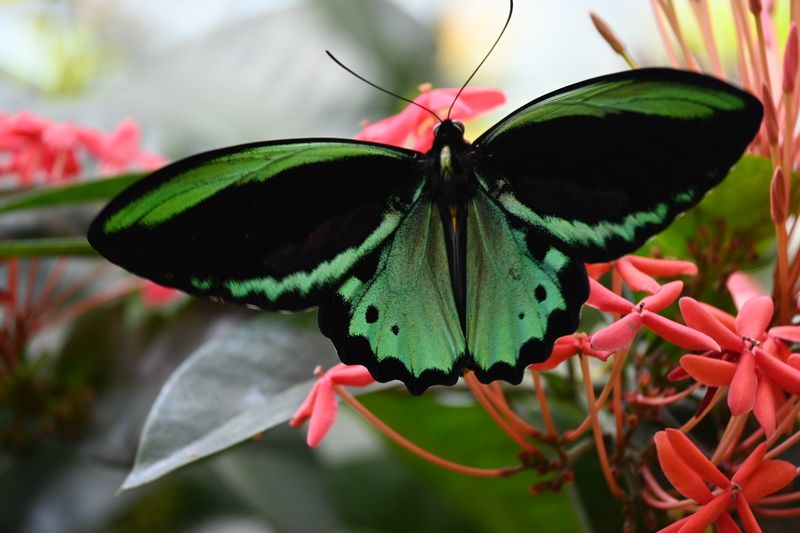
Rushing never works with wings. Stand near a fruit plate or a sunny perch and let the subjects come to you while your breathing slows.
Keep elbows tucked, brace against a railing, and pre-focus on the spot where movement repeats every few seconds.
Light inside the dome is bright but shifting. Turn off flash and lean on ISO 400 to 800, adjusting shutter to 1/250 for steady hands or faster if you drink coffee like a champion.
For phones, tap to lock focus, lower exposure a notch, and shoot in bursts.
Backgrounds make or break the shot. Take a half step left to remove a sign, or crouch so foliage fills the frame.
Colors pop when you shoot slightly backlit, letting the wings glow at the edges without washing out detail.
When a butterfly lands on your shoulder, resist the selfie reflex. Ask a friend to compose from chest level so your face and the wings share the moment.
Then put the camera down for one quiet minute, because memories store better when you give them room.
The Education Gallery
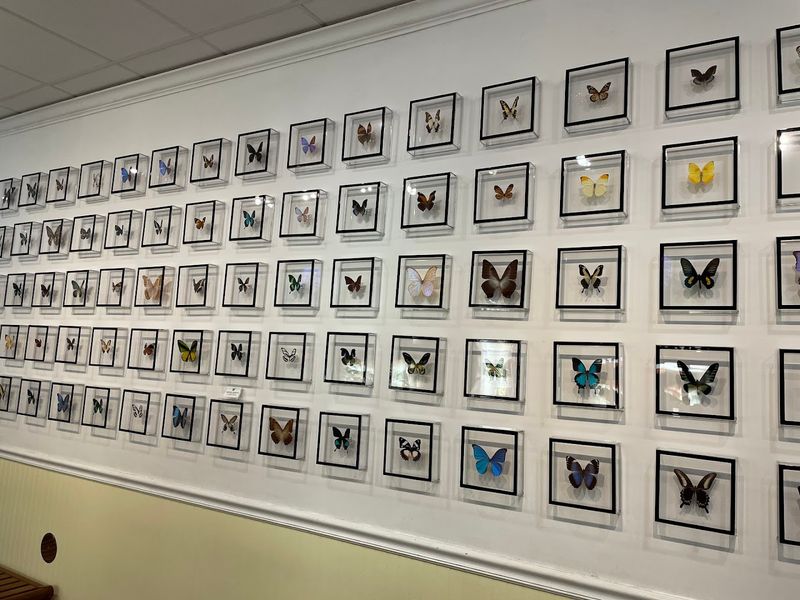
Before the doors to the habitat, there is a compact education gallery worth ten thoughtful minutes. Panels compare butterflies and moths, wing scales and antenna tips, with clean illustrations that actually stick.
Short videos loop nearby, and seats give you a breather before the humidity hug inside.
Reading first changes what you notice later. You start spotting eggs on leaves, chewed margins from hungry caterpillars, and pupae tucked like ornaments in quiet corners.
Kids love pressing noses near the glass while adults pretend not to.
Questions come easily in this room, and staff handle them kindly. Ask about native species, what the zebra longwing prefers, or how they coordinate daily care.
Jot one fun fact on your phone so you can share it with someone in line and pay the kindness forward.
When you pass through the airlock, watch how your new knowledge edits your vision. Every flutter carries context now, not just color.
That shift turns a pretty walk into a richer, slower experience that lingers long after you step back onto Duval.
Navigating With Kids
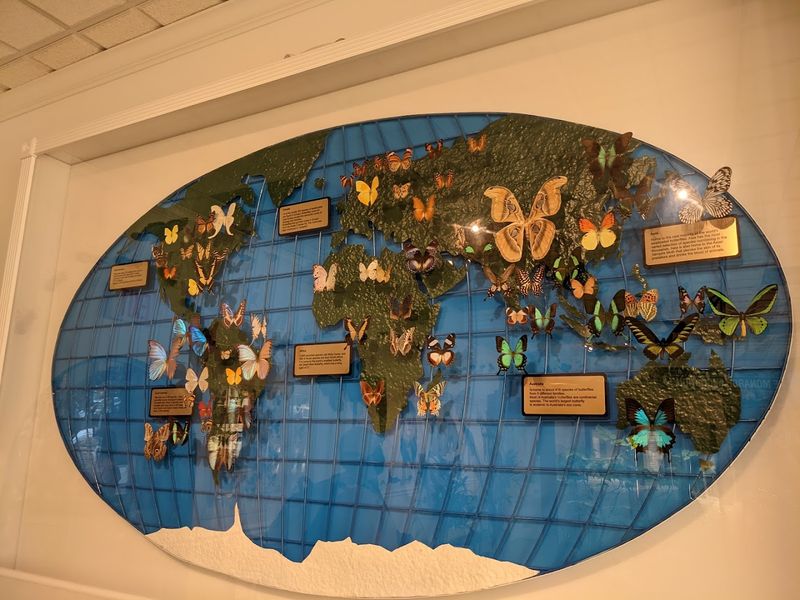
Small hands point faster than cameras can keep up here. Set expectations at the entrance: no touching, slow steps, and eyes on the path because butterflies often land on the walkway.
Strollers fit the path comfortably, and benches break the loop into easy segments.
Turn the visit into a quiet scavenger list. Spot one zebra longwing, one Blue Morpho, a chrysalis, a turtle near the stream, and a flamingo feather glinting in the water.
Celebrate each find with a soft cheer so nearby guests keep their calm, too.
Curiosity blooms when staff chat with kids at eye level. Ask about favorite nectar plants or how to tell a moth from a butterfly in one glance.
Those tiny lessons travel home and reappear the next time a caterpillar shows up on the patio.
Budget 45 to 75 minutes and bring a light layer because humidity at 80 and 80 can feel cozy or intense. Snacks wait in your bag for later since the habitat stays food free.
Leave with one fact, one photo, and one story your kid can retell at dinner.
Accessibility and Comfort
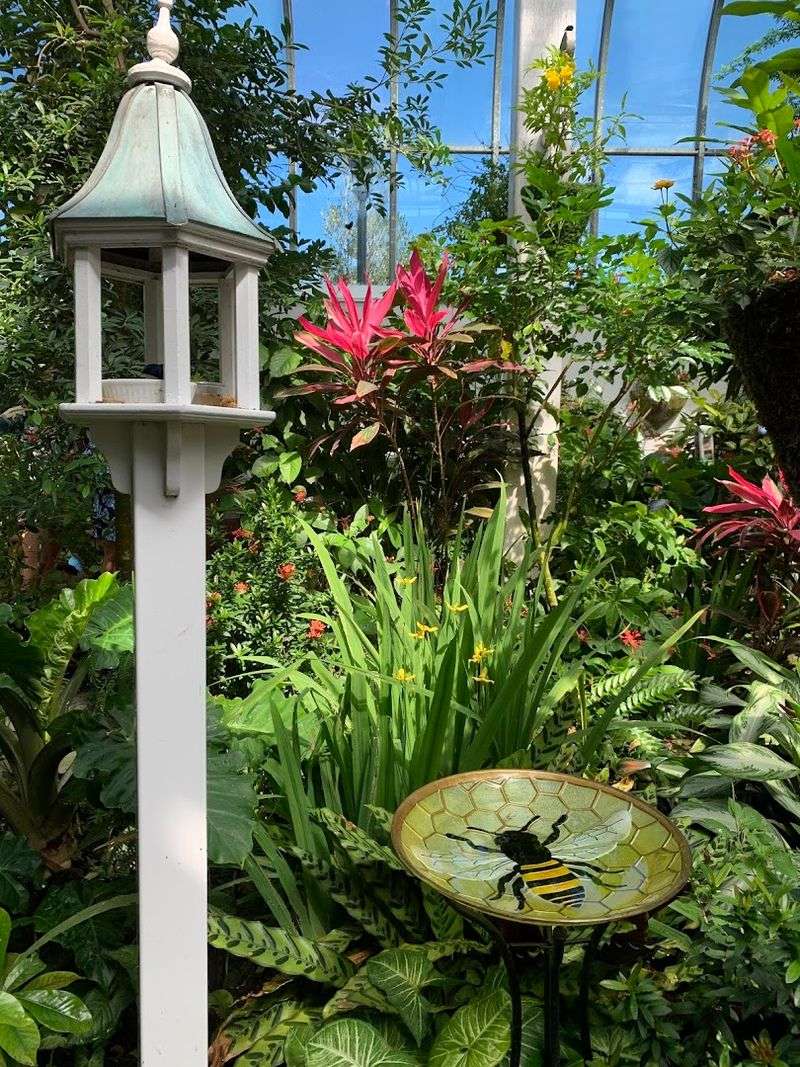
Paths are smooth and gently curved, friendly to wheels and unhurried steps. The air sits around 80 degrees with similar humidity, so pace yourself and use the benches as planned intermissions.
Sunglasses on a cord help as you move between bright pools and shaded corners.
The airlock uses two doors for safety, and staff guide the flow kindly. If you need more time through, say so before you start, and they handle it without fuss.
Keep tickets handy because you can loop again, which helps anyone who benefits from shorter sessions.
Restrooms and water are outside the habitat, so take a quick stop before entering. A small towel or bandana becomes priceless in humid air.
For mobility devices, turning radiuses feel comfortable, and fellow guests generally give space with patient smiles.
When in doubt, ask. The team knows the room by feel and can point you to cooler spots, quieter benches, or the best views without stairs.
Comfort here is less about powering through and more about letting the place set your pace.
Ticketing, Discounts, and Timing
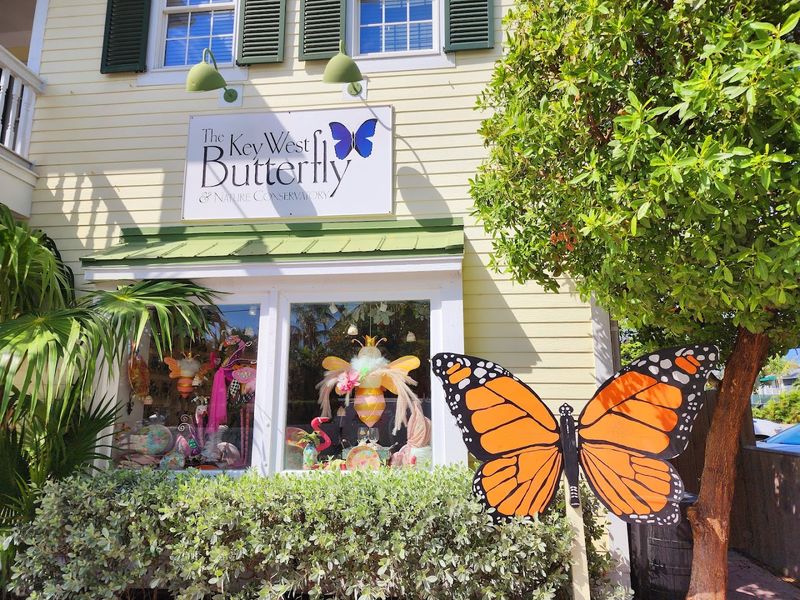
Walk-ups are welcome, and the flow moves briskly, but peak hours can bring a line. Seniors and military often receive discounts, so ask kindly at the counter.
If your group is large, touch base a little earlier to keep everyone together through the airlock.
Budget an hour for a relaxed loop, longer if you enjoy photography or seated pauses. Cooler days on the island push more people indoors, so a morning start helps.
Keep your receipt handy because reentry the same day lets you savor round two.
Staff set the tone right away with quick guidance on etiquette and comfort. They are happy to answer species questions, share current blooms, and point you to the flamingos when they are most chatty.
That two minute conversation improves the whole visit.
If timing slips, do not skip the education gallery. Five minutes there amplifies everything you will notice in the habitat.
The day feels better when you give curiosity a head start.
Quiet Corners and Seating
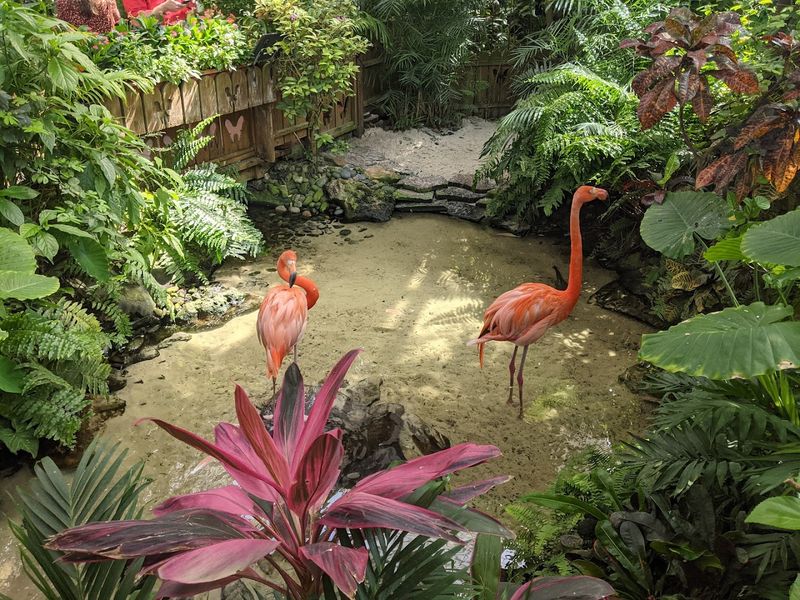
Three seating pockets offer different moods. The gazebo catches cross breezes and frames flamingos in profile, while benches near the entrance feel airy and bright.
A quieter perch by the exit lets you watch butterflies coast along the stream like leaves that forgot to land.
Take two minutes on each seat and notice what changes. Light shifts, sounds layer, and species swap perches as the room breathes.
Slowing down here rewards you more than any sprint through the loop.
If a bench is full, lean along the railing and stay mindful of the path. A rested guest is a better spotter, and the best sightings often appear when you are comfortably still.
This is also when kids re-center, especially if you turn the moment into a calm counting game.
When you finally stand, move as if the floor might bloom. That gentle pace creates space for everyone else.
It also keeps your own mind from snapping back to street speed too soon.
Birds, Turtles, and Harmony
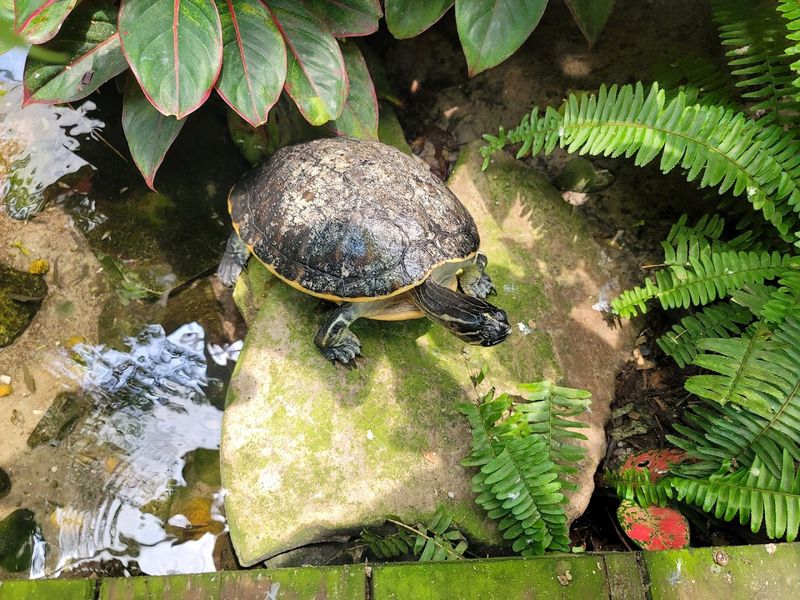
Look past the obvious wings and you will find more residents sharing the habitat. Small birds flash between branches, trading soft calls that thread through the water sounds.
Turtles sun themselves like old regulars who know the best rocks.
Everything here is curated for peaceful coexistence. Species are selected so butterflies are safe, plants thrive, and guests can stand close without stress.
That balance makes the room feel intentional rather than crowded, which is why your shoulders drop within minutes.
Photography gains context when a bird slips into the background or a turtle anchors the frame. Step back a half pace to include a reflection or an arch of leaves.
Stories land better when they hold more than one character.
Ask staff which birds you are hearing and what the turtles prefer for basking. A single answer unlocks new details across the loop.
The more you notice, the more the garden reveals itself like a friendly secret.
Mindful Etiquette That Protects The Magic
The room works because everyone participates. Doors open one set at a time, bags stay zipped, and fingers behave like good neighbors.
Butterflies land where they wish, so scanning your shoulders and hat before leaving becomes part of the ritual.
Photos feel kinder with flash off and bodies anchored away from feeders. Speak in library tones, step aside for strollers, and watch for wings resting on the walkway like petals.
It is amazing how much more you see when your volume falls to a whisper.
Kids learn quickly when given a mission to protect tiny travelers. Offer a phrase like, we are guardians today, and watch posture change.
Staff notice those efforts and often share a bonus tip or two.
Following these small courtesies keeps the magic intact for the next guest and for the creatures that live here full time. You will carry that mindset onto the street outside, hearing traffic differently for a minute or two.
That is the real souvenir, free and renewable.