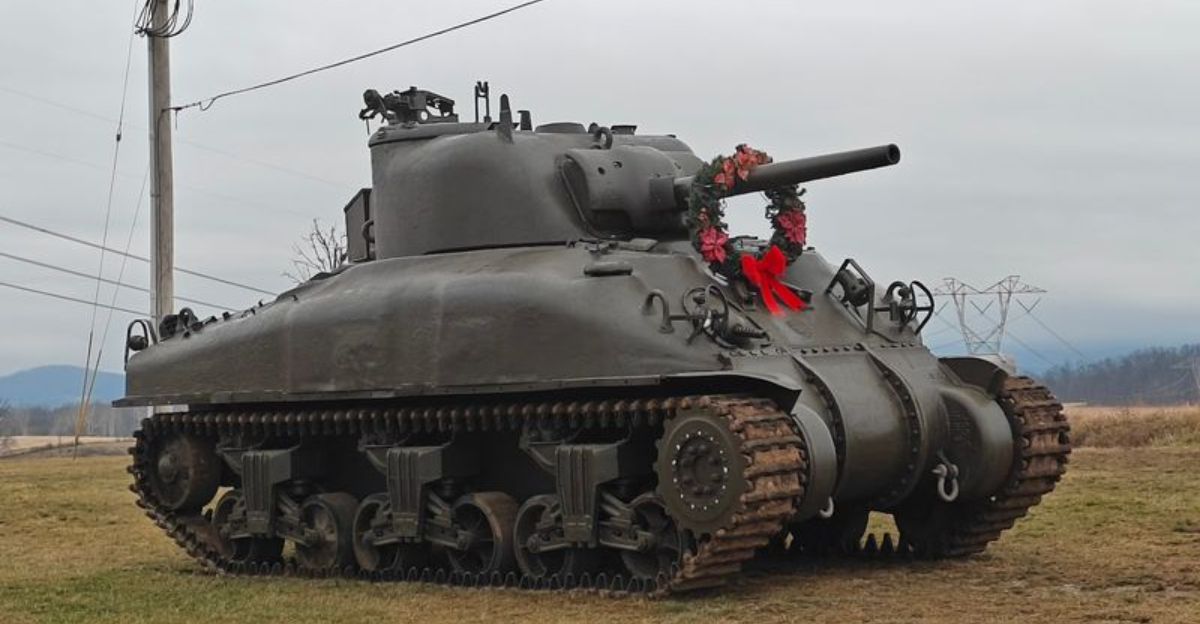
Tucked away in Gettysburg, Pennsylvania, the World War II American Experience museum offers something you rarely find anywhere else — a chance to stand just inches away from real military vehicles, hold history in your hands, and feel the weight of stories that shaped the entire world.
This is not your average museum with roped-off glass cases and long walls of text.
Every corner of this place has been designed to pull you into the war years, connecting you with the real people who lived, fought, and sacrificed during one of history’s most defining conflicts.
Whether you are a history enthusiast, a student, or a family looking for a meaningful day trip, this museum is a stop worth making.
A Museum Built Around Real Stories
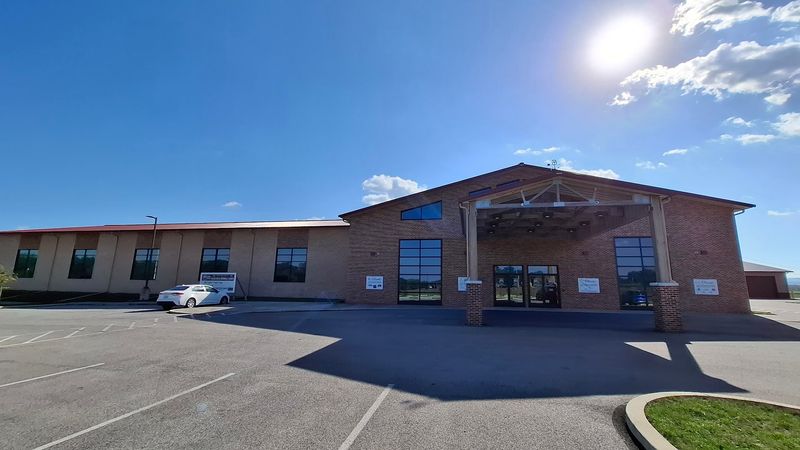
Most history museums hand you facts and dates. This one hands you a person.
The World War II American Experience in Gettysburg was built around the idea that the war is best understood through the eyes of the people who actually lived it — soldiers, nurses, factory workers, and families back home.
Every exhibit is anchored in a real narrative. You might read a letter a young soldier wrote to his mother before shipping overseas, or learn about a factory girl who worked double shifts to keep the supply lines moving.
These stories are not invented — they come from real documents, real voices, and real lives.
That personal focus changes the way visitors experience the space. Instead of walking through timelines, you are walking through lives.
You start to understand the fear, the pride, the boredom, and the heartbreak that defined daily existence during wartime. History stops feeling like something that happened far away and long ago — it starts feeling immediate and deeply human.
For younger visitors especially, this approach makes the war understandable in a way that textbooks rarely achieve.
Authentic WWII Vehicles on Display
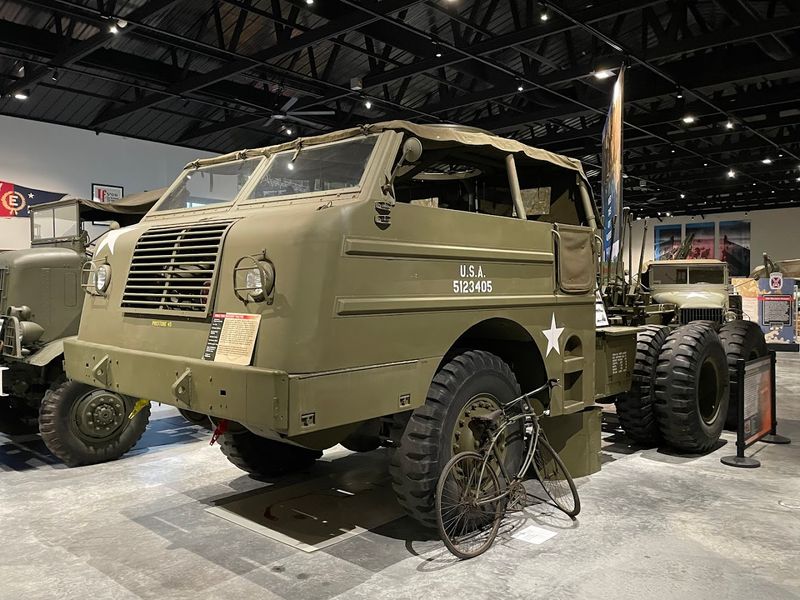
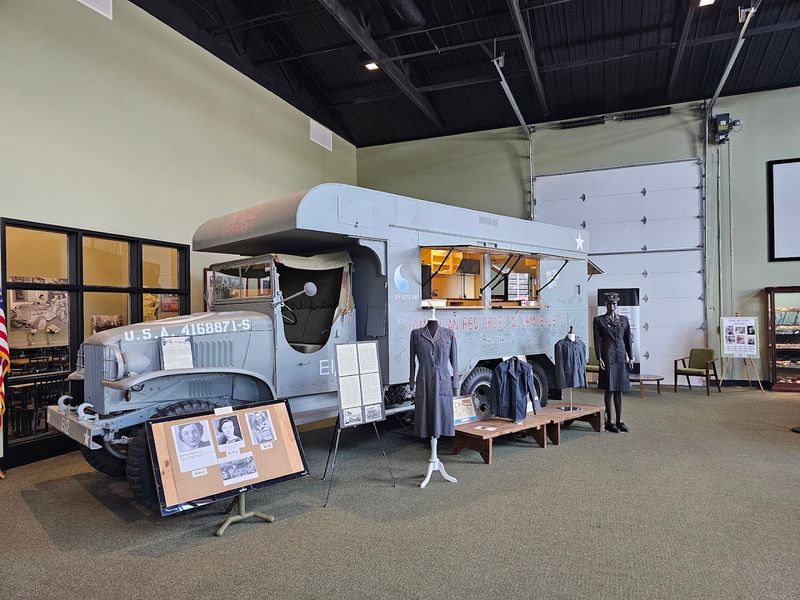
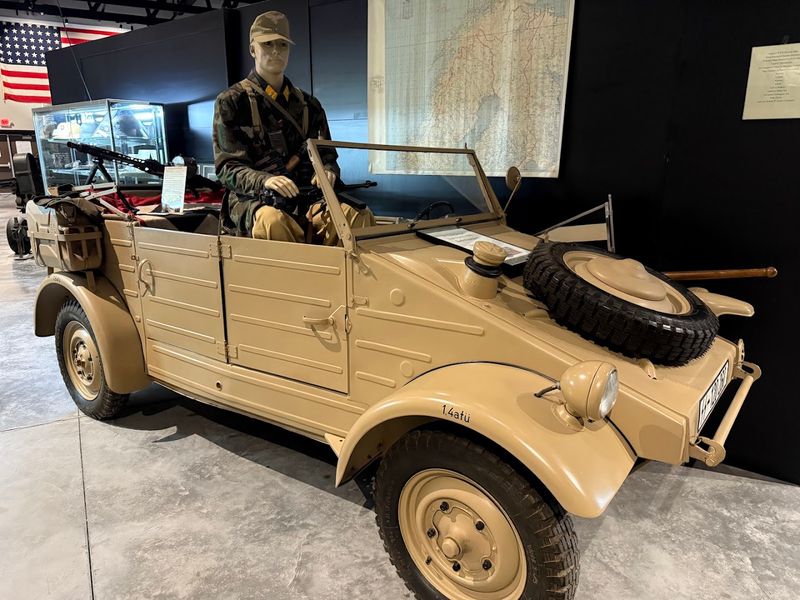
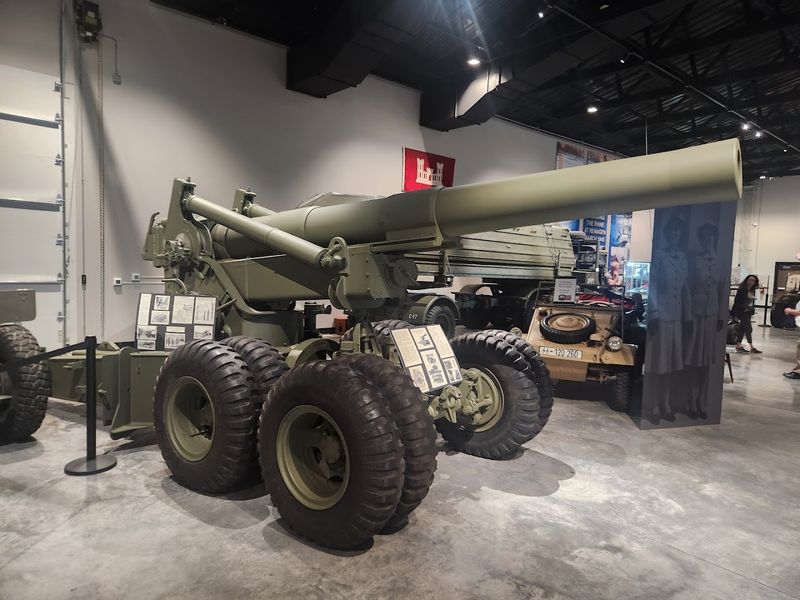
There is something genuinely jaw-dropping about standing next to a real WWII military vehicle. Not a replica, not a model — the actual machine that rumbled across European roads or hauled supplies through jungle heat.
The World War II American Experience gives visitors exactly that kind of access.
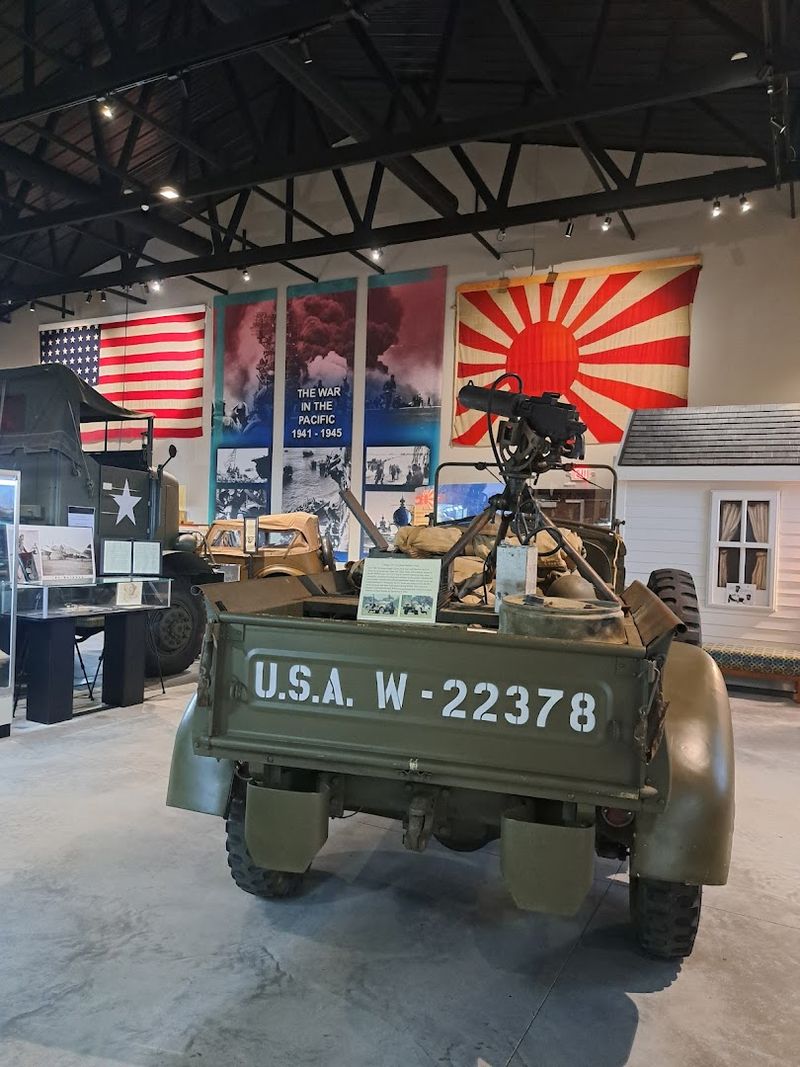
The collection includes transport trucks, specialized wartime machines, and other military vehicles that were part of the Allied effort. You can walk right up to them, study the wear on the metal, and imagine the men who operated them under fire.
Reading about these machines in a book is one thing; standing beside one is something else entirely.
Fun fact: many of these vehicles are among the few surviving examples of their type still in operational or near-operational condition, which makes the collection genuinely rare. Restorers and historians have worked hard to preserve them so future generations can see what powered the war effort.
For car enthusiasts, military history buffs, and curious kids alike, this part of the museum tends to be an instant favorite. Few things communicate the scale of WWII quite like a full-sized military truck looming right in front of you.
Immersive Dioramas That Recreate the War
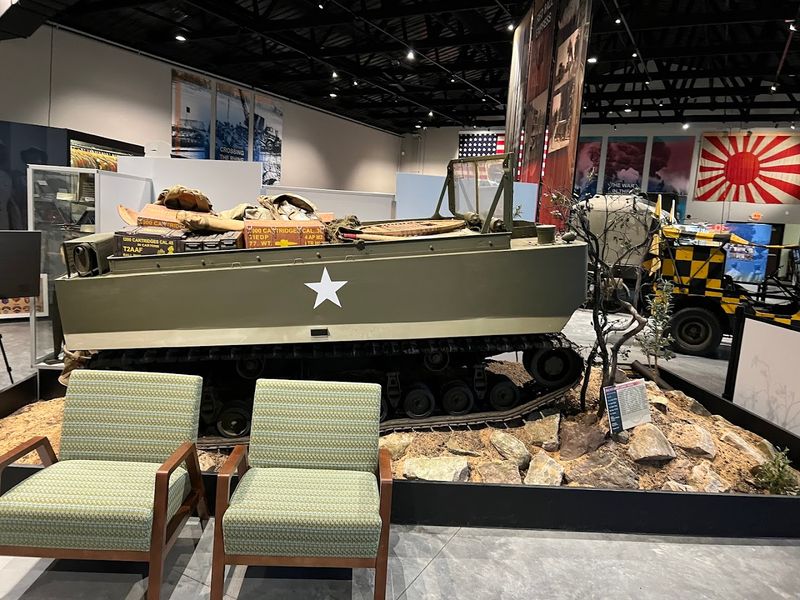
Picture walking into a room and suddenly feeling like you have stepped onto a WWII battlefield — or into a 1940s American kitchen where a family is listening to war news on the radio. That is what the dioramas at this museum are designed to do, and they do it remarkably well.
These are not simple displays. The scenes are life-sized, meticulously detailed, and built around real artifacts placed exactly where they would have been used.
A soldier’s mess kit sits beside a campfire setup. A nurse’s station holds genuine medical supplies from the era.
The attention to detail makes each scene feel lived-in rather than staged.
For younger visitors, dioramas are especially powerful because they answer the question kids always ask: “But what did it actually look like?” Seeing equipment in context — rather than isolated on a shelf — helps viewers understand function and meaning. Teachers who bring school groups often say the dioramas spark more questions and conversations than any other part of the visit.
The scenes cover both overseas combat environments and the American home front, giving a well-rounded picture of how the war touched every corner of life during the 1940s.
Personal Artifacts With Powerful Backstories
A pair of worn boots. A handwritten letter sealed with a faded stamp.
A pocket Bible with a soldier’s name penciled inside the cover. Objects like these carry a weight that statistics and battle maps simply cannot match.
At the World War II American Experience, many of the artifacts on display belonged to specific, named individuals whose stories are told alongside the items.
That connection transforms ordinary objects into something extraordinary. A uniform is no longer just fabric — it belonged to a real person who wore it through fear, cold, and exhaustion.
A photograph is no longer just an image — it was the thing a soldier reached for when he needed to remember why he was fighting. Visitors often report feeling unexpectedly moved by these small, everyday items.
The museum has worked hard to document the provenance of its collection, meaning staff can often tell you exactly who owned a piece and what happened to them. Some stories end in triumph; others are heartbreaking.
All of them are honest. For students studying WWII, spending time with these artifacts builds a kind of empathy that no textbook assignment can replicate.
History becomes a conversation with real people across time.
Interactive and Living History Experiences
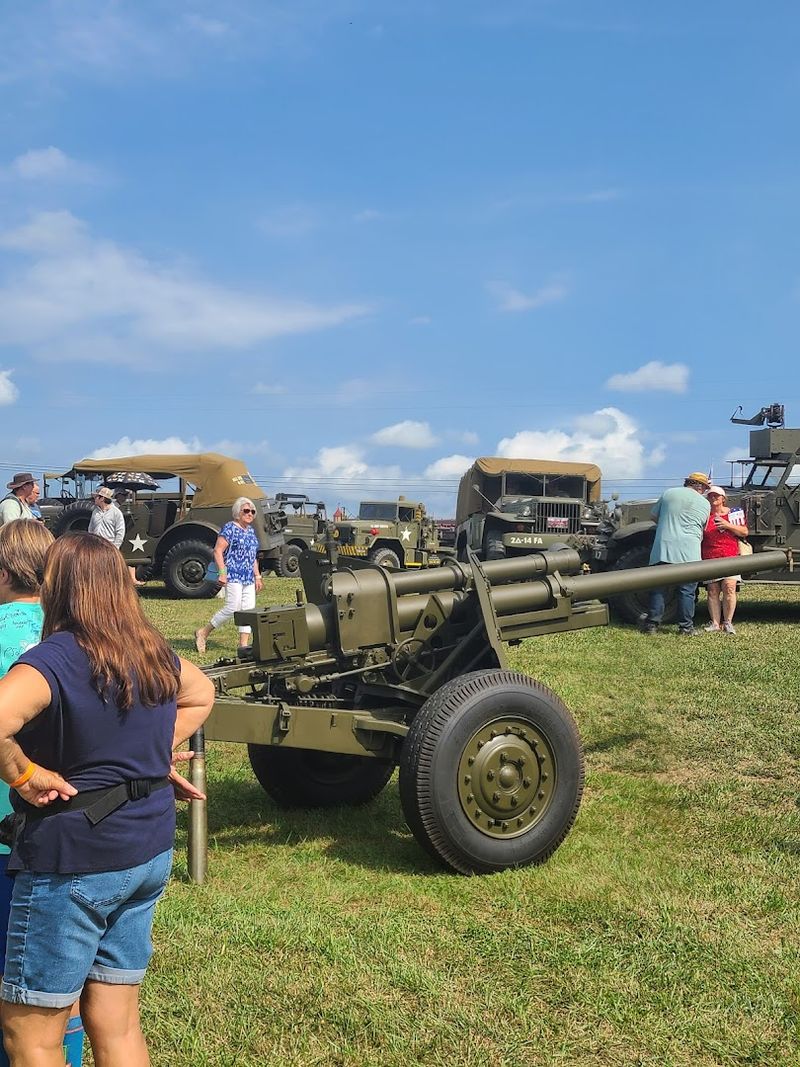
Standing in front of a display case is one way to learn history. Watching a WWII reenactor demonstrate how to field-strip a rifle, or hearing a “soldier” explain life in a foxhole while wearing period-accurate gear — that is a completely different kind of education.
The World War II American Experience regularly offers living history events that bring the exhibits to life in ways no static display ever could.
Programs vary by season and event schedule, but they often include weapons demonstrations, vehicle operation talks, period music performances, and hands-on activities for younger visitors. Some events allow guests to handle reproduction equipment under supervision, which tends to be a highlight for kids and adults alike.
Feeling the weight of a WWII-era pack or helmet makes the physical reality of soldiering suddenly very real.
These programs are especially valuable for school groups and family visits. Children who might lose focus in a traditional museum setting tend to stay fully engaged when history is literally walking around and talking to them.
Check the museum’s website or call ahead before your visit to find out what events are scheduled during your trip — timing your visit around a living history day can make the experience genuinely unforgettable.
Guided Tours That Add Depth and Context
You can absolutely walk through this museum on your own and have a great time. But visitors who take advantage of guided tours consistently say the experience becomes far richer.
A good guide does not just point at things — they explain why those things matter, what was happening in the broader war when a particular item was used, and what life felt like for the people involved.
The guides at the World War II American Experience are known for their enthusiasm and depth of knowledge. Many have spent years studying WWII history and can answer detailed questions that go well beyond what the exhibit labels cover.
They also have a talent for adjusting their explanations depending on the audience — simplifying for younger visitors, going deeper for history enthusiasts, and finding emotional entry points for people who had family members serve in the war.
A guided tour typically runs longer than a self-guided walk but covers the same ground with far greater context. If you are visiting with a group, a tour is especially recommended because it keeps everyone moving together and ensures no one misses a key exhibit.
Ask at the front desk about tour availability and scheduling when you arrive — spots can fill up quickly on busy weekends.
A Focus on the American Experience of the War
World War II was a global conflict involving dozens of nations, but this museum zeroes in on what it meant specifically to be American during those years. That focused lens makes the story feel immediate and personal for most visitors, especially those with family roots in the United States during the 1940s.
The exhibits cover both sides of the American experience — the combat overseas and the home front back in the States. You will find material about soldiers storming beaches and fighting through hedgerows, but also about the women who filled factory jobs, the families who planted victory gardens, and the communities that held scrap metal drives to support the war effort.
The museum treats the home front as just as important as the battlefield, which gives a much more complete picture of how America mobilized for the conflict.
That balance is genuinely refreshing. Too often, war museums focus almost entirely on weapons and battles while ignoring the civilian story.
Here, a Rosie the Riveter-era poster carries the same weight as a combat uniform. Visitors leave with a fuller understanding of how deeply the war touched every single corner of American life — from the biggest cities to the smallest farming towns across the country.
Unique Artifacts Like Signed Vehicles
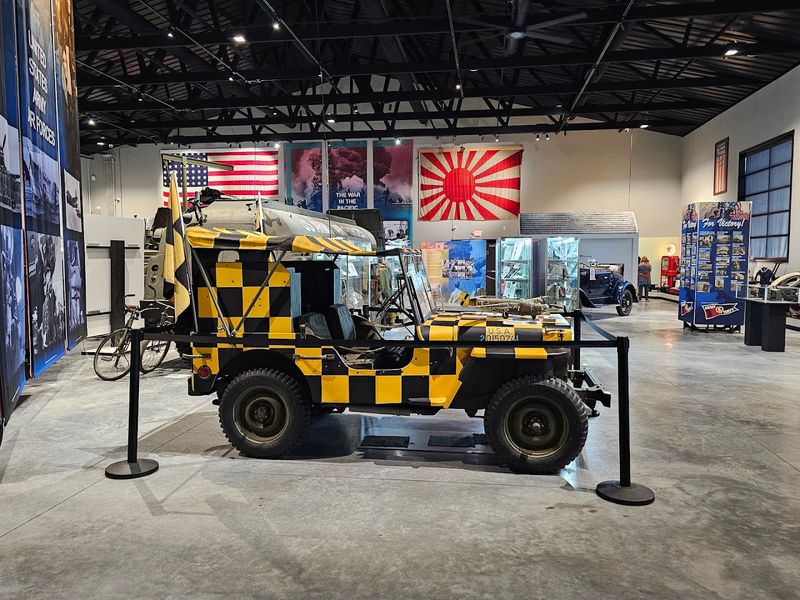
Among all the remarkable things inside the World War II American Experience, one category of artifact tends to stop visitors dead in their tracks: vehicles and items signed by actual WWII veterans. Seeing a vehicle covered in the handwritten names and messages of men and women who served in the war is a quietly overwhelming experience.
Each signature represents a life. A story.
A person who was young once, who was scared once, who did something extraordinary during one of history’s darkest chapters. When you stand close enough to read those names, the war stops being an abstraction and becomes a collection of individuals.
That shift in perspective is something you carry with you long after you leave the museum.
These signed pieces are also historically significant in a practical sense. As WWII veterans pass away — the youngest survivors are now in their late nineties — artifacts bearing their signatures become increasingly irreplaceable.
Museums like this one are racing against time to preserve these connections before they are lost forever. Visiting now means seeing these items while their stories can still be told by people who were there.
That urgency gives the signed vehicle exhibit an emotional power that is hard to fully describe until you experience it yourself.
Located Near Gettysburg’s Historic Landscape
Gettysburg is already one of America’s most historically significant destinations, known worldwide as the site of the Civil War’s bloodiest battle. Dropping a WWII museum into that landscape creates something genuinely special — a town where you can move through nearly a century of American military history in a single day.
The World War II American Experience sits just minutes from Gettysburg National Military Park, making it an easy addition to any visit to the area. Many families and tour groups plan their itinerary to include both sites, spending the morning walking the Civil War battlefield and the afternoon inside the WWII exhibits.
The contrast between the two eras — one fought with muskets and cannon, the other with tanks and aircraft — is striking and thought-provoking in the best possible way.
The town of Gettysburg itself is worth exploring too. The downtown area has excellent restaurants, small shops, and additional historical sites that round out a full day or weekend trip.
Staying overnight gives you time to visit both the WWII museum and the Civil War park without feeling rushed. For history-minded travelers, few destinations in the eastern United States pack as much genuine significance into such a compact and accessible area as Gettysburg, Pennsylvania.
Visitor Info and Planning Tips
Planning a visit to the World War II American Experience is pretty straightforward, but a few tips will help you make the most of your time. The museum is generally open from spring through fall, so check the official website for current hours before heading out — seasonal closures can catch first-time visitors off guard.
Admission is reasonably priced for families, and group rates are typically available for school trips or organized tours.
Parking is accessible and located near the entrance, which makes arrival easy even with young children or visitors who have mobility needs. The facility is designed to accommodate guests of varying abilities, so do not hesitate to contact the museum ahead of time if you have specific accessibility questions.
Staff members are consistently described by visitors as friendly, knowledgeable, and happy to help.
Plan to spend at least two to three hours if you want to move through the exhibits at a comfortable pace. Rushing through means missing the details that make this place special — the small labels, the personal stories, the quiet moments in front of a signed vehicle or a soldier’s letter.
Special events, including living history weekends and veteran tribute programs, happen throughout the season. Checking the calendar when booking your trip can turn a good visit into a truly memorable one.