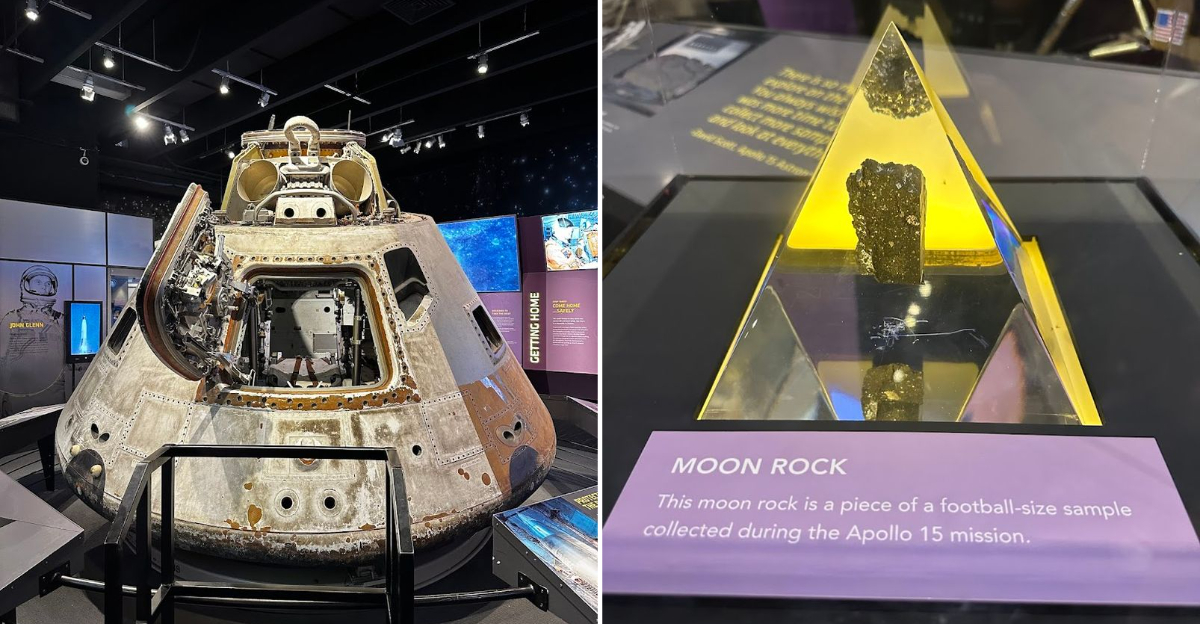
Cleveland’s Great Lakes Science Center offers something truly special for space enthusiasts and curious minds alike. Located right on Lake Erie’s waterfront, this museum houses genuine NASA artifacts that tell the story of America’s space exploration journey.
You can get up close to equipment that actually traveled to space, touch pieces of history, and learn what it takes to become an astronaut. Whether you’re a kid dreaming about the stars or an adult who remembers watching moon landings on TV, this place brings space exploration to life in ways you never imagined.
Apollo Command Module Skylab 3
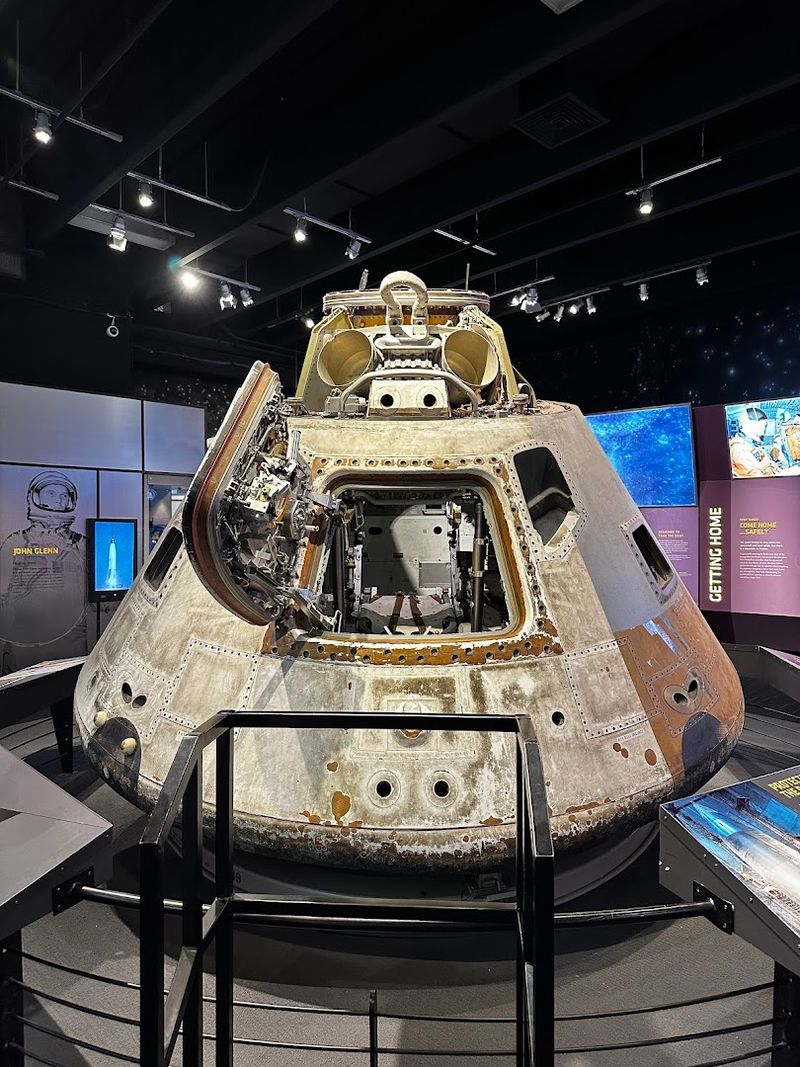
Standing face-to-face with a real Apollo Command Module feels surreal. This actual spacecraft carried astronauts Alan Bean, Jack Lousma, and Owen Garriott to Skylab in 1973.
The capsule looks smaller than you’d expect, making you realize how brave those astronauts were. Its heat-scarred exterior tells stories of burning through Earth’s atmosphere at thousands of miles per hour.
You can see the scorch marks and imagine the intense journey home.
The museum borrowed this treasure from the Smithsonian Institution, which shows how important Cleveland’s science center really is. Walking around it, you’ll spot tiny windows the crew looked through and the parachute compartment that helped them land safely.
The burnt orange and black patterns on the heat shield aren’t painted—they’re actual burn marks from reentry.
Kids especially love learning that three people lived inside this tight space. Museum staff often share stories about what the astronauts ate, how they slept, and what they did during their 59 days in space.
This isn’t a replica or a model—it’s the real deal, making it one of the most valuable space artifacts outside Washington D.C.
NASA Glenn Research Center Exhibits
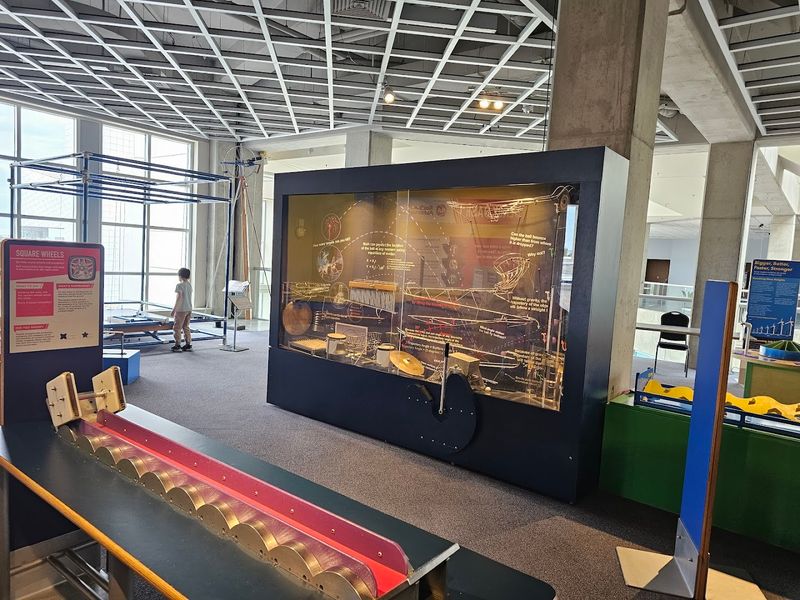
NASA’s Glenn Research Center sits right in Cleveland, and the Science Center showcases cutting-edge research happening in your own backyard. These exhibits prove that space exploration isn’t just history—it’s happening now.
You’ll discover how scientists test jet engines and spacecraft parts in extreme conditions. Interactive displays let you control virtual wind tunnels and see how air flows around different shapes.
These same tests help design better airplanes and safer spacecraft.
One popular section explains how NASA Glenn develops technology for Mars missions. Touch screens show you the rovers currently exploring the red planet and explain how they survive in such harsh environments.
You can even see examples of materials being tested for future moon bases.
The coolest part? Learning about electric aircraft propulsion and green aviation fuel that scientists are developing right in Cleveland.
Many kids get inspired seeing that space careers aren’t just for astronauts—engineers, scientists, and technicians all play crucial roles. The exhibits change regularly as new research projects begin, so there’s always something fresh to discover about humanity’s next giant leaps.
Mission Control Recreation Center
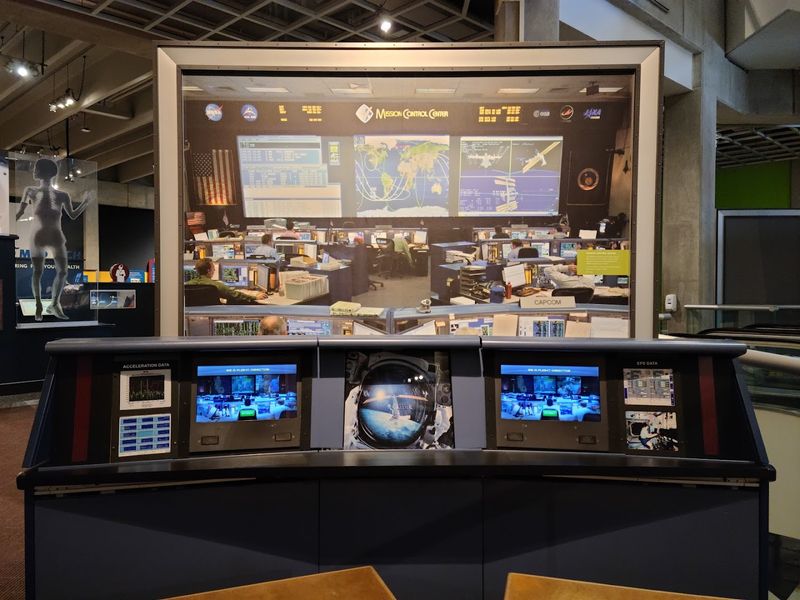
Picture yourself as a flight controller during a critical space mission. This recreation of NASA’s Mission Control puts you right in the action.
Multiple computer consoles surround you, each showing different aspects of a spacecraft’s journey. While these aren’t the original Mission Control computers, they’re based on actual designs from the Apollo era.
Buttons, switches, and screens let you pretend you’re monitoring life support systems, tracking orbital paths, or communicating with astronauts.
The exhibit teaches you that Mission Control teams included hundreds of specialists, each responsible for specific systems. You’ll understand why the famous phrase “Houston, we have a problem” caused such coordinated teamwork to solve crises.
Interactive elements let you practice making split-second decisions that real controllers faced.
Many families spend extra time here because everyone wants a turn sitting at the flight director’s console. The exhibit includes headsets so you can experience communications between ground control and spacecraft.
Historical footage plays on overhead screens, showing actual missions alongside your pretend one. It’s remarkable how this recreation helps you appreciate the incredible concentration and expertise required to safely guide astronauts through space.
Authentic Space Suit Collection
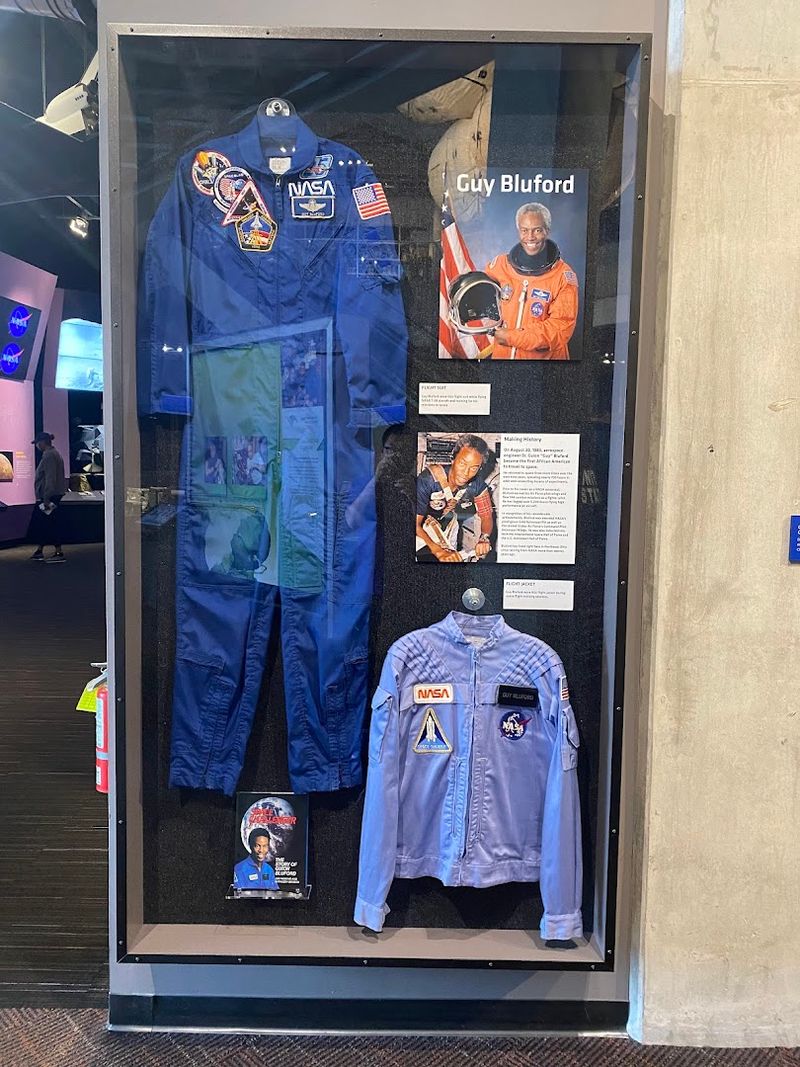
Standing next to a real space suit makes you realize these aren’t just costumes—they’re sophisticated survival machines. Each suit costs millions of dollars and takes months to custom-build for individual astronauts.
The collection includes different suit types used throughout NASA’s history. You’ll see the bulky Apollo-era suits designed for walking on the moon’s surface, complete with gold-tinted visors that protected astronauts from intense solar radiation.
Modern International Space Station suits look surprisingly different, optimized for spacewalks rather than lunar exploration.
Information panels explain each suit layer and its purpose. The innermost layer contains water-cooling tubes that prevent overheating, while outer layers protect against micrometeoroids traveling faster than bullets.
That bulky backpack? It’s actually a personal life support system providing oxygen, removing carbon dioxide, and regulating temperature.
Kids are amazed learning that astronauts spend hours getting into these suits before spacewalks. The gloves alone are engineering marvels, allowing delicate work while maintaining pressure.
Seeing the suits’ actual size helps visitors understand the physical challenges astronauts face. Many people leave with newfound respect for the courage and endurance required for space exploration.
Rocket Engine and Propulsion Gallery
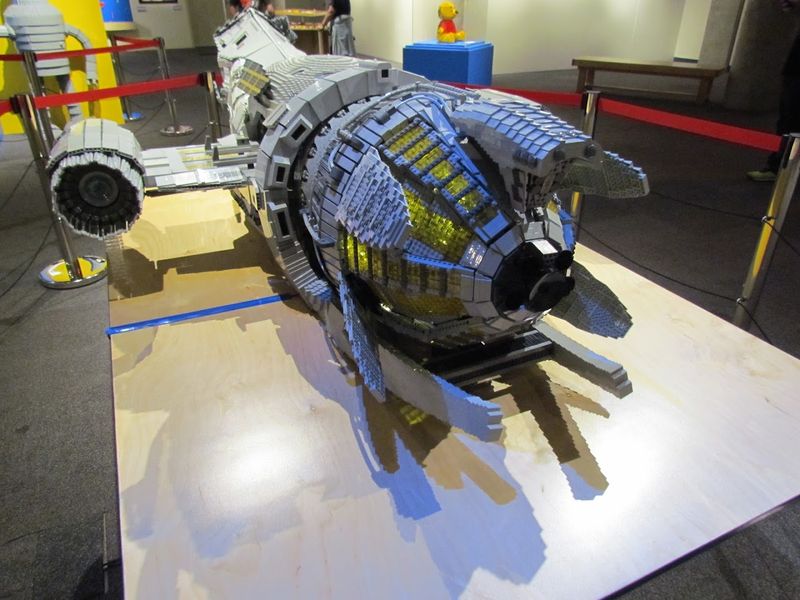
Massive rocket engines dominate this gallery, showcasing the incredible power needed to escape Earth’s gravity. These aren’t small models—they’re actual engines that either flew or were tested for space missions.
The sheer size surprises most visitors. One engine stands taller than most adults, with a bell-shaped nozzle that looks like it belongs in a science fiction movie.
Informational displays explain how these engines burn fuel so efficiently that they can lift millions of pounds into orbit.
You’ll learn about different propulsion types, from chemical rockets to experimental ion drives being developed for deep space missions. Interactive elements let you compare thrust levels and fuel efficiency between various engine designs.
One popular demonstration shows how action and reaction work—the same principle that launches spacecraft.
The exhibit doesn’t shy away from explaining failures alongside successes. You’ll read about engine tests that went wrong and how engineers solved problems to make space travel safer.
Seeing the intricate plumbing, pumps, and combustion chambers up close reveals the complexity behind every launch. Many engineering students visit specifically for this gallery, finding inspiration for their future careers in aerospace technology.
International Space Station Model and Activities
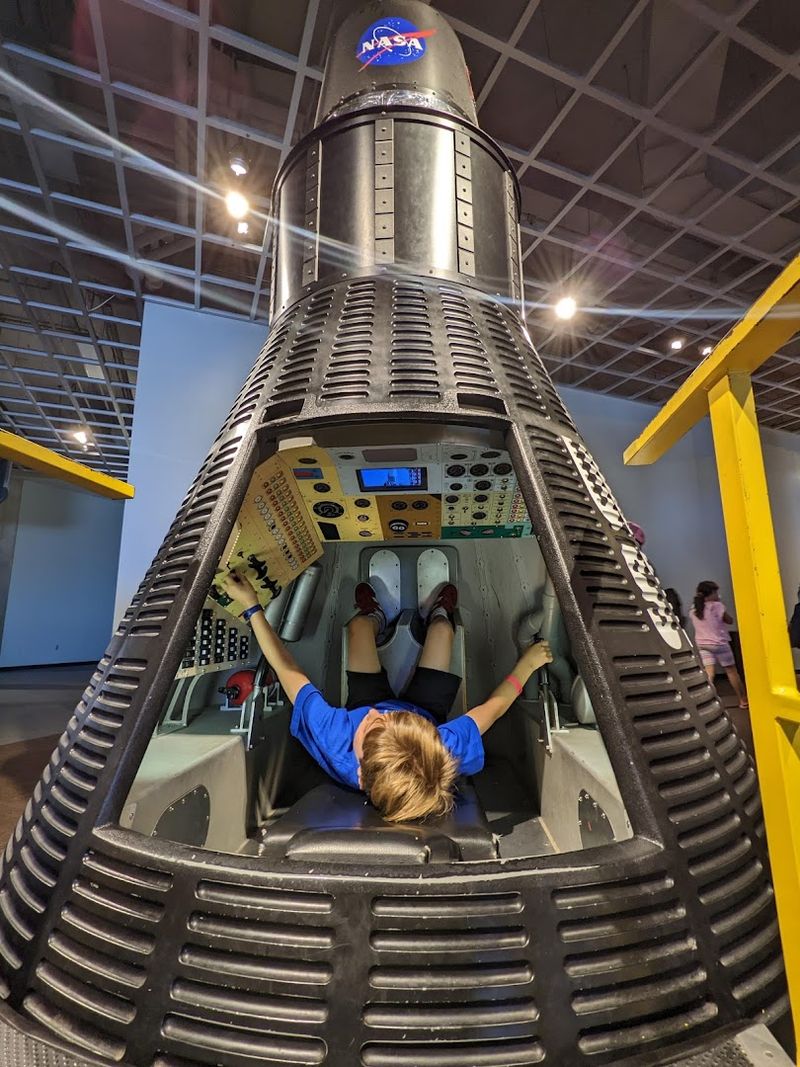
A detailed International Space Station model helps you understand humanity’s most expensive structure ever built. Floating 250 miles above Earth, the real ISS serves as home for astronauts conducting experiments impossible to do on our planet.
This model shows every module, solar panel, and docking port in accurate detail. You’ll identify where astronauts sleep, exercise, and conduct research.
The exhibit explains how the station was assembled piece by piece over many years, with contributions from multiple countries working together.
Interactive displays let you explore what daily life aboard the ISS involves. You’ll discover how astronauts handle basic activities like brushing teeth, going to the bathroom, and staying clean without running water.
Videos show real astronauts floating through the station, demonstrating how they move in zero gravity.
The model emphasizes international cooperation in space exploration. Modules built by America, Russia, Europe, and Japan all connect to create one unified laboratory.
Kids particularly enjoy learning about the constant supply missions that bring food, equipment, and experiments to the crew. Understanding the ISS’s purpose—advancing science and preparing for longer missions to Mars—makes visitors appreciate this orbiting research facility’s importance.
Moon Rock and Lunar Sample Display
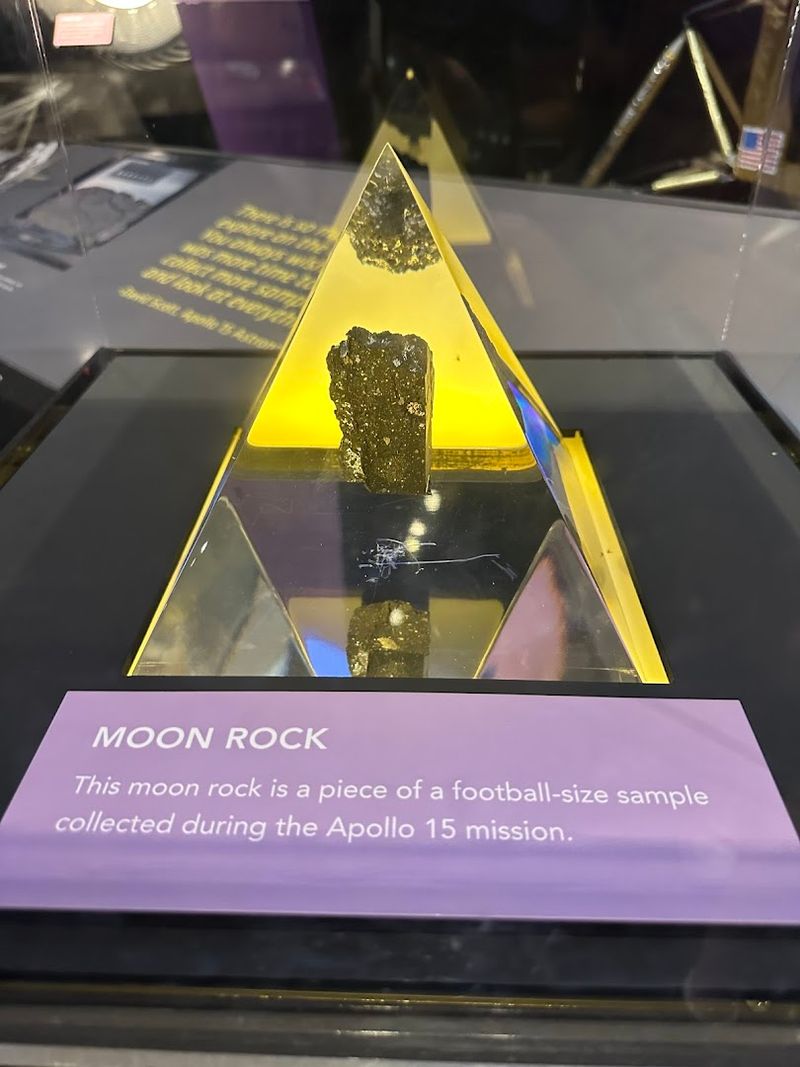
Few people ever get to see actual moon rocks, making this display extraordinarily special. These samples traveled 240,000 miles to Earth in the hands of brave Apollo astronauts.
The rocks look surprisingly ordinary at first glance—gray, dusty, and not particularly shiny. But knowing they formed billions of years ago on another world transforms them into priceless scientific treasures.
Magnifying equipment lets you examine the surface texture and tiny craters caused by micrometeorite impacts.
Educational materials explain how scientists study these samples to understand the moon’s formation and history. Some rocks contain information about the early solar system that can’t be found anywhere on Earth.
The exhibit describes the careful procedures astronauts followed to collect samples without contaminating them.
NASA shares these precious rocks with only select museums nationwide, showing the Great Lakes Science Center’s respected status. Each sample sits in an airtight case protecting it from Earth’s atmosphere and curious fingers.
Information panels detail which Apollo mission collected each rock and from what lunar region. Many visitors report feeling emotional seeing something that once sat on the moon’s surface, representing humanity’s greatest exploration achievement.
Astronaut Training Simulator Experiences
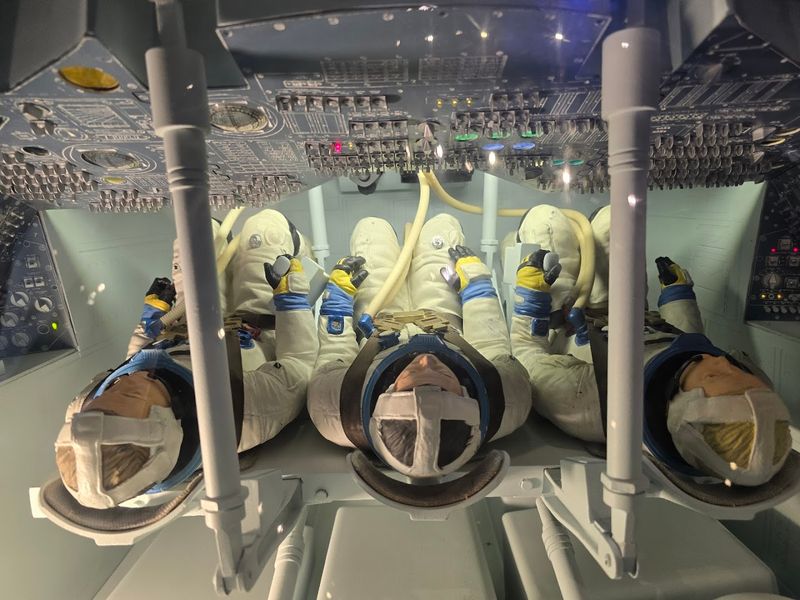
Want to experience what astronaut training feels like? These simulators give you a taste of the challenging preparation required for space missions.
The multi-axis trainer spins visitors in multiple directions simultaneously, simulating the disorienting tumbling astronauts might experience during spacecraft malfunctions. It looks terrifying but operates at safe speeds appropriate for museum visitors.
Lines often form as brave participants wait their turn to test their inner ear’s stability.
Other simulators recreate landing a spacecraft or docking with the International Space Station. These computer-based challenges prove much harder than they appear, teaching respect for astronauts’ skills and training.
You’ll use real joystick controls similar to those in actual spacecraft, making split-second decisions as your vehicle approaches the station.
The simulators teach that becoming an astronaut requires years of physical conditioning, technical education, and psychological preparation. Information nearby explains how NASA selects astronauts from thousands of applicants, choosing only the most qualified candidates.
Many kids leave inspired to study science and math more seriously after trying these simulators. Even adults who don’t succeed at first attempts gain appreciation for the incredible abilities astronauts must develop through countless training hours.
Dome Theater Space Documentaries
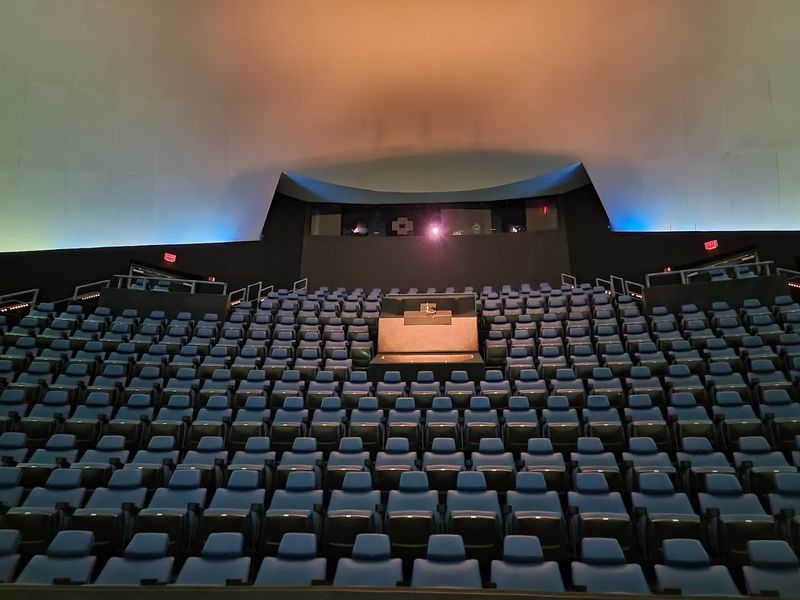
The museum’s massive dome theater wraps you in a 360-degree space experience that regular movie screens can’t match. Your chair reclines so you’re looking up at the curved screen surrounding your entire field of vision.
Space documentaries shown here use footage from actual missions combined with stunning computer graphics. You’ll feel like you’re floating alongside the International Space Station, landing on Mars with rovers, or flying through distant galaxies.
The theater’s advanced sound system makes rocket launches rumble through your chest.
Films change regularly, covering different aspects of space exploration and astronomy. Some focus on black holes and cosmic mysteries, while others follow current missions to distant planets.
The educational content meets entertainment perfectly, keeping both children and adults engaged throughout.
Visitor reviews consistently praise the dome experience as worth the extra ticket cost. The theater also hosts special events like laser light shows and evening astronomy presentations.
On Thursday nights, the museum stays open late specifically for dome shows, making it a unique date night destination. Watching Earth from space on this enormous screen reminds viewers how fragile and beautiful our planet looks from orbit—an experience astronauts describe as life-changing.